









UPDATE: Elias Huizar was found with a self-inflicted gunshot wound to the head. His 1-year-old son was found and taken safely into custody. More
The Latest News
View All

More than 500 people have signed on to support a group of protesters who are fighting the 'buffer zone' around Karen Read's trial. More

When charges were brought against Maxwell Anderson, investigators noted blood found on bedding and a wall in his home. More

The trial of Chad Daybell, accused in the death of his first wife and the two youngest children of his second wife, Lori Vallow, is... More
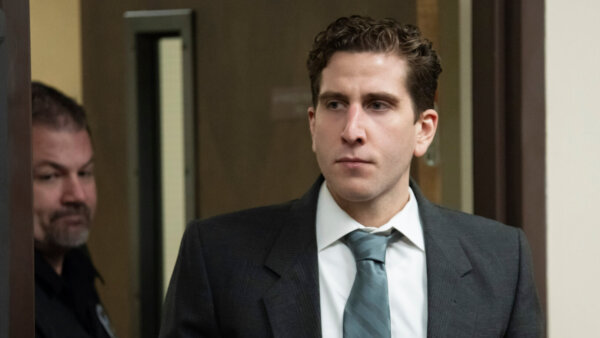
An Idaho judge has ruled Bryan Kohberger's defense team can continue it's survey of prospective jurors. More

UPDATE: A mistrial has been declared in the trial of rancher George Alan Kelly, charged in the shooting death of Gabriel Cuen Buitema. More

Prosecutors say Karen Read backed her SUV into John O'Keefe and left him for dead. She claims she dropped him off and never heard from... More

Amber Estep's body was found Jan. 20. Following her death, Brian Estep and Lane Estep quickly moved to West Virginia. More

Despite his request to be allowed to skip it, a judge ruled that Adam Montgomery must appear at his sentencing for murdering his daughter. More

Devin Hansen shot his wife then began chasing the ambulance on the interstate while nearby officers began to pursue him, police said. More

Someone walking the beach along Lake Michigan found more remains, which are believed to be that of Sade Robinson. More

The defense argument centers around evidence in the case that they say the prosecution should never have had access to. More






TRIAL ARCHIVES
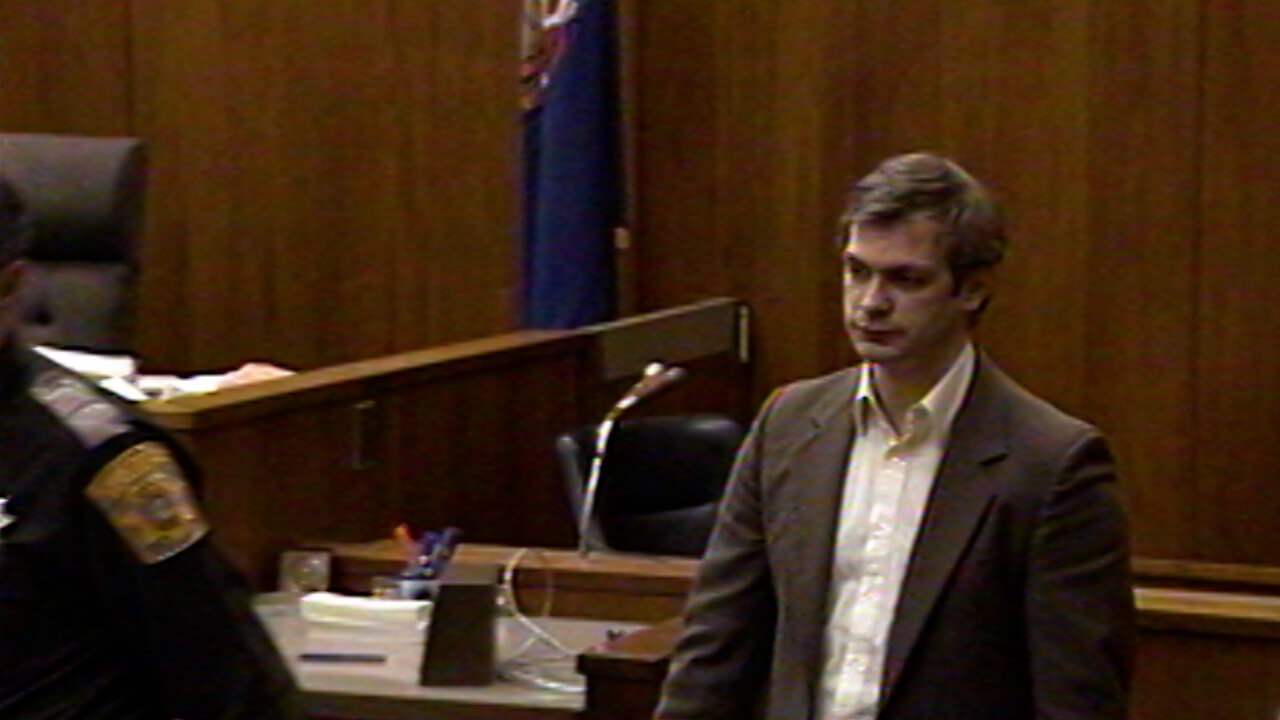

WI v. DAHMER (1992)
Jeffrey Dahmer is facing life in prison or admittance to mental institution for the killings of 15 boys and men.
WATCH NOW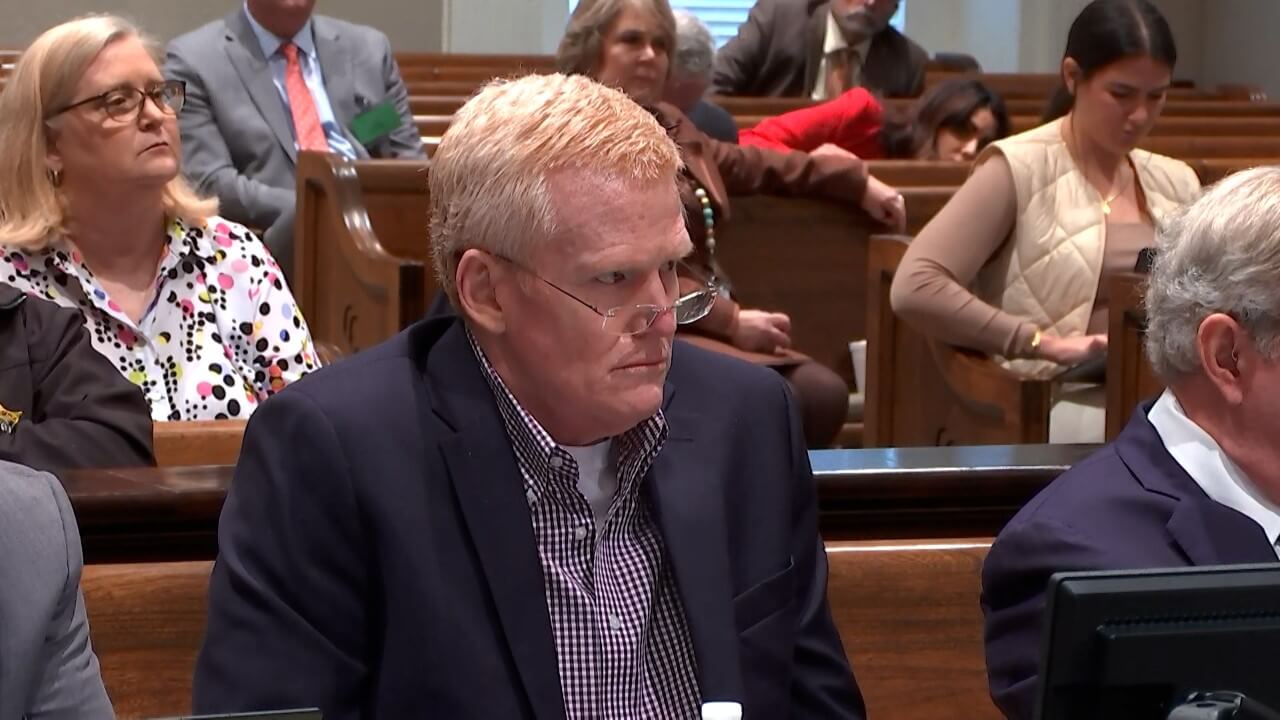
SC v. MURDAUGH (2023)
Alex Murdaugh is accused of killing his youngest son, Paul, and wife, Maggie.
WATCH NOW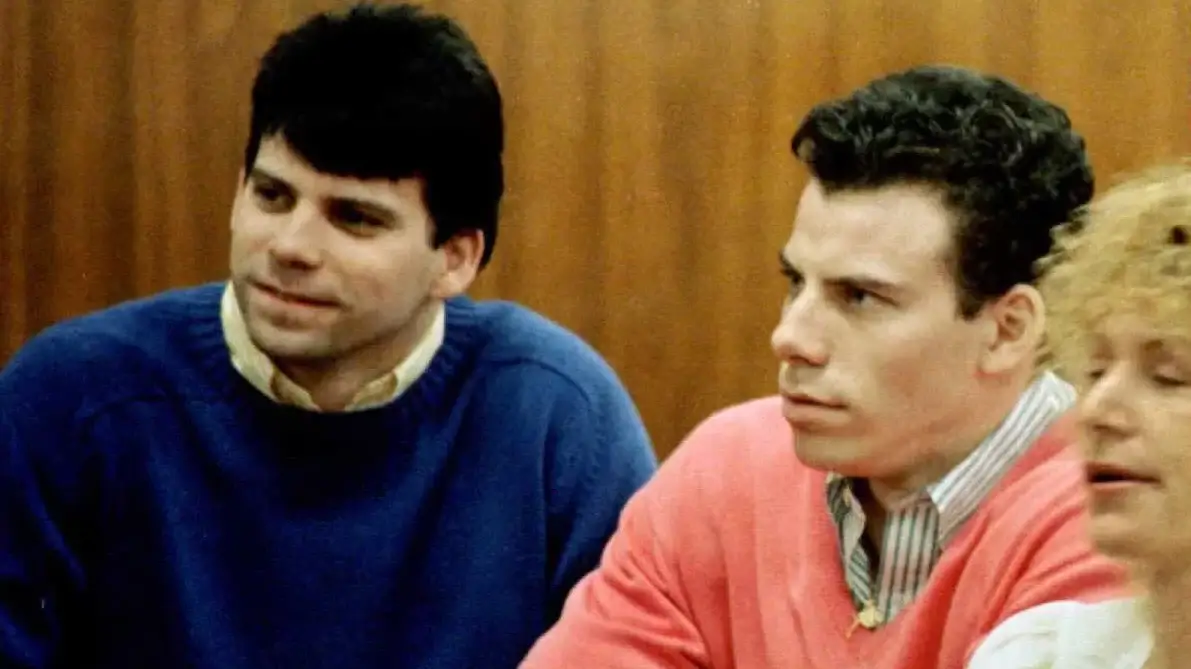
CA v. MENENDEZ (1993)
Brothers Lyle and Erik Menendez are on trial for the shotgun murders of their parents, Jose and Kitty Menendez.
WATCH NOW
SC v. COLUCCI (2018)
Michael Colucci is on trial for the 2015 strangulation death of his wife, Sara Lynn Colucci.
WATCH NOW
OH v. GROVES (2020)
Daniel and Jessica Groves are facing life in prison for the death of their baby whose body was found in a well.
WATCH NOW
NJ v. MCGUIRE
Melanie McGuire is on trial for the murder of her husband, whose dismembered body was found stuffed in multiple suitcases.
WATCH NOW
FL v. ANTHONY (2011)
Casey Anthony is on trial for the 2008 murder of her 2-year-old daughter, Caylee.
WATCH NOW