Return To Court TV Homepage  
>>>>>>
U.S.
ABOUT COURT TV

U.S.

Trials

World

People

On Air

Video

Talk

Search


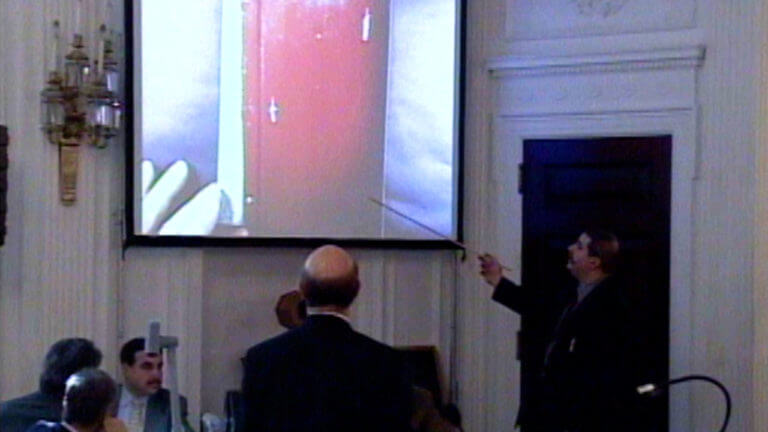
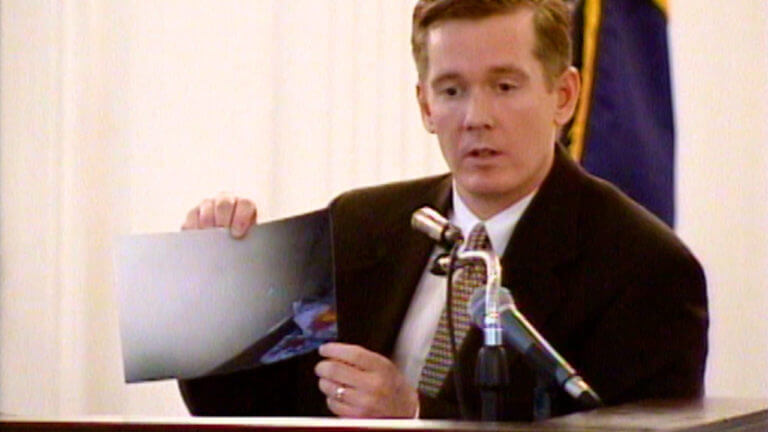
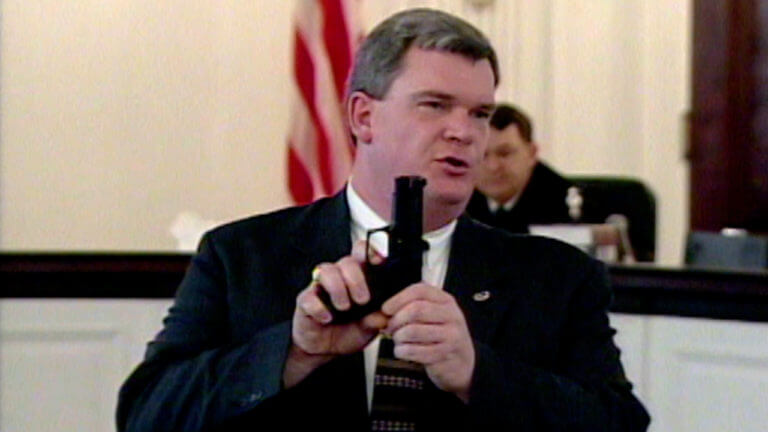
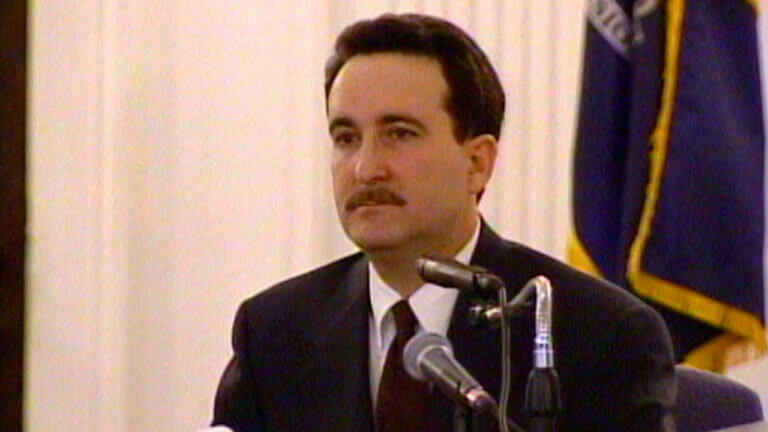
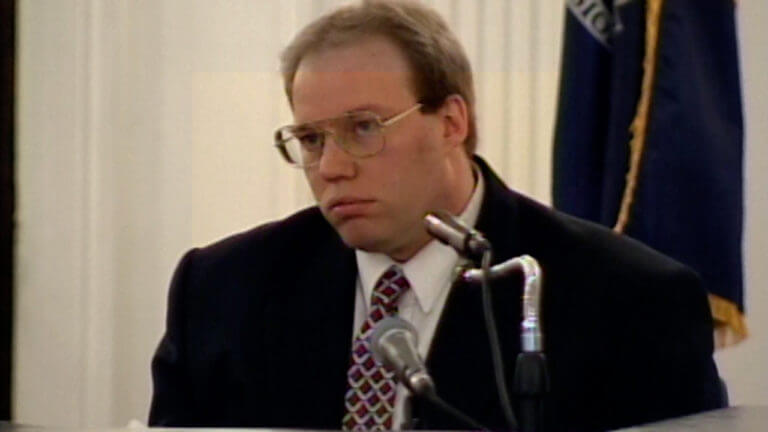
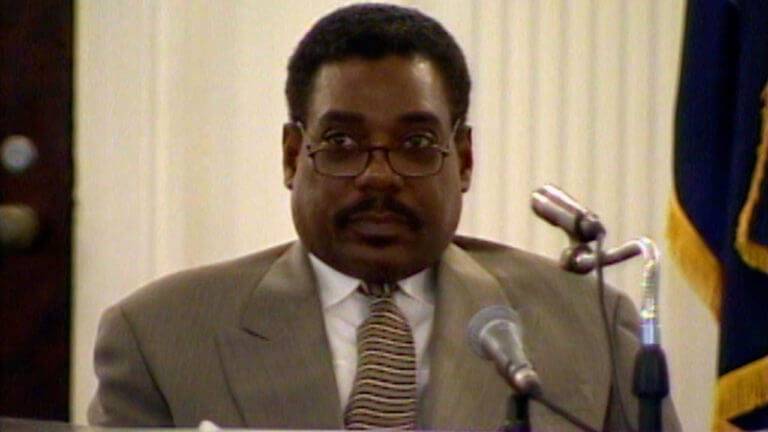
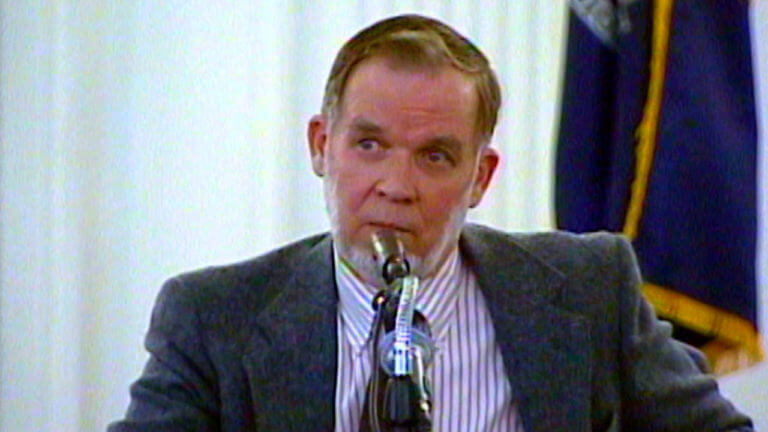
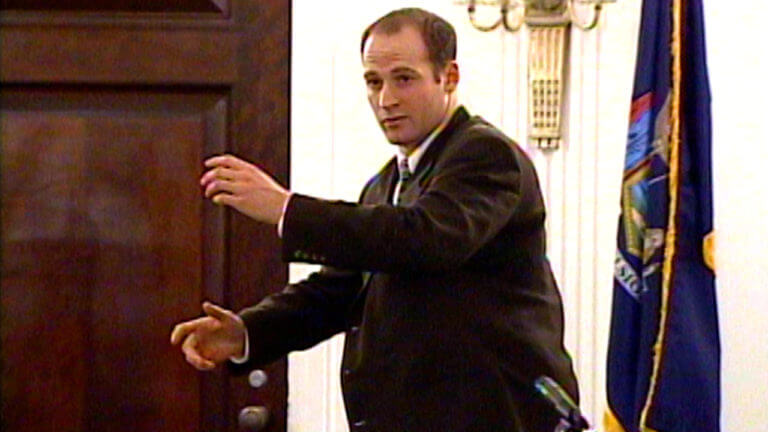
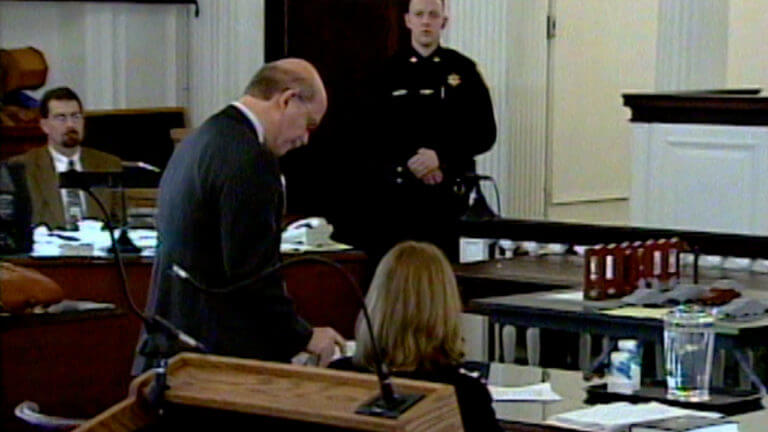
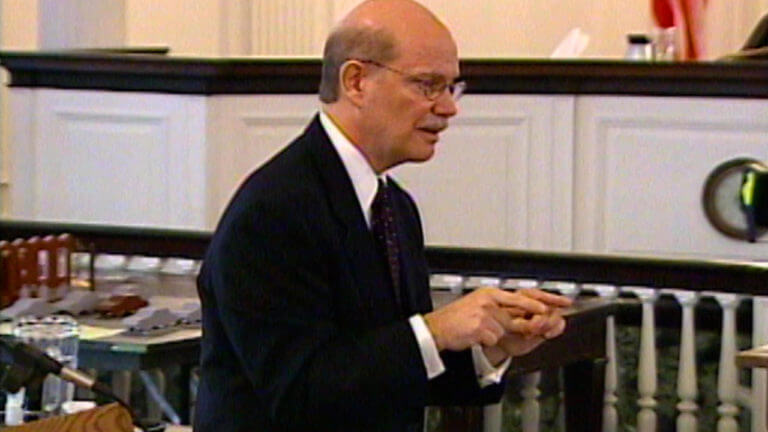
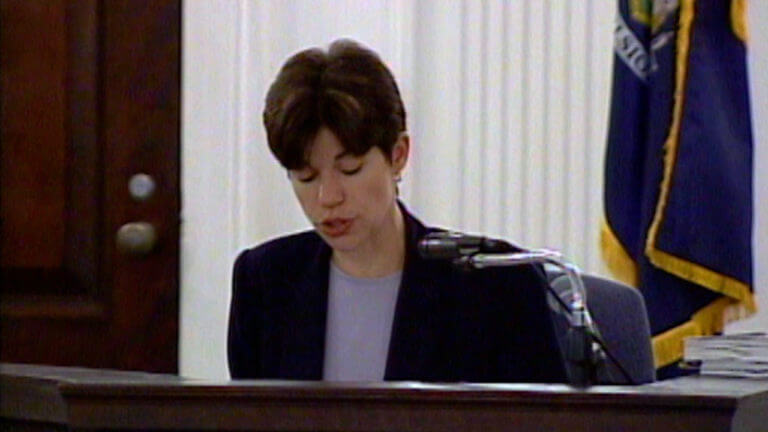
Medical Examiner Dr. Joseph Cohen testifies that the first bullet to hit Diallo likely brought him down.

PLAY


Free RealPlayer


Diallo Autopsy Graphics


Updated February 8, 2000, 5:53 p.m. ET

Prosecution rests with medical examiner who claims Diallo was shot while down

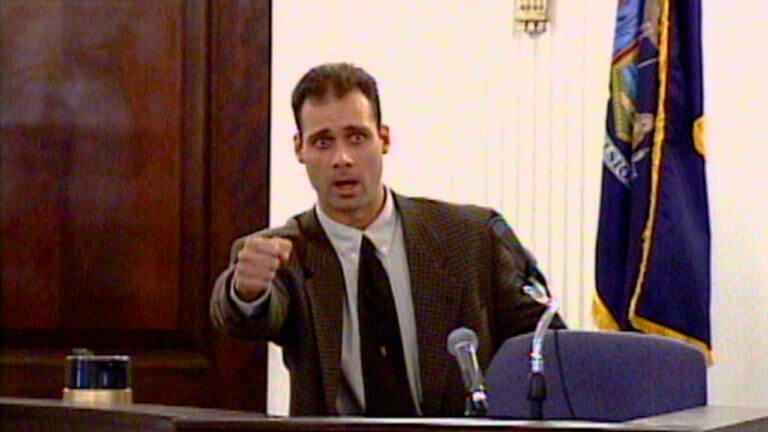
Dr. Joseph Cohen said Amadou Diallo's injuries suggest he was down or falling down as four NYPD officers fired at him. (Court TV)
           
DIALLO SHOOTING TRIAL

            >>>> Discuss the case on our message board

>>>> Special Report: Behind the Badge with a Hand on the Trigger

>>>> Profiles of Key Figures

>>>> Profiles of Jurors

>>>> Background Report

>>>> Full Coverage of Case/Archived Articles

>>>> Case Timeline


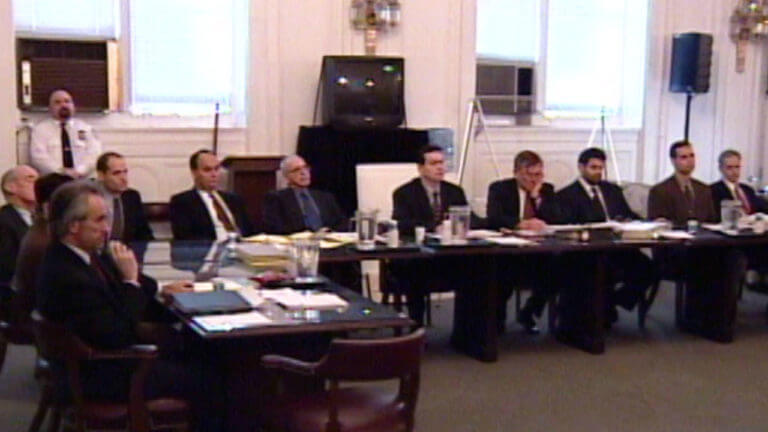
ALBANY, N.Y. (Court TV) — Bronx prosecutors rested their case Tuesday as a medical examiner testified that the wounds to Amadou Diallo's bullet-riddled body indicate that he was shot repeatedly while already down.

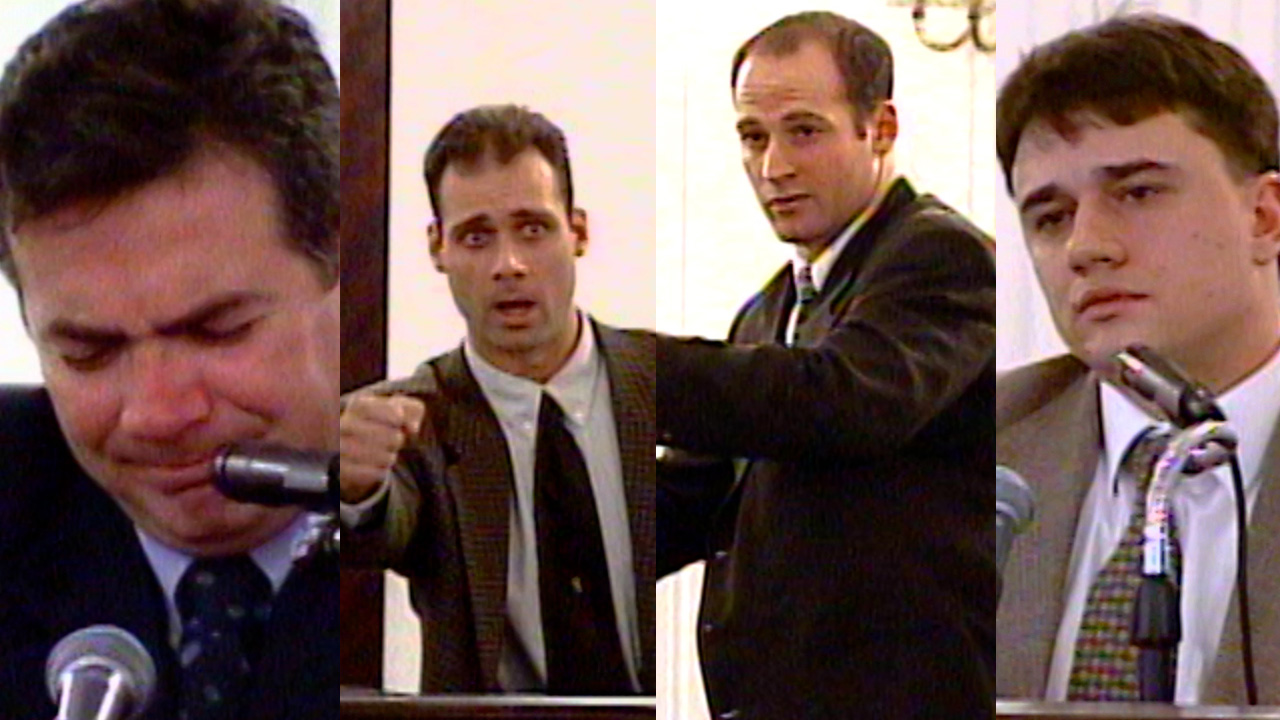
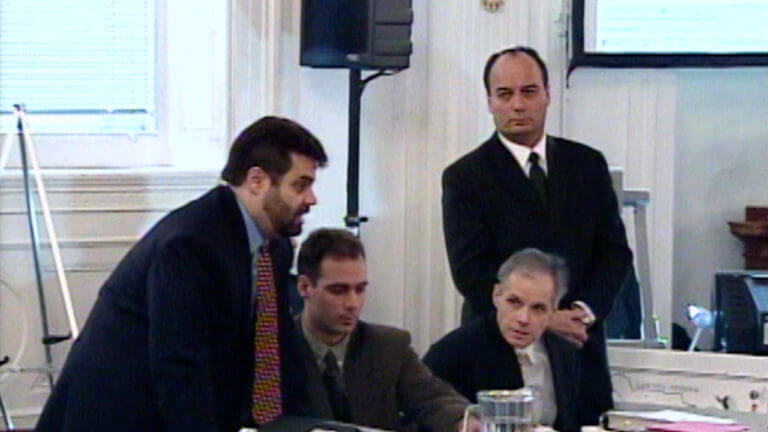
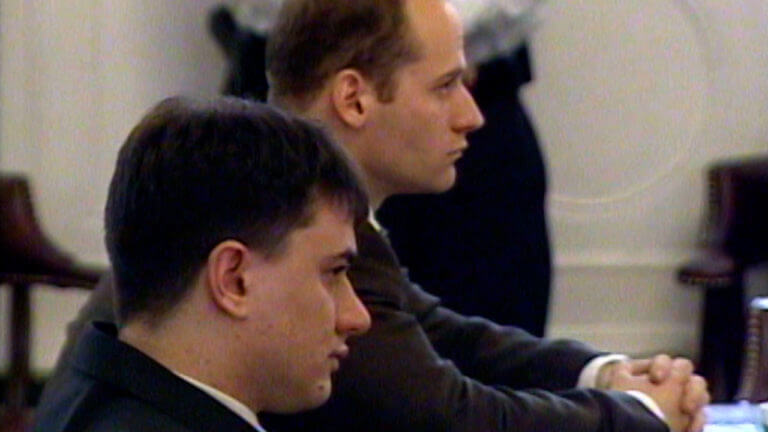
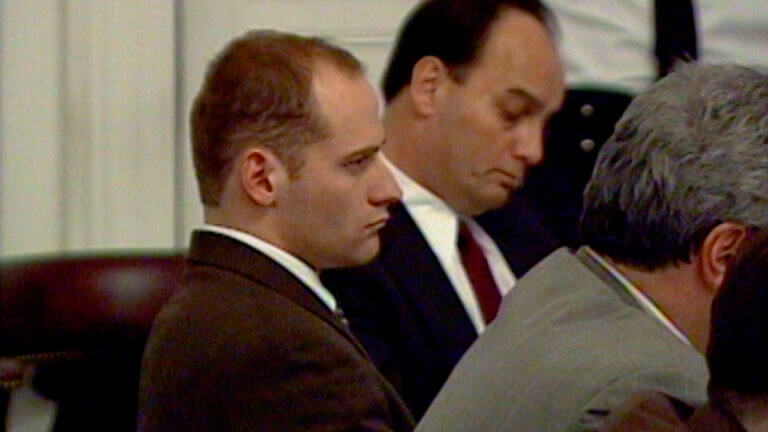
The prosecution is trying to prove that officers Sean Carroll, Richard Murphy, Edward McMellon and Kenneth Boss murdered Diallo with depraved indifference when they shot him last February. The four members of New York's Street Crime Unit were working undercover and driving in an unmarked car in search of a serial Bronx rapist when they encountered Diallo.

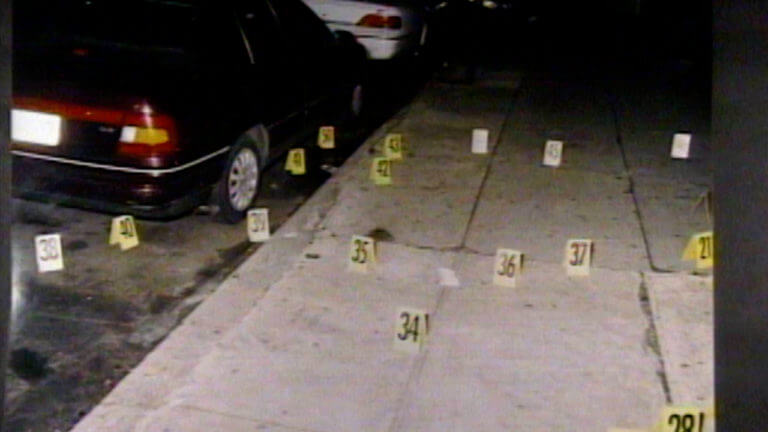
Lawyers for the officers claim that Diallo was acting suspiciously and ducked his head back into the vestibule when he saw them. The officers claim they identified themselves and that Diallo did not heed their command to halt. When he reached for something, the defense says, officers could not clearly tell whether he was going for a weapon, and they felt threatened. Diallo was then fired upon; 19 of the 41 bullets hit the West African immigrant. He was unarmed, having only a beeper, a wallet and his keys when he was killed.
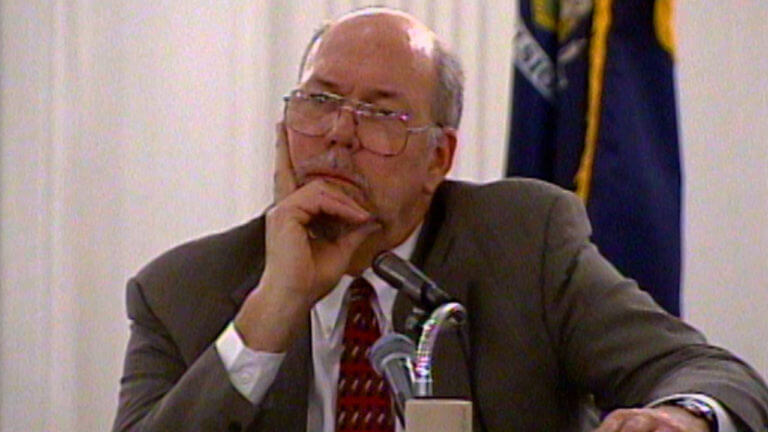
Forensic pathologist Dr. Joseph Cohen, who performed the autopsy on Diallo, told jurors that three wounds suggest the officers continued to shoot Diallo when he was either falling or already down. One bullet, Cohen said, entered the front of Diallo's left shin and travelled up the leg from the front to the rear. Another entered through the bottom of Diallo's right shoe, wounding his third right toe and travelling upwards; the third wound showed that a bullet entered Diallo's right shin and travelled in a "strikingly upward trajectory" until it lodged in an area behind the knee.

According to Cohen, the only way Diallo could have been standing upright when he suffered the wound was if one of the officers was standing directly below him and shooting upwards. If Diallo had been standing up, the bullet would have traveled horizontally from the shin to the back of the leg, not directly up the leg.

Cohen told jurors how multiple gunshot wounds perforated Diallo's spine, spinal cord, aorta, kidneys, spleen and intestines. Still, the witness said, given the 19 wounds, he noticed there was a relative lack of blood. Based on this observation, Cohen concluded that the wound to the victim's aorta may have come before the other injuries. [The aorta, the human body's largest artery, pumps blood to the other parts of the body. Dr. Cohen concluded that when the bullet perforated Diallo's aorta, the heart was unable to pump blood to the rest of the body. The doctor found that 45 percent of Diallo's blood had leaked into his chest cavity.]

According to Cohen, Diallo would have started falling quickly — within seconds — after the wound to his aorta. But the medical examiner also indicated that gun-inflicted paralysis and broken bones may have caused Diallo to fall during the shooting. Refuting defense claims that Diallo remained standing for a time during the shooting, Cohen told jurors gun wounds to the spine would paralyzed Diallo and caused him to fall as he was barraged with bullets. The bullet that pierced Diallo's aorta also perforated his spine and spinal cord, Cohen said. Diallo would have been paralyzed from the waist down and falling at some point during the shooting.

For the record, Cohen concluded that Diallo died from the multiple gunshot wounds he suffered during his encounter with the officers.

But during cross-examination, the defense challenged all of Cohen's findings. Cohen found that at least 15 of the 19 bullets went through Diallo and that most of bullets entered his left side and travelled to his right. The shot to Diallo's aorta, he said, was fired straight-on, almost perpendicularly. It came before the other wounds and would have downed him quickly.

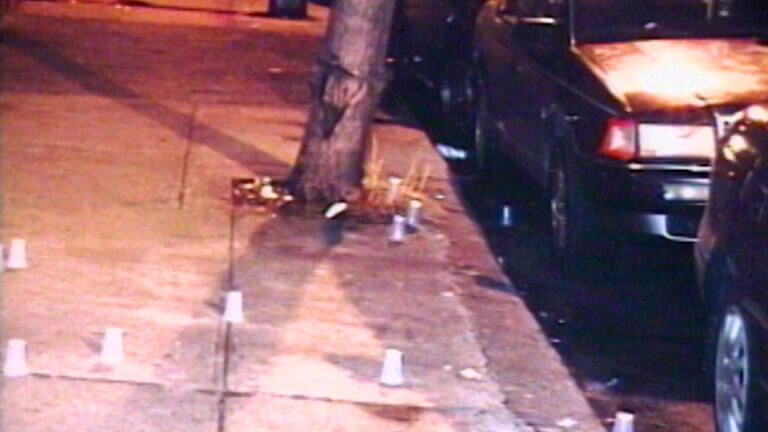
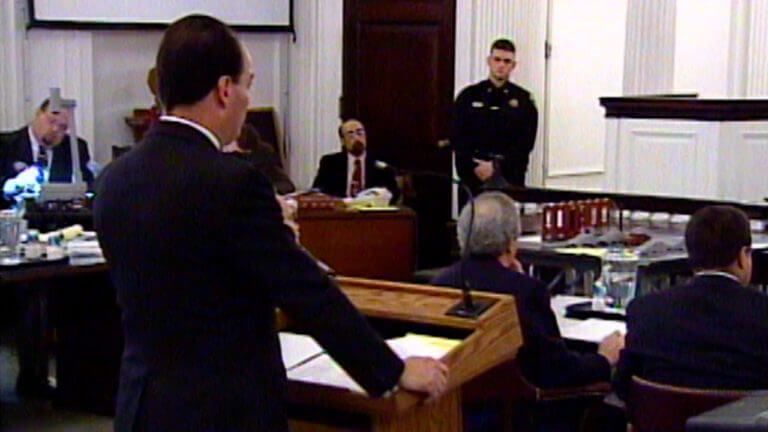
But in crime scene photos, Diallo's left side is not, as one might expect, facing the sidewalk. He is slightly propped up in the vestibule of his building, his left leg over his right. Focusing on his paralysis theory, the officers' lawyers, particularly Stephen Worth, repeatedly asked Cohen to explain how Diallo, if he experienced paralysis, could have theoretically spun slightly to his side.

Cohen said that a variety of factors could have explained how Diallo received the wounds to his left side. He speculated — repeatedly — that momentum from the bullet that hit his aorta could have made Diallo's body turn. But Cohen admitted that he did not know how Diallo's body was found at the crime scene. He recalled someone telling him that the body may have been moved at the scene. [Cohen didn't remember the identity of the person.] Still, Cohen did not mention this theory in his autopsy report.

Worth suggested that Cohen made his decision about the early bullet wound and proposed his blood and paralysis theories before investigating the alleged crime scene thoroughly. He accused Cohen making "guesses" on Diallo's wounds that lacked foundation.

"Opinions are not guesswork," Cohen responded. "They are made with a degree of medical certainty."

The defense also suggested that Diallo's wounds could have been caused by ricocheted bullets. Cohen conceded that at least eight bullets ricocheted at the shooting scene and that the bullets could have gone anywhere. He also said he could not tell which of the 41 bullets fired hit Diallo first or how soon he was struck. He also conceded that most of Diallo's 19 wounds were not considered lethal.

However, Cohen maintained that Diallo likely fell shortly after being struck the first few times, if not the first time.

The officers' defense is expected to call its first witnesses tomorrow. More defense experts are likely to refute Cohen's findings in his autopsy report and challenge his theories. Although prosecutors have rested their case-in-chief, they have not called their last witnesses. They are likely to call rebuttal witnesses to counter the defense's case. The defense has promised that all four defendants will testify, and they may be the best experts to describe what happened when they encountered Diallo.

— Bryan Robinson


Court TV Homepage

Site Map


<<<back Top of page  
Contact Us U.S. |  TRIALS |  WORLD |  PEOPLE |  ON AIR |  VIDEO |  TALK |  ABOUT CTV |  SEARCH 
      © 2000 Courtroom Television Network LLC. All Rights Reserved.
Terms & Privacy Guidelines