![]() |
||
|
|
|
|
|
Updated February 14, 2000, 6:32 p.m. ET Officers who fired 16 shots at Diallo say they feared for their lives
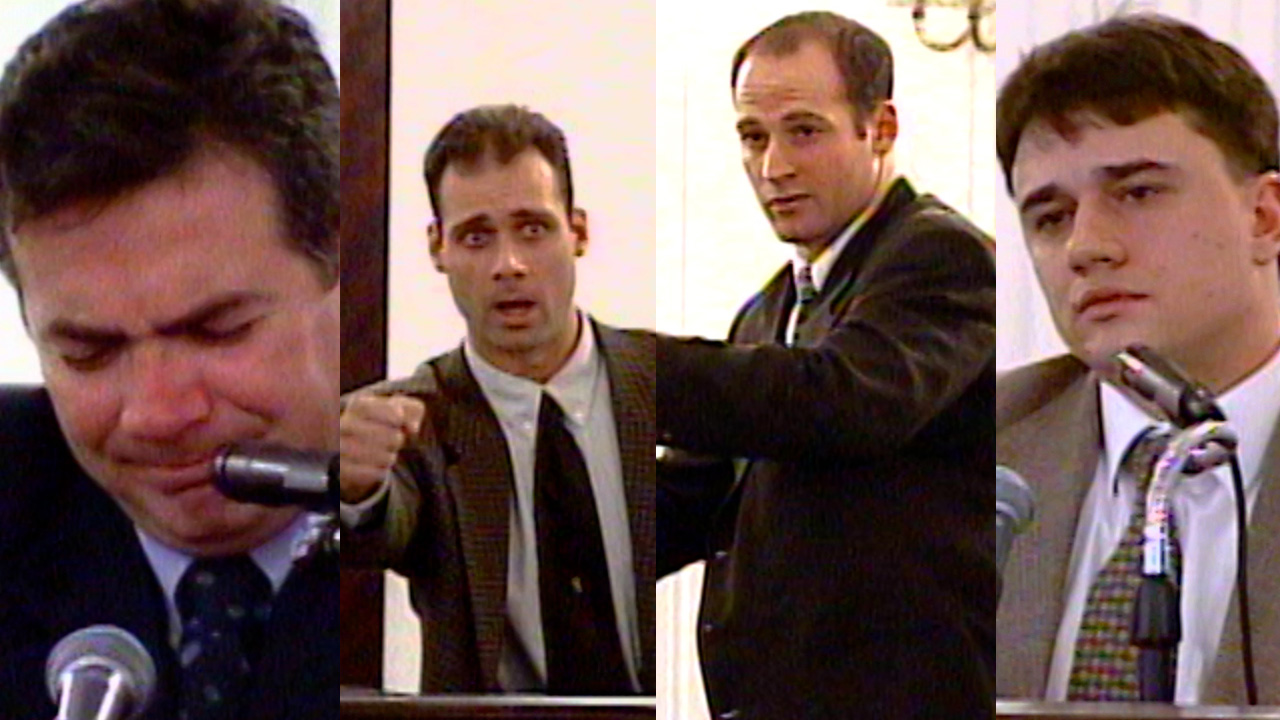
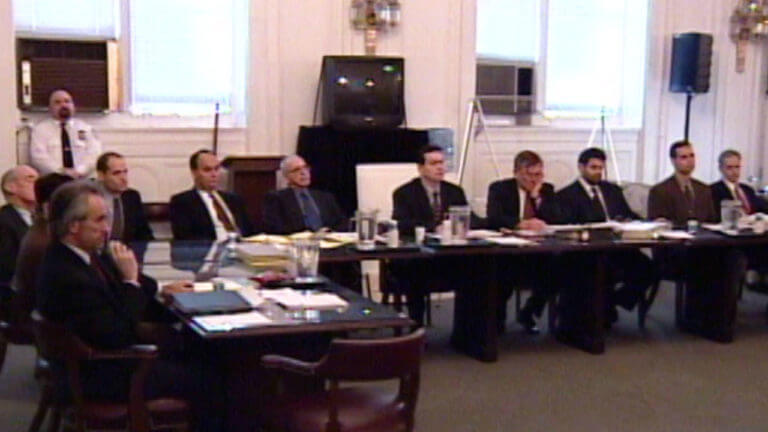
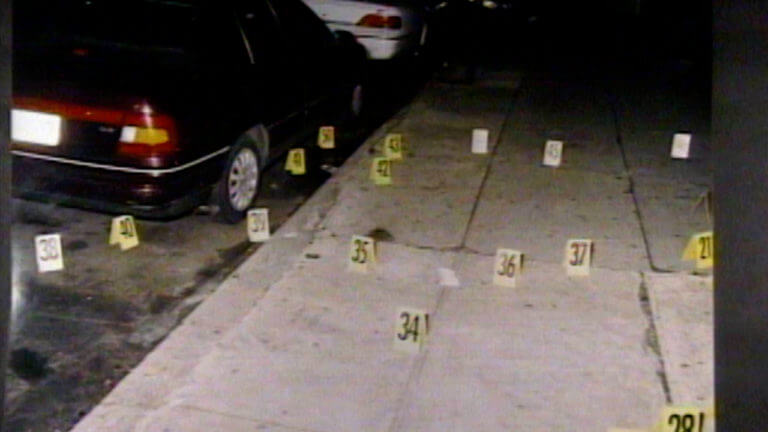
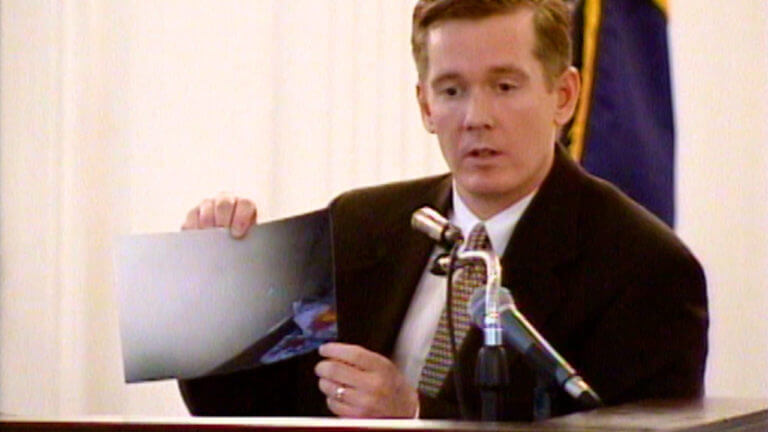
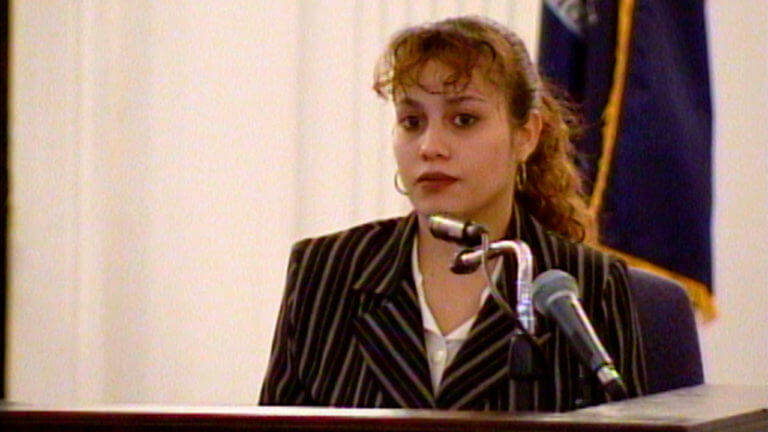
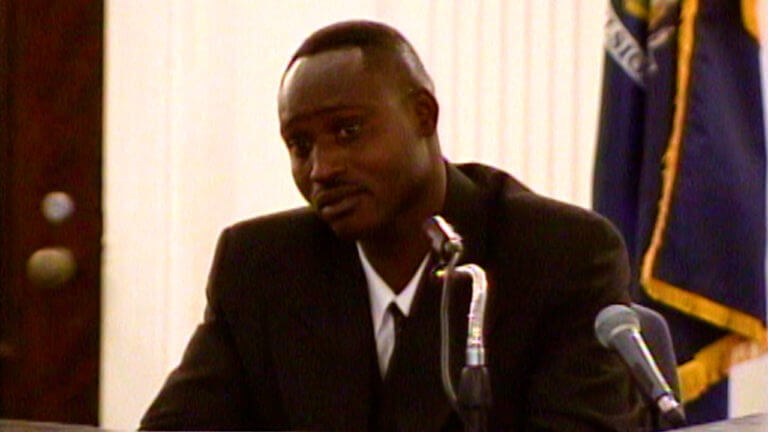
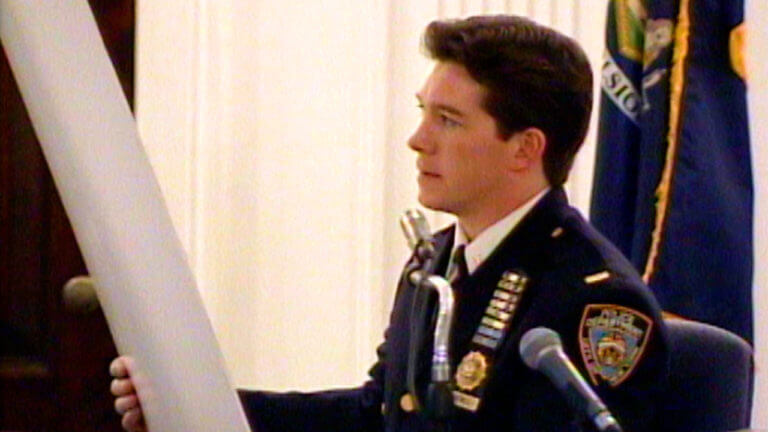
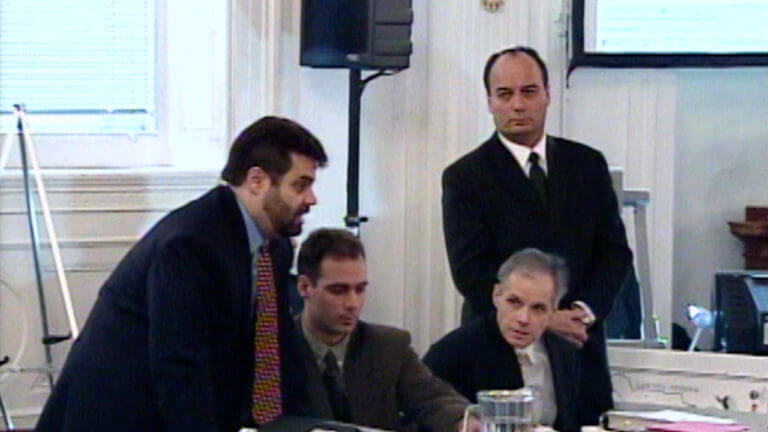
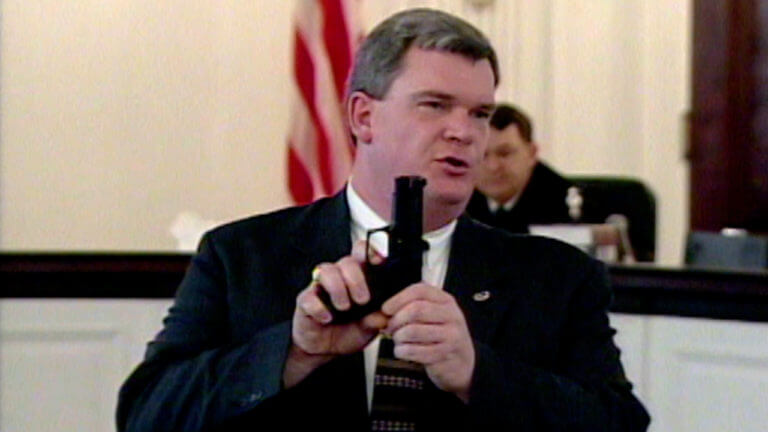
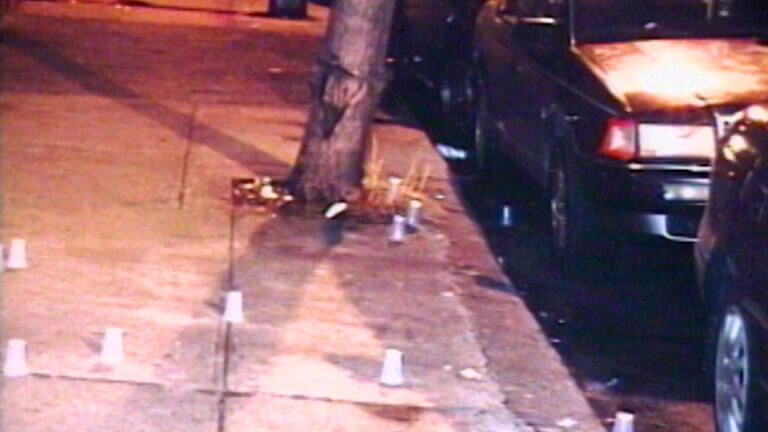
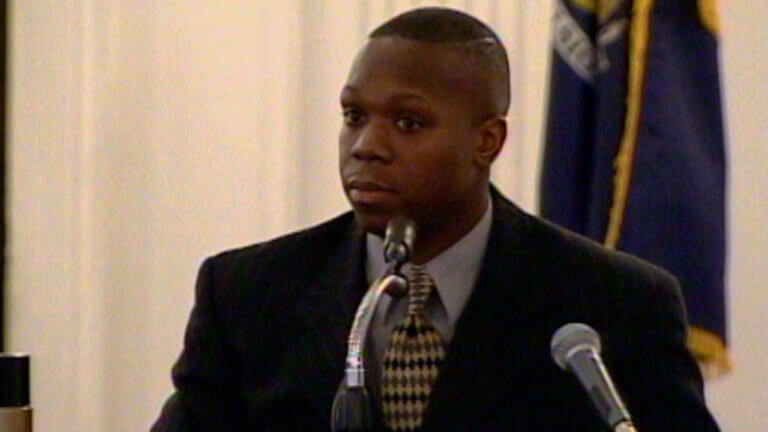
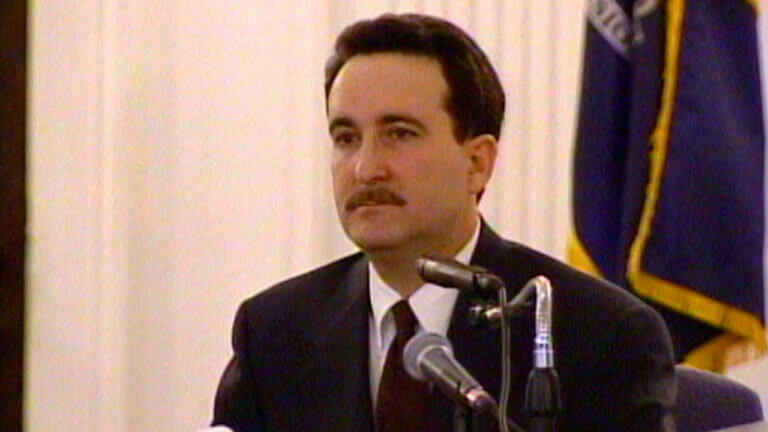
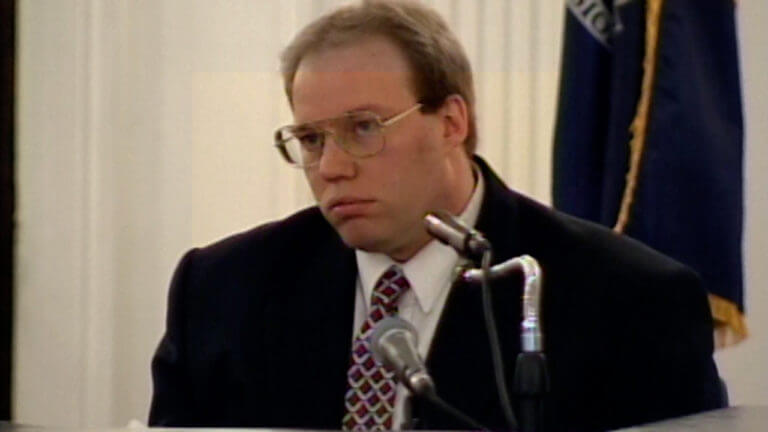
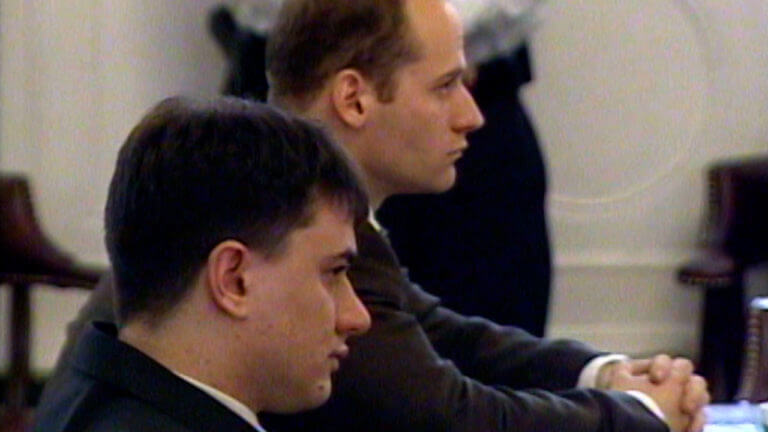
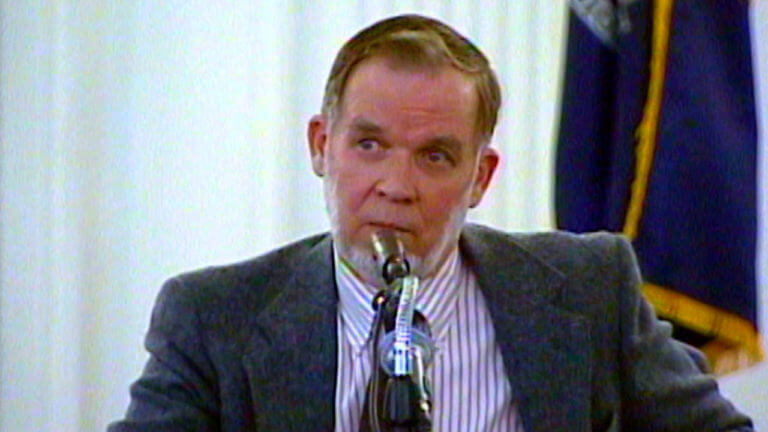
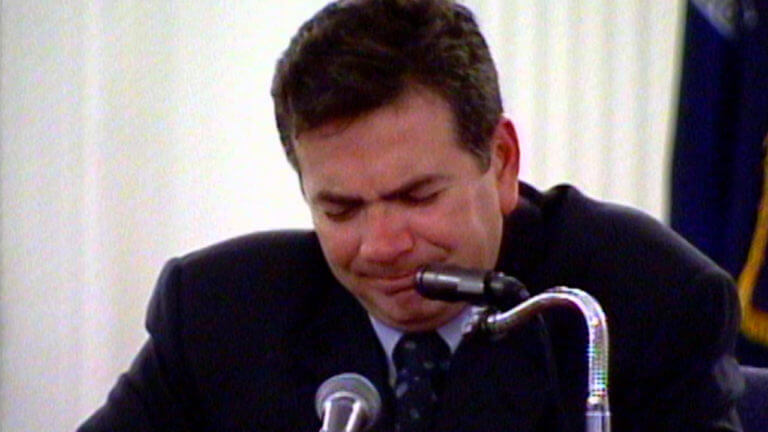
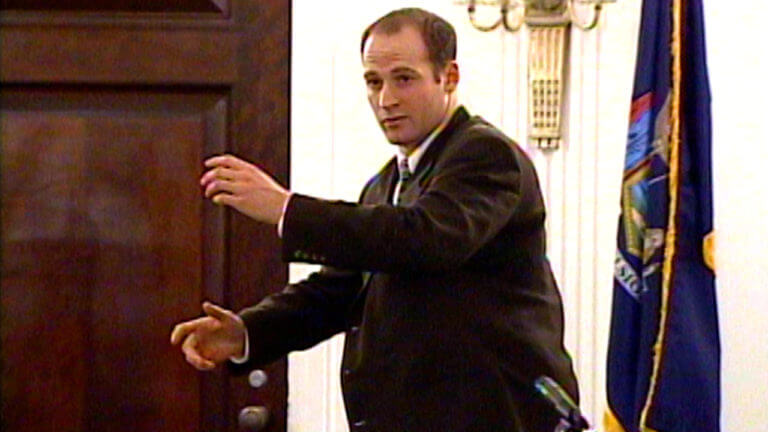
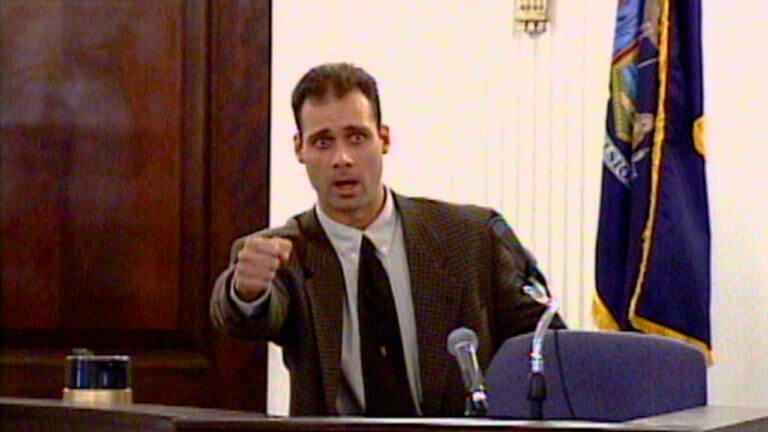
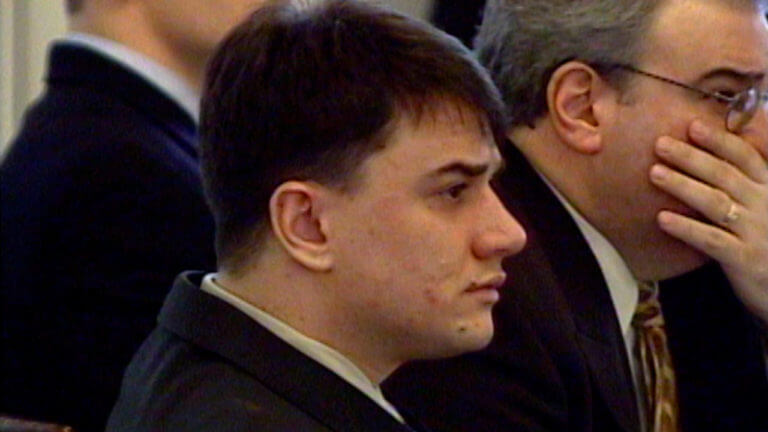
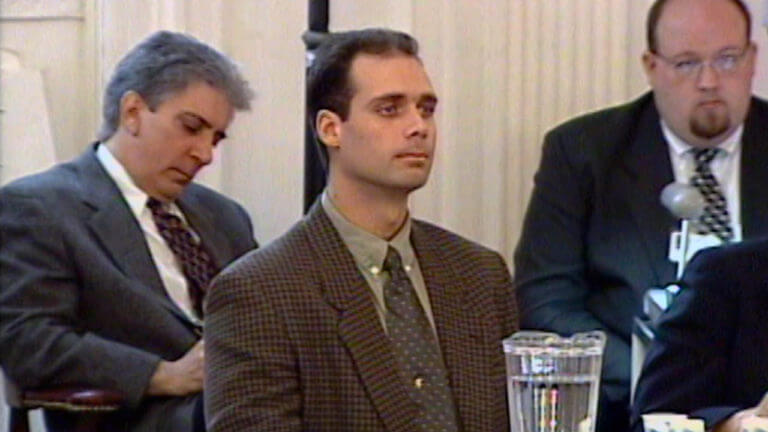
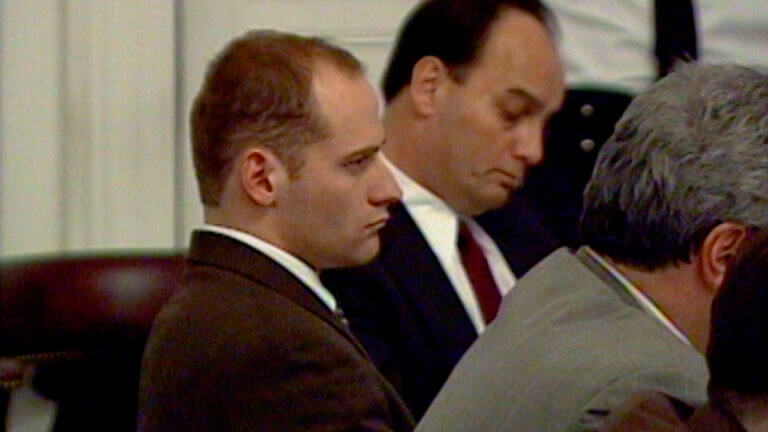
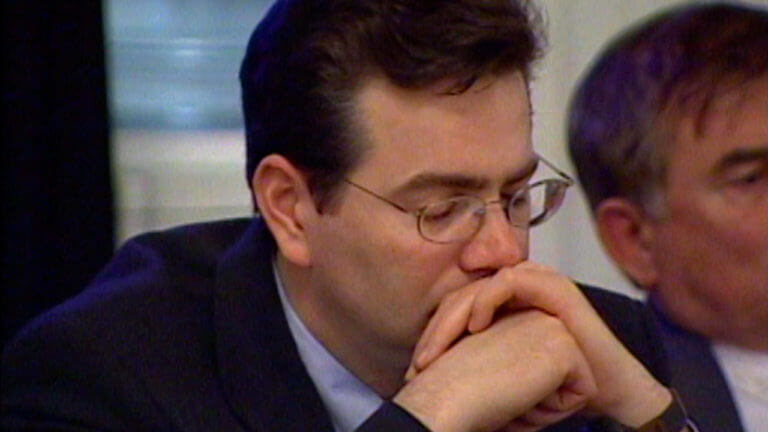
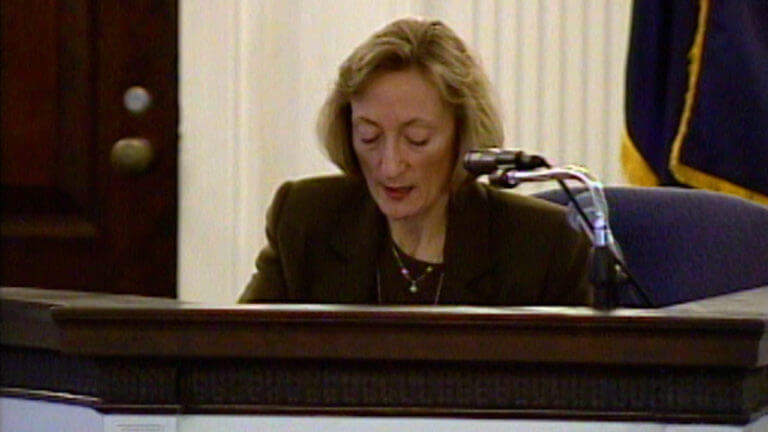
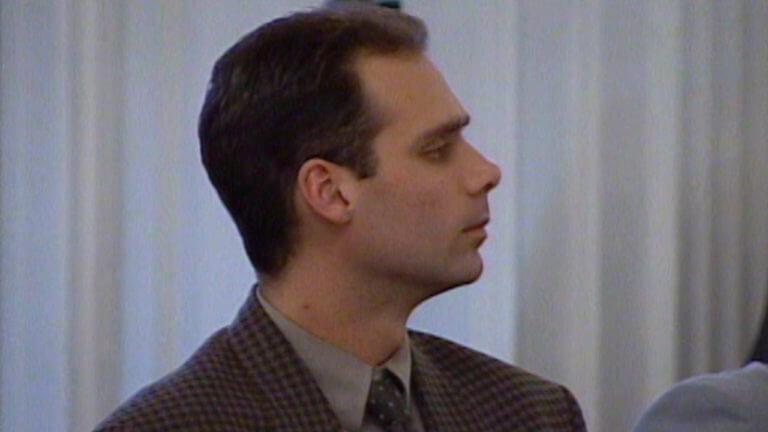
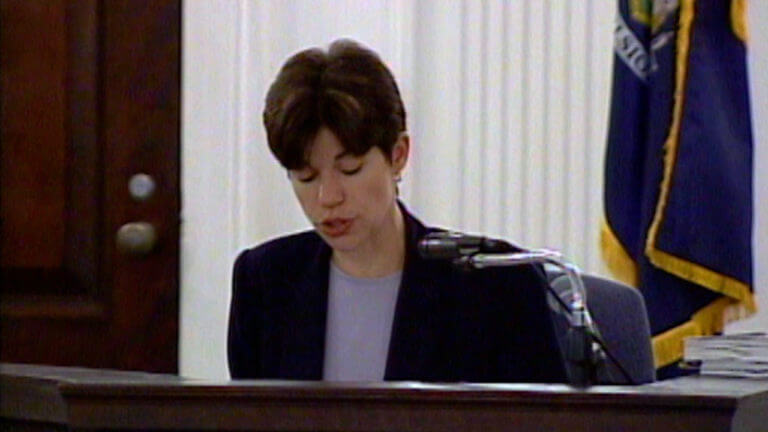
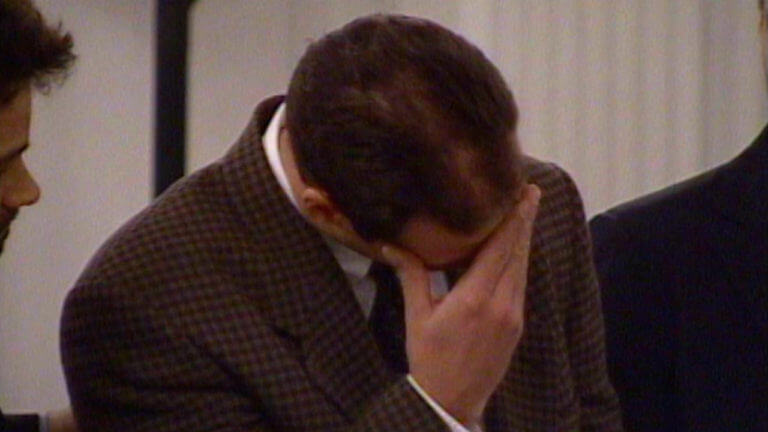
Sean Carroll and Edward McMellon each fired 16 shots last February when they and their partners Kenneth Boss and Richard Murphy gunned down Diallo in the vestibule of his home. The four officers are on trial for second-degree murder. But the officers claim that Diallo's shooting was a reasonable mistake, not a murder. The defense has suggested that the officers first suspected Diallo when he allegedly ducked his head back into the vestibule when he saw them. The officers claim they identified themselves and that Diallo did not heed their command to halt. When he reached for something, the defense says, officers could not, because of the darkness, clearly tell whether he was going for a weapon, and they felt threatened. It turned out that Diallo was unarmed, having only a beeper, a wallet and his keys. Officers Carroll, McMellon, Boss and Murphy did not realize that the victim was unarmed until after he had been struck with 19 of the 41 fired bullets. Carroll and McMellon took jurors back to the night of Feb. 4, 1999 when the officers took the stand Monday. According to Carroll, he and his partners in New York's Street Crime Unit were driving in an unmarked car in search of a serial Bronx rapist when they encountered Diallo. The rapist, Carroll said, was described as a black or Hispanic male, between 5 foot 5 and 5 foot 8, and weighing between 130 and 160 pounds. The suspect also was known to carry two weapons, a small black automatic handgun and a small silver one. According to Carroll, Diallo was standing in the entrance way to his apartment building and appeared to be looking up and down the block on Wheeler Avenue at the time of the encounter. [Carroll did not know Diallo before the shooting and did not know he lived in the building.] Diallo, Carroll said, was looking at their car and would duck his head in and out of the vestibule, as if he didn't want to be seen. This, Carroll said, made him suspicious of Diallo. "I'm trying to figure out, 'What's going on here? What's this guy up to?'" Carroll said. "He kept slinking back into the area, as if he didn't want to be seen. He definitely matched the description of the rapist; there was no doubt in my mind about that." When Diallo kept looking at them and continued looking up and down the block and backing into the vestibule, Carroll and McMellon decided to approach him. Murphy and Boss followed as backup. Carroll testified that he suspected that Diallo may have been the look-out for a potential robbery in the building. According to Carroll, McMellon then took out his shield and asked Diallo if they could have a word with him. Carroll said Diallo backed slowly into the vestibule while reaching for an object in his right pocket. McMellon then allegedly identified himself again and asked Diallo to stop. Carroll said he also asked Diallo to halt. Diallo apparently ignored the repeated requests, Carroll claimed. Diallo was digging for something in his right pocket while turning and reaching for the doorknob with his left hand, Carroll testified. To Carroll, Diallo's movement reminded him of a prior arrest he made where he had to take a gun away from a suspect. Diallo, Carroll told jurors, never spoke once and never told the officers that he lived in the building. Diallo refused to heed repeated police commands by him and McMellon to "stop, show me your hands," according to Carroll. "We said it clearly," Carroll said. "He just didn't want to listen." Then, Carroll said, as Diallo began pulling the object out of his right pocket, he thought the West African immigrant was about to shoot McMellon. "As the individual pulled at the object in his right pocket, my prior experience, my training, told me he was pulling out a gun," Officer Sean Carroll tearfully testified. "At that point, I alerted my partner [Edward McMellon]: 'Gun! He's got a gun!' ... Believing that he [Diallo] was about to fire his weapon on my partner, I fired my weapon." To save his partner, Carroll said he fired his weapon. He remembered seeing McMellon fly past him and thought that he had been hit by Diallo. Then, Carroll recalled, the gunfire became very loud, "like a cannon shot," and he thought he saw the muzzle of the object in Diallo's hand flashing. Because Diallo remained standing during much of the barrage, Carroll said he thought Diallo was wearing a bulletproof vest. Carroll recalled hearing wood splintering. Carroll said he thought Diallo had shot his partner and that the suspect was determined not to go to jail. Carroll said he aimed at Diallo's legs in an attempt to stop him.
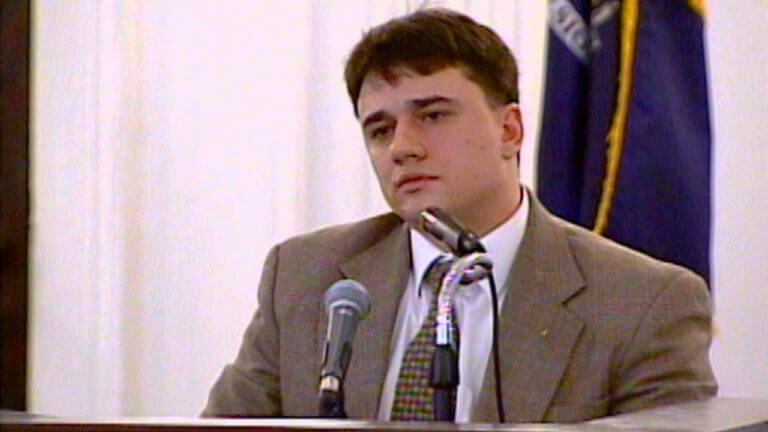
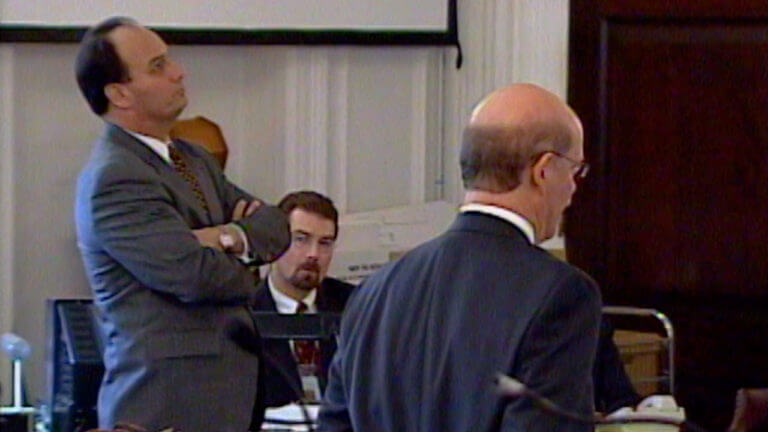
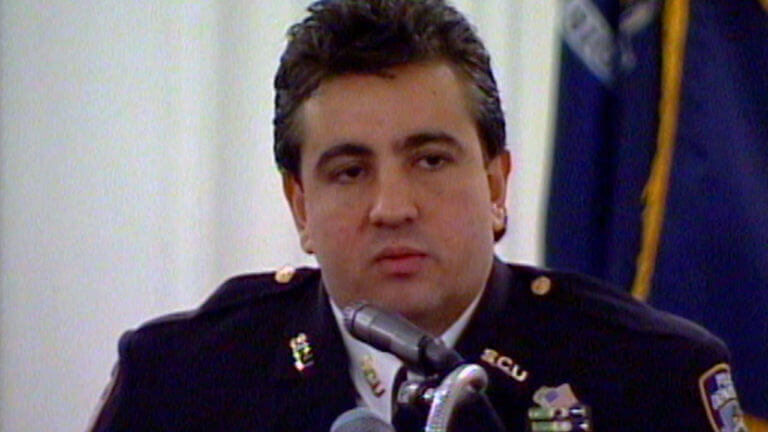
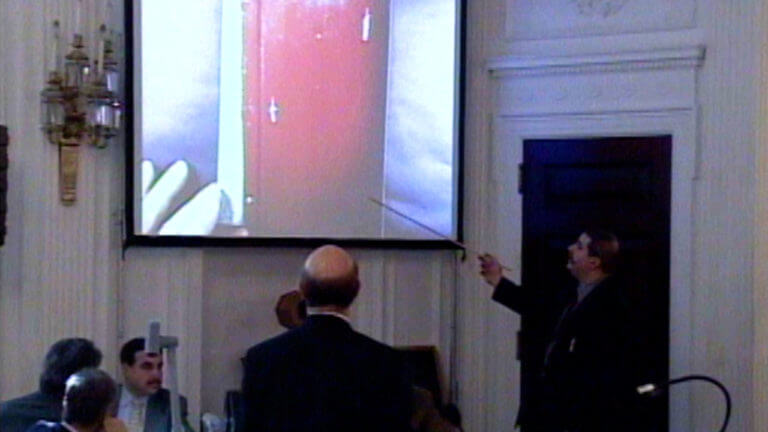
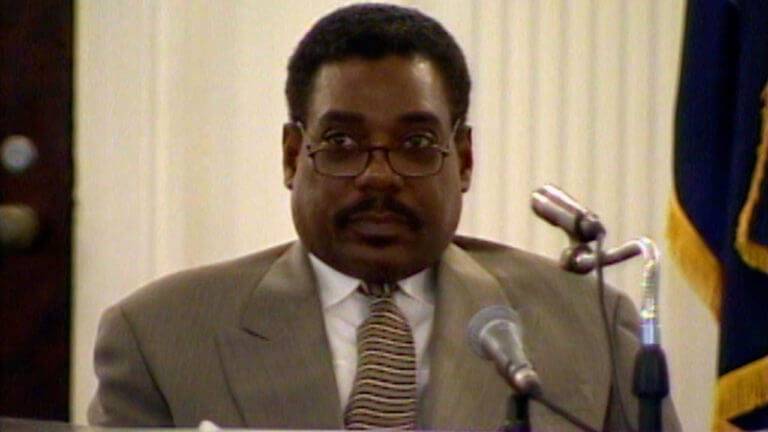
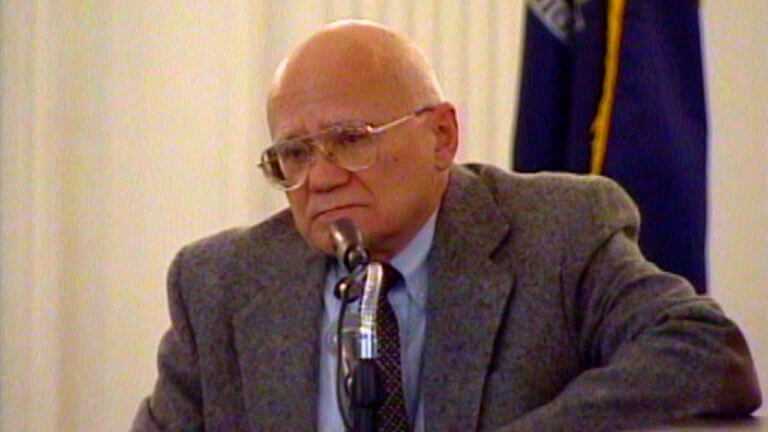
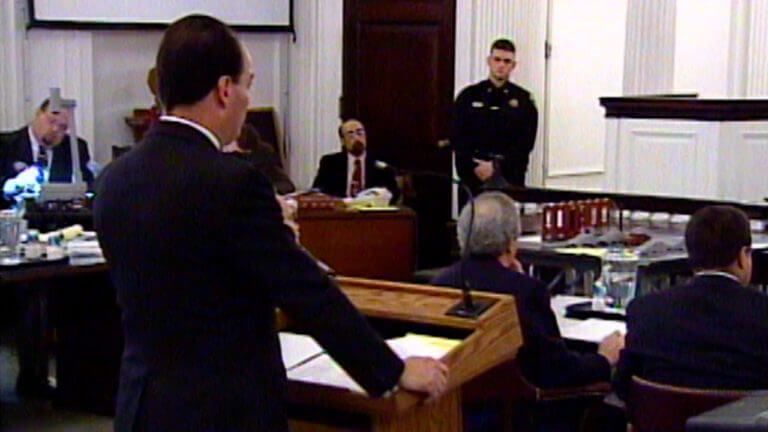
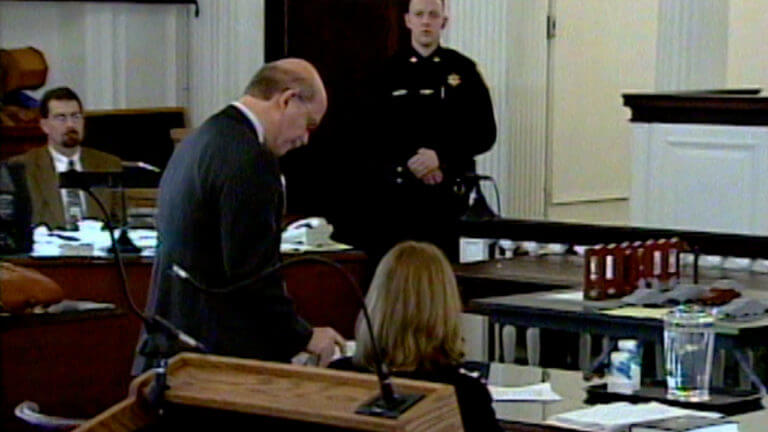
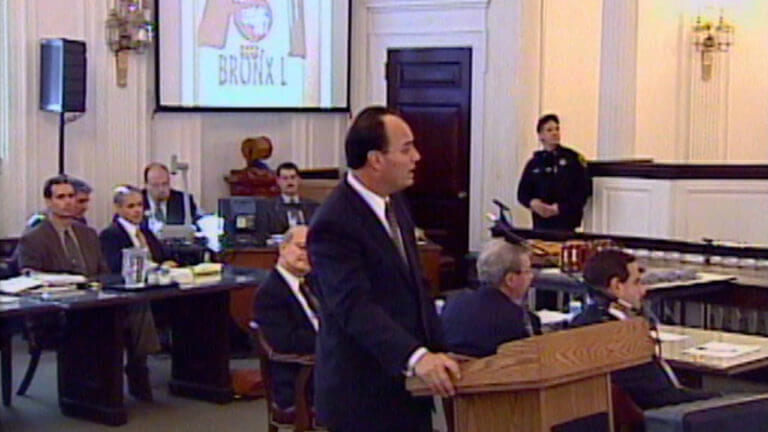
McMellon likewise testified that he became concerned when Diallo did not heed repeated commands to stop and show them his hands. He told jurors he rushed up the steps to Diallo because he wasn't heeding commands and thought he was trying to flee. McMellon said he asked Diallo to come into the better lit area and show him their hands. However, the officer said, Diallo turned his back completely to them and went quickly into the vestibule. Diallo, McMellon recalled, began frantically searching his right side for something as he tried unsuccessfully to open the door with his left hand. Just before the gunfire erupted, McMellon recalled Diallo moving in a counterclockwise motion, still reaching for the black object with his right hand. At that point, he remembered Carroll crying, "He's got a gun." "I yelled, 'What are you doing?'" McMellon testified. "I started firing." Neither Carroll nor McMellon could say who fired first. McMellon remembered trying to back out of the vestibule and firing simultaneously. However, while moving backward, he lost his footing and fell off the steps, landing on the sidewalk. McMellon claims he remained focused on Diallo the whole time and kept firing. Admitting that he could only see Diallo from the waist-up once he was on the sidewalk, McMellon said the victim remained standing for much of the shooting. Carroll and McMellon did not know what Boss and Murphy were doing while they were firing. However, McMellon remembered Boss and Murphy coming to his aid on the sidewalk and asking him, "Where are you hit? Where are you hit?" [McMellon suffered no gun wounds, but injured his tailbone from the fall off the steps.] As Boss and Murphy tended to McMellon, Carroll said he reloaded and slowly approached Diallo. The West African immigrant was now on the floor, with his head propped up against the entrance way. Since Diallo still held the object in his right hand, Carroll said he still perceived him as a danger. Carroll said he slowly removed the object from Diallo's hand and noticed it was soft. It was a wallet. He then opened the wallet to see if it was a "wallet gun" he had learned about from police training films. But it wasn't; it was a plain ordinary wallet. Then the truth began to dawn on Carroll. "I believe I said, 'Where's the f---n' gun? Where's the f---n' gun?'" Carroll weeped. Carroll then searched the vestibule briefly for a gun, but found nothing. "I kept thinking, 'I saw a muzzle flash. I saw a muzzle flash,'" Carroll told the jury. The officer then noticed that Diallo was still moving a bit and still breathing. "I figured I would try to perform CPR on the individual," Carroll said. "But then I saw the bullet wounds in his chest and thought, 'Oh God, I might make it worse if I press on his chest.' I held his hand and said, 'Don't die, keep breathing, don't die.' But Carroll said, there came a point when Diallo stopped moving and stopped breathing. During cross-examination, Carroll said he feared that an armed Diallo would go into the building and create a potential hostage situation. That's why, he explained, they approached Diallo right away. When shown another sketch of the rape suspect, however, Carroll conceded that Diallo bore very little resemblance to the sketch. Prosecutor Don Levin suggested that Carroll really had no reason to suspect Diallo as the serial rapist because, initially, he could not see the victim's face. Carroll replied that Diallo and the rapist had similar builds. However, Levin asked Carroll whether he warned Diallo, "Stop or I'll shoot." Carroll pointed out that police are not trained to give that command. They are told to say, "Stop police!" or "Stop! Show me your hands." Still, Levin pointed out that in pursuing Diallo the way he did and by not giving the "Stop or shoot" command, Carroll gave himself only one option to pursue the victim with deadly physical force. Both McMellon and Carroll insisted that the area around Diallo's home was dimly lit. Carroll claimed that it was so dark, he could not tell the color of the door. They both only recalled a light coming from within the building through a diamond-shaped window in the door. In his cross-examination of McMellon, Levin pointed out that Diallo did not run away immediately after officers stopped their car and exited the vehicle. This, he suggested, proves that they really had no reason to suspect Diallo of anything. Both Carroll and McMellon admitted that it never occurred to them that Diallo did not heed their commands because he may not have spoken English, could have been deaf or could have been mentally-impaired. But both insisted that they were only concerned with each other's safety when they opened fire on Diallo and did not want to die. Officers Richard Murphy and Kenneth Boss could take the stand Tuesday. Boss fired five shots at Diallo while Murphy fired four. If convicted of second-degree murder, the officers could face 25 years to life in prison. Bryan Robinson | |||||||||||||||
|
|
|
| Contact Us | U.S. | TRIALS | WORLD | PEOPLE | ON AIR | VIDEO | TALK | ABOUT CTV | SEARCH |
|
© 2000 Courtroom Television Network LLC. All Rights Reserved.
Terms & Privacy Guidelines
|