![]() |
||
|
|
|
|
|
|
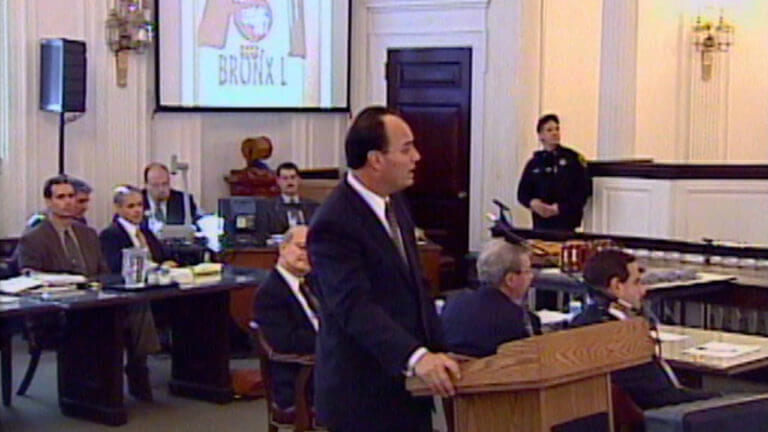
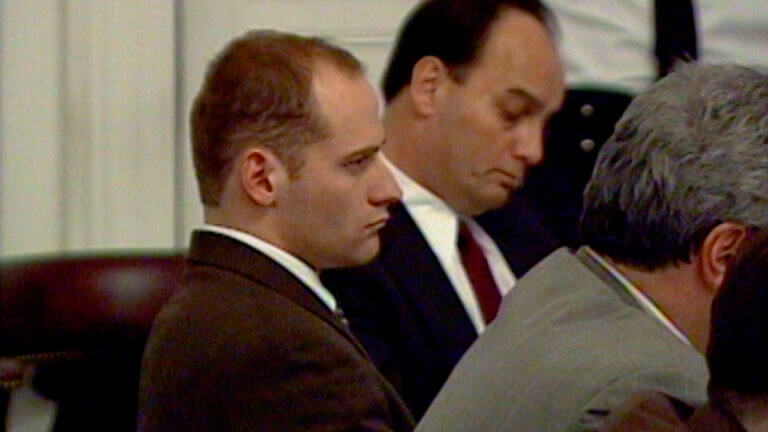
Updated February 18, 2000, 4:26 p.m. ET Both sides prepare for closings in Diallo shooting trial
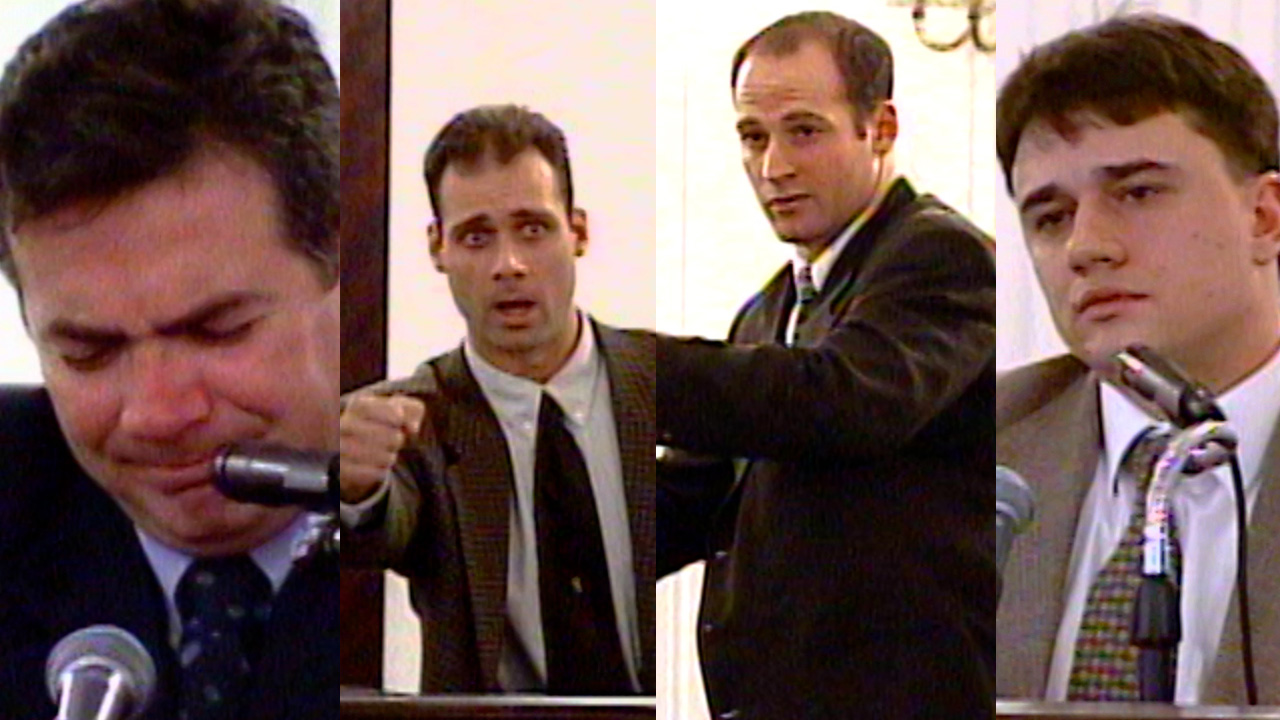
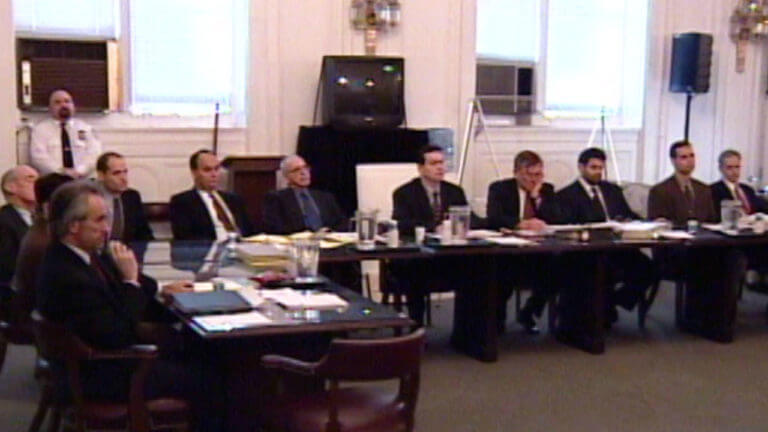
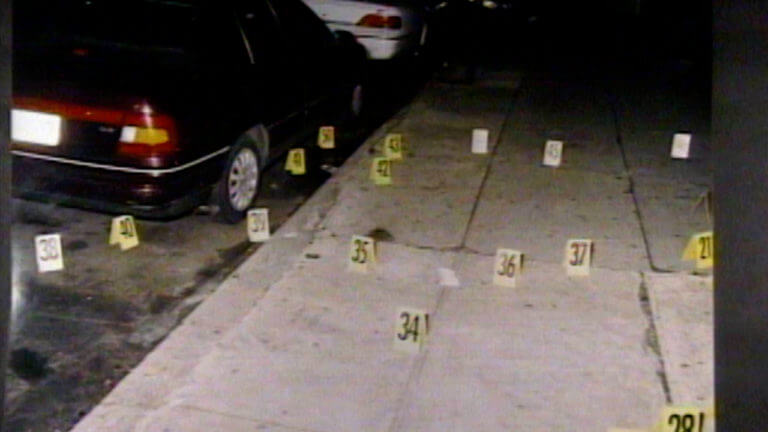
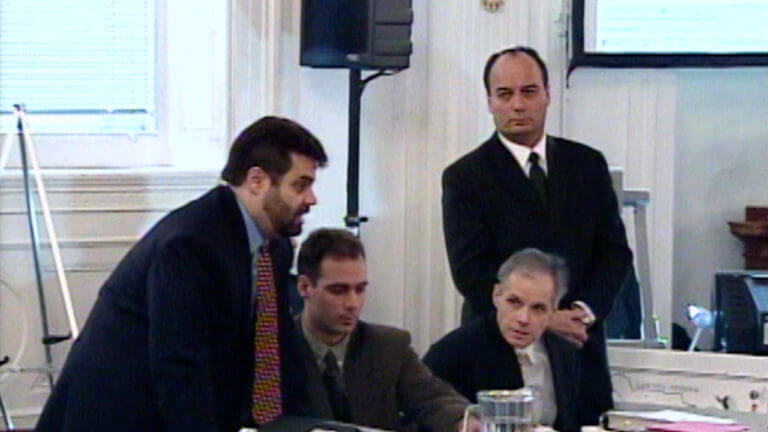
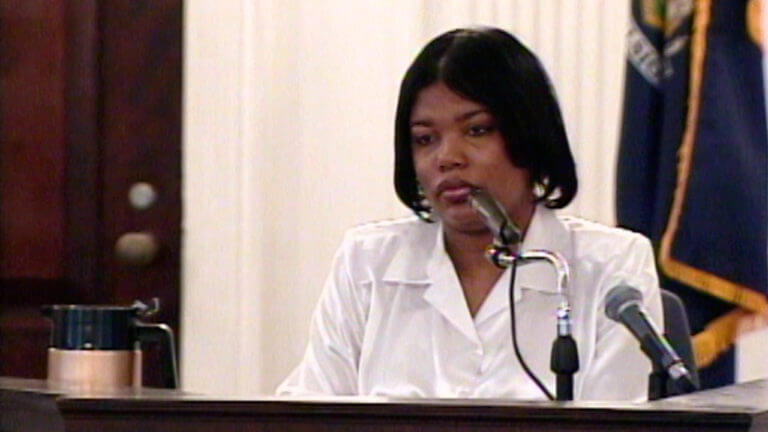
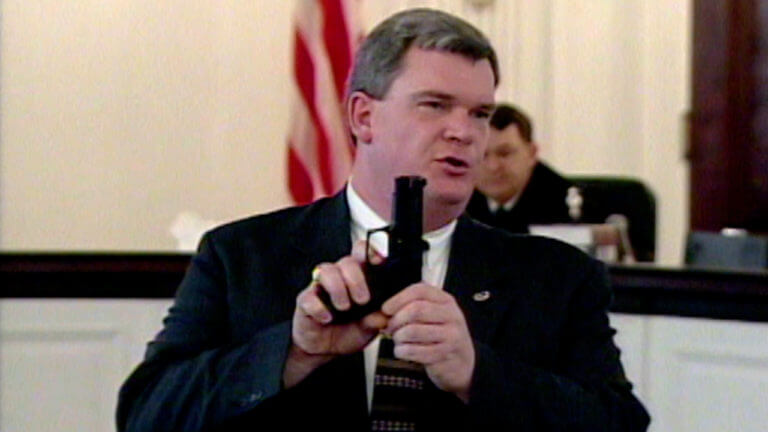
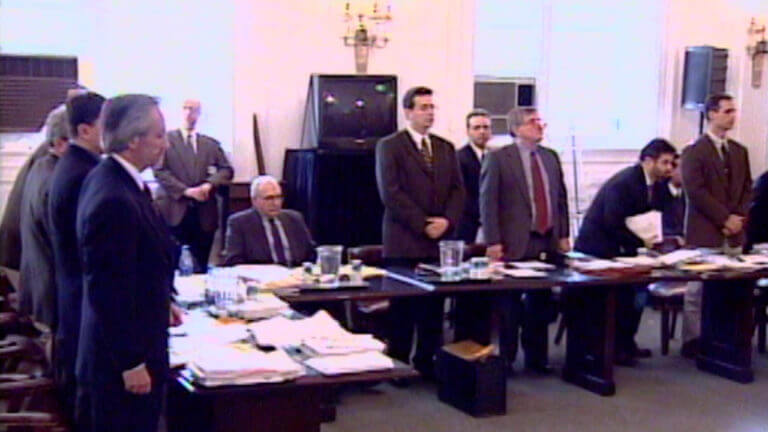
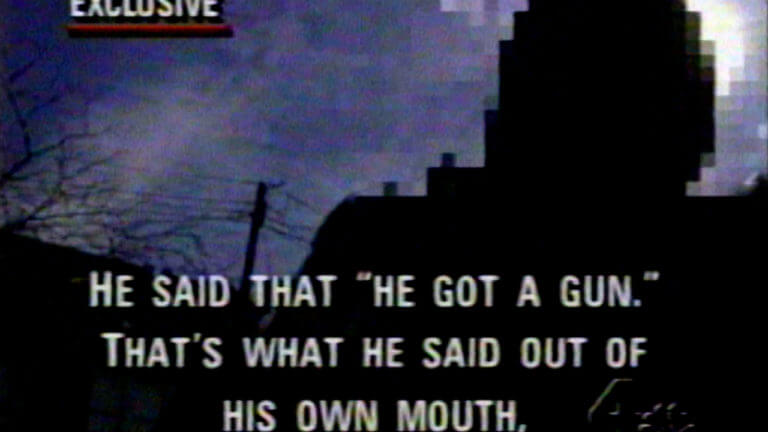
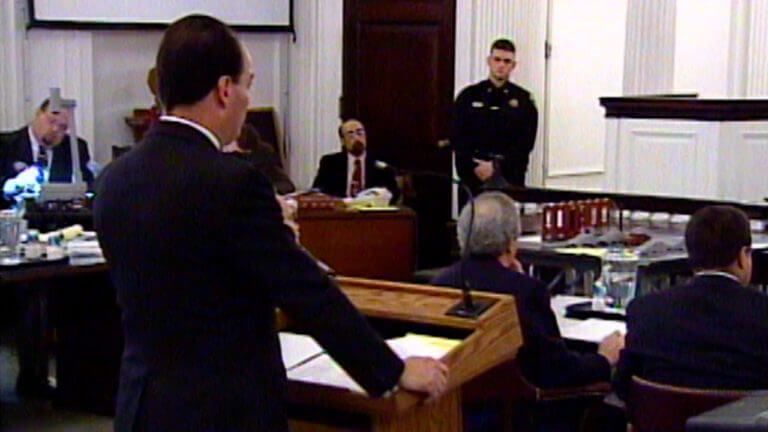
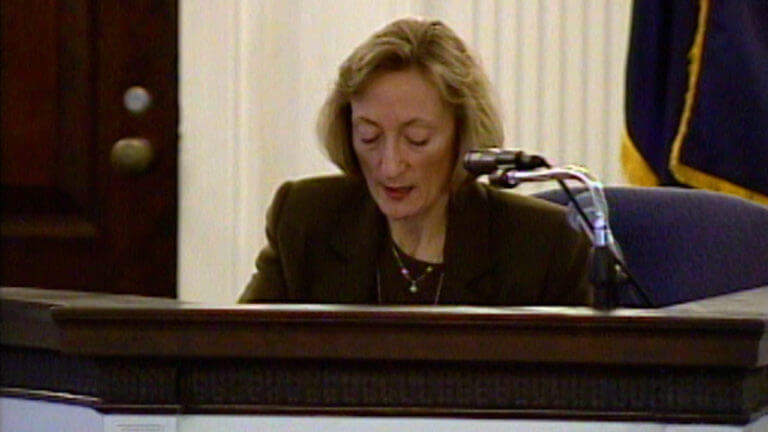
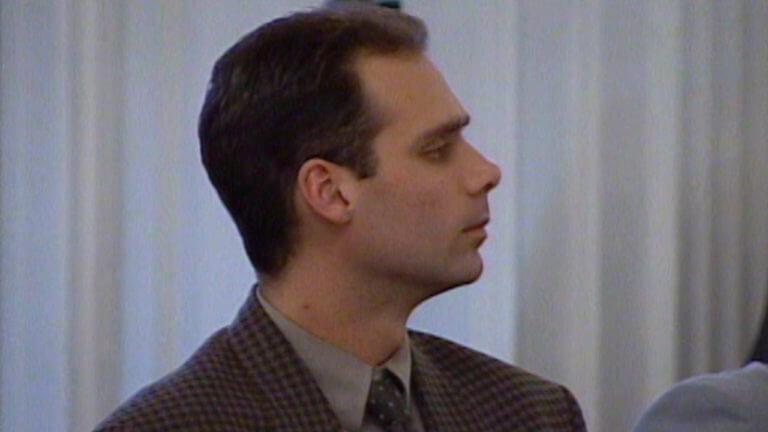
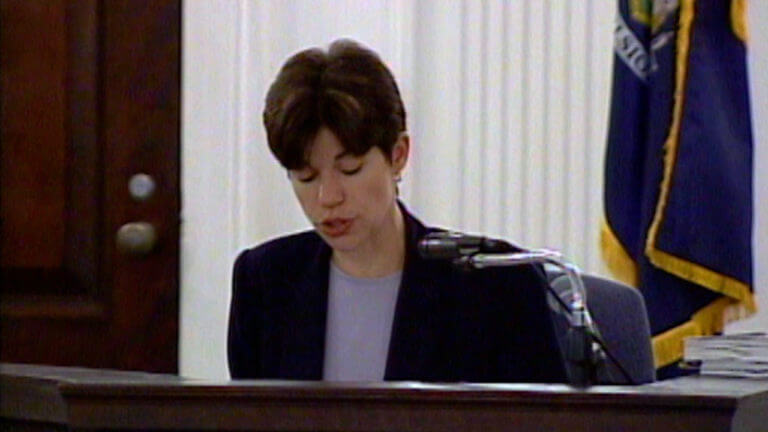
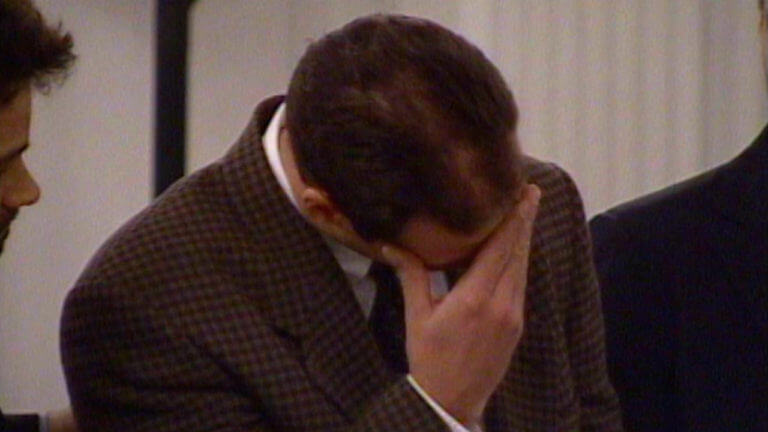
Last Thursday, at the end of the first week of their case, defense lawyers for the officers accused of murder in Amadou Diallo's shooting death appeared to be reeling. Their first witness the only known eyewitness seemed to have backfired in their faces. Lawyers representing Sean Carroll, Edward McMellon, Kenneth Boss and Richard Murphy expected Schrrie Elliott to corroborate defense's claims that one of the officers cried, "Gun!" before the shooting started. Instead, Elliott wound up supporting the prosecution, claiming that the officers repeatedly shot Diallo while he was already down. Now, on the eve of closing arguments, the momentum seems to have shifted in the defense's favor. Elliott was confronted and discredited by interviews with WNBC News, where she says Diallo remains standing for much of the shooting. Carroll, McMellon, Boss, and Murphy all testified, and their testimony was either remarkably consistent or very well coached. In addition, the defense scored a major victory when it convinced Justice Joseph Teresi to instruct jurors that they can acquit the officers if they believe the defendants had to use force to apprehend a fleeing suspect [Diallo]. The defense scored another victory when Justice Teresi decided that jurors would not be told that the officers had a duty to retreat before deciding to use deadly force. With the jury instructions largely in their favor, defense lawyers are expected to focus on the consistency of their clients' testimony in closing arguments Tuesday and stress that Diallo left them no choice but to fire their weapons. Diallo was gunned down in a hail of 41 bullets in the vestibule of his Bronx home last February. The officers have claimed that the shooting was a horrible yet reasonable accident, not a murder. Carroll, McMellon, Boss and Murphy all members of New York's Street Crime Unit all claimed on the stand that the lighting around the vestibule was dark and they thought Diallo was reaching for a gun when they opened fire. But Diallo was unarmed when he was struck 19 times; he had only his beeper, a wallet and keys.
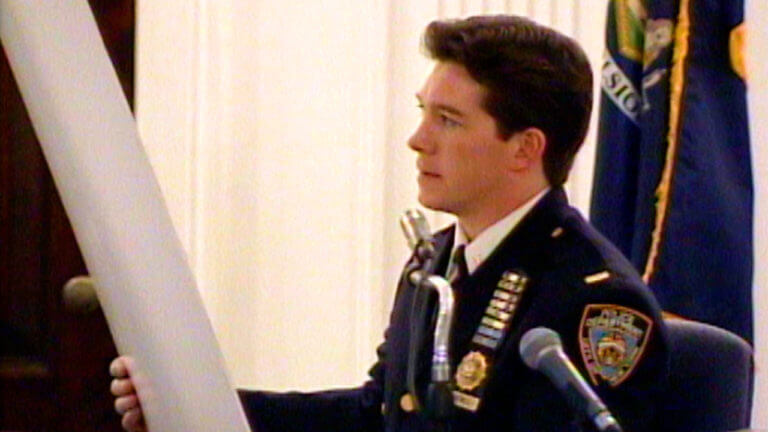
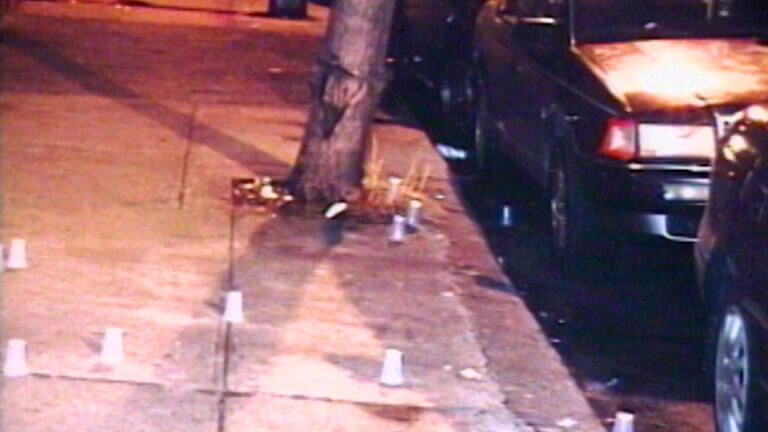
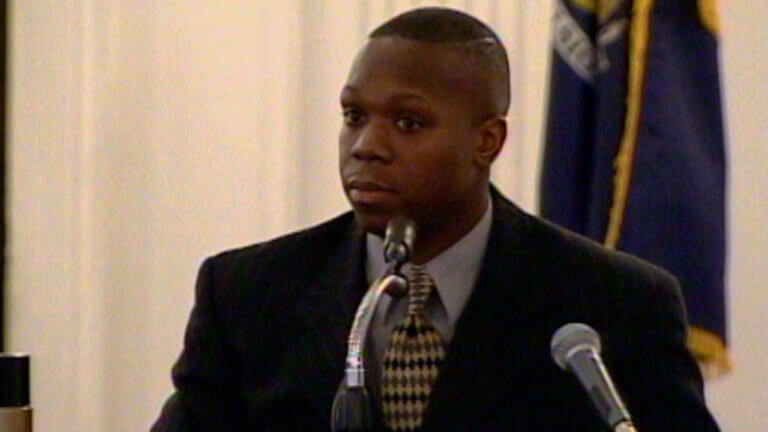
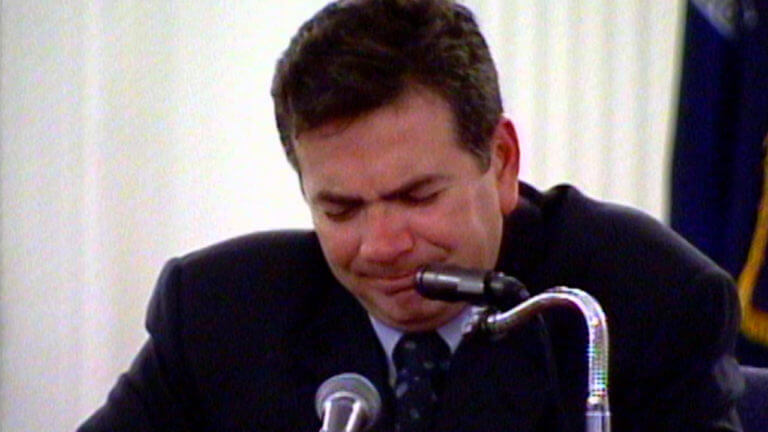
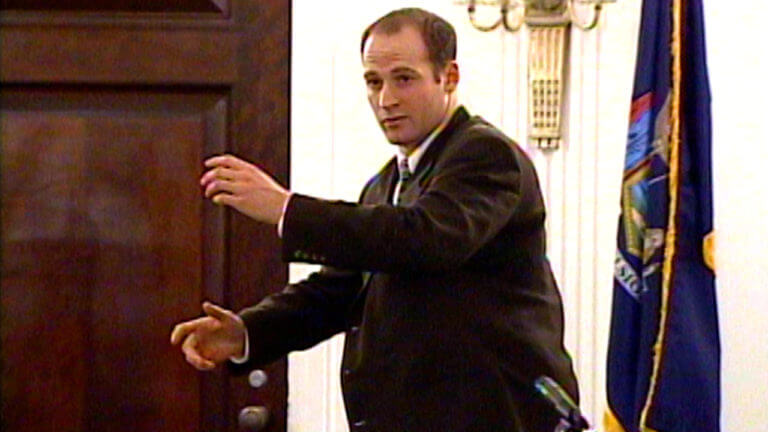
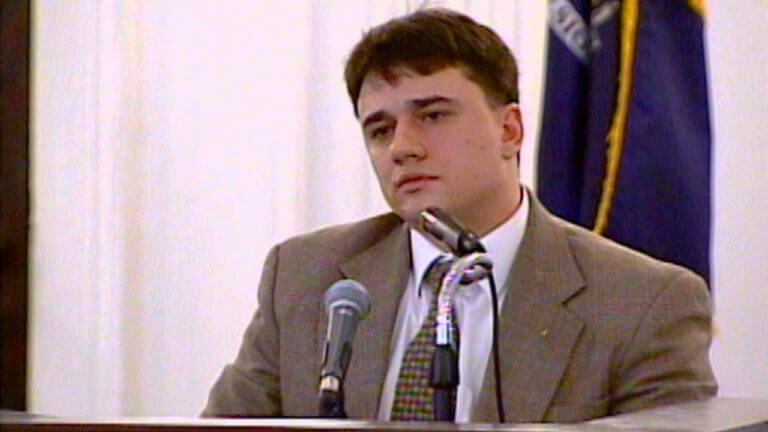
The officers were patrolling the Bronx in an unmarked car in search of a serial Bronx rapist when they encountered Diallo. As they drove down Wheeler Avenue, Carroll testified that he thought Diallo was acting suspiciously because he kept looking up and down the block. Diallo, he said, repeatedly ducked his head in and out of the vestibule, as if he didn't want to be seen. At that point, he and McMellon decided to approach Diallo. Carroll and McMellon testified that they identified themselves and that Diallo did not heed their repeated commands to halt. When he turned his back completely to them and allegedly "darted" into the vestibule after ignoring another command, they thought he was trying to flee them. At that point, both officers said, they began to run after him; Carroll told jurors he thought that Diallo may have been part of a push-in robbery attempt. He didn't want Diallo to get inside the building because he thought that would have led to a potential hostage situation involving innocent residents. Both Carroll and McMellon remembered Diallo reaching for something in his pocket with his right hand while trying to open the door to his building with his left. When Diallo began to turn around, still pulling at the object in his right pocket, Carroll cried, "He's got a gun." "As the individual pulled at the object in his right pocket, my prior experience, my training, told me he was pulling out a gun," Officer Sean Carroll tearfully testified. "At that point, I alerted my partner [Edward McMellon]: 'Gun! He's got a gun!' ... Believing that he [Diallo] was about to fire his weapon on my partner, I fired my weapon." Neither Carroll nor McMellon were able to tell jurors who fired first. But both said they fired because they thought Diallo had a weapon and they wanted to protect each other. Carroll, seeing McMellon fall off the steps, told the jury he thought his fellow officer had been hit, a sentiment echoed by Officers Boss and Murphy. McMellon remembered focusing on and continuing to fire at Diallo even as he was falling off the steps to the vestibule. He and Carroll claimed that Diallo remained standing for much of the shooting. Boss and Murphy both recalled either Carroll or McMellon identifying themselves as officers. They also remembered McMellon falling off the steps during the shooting and Carroll firing frantically as he was running down the steps. Both were trying to come to the aid of fellow officers they believed were under fire when they started shooting. Both remembered seeing an upright Diallo aiming what they believed was a weapon at them. "I see Mr. Diallo, he's crouched, I see a gun," Boss said. "I think, 'Oh my God, I'm going to die.' I start firing. ... I was in the line of fire." "I had this empty feeling, this sick feeling in my stomach that I was going to be hit," Murphy testified. "I pulled the trigger, jumping out of the way."
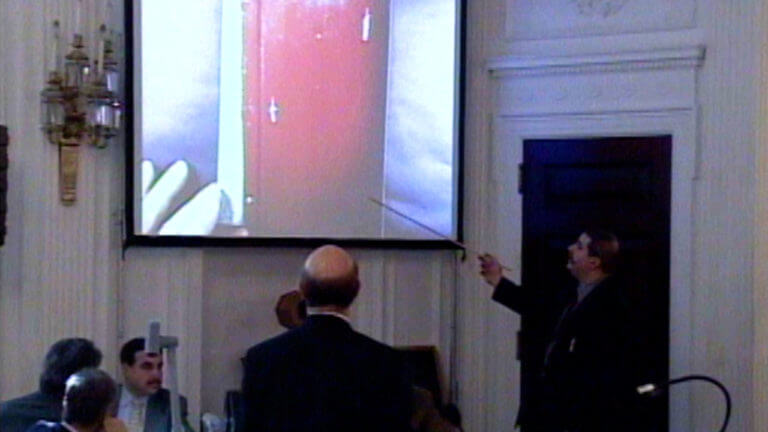
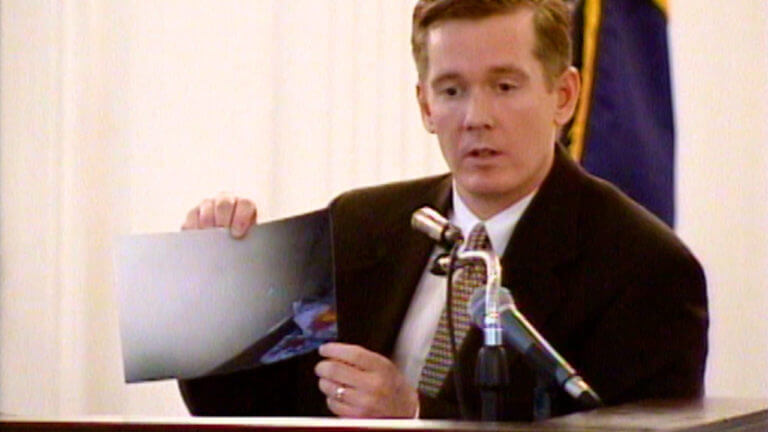
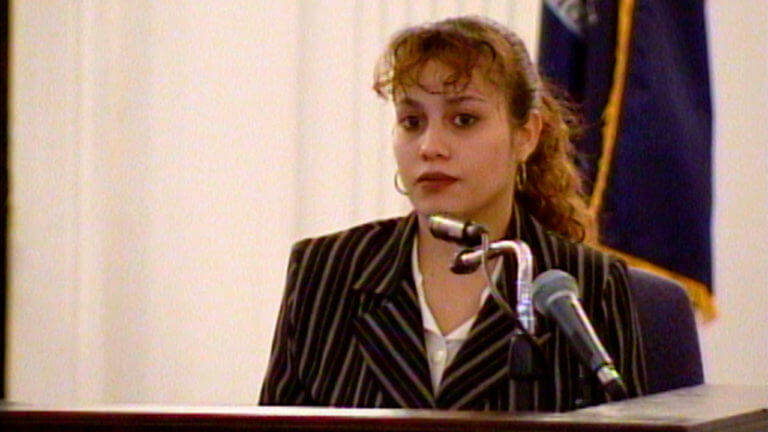
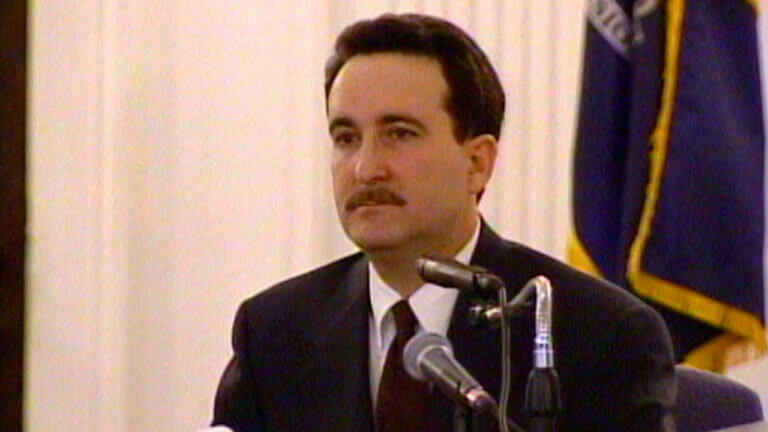
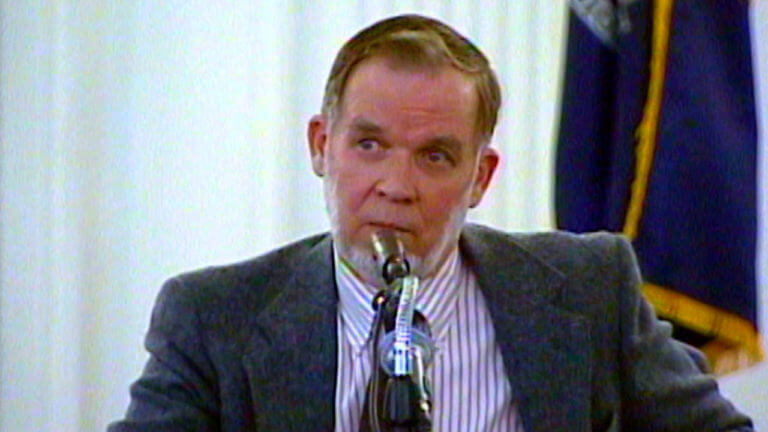
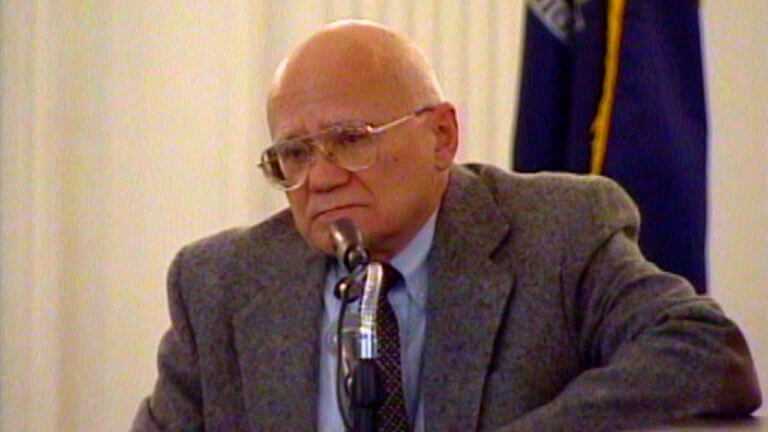
The defense is expected to stress the consistency of the officers' accounts of the shooting. Defense lawyers try to convince jurors that the officers' decision to approach and rush Diallo were consistent with their training and accepted NYPD procedures and therefore, justified. They will refer to the testimony of police training expert James Fyfe, who testified that the officers were justified in approaching Diallo because they believed he posed a legitimate threat to the residents of his building. When Diallo, as Fyfe said, did not heed a stop command and ran into the vestibule, the officers had a duty to try to protect the building's residents and try to keep what they perceived as a potentially dangerous situation from escalating. Defense lawyers are expected to argue that while Diallo's death was a tragedy, he practically set forward the events that led to gunfire. But Bronx prosecutors are expected to argue that Diallo did nothing that warranted being shot at 41 times. Standing in the vestibule of your own home and looking up and down the street is not suspicious and is not a crime. Prosecutors argue the officers had no reason to approach Diallo; they contend that the officers did not properly identify themselves when they approached Diallo and started firing. The officers, prosecutors will stress, not only showed disregard for Diallo's life but for the lives in the victim's apartment building as well. The prosecution is expected to stress that Diallo was downed quickly and the officers continued firing on the fallen victim. And to prove that the officers intentionally murdered Diallo and killed him with depraved indifference to his life, prosecutors may have to stress the testimony of its chief medical expert, Dr. Joseph Cohen. Cohen, the pathologist who performed the autopsy on Diallo, told jurors that a bullet that appeared to go up Diallo's leg and lodged near the back of his right knee suggests that he was fired on while he was down. In addition, Cohen said, the bullet that pieced Diallo's chest may have been one of the first bullets to hit him. Diallo suffered a bullet wound to his chest that pierced his aorta and perforated his spine and spinal cord. According to Cohen, those wounds, particularly to the spine and spinal cord, would have paralyzed and felled Diallo quickly. Still, the defense will counter the prosecution's arguments in its closings with the findings of pathologist Richard Mason and ballistics expert William Fackler. Mason told jurors that the 16 wounds to Diallo's left side suggest that he was upright for much of the shooting. According to Dr. Mason, most of the bullets travelled from Diallo's left side to his right side. The momentum of the bullets, Mason said, made Diallo's body turn counter-clockwise. As Diallo's body turned, Mason told jurors, he was hit by the bullet that pierced his aorta and damaged his spine and spinal cord. While he did not claim to know the exact order of the injuries, Mason believed that the bullet to the chest was one of the last wounds Diallo suffered and felled him "late" in the few seconds of the shooting. Dr. Fackler believed that the chest wound was suffered in the "last half" of the fusillade that struck Diallo. Though he could not determine the exact order of the injuries, he believed that Diallo could not have been lying flat during much of the shooting. According to Fackler, a wound Diallo suffered to the left side of his back travelled across his body and may have caused him to lose the strength in his legs. Defense lawyers are expected to point out that the medical testimony of Mason and Fackler supports officers' account of the shooting particularly the claims that Diallo was standing and turning in a counterclockwise direction. The officers said they did not carefully consider each shot they fired at Diallo. However, prosecutors are expected to stress the "pause" all of their "earwitnesses" heard during the shooting. Debbie Rivera was the first prosecution witness to refer to the pause. She lived diagonally across the street from Diallo and remembered a distinct pause between the volley of shots. "Pow, pow, pow, pow," Rivera said. " .... (Pause) Pow, pow, pow, pow. There were several shots, then a pause, then another string of shots."
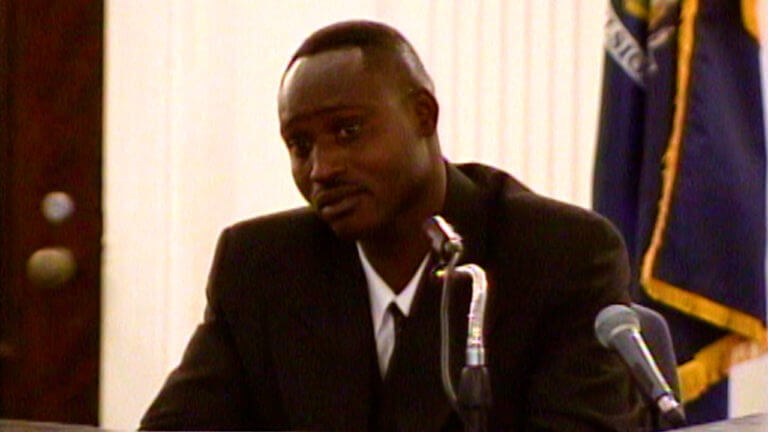
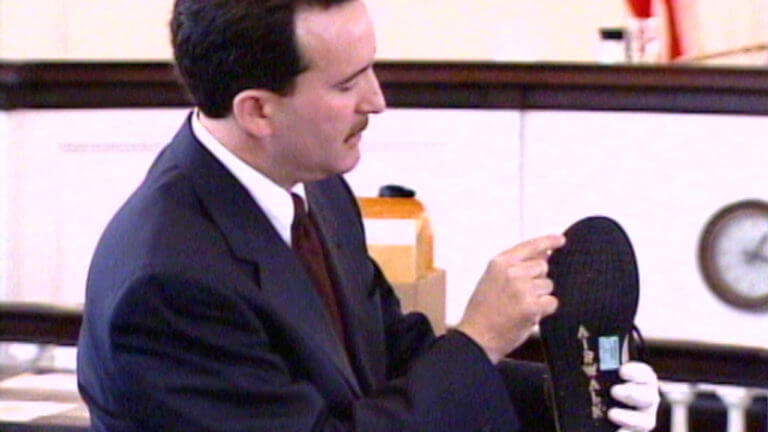
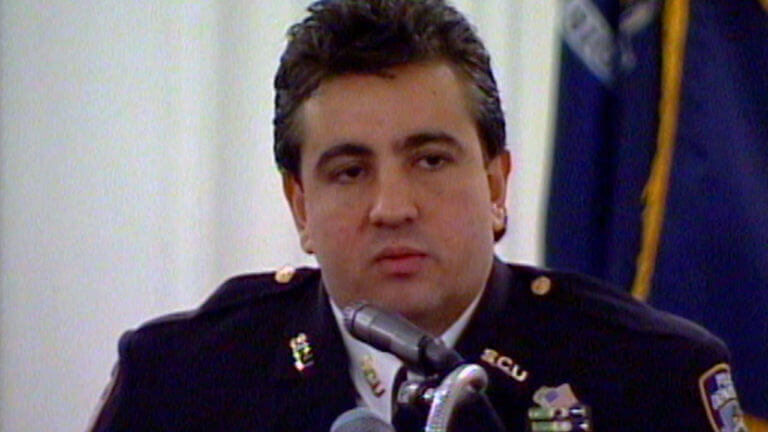
Rivera also remembered the area surrounding Diallo's vestibule as being well-lit that night, an observation supported by emergency medical technician Donald Riley. The EMT testified that he had no problem seeing Diallo or the various things he perceived as evidence at the scene. He also told jurors he did not bring a flashlight with him and observed seeing a wallet and a plastic object (later identified as a beeper) on the floor on Diallo's right-hand side. Stressing the claims of Rivera, Riley and other witnesses, prosecution is expected to argue that the officers could have seen that Diallo was not aiming a gun but reaching for either his beeper or wallet. In addition to the counts of second-degree murder and reckless endangerment, jurors will consider first and second degree manslaughter and criminally negligent homicide. The inclusion of the lesser charges gives jurors more ways to convict the officers. However, it also increases the officers' chances of surviving the trial with little or no jail time. If convicted of intentional second-degree murder or second-degree murder with depraved indifference to human life, they face 25 years to life in prison. First-degree manslaughter carries a maximum sentence of 12 1/2 to 25 years; second-degree manslaughter five to 15 years. Punishment for criminally negligent homicide ranges from probation to a maximum of four years. Closing arguments could take all day Tuesday. Jurors are not expected to start deliberating until Wednesday. Bryan Robinson |
|
|
|
| Contact Us | U.S. | TRIALS | WORLD | PEOPLE | ON AIR | VIDEO | TALK | ABOUT CTV | SEARCH |
|
© 2000 Courtroom Television Network LLC. All Rights Reserved.
Terms & Privacy Guidelines
|