Return To Court TV Homepage  
>>>>>>
U.S.
ABOUT COURT TV

U.S.

Trials

World

People

On Air

Video

Talk

Search


Diallo Jury Charges


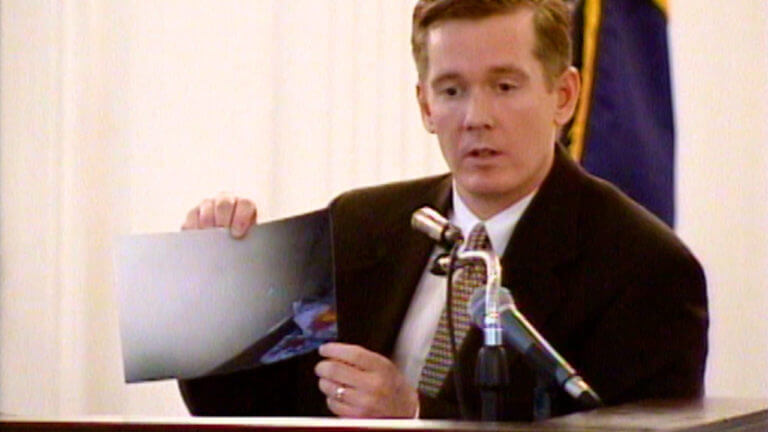
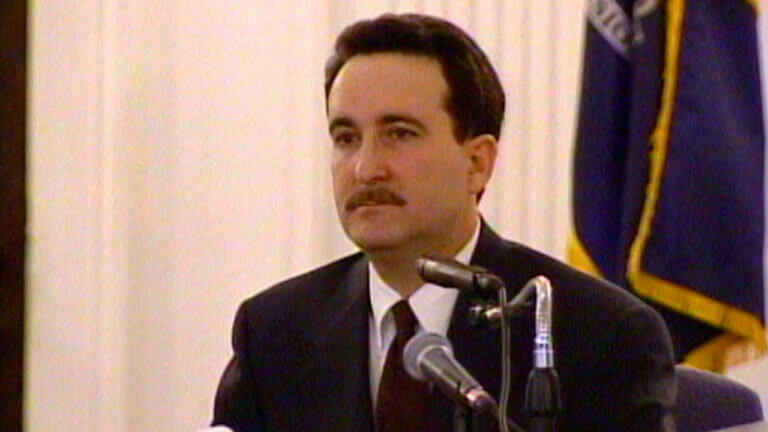
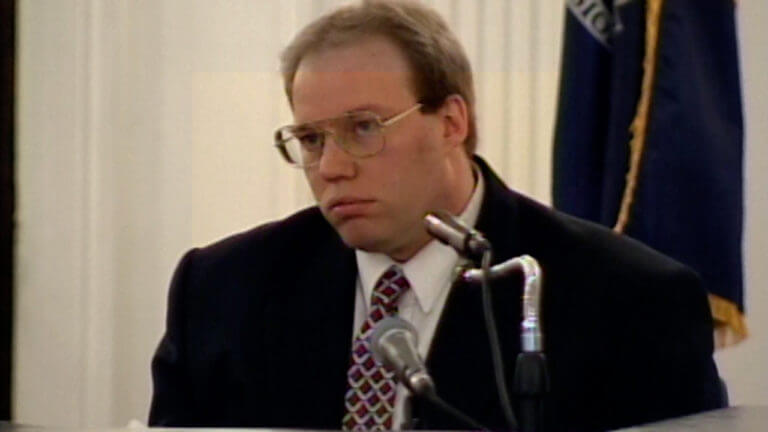
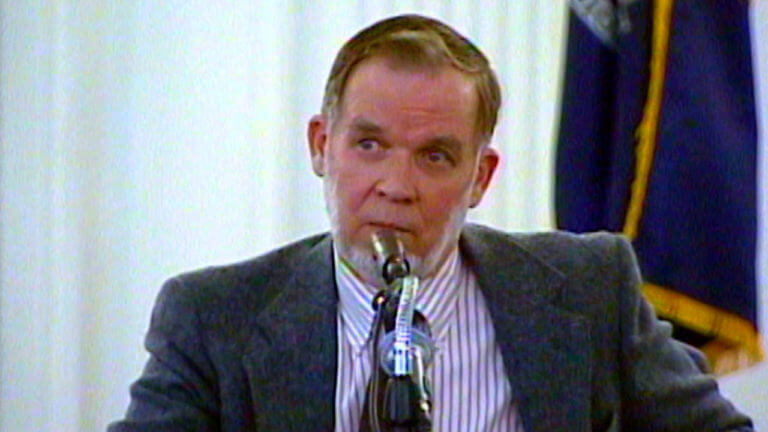
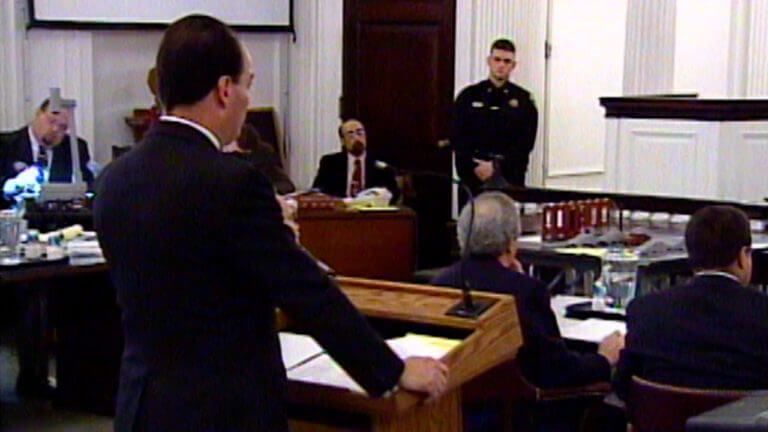
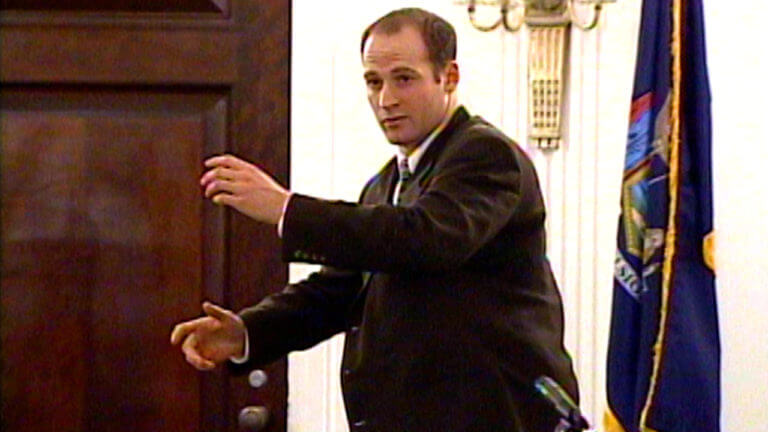
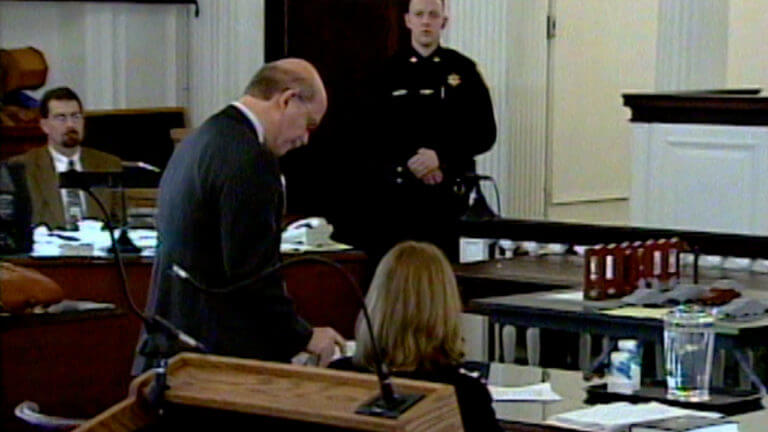
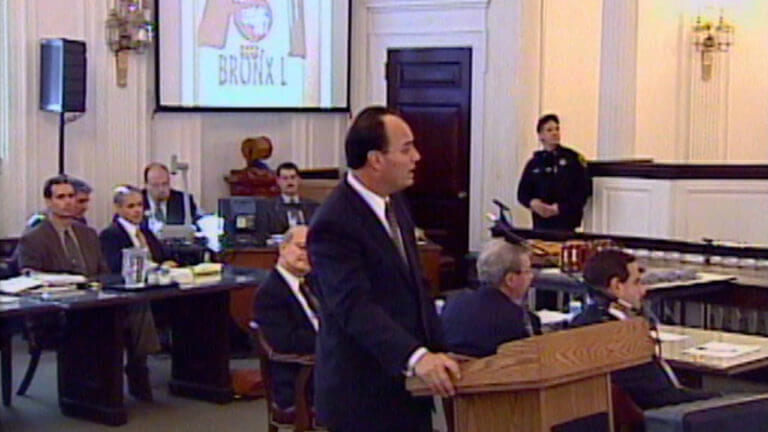
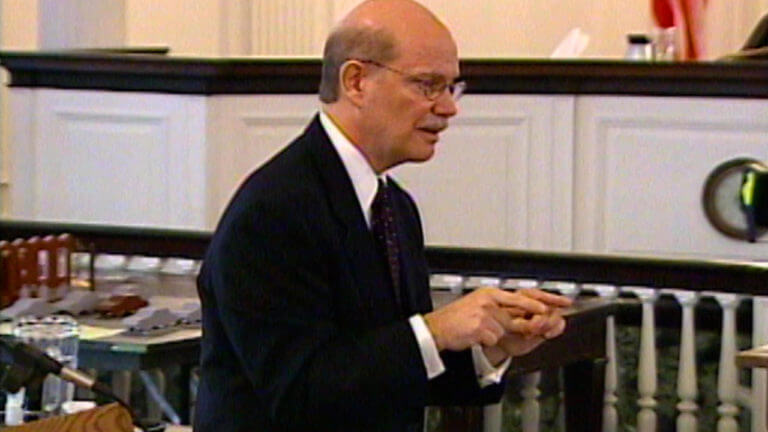
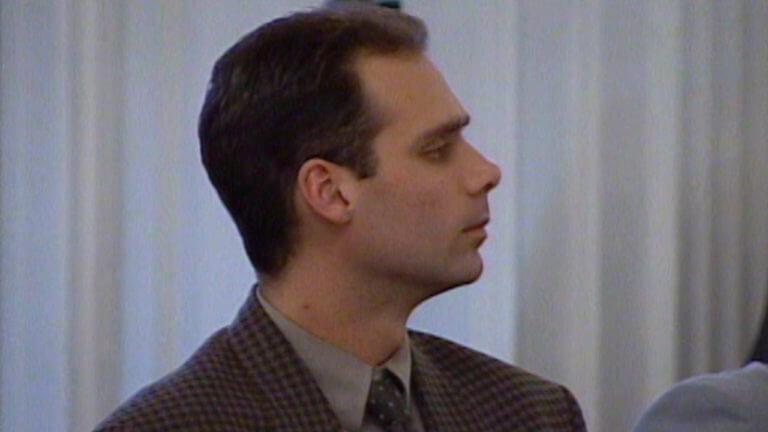
Prosecutor Eric Warner delivers his closing argument in the Diallo shooting trial

PLAY


Free RealPlayer


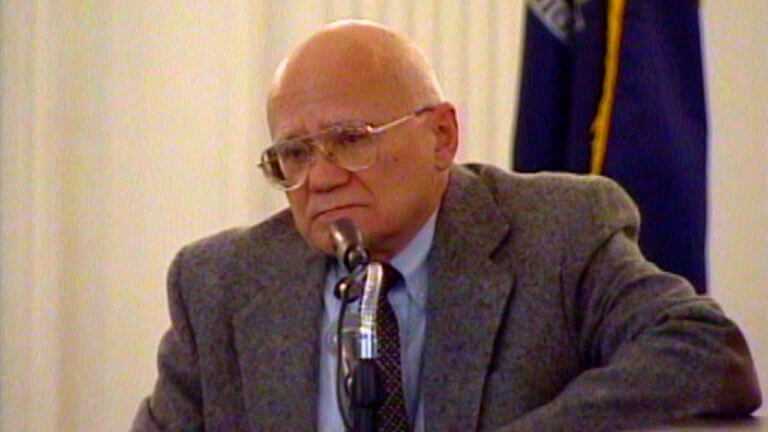
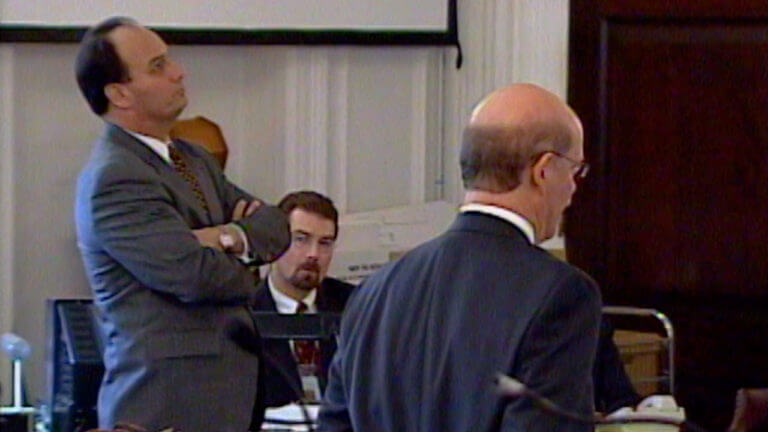
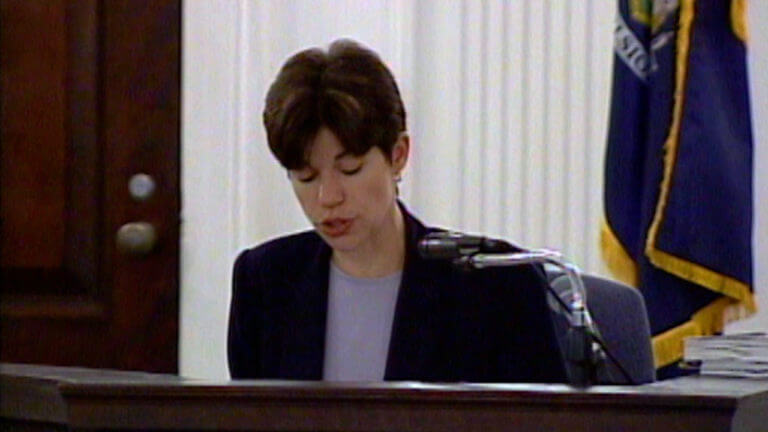
Defense attorney James Culleton delivers his closing argument in the Diallo shooting trial

PLAY


Free RealPlayer


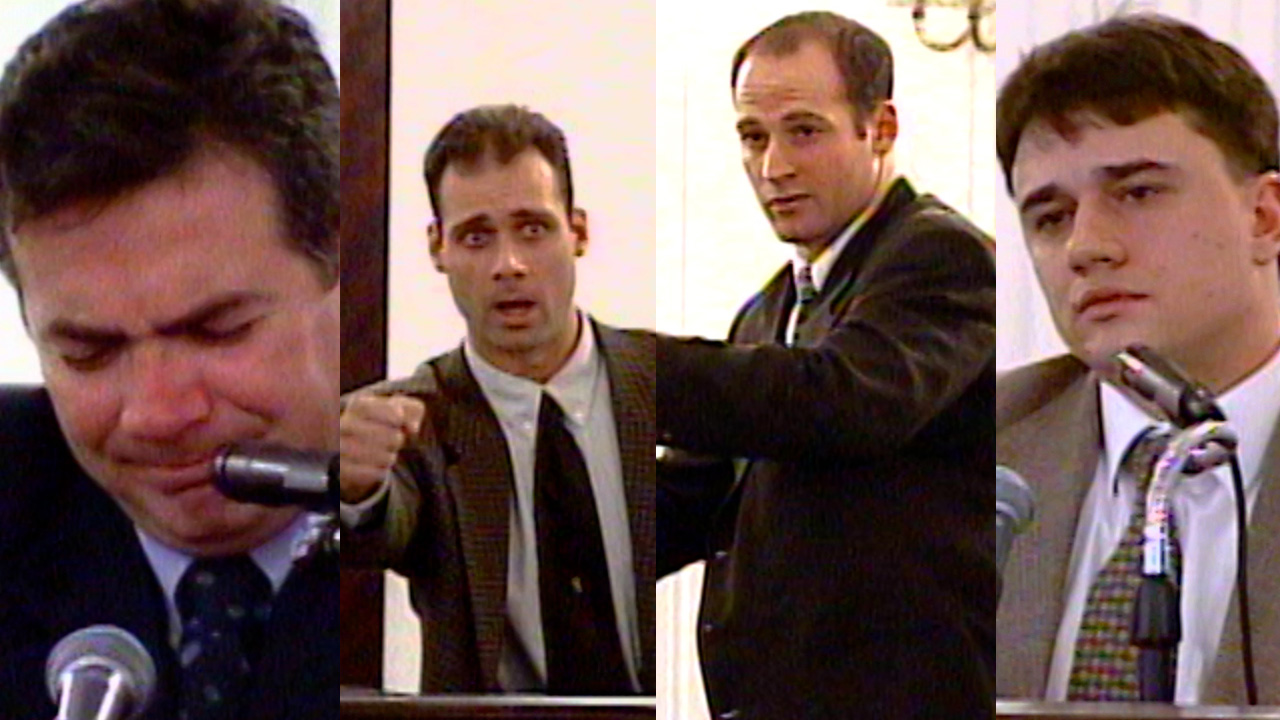
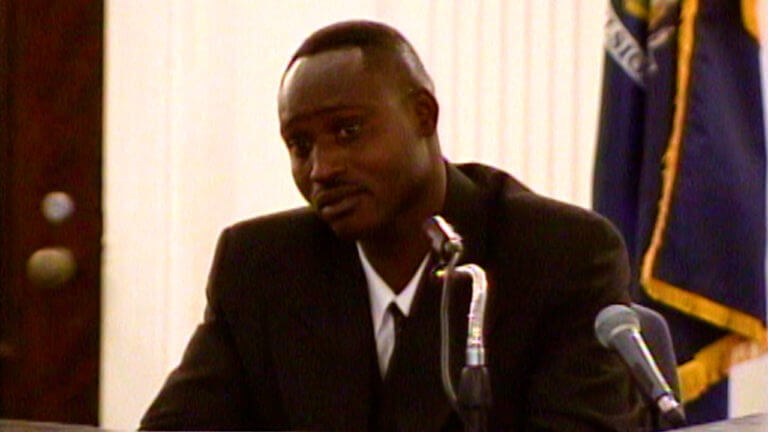
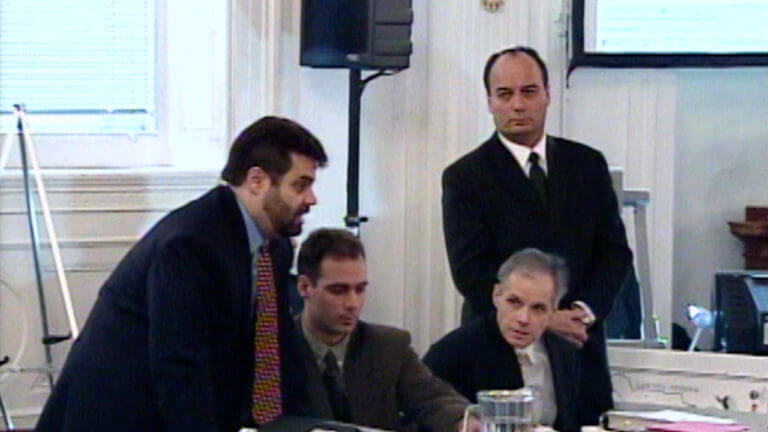
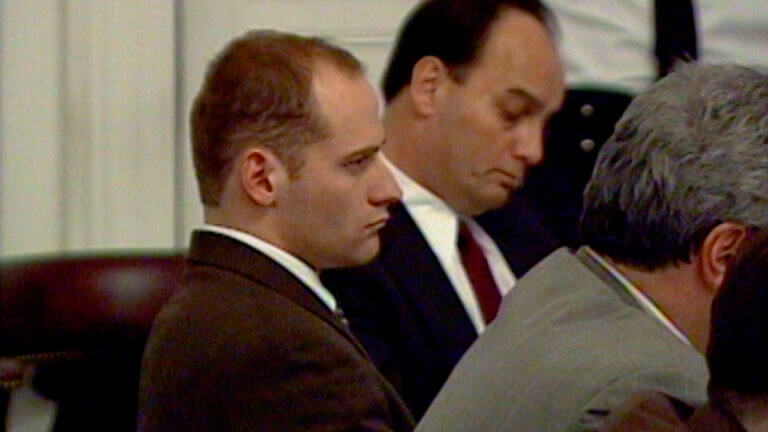
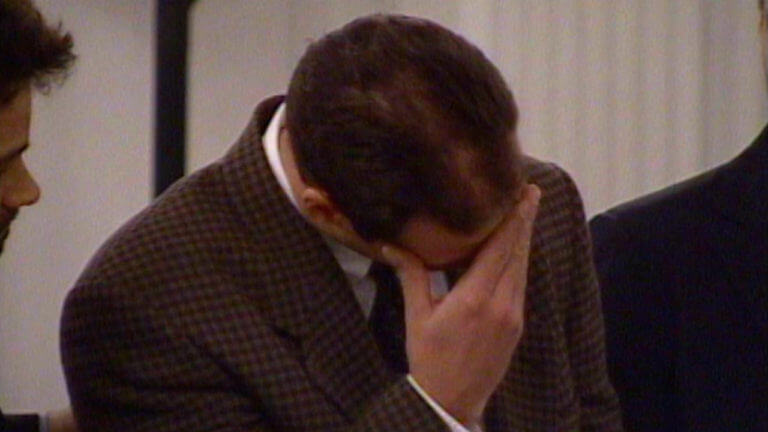
Defense attorney Steven Brounstein makes his closing argument to the jury of the Diallo shooting trial

PLAY


Free RealPlayer


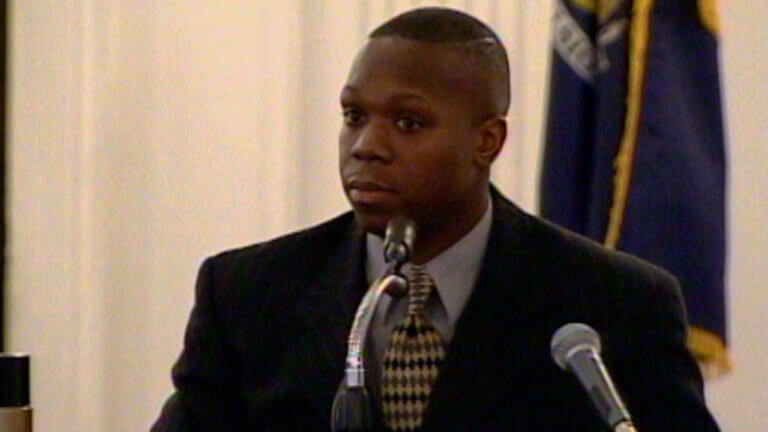
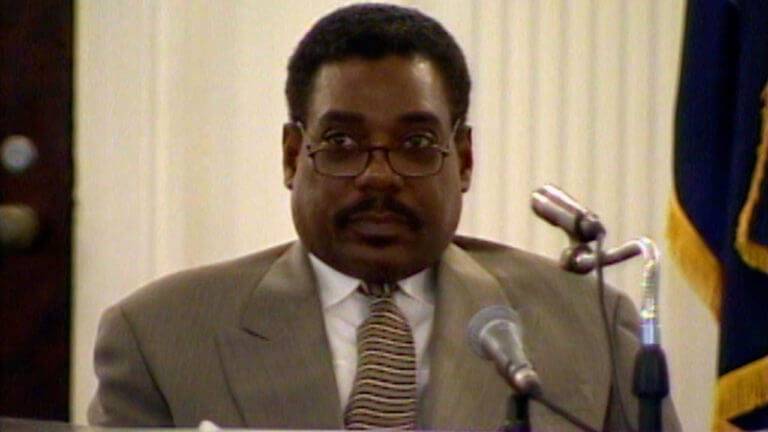
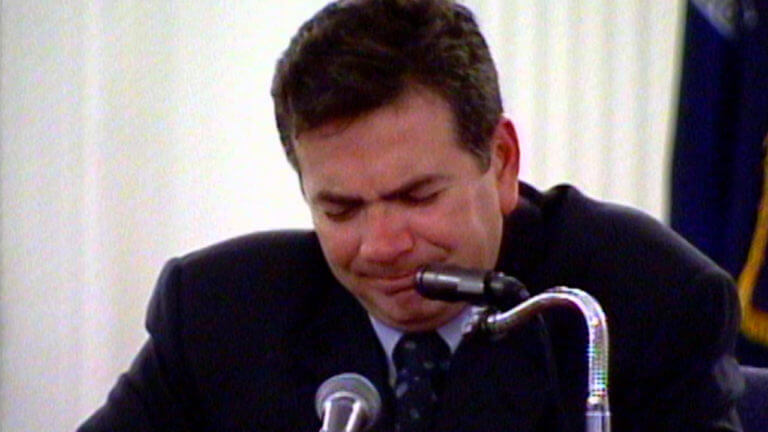
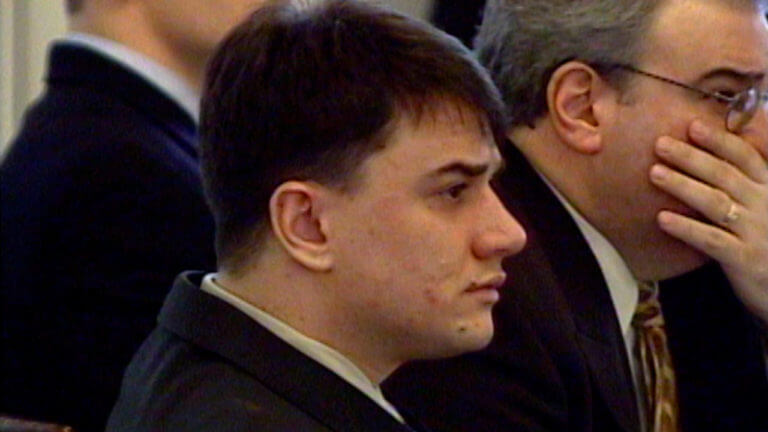
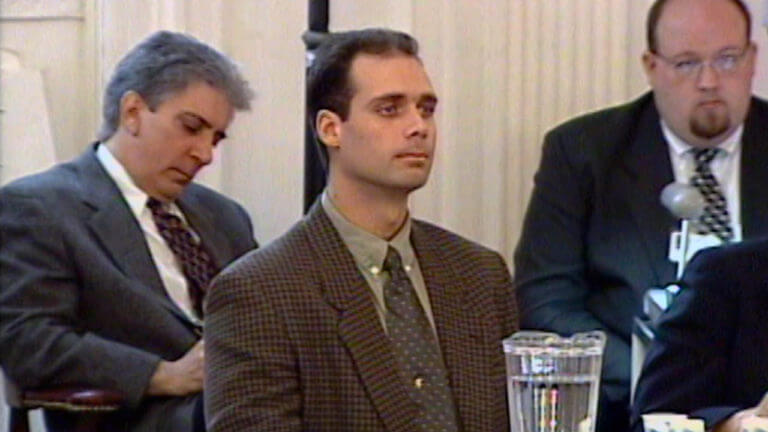
John Patten, defense attorney for Sean Carroll, delivers his closing remarks

PLAY


Free RealPlayer


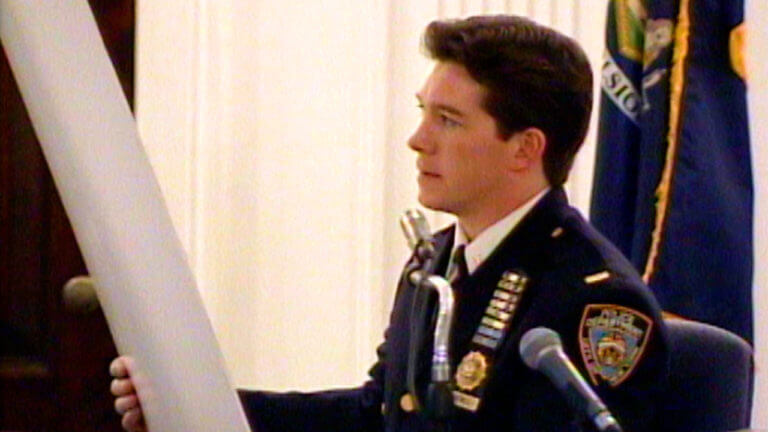
Stephen Worth, defense attorney for Edward McMellon, gives his closing statement

PLAY


Free RealPlayer


Updated February 22, 2000, 6:22 p.m. ET

Prosecution: Diallo shooting absolutely unjustified

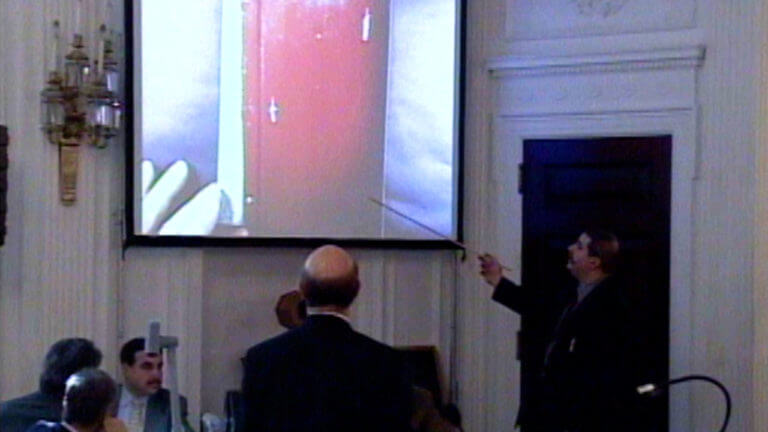
Prosecutor Eric Warner argued that the police's false perceptions led to Amadou Diallo's killing (Court TV)

           
DIALLO SHOOTING TRIAL

            >>>> Discuss the case on our message board

>>>> Special Report: Behind the Badge with a Hand on the Trigger

>>>> Profiles of Key Figures

>>>> Profiles of Jurors

>>>> Background Report

>>>> Full Coverage of Case/Archived Articles

>>>> Case Timeline


ALBANY, N.Y. (Court TV) — Refuting defense claims that Amadou Diallo's shooting was justified, prosecutors Tuesday urged jurors to convict the defendants of murder because the victim did nothing to instigate the gunfire.

"He [Diallo] had an absolute right to be there," prosecutor Eric Warner said. "He had a right to stand in the vestibule of his own home. The objective reality is that he was unarmed, that he was minding his own business and that he had no weapon. The only things he had were his wallet, his beeper and his keys."

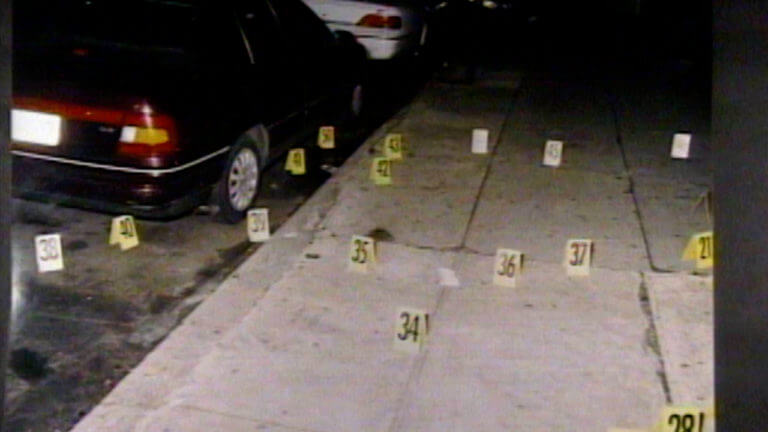
Prosecutor Warner is seeking a second-degree murder and reckless endangerment conviction against officers Sean Carroll, Edward McMellon, Kenneth Boss and Richard Murphy. Diallo was gunned down in a hail of 41 bullets in the vestibule of his Bronx home last February. Carroll and McMellon fired 16 shots each; Boss fired five, Murphy four. The officers have claimed that the shooting was a horrible — yet reasonable — accident, not a murder. Carroll, McMellon, Boss and Murphy, members of New York's Street Crime Unit, all claimed on the stand that the lighting around the vestibule was dim and they thought Diallo was reaching for a gun when they opened fire. Diallo was, in fact, unarmed when he was struck 19 times; he had only his beeper, a wallet and keys.

But Warner, using Carroll's testimony against him, argued in his closings that the officers had no reason whatsoever to approach Diallo. He claimed that the officers — particularly Carroll — had Diallo pegged as a potential robber from almost first sight and in their pursuit of the victim, they failed to preserve the West African immigrant's life.

In his testimony, Carroll said he first became suspicious of Diallo when he saw him "peering" out of his vestibule and "slinking" back in, as if he didn't want to been seen. Despite claims that the light conditions were dark and that he couldn't tell whether or not the individual was a black male, Warner pointed out, Carroll said that Diallo resembled, "with no doubt about it," the serial Bronx rapist the officers were looking for. [The sketch of the rapist resembled a black male.] Carroll also said that, based on his observations, he suspected Diallo may have been the lookout for a possible push-in robbery. He also said he didn't want Diallo to enter the building because he feared a possible hostage situation.

"I ask you, does that person [Diallo] stand much of a shot of getting a nice, polite, 'Hey, stop, how are you doing? Stop?' He's got people already fitting him in a terrible mold," Warner said.

Though they didn't know Diallo, Warner said, the West African vendor was in a matter of seconds targeted as a "slinking" potential robber, hostage taker, and dangerous armed man — all because of Carroll's hunch and false perceptions.

Warner pointed out to the jury that the officers' chief duties were to preserve and protect human life and respect human dignity. However, the prosecutor argued, sometime during their encounter, the officers forgot about Diallo's humanity.

"It was four men against one," Warner said. "They had protective vests, guns, a police radio. He [Diallo] had nothing. And he dies! And they say it was unavoidable. A terrible sequence of events showed that they didn't respect his life. It reveals some pretty frightening things about what they were thinking. They wrote him off on a hunch. ... This poor man was standing in his vestibule. That's his right. He can be there. He's supposed to be one of the men they're supposed to protect."
Warner asked jurors to put themselves in the Diallo's shoes. Refuting defense claims that the officers identified themselves and ordered Diallo to halt, he asked jurors to imagine how they would have felt if they saw four big men with guns charging them. [The officers were plainclothed that night.] Diallo, Warner argued, could have been thinking that he should give them his wallet and get inside his building as quickly as he can.

"We asked them [the defendants], 'Didn't you think at all that Amadou Diallo may have been scared?' That's an extremely logical conclusion, don't you think? But they all said that the idea didn't occur to them. It didn't even come to their consideration," Warner noted.

Warner also pointed out that even if the officers gave verbal commands to Diallo, the victim may not have know which order to obey. He reminded the jury that Carroll and McMellon said they asked Diallo to "Stop! Don't move. Show me your hands!" If this happened, Warner argued, Diallo would not have known which order to follow. "Show me your hands" contradicts "Don't move." Warner even suggested that Diallo may have been trying to show the officers his hands when they opened fire.

"They weren't listening to him anymore than they were hearing him," Warner said.

photo
Defense attorney John Patten stressed that Diallo turned the police encounter into a situation that ended in his killing. (Court TV)

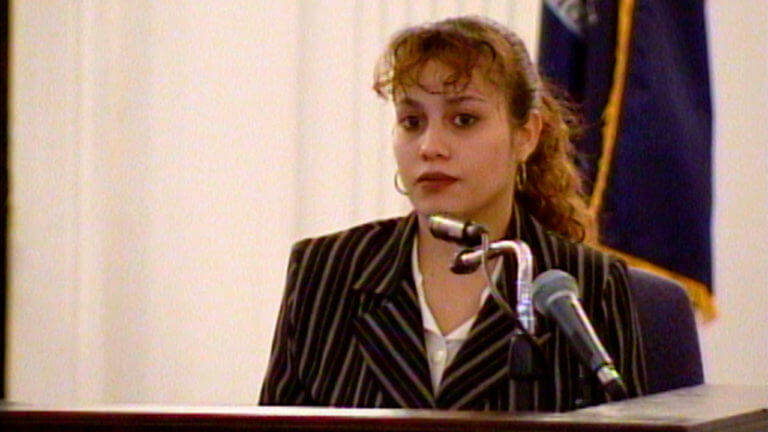
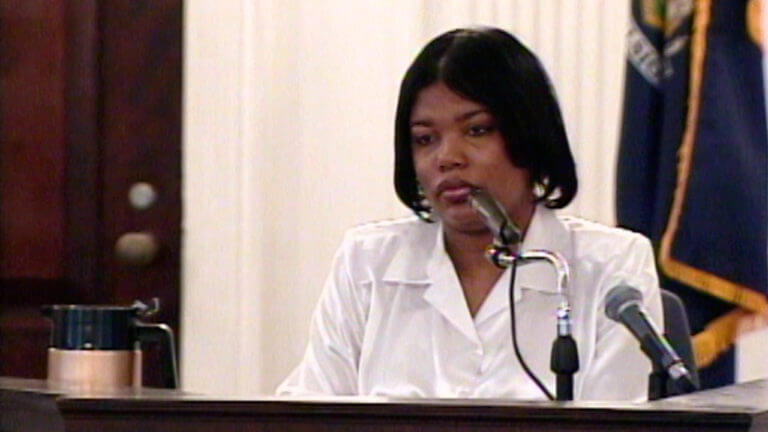
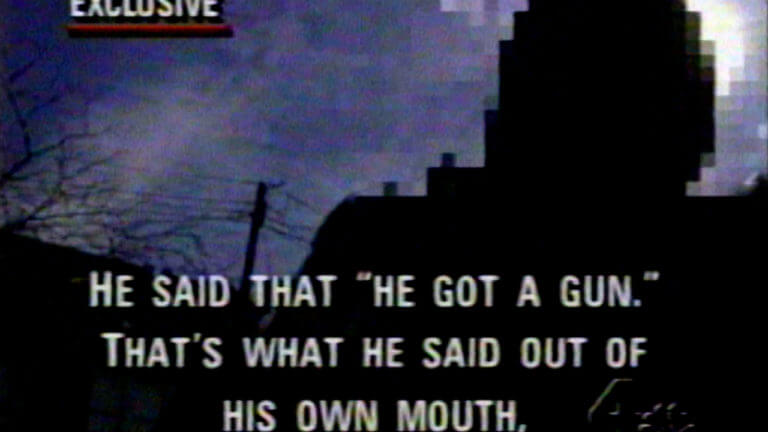
In their closing arguments, defense attorneys criticized the prosecution's failure to call the only other living eyewitness to the shooting, Schrrie Elliott, as their own witness. Elliott was across the street during the incident. When defense lawyers called her as their first witness, they expected her to corroborate claims that one of the officers cried, "Gun!" before the shooting started. Instead, Elliott wound up supporting the prosecution, claiming that the officers repeatedly shot Diallo while he was already down. She also claimed that she did not know who yelled gun before the shots were fired.

However, Elliott was confronted and discredited by interviews with WNBC News and statements given before the FBI and a Bronx grand jury, where she said Diallo remained standing for much of the shooting. She also said in the statements that one of the officers cried "Gun!' and Diallo had his right hand to his side most of the time.

Culleton argued in his closings that prosecutors did not call Elliott as their own witness because they knew she would ruin their case.

Warner, however, disagreed, pointing out that Elliott also testified that she never heard, despite the defense's claims, any officer bark a command at Diallo before the shooting. The prosecutor also noted that she testified that all four officers left their car at the same time and had their weapons drawn. In addition, Warner said, Elliott told the jury that she never saw any of the officers fall off the steps of the vestibule. Officers Carroll, Murphy, and Boss all claimed they saw McMellon fall off the steps during the shooting and thought he had been shot. This, they believe, justifies their decision to fire at Diallo.

"This is the person that makes it all true for the defense," Warner said. "No. This is the witness who makes it wrong for them."

The prosecutor stressed that Diallo cannot be blamed for his own shooting because he did not choose the circumstances of his police encounter; the defendants did. He said they chose to drive down Wheeler Avenue and approach Diallo. They created a situation that escalated until one man died — unnecessarily. Warner argued that Diallo became a "heightened expectation" of the officers' "own creation."

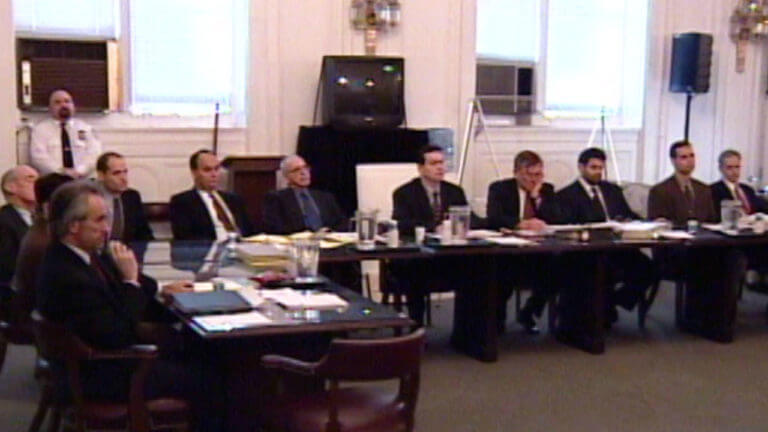
Defense lawyers Tuesday stressed in their closing arguments that the four officers were justified in their decision to approach and shoot Diallo.

"They made a mistake, a horrible, tragic mistake," said Sean Carroll's attorney John Patten. "And how did they make that mistake? The flash of the muzzle. The gunfire. The ricocheting bullets. The chaos. The loud noises. The terrible confusion ... they're human beings who make human mistakes. They're not criminals."

Lawyers representing Carroll, McMellon, Boss and Murphy capitalized on Albany Justice Joseph Teresi's ruling that jurors would be instructed on legal justification — that they could acquit the officers if jurors believe the defendants were justified in using deadly force to apprehend what they believed was a fleeing suspect [Diallo].

But the defense emphasized that the officers had no reason to think that Diallo did not have a gun. Defense lawyer Patten asked jurors to remember Kevin Gillepsie, a member of the Street Crime Unit who was killed in the line of duty in 1996. In the seconds when the gunfire erupted, Patten and the other defense attorneys stressed, the four officers could only think of two things: protect their partners and protect themselves.

"Gillepsie waited and now he's dead," Patten said. You can't ask an officer to stand there and wait to be blasted."

Patten recalled how Carroll testified that he thought Diallo was acting suspiciously because he kept looking up and down the block. Diallo, Carroll said, repeatedly ducked his head in and out of the vestibule, as if he didn't want to be seen. At that point, Carroll and McMellon decided to approach Diallo.

Carroll and McMellon testified, Patten reminded the jury, that they identified themselves and that Diallo did not heed their repeated commands to halt. When he turned his back completely to them and allegedly "darted" into the vestibule after ignoring another command, they thought he was trying to flee. [Warner argued that Diallo could not have "run" into a vestibule that is the size of a small elevator.] Both Carroll and McMellon remembered Diallo reaching for something in his pocket with his right hand while trying to open the door to his building with his left. According to Patten, when Diallo began to turn around, still pulling at the object in his right pocket, Carroll cried, "Gun!"

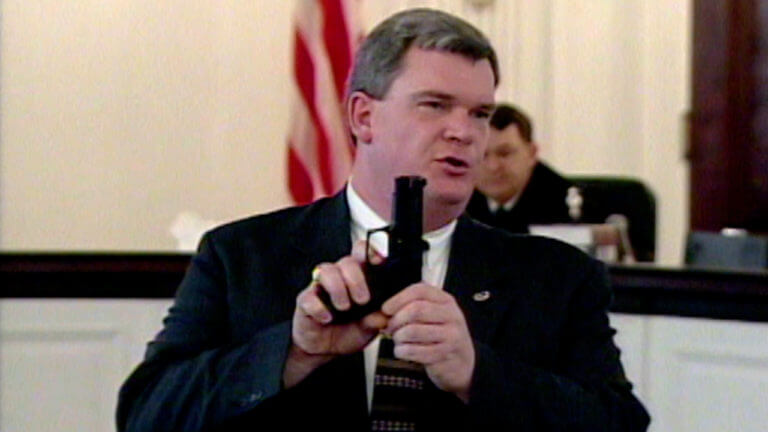
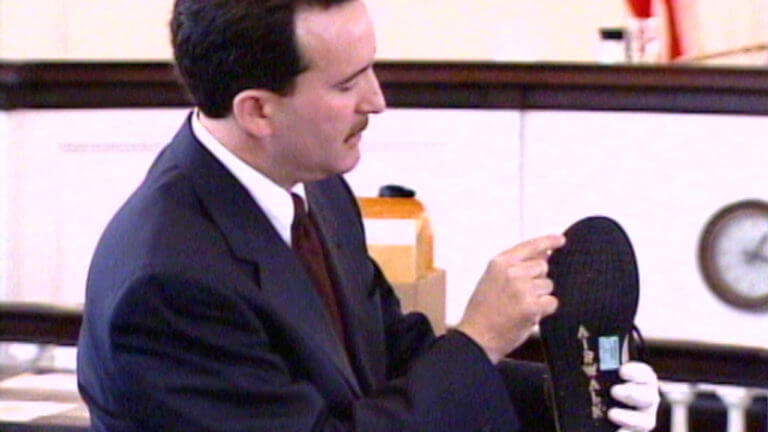
Holding Diallo's wallet and a gun side-by-side, Patten attempted to show how the officers could have confused the two items on a dark night. He stressed that it wasn't unreasonable for the officers to fear for their lives and think Diallo had a gun. Diallo, he said, was unreasonable for not heeding the officers' commands and running into the vestibule.

"If only he had stopped and talked to them," Patten said. "If only he told them, 'I live here.' Why didn't he [Diallo] talk to them? Why didn't he stop? If he had, if would have been a simple stop and that would have been the end of it. A simple stop escalated into a series of horrible events. This was not unreasonable behavior on their part; it was unreasonable behavior on Mr. Diallo's part."

Patten acknowledged that the prosecution has said that the 41 shots fired at Diallo were excessive. However, Patten argued, the number of shots illustrated the fear the officers felt at the time. Fear and adrenaline, he stressed, fired the 41 bullets. Patten downplayed the prosecution's suggestions that there was a pause between the volley of shots by telling jurors that the shooting happened in seconds and was "over before it began." He urged jurors that if they find that the officers were justified in their actions, they must acquit the defendants of all charges.

Defense attorneys James Culleton and Stephen Worth, who represented Richard Murphy and Edward McMellon respectively, focused on the contradictions between Schrrie Elliott's testimony before the grand jury and her initial trial testimony. He noted that Elliott admitted that she didn't like police officers and indicated that it would have been a "disgrace" if prosecutors had succeeded in "hiding" grand jury testimony from the jury. Worth said that the defense was not afraid to present witnesses because "the truth was always on our side."

photo
James Culleton told jurors that eyewitness Schrrie Elliott torpedoed the prosecution's case. (Court TV)

Culleton argued that Elliott destroyed the "centerpiece" of the prosecution's case — the medical testimony of Dr. Joseph Cohen. Cohen, the pathologist who performed the autopsy on Diallo, told jurors that a bullet that appeared to go up Diallo's leg and lodged near the back of his right knee suggests that he was fired on while he was down. In addition, Cohen said, the bullet that struck Diallo's chest may have been one of the first bullets to hit him. Diallo suffered a bullet wound to his chest that pierced his aorta and perforated his spine and spinal cord. According to Cohen, those wounds, particularly to the spine and spinal cord, would have paralyzed and felled Diallo quickly.
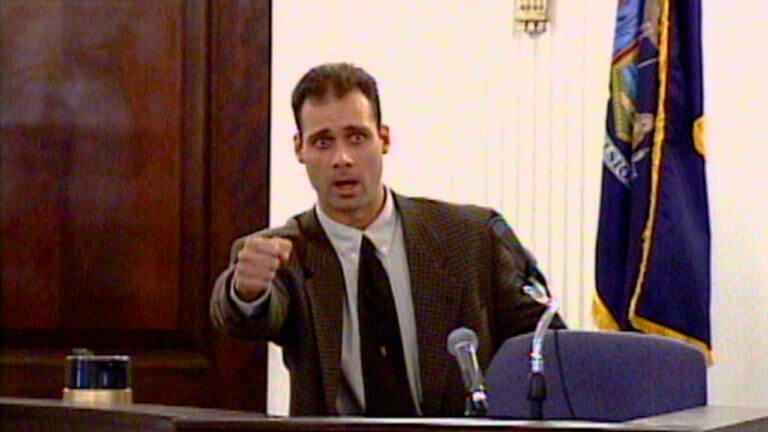
Culleton reminded the jury that the the findings of pathologist Richard Mason disprove Cohen's theories. Culleton noted that Cohen did not examine the alleged crime scene or crime scene photos before drawing his conclusions. Mason told jurors that the 16 wounds to Diallo's left side suggest that he was upright for much of the shooting. According to Dr. Mason, most of the bullets travelled from Diallo's left side to his right side, which indicated that Diallo's body turned counter-clockwise during the shooting. As Diallo's body turned, Mason said, he was hit by the bullet that pierced his aorta and damaged his spine and spinal cord. While he did not claim to know the exact order of the injuries, Mason believed that the bullet to the chest was one of the last wounds Diallo suffered — and felled him "late" in the few seconds of the shooting.

"If he's downed right away, how does he sustain almost all the wounds to his left side?" Culleton asked.

Culleton urged jurors to acquit his client Murphy because it was not unreasonable for him to think that his life — and those of his partners — were in danger when he opened fire. Murphy said he saw McMellon fall off the steps of the vestibule after the shooting started and thought he had been shot. Murphy testified that when he looked in the vestibule, he saw Diallo still standing and thought he was aiming a gun at him. That's when he fired his weapon.
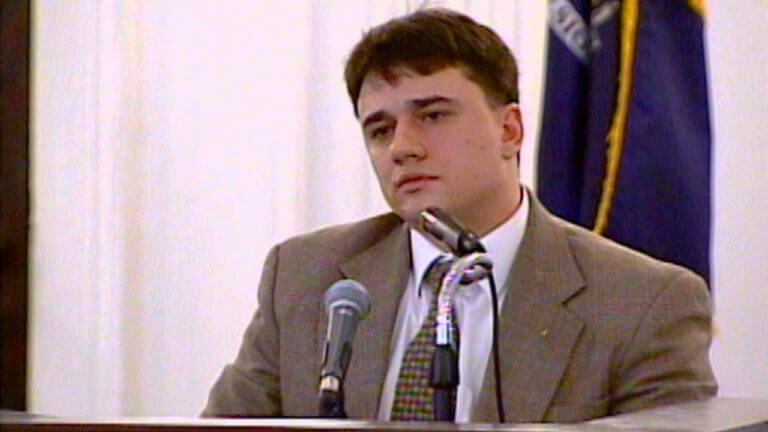
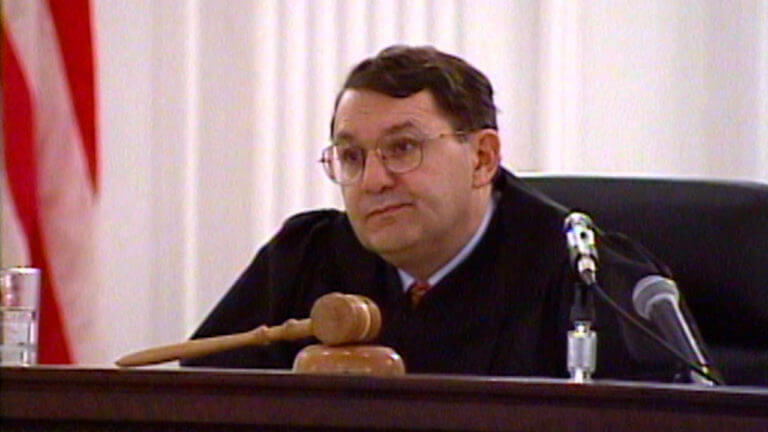
"The only issue here is whether Murphy, seeing what he saw, was reasonable was justified in using deadly physical force before it was about to be used against him," Culleton said.

The officers, Culleton stressed, had a right to approach Diallo; it was their obligation as police officers. He emphasized the testimony of police training expert James Fyfe, who testified that the officers were justified in approaching Diallo because they believed he posed a legitimate threat to the residents of his building. When Diallo, as Fyfe said, did not heed a stop command and ran into the vestibule, the officers had a duty to try to protect the building's residents and try to keep what they perceived as a potentially dangerous situation from escalating.

Defense lawyer Steven Brounstein, who represents Kenneth Boss, urged jurors to place themselves in the officers' shoes, stressing that they did not intend to kill anyone. Diallo's killing, he said, was an accident. Brounstein implored the jury not to "turn a mistake into an injustice."

Jurors will receive their instructions Wednesday morning. After that, deliberations will begin. In addition to the counts of second-degree murder and reckless endangerment, jurors will consider first and second degree manslaughter and criminally negligent homicide. If convicted of intentional second-degree murder or second-degree murder with depraved indifference to human life, they face 25 years to life in prison. First-degree manslaughter carries a maximum sentence of 12 1/2 to 25 years; second-degree manslaughter five to 15 years. Punishment for criminally negligent homicide ranges from probation to a maximum of four years.

— Bryan Robinson


Court TV Homepage

Site Map


<<<back Top of page  
Contact Us U.S. |  TRIALS |  WORLD |  PEOPLE |  ON AIR |  VIDEO |  TALK |  ABOUT CTV |  SEARCH 
      © 2000 Courtroom Television Network LLC. All Rights Reserved.
Terms & Privacy Guidelines