Return To Court TV Homepage  
>>>>>>
U.S.
ABOUT COURT TV

U.S.

Trials

World

People

On Air

Video

Talk

Search


Updated March 15, 1999, 2:38 p.m. ET
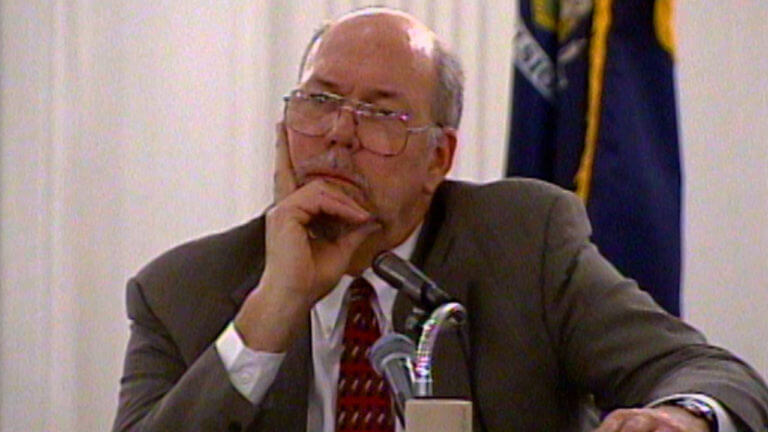
Former NYC Mayor David Dinkins arrested at protest of Diallo shooting

           
The Shooting of Amadou Diallo

            >>>> Full coverage

>>>> Chronology of events

>>>> Articles in the archives

>>>> Biographies of Diallo and the officers

>>>> Discuss the case on our message board

>>>> Mar. 31: Officers charged with second-degree murder
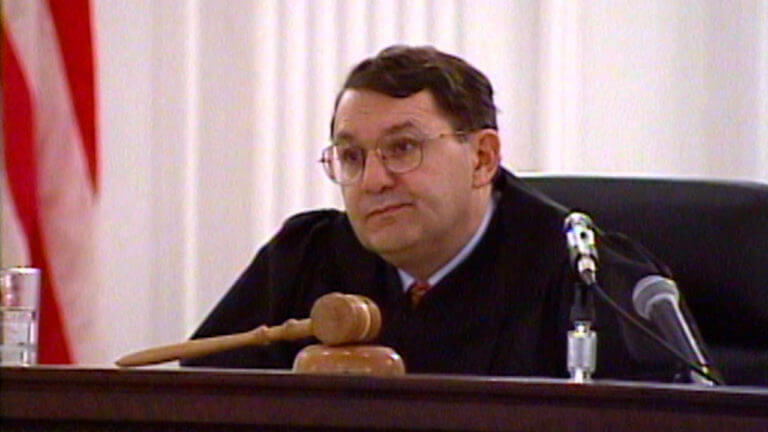
>>>> Mar. 16: Giuliani's popularity plummets after shooting

>>>> Feb. 16: Protests spread to Guinea

>>>> Feb. 12: Thousands attend memorial service

>>>> Feb. 5: New York awaits answers in police slaying

NEW YORK (Court TV) — Mayor Rudolph Giuliani and former Mayor David Dinkins have never been exactly chummy. But their relationship hit a new low on Monday, when Giuliani had his predecessor arrested at a protest over the Feb. 4 police shooting of Amadou Diallo.

Dinkins and other protestors staged a sit-in Monday at noon outside police headquarters in Manhattan. After blocking the entrance, they then moved their protest inside. At a similar rally last week, 12 people were taken into custody.

In a sign that outrage over the shooting has only gathered steam in the six weeks since Diallo's death, Dinkins was arrested alongside Rep. Charles Rangel, D-N.Y., Rep. Gregory Meeks, two city council members, Rev. Al Sharpton and eight other supporters.

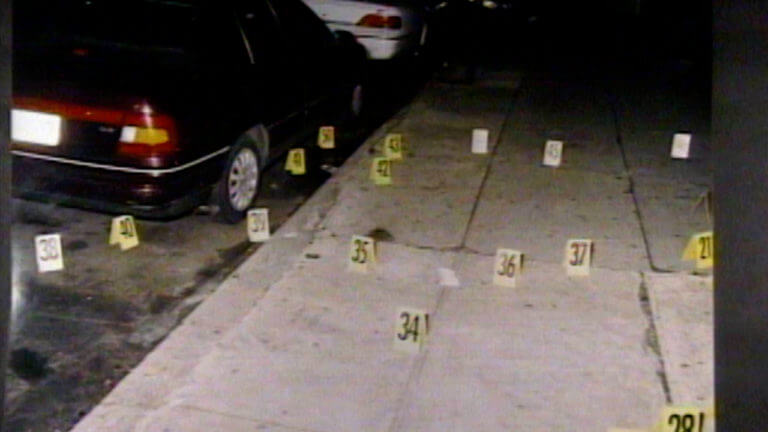
Diallo, a 22-year-old immigrant from West Africa, died when four police officers shot at him 41 times as he stood just inside his apartment building in the South Bronx.

Diallo had no criminal record and was unarmed. A Bronx grand jury is now hearing evidence in the case and is expected to complete its inquiry by the end of the month.

Mayor Giuliani criticized Monday's protest as a "publicity stunt" and has blamed the media for fomenting public anger over the shooting. He points to statistics showing that overall, crime has been cut in half in the city since 1993, when Dinkins was in charge.

Dressed in a beige coat and a navy cloth cap, Dinkins said he had participated in the protest because the Giuliani administration seemed to believe that when it came to crime-fighting, the ends justify the means.

Many New Yorkers appear to agree. Since the Diallo shooting — which occurred two months before four police officers are scheduled to stand trial for the brutal beating of Haitian immigrant Abner Louima in 1997 — Giuliani's approval rating has dropped sharply, according to a New York Times poll.

Thousand of people have joined rallies in Manhattan and outside the Bronx courthouse in the past few weeks to protest the police shooting. Many have demanded a federal investigation into the killing.

Federal authorities have indicated that they may be willing to oblige. U.S. Attorney Mary Jo White is tracking the Bronx District Attorney's investigation into the Diallo shooting.

Federal investigators have already taken over the prosecution of the Brooklyn police officers accused of brutally assaulting Haitian immigrant Abner Louima in 1997.

When asked about recent incidents involving shootings by police on unarmed blacks, Attorney General Janet Reno said that they the incidents were a "very serious problem" that could not be ignored.

"Firing 41 bullets at an unarmed man ... there is just no excuse for that," Reno said. "It just shouldn't happen. There are so many good police officers in this country, but there are some bad police officers, like there are bad people in every walk of life."

Black, Asian, Latino and Jewish civil rights advocates have convened in Washington and asked President Clinton to address what National Urban League President Hugh B. Price called a "national epidemic of brutality and abuse."

"All we ever hear from Mr. Giuliani is how good things are in New York, how good his police officers are," NAACP president Kweisi Mfume said. "Where was he when Diallo was killed? Why hasn't he done anything to prevent this kind of environment?"

However, African-American leaders have rebuffed Giuliani's belated efforts to sympathize with Diallo's family and reach out to the black community. African leaders have been more receptive.

Giuliani and his police commissioner, Howard Safir, attended a religious "community healing" service in Brooklyn on Sunday, at which they expressed their sorrow about Diallo's death to an audience of about 150 people.

The United African Congress sponsored the event, but African-American activists and a Guinean immigrant group shunned the ceremony, saying the Congress was too conciliatory toward Giuliani administration.

Despite the details provided by witnesses to the Diallo shooting, several questions still remain unanswered. The plainclothes officers, who were part of New York City's elite street-crime unit, claim that they were searching for a rape suspect when they encountered Diallo.

Their attorney, Stephen Worth, maintains that the officers fired at the victim because they thought he was reaching for a gun, but no gun was found. Police only uncovered Diallo's wallet and beeper next to his body. Diallo's keys were still in his pants pocket and he may have been reaching for them just before the shooting.

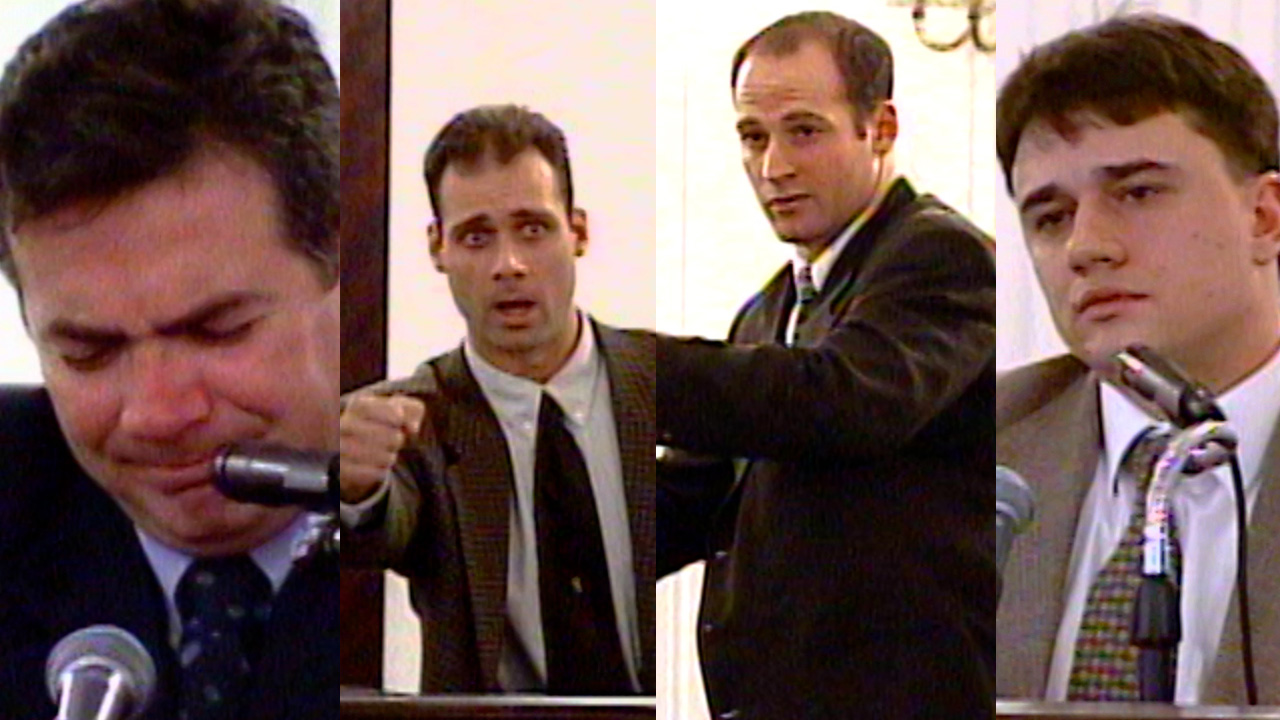
One officer, Sean Carroll, has expressed remorse for the shooting, but his colleagues — Kenneth Boss, Edward McMellon and Richard Murphy — have not commented publicly.

Court TV's Catherine Heins and Bryan Robinson contributed to this report.


Court TV Homepage

Site Map


<<<back Top of page  
Contact Us U.S. |  TRIALS |  WORLD |  PEOPLE |  ON AIR |  VIDEO |  TALK |  ABOUT CTV |  SEARCH 
      © 2000 Courtroom Television Network LLC. All Rights Reserved.
Terms & Privacy Guidelines