Hannah Gutierrez receives maximum sentence for ‘Rust’ shooting
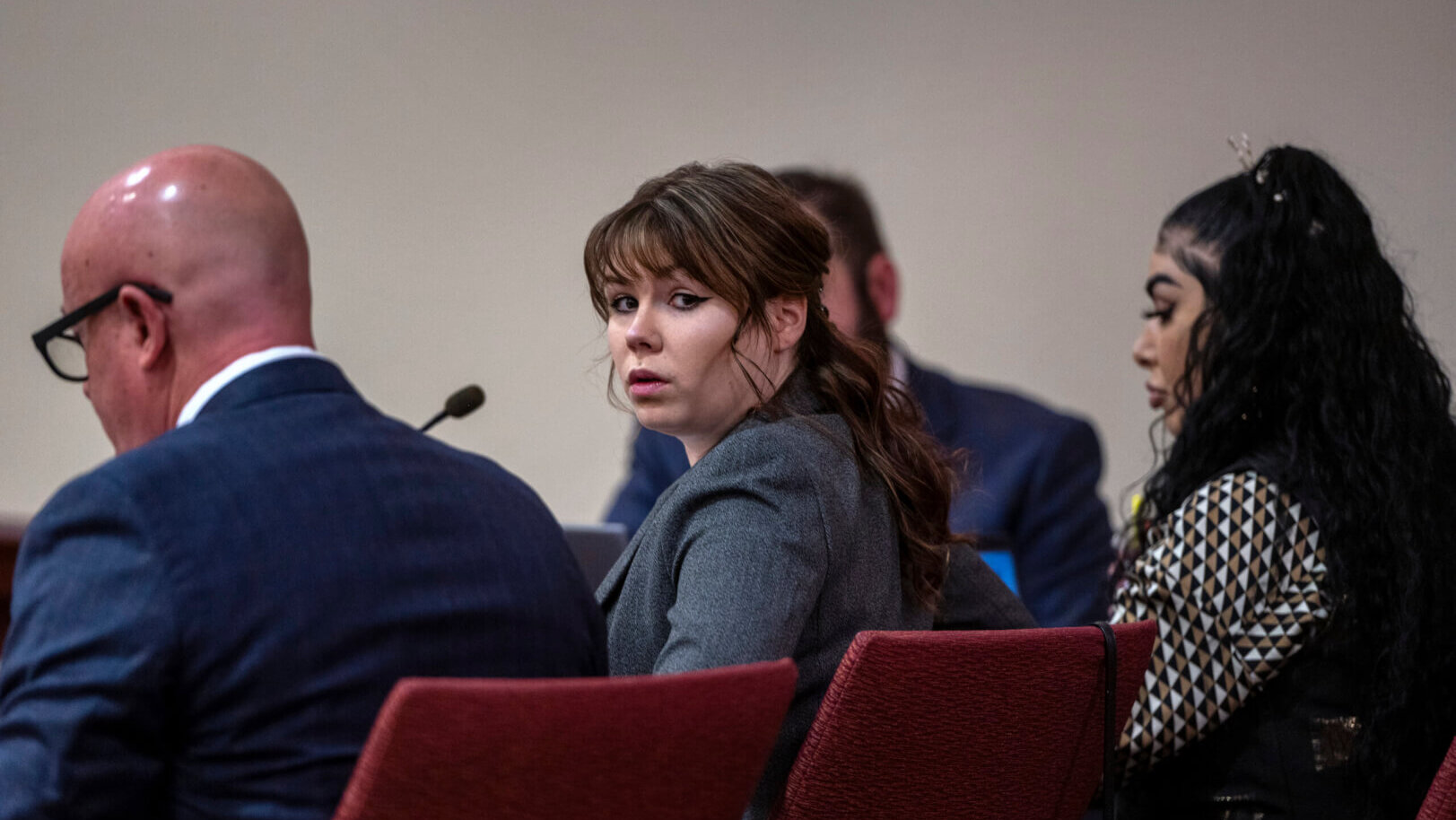
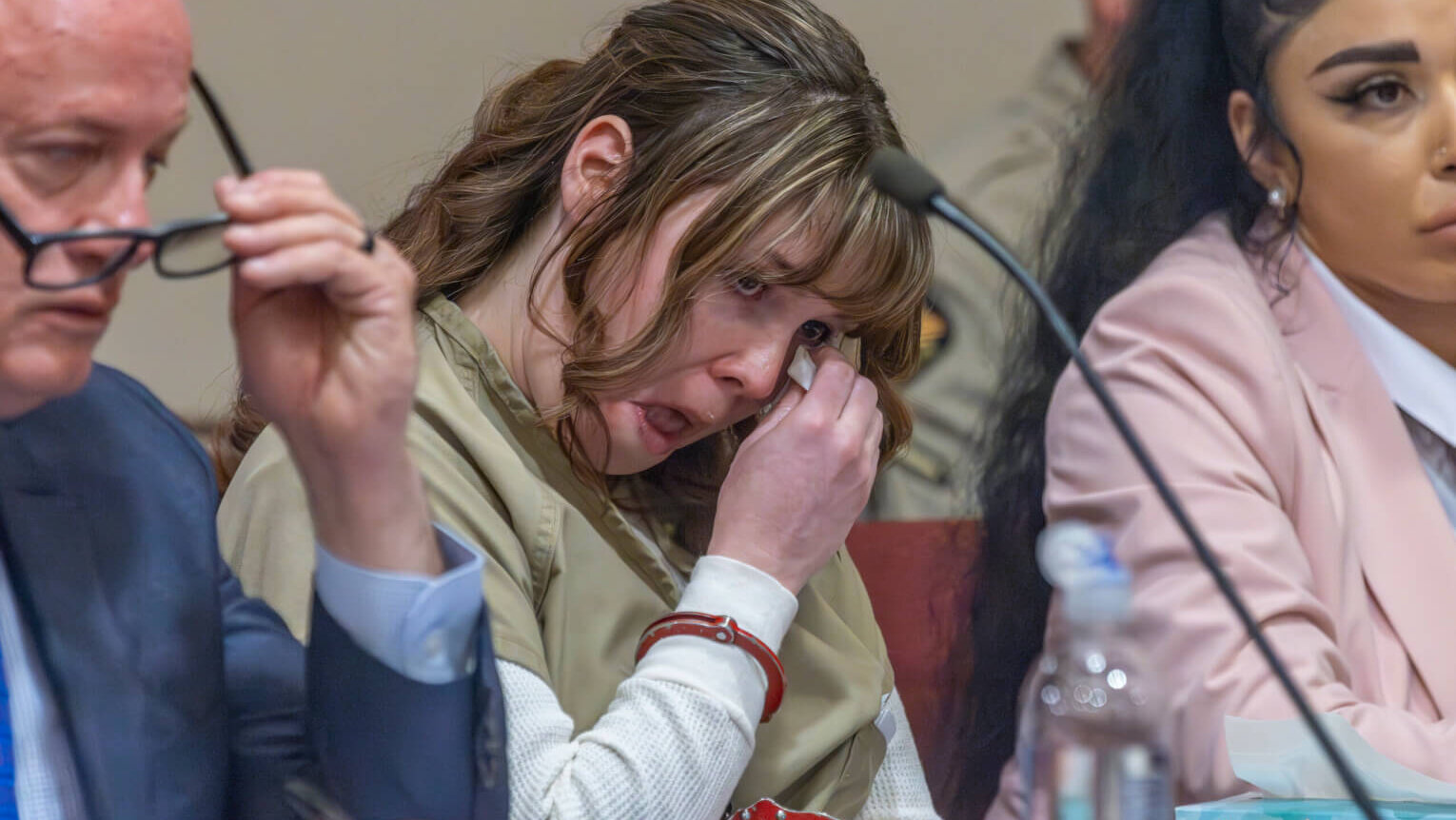
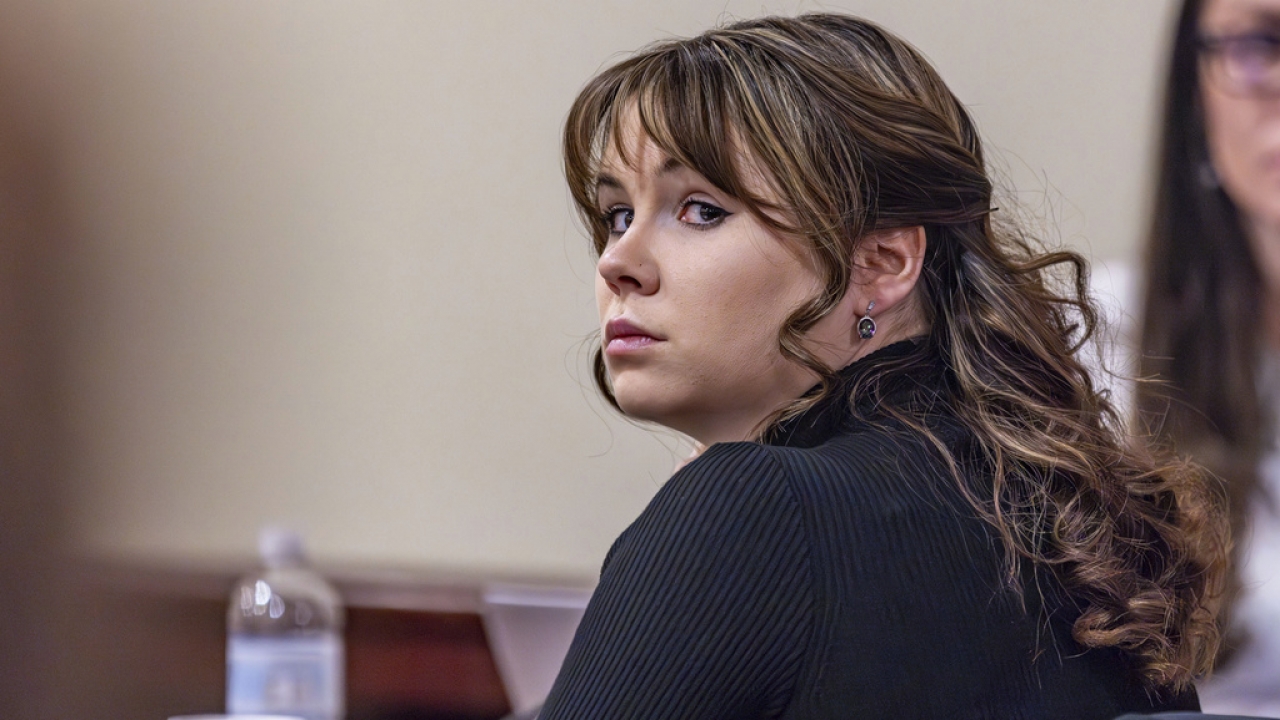
Judge Mary Sommer designated Hannah Gutierrez's conviction as a 'violent offense,' which means she won't be eligible for parole as quickly. More
April 15, 2024




Judge Mary Sommer designated Hannah Gutierrez's conviction as a 'violent offense,' which means she won't be eligible for parole as quickly. More
April 15, 2024

In this podcast episode, Vinnie Politan examines the JonBenét Ramsey ransom note and explores why the case remains unsolved. More
April 15, 2024

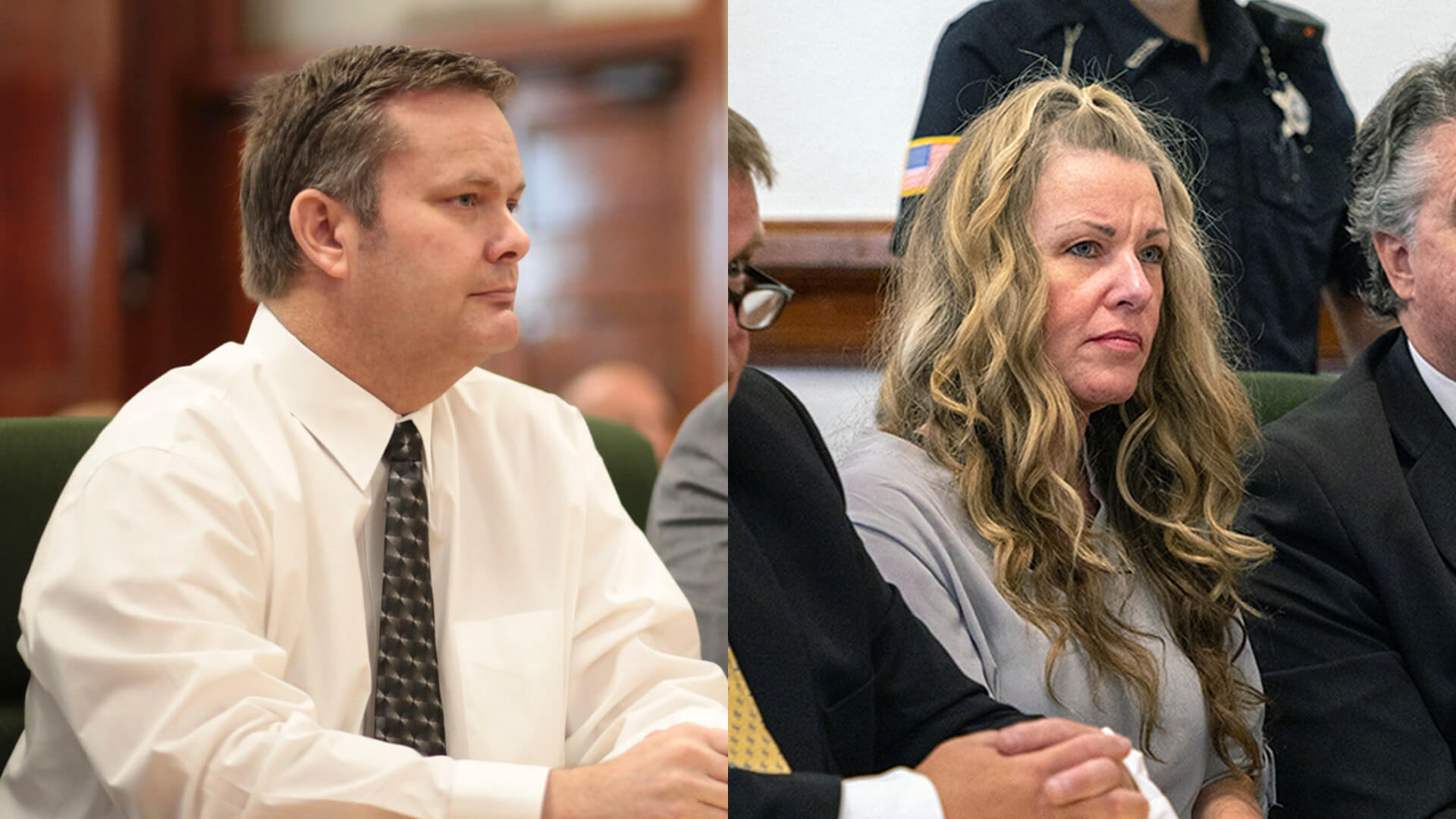
A closer look at the relationships that make up the inner circle of Chad and Lori Vallow Daybell, who are accused of murder. More
April 15, 2024

The lawsuit enumerates much of the abuse the children suffered, including one who was forced to jump into a cactus. More
April 15, 2024

UPDATE: Jury selection began on April 15 in Trump's criminal trial in New York, marking the first criminal trial of a former U.S. president. More
April 15, 2024

Judge Sommer noted that Hannah Gutierrez had a lack of remorse as she sentenced her to the maximum of 18 months in prison. More
April 15, 2024

UPDATE: Four people were charged in the kidnappings and murders of Veronica Butler and Jillian Kelley, who were reported missing. More
April 15, 2024

The trial of Chad Daybell, accused in the death of his first wife and the two youngest children of his second wife, Lori Vallow, is... More
April 15, 2024

A judge ordered a second evaluation after Nicholas Jordan was found not competent to stand trial for killing two people. More
April 12, 2024

Nearly six years after filing for divorce, Jenna Dewan and Channing Tatum are battling over the profits from the 'Magic Mike' franchise. More
April 12, 2024

In 1995, O.J. Simpson stood trial in the killings of Nicole Brown Simpson and her friend Ronald Goldman in the 'Trial of the Century.' More
April 12, 2024

Karen Read is facing charges in the death of her police officer boyfriend, John O'Keefe. Jury selection begins April 16. More
April 12, 2024
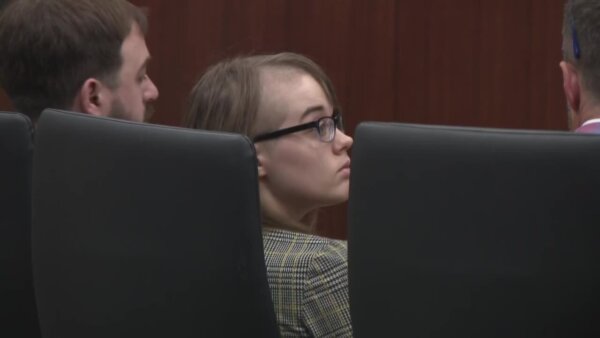
The judge offered an analysis of the evidence before issuing his ruling, emphasizing that Morgan Geyser's credibility was an issue. More
April 11, 2024

Kiarra Jones is facing felony charges after investigators say video shows her punching and stomping on children with special needs. More
April 11, 2024
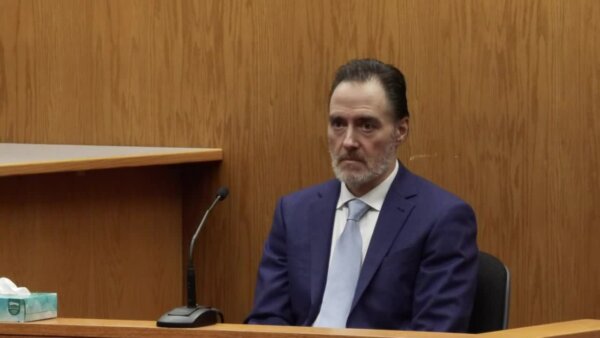
A jury deliberated for several hours before finding Nicolae Miu guilty of lesser charges for a deadly stabbing on the apple river. More
April 11, 2024
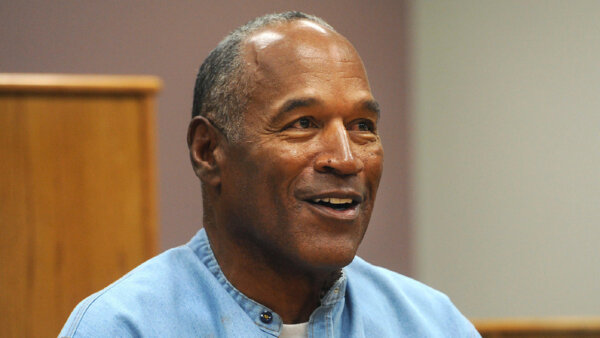
OJ Simpson has died after a battle with cancer at the age of 76, his family announced. Simpson's murder trial was featured on Court TV. More
April 11, 2024
On this week’s Court TV Podcast, you’ll hear both sides' opening statements in full as the Doomsday Prophet Murder Trial gets underway. More
April 11, 2024

19-year-old Sade Robinson disappeared April 1 in Milwaukee. Maxwell Anderson has been charged in her death. More
April 11, 2024

One defense survey question reads: Have you read, seen or heard if Bryan Kohberger followed one of the victims on social media? More
April 11, 2024

A judge will decide if Morgan Geyser can be released from a mental institution. The other girl involved, Anissa Weier is already out. More
April 10, 2024