More results...
More results...



In this podcast episode, Vinnie Politan examines the JonBenét Ramsey ransom note and explores why the case remains unsolved. More
On this week’s Court TV Podcast, you’ll hear both sides' opening statements in full as the Doomsday Prophet Murder Trial gets underway. More
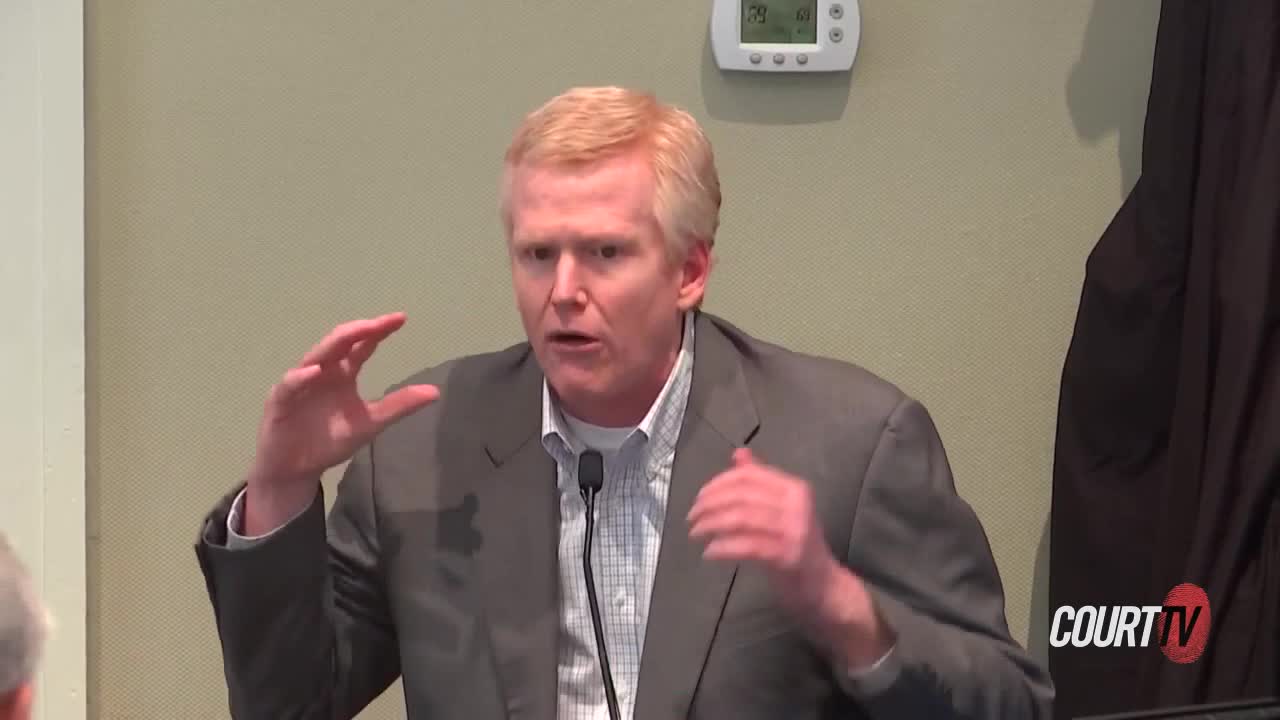
Deep dive into the trial of lawyer Alex Murdaugh, whose life unraveled when a history of fraud came to light and his wife and son... More
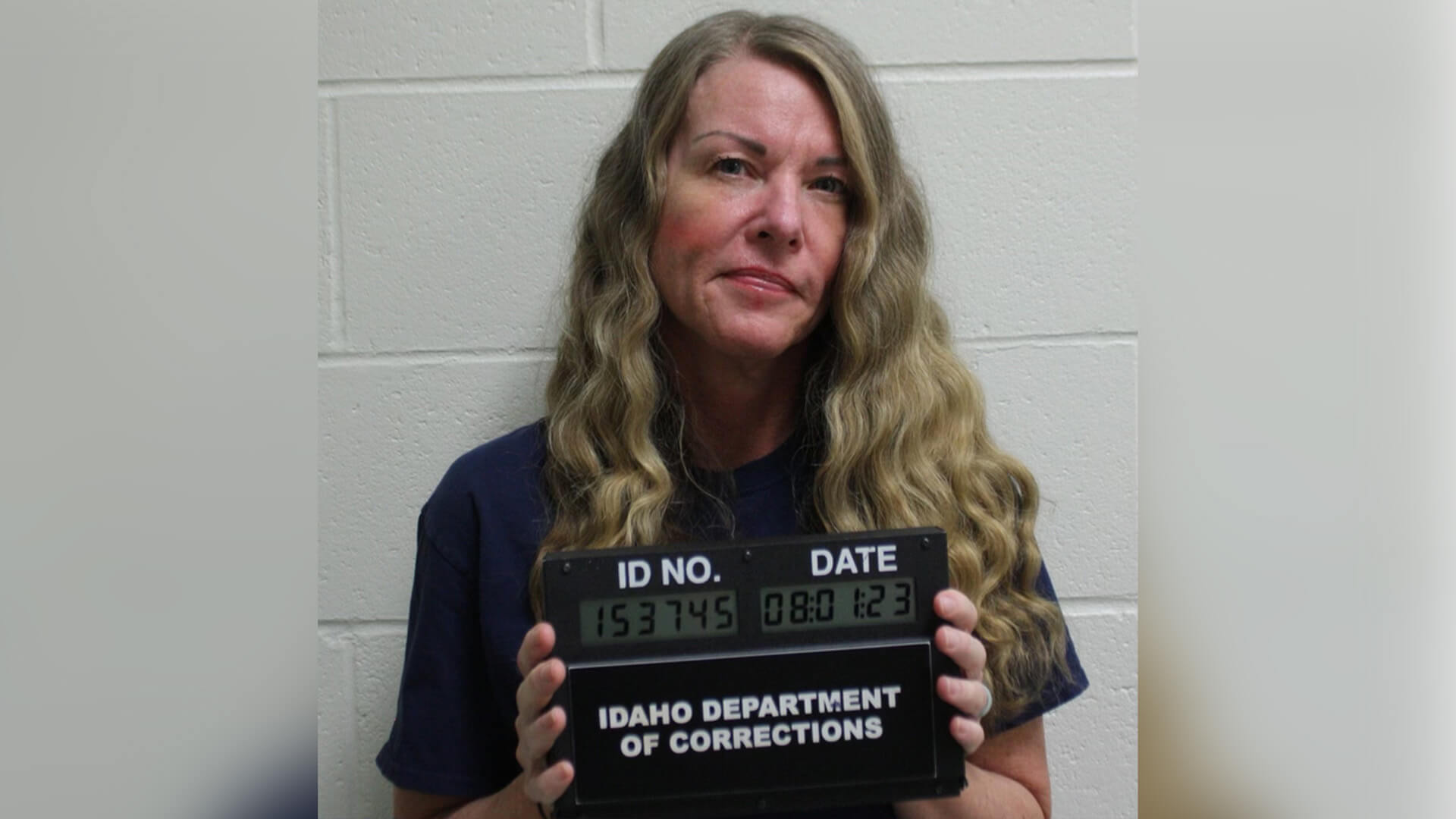
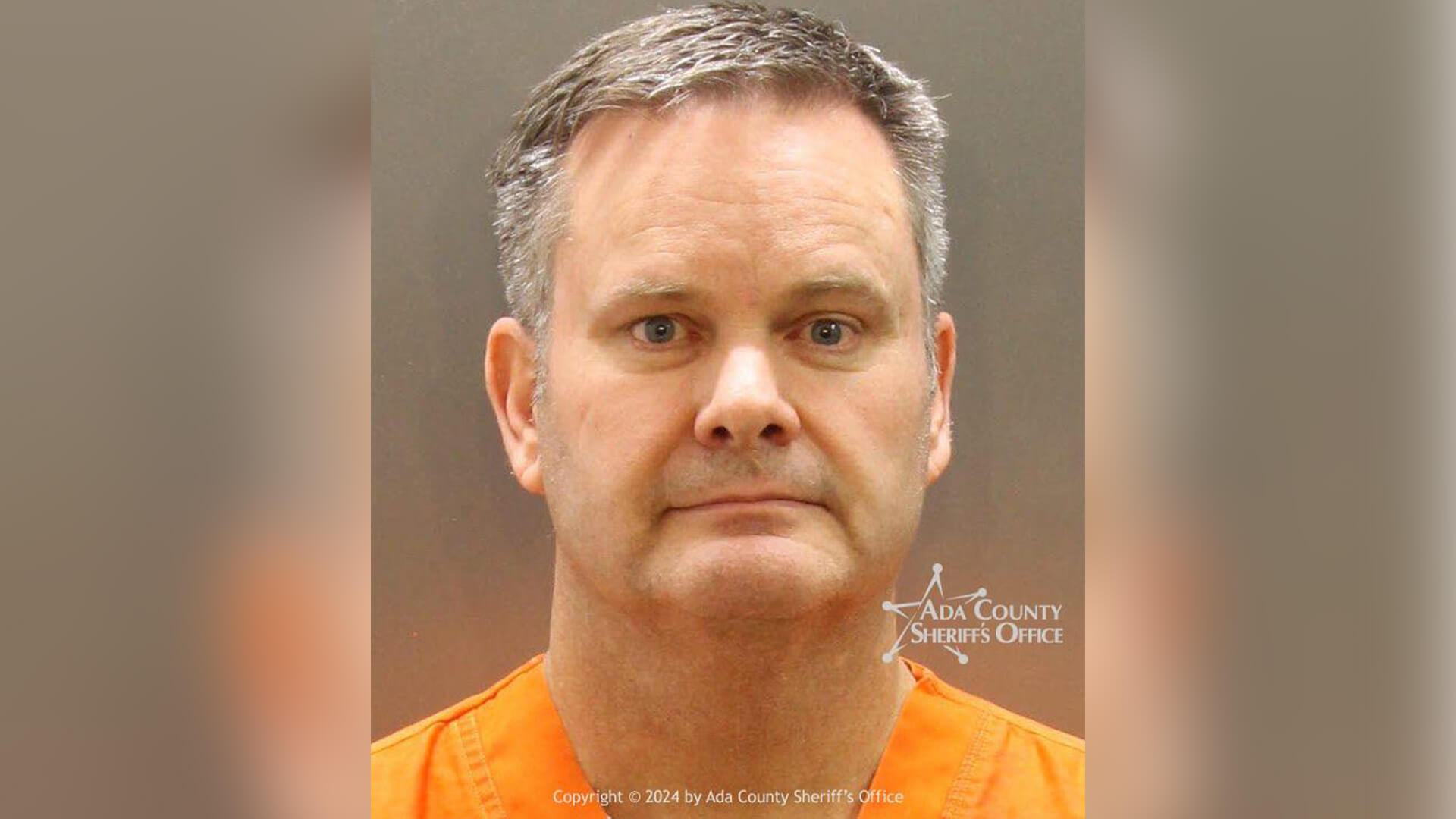
A closer look at the case against Lori Vallow Daybell, and Chad Daybell's alleged role in the web of mysterious deaths that surrounds them. More
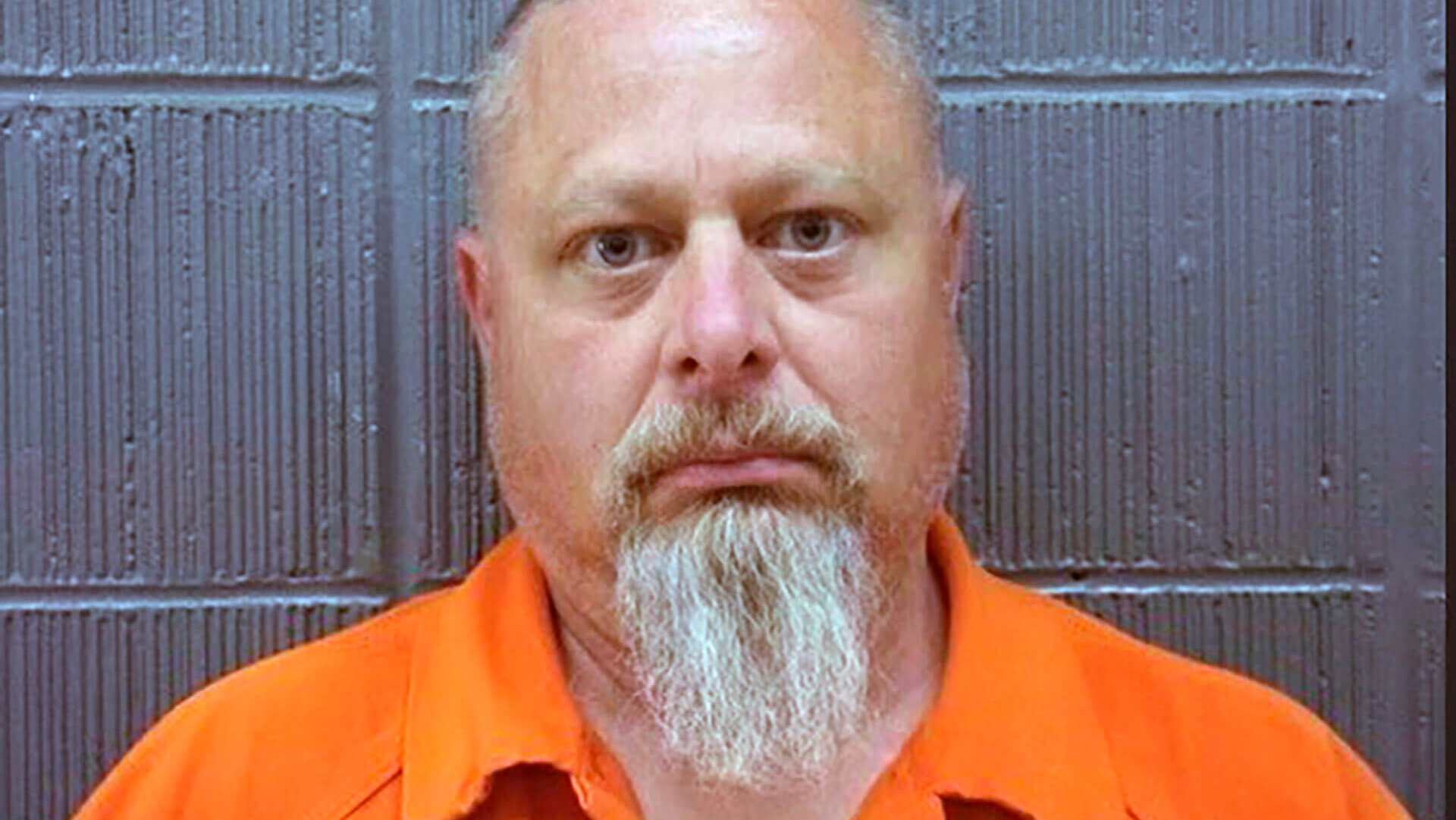
Vinnie Politan as he looks at the case against Delphi Murders suspect Richard Allen, including the pretrial nightmare surrounding the case. More
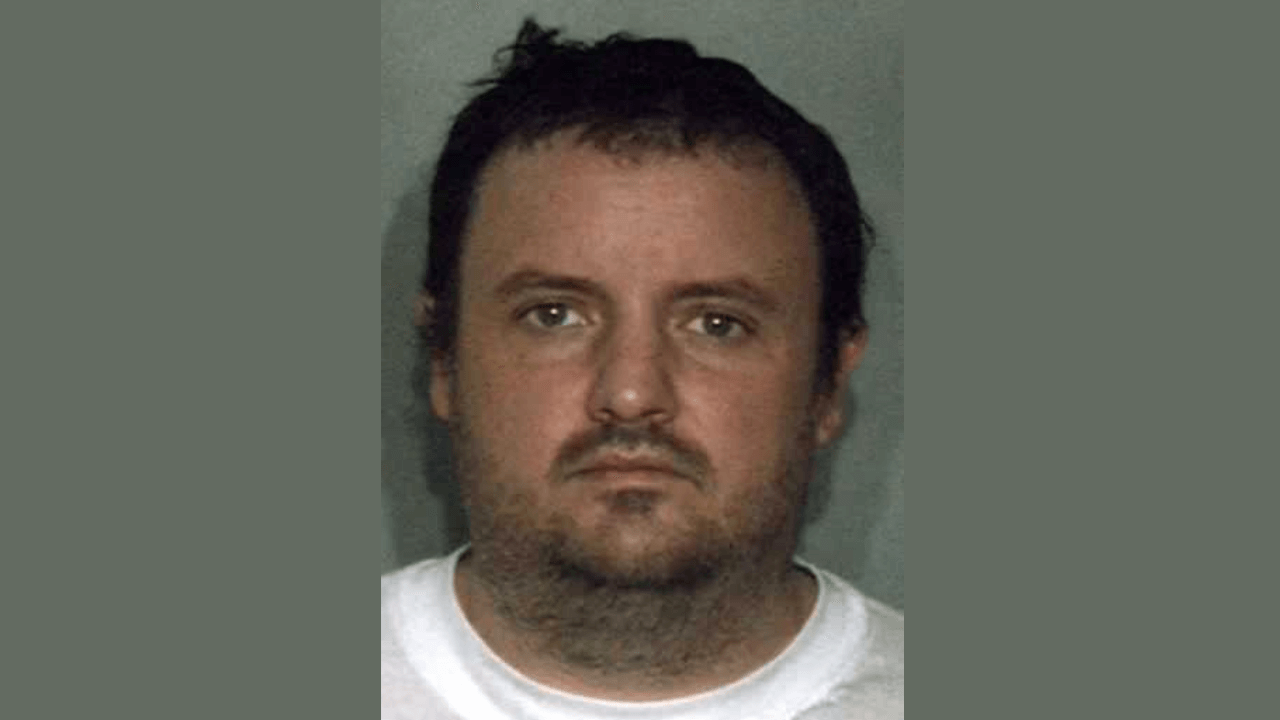
This week’s Court TV Podcast features both sides' opening statements in the Small-Town Secrets Murder Trial. More
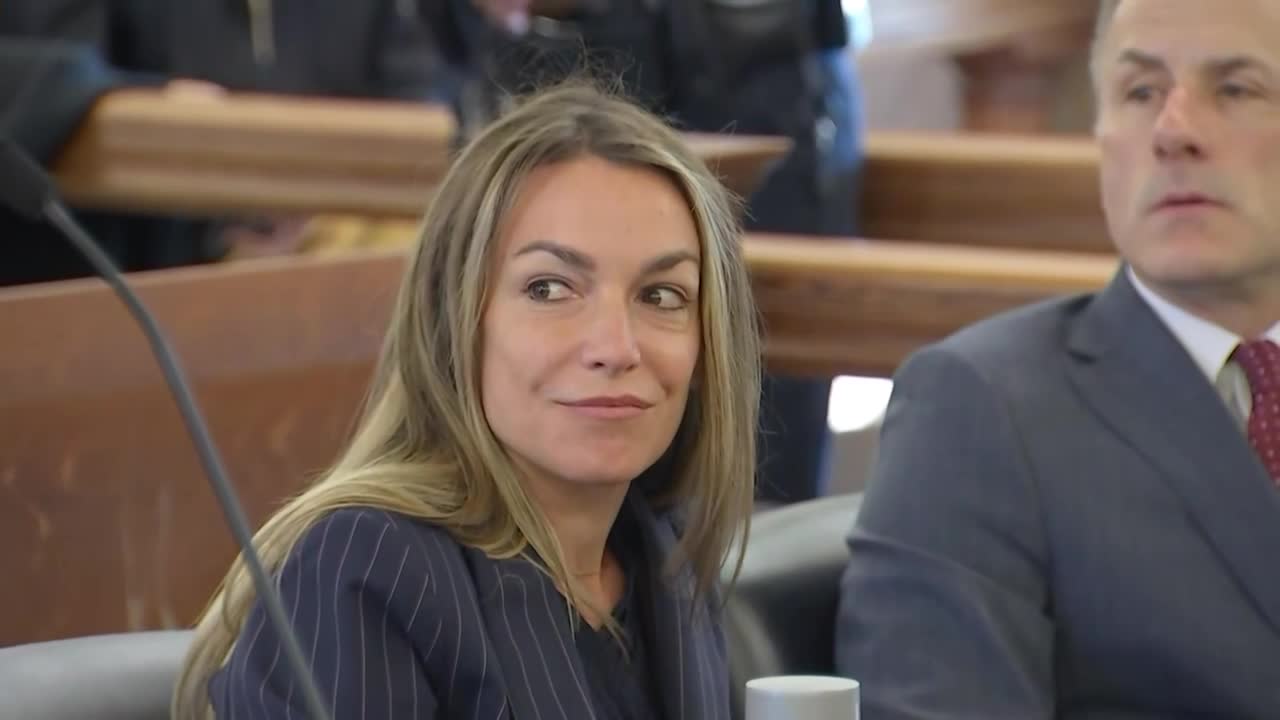
Both sides were back in court to argue a series of motions, including a motion to dismiss the indictment against Karen Read. More
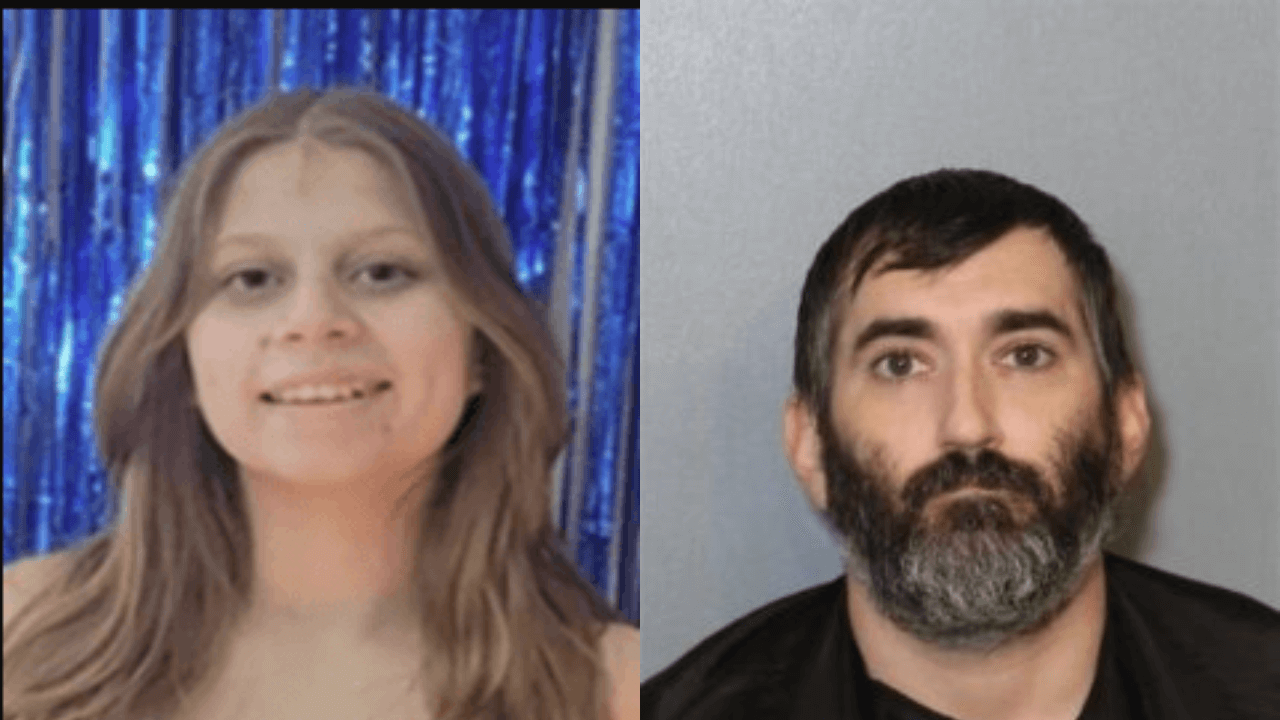
No charges have been filed the death of 13-year-old Madeline Soto yet, but her stepfather faces charges he sexually abused her. More
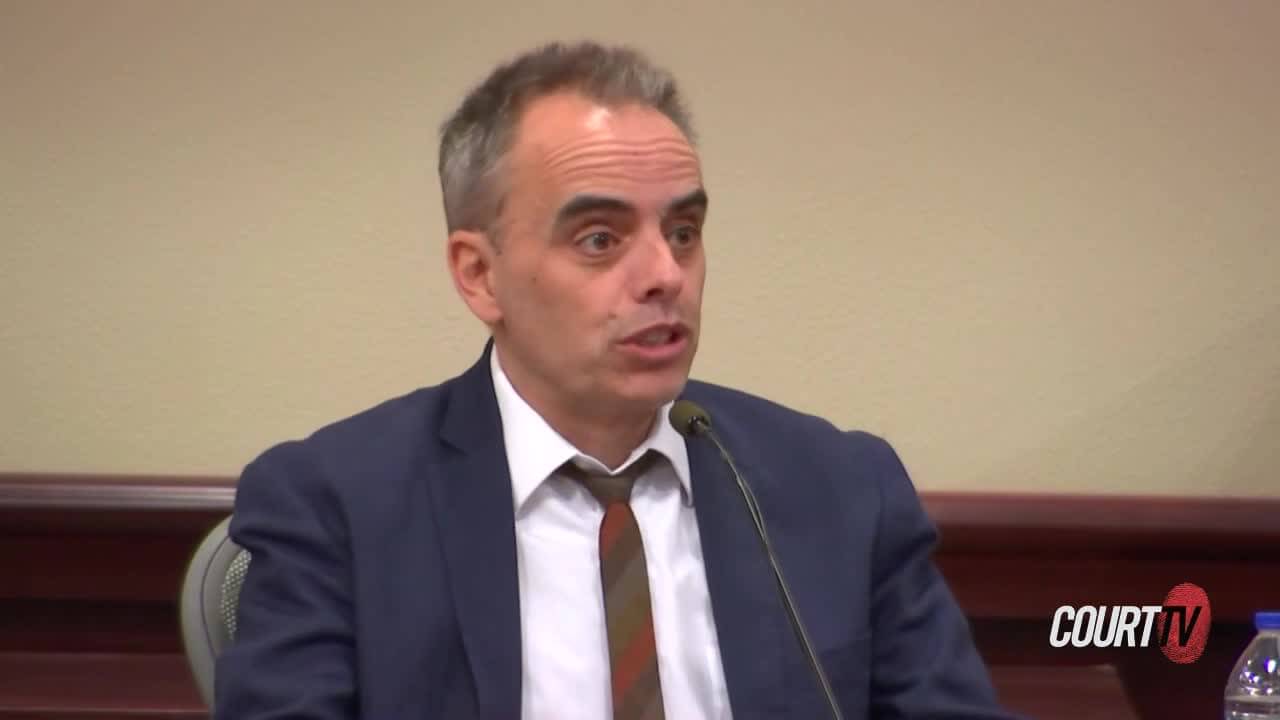
Joel Souza, director of the film "Rust" and surviving victim of the on-set shooting, testifies against armorer Hannah Gutierrez. More
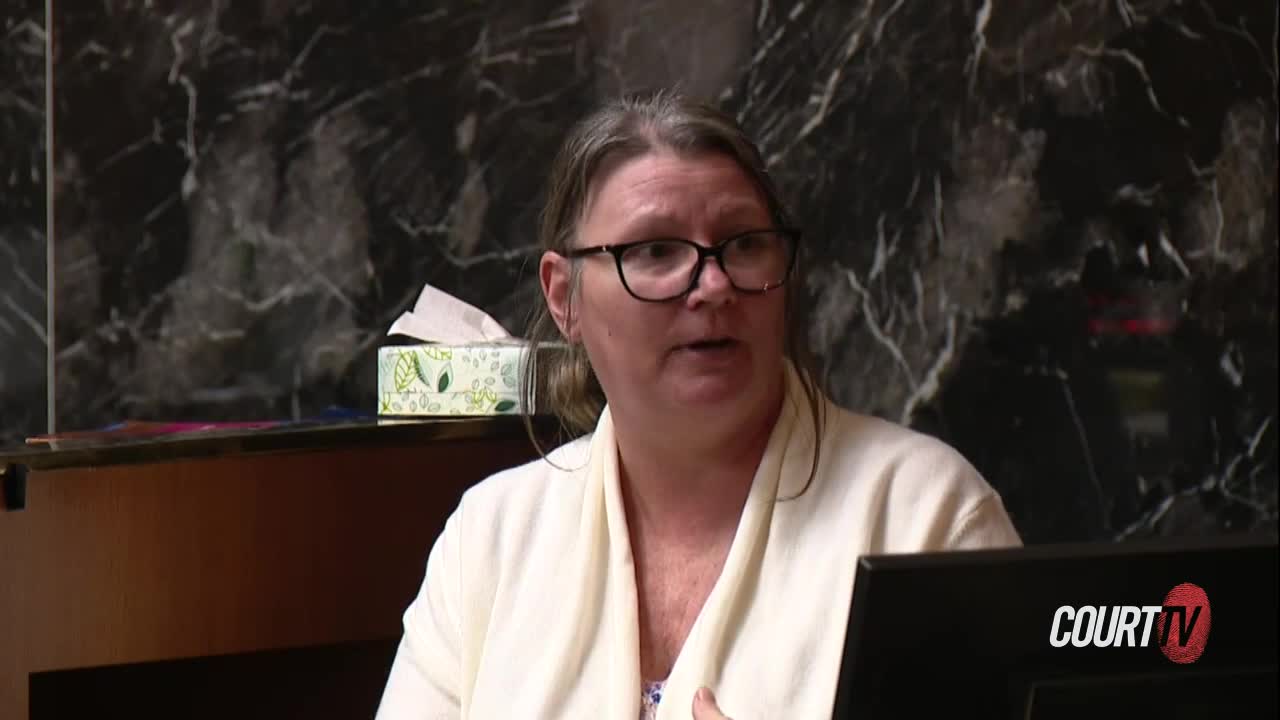
On this week’s Court TV Podcast, you’ll hear Jennifer Crumbley, the Oxford school shooter's mother, testify in her own defense. More
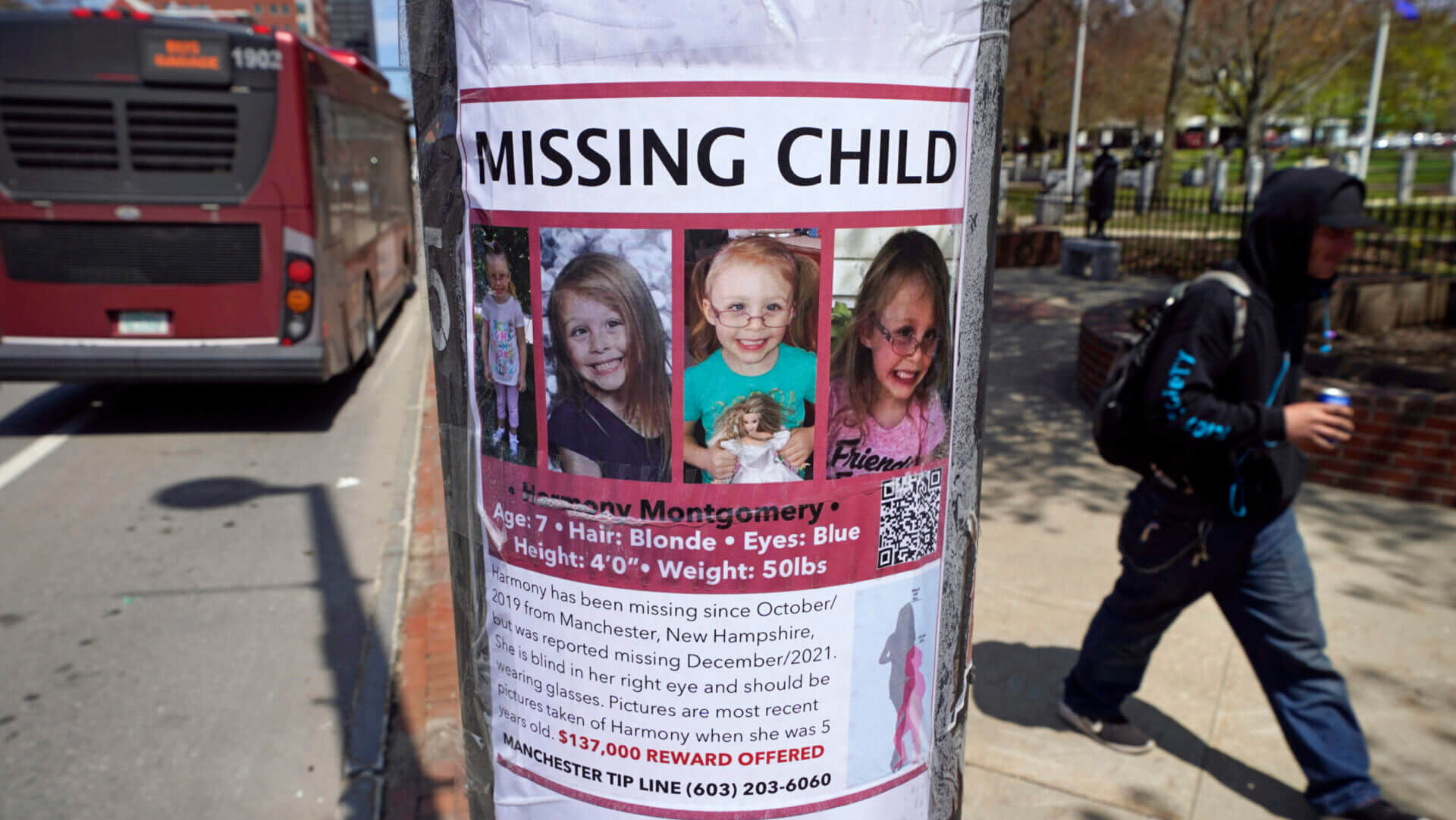
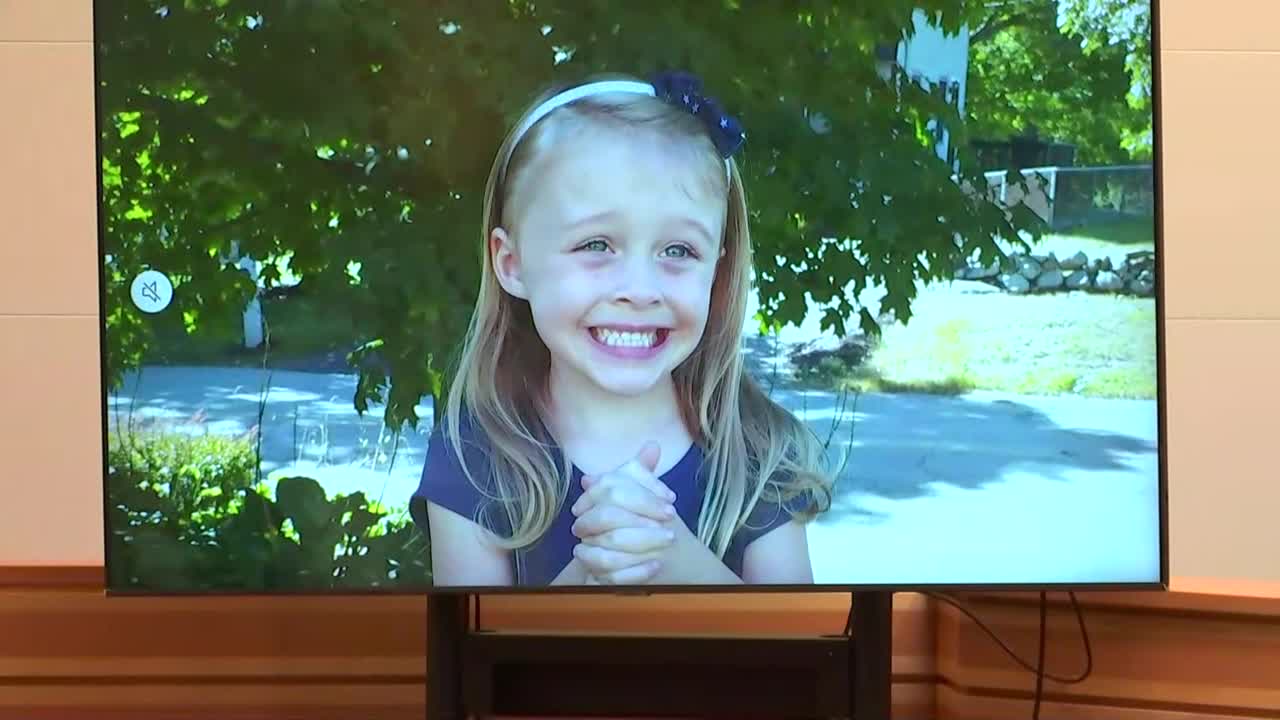
Vinnie Politan digs through case evidence in the trial of Adam Montgomery, who's charged in the death of his 5-year-old daughter, Harmony. More
The State's theory on how Harmony Montgomery was killed and the lengths Adam Montgomery allegedly went through to hide his daughter's body. More
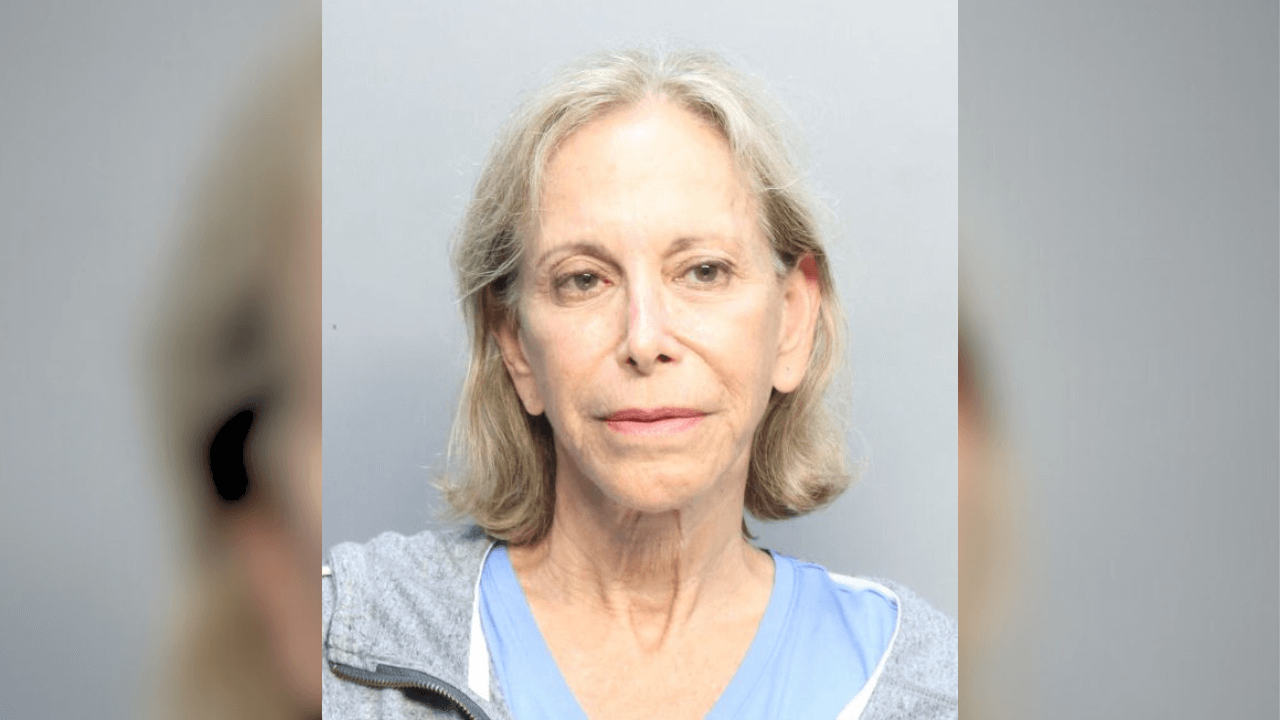
Vinnie Politan meticulously examines the case against Donna Adelson, exploring the dynamics within the Adelson family. More
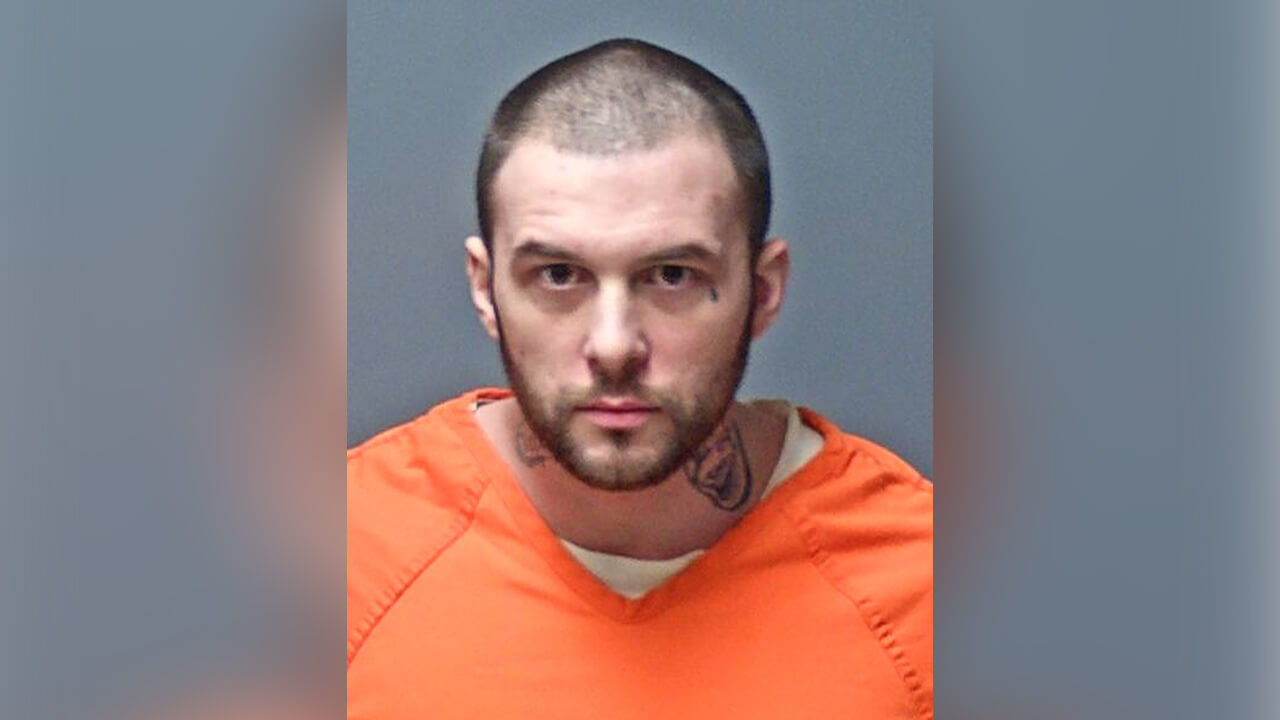
In this episode, we dig into the chilling case of Adam Montgomery, a New Hampshire man set to face trial this week for the alleged... More
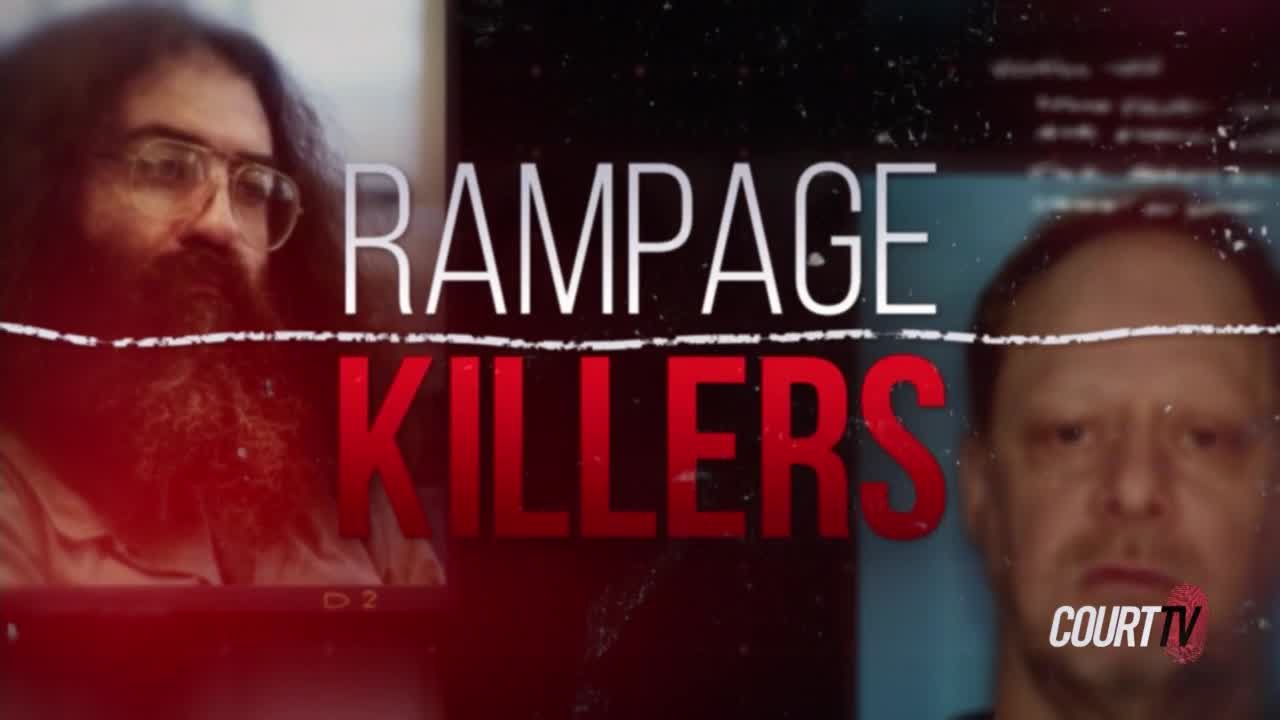
What motivates a rampage killer? Court TV talks to psychologists, investigators, and interviews a convicted mass shooter to find out. More
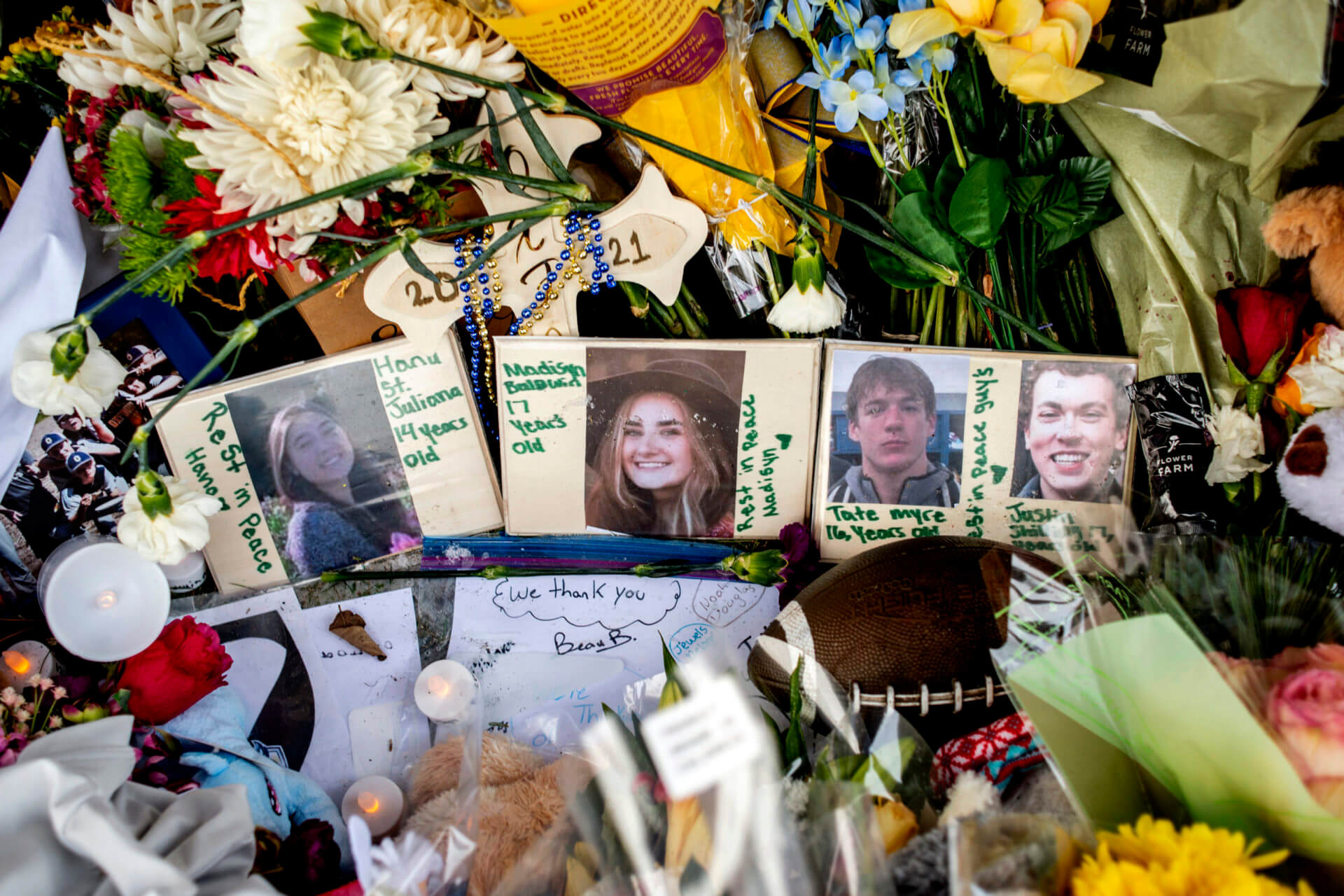
On this week's Court TV Podcast, the prosecution and defense lay out their cases in the School Shooter Mom Trial opening statements. More
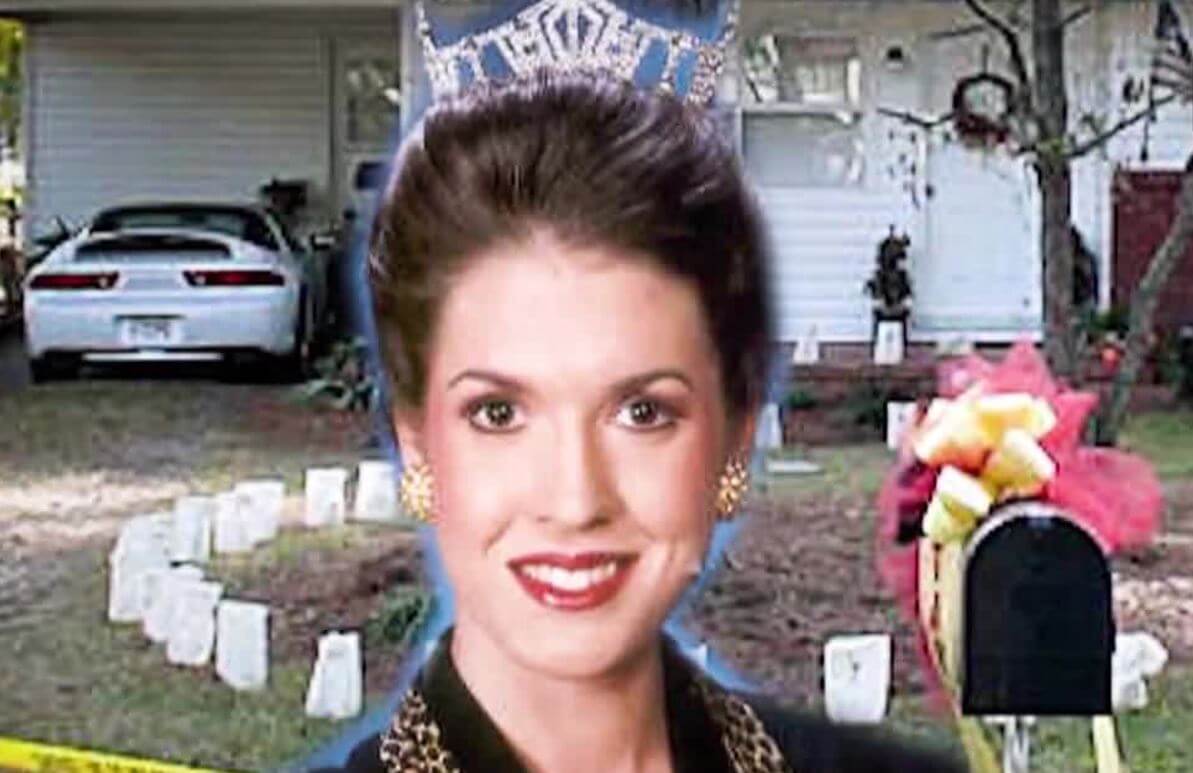
Former beauty queen Tara Grinstead vanished. Ryan Duke and Bo Dukes say they helped dispose of her body but blamed each other for the murder. More
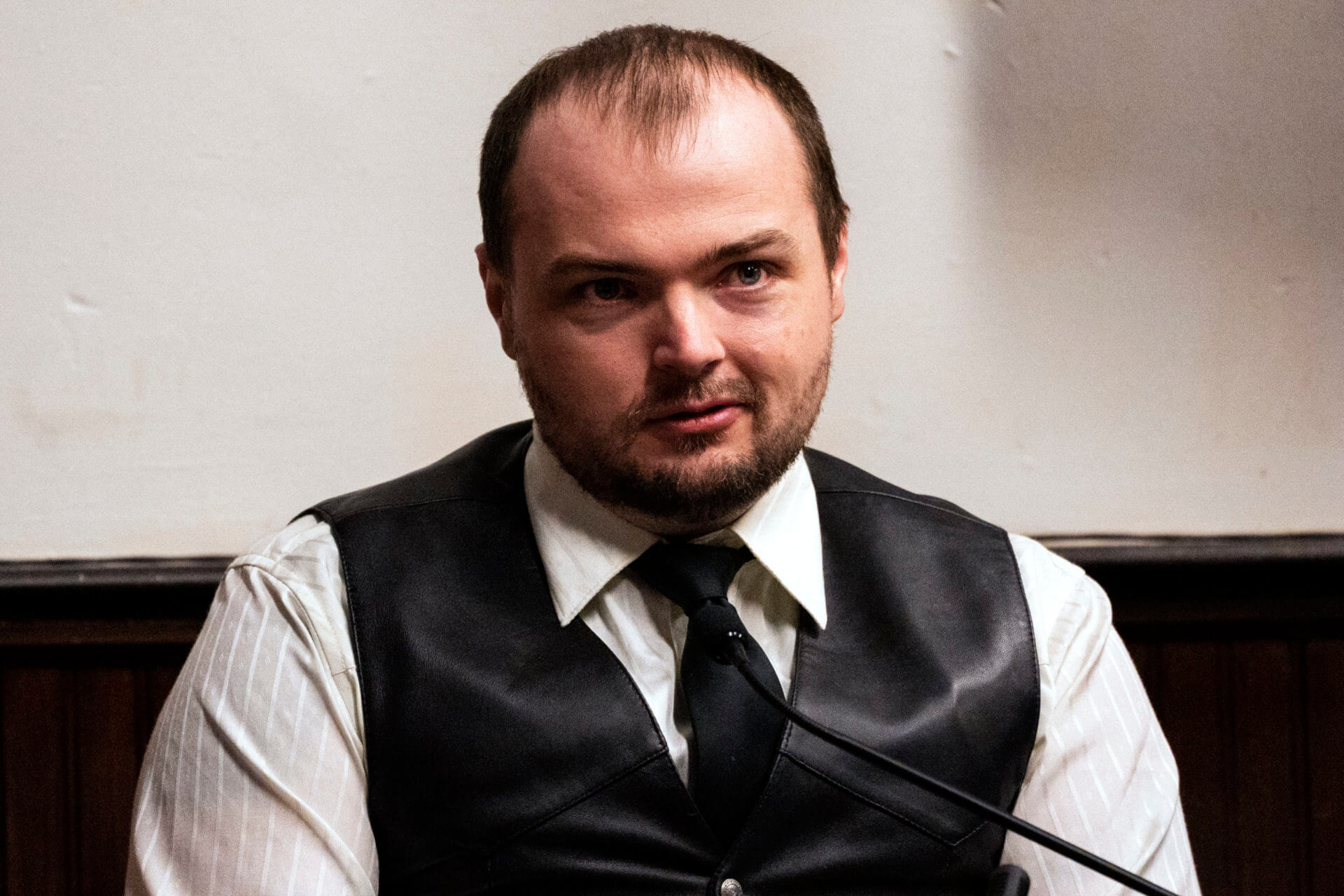
8 members of the Rhoden Family were fatally shot at 4 different locations. These murders became known to many as the Pike County Massacre. More
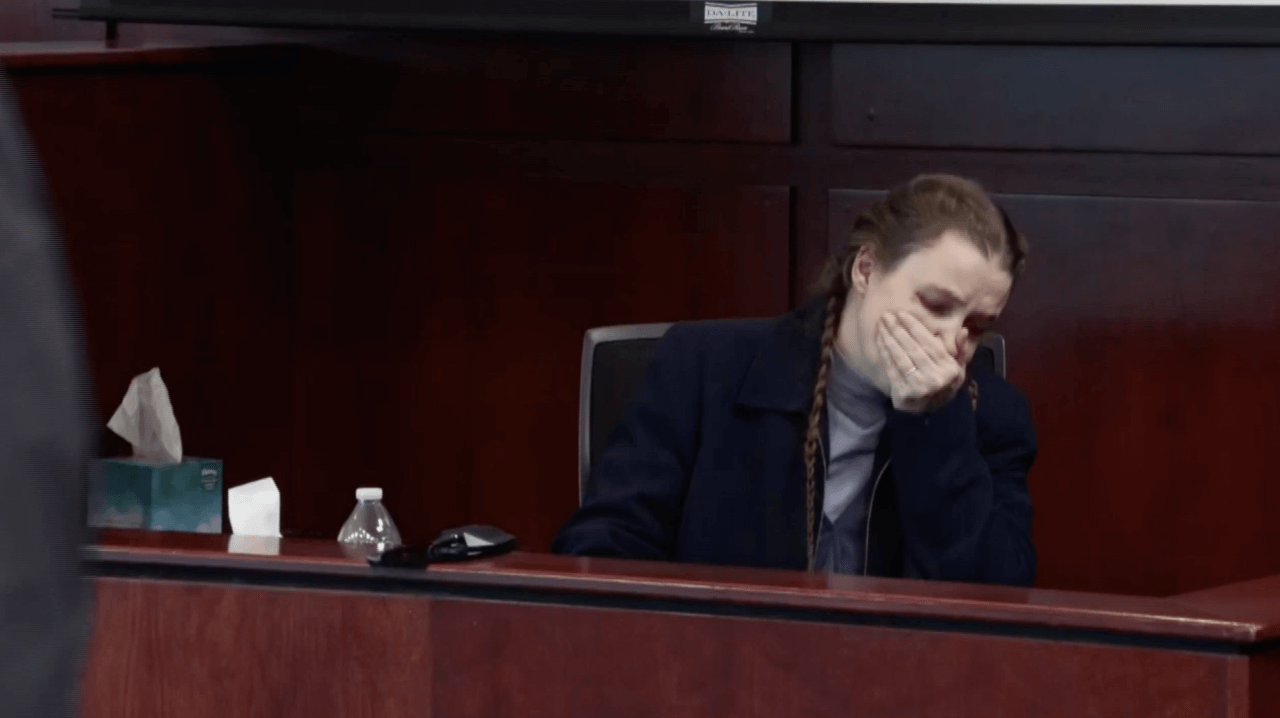
Shanda Vander Ark was charged with murder and child abuse in the death of her special needs son. This podcast features her cross-examination. More
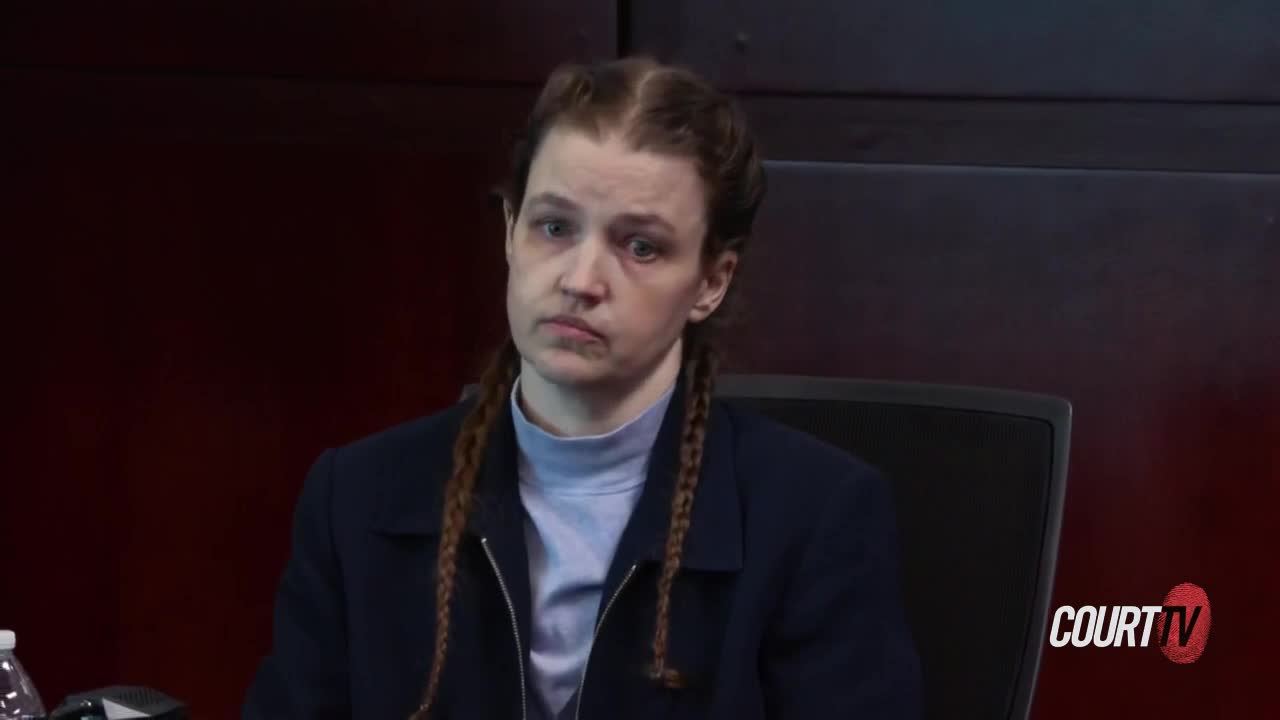
Shanda Vander Ark was charged with murder and child abuse in the death of her special needs son. This week's podcast features her testimony. More
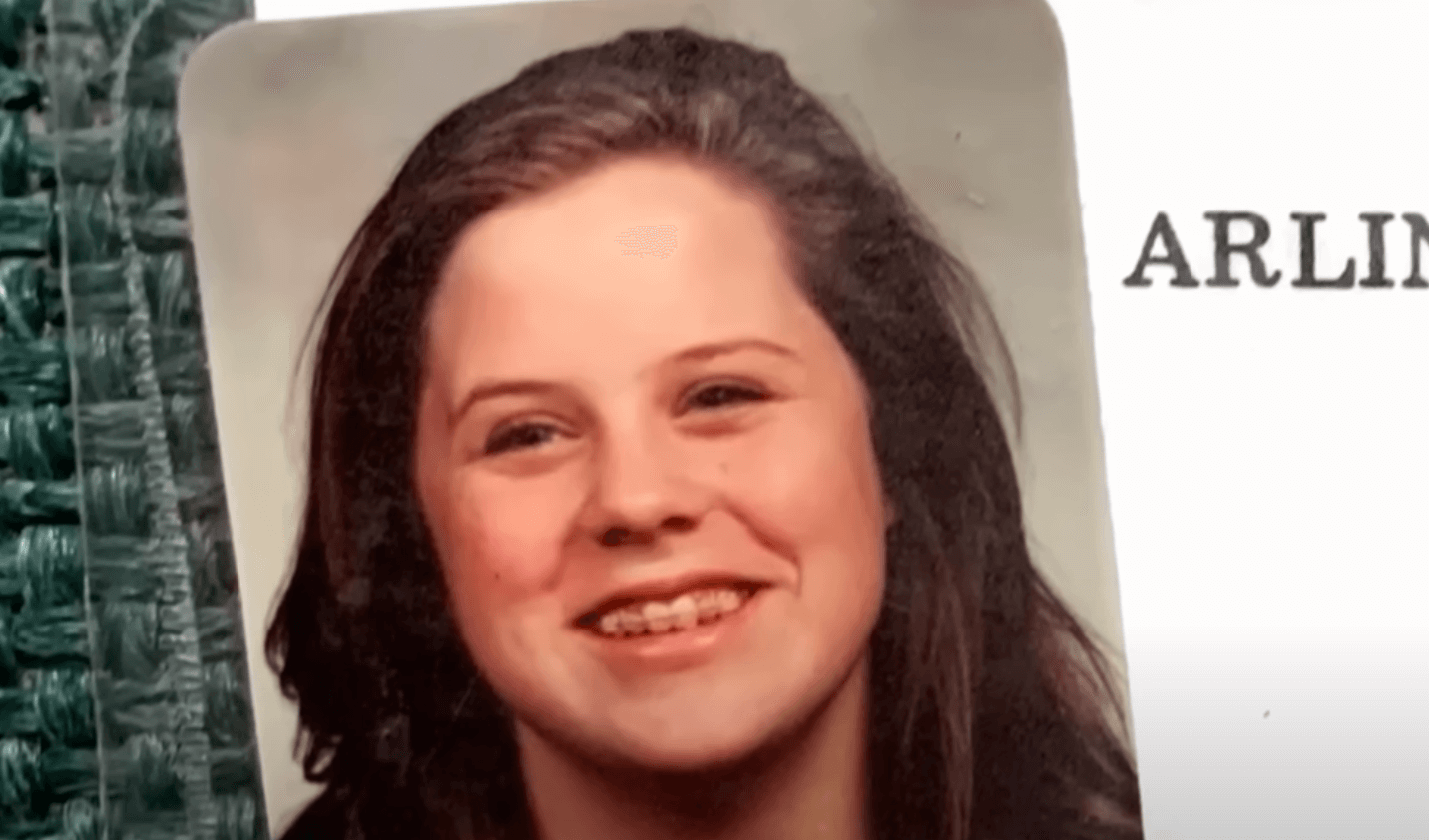
Jack and Karen Koslow were victims of a home invasion. Karen died. Jack was critically injured. The alleged ringleader: Jack's daughter! More
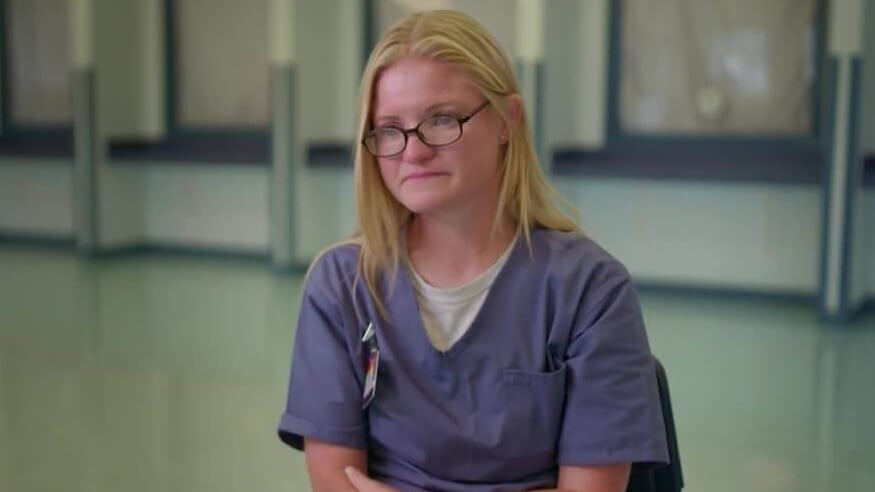
When Morgan Leppert ran away with Toby Lowry, the last call to her phone was made from the home of a fatally beaten man. More
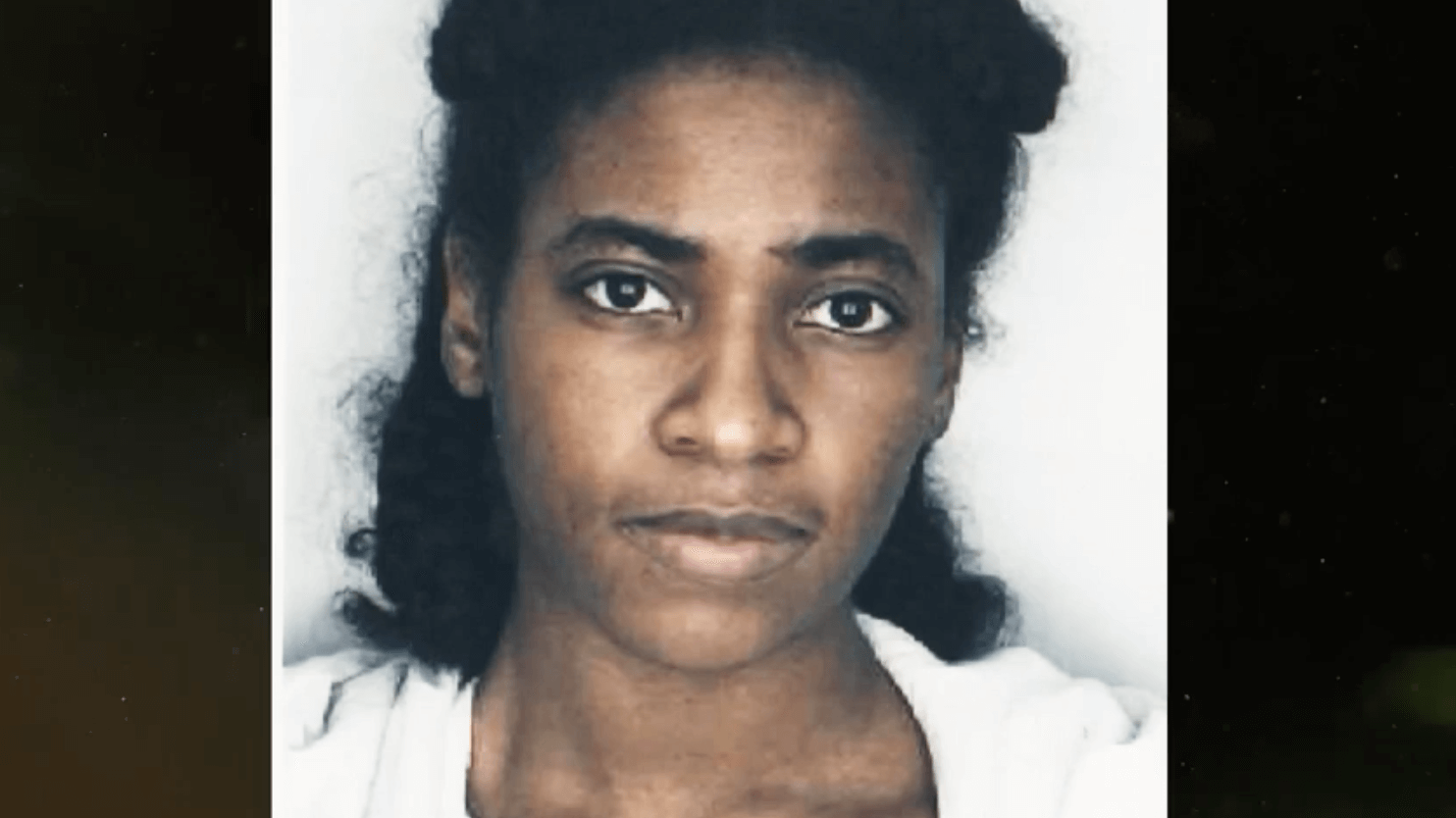
Tonica Jenkins roped her family into faking her own death by killing another woman. The only problem: the victim survived. More
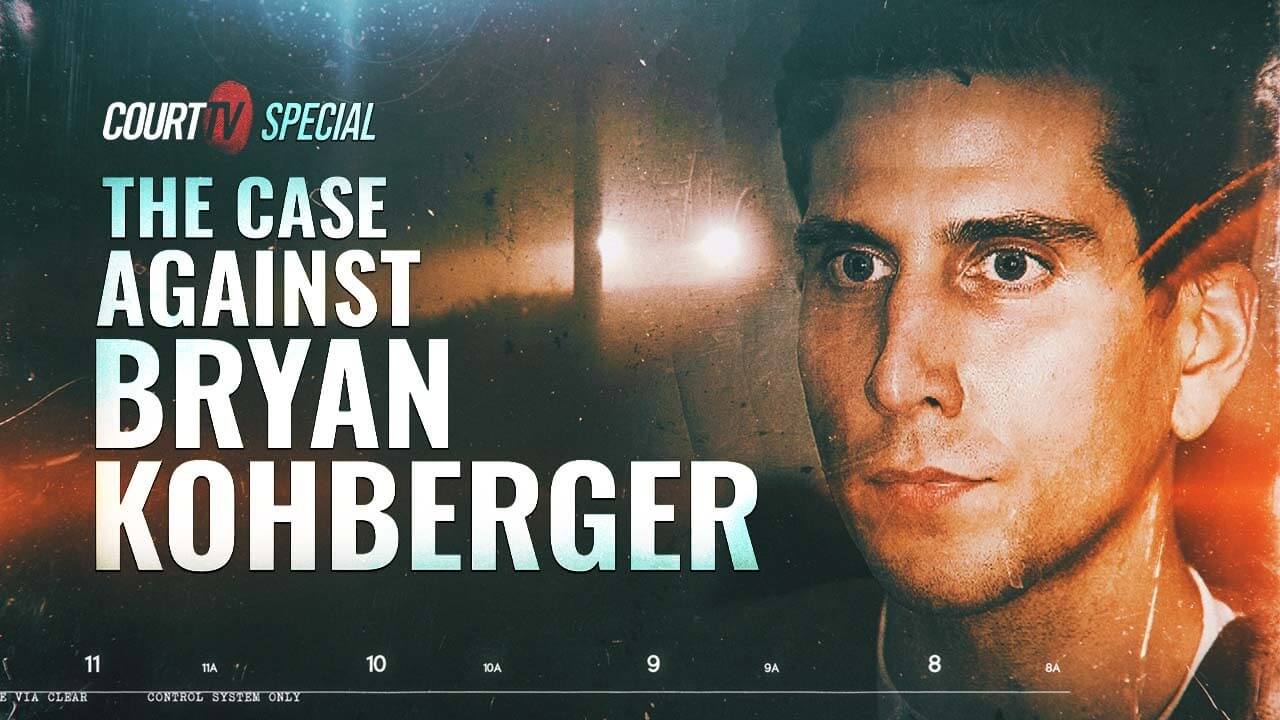
"The Case Against Bryan Kohberger," a Court TV original documentary, takes a closer look at the Idaho Student Murders. More


 Subscribe
 Share
Share Apple Podcasts
 Spotify
 Google Podcasts
 Amazon Music
 Pandora
 Stitcher
 iHeartRadio
 Audacy
 Pocketcast
 PlayerFM
 Tune In
 RSS Feed


