Logo


Updated Nov. 4, 2005, 11:01 a.m. ET

Lawyer: Robert Blake killed his wife, must be held accountable for crime
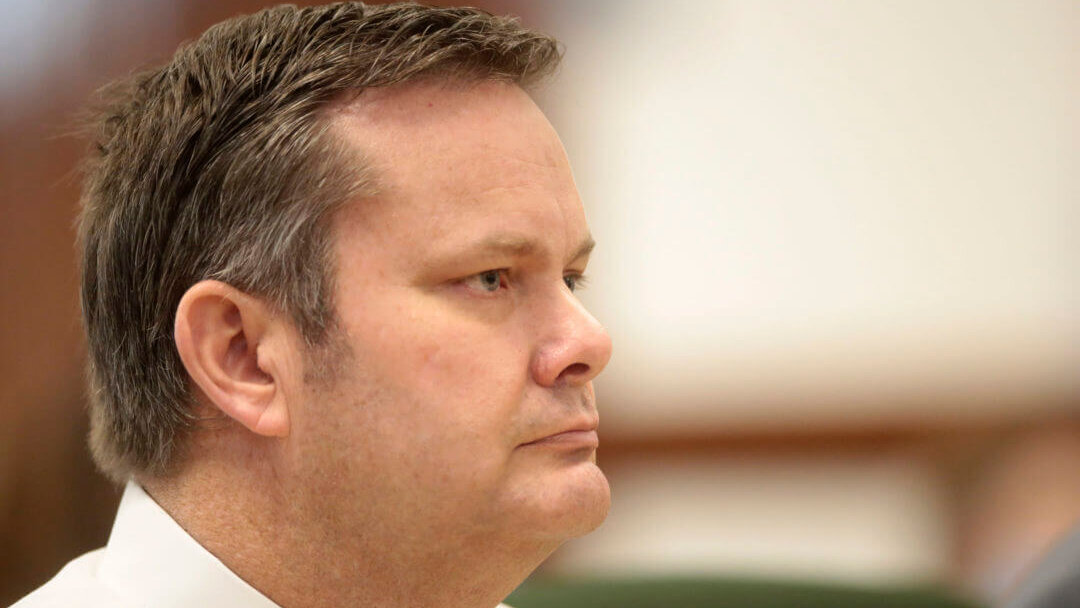
Robert Blake
Actor Robert Blake was acquitted of murdering Bonny Lee Bakley, but now faces a wrongful-death suit from her children.

BURBANK, Calif.In an emotional plea for justice, an attorney asked jurors Thursday during closing arguments to find "Baretta" star Robert Blake liable for his wife's death, saying the circumstantial evidence linking the actor to her killing was overwhelming.

"He told four people he wanted her dead," said plaintiff's lawyer Eric Dubin. "We're not talking about strangers. We're talking about people he knew for 30 years."

Blake, 72, was acquitted of murder at his criminal trial in March and is now being sued by Bonny Lee Bakley's four surviving children for their mother's wrongful death.

Jurors have heard testimony from two stuntmen, a private investigator and a former mobster who all said that Blake allegedly asked for their help to "snuff," "whack" and "pop" Bakley.


Story continues
advertisement

"He told people he wanted them to [kill her]. He asked them to do this," Dubin said. "It was done the way he wanted to do it."

Bakley, 44, was shot twice on May 4, 2001, as she sat alone in Blake's Dodge Stealth, which he parked a block and a half away from an Italian restaurant, behind a Dumpster and next to a vacant house that was under construction.

Blake said someone else killed Bakley during the few minutes he left her side to walk back to the restaurant to retrieve his gun.

The actor's licensed revolver was not used in the killing, and no prints could be recovered from the pistol found in the Dumpster that forensics investigators identified as the murder weapon.

"It's too much to say he didn't do it. He did it," Dubin said quietly. "He killed their mom. I wish he didn't, but he did. He did it. There has to be justice here. There has to be justice."

Blake's attorney argued there was simply no motive for Blake to kill his wife.

"He was interested in making the marriage work," said lawyer Peter Ezzell. "The motive is missing."

Blake took the stand during his civil trial and admitted that he was initially angry at Bakley, a mail-order porn purveyor and celebrity-obsessed grifter, when she tricked him into getting her pregnant.

But after the baby was born, he said, he wanted to help her set her life straight and create a stable home for their daughter, Rose Lenore Sophia Blake. So he agreed to marry her and made plans for her to move into his guest home behind his property in Studio City. Bakley was killed just a few days after she moved to California to live with Blake.

Ezzell argued that "hundreds of men she had shafted, swindled and defrauded" had more reason to want Bakley dead, including "sycophants" who might have done it to impress Bakley's jilted lover, Christian Brando.

Blake's defense delved into an alternate theory that was not allowed in the criminal trial — a scenario in which a homeless methamphetamine addict named Mark Jones killed Bakley after he heard his pal Brando — son of acting legend Marlon Brando — say that someone should kill Bakley.

"In this country if you mess around with people's lives, there are folks that are going to be very upset," Ezzell said.

Jones committed suicide shortly after Bakley's death, and when Brando took the stand he repeatedly evoked the Fifth Amendment right not to incriminate himself.

But Bakley was in the habit of taping her phone calls, and jurors previously listened to a conversation between the couple in which Brando angrily tells Bakley she's lucky no one put a bullet in her head. He broke off their relationship after learning from the National Enquirer that the child Bakley was carrying was actually Blake's.

Plotting a murder?

Some of the most compelling evidence in the plaintiff's favor came from the testimony of witnesses who said Blake openly discussed wanting his wife dead.

According to former LAPD detective Welch, Blake's murderous talk began in October 1999. Welch was hired by Blake to perform various jobs, including background checks on Bakley.

"I have thought about it, and this is what we're going to do," Blake said one morning, according to Welch. "We're going to hire a doctor, we're going to abort her and if that doesn't work, we're going to whack her."

But Ezzell pointed out that Welch continued to work for Blake and said he never seriously believed the musings of the tough-talking TV star. Welch also failed to call police after Bakley's killing, and instead took a vacation.

"Imagine this: a 13-year detective seven years out of the homicide department and you have valuable information, and instead of giving that valuable information, you go on a fishing trip?" Ezell said.

Stuntman Gary McLarty testified that Blake tried to offer him money to "pop" his wife and told him how to do it. McLarty did go to police.

"Ten days after she was killed this is what he tells LAPD: [He said to] pretend to leave something in the restaurant and then pop her when she's left alone in the car," plaintiff's attorney Dubin said, referring to McLarty's description of his discussion with Blake.

But McLarty admitted on the stand to excessive drug use and a stint in the psychiatric ward.

Stuntman Ronald "Duffy" Hambleton said Blake obsessed about Bakley's murder. The actor allegedly told Hambleton someone could "snuff" her while she waited in his car and he pretended to go back to the restaurant to retrieve a forgotten item.

"Ladies and gentlemen, how can you get around this?" Dubin asked the jury.

But Hambleton also admitted drug use, waited months before telling police his story, and he conceded that he learned some details of the case through tabloid accounts.

Blake's former handyman Earle Caldwell is also named in the lawsuit as a co-conspirator. Caldwell's attorney, Gary Austin, argued for about 15 minutes that his client got along with Bakley "like best friends," had nothing to do with Bakley's death, and besides — he was in Northern California at the time of her murder.

Dubin pointed to Caldwell's fascination, as evidenced by Internet searches, with silencers and killing methods. He also showed jurors a so-called "murder list" detectives found in Caldwell's car, a shopping list that included shovels, lye, Drano, old rugs, pool acid, "get blank gun ready" and a mysterious notation of "25 auto." Caldwell said he needed the items to work around Blake's property and that "25 auto" was a reminder to have his oil changed at 25,000 miles.

After hearing two months of testimony, jurors will begin deliberations Friday afternoon after the judge reads jury instructions.

For the plaintiffs to prevail, nine of the 12 members of the jury panel must agree that they have proven their mother's wrongful death by a preponderance of the evidence, or that it was "more likely true than not true" that Blake caused her death.

Dubin projected holiday photos of Bakley showering her children with presents, and asked jurors to look past her tainted morality to see the loving mother who was gunned down in cold blood.

"Nothing's perfect. Family's family," Dubin said. "But that was their family and it was taken from them."

E-mail | Print


Full coverage of the Robert Blake case

Watch Blake video


advertisement


Contact us
©2007 Turner Entertainment Digital Network, Inc. A Time Warner Company. All Rights Reserved.
CourtTV.com is a part of the Turner Entertainment New Media Network.
Terms & Privacy Guidelines

 
advertisement