
|
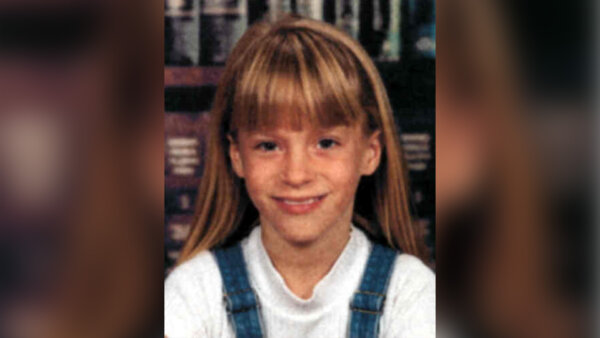
CHARLOTTE N.C. (Court TV) A large photograph of Cherica Adams stood on an easel facing the jury, and her moans and pleas for help rang out once more in the courtroom as the prosecution wrapped its murder case against the former Carolina Panther.
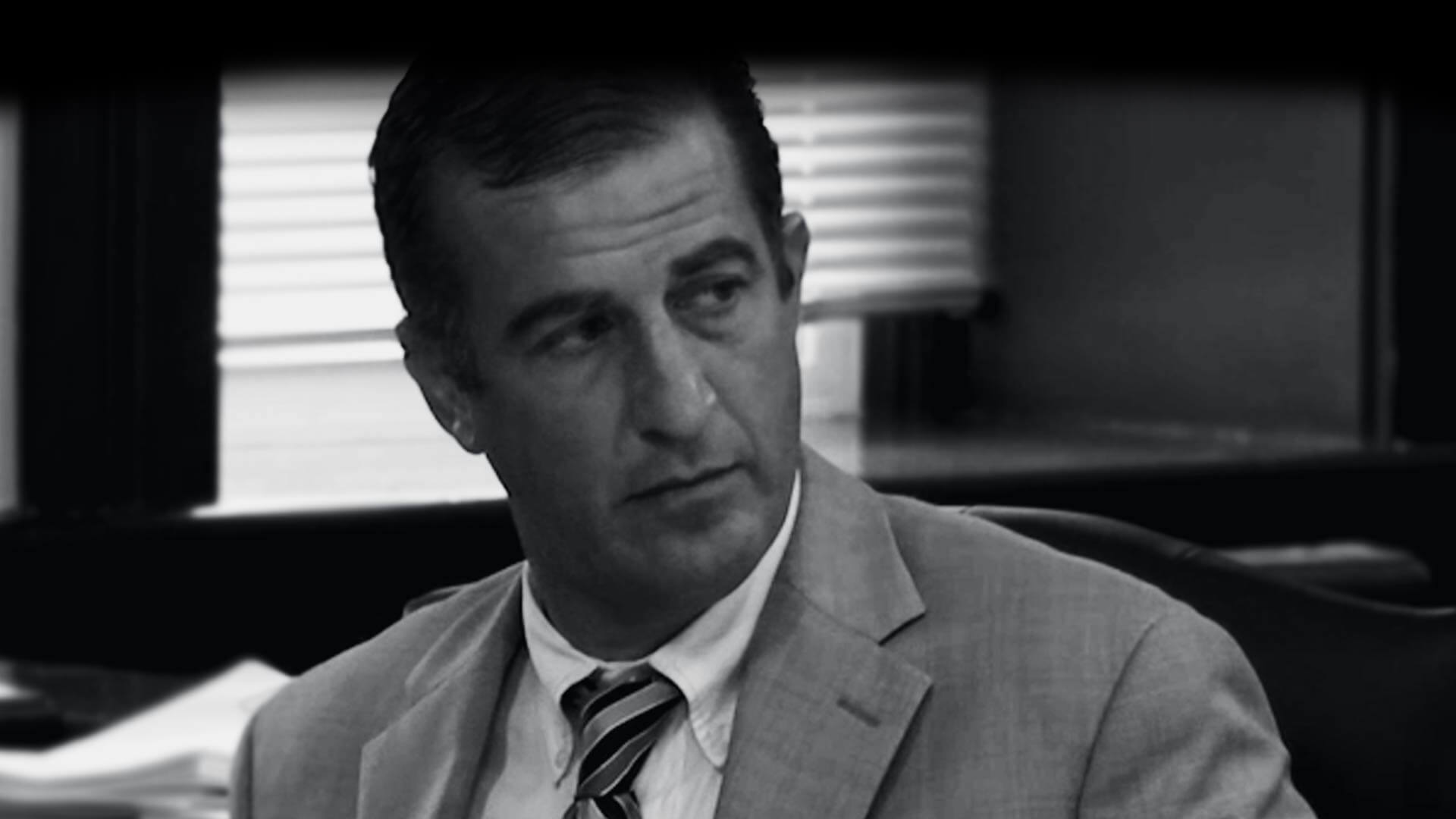
Though the panel of seven men and five women heard Adams' call to 911 on the first day of testimony, prosecutor Gentry Caudill played the 12-minute recording again during his closing statement Monday morning. After the testimony of 40 defense witnesses, the prosecutor was trying to draw the trial's focus back to Adams, who was carrying Carruth's baby at the time of the Nov. 16, 1999, shooting.
"Despite all you heard, Cherica is still here. She's a voice saying to you, 'Rae Carruth did this. He's guilty,'" Caudill told the jury as he stood near an easel holding a large photograph of Adams.
As the tape played in the packed courtroom, the weeping of family members grabbed the attention of some jurors who stared at them as they wiped their eyes with tissues.
"This little lady was a whole lot harder to kill than he ever figured on," Caudill said. Adams lived for nearly a month before succumbing to injuries from four gunshot wounds. The baby, Chancellor, was only an inch away from being shot, Caudill said, but survived.
Caudill also talked about three pages of notes Adams scribbled once she was in the hospital, saying that Carruth blocked the front of her car when the shooting took place. The defense contends that Carruth was already on his way to teammate Hannibal Navies' house when the shooting occurred, but Caudill reminded the jury of testimony that Adams' car and the shooter's car were stopped, indicating that a third car blocked Adams' path.
"He led her right into that trap," he said. "Rae Carruth stopped and she stopped."
While outlining the prosecution's theory of the crime, Caudill also focused on motive. Although the state has attempted to show that Carruth masterminded the shooting to avoid paying child support, Caudill said that money was only part of the story.
"Chancellor was the motive. Rae Carruth wasn't going to have any more babies with any women he didn't want to be with and he didn't want to be with Cherica Adams," he said.
Citing witness testimony that Carruth referred to Adams as a "stripper girl" and a "crazy woman," Caudill suggested that Adams was nothing but a nuisance who, as a permanent fixture in his life, would only get in the way of a relationship he was pursuing with a woman in Atlanta.
During jury selection, some of the jurors said they didn't find avoiding child support a very strong motive for murder. The defense also called to the stand a forensic accountant who said that another $3,000 a month would hardly make a dent in his monthly income.
Caudill wouldn't let the money motive slip by so easily. He pointed out that paying just over $3,000 a month to Chancellor and Rae Jr., Carruth's 6-year-old son in California, would amount to more than $1 million by the time both children turned 18 "a lot of motive in any league," Caudill said.
"It's not the only motive, but it's a motive," he said.
The only snag Carruth didn't count on, Caudill said, was that Adams lived long enough after the Nov. 16, 1999, shooting to tell medical personnel and relatives that Carruth's car stopped in front of hers as another vehicle pulled up along side her and opened fire.
"In the last few weeks I can see an effort to make her go away, to make her disappear," said Caudill. The prosecutor cited the host of professional football players and expert witnesses whom he referred to as "witnesses in a box" as devices to make the jury forget about Adams.
"That's what this is all about diversion to get your mind off the evidence against that man right there, Rae Carruth," Caudill said.
Caudill attacked many of the 40 witnesses testifying for the defense, particularly the experts.
The prosecutor attacked the testimony of Dr. Elizabeth Loftus, a memory expert who testified that inconsistencies in Cherica Adams' statements show that her memory may have been tainted by trauma or suggestions by family members or police. Caudill called Loftus a "reject" from the American Psychological Association and charged that the memory expert had trouble remembering the 911 tape she was hired to analyze.
He also took on defense investigator Ron Guerette whom he dubbed an "instant witness" suggesting that his findings were not objective and proved little to support the defense's drug-deal theory. Guerette testified that phone records showing a spate of calls between Carruth and his co-defendants reflected a pattern more typical of a drug deal than a contract murder.
Caudill also pointed out that the confessed shooter Van Brett Watkins came prepared with a mask and gloves proof, Caudill says, that he didn't shoot Adams in a rage after Carruth reneged on financing a drug deal as the defense claims.
The prosecutor also tried to tear apart the favorable image painted by defense character witnesses who said the former pro athlete was a quiet jokester with a caring heart.
Caudill pointed to another apparent side of Carruth's character. Despite the "gifts God gave him," Caudill said, Carruth came to Charlotte with plenty of promise but started "hanging with the likes of Michael Kennedy and Van Watkins, stealing satellite television, hanging out in strip joints with Hannibal Navies all while ignoring his son."
Further evidence of his character, Caudill charged, surfaced in the hours following the shooting when Carruth grew defensive and confrontational with Adams' distraught relatives in the waiting room at Carolinas Medical Center.
"He's certainly not laid back. He's wound tighter than a snare drum. He's about to explode," Caudill said, describing Carruth's demeanor during his hospital confrontation with Adams' stepmother.
"He jumps up, peels off his coat, storms out the door like he's ready to fight somebody," he said.
When asked by Adams' mother whether he knew anything about what happened, Carruth "bucks up in her face and says, 'I didn't come here for this. This is the reason I started not to come down here,'" Caudill said.
The fact that Carruth considered not coming to the hospital, shows that Carruth was not looking forward to the birth of his second child, Caudill asserted.
"He started not to come down here?," he said.
"Why? Because that's the kind of guy Rae Carruth is," the prosecutor continued, borrowing the phrase used repeatedly by defense attorney David Rudolf in his opening argument.
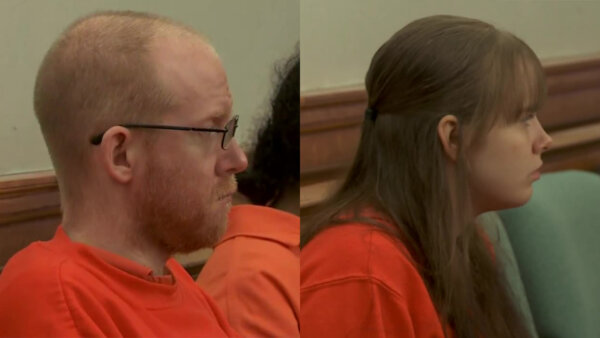
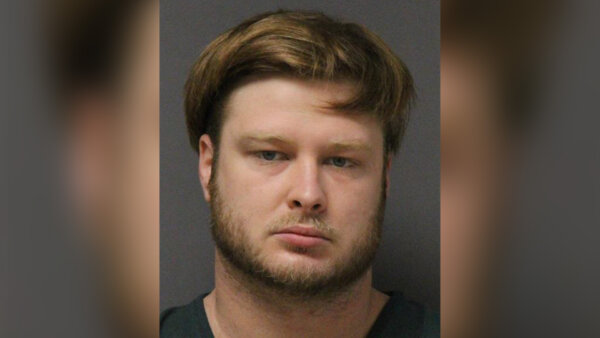
Rounding out his argument, Caudill argued that the testimony of co-defendants Michael Kennedy and Watkins, as well as that of Carruth's former girlfriend Candace Smith, was consistent with the prosecution's theory despite the facts that Smith wasn't always open with investigators, Watkins is a career criminal and Kennedy is an admitted drug-dealer.
"We didn't go out and select Van Watkins and Michael Kennedy. Rae Carruth picked them. They were his friends, his associates, people he ran with," Caudill said.
|