Logo
 
 
Updated Oct. 24, 2003, 1:28 p.m. ET

Durst provides long-awaited account of his neighbor's death
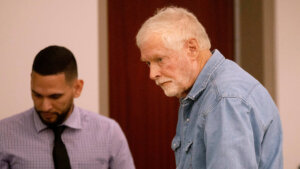
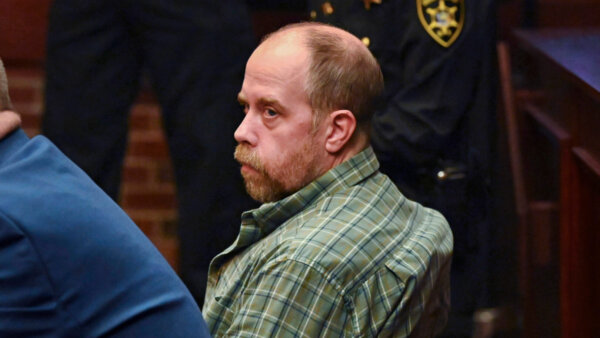
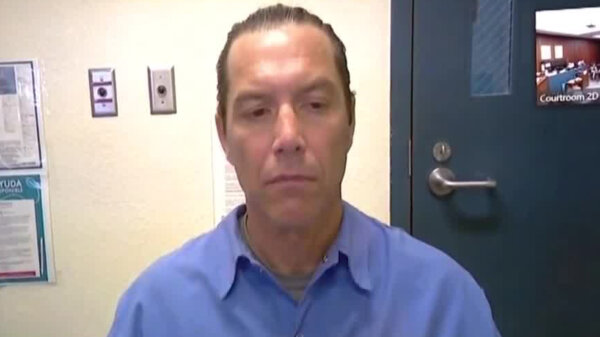
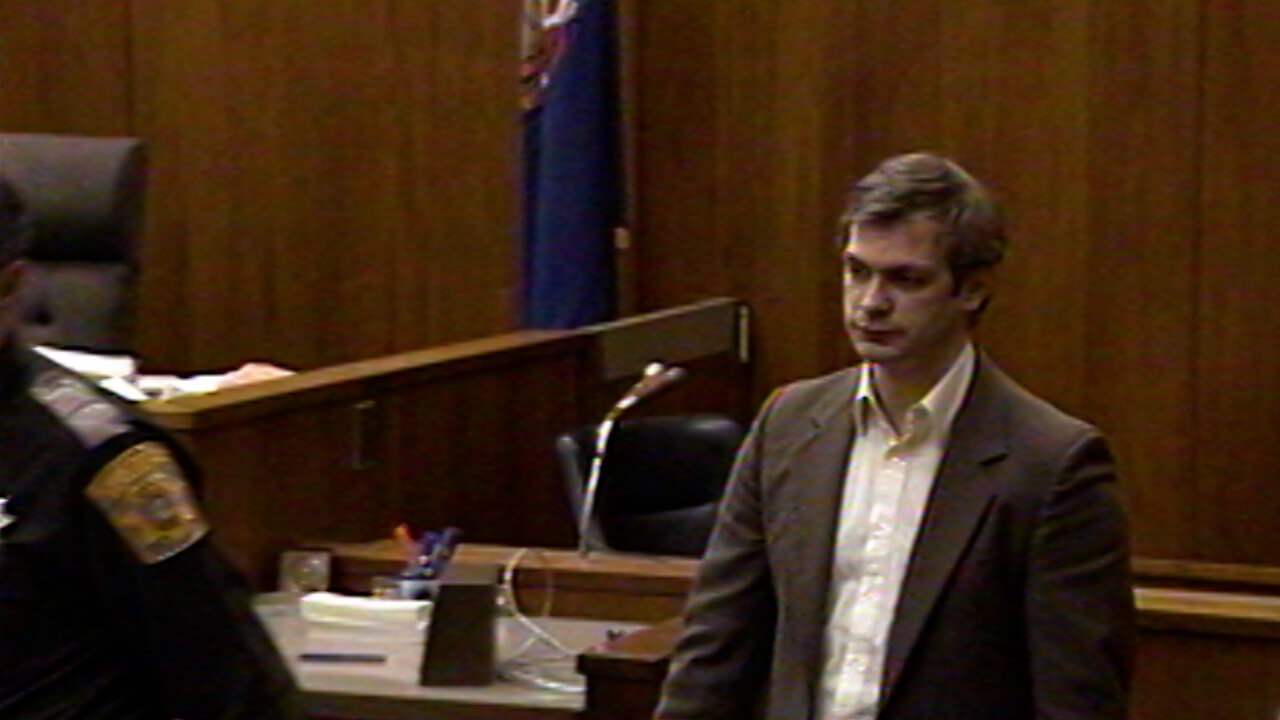
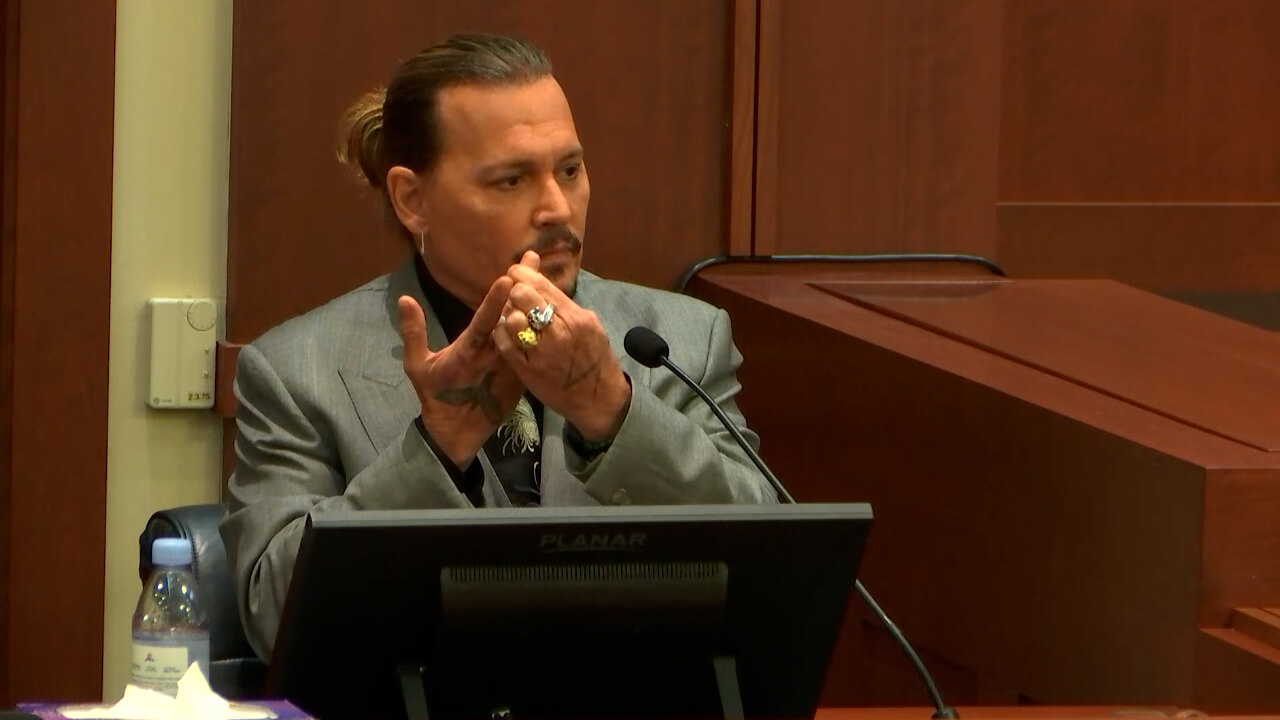
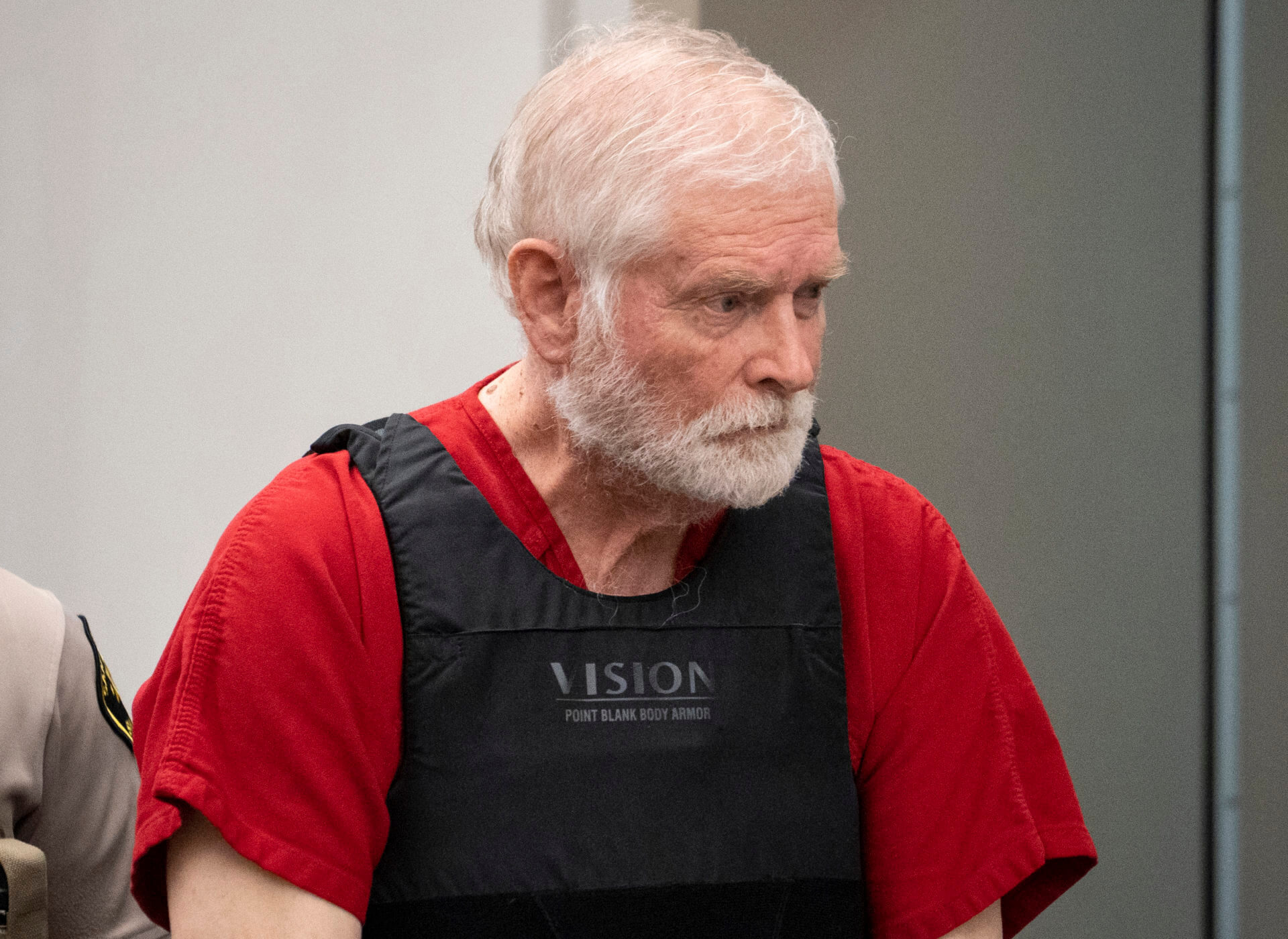
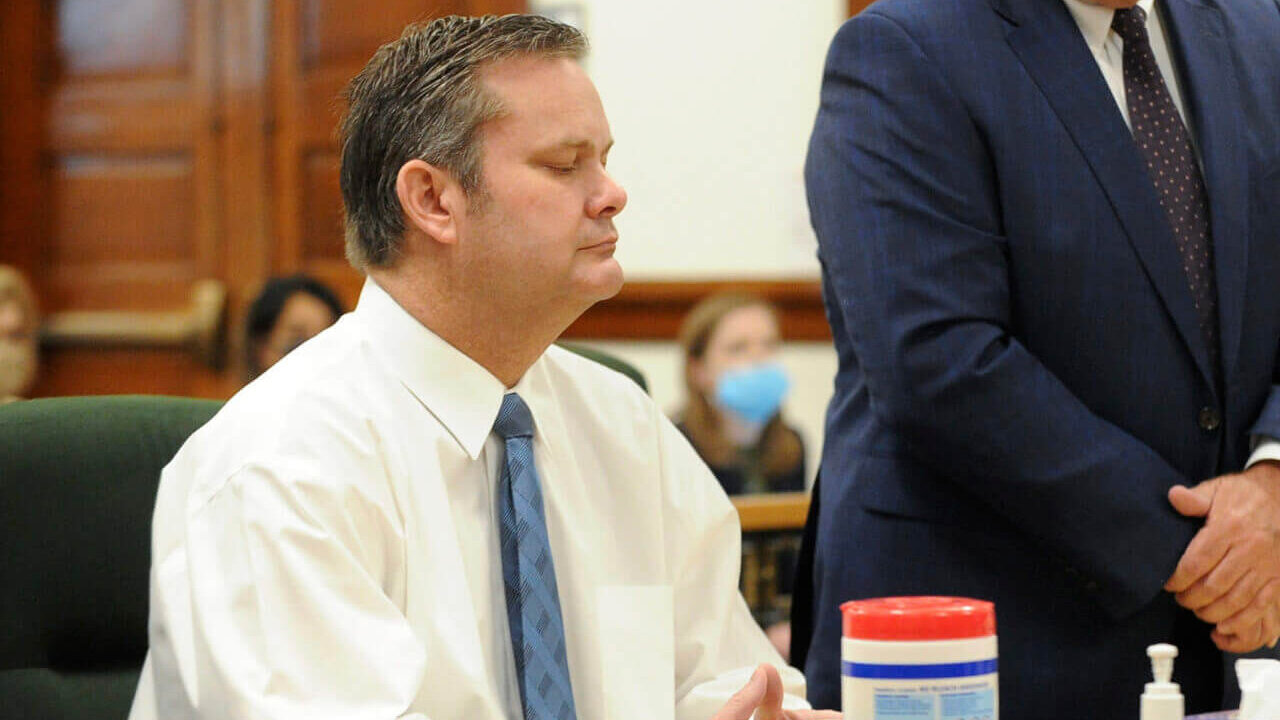
Robert Durst testifies Thursday at his murder trial.

GALVESTON, Texas — Robert Durst could not believe what he was hearing when he showed up at the door of his $300-a-month apartment before dawn on Sept. 28, 2001.

The television was on again, and that could only mean one thing, he thought, as he inserted a key into the door of 2213 Avenue K, Apartment 2. The sound of the TV meant Morris Black, the tenant in Apartment 1, must have made a slew of keys to Durst's apartment.

Durst, now on trial for Black's murder, had already taken away the key he gave his neighbor and a duplicate Black apparently made secretly. He kicked Black out those times, he testified Thursday, because Black twice had fired Durst's .22-caliber starter pistol inside the residence.

"Morris was sitting at the table," Durst, 60, said in a voice so low that Judge Susan Criss made him repeat himself several times. "I went directly to the oven."

Durst said he kneeled down to the floor, poked around but could not find the pistol he had hidden there after the last episode. According to his testimony, Durst turned toward Black just as Black was swiveling toward him in the chair with the gun in his hand.

Durst said he stood, grabbed the barrel of the weapon and tried to gain control of it. As jurors sat forward to watch, Durst demonstrated how he and Black fell to the floor.

He testified that Black's finger was near the trigger when it discharged, fatally wounding the 71-year-old man. Durst, who had on occasion drunk Jack Daniels with Black and gone target shooting with him, said the shooting wasn't his fault.

"I was concerned that Morris was going to shoot the gun, most likely at my face," Durst testified, formally establishing the self-defense claim his lawyers have been promising for weeks.

As it turns out, Durst's altercation with Black wasn't the "life and death" struggle his lawyers described during opening statements Sept. 22. No words were exchanged, and the whole episode was brief.

According to a defense animation that Criss ruled jurors could not see, Morris Black met his death within 15 seconds of Durst's appearance at the apartment.

Durst testified that he ran upstairs to call 911, but no one answered the door. Not having a phone in his apartment, he ran to a pay phone, but it was being used by a woman who didn't seem to understand that he needed to call a doctor.

Durst went back to the apartment to try to help Black, but it was too late. He said he shook the man by the shoulders and yelled "Morris, Morris!" over and over.

"Morris was dead," said Durst, who has showed no emotion during his day and a half on the stand.

He then went over to the bed, he said, sat down and hid his head in his hands.

"Did you intend to shoot Morris? ... Did you cause the gun to discharge?" lead defense lawyer Dick DeGuerin asked.

"I did not, sir," Durst replied.

The details of what happened next remain fuzzy to him, but Durst said he went for a walk on Galveston's famous seawall, built after 6,000 people died in a 1900 hurricane, to decide what to do.

"I had decided to run away from the get-go," Durst said.

Durst explained that he never thought police would believe Morris Black's death was an accident because of the media attention that followed him everywhere. Durst's first wife has been missing and presumed dead since 1982, and his best friend was murdered in 2000 by a killer who has yet to be identified. Durst was suspected, but never charged, in both cases.

"Morris was shot in the face with my gun in my apartment, and I rented this apartment dressed as a woman," Durst noted. "I just didn't think they would believe me."

Durst decided that his best course of action would be to get rid of any trace of Morris Black, a loner who would never be missed.

He considered shrouding the body in a drop cloth, but Durst, who is a thin 5-foot-6 or so, realized he could not lift the 150 pounds of dead weight. Then he thought about cutting Black in two pieces so that he would be easier to cart off for disposal, he testified.

The defense breezed through Durst's next actions. He admitted, without going into any detail, that he dismembered Black's body, stuffing the arms and legs into garbage bags and the torso into a large suitcase he purchased at Wal-Mart. All of the body parts were tossed into Galveston Bay, and all surfaced later, except Black's still-missing head.

Durst went back to the concrete pier where he tossed the body parts into the water the following day and three other times, he claimed. He said he was horrified to see that the bags and suitcase had floated to the surface and were plainly visible.

Although he doesn't remember doing it now, Durst said that at some point he collected his 5 pounds of marijuana from his freezer and $500,000 to $600,000 in cash stuffed in a duffel bag hidden at a church and headed for another apartment he had rented in New Orleans posing as a mute woman. He called it a "refuge."

On Oct. 8, 2001, Durst drove back to Texas with the intention of hiring a lawyer. He was arrested the following day after an optometrist alerted police that he had picked up his eyeglasses as scheduled.

Now that Durst has testified that Black's death was either an accident or in self-defense, the defense insists that, according to Texas law, prosecutors must disprove the claim. Prosecutor Joel Bennett will begin cross-examining Durst Monday.

Bennett is expected to revisit the shooting, dismemberment and Durst's flight from Texas after he posted a $300,000 bail bond. It was during his six weeks on the run that Durst spent $84.35 to send via Federal Express a 23-pound package to his second wife in New York. The package contained more than $500,000 he had withdrawn over many months in $9,500 increments.

Defense and prosecution psychiatrists have been listening to Durst's testimony since it began Wednesday afternoon. The defense experts are expected to testify later that Durst went into a "dissociative state" after Morris Black died, a sort of out-of-body experience that enabled him to perform the grisly task of cutting through human tissue and bone inside his apartment.


Full coverage of the Robert Durst case


advertisement


Contact us
©2007 Turner Entertainment Digital Network, Inc. A Time Warner Company. All Rights Reserved.
CourtTV.com is a part of the Turner Entertainment New Media Network.
Terms & Privacy Guidelines