Logo
 
 
Updated Oct. 27, 2003, 8:32 p.m. ET

Prosecution forces Durst to admit his many lies
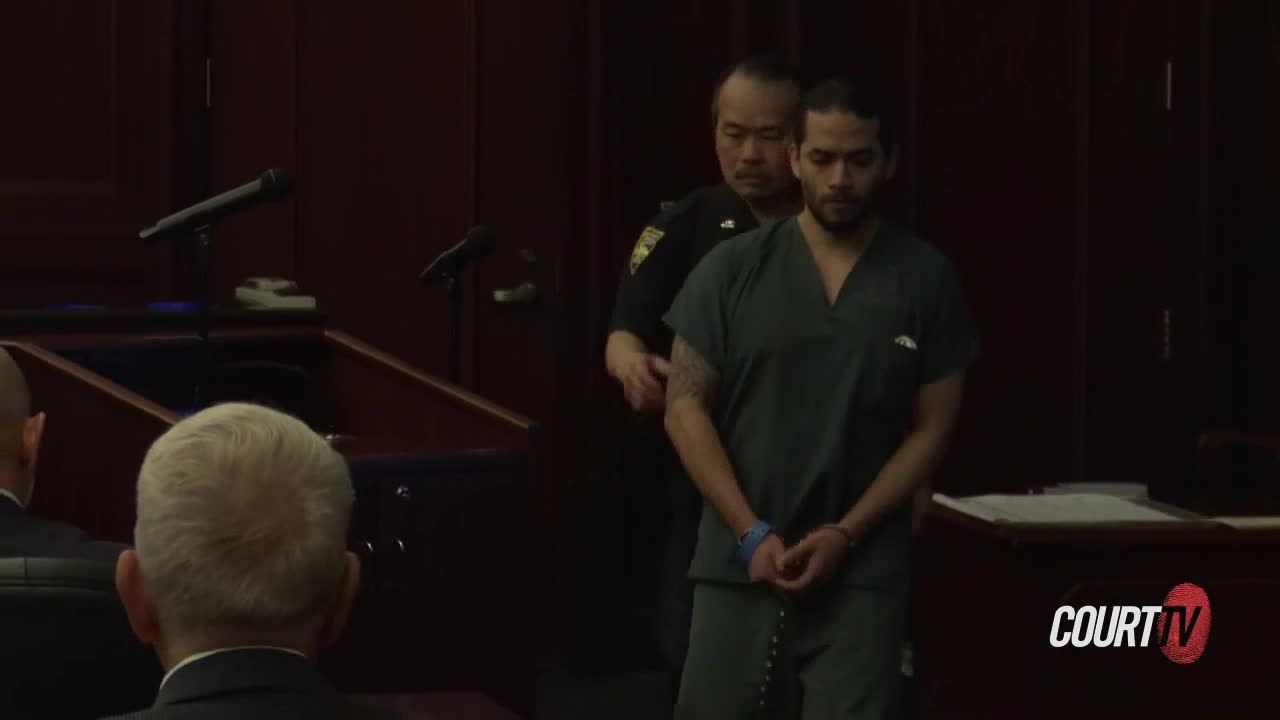
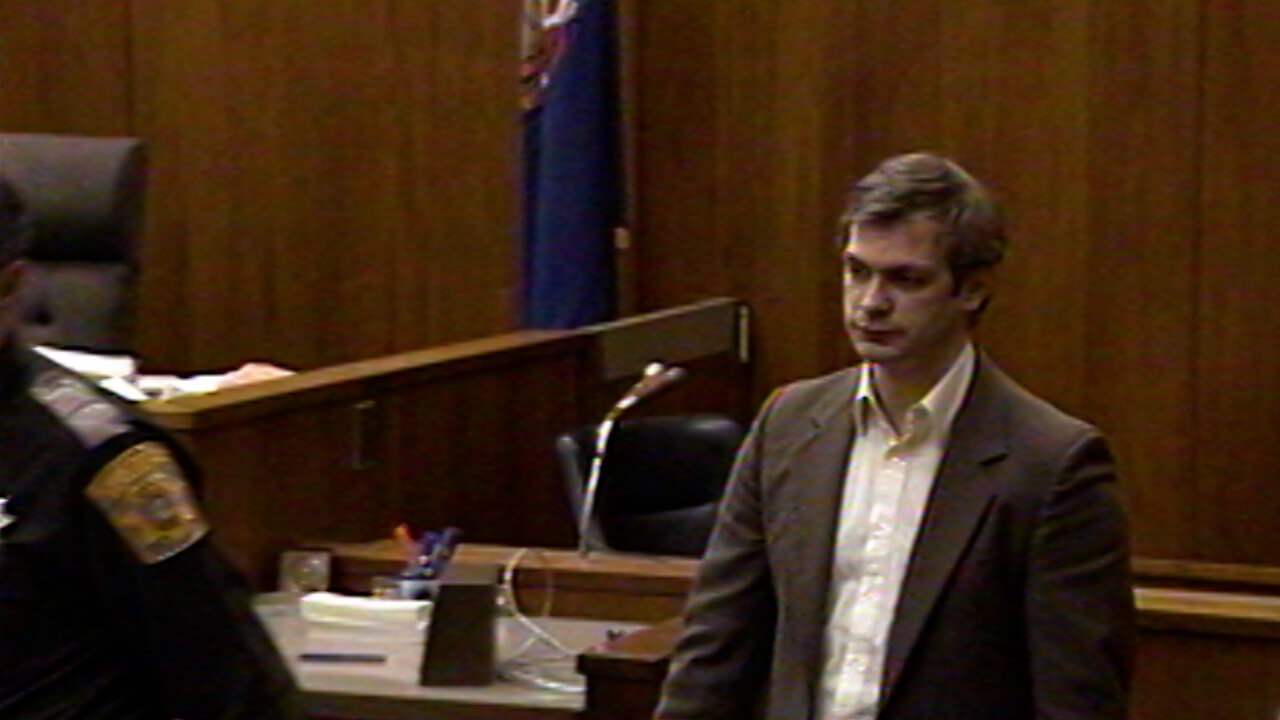
Robert Durst, under cross-examination Monday, admitted he had told many lies about himself over the years but insisted he did not murder his neighbor.

GALVESTON, Texas — Why should anyone believe millionaire-misfit Robert Durst's claim that his 71-year-old neighbor's death came during a struggle for a pistol?

That is the question prosecutors appeared to be building up to Monday as they cross-examined Durst for nearly five hours about many lies and half-truths he told, aliases he used and inconsistencies in his testimony at his murder trial.

From their very first question about the clothes he wears in court to their last concerning Durst's efforts to erase any trace of victim Morris Black, prosecutors set out to demonstrate to jurors that Durst is trying to pull the wool over their eyes.

Durst, 60, admits that Black died in his kitchen from a bullet fired from his gun. He also admits, in the face of a mountain of evidence, that he drank a fifth of Jack Daniels whiskey before using a paring knife, two saws and an axe to dismember the body before he dumped the pieces in Galveston Bay.

"I did not kill my best friend," Durst said in response to a question by Galveston District Attorney Kurt Sistrunk. "I did dismember him."

Durst objected strongly, and appeared to get frustrated, each time Galveston Assistant District Attorney Joel Bennett included the words "murder" or "killing" in his questions.

"He died struggling for the gun. I did not kill him," Durst said at one point.

"He was killed, was he not?" Bennett inquired.

"I like 'died' better," Durst responded.

Later, Durst interrupted a question by Bennett to split hairs about the question before.

"Did you just say murder? Did I let you get away with that?" Durst asked. "I'm not supposed to let you get away with that. Morris Black was not murdered."

Bennett was equally vigilant about not letting Durst get away with lies.

The prosecutor, who has a habit of mumbling, had to repeat his questions several times but finally got Durst to admit that he told numerous lies during his bizarre life on the lam. Durst, according to his testimony, moved to Galveston in November 2000 because of reports in the New York media that the Westchester County district attorney had reopened the investigation into the disappearance of Durst's first wife in 1982.

Black, a cantankerous, confrontational loner, was killed Sept. 28, 2001. When his body parts began floating to the surface of Galveston Bay two days later, police followed a trail of carelessly discarded evidence to uncover Durst's stranger-than-fiction life in Galveston, where he posed as a mute woman named Dorothy Ciner.

In addition to his disguise, Durst admitted he lied when he told people:

  • He speaks Spanish.
  • He was a self-employed writer.
  • He was divorced and had a daughter.
  • He was a botanist.
  • He had a doctorate from UCLA.
  • His name, alternately, was Dorothy Ciner, Diane Winne, James Cordes, James Turss, James Klosty, Robert Foster and Morris Black.

Bennett pointed out that even Durst's second marriage, to New York real estate agency owner Debrah Charatan, was a sham. Durst, who secretly divorced his missing wife, Kathie, in 1990, married Charatan in a rush and gave her power of attorney over his trust-fund millions before leaving New York to live in Galveston.

"It was a marriage of convenience so you would have someone to handle your money, wasn't it, Mr. Durst?" Bennett asked.

"It wasn't a marriage of convenience," Durst protested. Later, Durst admitted telling his sister, who doesn't like Charatan, that the marriage was for convenience.

It was one of several inconsistencies in his testimony brought to the attention of jurors Monday.

Durst testified, for example, that he obtained the 21-inch Green Thumb-brand bow saw used to dismember Black's body from Black's own apartment. Durst told a defense psychiatrist, however, that he bought the bow saw after Black's death.

Durst could not remember it Monday, but he also told the psychiatrist that the bow saw did not work well. In court, however, he said he didn't remember cutting up Black's body at all.

"Did you cry when you cut up your best friend?" Sistrunk, the elected district attorney, asked.

"I don't know," Durst said, repeating an answer he gave many times during the cross-examination.

"You got any more of these 'I don't know answers' for us?" Sistrunk asked sarcastically. "Do you remember anything about cutting up Morris Black?"

"No, sir," Durst answered.

His lawyers claim Durst had an out-of-body experience that enabled him, along with the use of marijuana and whiskey, to cut up Black's body without remembering it. They are hoping jurors accept the explanation and focus instead on the core question: Is there proof beyond a reasonable doubt that Morris Black was murdered and did not die during a struggle for Durst's .22-caliber target pistol?

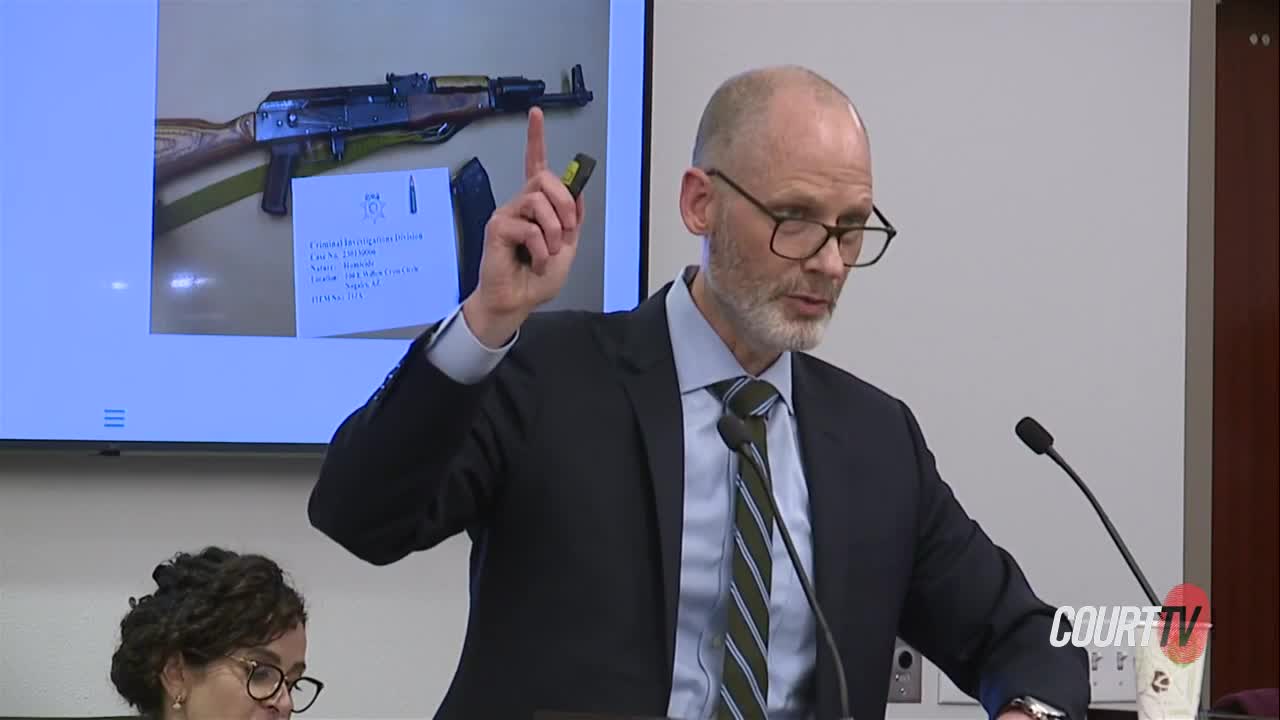
Holding the gun, which police recovered from a trash can, Bennett asked Durst to demonstrate how he had grabbed it when he confronted Black. Durst put his hand over Bennett's hand and the barrel of the gun at the same time.

Durst wasn't able to explain how the slugs case could be ejected from the weapon, however. Durst's hand was covering the ejection point.

Testimony resumes at 9 a.m. on Tuesday.


Full coverage of the Robert Durst case


advertisement


Contact us
©2007 Turner Entertainment Digital Network, Inc. A Time Warner Company. All Rights Reserved.
CourtTV.com is a part of the Turner Entertainment New Media Network.
Terms & Privacy Guidelines