logo
   

PROFILES OF KEY PLAYERS

THE DEFENDANT
photo

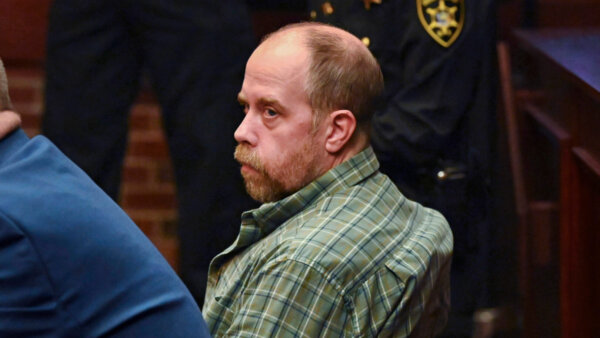
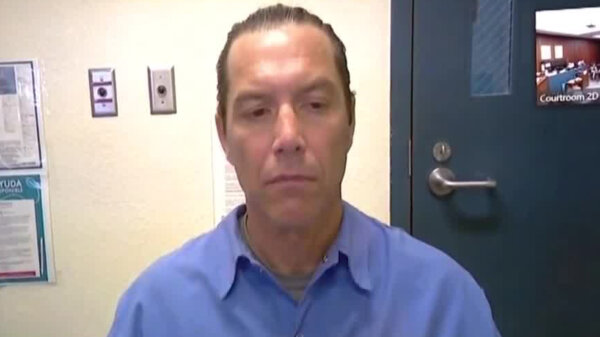
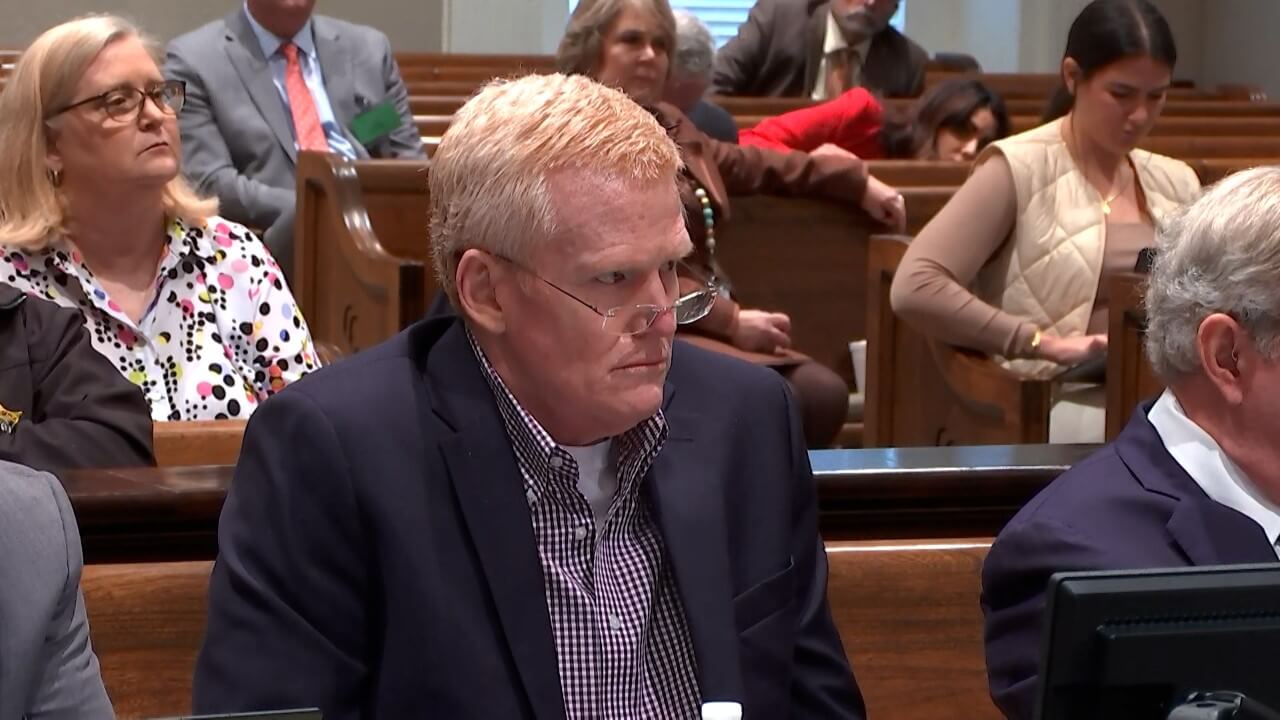
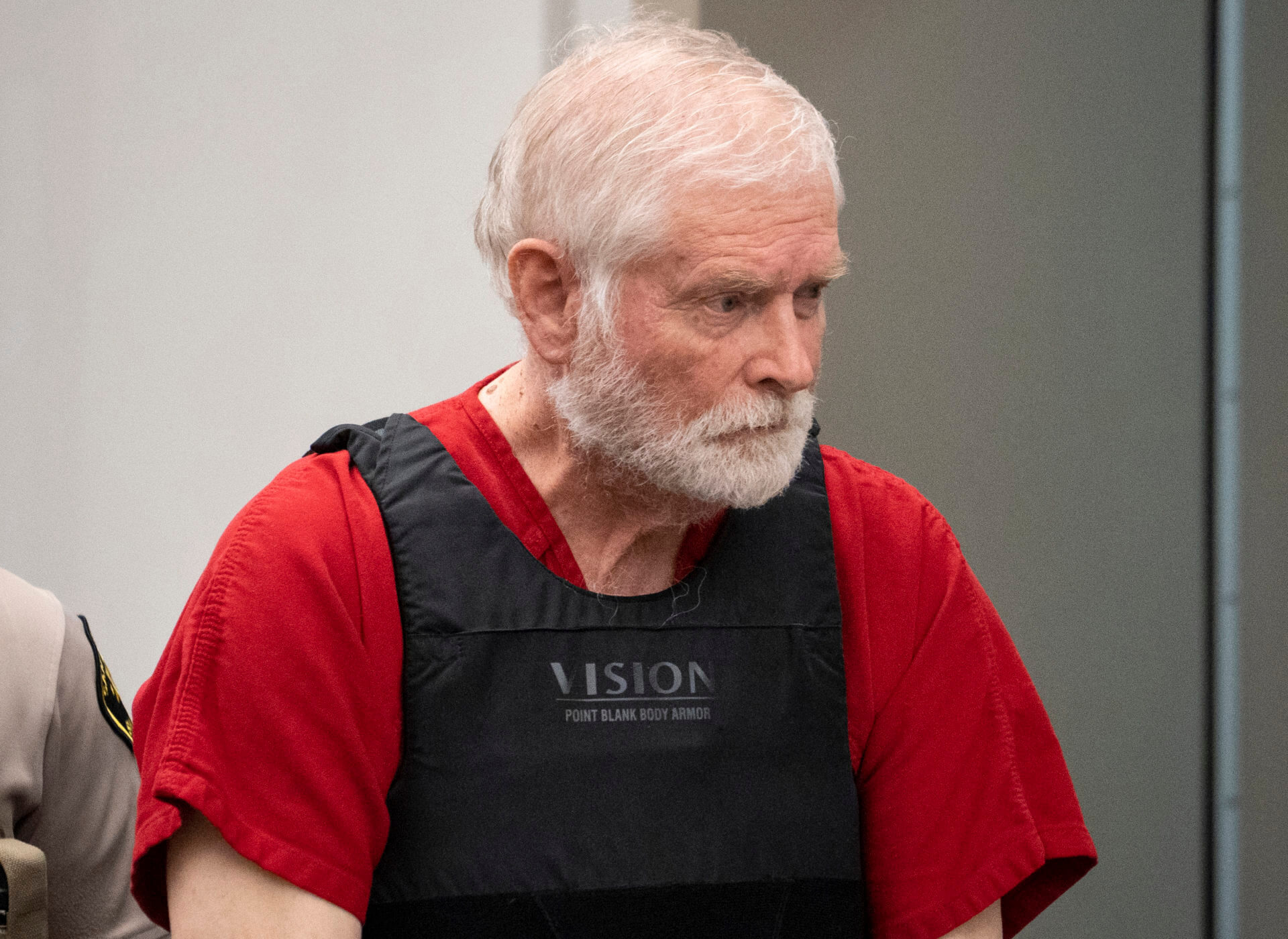
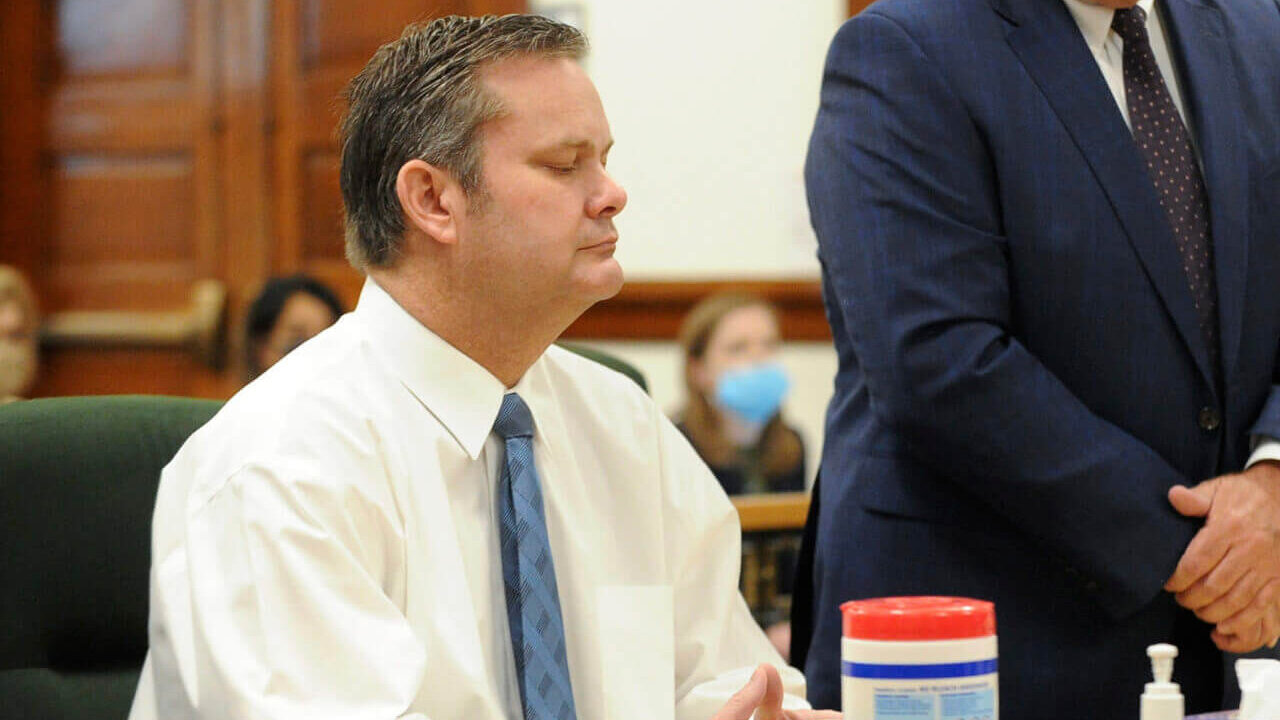
Robert Alan Durst

The son of the late eccentric New York real estate mogul Seymour Durst, Robert Durst grew up in Scarsdale, N.Y., and attended Scarsdale High School. He completed his undergraduate degree at Lehigh University and attended graduate school at UCLA. Durst reportedly witnessed his mother's apparent suicide at age 7 when she plunged from the roof of the family mansion.

Durst underwent extensive counseling because of it, Readers Digest reported, and doctors found that his "deep anger" could lead to mental problems, including schizophrenia. Durst went on to become a real estate developer, but his brother, Douglas, now runs the family business, reportedly worth about $650 million. He has been estranged from his family for about 10 years.

He married 19-year-old Kathleen McCormack in 1973, but she disappeared nine years later. In 2000, Durst's longtime friend, Susan Berman, was found murdered execution-style in her L.A. home.

Durst was questioned — but not charged — in both cases.

He was arrested in Galveston, Texas, shortly after the body of neighbor Morris Black was found floating in a river, but he was released on bail. He missed his court hearing and was declared the nation's first billion-dollar fugitive. He was caught in Bethlehem, Pa., seven weeks later trying to steal a chicken sandwich.

THE VICTIM
photo

Morris Black

Morris Black's landlord, Klaus Dillmann, said neighbors did not like the 71-year-old and had accused him of frequently cutting off their power by fiddling with the breaker box. A loner and a drifer, Black grew up a foster child in a family of five children. At the time of his death had been estranged from his family for many years.

He worked as a merchant seaman, a maintenance man and a watch repairman. But he was always on the move and never really settled in one place; he had lived in Long Beach, Miss.; Malden, Mass.; North Charlestown Beach, S.C.; and several towns in Texas. While he lived modestly, at the time of his death he had nine bank accounts in South Dakota with balances totaling almost $137,000.

Ted Hanley, who helped run a free health clinic out of the back of his pickup truck in a church parking lot for homeless people in Galveston, Texas, described Black as having a charitable side. According to Hanley, Black had found a source for discount reading glasses on the Internet and had purchased five cases of glasses. He then gave them to the Jesse Tree, a Galveston charitable organization. Hanley ran into Black shortly before his body was found and said Black seemed agitated and troubled. Black reportedly told Hanley that he had terrible problems in his life, that he'd done something bad in the past and that no one could help him.

Black's body parts — all but the head — were found Sept. 30, 2001, washed up in Channelview Drive in Galveston. The autopsy performed on his body showed evidence of a particularly brutal murder and that Black had died of a heart attack, probably brought on by the vicious assault.

THE WIFE
photo

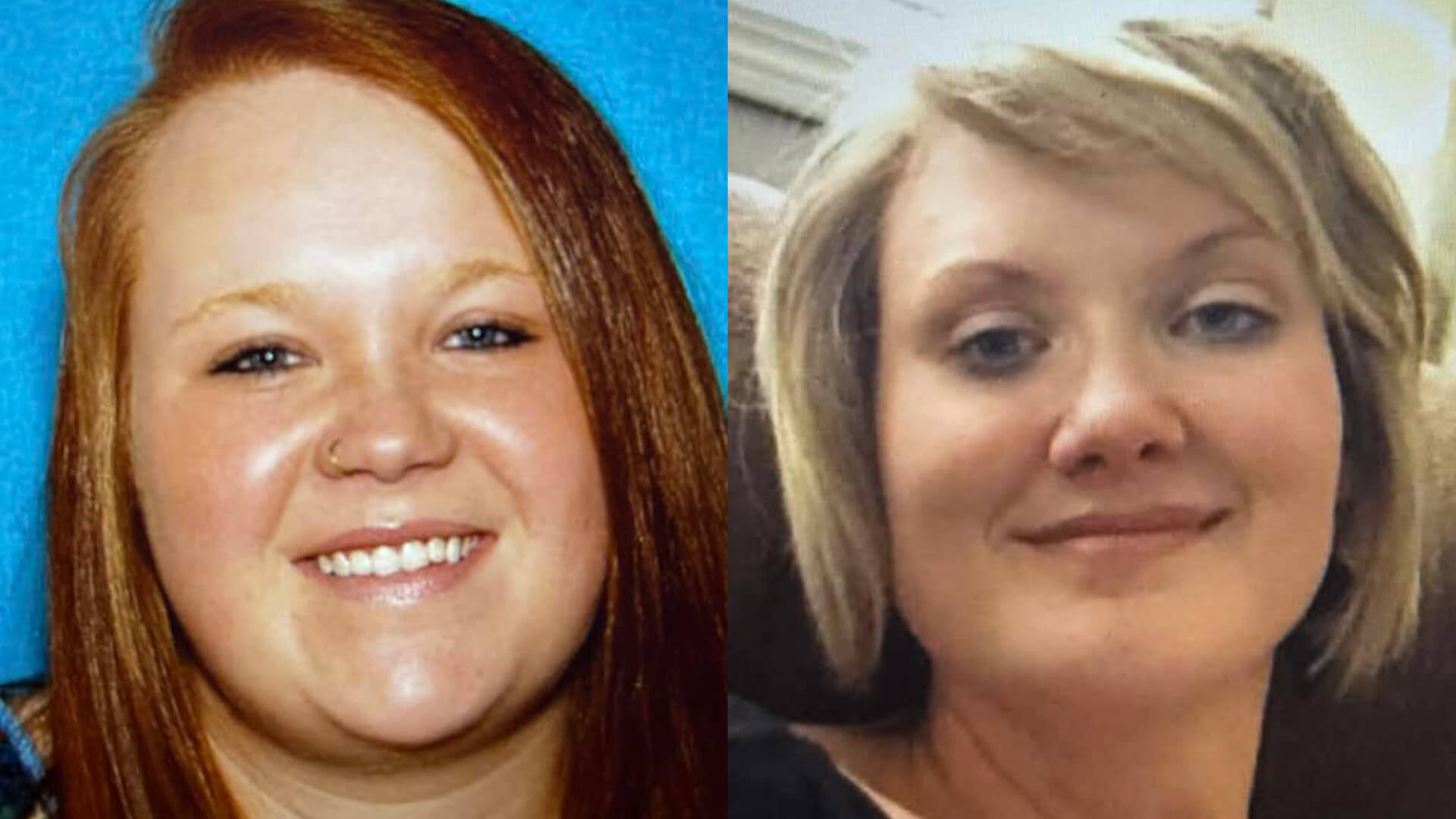
Kathleen McCormack Durst

The product of a middle-class Irish Catholic family from New Jersey, Kathleen McCormack met Durst when dropping off a rent check one day. She was renting an apartment in a building he owned.

She was 19 when she married the 27-year-old Durst in 1973, and and they lived mainly at their South Salem, N.Y., house, which sits on Lake Truesdale. They maintained three residences — including one on the Upper West Side of Manhattan and another on the Upper East Side.

Kathleen was a 29-year-old fourth-year medical student at Albert Einstein School of Medicine when she vanished on Jan. 31, 1982. According to friends, "Kathie" went missing not long after telling several friends that if anything happened to her, to point authorities toward her husband. The night she was last seen by friends was at a party hosted by Gilberte Najamy, who later reported that Kathleen received a phone call from her husband demanding she return home. According to Najamy, Kathleen turned to her as she left the party and said, "Gilberte, promise me, if something happens to me you'll check it out. I'm afraid of what Bobby might do."

Durst claims he last saw his wife when he dropped her off at the Katonah train station in Westchester County, just outside New York City. Durst said he spoke to Kathleen by phone from home, just after 11 p.m. that night when she got to their Manhattan penthouse.

Kathleen's school dean received a call the next day saying she was ill and would not be attending. Police questioned Durst when he reported her missing four days later, but no charges were filed. Durst's theory was that she was killed by or ran off with drug dealers.

New York investigators reopened Kathie Durst's file in 1998 after receiving new information on the case. Authorities dragged the bottom of Lake Truesdale 18 years after her disappearance. Nothing was found.

THE FRIEND
photo

Susan Berman

Susan Berman was the daughter of reputed mobster David Berman, the partner of famed mafia boss Ben "Bugsy" Siegel to open the Flamingo Hotel in Las Vegas in 1946.

David Berman died in 1957 when Susan was 12, and her mother killed herself the following year. Berman supposedly witnessed the suicide. She met Robert Durst at UCLA graduate school in the late 1960s. Durst gave Berman away at her wedding. Berman lived an intensely private life. She never spoke of the brief marriage in the 1980s, and she raised the two children of a boyfriend of 13 years earlier; they preferred to stay with her after the couple broke up.

Berman was a writer, and her work focused on her early life as the daughter of a mobster. Her books "Easy Street" and "Lady Las Vegas" were about her youth spent amongst the Mafia's elite. She also wrote several screenplays. One of her screenplays, a documentary called "The Real Las Vegas," was nominated for an award by the Writer's Guild of America in 1996. She also wrote for the Showtime situation comedy "Sin City." In 2000, Berman was, however, struggling financially and she wrote to Durst to ask for a loan of $7,000 to buy herself a second hand car. In November 2000, Durst sent her $25,000, telling her it was a gift not a loan. Durst then sent her another check for $25,000 in December.

Susan Berman was found dead at age 55 in her run-down L.A. home on Dec. 24, 2000, murdered by a single shot to the back of the head. At the time of Berman's murder, New York police were planning to interview her about the disappearance of Kathleen Durst. And New York magazine had also reported that Berman had told a friend recently that she had information that was "going to blow the top off things." Berman had acted as an informal spokeswoman for Durst after the disappearance of his wife. Kathleen's friends believe it was Berman who called the school dean pretending to be Kathleen the day she supposedly called in sick. The police in Los Angeles believe Berman's killer was someone she knew well as there was no sign of forced entry at her home.

    Real estate dynasty heir Robert Durst is tried for the murder of his elderly neighbor Morris Black in Texas. Durst has never been charged with his wife's 1981 disappearance or in connection with the murder of his friend, Susan Berman.
   
    Case background
Crime Library
Full coverage
   
    Robert Hirschhorn
Durst's jury consultant discusses strategy
Juror No. 12
Juror Chris Lovell discusses the verdict
   
    Case in pictures
   
    Robert Durst
Morris Black
Kathleen Durst
Susan Berman
   
    Case timeline
   
    Prosecution's closing
Jury instructions
Defense theory video
Private investigator Bobbi Racha discusses her research on Black
Gilberte Najamy recalls the night Durst's wife vanished
Steve Silverman discusses his friendship with Durst and Berman
   
    Arrest Affidavit
This statement outlines the reasons police believed Durst was responsible for murdering, decapitating and dismembering Black.
Civil Complaint
Morris Black's sister filed this wrongful death suit against Durst.
Durst's Letter
Durst hand wrote this letter requesting that his lawyers be dismissed from his case.
Lawyer's Letter
Defense lawyer Dick DeGuerin requested a $600,000 advance from Durst to continue working on his case.


©2003 Courtroom Television Network LLC. All Rights Reserved.
Terms & Privacy Guidelines

Small Court TV Logo