


Logo
 
 
Updated Nov. 11, 2003, 6:53 p.m. ET

Millionaire Durst acquitted of neighbor's murder
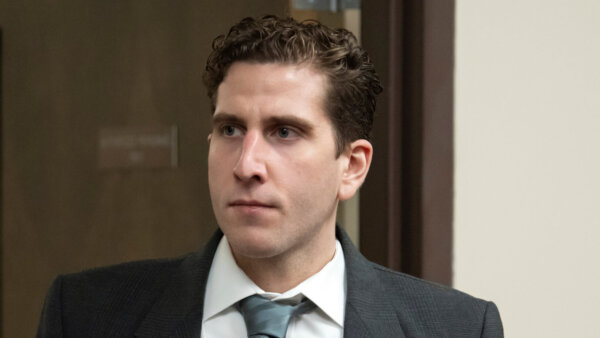
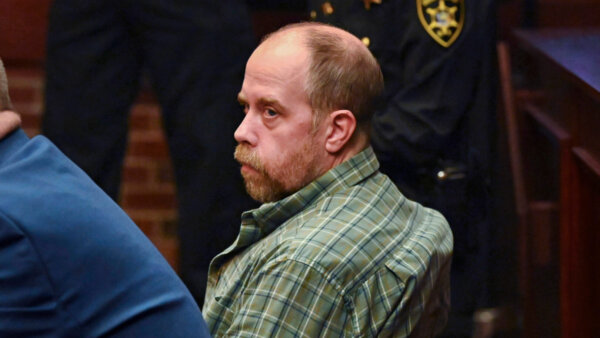
Robert Durst appeared astonished and shaken as he learned he was cleared in his neighbor's killing.

GALVESTON, Texas — Robert Durst, the eccentric millionaire who fled New York and posed as a mute woman in Texas, was acquitted Tuesday of murdering his neighbor in their rundown apartment complex. 

Durst, 60, closed his eyes and dropped his mouth open, as if in disbelief, as Judge Susan Criss read the panel's decision. The verdict came as a surprise to many, as Durst had admitted dismembering 71-year-old Morris Black and disposing of his body in Galveston Bay.

"Dismayed is an accurate word. Disappointed is an accurate word," said Galveston District Attorney Kirk Sistrunk about his own reaction to the verdict.

Durst remains in custody on a charge of bail jumping, and prosecutors indicated they would try him on that charge. He did not comment following the verdict but his lawyer, Dick DeGuerin, said he had "just expressed his pleasure."

A jury of eight women and four men deliberated more than 26 hours over five days before reaching a unanimous verdict Tuesday morning at 9:15.

Criss's courtroom was filled mostly with reporters, including representatives of New York's tabloid press drawn to this Gulf Coast community by the bizarre facts of the case and the Durst name. The Durst Organization owns skyscrapers and other real estate in New York worth billions.

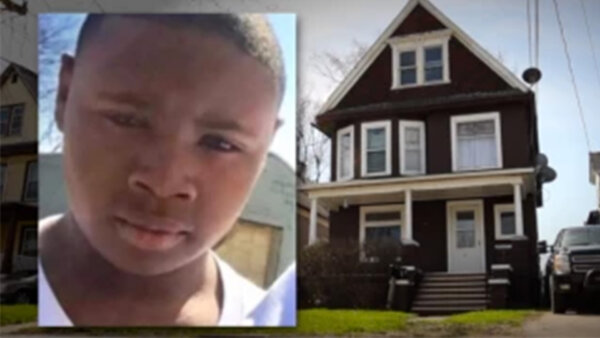
Morris Black

Durst testified that Black threatened him with Durst's own gun on Sept. 28, 2001. Durst claimed he and Black, a cranky and confrontational loner, struggled for control of the .22-caliber target pistol and it discharged, shooting Black in the face. The shooting occurred in Durst's apartment, a $300-a-month rental.

During several days on the stand, Durst testified that he panicked when he realized Black was dead. He said that, because he was living under an assumed name and being investigated in his first wife's disappearance, police would never believe the death was an accident.  

Then, in an altered state fueled by alcohol, he said, he dismembered Black's body, dumped it in Galveston Bay, and cleaned up the scene.

"Bob was horrified at some of the things that he did, and he has tried to block from his mind, pretty successfully, some of the details," DeGuerin said following the verdict, explaining the difficulties his team faced in defending Durst.

The defense argued strenuously during the trial that Durst's attempts to cover up the death are not evidence Black was murdered. Although Durst testified Black was shot in the face, the claim could not be corroborated because the head was the only body part not to be recovered by police.

"I didn't think you could have a case without the head. I thought you needed the whole body, me," juror Deborah Warren told reporters. "But they said you can still have a trial without the head."

Interviewed after the verdict, members of the panel said the verdict had been a difficult one to reach, with some jurors changing their minds several times over the course of the deliberations. On Wednesday, during their first vote, three voted guilty and five not guilty, while the rest were undecided.

One panelist, Joanne Gongora, said the group focused on the killing itself, as the defense had asked. "The issue we were asked to focus on was, was Mr. Durst acting in self-defense or an accident? It was the actual act of what occurred in that apartment that we had to answer."

Prosecutors said Durst planned the killing in advance, arguing that someone who kills a person in self-defense doesn't then dismember him and dispose of the body.

Sistrunk made a case in his closing argument, over the objection of the defense, that Durst cancelled a one-way flight to New York and drove to New Orleans after Black's death because Continental Airlines would not accept a head as a carry-on item.

The defendant, who was passed over for control of the Durst corporation despite being the late Seymour Durst's oldest child, has been written about in New York newspapers frequently since his first wife, 29-year-old medical student Kathie Durst, disappeared without a trace in 1982.

Durst has never been charged in connection with her disappearance, but his lawyers say renewed interest in the case in November 2000 by a politically ambitious prosecutor spawned a new wave of media attention that sent Durst into a panic.

Durst himself said he feared he was about to be indicted by Westchester County District Attorney Jeanine Pirro, so he left New York and ended up in Galveston disguised as a mute woman named "Dorothy Ciner." The alias is just one of at least nine Durst has used throughout his strange life.

"Every place he went, people knew about it and shunned him. He became persona non grata," DeGuerin said Tuesday. "The only place he could be someone other than Bob Durst ... was Galveston, Texas."

After being arrested and charged with Black's murder, Durst posted $300,000 bail and fled the state. He was picked up the following month, November 2001, in Pennsylvania while stealing a sandwich and a bandage, despite carrying large amounts of cash.

Durst's lawyers lashed out at Pirro Tuesday, alleging she leaked false information to the press, causing Durst to flee.

"Leaks like that to the press may cause people to be accused falsely in the papers. It's a despicable way to run a DA's office," defense lawyer Michael Ramsey said. Pirro could not be reached for comment.


Full coverage of the Robert Durst case


advertisement


Contact us
©2007 Turner Entertainment Digital Network, Inc. A Time Warner Company. All Rights Reserved.
CourtTV.com is a part of the Turner Entertainment New Media Network.
Terms & Privacy Guidelines