By Matt Bean Court TV
The case of a Muslim woman fighting for a faceless driver's license is now in the hands of a judge after lawyers delivered their closing arguments Thursday morning.
"We are not asking for a wholesale overthrow to the driver's license statute, your honor," said Howard Marks, representing Sultaana Freeman. "We're asking that she be granted a special exception."
While the ACLU-backed Marks emphasized religious freedom — Freeman sued the Florida highway department in 2002 saying it violated a state statute protecting the free exercise of religion — Assistant Attorney General Jason Vail couched his argument in a bleak portrait of a post-Sept. 11 America.
Some time in the future, said Vail, a would-be saboteur could slip through the same loophole Freeman is asking the state to grant her.
"We will not know if his objectives are sincere and peaceful, or if they're terrible, until it's too late," said Vail.
Orange County Circuit Court Judge Janet Thorpe said she will issue a decision in Freeman's civil hearing by the end of next week.
Freeman, 35, first sued the state after her driver's license was revoked for refusing to take an unveiled photograph to replace the veiled picture on her 2001 license.
She testified Wednesday that the nixed license limited her ability to be a good mother.
"She wants to drive, she needs to drive to take care of her family's needs, but she's not going to violate a fundamental religious belief, your honor," her lawyer, Marks, said Thursday.
Marks worked to divert Thorpe's attention from the countless courtroom skirmishes over Islam that occured during the three-day trial, saying it was enough that his client believed she had a sincerely held religious belief.
Freeman testified that removing the veil would violate a section of the Muslim holy book, the Quran, which mandates that women cover their faces in public. The mother of two, who authored a tri-fold pamphlet entitled, "Why I Wear the Veil," told the court that she even has her children blot out the cartoon faces on cereal boxes with a black magic marker.
Not all Muslims follow such strict rules, however. During testimony, a pair of Islamic law experts dueled over the necessity of the veil. Religious scholar Safil Islam Abdul Ahad, an adjunct professor of history at the University of Central Florida, told the court that Freeman would be violating the strict code of Sharia if she lifted the veil for anything but a life-and-death situation.
But the state's expert, UCLA law professor Khaled Abou El Fadl, said that taking a photograph for identification purposes was one of a number of exceptions to the veil rule, which also include medical necessity, readying for marriage, writing wills and identifying the dead before burial.
 | | Freeman's lawyer, Howard Marks |
Marks' frustration over the state's tack appeared to spill over into his closing argument.
During an impassioned rebuttal closing, Marks referred to Vail's arguments as "patently crazy," "absurd," "patently absurd" and "ridiculous."
"They know their case is so weak, they know they have no compelling interest," he said to Thorpe, so "they're trying to attack my client's religious beliefs. You can't be the arbiter of the Quran and religious scripture."
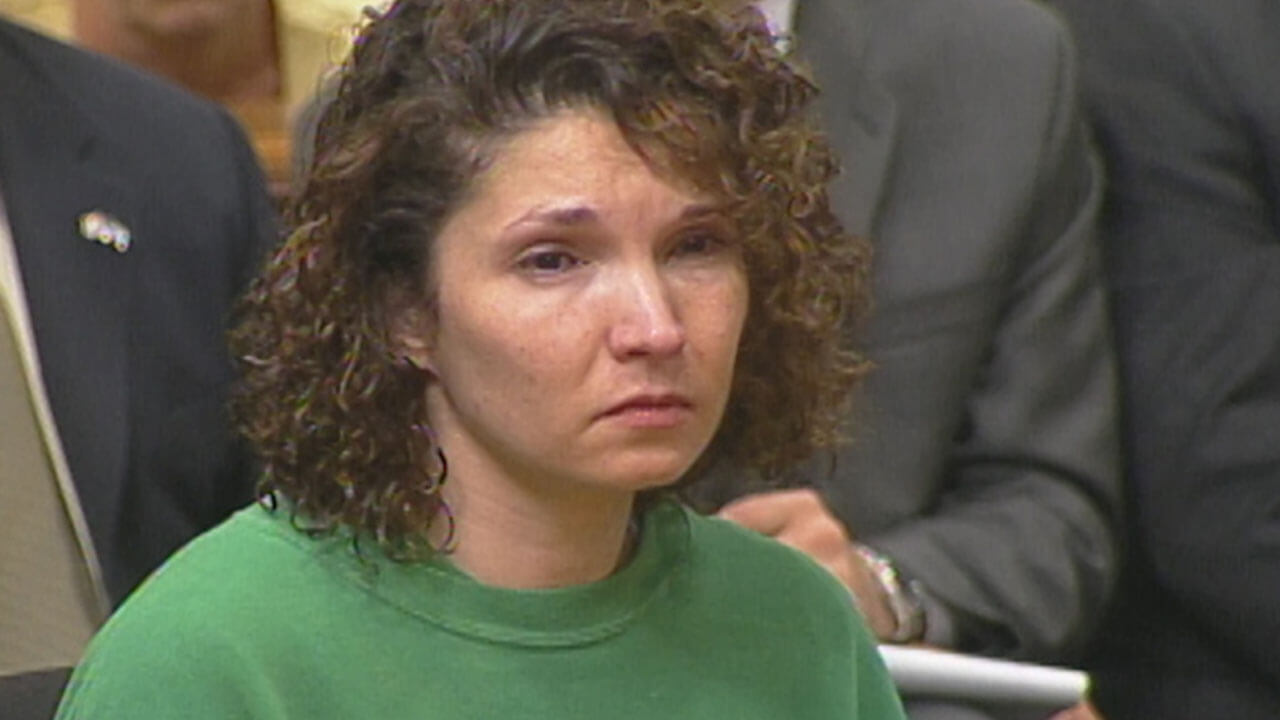
Freeman, an American citizen with a Christian upbringing, converted to Islam in late 1997, changing her name in the process. The assistant attorney general attempted unsuccessfully to introduce a prior brush with the law that led to a 1998 mugshot of Freeman unveiled.
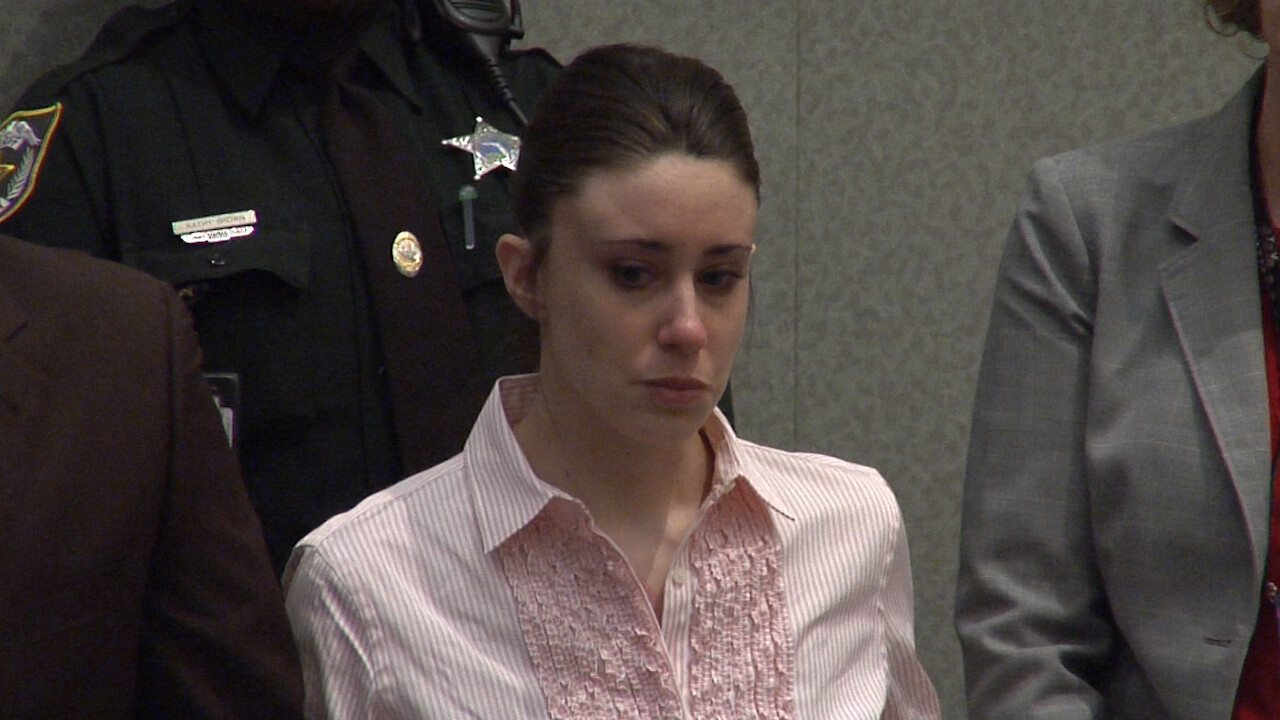
 | | Sultaana Freeman in a 1998 mugshot |
According to Vail, Freeman was arrested for child abuse after breaking the arm of one of two twin foster children she was caring for. She pleaded guilty to a lesser charge of aggravated battery, and the children were removed from her care.
Vail's chief concern at trial was to demonstrate that there exists a "compelling interest" for public safety in taking full-face photographs.
Veteran patrol troopers, employees of the driver's license facilities, and even a representative of a major credit card bank all testified on the state's behalf that photo driver's licenses are invaluable tools for law enforcement. A statewide database called "David" allows troopers to access instantly a growing number of license photos from their patrol cars and motorcycles.
The lawyer suggested that the safety of the public trumped Freeman's individual interests. To keep the public safe, he said, "the plaintiff must accept some burden on her religious freedom."
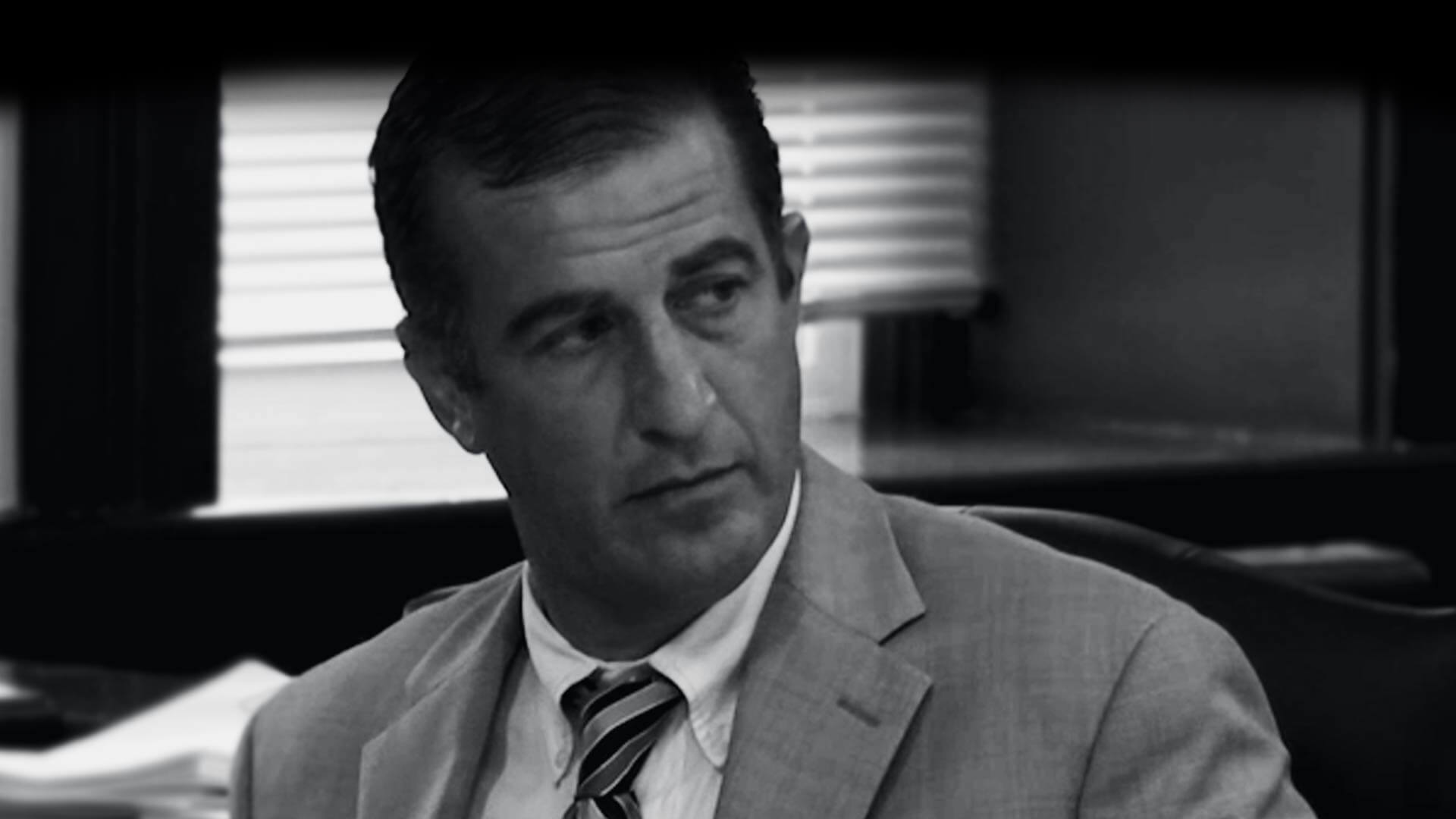
 | | Florida Assistant Attorney General Jason Vail |
The burden, however, would be limited: Freeman could pose privately without her veil for a female photographer.
"This is one moment in time. It's a picture taken in a business situation," said Vail. "This does not impede the exercise of her religious beliefs."
The "hands on" touch at the DMV, however, failed to satisfy Freeman and her lawyer, who pointed out that as many as 14 other states allow some form of exemption from full-face photos, and that more than 4,000 other drivers have been issued photo-free licenses in Florida over the past five years.
|