Logo
 
 
Updated June 6, 2003, 5:17 p.m. ET

Judge: Muslim woman must unveil for license photo
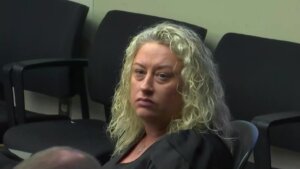
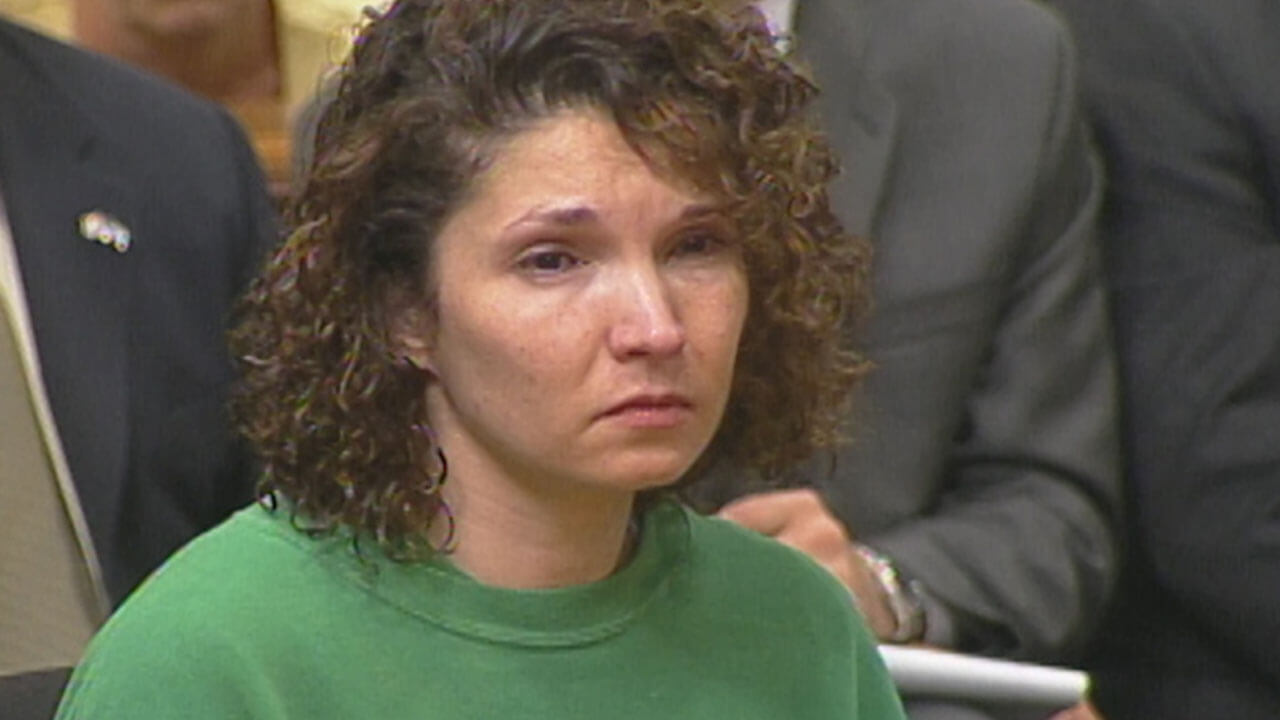
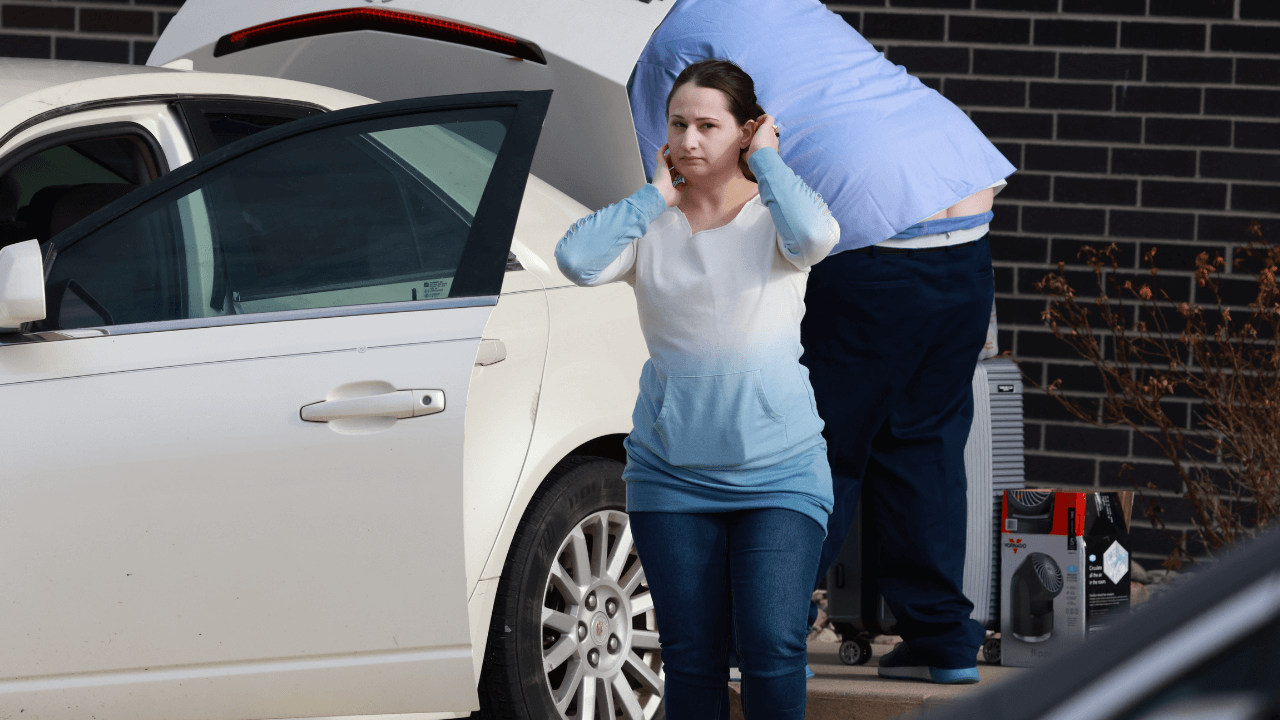
Sultaana Freeman listens to testimony in her trial last Thursday.

A Muslim woman must unveil for a license photo if she wants to drive, a Florida judge ruled Friday.

County Circuit Court Judge Janet Thorpe agreed with the state of Florida that public safety concerns required that a driver's license show a full-face photograph, and that requiring a woman to remove her veil for that purpose would not restrict her religious freedom.

"The State has always had a compelling interest in promoting public safety.  That interest is served by having the means to accurately and swiftly determine identities in given circumstances," wrote Thorpe, in her decision issued a week after closing arguments.

Florida Attorney General Charlie Crist said the decision was "a great victory for the safety and security for all Floridians.

"We're not talking about the right to pursue happiness," said Crist. "We're talking about the right to drive an automobile and it is a privilege to be able to do so."

Freeman's ACLU-backed lawyer, Howard Marks, said he was disappointed by the ruling and would appeal it.

Sultaana Freeman, 35, sued the state highway department in 2002 saying it violated a state statute protecting her free exercise of religion.

Freeman's license was revoked in 2002 after she refused to replace her old one, which expired in 2007, with one bearing a full-face photograph.

During three days of argument, Marks emphasized Freeman's right to exercise her religious freedom by remaining veiled, while attorneys for the state emphasized the need for safeguards in a post-Sept. 11 America.

The judge agreed with the state's arguments, writing, "Although the Court acknowledges that Plaintiff herself most likely poses no threat to national security, there likely are people who would be willing to use a ruling permitting the wearing of fullface cloaks in driver's license photos by pretending to ascribe to religious beliefs in order to carry out activities that would threaten lives."

Marks said that limiting religious freedom was exactly what the Sept. 11 attackers sought.

"We believe [the ruling] does nothing more than vindicate the terrorist attacks of Sept. 11 ," Marks told Courttv.com. "We've allowed them to use the attacks to infringe upon the civil rights of all Americans."

The Muslim practice of niqab, or veiling, stems from a verse of the Qu'ran, the holy book of Islam, which some followers interpret as a mandate for women to cover their faces in the presence of unrelated men. 

Freeman, who was born in the U.S. and raised Christian but converted to Islam in 1997, testified that she needed to drive to care for her two children.

The case occasionally forced the court into uncomfortable judicial territory when the parties summoned dueling experts to debate the meaning of the fixed veil in Islamic law and tradition. 

Freeman, her husband, and a local Islamic scholar all testified that removing the veil would violate the strict code of Islamic law, Sharia.

In her nearly 5,000-word decision Judge Thorpe tried to maintain the line between church and state by ruling that Freeman's desire to wear the niqab was a sincerely held religious belief and avoiding the question of whether that desire was justifiable or reasonable.

During the trial, Marks, her pro-bono attorney, pointed out that as many as 14 other states allow some form of exemption from full-face photos, and that more than 4,000 other drivers have been issued photo-free licenses in Florida over the past five years.

Thorpe rejected that argument saying that those licenses were temporary and that they were issued to people who already had full-face photographs in state DMV files.

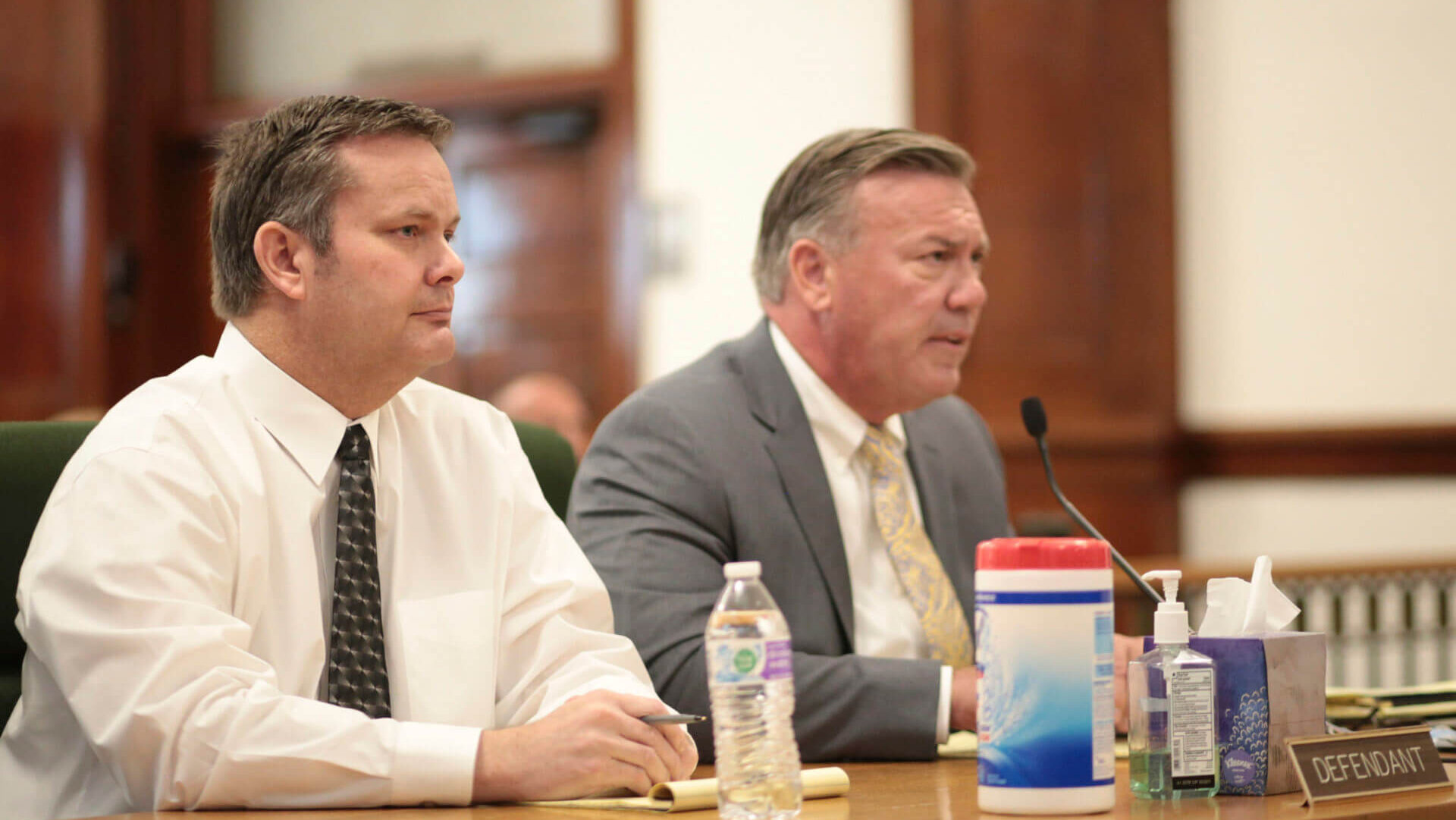
Sultaana Freeman in a 1998 mugshot

A non-factor at trial was Freeman's brush with the law in 1998 that led to an unveiled mugshot.  According to assistant attorney general Jason Vail, Freeman was arrested for child abuse after one of the twin foster children she was caring for broke an arm. She pleaded guilty to a lesser charge of aggravated battery, and the children were removed from her care.

Vail's chief concern at trial was to demonstrate a "compelling interest" for public safety in taking full-face photographs.

Veteran patrol troopers, employees of the driver's license facilities, and a representative of a major credit card bank all testified on the state's behalf that photo driver's licenses are invaluable tools for law enforcement. A statewide database called "David" allows troopers to instantly access a growing number of license photos from their patrol cars and motorcycles.

The lawyer suggested that the safety of the public trumped Freeman's individual interests, but the state would accomodate Freeman by allowing her to pose privately without her veil for a female photographer.

Marks said his client would not avail herself of that option.

"When will the state understand?" he asked. "My client will not be unveiling for any photograph."

With this decision, Marks contended that "you're driving people like Sultaana Freeman more underground than anything. It doesn't make sense to me."

 
Read the judge's ruling


May 28, 2003: DMV trip inspires Islamic law debate

May 27, 2003: Testimony begins

Case background

Response to dismissal motion


Plaintiff testifies

Read the complaint


advertisement


Contact us
©2007 Turner Entertainment Digital Network, Inc. A Time Warner Company. All Rights Reserved.
CourtTV.com is a part of the Turner Entertainment New Media Network.
Terms & Privacy Guidelines