
Logo


Updated Oct. 7, 2005, 6:08 p.m. ET

Judge weighs whether babysitter's statements are murder confession
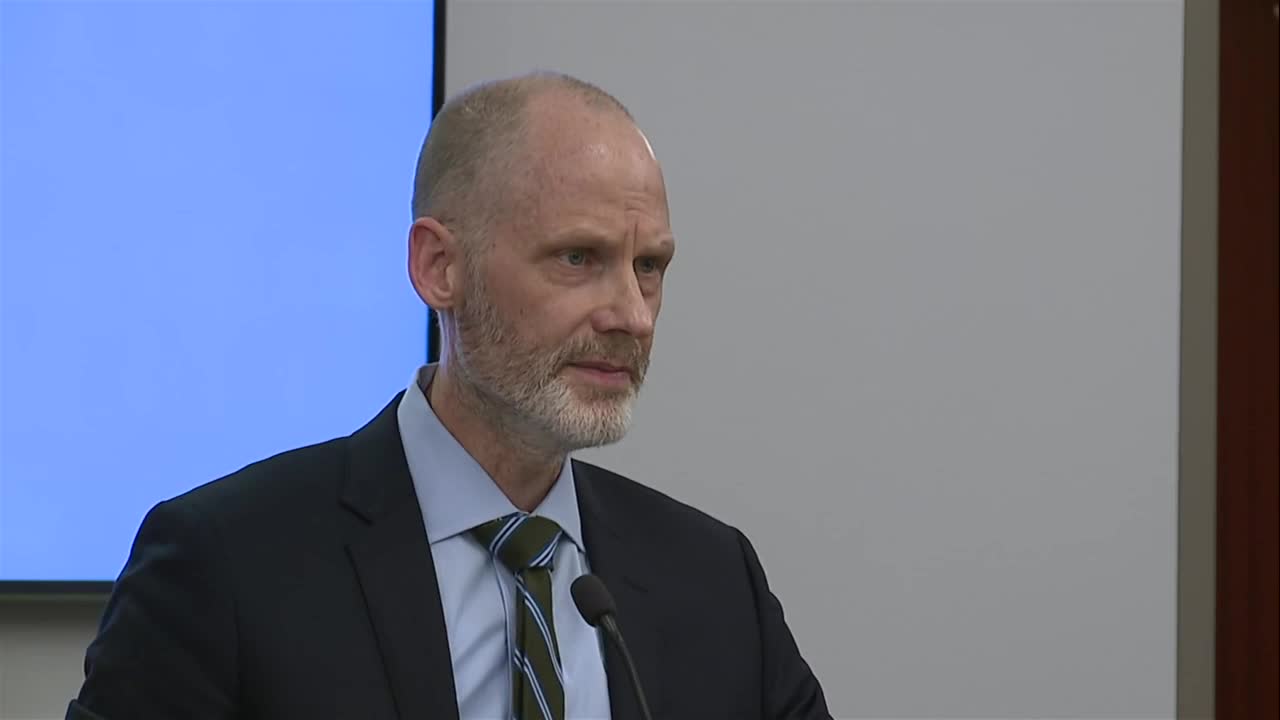
Dr. Mark Whitehill testified that 13-year-old Ashley Howes' fragile mental capacity may have led her to falsely confess to killing 19-month-old Freya Garden.

Several hours after 19-month-old Freya Garden collapsed unconscious while in the care of a babysitter, police say her 13-year-old caregiver confessed to violently shaking the child, ultimately causing her death.

But lawyers for Ashley Howes say the alleged confession was coerced, and before her bench trial for second-degree murder opens, a Seattle juvenile court judge must decide whether her words can be used against her.

Over the past week and a half, King County Superior Court Judge Mary Roberts has heard from several police and civilian witnesses in a hearing to determine whether she should consider statements Ashley made while in police custody, first as a witness and then as a suspect.

At first, according to police reports, Ashley denied involvement.


Story continues
advertisement

But after hours of conversations with detectives, she allegedly told police to "throw it out the window" and admitted to shaking the toddler because she was crying.

Freya died the next day from injuries that prosecutors claim are consistent with shaken baby syndrome, a form of brain injury resulting from a child being shaken with significant force.

An autopsy of Freya revealed telltale signs of shaken baby syndrome, including bruising around her eyes, internal blood clots and brain damage, according to police documents.

But further evidence of blunt-trauma injury to the back of her head and unrelated bruising have led the defense to contest the diagnosis, suggesting that other factors may have led to the toddler's death.

Defense attorney Bryan Hershman has also suggested that his client's small size would have made it difficult for her to fatally injure the girl.

Upcoming trial testimony from defense medical witnesses will likely focus on the amount of force necessary to cause shaken baby syndrome, which typically affects children younger and smaller than Freya. Only 20 percent of cases result in death.

With little more to go on than Ashley's version of the events as she recounted them, the defense has claimed that police coerced the confession from her using interrogation tactics usually intended for adults.

In a four-hour videotaped interview, which was played for the judge Monday, Ashley told detectives that she shook Freya at least twice as she babysat her and her 5-year-old sister.

Where the skinny teen initially admitted to "wiggling" and "vibrating" the fussy toddler, using gestures to demonstrate minimal force, her language began to mirror that of the detectives, who used the word "shake," and her demonstrations on a doll became more violent.

Given Ashley's age and a number of "developmental issues" cited in school records and psychiatric evaluations from before and after the incident, a psychologist testified that the teen was highly susceptible to suggestibility and may have fabricated parts of her story to match what she was hearing.

Among Ashley's development issues identified in court were attention deficit hyperactive disorder, possible bipolar behavior, and a history of physical abuse.

"Children are very often motivated to please an audience. When questioned by adults, they will often provide information they think the adults want to hear," said Dr. Mark Whitehill.

"The phenomenon increases when adult authority figures and when multiple persons are involved," he testified.

Whitehill said that Ashley's susceptibility to suggestion may have increased after a detective accidentally informed her that Freya had died from the injuries.

"I'm going straight to hell. Freya doesn't deserve this. I deserve this. She did nothing for this. How her life will be horrible all because of me," Whitehill read out loud from a letter Ashley was asked to write expressing her feelings. "I'm going to just so totally hate myself for this, for how long, I don't know."

Whitehill said the statements implied a "profound despair" in the defendant, who would likely be traumatized by the incident for the rest of her life.

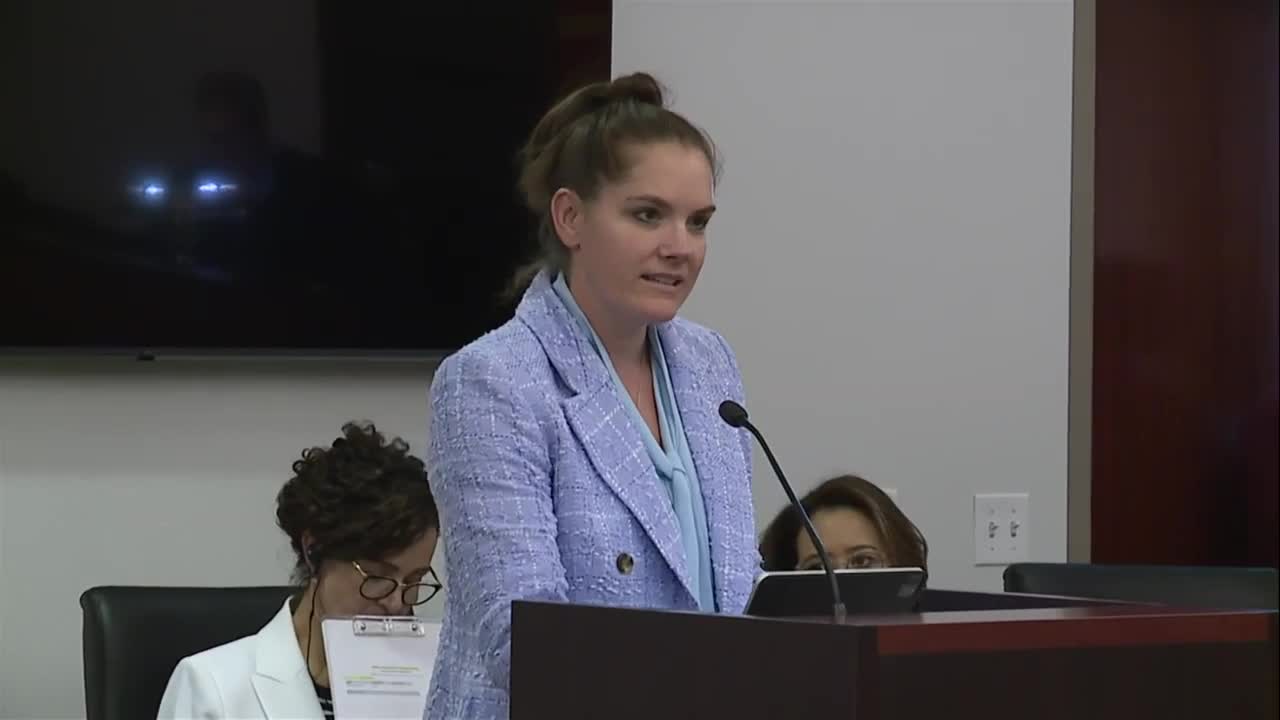
Under cross-examination, however, Deputy Prosecuting Attorney Christine Herrman questioned the psychologist's interpretation.

"What you described as profound despair can also be described as profound guilt?" Herrman asked.

"Yes," Whitehill answered.

"Assuming that Ashley did cause Freya's death, would you expect her to be remorseful?" Herrman asked the witness.

"Absolutely," he said.

The hearing is expected continue Monday, when Roberts will decide if she should consider the statements when weighing the defendant's fate.

After that, opening statements are expected Tuesday and the evidence phase of the trial will begin. The proceedings will be streamed on Court TV Extra.

E-mail | Print


Case background


advertisement


Contact us
©2007 Turner Entertainment Digital Network, Inc. A Time Warner Company. All Rights Reserved.
CourtTV.com is a part of the Turner Entertainment New Media Network.
Terms & Privacy Guidelines

 
advertisement