Return To Court TV Homepage  
>>>>>>
TRIALS
ABOUT COURT TV

U.S.

Trials

World

People

On Air

Video

Talk

Search


Updated November 4, 1999, 1:27 p.m. ET


McKinney reaches agreement to serve two consecutive life sentences
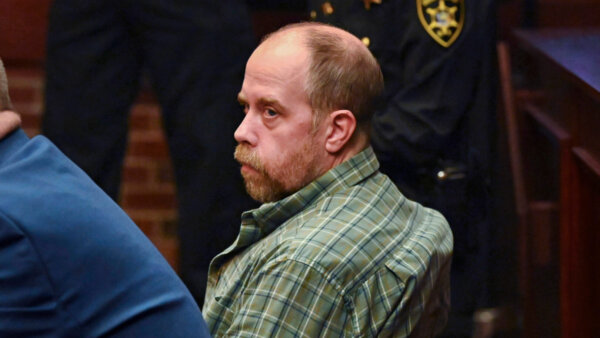
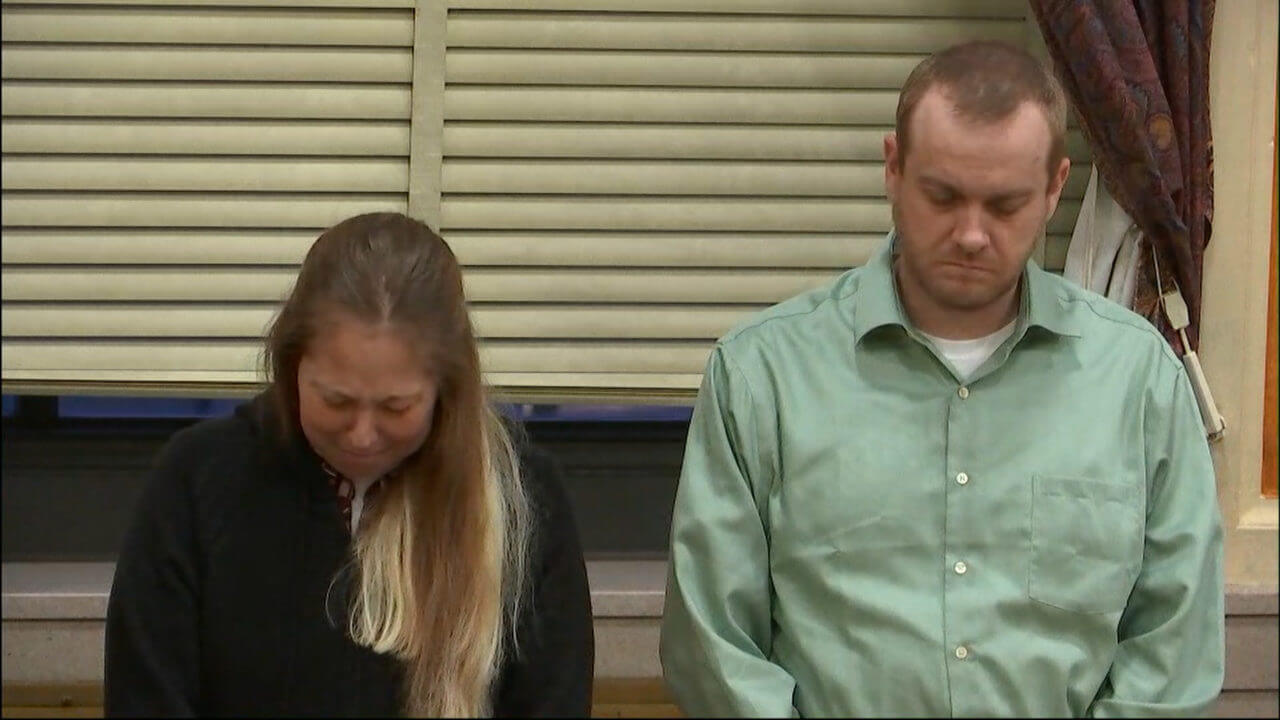
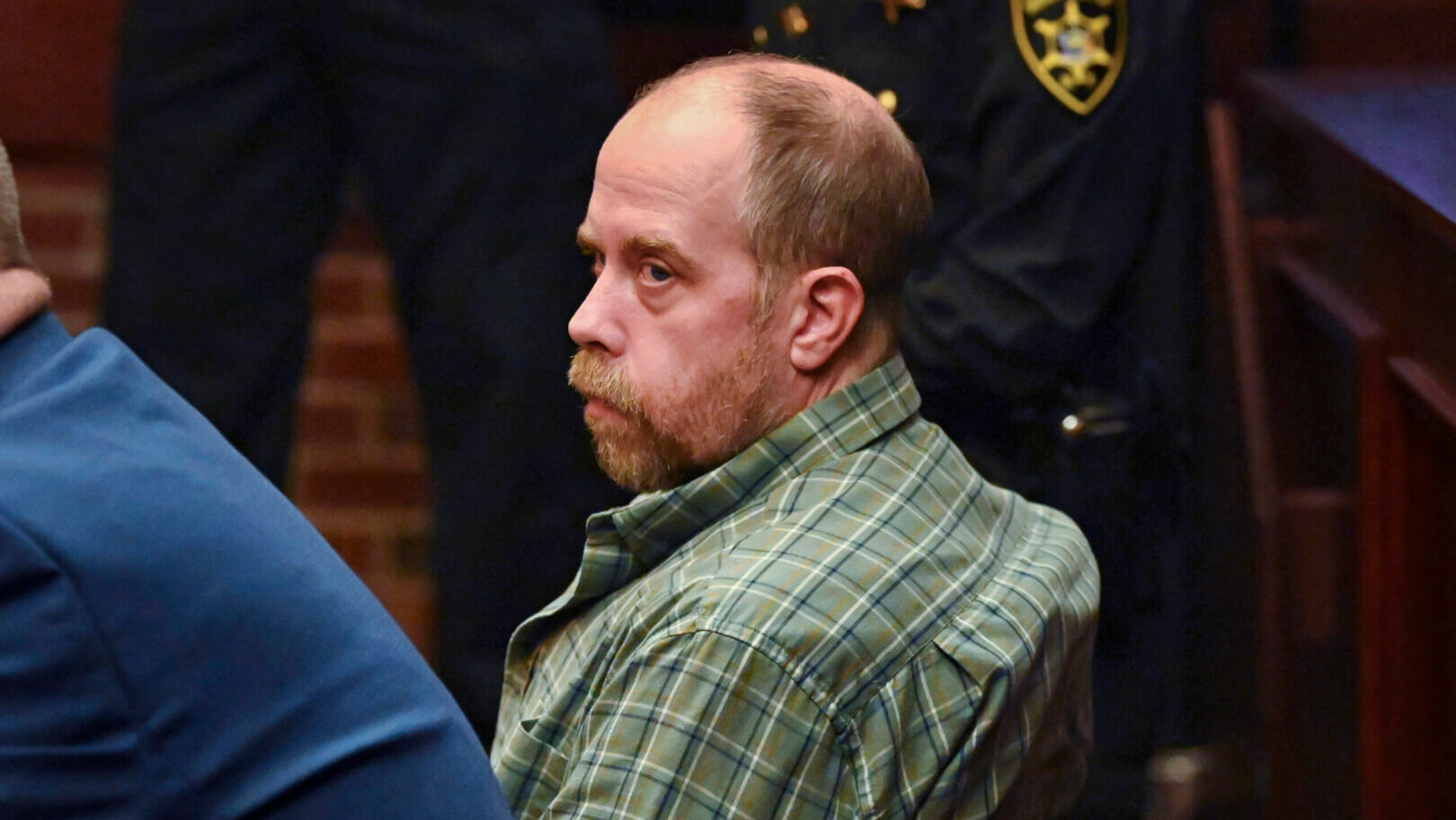
Dennis Shepard said his son Matthew will remain in death a symbol of the horror of hate crimes. By allowing Aaron McKinney to plea, the elder Shepard said, prosecutors will insure that McKinney does not become a symbol for anti-death penalty advocates. (Court TV)

           
THE MATTHEW SHEPARD SLAYING

            >>>> Discuss the case
>>>> Nov. 19 1998 Update

>>>> Dec. 11, 1998 Update

>>>> Russell Henderson's Guilty Plea and Sentencing

>>>> June 25 Update

>>>> Oct. 8 1999 Update (Background Report)

>>>> Oct. 11 (Jury Selection)

>>>> Oct. 14 Update

>>>> Oct. 22 Update

>>>> Oct. 25 Update (Opening Statements)

>>>> Oct. 26 Update

>>>> Oct. 27 Update

>>>> Oct. 28 Update (Morning)

>>>> Oct. 28 Update (Afternoon)

>>>> Oct. 29 Update (Morning)

>>>> Oct. 29 Update (Afternoon)

>>>> Nov. 1 Update (Morning)

>>>> Nov. 1 Update (Evening)

>>>> Nov. 2 Update (Closing Arguments)

>>>> Nov. 3 Update (Jury Deliberations)

>>>> Nov. 3 (The Verdict)


>>>> "Gay Panic" Ruling

LARAMIE, Wyo. (Court TV) — With the consent of the parents of slain gay student Matthew Shepard, Wyoming prosecutors agreed to let Aaron McKinney serve two consecutive life sentences without the possibility of parole — and thereby avoid the death penalty.

On Wednesday, McKinney was convicted of first-degree felony murder and second-degree murder in the 1998 beating death of Shepard. The jury acquitted McKinney of first-degree premeditated murder, but convicted him of aggravated robbery and kidnapping.

McKinney's two life sentences apply to the combined first-degree felony and second-degree murder and the kidnapping charge. By reaching a plea agreement, McKinney gave up his right to appeal his sentence.

McKinney's death penalty hearing was scheduled to begin Thursday. But, both sides reached a plea agreement that spared McKinney's life and gave him the same sentence his one-time co-defendant Russell Henderson is serving for his role in Shepard's beating death. Henderson pleaded guilty to felony murder in April.

Prosecutor Cal Rerucha said the defense had approached him with the plea offer after McKinney's conviction Wednesday. Rerucha admitted he did not even seriosly consider agreement. However, McKinney's attorneys then approached Shepard's parents, and they consented to the plea agreement. Rerucha said the plea would not have happened without the Shepards' support.

McKinney addressed Shepard's parents in court Thursday morning and apologized for the slaying.

"I really don't know what to say other than that I'm truly sorry to the entire Shepard family," McKinney said. "Never will a day go by that I won't be ashamed for what I have done."

Wyoming prosecutors said that McKinney and Henderson met Shepard in a bar, pretended to be gay and lured him into McKinney's truck where they intended to rob him. Shepard was pistol-whipped and beaten brutally and later tied to a fence. He was found 18 hours later and died in a hospital after five days in a coma.

Prosecutors never characterized Shepard's slaying as a hate crime; they portrayed the killing as a robbery-gone-bad. But a tearful Dennis Shepard told the court during McKinney's formal sentencing that his son Matthew will remain in death a symbol of the horror of hate crimes. By allowing McKinney to agree to the plea agreement, the elder Shepard said, McKinney will not become a symbol for anti-death penalty advocates.

"I would like nothing better than to see you die Mr. McKinney, but now is the time to heal," Shepard's father told the 22-year-old roofer. "Every time you wake up in your cell, remember you had the opportunity or the ability to stop your actions that night.

"Mr. McKinney, you will not become a symbol," the elder Shepard continued. "Just a miserable symbol and a more a more miserable end. That's fine with me."

McKinney's defense had claimed at trial that he did not intend to kill Shepard. McKinney's actions, his defense said, were partly aggravated by abuse of alcohol and drugs. McKinney's lawyers also argued that an alleged unwanted sexual advance by Shepard sent their client into a rage that led to the gay student's fatal beating.

Defense attorneys Dion Custis and Jason Tangeman would have wanted to further explore the alleged reasons for McKinney's violent reaction to Shepard's alleged advances, but could not. On Monday, Judge Barton Voigt barred McKinney's defense from presenting a so-called "gay panic defense."

The defense argued in opening statements that McKinney's "rage" — and his fatal beating of Shepard — was spurred partly by the defendant's own prior homosexual experience. The defense has contended that McKinney was sexually abused by a male neighborhood bully when he was 7 years old and had a "confusing" experience at age 15 with one of his cousins.

But Judge Voigt, unconvinced that McKinney's lawyers had found a legal basis or established relevance for their arguments, torpedoed that defense theory.

McKinney's lawyers insisted that they were not employing a "gay panic defense." They argued that McKinney's prior homosexual experience and abuse would help explain why he reacted the way he did to Shepard's alleged advance and would give insight into his state of mind.

— Bryan Robinson

Reported by Court TV's Clara Tuma.
   

Court TV Homepage

Site Map


<<<back Top of page  
Contact Us U.S. |  TRIALS |  WORLD |  PEOPLE |  ON AIR |  VIDEO |  TALK |  ABOUT CTV |  SEARCH 
      © 2000 Courtroom Television Network LLC. All Rights Reserved.
Terms & Privacy Guidelines

Copyright© 1999 Associated Press. All rights reserved. This material may not be published, broadcast, rewritten or redistributed.