By John Springer
Court TV
NORWALK, Conn. Kennedy cousin Michael
Skakel's murder trial took a hard right turn Friday as lawyers argued, sometimes heatedly, over whether incriminating statements allegedly made by a Skakel family tutor should be admitted as evidence in the case.
The defense wants jurors to hear 1992 videotape recordings made by a psychiatrist hired by the prosecution, in which the former tutor, Kenneth Littleton, can be heard saying that he once confessed to his wife that he beat Martha Moxley to death with a golf club in 1975.
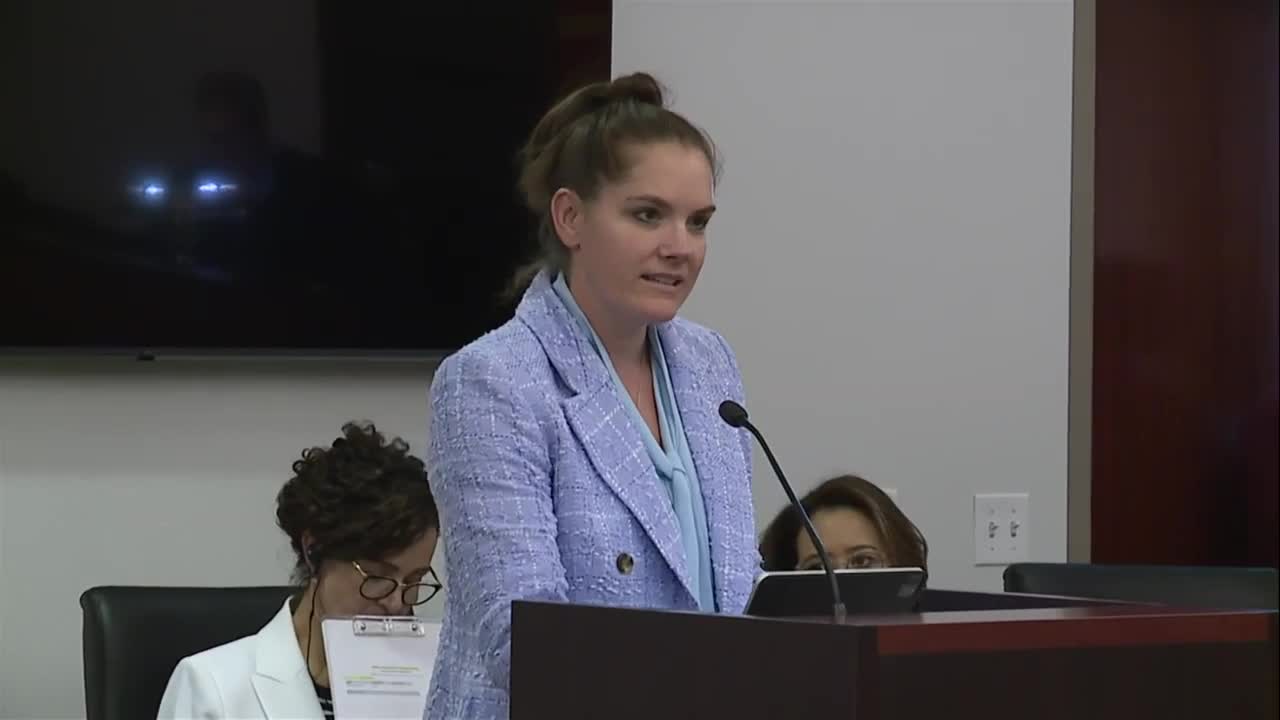
The issue of whether Littleton confessed to Mary Baker and whether jurors should hear about a bizarre scenario in which police used Baker as a sort of undercover agent were the heart of a contentious hearing that is holding up testimony in the long-anticipated trial.
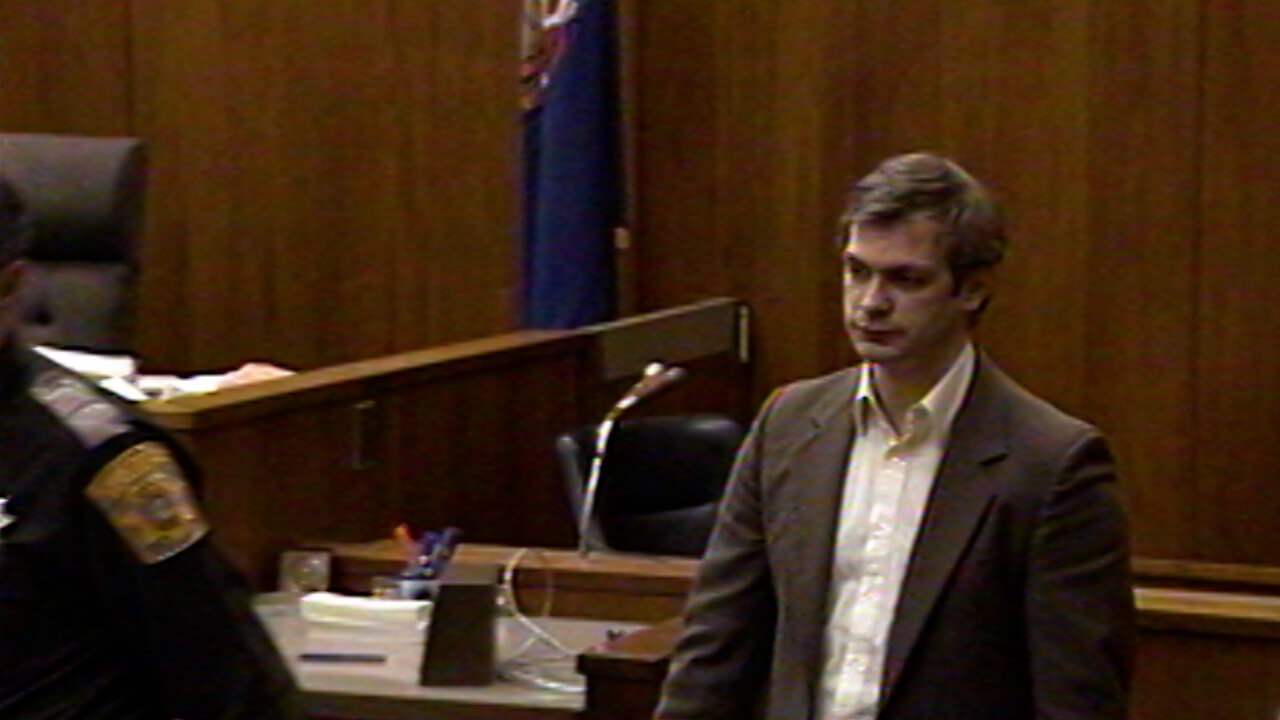
Littleton, an early suspect in the case, testified Friday outside the presence of the jury that he did not confess to the crime, but was instead referring to his now ex-wife's
assertion that he had admitted to killing Martha
during an alcoholic blackout on a road trip the couple took in 1984. Baker, who lives in Canada, testified
that Littleton never made any such admissions and that she
had planted the idea in his head at the suggestion of investigators from the prosecutor's office.
|
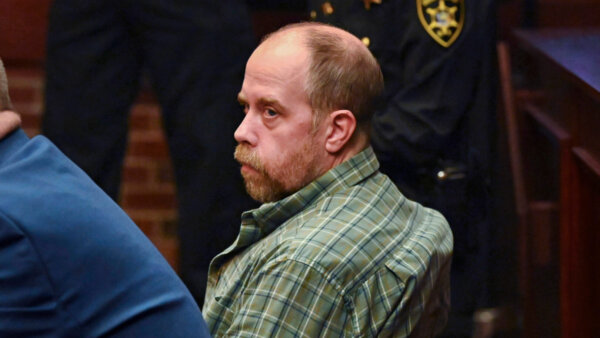
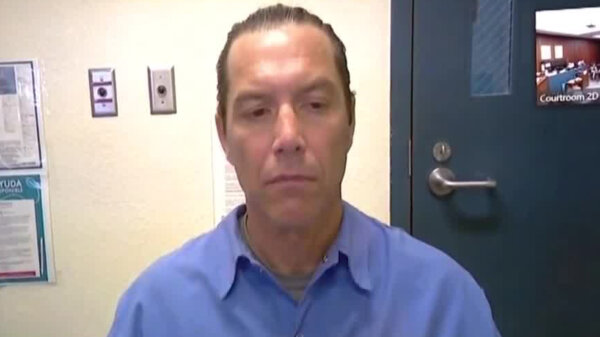
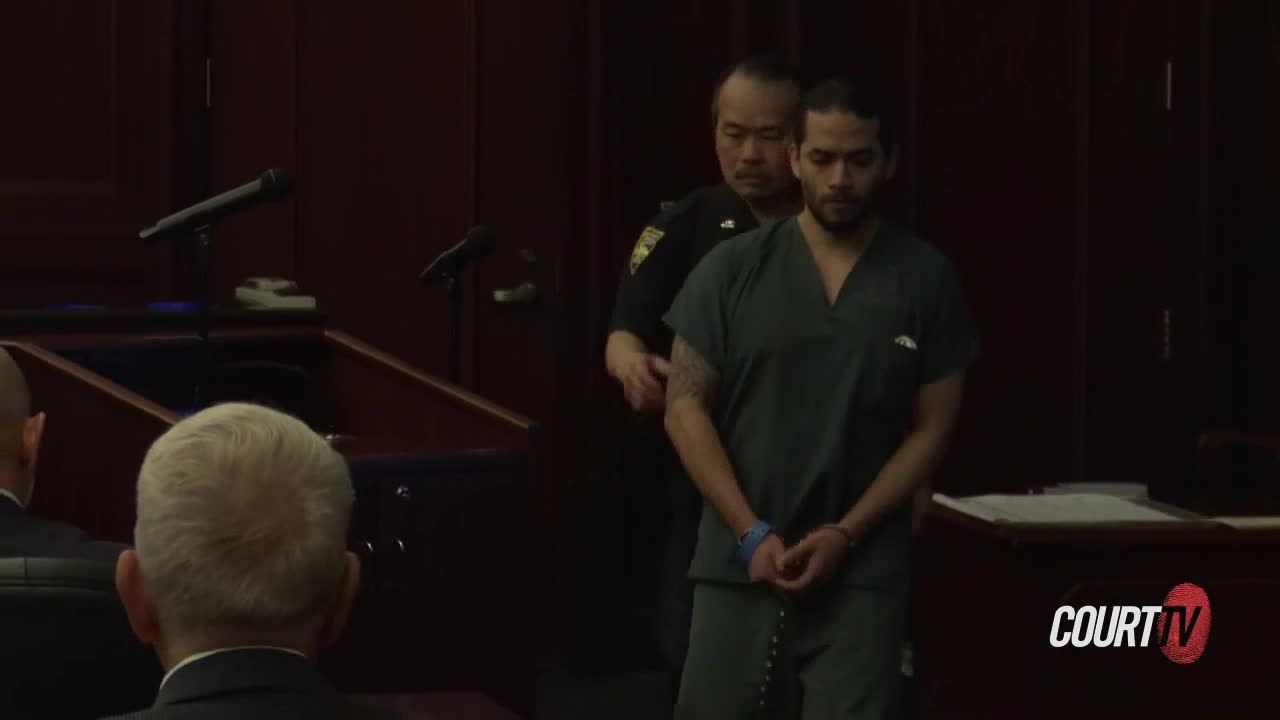
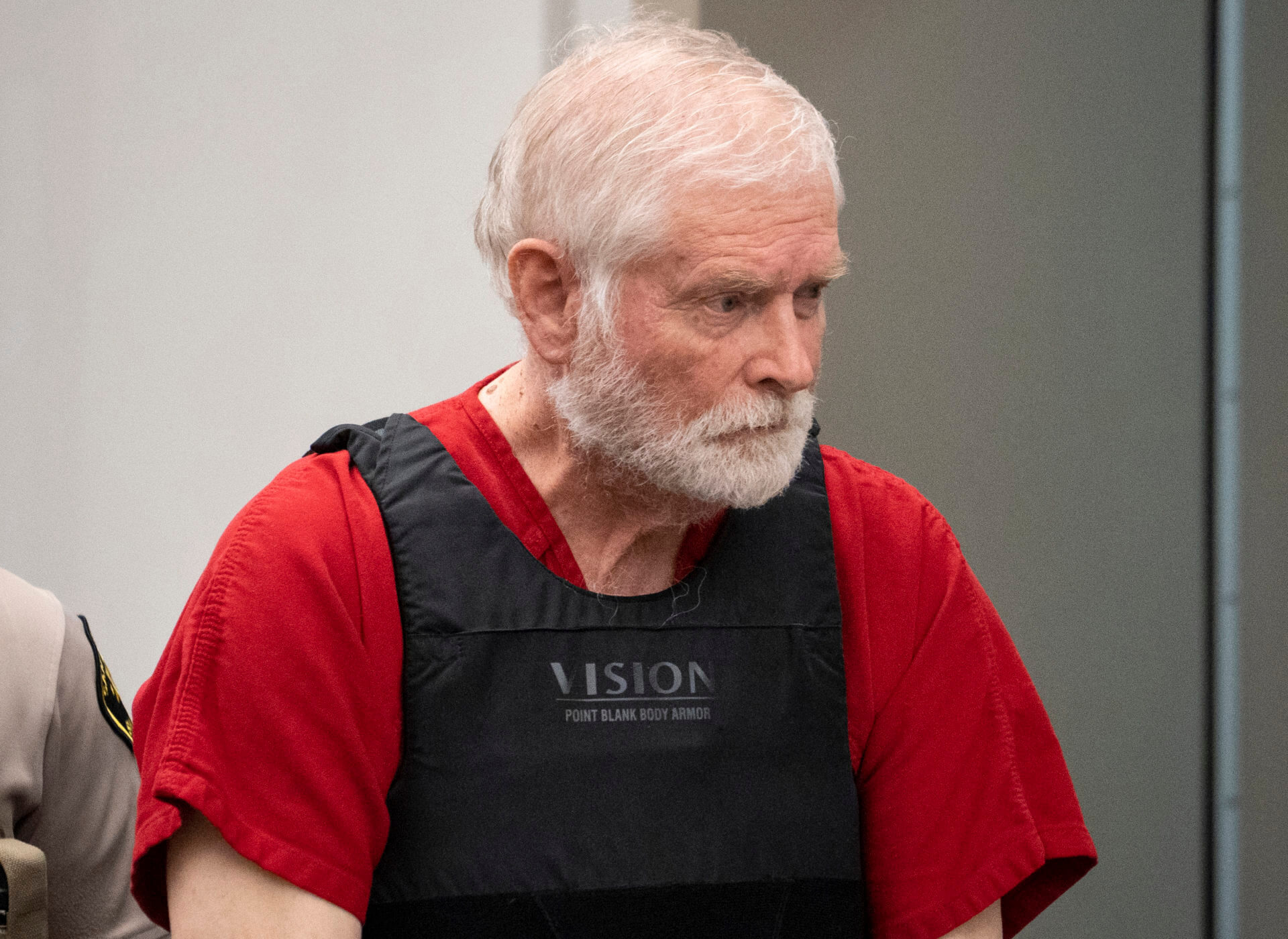
| Defendant Michael
Skakel |
The recordings were made a decade ago after
Littleton, 49, became
"the hot suspect" when the stalled investigation into
Moxley's murder was reopened in 1991, prosecutor Jonathan Benedict said in court.
Benedict was not the prosecutor in 1991, and has
said that
techniques
used then by investigators in an attempt to get Littleton to make a confession on tape were "bizarre." Baker says
investigators told her to tell Littleton he had confessed to see what he would say.
Former prosecution investigator Jack Solomon, now
the police chief
in
Easton, Conn., disputed Baker's account, testifying
Friday that
detectives
never asked her to tell Littleton he had admitted to
killing Moxley. Solomon
also testified that Baker was the one that told him
many times in his own
recorded interviews with her that Littleton had
questioned aloud whether he could have murdered Martha.
Benedict, put in the unusual position of having to
impeach a retired
investigator from his own office, noted that Solomon
never wrote in any
police report that can be found that Baker told him
Littleton thought
he
could have been involved.
Solomon said he was somewhat sure he had written it
down, but was
positive that numerous recordings should reflect what
Baker told
investigators. "There are tapes," said Solomon, who
was called by the defense.
Inspector Frank Garr, Solomon's former colleague
and current
prosecution
investigator on the case, disputed those claims. Garr
said Baker never told them Littleton had confessed to her. He said the only person to confess to anyone was Michael Skakel.
Garr said that after interviewing Baker, the
investigators "used her with
her agreement as an agent of ours and we sort of
guided her in how to conduct the conversations [with Littleton] in an attempt to get him to
open up and discuss the crime and possibly his complicity
in it."
The testimony directly contradicted Solomon's. "I
did not use her,"
Solomon testified. "We took her statements,
investigated them and we
took
every step in an effort to collaborate them."
What does all this mean? The defense is asking
Judge John Kavanewsky
for
permission to lay out the whole scenario before the
jury. Sherman said
jurors should decide whether or not Littleton
confessed to his ex-wife
and
exactly who is telling the truth.
Police can legally use trickery and deceit to get
someone to confess if it is truthful, but the defense
appears to be banking on the possibility that jurors
will find it unsettling. If nothing else, jurors could
conclude that during a period of time in the 1980s
when Littleton was drinking heavily even he was unsure
if he was involved in the crime.
|
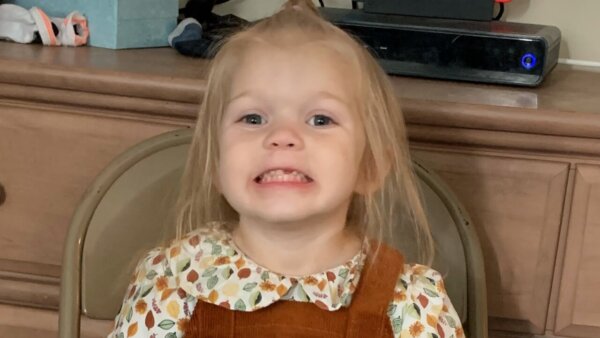
| Martha at age nine. |
Littleton testified in the jury's presence
Thursday, but his cross-examination was delayed until Monday and the jury was dismissed
for the day Friday so that the judge could hear arguments
on the admittance of
the recordings. Kavanewsky reserved decision but said
he would consider objections to Sherman's cross of
Littleton on a question by question basis. He may rule
later on what evidence the defense can put on in an
effort to raise doubt about Skakel's guilty by
pointing a finger at Littleton.
Both Garr and Solomon testified that Littleton headed
their list of suspects in 1991 and 1992. In an
11-page application to eavesdrop filed in court
Friday, Solomon told a Boston court in February 1992
that he believed that taping conversations between
Mary Baker and Kenneth Littleton could corroborate her
claim that Littleton contradicted statements to police
in conversations he made with her.
Among other things, according to the affidavit,
Baker told investigators that Littleton became
"obsessed" with the murder case the police interest in
him and feared that he might be implicated. Littleton
expressed concern to Baker, who divorced him in 1990,
that a "hunter" could stumble upon his pants and a
golf club in the "woods" and police could seek his
arrest.
While police listened in an adjoining room at a
Boston Howard Johnson's, Littleton and Baker discussed
statements that Baker claimed Littleton had made
previously. Solomon later got the eavesdropping
application sealed, telling a court that the effort
did not produce any investigative friend and that he
feared that Littleton was capable of harming Baker if
he learned she tried to help police.
Baker conceded that she lied to Littleton more than
10 times in an effort to get him talking. She said it
was a "new twist that the police suggested" and she
wanted to help clear up long-lingering questions about
Littleton's guilt or innocence.
"Why did you do it?" Sherman asked on cross
examination, somewhat more forcefully than he had
questioned 13 other prosecution witnesses during the
first three days of testimony in Skakel's trial.
"The reason I did it was because the police came to
my door ... Detective Solomon spoke a lot about Mrs.
Moxley's pain," Baker said, referring to Dorthy
Moxley, the victim's mother. She added later, "I did
what I thought was right. I'm just a simple person. I
have respect for the police ... I Thought it was the
right thing to do."
In the affidavit in support of the eavesdropping
warrant in 1992, Solomon wrote that Barker told police
that Littleton claimed in one conversation that he was
being "framed" and the defendant's brother, Thomas
Skakel, was using him an alibi.
Littleton
told jurors
on
Thursday that Thomas
Skakel, was watching television with him at about the
time it is widely
believed that Martha was attacked near the driveway of
her family's
estate
in the Belle Haven section Greenwich, Conn., on Oct.
30, 1975.
Solomon testified that when he retired in 1995 an unsigned
application for
Thomas
Skakel's arrest, dated sometime in 1976, was still
in the
prosecutor's
files. The document is missing and the defense is
still trying to have
it
located and turned over.
|