
Updated October 17, 2000, 12:30 p.m. ET
Florida v. Roten: Racially motivated or sheer coincidence?  
Jessy Roten is led in handcuffs to a police car after his arrest
CLEARWATER, Fla. (Court TV) — Teenager Jessy Roten claims he meant no harm shooting a semi-automatic rifle randomly in a residential neighborhood.

But when a bullet pierced a wall, killing a 6-year-old girl and injuring her two sisters, prosecutors not only charged Roten with murder, they charged him with a hate crime.

The bullet fired by Roten, an admitted skinhead, launched into the only biracial home in the St. Petersburg neighborhood. The 19-year-old faces life in prison if a jury finds him guilty of second-degree murder and that he was motivated by racial hatred.

A Weekend Visit
Six-year-old twins Aleesha and Ashley Mance lived with their mother in nearby Clearwater, but were spending the first weekend of April 1999 at the St. Petersburg home of their father, Terry Mance, who is black, and his fiancé, Tracy Townsend, who is white. Also visiting was the twins' 4-year-old half sister, Jailene Jones. (All three girls share the same mother.)

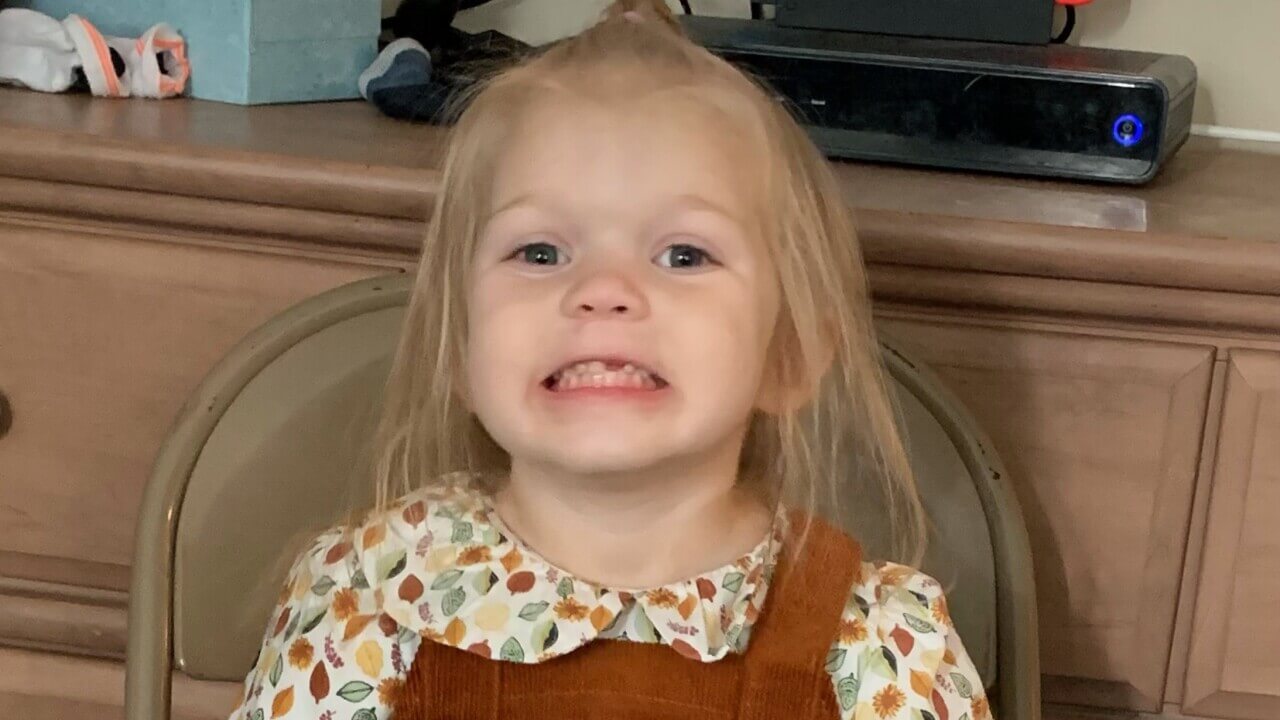
Before the weekend was over, Ashley was dead and Aleesha and Jailene were wounded.

The evening of April 3, the twins went to sleep alongside Jailene. As the three girls slept in the bed where Mance and Townsend usually sleep, gunshots could be heard outside the house at around 2:30 a.m.

The couple got up to check on the girls and stayed up for a couple of hours before heading back to bed.

Only minutes after they turned the lights off around 4:30 a.m., shots rang out again — but this time, a single bullet pierced the exterior of the house.

The single bullet struck all three girls, grazing Jailene's ear and hitting Aleesha's arm. The same bullet fatally wounded Ashley, entering through her right shoulder, piercing her lung and severing several arteries.

Mance performed CPR on the little girl, but she was pronounced dead at the scene.

Police found a dozen spent shell casings in the unpaved alley along the south side of the house, though only one bullet pierced the wall of the house.

Neighbor a Prime Suspect
Acting on a tip from neighbors, police went to a house down the street where Jessy Roten lived with his mother and stepfather.

Inside, they found racist paraphernalia in his bedroom and an SKS assault rifle under a piece of furniture in the garage. They also found a  .30-caliber bullet similar to a dozen spent casings found in the alley.

Police found a note on his bedroom door stating "Someone had too [sic] for race and nation — Jessy Roten. To all my brothers, see you in Valhalla." The note ends with a swastika. Valhalla is the hall of dead heroes in Scandinavian mythology.

When police searched Roten's room, they also found the parts to a bomb, which led to a separate charge that is still pending.

Roten was arrested that evening, and soon admitted that he fired the shots after having an argument with his girlfriend. He said he fired about a dozen shots into a tree.

The State's Case
Prosecutors say Roten shot deliberately into a neighbor's home because he didn't like the fact that a black man and white woman were living together. They say he walked past ten white-owned houses before firing his assault rifle into the Mance-Townsend home.

Roten was venting after a fight with his girlfriend and another man earlier in the evening, they say.

The night of the shooting, Roten argued with girlfriend Dana Molina because he didn't like her new short haircut and she left a party without giving him a goodbye kiss. Prosecutors say that same night, hours before the shooting, Roten was so angry he got into a fistfight with a friend, Todd Erbel, and pulled a knife on him.

Roten belonged to a local white supremacist group known as the "St. Petersburg Skins" who taunted Terry Mance and his white fiancé when they moved into the area in 1998, prosecutors further allege.

A key element of the state's case is the note found on Roten's bedroom door, which prosecutors say is akin to a confession.

George Harvell, a former skinhead who sold Roten the Chinese-made SKS .30-caliber assault rifle, will testify that he was in the room shortly before the shooting and did not see the note there then. Harvell was charged for illegally selling a weapon to a minor, since Roten was only 17 at the time. He pleaded guilty to the charge and was fined $403 and sentenced to 30 months probation.

Also expected to testify for the state are Mance, the medical examiner who performed the autopsy and a firearms expert who will say the rifle was in good condition and was not likely to fire accidentally.

The Defense
Roten denies that he specifically targeted the Mance-Townsend home. He told police he was fiddling with the weapon when it accidentally went off. In an audiotaped statement that will be played for jurors, he told police that after the gun misfired, he heard a girl cry and he fled.

His mother, Katherine Wooley, told reporters her son didn't intend to kill anyone. "He says it wasn't a deliberate thing," she said. "He didn't mean to do it."

One of the major hurdles for the defense will be the note found on Roten's door, but the defense says there may be another explanation for it. They haven't elaborated on what that explanation might be, but they did get the judge to appoint a defense psychiatrist to examine Roten.

The attorneys told the judge that after seeing that note they began to question whether Roten was sane and competent enough to stand trial, particularly after they learned that he had been hospitalized twice for psychiatric treatment in Texas.

Roten was deemed competent to stand trial last month, and the deadline for filing notice of an insanity defense passed without any such notice from the defense.

The Stakes
Roten was initially charged with premediated first-degree murder — a capital crime in Florida — but a grand jury chose to charge him with second-degree murder instead. He is also charged with two counts of second-degree attempted murder.

While second-degree murder carries a 30-year sentence, the panel raised the stakes to a life sentence by invoking a hate crime enhancement.

Though rarely used because prosecutors say it's hard to prove motivation, a 1989 state law allows a crime to be upgraded if it is deemed a hate crime.

Jury selection began Wednesday.


photo
Ashley Mance


Read the indictment


advertisement
©2000 Courtroom Television Network LLC. All Rights Reserved.
Terms & Privacy Guidelines

Small Court TV Logo