


Court TV Radio | Message Boards | Newsletters

Updated Jan. 24, 2007, 10:13 a.m. ET
Toxicologist who ruled arsenic caused Marine's death admits he doubted test results


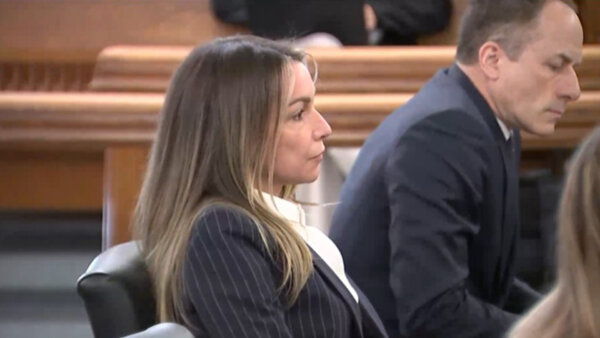
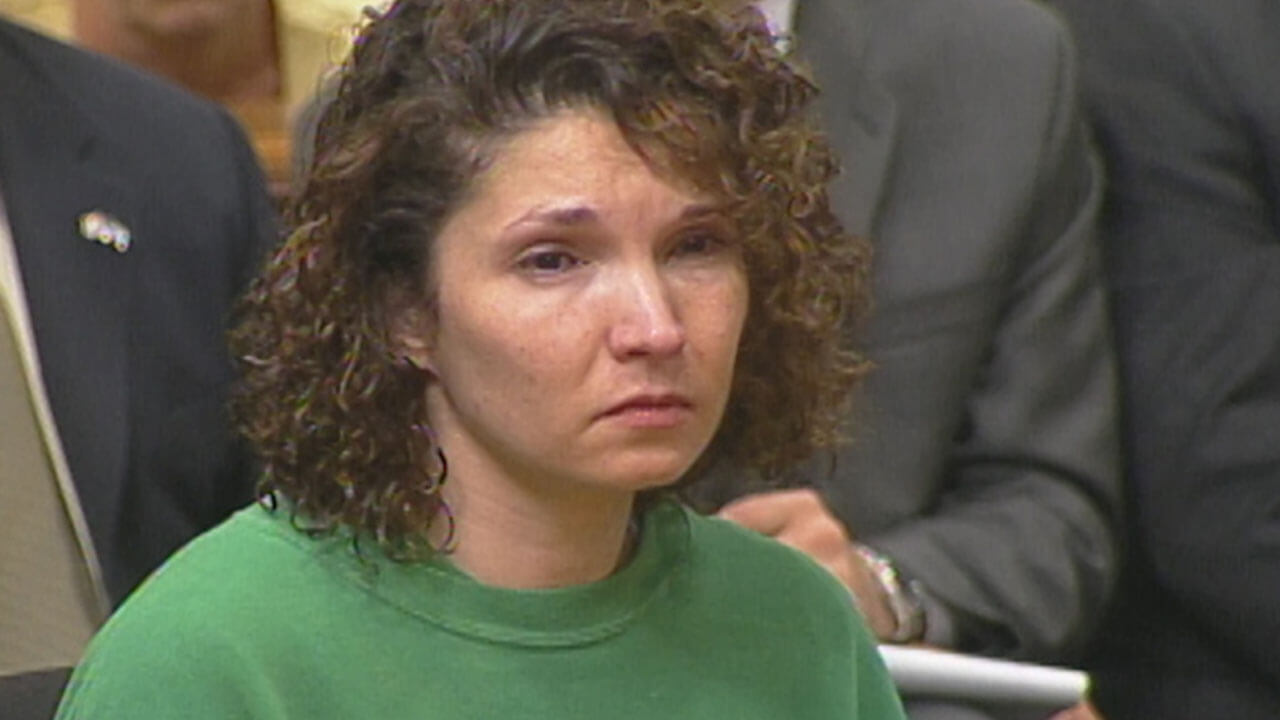
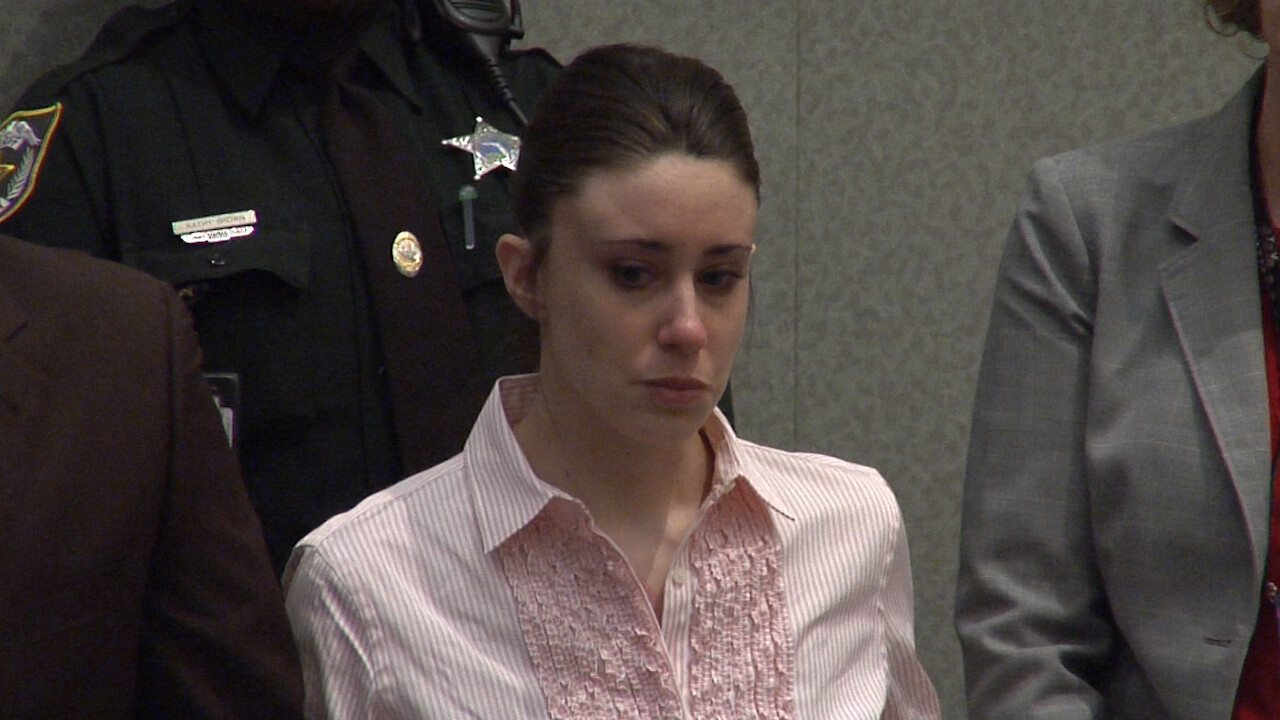
Cynthia Sommer
Cynthia Sommer could face life in prison if convicted of killing her husband.
FULL COVERAGE: The Cynthia Sommer Trial
FULL COVERAGE

SAN DIEGO — A chief prosecution expert in the case of a 33-year-old woman accused of poisoning her Marine husband with arsenic admitted Tuesday that he initially had reservations about the test results — and considered whether the dead man's tissues had been contaminated.

"I had never seen such high levels of arsenic," said Dr. Jose Centeno, chief of the Division of Biophysical Toxicology, Department of Environmental and Toxicologic Pathology at the Armed Forces Institute of Pathology (AFIP).

Centeno confirmed his initial concerns after the defense questioned him about an e-mail he sent to San Diego County's Chief Medical Examiner Dr. Glenn Wagner in February 2005.

In the e-mail, Centeno told Wagner he was "surprised" by the high levels of arsenic found in Sgt. Todd Sommer's liver and kidney, which were inconsistent with the negative results in the Marine's blood and urine. He said he had considered, and then rejected the possibility, that the samples could have been contaminated upon collection.

Todd Sommer was a healthy 23-year-old father of a toddler when he died suddenly on Feb. 18, 2002. An autopsy revealed no abnormalities. His tissues were frozen for later examination, his body was cremated, and his cause of death was ruled heart failure.

But 14 months later, scientists at AFIP conducted heavy-metals tests on his tissues and found 1,020 times the acceptable level of arsenic in his liver and 230 times the normal level in his kidney.

His wife, Cynthia Sommer, faces life in prison if convicted of murdering her husband with poison to receive more than $250,000 in his veteran's benefits.

Investigators found no evidence linking the mother of four to arsenic. Sommer claims she has nothing to do with Todd's death. She took the stand in her own defense last week and cried as she listened to a recording of her 911 call the night Todd collapsed in their home.

Deputy District Attorney Laura Gunn says that the defendant was the only one close enough to Todd Sommer to dose him with the lethal poison, that she was living beyond her means and had financial motive, and that she grieved inappropriately.

As part of her surrebuttal case, Gunn will call former friends of the defendant Wednesday who are expected to testify about sexual encounters Sommer had after Todd's death, and a trip to Tijuana, where she entered a wet T-shirt contest and flashed her new breast implants.

The defense rested Tuesday morning after four days of testimony, including expert witnesses who assailed AFIP's quality-control measures and expressed grave doubts that Todd died from acute arsenic poisoning.

Experts on both sides have testified that Todd Sommer would have to have received a massive dose of arsenic for his liver tissues to reveal 1,020 times the normal levels.

But the defense's arsenic expert, who was initially contacted by prosecution investigators, testified Friday that given such a high number in the liver, researchers should have also found arsenic in Todd's blood, urine, brain and muscle, as well as microscopically visible damage to his organs.

Prosecutors recalled AFIP's Centeno to the stand Tuesday to defend his lab's practices and procedures, and to rebut the suggestion that the tests on Todd's tissues were flawed.

While Centeno testified in great detail to his lab's testing protocol, he conceded AFIP would not have any knowledge of the chain of custody from the time Todd's tissues were collected in 2002, to the time they arrived at AFIP in March 2003.

Centeno stated that he did not now believe Todd's samples were ever contaminated.

"You certainly were concerned about it as late as February '05, weren't you?" Udell asked, holding up Centeno's e-mail to Wagner.

Centeno explained that he contacted an investigator in the case, who contacted the pathologist to find out if anything used during autopsy contained arsenic-bearing contaminants, such as embalming fluid or saline solution. He was told nothing was used that would act as a contaminant.

"And that was the end of it?" Udell asked.

Centeno said he had the tissues retested. After achieving the same results, he said, he was satisfied that the samples were good.

Centeno also confirmed that the technician who conducted the tests on Todd's tissues had never done arsenic testing before.

"Pretty sophisticated test?" Udell asked.

"Yes," Centeno said.

"And we have all these controls because the most experienced technician can make mistakes?" Udell said. "You're not telling us AFIP's never made a mistake?"

"No," Centeno said. "We have made our mistakes."

The trial is being shown live on Court TV Extra.


Advertisment


|
|
|
|
|
|
|
COURTTV.COM
|
|
|
UTILITIES
|
|
|
|
|
|
COURT TV SITES
|
CORPORATE
|
|
|
|
TM & © 2007 Courtroom Television Network, LLC. A Time Warner Company. All Rights Reserved.
CourtTVnews.com is a part of the Turner Entertainment New Media Network.
Terms & Privacy guidelines