
|
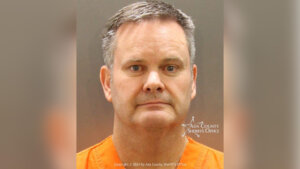
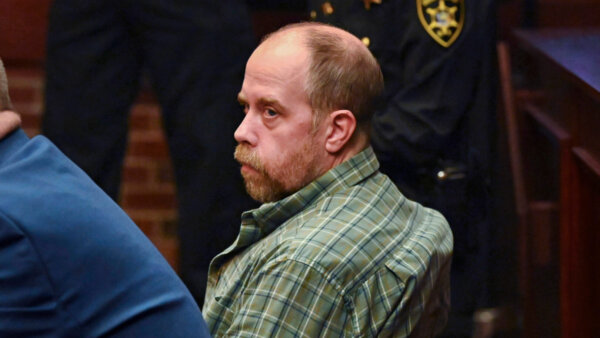
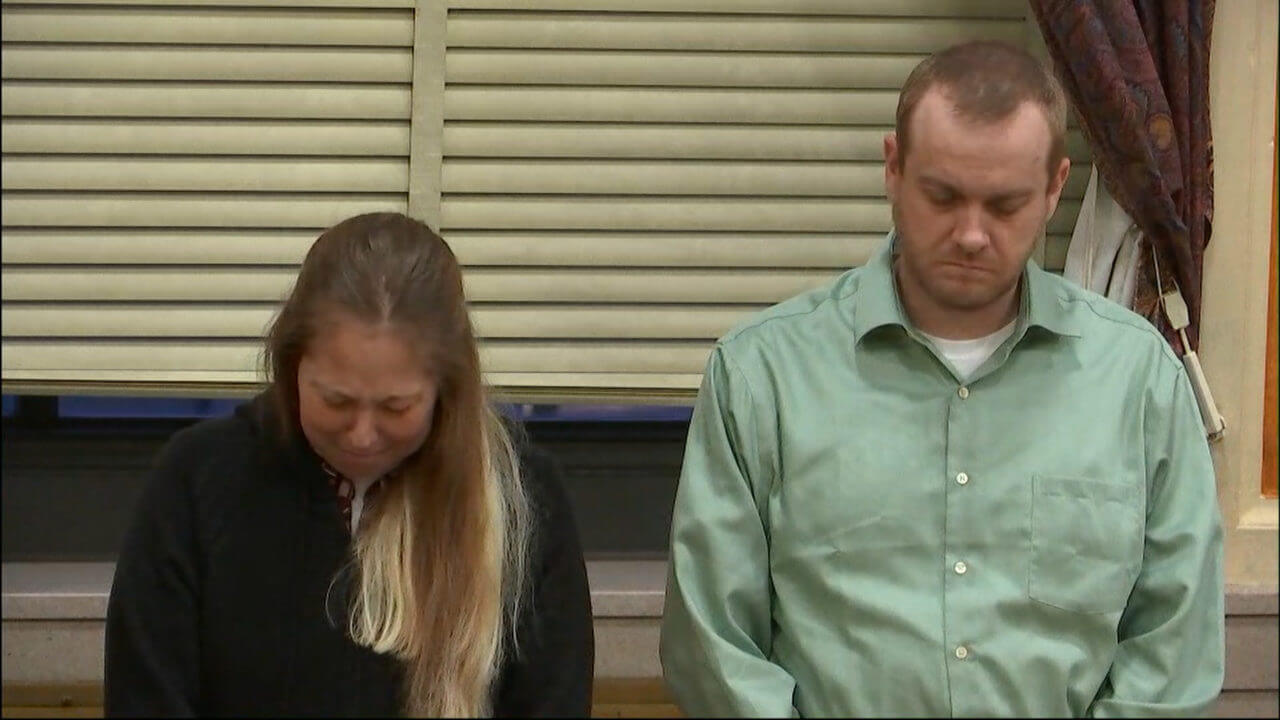
(Court TV) After spending the day drinking with friends along the Pensacola Beach Boardwalk, 24-year-old Eric Smallridge headed home behind the wheel of his Jeep. On May 10, 2002, University of West Florida junior Eric Smallridge spent the day on the beach playing Frisbee and drinking with friends. The party moved across the street to a Hooters restaurant, where Smallridge's group drank beer and ate chicken wings until about 7 p.m. Friends estimated Smallridge drank about 13 beers throughout the afternoon and early evening. After going home to shower, Smallridge returned to Pensacola Beach at about 10 p.m. He allegedly drank another two or three rounds at local bars before heading back to his 1998 Jeep Cherokee at approximately 2 a.m. Discovering that his car's battery was dead, Smallridge asked a friend, Michael "Butterbean" Maddrey, for a jump-start. Though Maddrey said he asked Smallridge whether he was too drunk to drive, he helped him start his car anyway. Smallridge drove off toward his Pensacola apartment. As Smallridge traveled along Highway 98 in Gulf Breeze en route to the Three Mile Bridge that connects Gulf Breeze to Pensacola, college students Lisa Dickson and Meagan Napier were driving along the same road in Dickson's Mazda. Another driver, Alison Feeney English, recalled seeing Smallridge's Jeep pass her. Later she saw the Jeep again while waiting at a red light at Fairpoint Blvd. English was in the far left lane, while Smallridge's Jeep was in the middle lane. In the right lane was a white Camaro, according to English. English recalled hearing Smallridge rev his Jeep's engine at least once as the three vehicles were stopped at the light. When the light turned green, the Jeep and Camaro accelerated rapidly through the intersection, English said. By the time English saw the Jeep again, the tragedy had occurred. Smallridge was traveling in the middle lane over the 35 mph speed limit when his Jeep veered into the left lane and collided with the Mazda. The Jeep flipped several times before coming to stop on its wheels farther up Highway 98. The Mazda, however, was less fortunate. The impact pushed the car into the median, where it slammed into a tree. Medical personnel reported that both women died instantly. When paramedics arrived, Smallridge refused medical attention, but emergency personnel noticed slurred speech and the smell of alcohol. An official blood kit was used to get a blood sample from him about an hour after the crash. In accordance with police procedure, Smallridge was allowed to go home pending the results of the blood test. On May 30, 2002, the lab results came in. Two separate tests showed Smallridge's blood-alcohol content was over .20 — more than twice Florida's legal limit of .08. Smallridge was arrested and charged with two counts of DUI manslaughter and two counts of manslaughter by culpable negligence. The Defense's Case Smallridge admitted he drank too much on the day leading up to the crash, but claimed alcohol played no part in the accident itself. Defense lawyers James Owens and Jerry Allred contended the only reason Smallridge moved into the left lane, where the Mazda was traveling, was because of the white Camaro's actions. Smallridge claimed that the Camaro cut him off, and that he did what any reasonable driver would do to avoid an accident. He unwittingly caused the fatal accident — but, said the defense, it had nothing to do with drunkenness. By blaming the Camaro's driver, Jeremy Lyle Burkett, the defense hoped the jury would find that Smallridge was in no way responsible for the crash. The defense also denied that any drag racing took place. The defendant didn't know Burkett, nor did any expert estimate Smallridge's speed at more than 100 mph, a common pace for a drag race. Smallridge's lawyers said their client was indeed revving his engine at the stoplight, but that was to help charge the battery, which had just been jumped before Smallridge headed home. The defense maintained the accident was entirely precipitated by Jeremy Burkett, leaving Smallridge no choice. The State's Case Prosecutors John Molchan and Rick Scherling maintained that Eric Smallridge was criminally responsible for the deaths, based on the fact that his blood-alcohol level was more than .20. The prosecution submitted that even if the defense convinced the jury that Burkett instigated the accident, Smallridge's reactions were alcohol-impaired to the point that he could not safely steer out of danger. In addition, even in an impaired state, Smallridge had chosen to drive considerably faster than 35 mph. Furthermore, the DUI homicide statute reads that Smallridge would be guilty if he "caused or contributed to" the deaths of Dickson and Napier. If the jury found Smallridge even slightly responsible, the prosecution said, the jury must convict on the top count. Prosecutors also charged Smallridge with manslaughter by culpable negligence. Under this theory, if the jury rejected that alcohol influenced the crash or that Smallridge was at all responsible, they could still convict him of this lesser count if they found the accident resulted from a drag race. The Stakes If convicted of the top count, DUI manslaughter, Smallridge faced ten to 15 years in prison for each count — a maximum of 30 years behind bars. The Verdict |