







The trial of Chad Daybell, accused in the death of his first wife and the two youngest children of his second wife, Lori Vallow, is... More
The Latest News
View All

Someone walking the beach along Lake Michigan found more remains, which are believed to be that of Sade Robinson. More
The defense argument centers around evidence in the case that they say the prosecution should never have had access to. More

This podcast episode features Hannah Gutierrez’s sentencing in full: From victim impact statements to the judge handing down her sentence. More

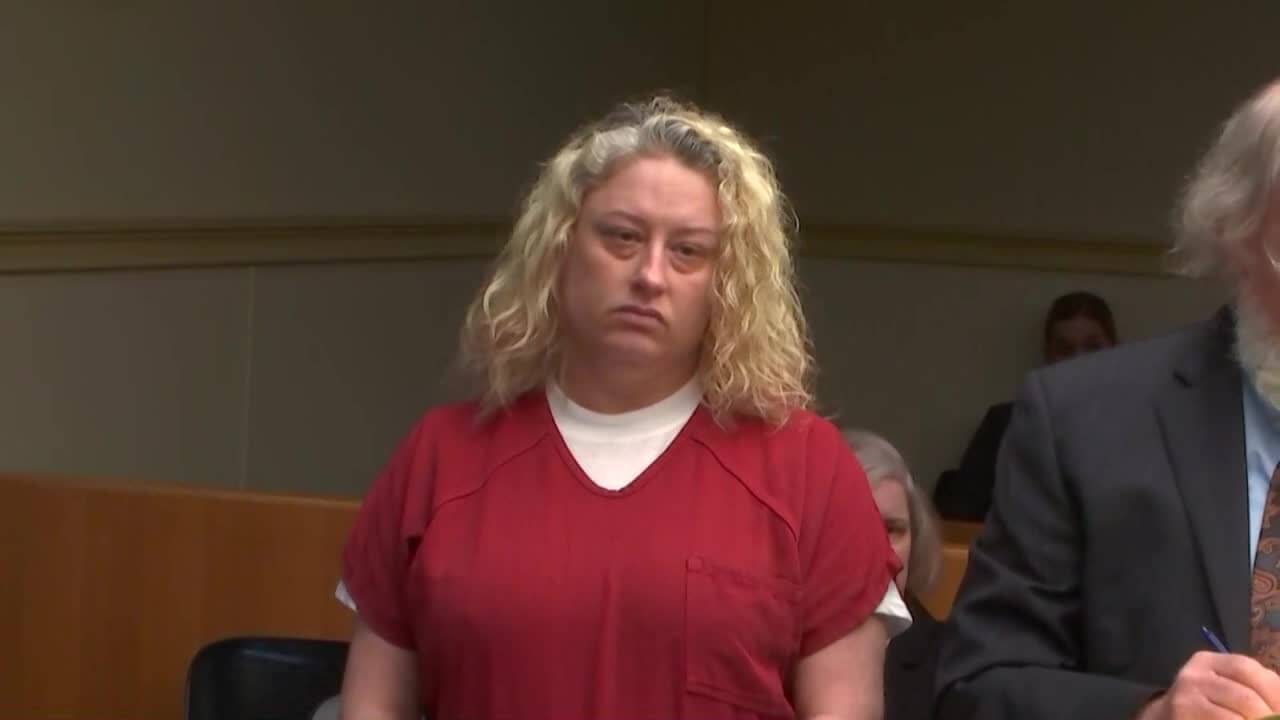
UPDATE: Robin Howington was sentenced to 22 years in prison for the shooting death of her 5-year-old daughter. More
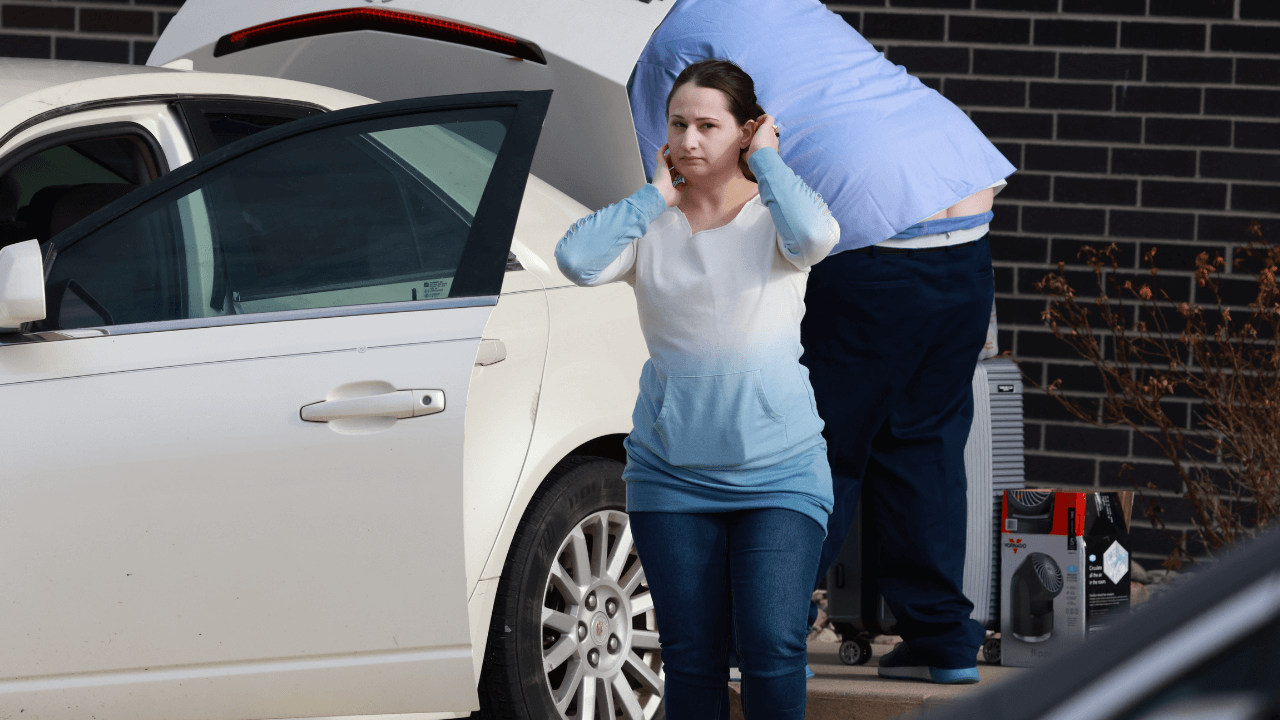
In her petition for divorce, Gypsy Rose has asked for spousal support from Ryan Anderson, with whom she has lived since leaving prison. More

Jaylen Griffin disappeared in Aug. 4, 2020, while walking his dog. His body was found April 12 in the attic of a four-unit apartment home. More

Arizona rancher George Alan Kelly is accused of killing a Mexican man on his land near the U.S.-Mexico border. More

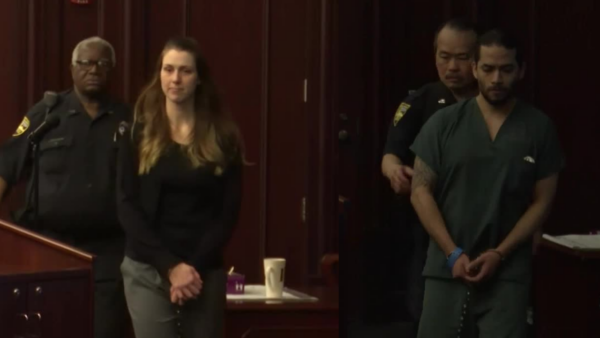
The mother of Kinsleigh Welty and her boyfriend appeared in court on charges related to the child's death. More

Tifany Adams admitted to police that she was responsible for the deaths of Veronica Butler and Jillian Kelley. More
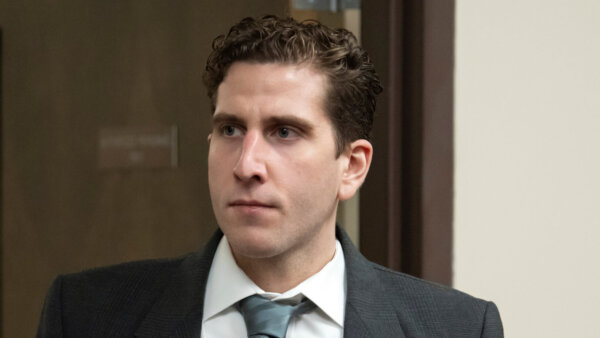
Bryan Kohberger's defense describes him as 'an avid runner and hiker.' They claim his phone data supports his tendency to take 'nighttime drives.' More
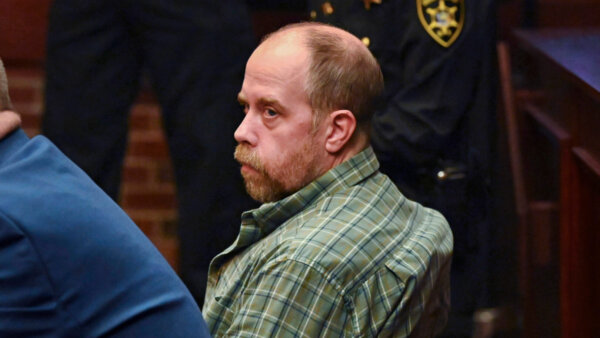
Craig Ross was sentenced to 47 years to life in prison for kidnapping and sexually assaulting a 9-year-old girl from a NY state park. More






TRIAL ARCHIVES
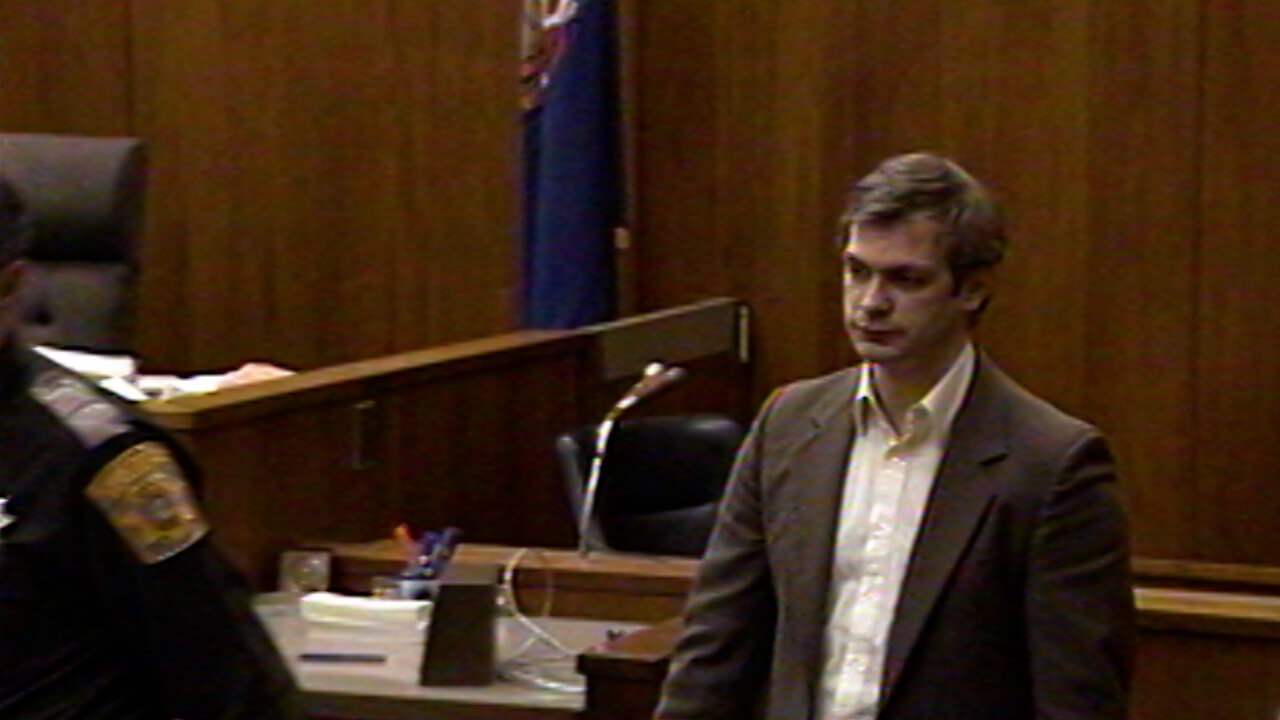

WI v. DAHMER (1992)
Jeffrey Dahmer is facing life in prison or admittance to mental institution for the killings of 15 boys and men.
WATCH NOW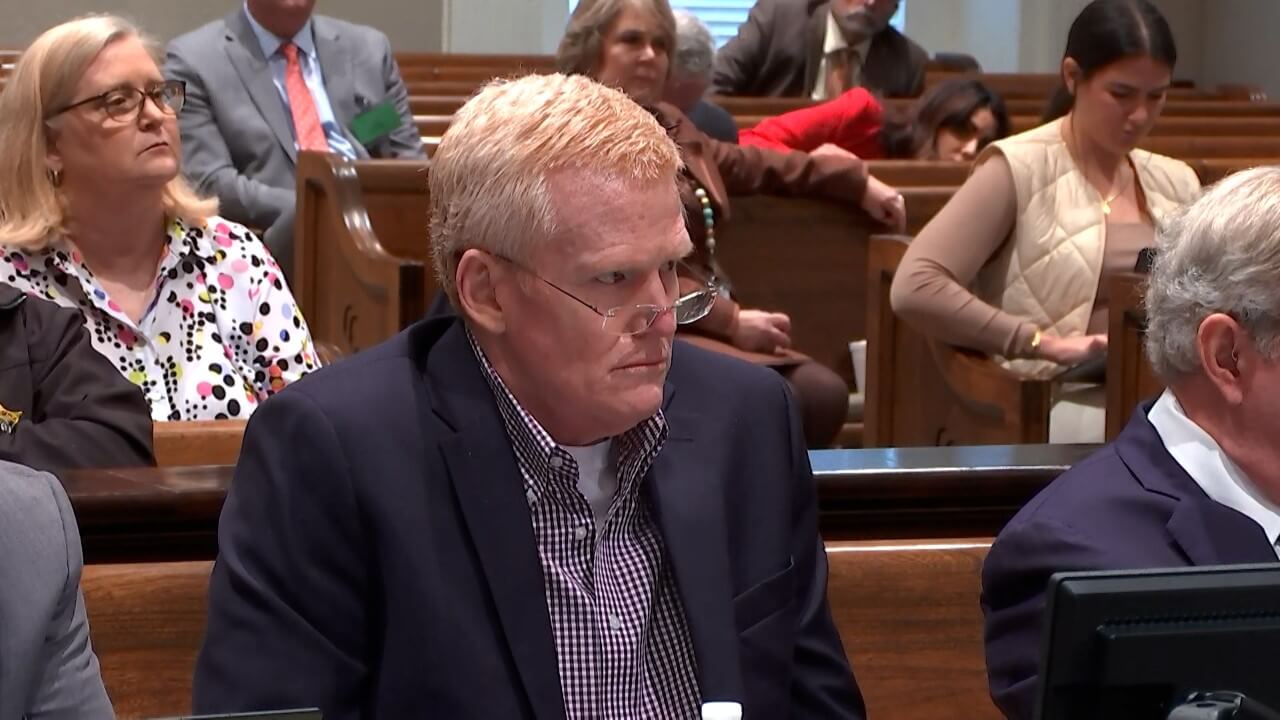
SC v. MURDAUGH (2023)
Alex Murdaugh is accused of killing his youngest son, Paul, and wife, Maggie.
WATCH NOW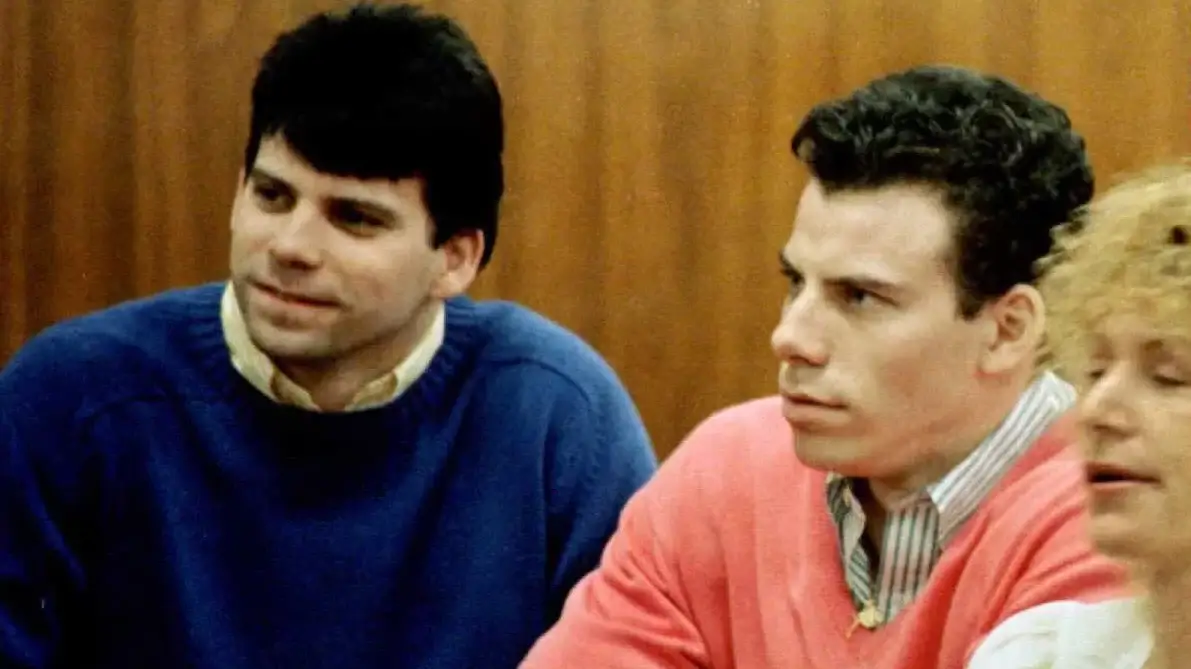
CA v. MENENDEZ (1993)
Brothers Lyle and Erik Menendez are on trial for the shotgun murders of their parents, Jose and Kitty Menendez.
WATCH NOW
SC v. COLUCCI (2018)
Michael Colucci is on trial for the 2015 strangulation death of his wife, Sara Lynn Colucci.
WATCH NOW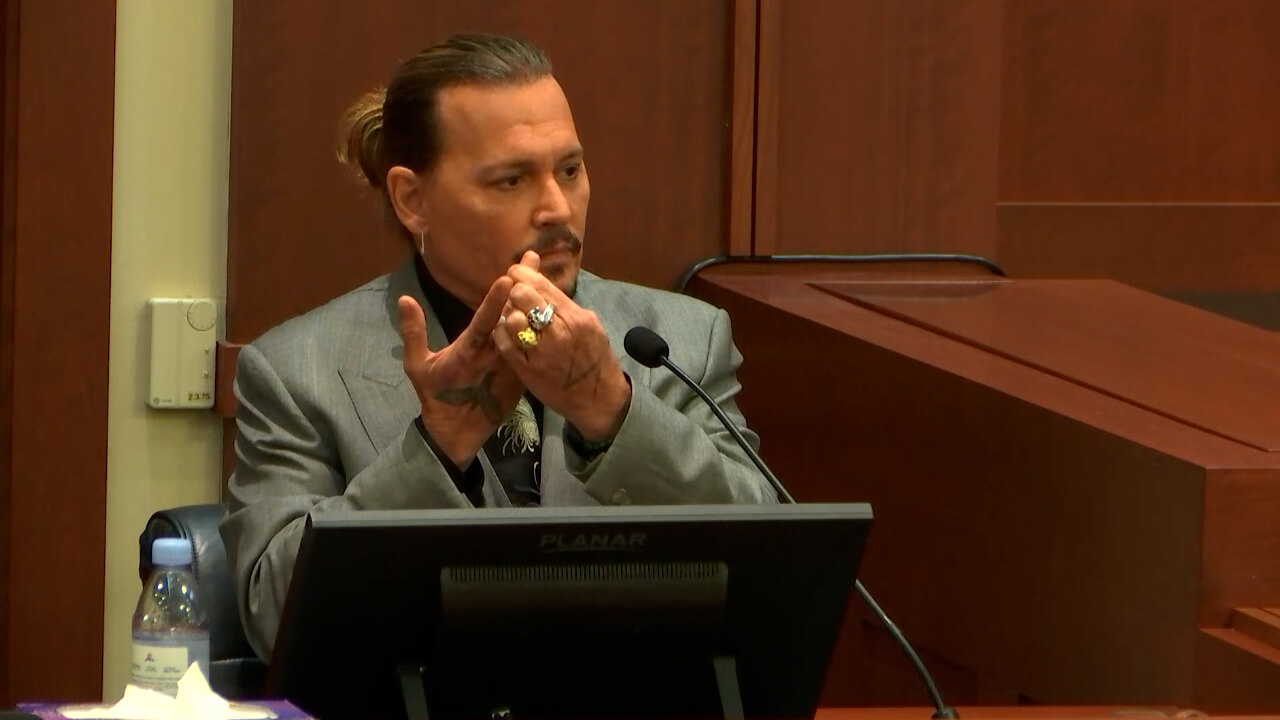
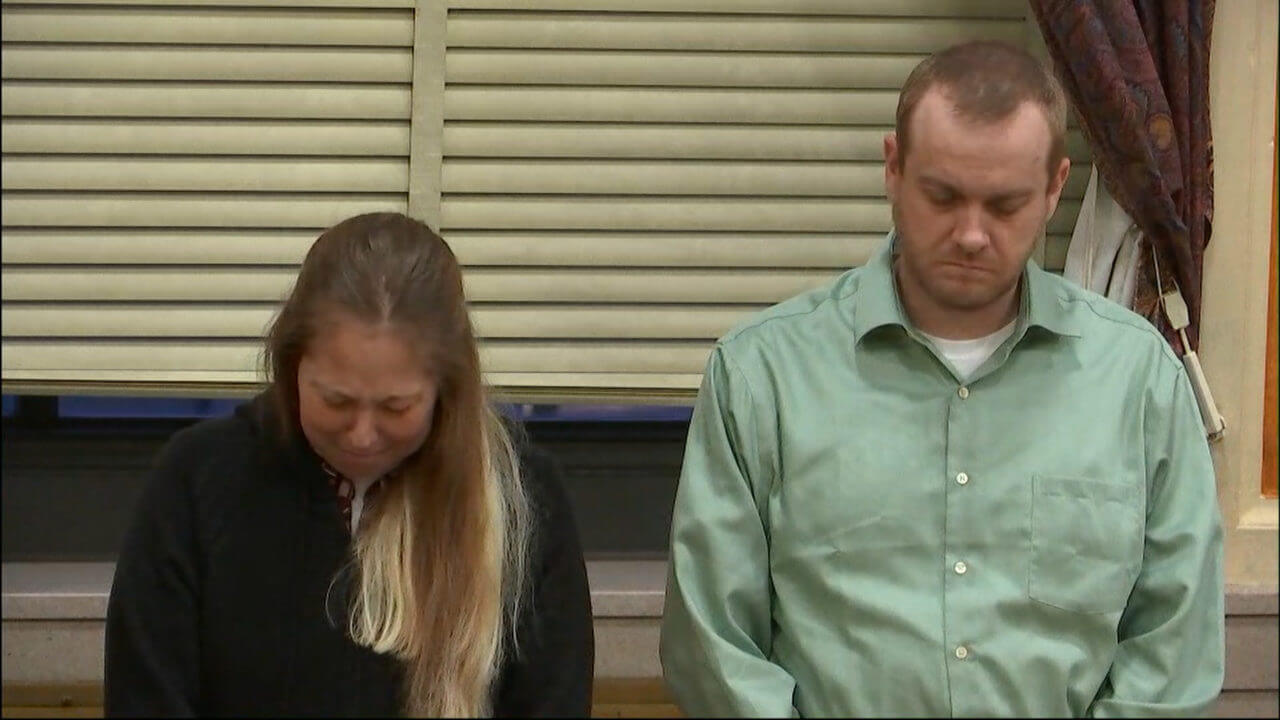
OH v. GROVES (2020)
Daniel and Jessica Groves are facing life in prison for the death of their baby whose body was found in a well.
WATCH NOW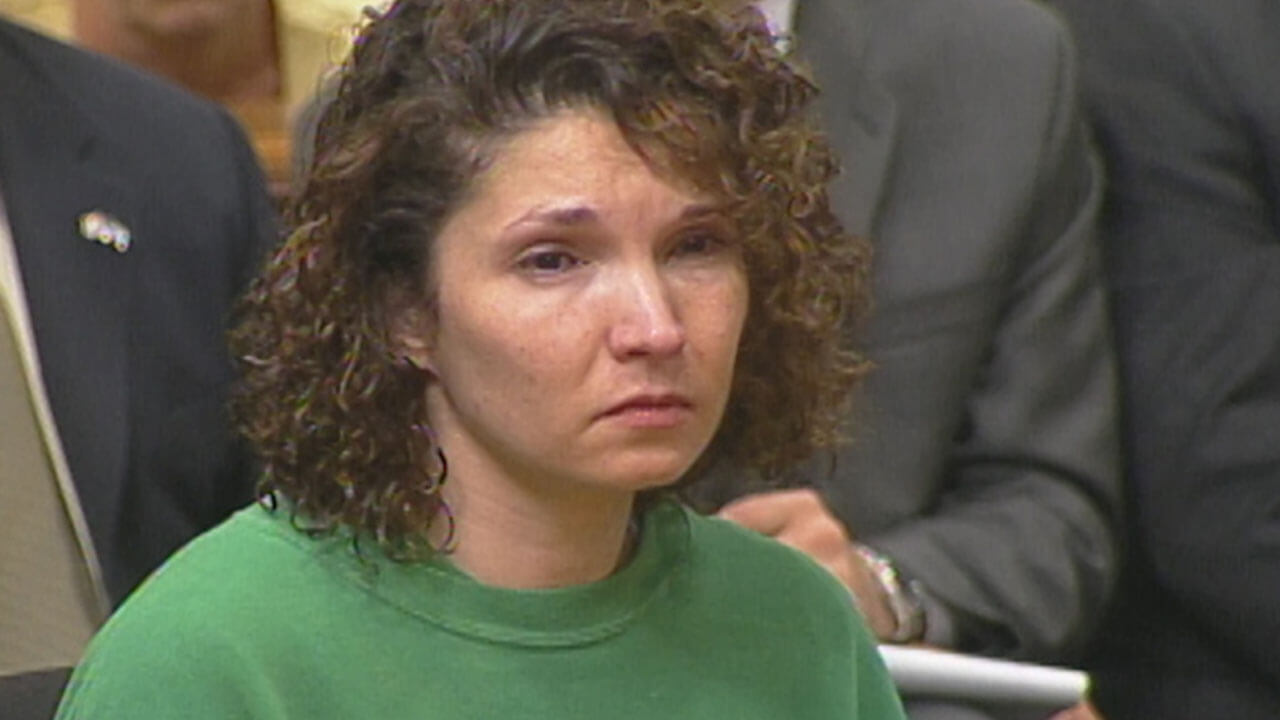
NJ v. MCGUIRE
Melanie McGuire is on trial for the murder of her husband, whose dismembered body was found stuffed in multiple suitcases.
WATCH NOW
FL v. ANTHONY (2011)
Casey Anthony is on trial for the 2008 murder of her 2-year-old daughter, Caylee.
WATCH NOW