By John Springer
Court TV
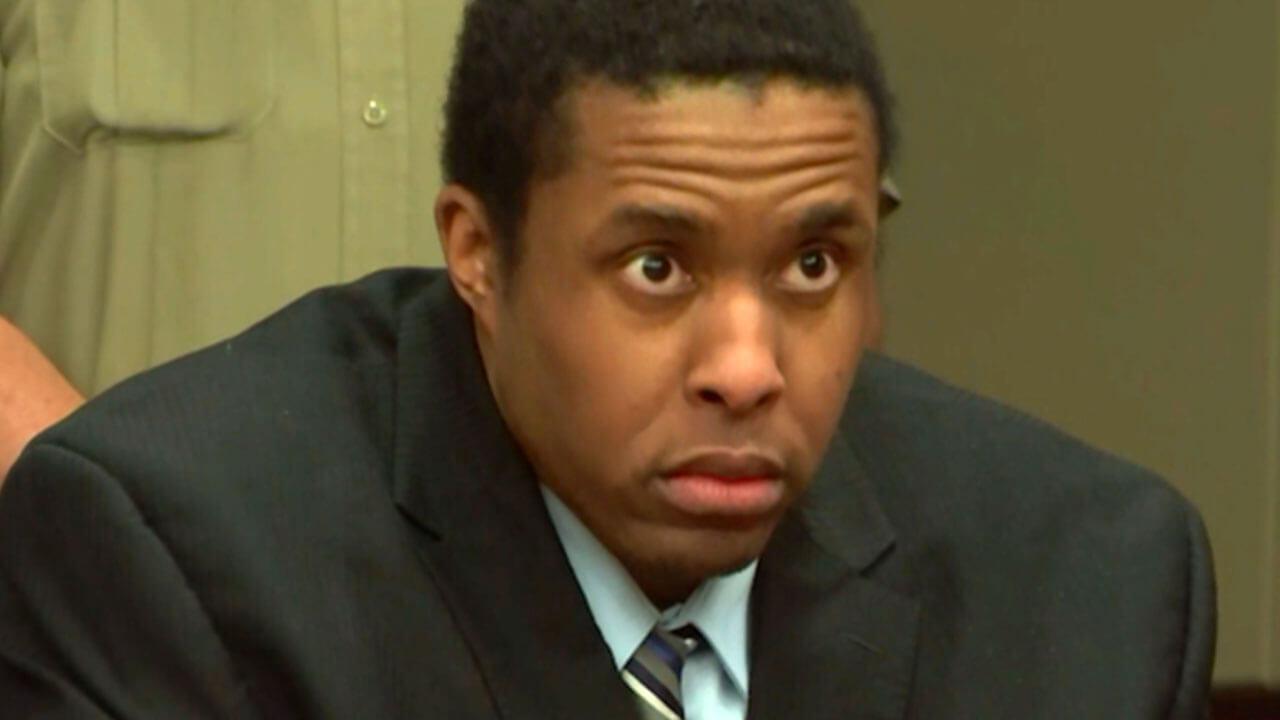
A New York man serving a life sentence in a Caribbean island prison is trying to overturn his conviction on the grounds that the guilty verdict was the product of a prosecutor's "inflammatory and xenophobic" comments and a judge's unfair summary of the evidence.
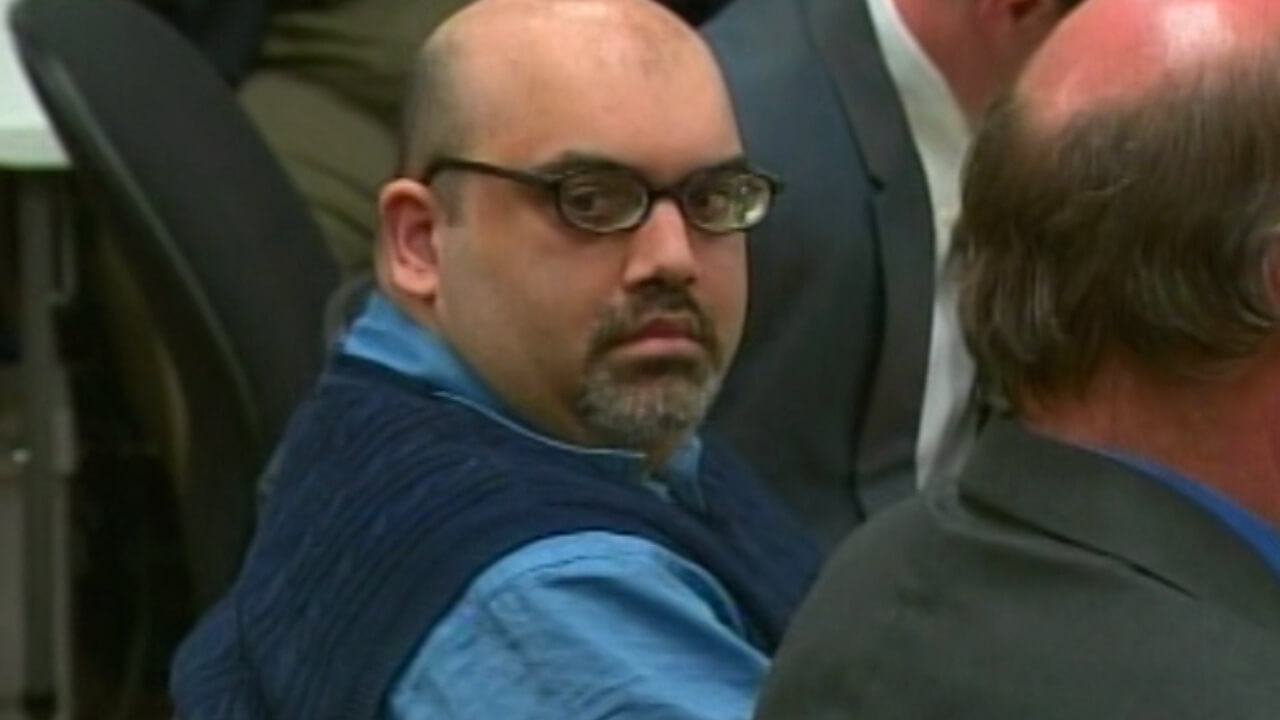
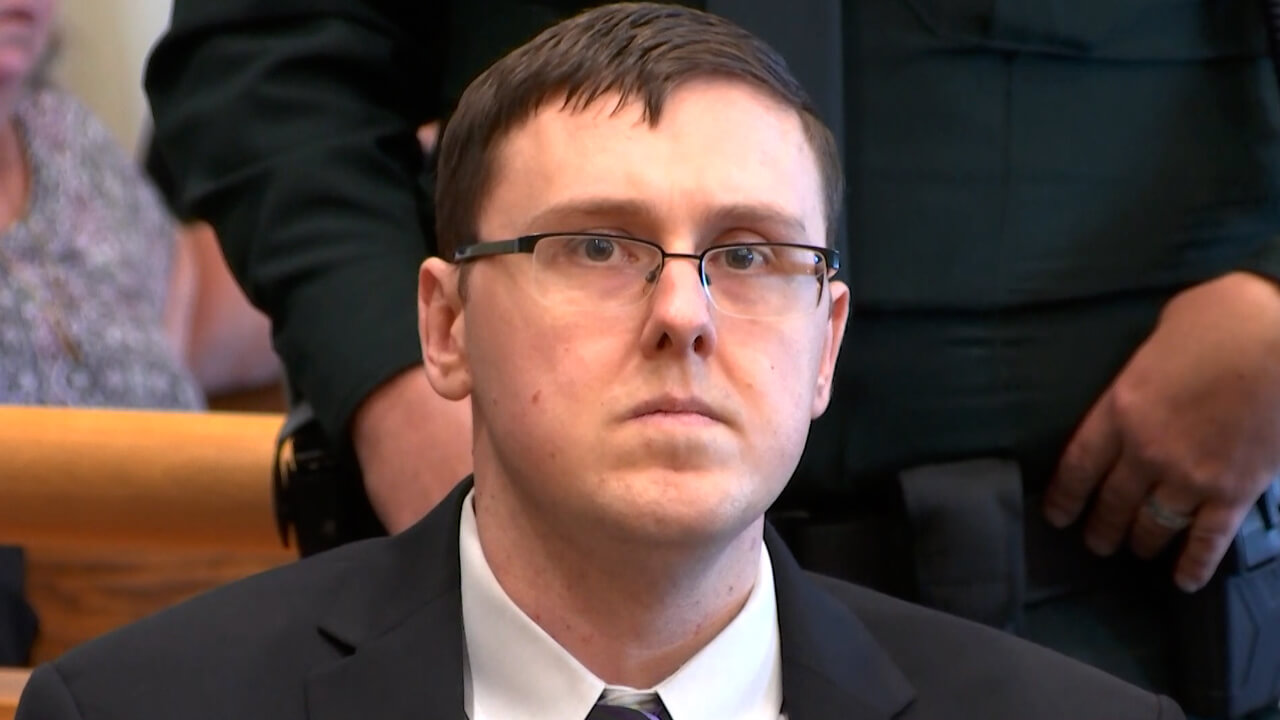
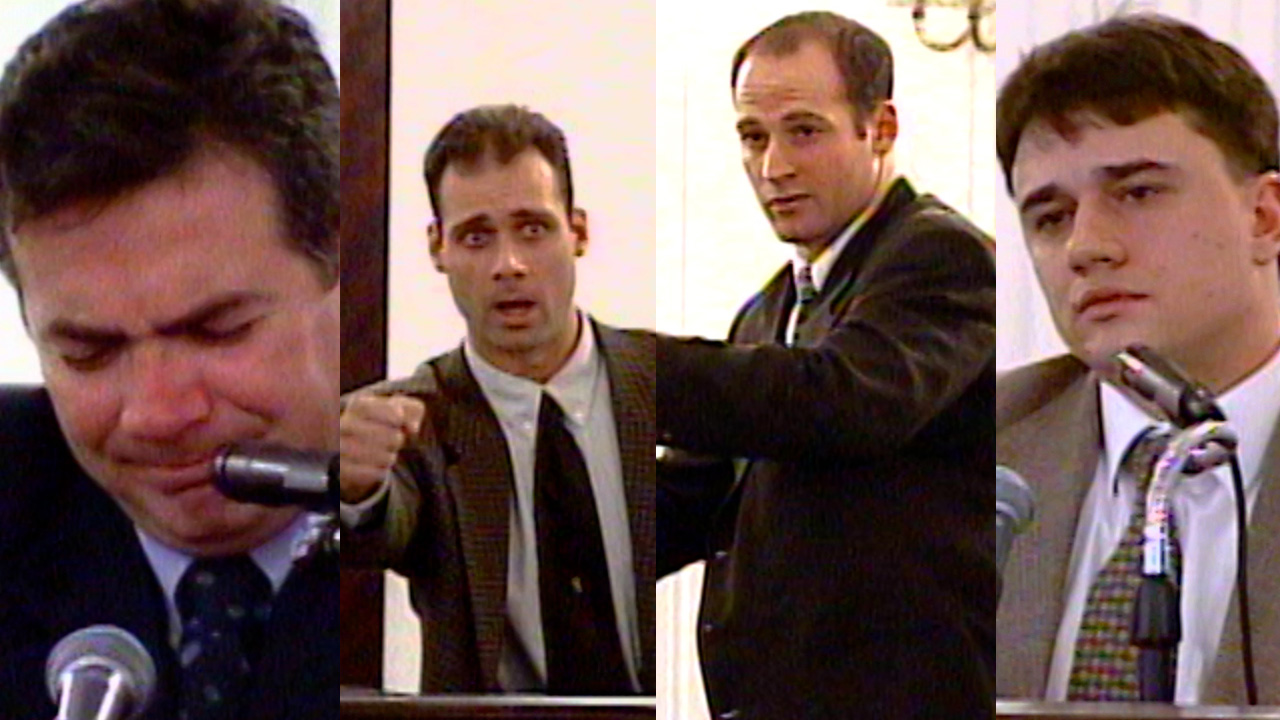
William Labrador, a 37-year-old former modeling agency executive from Long Island, cited 13 grounds in all in a notice of appeal filed Tuesday in in Road Town, the capital of the British Virgin Islands. A jury deliberated 7 1/2 hours before convicting Labrador May 10 of killing Lois McMillen, a 34-year-old artist from Connecticut, by drowning her on Jan. 14, 2000.
Labrador insists he is innocent and claims in court papers that the verdict was flawed because the only evidence against him the testimony of a prison snitch named Jeffrey Plante did not fit physical evidence presented during the six-week trial. Labrador said his former cell mate's testimony April 17 about a supposed confession was "tenuous and inconsistent with other parts of the prosecution's case."
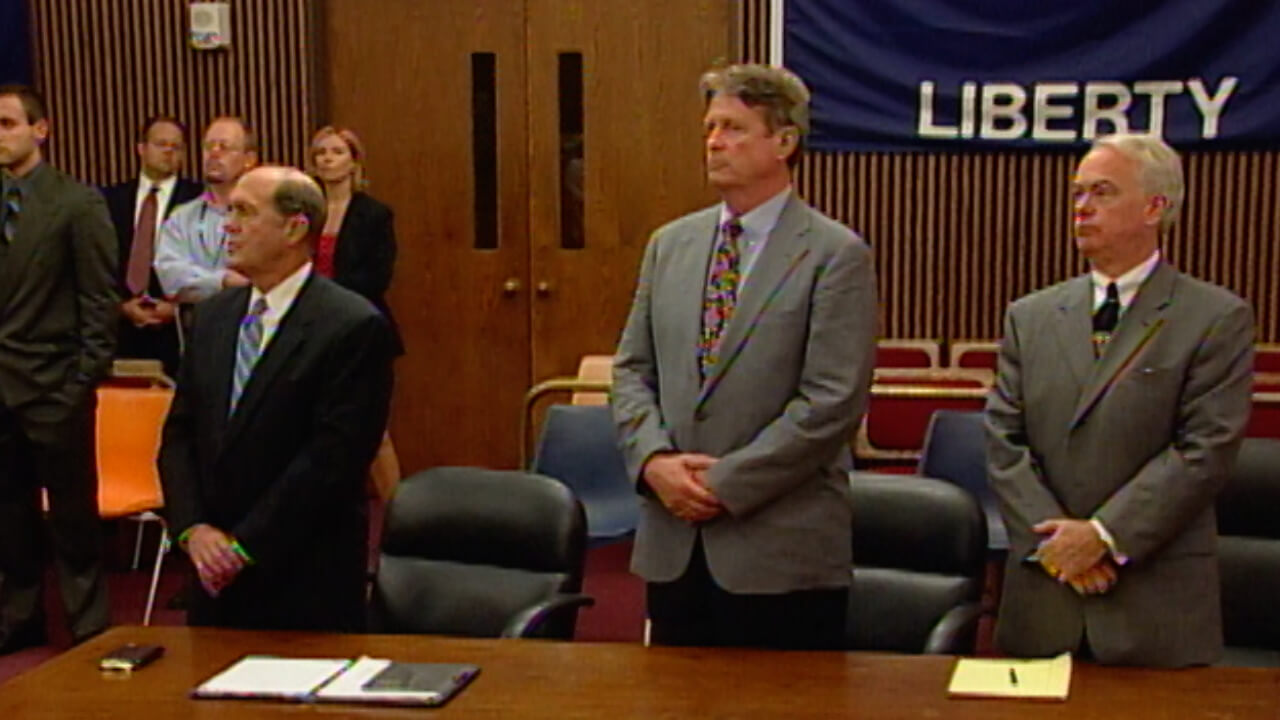
Labrador is being held at Her Majesty's Prison at Balsam Ghut, a modern facility built high atop a hill on the East End of Tortola. Three friends and co-defendants were released May 3 after Justice Kenneth Benjamin ruled that prosecutors presented insufficient evidence to link the men to the killing of McMillen, whose fully clothed body was discovered laying face up on the rocky shore of Sir Francis Drake Channel.
Labrador's attorney, Hayden St. Claire-Douglas, declined to discuss the issues he raised in the four-page notice of appeal.
"I feel that my client is innocent and I feel that he will be eventually exonerated," St. Claire-Douglas told Court TV Wednesday. "That's all I am prepared to say."
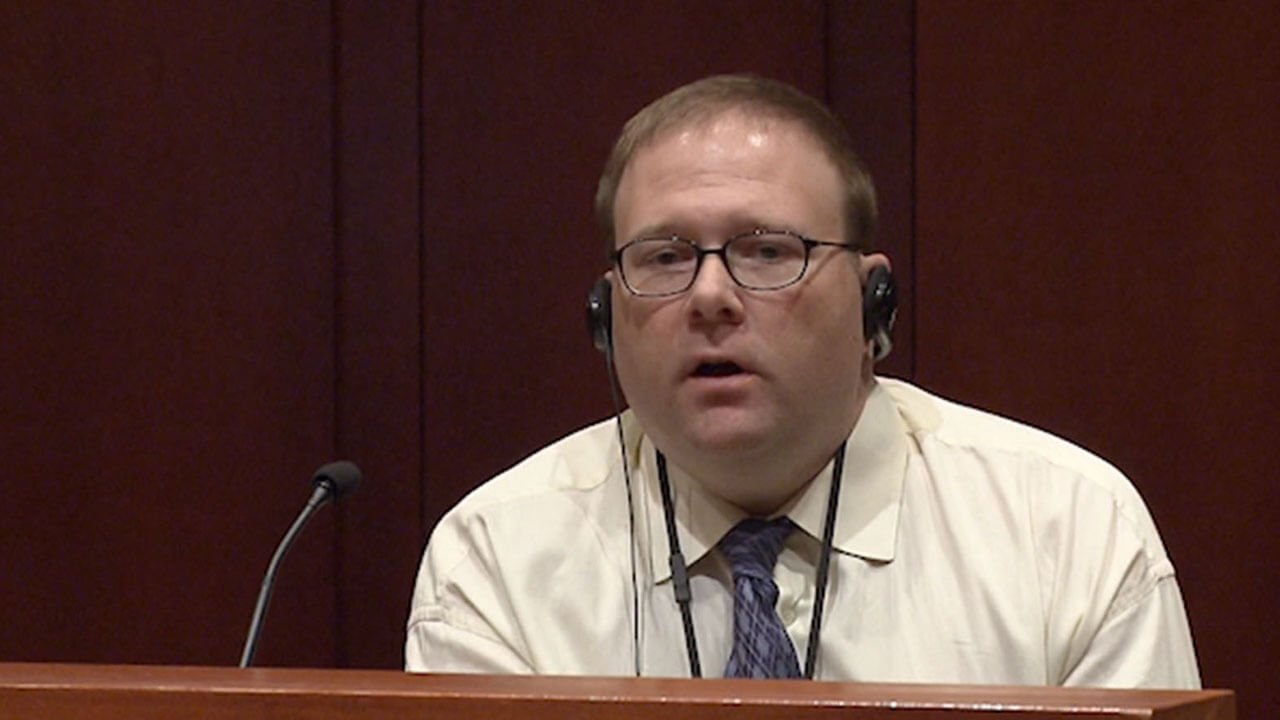
During the trial, a nine-member jury heard Plante's testimony that Labrador confessed to drowning McMillen during a violent argument over money. Plante also testified that Labrador said he and one of the released men had sex with McMillen on Tortola during a 1998 visit. The testimony contradicted Labrador's own police statement that neither he nor his friends were intimate with McMillen, a former model from an affluent Connecticut family.
Labrador took the stand in his own defense on May 3 and May 4, denying that he killed McMillen and refuting most all of the allegations leveled by Plante.
In closing arguments, prosecutor Theodore Guerra made numerous references to a plan by Labrador and his supporters to use the U.S. media to "badmouth" the British Virgin Islands, its government and criminal justice system. He told jurors to use their "good West Indian common sense" and urged the seven women and two men to not be swayed by lies from the defendant from "that big country."
Labrador's first ground for appeal was that Benjamin was wrong to allow Guerra to make the remarks and wrong not to instruct the jury to disregard the anti-American comments. He also complains in the court documents that the judge improperly denied two requests from the jury to review Plante's evidence during deliberations, but "instead attempted to focus their attention on that part of Plante's evidence that related to the alleged confession made by the appellant."
Labrador's New York lawyer, Michael Griffith, said there are meaty issues for a three-judge appellate panel to consider.
"I was sitting there in the courtroom. I look forward to an appellate court overturn what seems to have been an incongruous verdict," Griffith said. "I have been involved in hundreds of cases and in my opinion this it the worst verdict I've ever seen. It is unfathomable."
Guerra and a second prosecutor on the case could not be reached for comment. The British territory's attorney general did not return calls.
The regional appeals court, which travels from island to island, next sits on Tortola in June. St. Claire-Douglas said that he was waiting for the trial transcript to be complete before filing the final appeal papers.
|