By Lisa Sweetingham Court TV
Death by antifreeze poisoning often begins with a deceptive intoxication. As ethylene glycol—the sweet, syrupy toxin found in antifreeze—is absorbed into the bloodstream, it produces that tipsiness and slurred speech one might enjoy from a stiff cocktail. But the similarities end there.
About 24 hours later, a searing headache develops, followed by nausea, dizziness, hyperventilation and delusions. The body's survival instincts kick in with vomiting and diarrhea—a futile attempt to expel the deadly poison. If an antidote is not administered quickly, death from acute kidney failure, heart attack or coma inevitably follows.
In Georgia, there have been only two reported cases of death by ethylene glycol toxicity: Glenn Turner, 31, a police officer, and Randy Thompson, 32, a firefighter. The only common denominator between these two men, according to court documents, is 35-year-old Julia "Lynn" Turner.
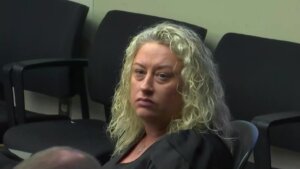
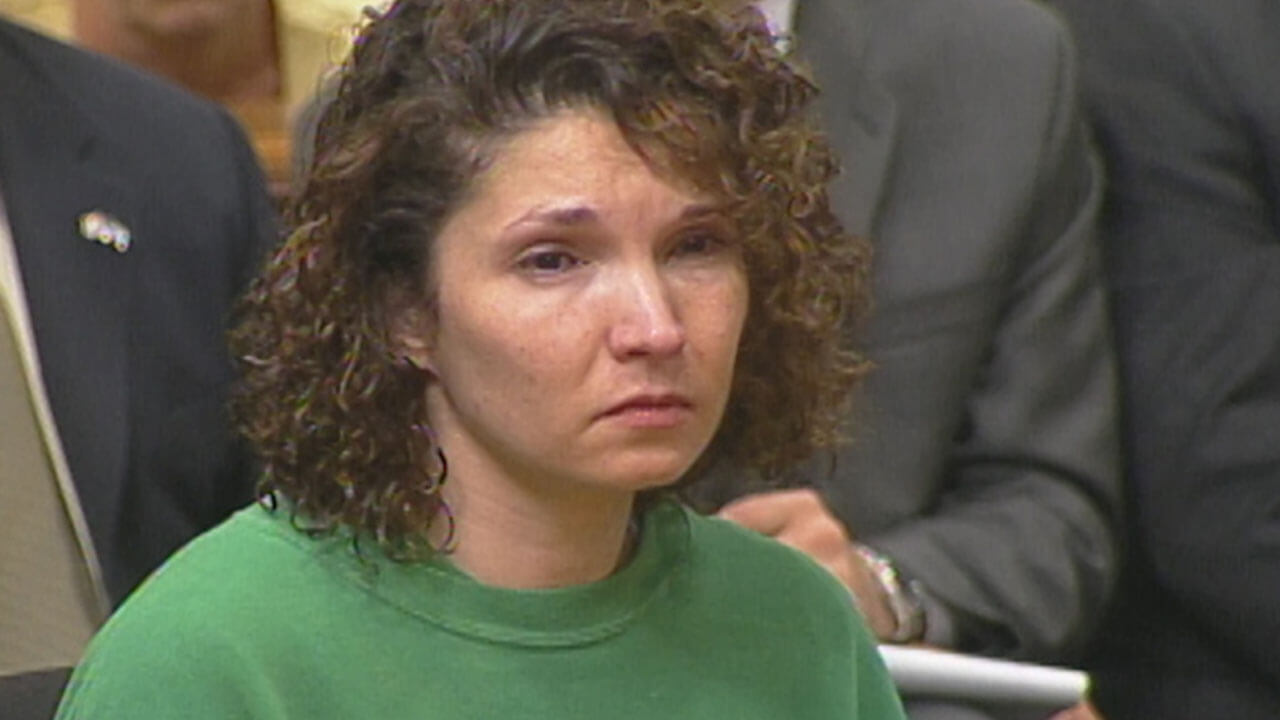
Lynn Turner, a former 911 dispatcher, has been charged with murder in the 1995 antifreeze poisoning of her husband, Cobb County police officer Glenn Turner. Her trial is expected to begin Friday.
Turner is also a suspect, but has not been charged, in the 2001 death of her former lover, Forsyth County firefighter Randy Thompson, with whom she has two children.
Medical examiners initially determined that both men died from heart failure, but when a forensic pathologist from the Georgia Bureau of Investigation found calcium oxalate crystals — a hallmark of ethylene glycol poisoning — in Randy Thompson's kidney tissues, detectives launched a homicide investigation.
 | | Firefighter Randy Thompson died in 2001. |
Glenn Turner's body was exhumed, six years after his death, and the same microscopic crystals were found in his tissues.
Although a jury is only deciding Lynn Turner's guilt or innocence in Glenn's death, a court ruling will allow the prosecution to introduce "similar transaction evidence" surrounding Thompson's death.
Over defense objections, prosecutors are expected to present autopsy reports, expert testimony and other facts about Thompson's death to convince jurors that his alleged murder is so uniquely similar to Turner's that it bears the defendant's "criminal signature."
 | | Detectives exhume Glenn Turner's coffin. |
Lynn Turner, who has always maintained her innocence, faces life in prison if convicted of murdering her husband. The case against her, however, is based entirely on circumstantial evidence.
"You don't have an eyewitness, you don't have a smoking gun, you don't have video," District Attorney Pat Head told Courttv.com, "But a good, strong circumstantial case is sometimes better than a case where there is direct evidence."
Love gone wrong
Julia Lynn Womack married Maurice Glenn Turner on Aug. 21, 1993, in a Baptist church in Cobb County, about 20 miles north of Atlanta. But the relationship crumbled a year later, when she began making weekend trips away from home, secretly meeting with her new boyfriend, Randy Thompson. Thompson's family later told reporters that Lynn Turner led them to believe she was divorced.
Days before he died, Glenn reportedly confided in his best friend, Donald Cawthon, about his marriage woes.
Cawthon later testified that Glenn told him, "A man can only take so much. She's coming home tonight and we're gonna talk about it. We're gonna work things out or I'm going to file for divorce."
 | | Lynn Turner leaving jail. |
On March 2, 1995, Glenn visited the emergency room complaining of vomiting, diarrhea, headaches and nosebleeds. He was given an IV of fluids for his dehydration, medication for the vomiting and was sent home after he reported feeling better.
The next afternoon, Lynn Turner found Glenn dead in their bed, lying under a sheet, according to police reports. The official cause of death was an irregular heartbeat.
According to court documents, Turner soon received about $153,000 in insurance benefits. Four days after her husband's death, she submitted a rental application for a new apartment, listing Randy Thompson as a co-occupant, according to court testimony from investigators. She also treated Randy and two friends to a cruise trip.
But while the new couple lived together for four years and had two children—a daughter in 1996, and a son in 1998—the relationship began to fall apart. Thompson moved out in the fall of 1999, but continued to see Turner romantically, according to investigators.
In late 2000, Thompson developed a staph infection after outpatient sinus surgery. In the early hours of January 20, 2001, after reportedly having had dinner with Lynn Turner at a restaurant, Thompson checked into the emergency room complaining of vomiting and headaches. Like Glenn Turner, he was given fluids and anti-vomiting medication and then released.
Randy Thompson died alone in his apartment on January 22, 2001, less than 24 hours after being released from the emergency room. An autopsy revealed severely clogged arteries, and his death was attributed to heart disease.
The autopsy, as well as his prior staph infection, led his family to believe Randy died of natural causes.
But months later, Randy's mother, Nita Thompson, received a letter from Glenn's mother, Kathy Turner. According to news reports, the two women began to discuss the similarities in their son's mysterious symptoms, and the one woman whom both men had loved.
Nita and Kathy reportedly led the charge to have the suspicious deaths reexamined.
In June, 2001, Dr. Mark Koponen, deputy chief medical examiner at the Georgia Bureau of Investigation, tested Randy's tissues for toxins and discovered the telltale calcium oxalate crystals that would later also be found in Glenn's tissues.
It's not clear how much of the poison either victim ingested, but Koponen has testified that it takes only 100 milliliters—or 3.4 ounces—of ethylene glycol to kill most humans.
The case for murder
Prosecutors Pat Head and Jack Mallard will likely argue that Lynn Turner was motivated to kill both men for insurance benefits.
According to testimony from investigators, Turner earned $22,000 in 2000, and by 2001, she had incurred hefty credit-card charges for over-the-limit spending, as well as 33 insufficient-funds charges at her bank.
Days prior to Thompson's death, she allegedly told a bank representative that she would be able to take care of those fees "soon."
When Randy Thompson died, Turner received about $36,000 in life insurance benefits—a paltry sum to justify a murder motive, Turner's defense team will likely argue.
According to defense attorney Jim Berry, Thompson wasn't exactly rolling in dough when he died. In fact, he had a second life insurance policy that Turner didn't know about, which he canceled because "he didn't have money to pay for it, he didn't even have money to pay his rent," Berry told Courttv.com.
"Now, if you're going to kill somebody, you'd think you'd want to know if the insurance was in full force and effect," Berry said. "His policy had been canceled for some time."
Berry and co-counsel Victor Reynolds expect to call about 20 witnesses—individuals who will testify to Lynn Turner's character, as well as experts who may shed doubt on how both men died. They have not yet decided whether the defendant will testify.
The defense will also point to the mistakes made in early autopsy reports. Two independent medical examiners originally ruled both deaths a result of natural causes, and then later changed their findings.
"The biggest hurdle is that it appears that two people died from ethylene glycol poisoning," Berry told Courttv.com. "But coincidences do happen. And we're not conceding the fact that Glenn died of ethylene glycol."
Lynn Turner turned herself in to authorities in November 2002, after a Cobb County jury indicted her in the death of Glenn Turner by feeding him antifreeze. She has been living with her children in her parent's home in Cumming, under house arrest — and wearing an ankle monitor until last week — since early 2003.
Her trial initially was set to begin in Cobb County in February, but after only three of 65 jurors questioned said that they had never "heard, read or seen anything" about the case, the court ordered the trial moved to nearby Houston County.
Jury selection began on Tuesday and opening statements may be delivered as early as Friday. Cobb County Superior Court Judge James Bodiford will preside over the trial that is expected to last three weeks.
Court TV is airing the trial live.
|