|
October 20
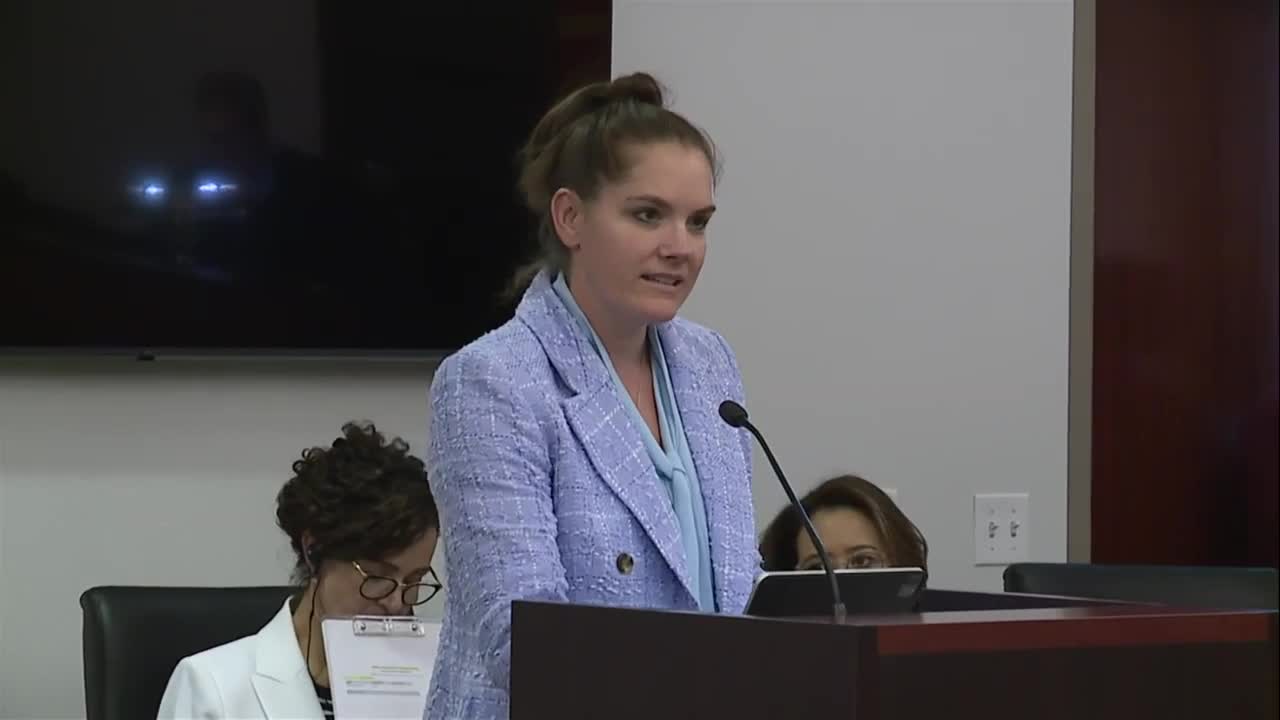
Under heavy questioning by prosecutor Martha Coakley, forensic neuropathologist Dr. Jan Leestma continued to defend his position for the defense that Matthew Eappen did not die from injuries caused by shaken baby syndrome. Instead, Dr. Leestma again told the jury, the baby died from the delayed effects of a head injury he suffered three weeks before his death. (Dr. Leestma said that he could not tell whether the prior injury was accidental or inflicted.)
However, in contrast to his testimony on October 17, Dr. Leestma said he could not determine for sure whether the baby's fatal injury was caused by violent shaking. Despite his hesitancy to completely rule out violent shaking, the doctor refused to concede that the infant could have been shaken for even as long as only 20 seconds.
Dr. Leestma also believed that it possible for Matthew to not show any signs of his prior head injury before his hospitalization on February 4. Prosecutor Coakley tried to undermine the doctor's theory by saying that his published writings on infant head trauma contradicted his verbal testimony. The doctor, however, responded that he probably had not stated his theories as well as he should have in his writings. Regarding the retinal hemorrhaging found in Matthew's eyes, Dr. Leestma said that it was caused by a sudden increase in intercranial pressure induced by a rebleeding of the prior head injury, not by violent shaking. (The prosecution claims that the retinal hemorrhaging indicates that Matthew was a victim of shaken baby syndrome.)
The defense also brought two more character witnesses to the stand who said that Louise Woodward had a reputation as a law-abiding citizen and generally enjoyed working with children. Testimony today ended with a defense neuroradiologist and head trauma expert, Dr. Alisa Gean, testifying that she could not find evidence that Matthew was a victim of shaken baby impact syndrome. Dr. Gean based her opinion on that fact that she did not observe any swelling of Matthew's soft scalp tissue at the time of his hospitalization. (A swelling of soft scalp tissue and broken blood vessels are two signs of a recent skull fracture.)
According to Dr. Gean, this lack of swelling indicates that the baby's injury could not have been inflicted, as the prosecution claims. Dr. Gean testified that Matthew had suffered a head injury weeks before his admission into Children's Hospital. His condition was caused by pressure on his brain, which was caused by a rebleeding of the prior injury. Dr. Gean also told the jury that the effects of a head injury on an infant can go unnoticed for several weeks. She also supported Dr. Leestma's earlier testimony about the cause of retinal hemorrhaging in the infant's eyes. Dr. Gean ended her testimony by telling jurors that the clear fluid that doctors observed in Matthew's brain during his surgery was not spinal fluid. Rather, Dr. Gean said, the fluid was really layered remnants of old blood from the baby's prior head injury. Dr. Gean will return to the stand for cross-examination by the prosecution the next day.
October 21
Dr. Alisa Gean returned to the stand for cross-examination by the prosecution. Dr. Gean maintained her theory that Matthew Eappen died from the effects of a head injury he apparently suffered three weeks before the alleged shaking incident with Louise Woodward. According to Dr. Gean, Matthew suffered a skull fracture and subdural hematoma after falling about 32 inches. The baby died from intercranial pressure caused by a rebleeding of the prior injury. Dr. Gean also said that rebleeding in the brain occurs more easily in babies than adults and adolescents. In addition, she told the court that the characteristics of the brain membrane one would indicate a chronic hematoma in Matthew can be easily overlooked during visual examinations. Therefore, Dr. Gean contended, the brain membrane may have been overlooked during the Matthew's emergency surgery on February 4, and the doctors may not have realized that he had suffered a prior head injury.
However, Dr. Gean conceded to prosecutor Martha Coakley that the infant indeed could have been shaken at one point before or on February 4. However, Dr. Gean did not believe the baby's injury came from shaking. Dr. Gean also admitted having no opinion on whether Matthew's injury was accidental or inflicted. Nonetheless, in her medical analysis on Matthew's injury before the trial, Dr. Gean had written that the presence of retinal hemorrhaging left little question about "malicious intent." (The doctor had testified that the retinal hemorrhaging was caused by intercranial pressure, not violent shaking.) When confronted about this contradiction, Dr. Gean said she would have written her medical analysis differently and not insinuated that the injury was inflicted. Dr. Gean admitted that a chronic hematoma can be confused with a recent hematoma but insisted that that mistake did not happen in Matthew Eappen's case.
Then biomechanics expert Dr. Lawrence Thibault took the stand for the defense. A former Chief of the Department of Bio-Engineering at the University of Pennsylvania, Dr. Thibault is the co-author of a 1987 study on shaken baby syndrome (which other witnesses have widely referred to during this trial). He further supported the defense's theory that Matthew's fatal head injury was pre-existing. Dr. Thibault did not think that shaking caused the baby's injury. Rather, the injury could have come from a fall of about 32 inches, not 15 feet like the prosecution originally contended.
 |
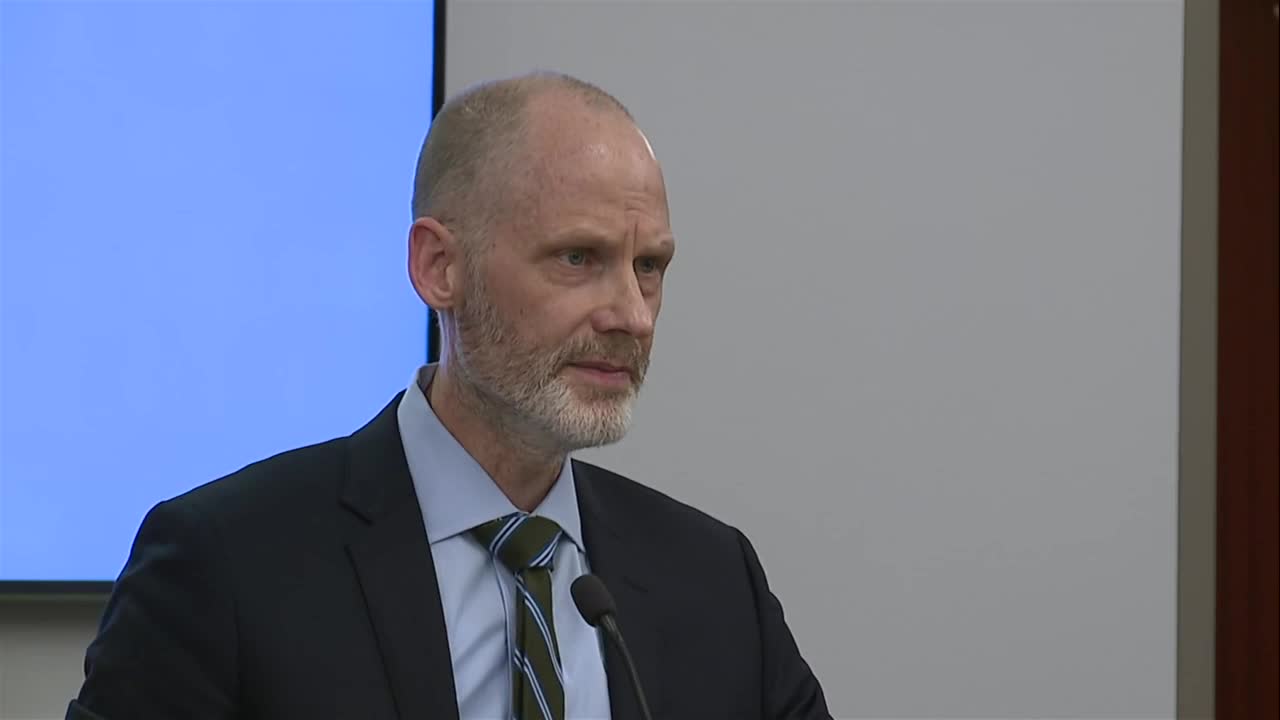
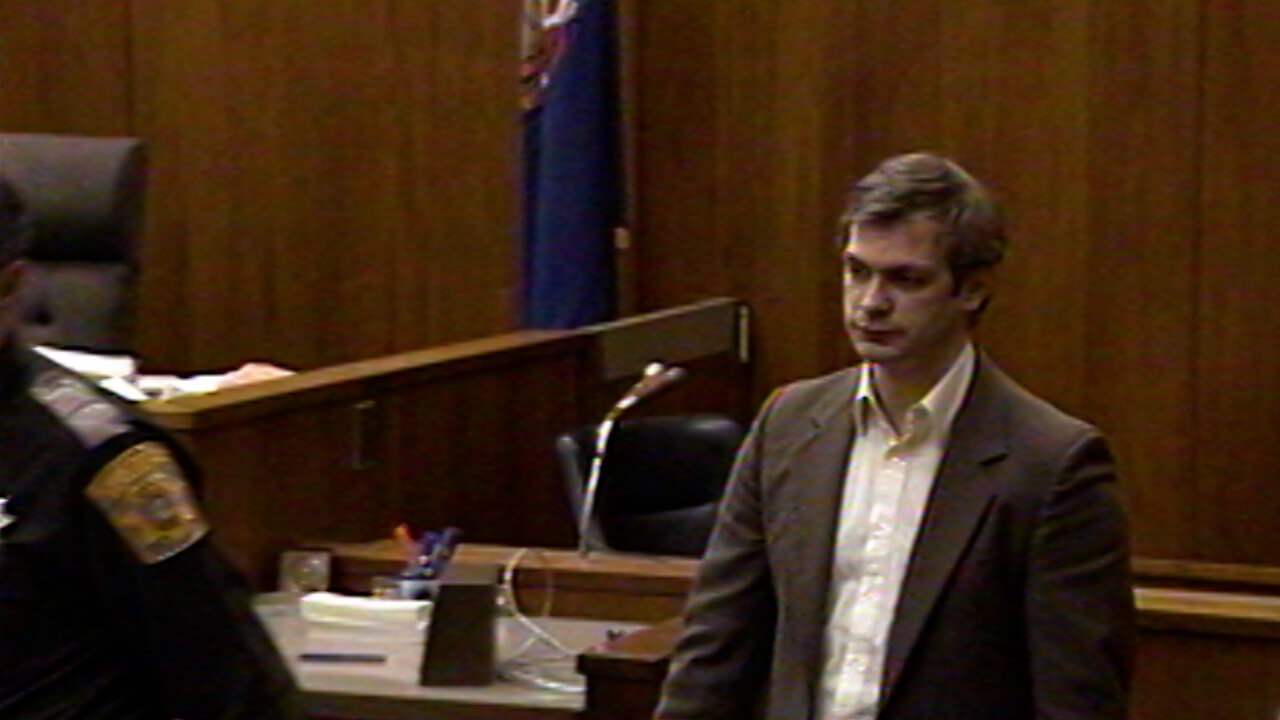
Oct. 21: Dr. Lawrence Thibault, a shaken baby syndrome expert,
testifies that Matthew Eappen was not shaken violently. |
 |
Dr. Thibault testified that the baby did not have the injuries to his neck and spine injuries that would be present in victims of shaken baby syndrome. The doctor also dismissed the prosecution's claim the retinal hemorrhaging found in Matthew's eyes came from the back-and-forth movement of the eyeballs within the eyesockets during violent shaking. Dr. Thibault believes that this was not possible. The space between the eyeballs and their sockets are too densely packed with muscle and other tissue to allow such back and forth movement.
"The eyeballs couldn't get to the sockets," Dr. Thibault said. "There is no slamming against the orbit."
When asked about the broken wrist that the autopsy reports showed the baby suffered shortly before his death, Dr. Thibault said that it was possible that Matthew could have fractured his skull when he broke his wrist. The doctor explained to the court how Matthew could have fallen and simultaneously fractured his skull and wrist.
October 22
Susan Woodward, the mother of the defendant Louise Woodward, came to the stand. She testified that Louise was the eldest among her siblings and cousins back in her home in England, and Louise often had to look after her younger cousins. Louise seemed so responsible that her mother said that she did not feel a need to impose a curfew on her daughter back home. Mrs. Woodward visited her daughter in Boston in December 1996 and said that Louise seemed happy with the Eappens. Mrs. Woodward also said that Matthew Eappen was a beautiful child who seemed normal and healthy. She did not see Matthew fall at anytime during her visit with Louise and did not see him mistreated in any way. Mrs. Woodward testified that when Matthew was not being held or sleeping in his crib, he normally sat in a "bouncy chair." Mrs. Woodward also said that Matthew's two-year-old brother Brendan played with him while he sat in the bouncy chair. (The defense has not officially accused Brendan of causing Matthew's injuries in court. Defense lawyers so far have only hinted at Brendan's possible aggression during cross-examination on Matthew's mother, Deborah Eappen.)
Under cross-examination, Mrs. Woodward admitted that Louise never talked to her about any problems she had with the Eappens, particularly the meeting in which the Eappens gave her an ultimatum (to either start adhering to a curfew or find another place of employment). Mrs. Woodward also said that she told her daughter that she was lucky to work for a family as nice as the Eappens.
The defense also brought two more experts to the stand, neurosurgeon Ayub Ommaya and pediatric neurosurgeon Ronald Uscinski. Both Dr. Ommaya and Dr. Uscinski testified that Matthew's fatal head injury originally occurred about three weeks before the alleged February 4 shaking incident with Louise Woodward. Both doctors also further supported the defense's theory that Matthew's injury was not caused by shaking. Mirroring previous testimony, the doctors said Matthew did not have the neck injuries indicative of shaken baby impact syndrome. And Matthew's retinal hemorrhaging was caused by intercranial pressure on his brain, not violent shaking. Dr. Ommaya and Dr. Uscinski also noted that a clear yellow fluid that was present in Matthew's brain during emergency surgery was older blood from the infant's three-week-old injury. The blood had lost its color and indicated that the injury had rebled since its original occurrence.
During cross-examination by the prosecution, both doctors had to defend the basis of their theories. Prosecutor Martha Coakley asked Dr. Ommaya about his original contention back in July, that Matthew's injury had occurred only 48 to 72 hours before his hospitalization. Dr. Ommaya denied ever limiting the age of the injury to 72 hours; he said that, based on the evidence he had at the time, he only knew that Matthew's subdural hematoma was an old injury. Dr. Ommaya also said that he did not base his theory about the infant's death solely on research and medical slides of previous defense witness Dr. Jan Leestma but on other findings as well.
Prosecutor Coakley challenged Dr. Uscinski's ability to recognize shaken baby syndrome, saying that its characteristics suggest child abuse. However, Dr. Uscinski refuted this argument, claiming that the characteristics of shaken baby syndrome are "consistent with" but not "diagnostic of" child abuse. The doctor said that signs of shaken baby syndrome are the same in both accidents and instances of child abuse. Dr. Uscinski ended his testimony by saying that an increase in intercranial pressure from Matthew's prior head injury eventually cut off the flow of oxygen-rich blood to his brain. The infant's body shut down, and he died.
October 23
Forensic pathology expert Michael Baden further supported the defense's theory that Matthew Eappen's fatal head injury originally occurred three weeks before the alleged shaking incident with Louise Woodward. Dr. Baden said that the baby did not die from a recent injury inflicted by violent shaking; rather, the infant succumbed to complications from a chronic subdural hematoma caused by a prior head injury. During cross-examination by the prosecution, Dr. Baden was confronted with the fact that his original opinion at the beginnning of the case was that Matthew's injury had occurred between 12 and 48 hours before his hospitalization on February 4. However, the doctor replied his opinion was preliminary at that point and later evidence made him revise his original theory about Matthew's death.
Then, in a highly anticipated moment, the defendant Louise Woodward came to the stand. Woodward began her testimony by describing her life back in England and how she had joined an au pair (live-in nanny) program so that she could be exposed to American culture. Almost immediately after Woodard began her testimony, her lawyer, Andrew Good, asked her whether she had ever shaken, struck, or dropped Matthew Eappen. Woodward quietly denied that had ever happened.
 |
Oct. 23: Louise Woodward denies ever shaking or striking Matthew Eappen and
causing his fatal head injuries. |
 |
Woodward proceeded to claim that her relationship with her first live-in family, the Komishanes, was a good one and that the Komishanes thought that she took good care of their children. The only gripe Woodward had with her first employers was that they imposed a curfew on her. This, and the fact that the Komishanes lived far away from the Boston area, restricted Woodward's ability to enjoy Boston theatre and nightlife. Woodward eventually sought employment with another family, and in November 1996, she started working for the Eappens.
In the beginning, Woodward asked the Eappens not to impose a curfew on her. (Woodward had never experienced a curfew back home in England, and she felt her social life would not interfere with her responsibilities as a nanny.) The Eappens agreed to a one-month trial period without a curfew. However, Woodward acknowledged that the arrangement did not work out because of her failure to wake up in time in the morning to care for the children.
The most emotional testimony of the day came when Louise Woodward described the day Matthew was hospitalized. Woodward said that the day before his hospitalization, the baby had not moved his bowels at all, and his mother, Dr. Deborah Eappen, had instructed Woodward to feed him fluids. On February 4, Woodward said that Matthew did not seem to be himself. When Woodward awoke that morning, Matthew was crying. The baby was still crying as his mother left for work that morning. According to Woodward, Matthew remained uncomfortable, crying incessantly. He refused to eat anything.
Woodward then said that she decided to give Matthew a bath. She described how she prepared his bath, and placed him on his back on a towel on the bathroom floor to undress him. Woodward said that Matthew did not strike his head at any time during his bath. However, the bath did not soothe Matthew. Woodward then said she placed Matthew in his crib.
After talking with her friend and fellow nanny Ruhana Augustin, Woodward checked on Matthew in his crib. She tearfully testified that the baby seemed unresponsive, his breathing sporadic and his eyes glazed. "He didn't look right...he was off-color, [turning] kind of blue," Woodward said between tears. Woodward admitted that she panicked, yelled Matthew's name and shook him slightly to see if he would respond to her. The baby also vomited on Woodward. Despite Woodward's actions, Matthew remained somewhat unresponsive. Woodward said she frantically (and unsuccessfully) tried to reach the Eappens before she called 911. Soon after the call to police, Woodward finally reached Mrs. Eappen and told her about Matthew's condition.
According to Woodward, Mrs. Eappen asked her whether Matthew had struck his head at any time in the past two days. Woodward said that Matthew may have hit his head on the stairway the previous day. (Woodward said that she was tending to Matthew's brother Brendan when Matthew tumbled while her back was turned. Because, Woodward did not actually see him fall, she was not completely sure that Matthew had struck his head. That was only her speculation.)
Woodward denied telling police that she had been rough with Matthew. The nanny claimed that she told them that because Matthew was crying during his bath and she was rushing to finish his bath, she may not have been as "gentle as I could have been" with the infant. Woodward concluded her direct examination by her attorney by reiterating that she never hit or slammed Matthew against a hard surface.
Prosecutor Gerard Leone, Jr. began his cross-examination of Louise Woodward late in the day and asked her about her motivation to become involved in the au pair program. Leone also asked Woodward about her decision to become the Eappens' nanny and about Brendan Eappen's interaction with his younger brother.
Read updates from Oct. 7 - 10
Read updates from Oct. 14 -17
Read the Background to this case
|