

Verdicts
nav buttons

Games

Texas v. Susie Mowbray

"Murder or Suicide?"

A woman who was convicted 10 years ago for murdering her husband now faces a new trial. During her first trial in 1988, prosecutors convinced a Texas jury that Freda "Susie" Mowbray killed her husband, Bill Mowbray, to collect $1.8 million in insurance benefits. The defendant denied killing him and insisted that he committed suicide.

Susie Mowbray
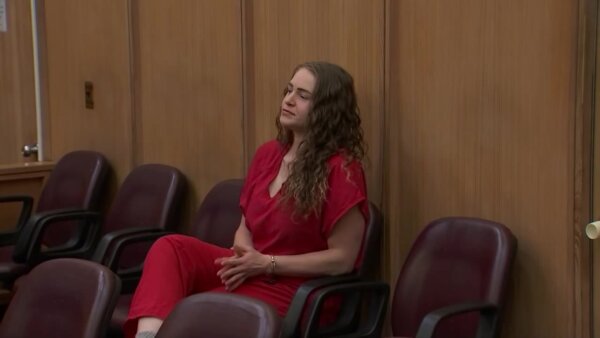
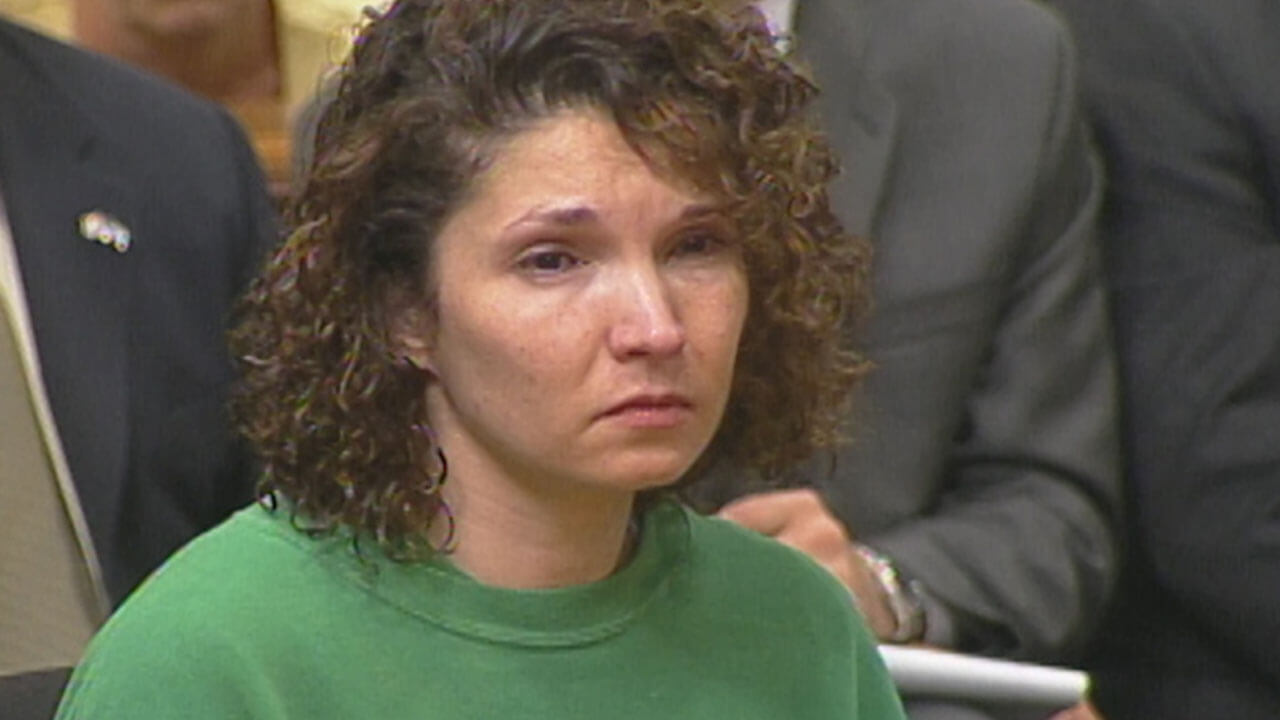
Susie Mowbray: Convicted 10 years ago for murdering her husband, she was acquitted in her second trial.

Mrs. Mowbray was in prison for nine years until the Texas Court of Appeals overturned the conviction for first-degree murder in May 1997 and freed her on $35,000 bond. The court ruled that prosecutors had suppressed blood evidence that could have contradicted the prosecution's theory about the murder and cleared the defendant of the crime.

What Really Happened?

Bill Mowbray, a Brownsville car dealer, was found shot to death in his and his wife's bed on Sept. 16, 1987. Susie Mowbray told police that her husband shot himself in the head while they were both in bed. According to Mrs. Mowbray, she was asleep that night until a noise awakened her. The defendant claimed that when she awoke, she found saw her husband's elbow upright in the air. When Susie reached out to touch Bill, she heard an explosion, presumably gun fire.

Bill Mowbray
Bill Mowbray: Found shot to death in his and his wife's bed on Sept. 16, 1987.

Susie Mowbray saw Bill's blood seep onto her blanket and ran downstairs to call Luke Fruia, her husband's business partner. She told him frantically, "He [Bill] shot himself. I knew there was a gun. I groped and grabbed the gun. I had been living with this fear for three years."

Mrs. Mowbray's "fear" apparently stemmed from the fact that Bill Mowbray had previously tried to kill himself over the financial troubles that plagued his car dealership. Apparently, the Internal Revenue Service was threatening to charge Mr. Mowbray with tax fraud. According to his partner Fruia and other supporters of Susie Mowbray, the alleged victim vowed to kill himself before ever spending time in jail for his alleged tax crimes.

However, during her first trial, prosecutors claimed that the victim could not have committed suicide. Police claimed that Mr. Mowbray's right arm, which would have been his shooting arm, was under the covers when they found him and that once he was moved, no blood was found on his right hand. The doctor who performed the autopsy later testified that it would have been impossible for Bill Mowbray to shoot himself in the head and not have blood and brain matter on his shooting hand. In addition, the victim's left hand also had a bullet wound.

Investigators also found that the gun that killed Bill Mowbray, who was an avid hunter and gun collector, still had its safety guard on. One expert witness during the first trial claimed that while the gun still could have been fired with the safety guard, it would have been very difficult for the victim to do so. In the first trial, prosecutors also portrayed the defendant as a socialite who loved expensive things and not her husband.

Susie Mowbray's account of the incident has changed over the years. Initially she claimed that her husband did not talk about killing himself the night he died. Then, Mrs. Mowbray changed her story and claimed that she and Bill had been talking and crying throughout that night as she was unsuccessful in her thwarting his suicide attempt.

The Keys to (Temporary?) Freedom

The evidence which made the appeals court release Mrs. Mowbray from prison and order a new trial focuses on the testimony of a prosecution crime expert from the 1988 trial. This blood spatter expert told jurors that he found microscopic droplets of blood on the defendant's nightgown and that the pattern of these tiny blood splatters were consistent with Mrs. Mowbray having fired a gun. Later, it was revealed that this expert had never determined that these splatters were indeed blood. In addition, prosecutors also reportedly withheld the testimony of another expert who would have said that there was no blood at all on Mrs. Mowbray's nightgown and that her husband's death was most likely a suicide.

The Verdict

On January 23, 1998, after almost two days of deliberations and 10 years after the her conviction for the shooting death of her husband during her first trial, a Texas jury found Susie Mowbray not guilty of murder.

With tears rolling down her cheeks, Mrs. Mowbray's jaw dropped as the verdict was read. Her attorneys choked back tears and affectionately squeezed her shoulders as they heard the decision. The defendant, who had been imprisoned for nine years until she was released from prison and granted a retrial in May 1997, hugged her son, Wade Burnett, after the verdict. Burnett, a third year law school student, worked tirelessly to get his mother a second trial and could be credited with helping her win her freedom. The defendant was granted a new trial after it was revealed that blood evidence suggesting that Susie Mowbray did not kill her husband had been suppressed and mishandled in her first trial.

In both trials, prosecutors claimed that Susie Mowbray killed her husband to collect the proceeds of his insurance plan. Mrs. Mowbray had always claimed that her husband Bill Mowbray committed suicide. She said that he suffered from depression and killed himself because he was distraught over his failing car dealership and a pending criminal investigation for tax fraud.

As she was led from the courtroom, the newly-freed Susie Mowbray exclaimed, "I am going to be free!" Her defense attorney, Jim Shaw, said that he was "very pleased" with the verdict.


HOMEPAGE | VERDICTS | FAMOUS CASES | TRIAL TRACKING | LEGAL DOCUMENTS | PROGRAM GUIDE | CTTV STORE | GAMES/CONTEST | LEGAL TERMS | SEARCH | INDEX | HOW TO GET CTTV | COMMENTS


Copyright© 1998 by the Courtroom Television Network. All Rights Reserved.
No part of this site may be reproduced in any form without permission of Court TV. Nothing in this site is intended to constitute legal advice. COURT TV is a registered trademark and COURT TV ONLINE is a service mark of the Courtroom Television Network.