Chronology

1999
Feb. 4

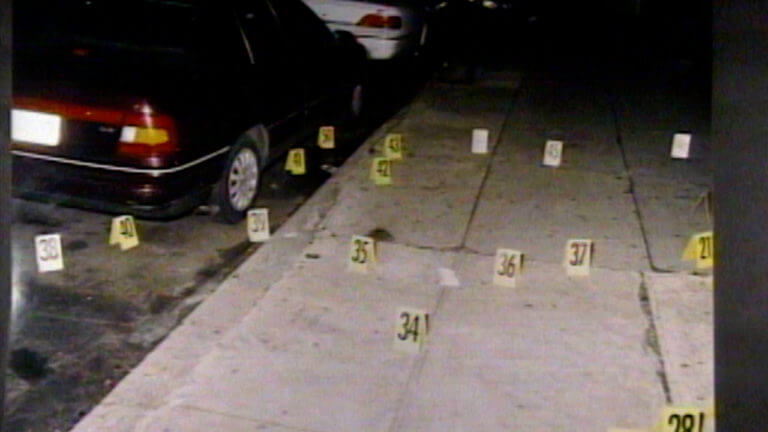
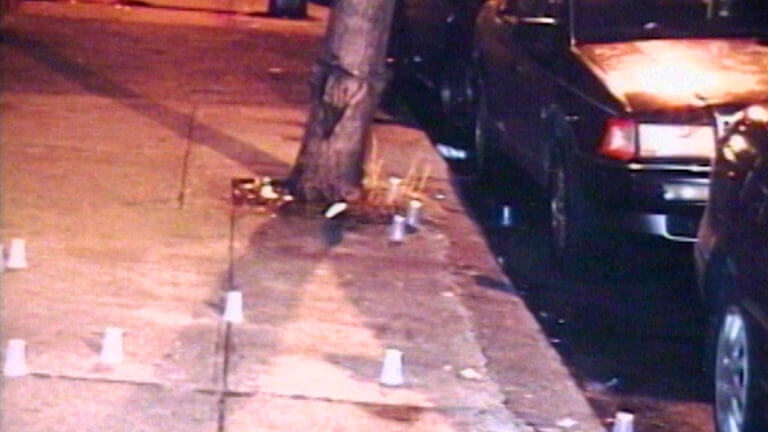
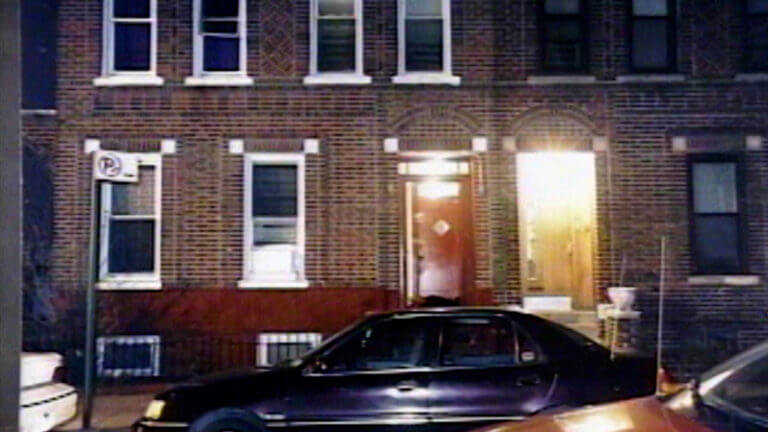
Four white police officers in plainclothes approach Amadou Diallo outside his apartment building in the South Bronx at about 12:45 a.m. and shoot him down in a barrage of 41 bullets. Diallo, a 22-year-old street peddler, was unarmed and had no criminal record.

Feb. 5

Newspaper headlines alert New Yorkers to the shooting. Minority leaders are outraged, but Mayor Rudolph Giuliani tells residents not to rush to judgment.

Feb. 6

At the request of outraged community leaders, Manhattan U.S. Attorney Mary Jo White agrees to track the Bronx District Attorney's investigation into the shooting.

Feb. 7

Hundreds of people turn out for a rally outside Diallo's modest two-story building in the Soundview section of the South Bronx, the first of a growing series of protests.

Feb. 12

Two thousand people attend a memorial service for Diallo, whose parents have flown to New York to claim their son's body and bring it back to Guinea for a funeral.

Feb. 14

A motorcade accompanies Diallo's coffin to Newark International Airport in New Jersey, where Continental Airlines flies him to Guinea.

Feb. 15

Thousands of Guineans greet the plane upon its arrival the following day. Activists in Washington D.C. rally in protest of the shooting.

Feb. 16

A Bronx grand jury begins to hear evidence in the case. No eyewitnesses to the shooting have been found and the officers thus far have not been questioned nor offered any information about the incident.

Feb. 17

Amadou Diallo is buried in his hometown in Guinea, and well-known attorney Johnnie Cochran, who hosts a program on Court TV, announces that he will represent Diallo's parents, Saikou and Kadiatou Diallo, in a wrongful-death civil suit.

March 9

Civil rights and minority groups file a class-action lawsuit to shut down the aggressive Street Crime Unit, to which the four officers who shot Diallo belonged. They say the unit unfairly frisks thousands of young black and Latino men every year without cause.

March 15

The daily protests outside police headquarters in Manhattan begin to gather steam as former mayor David Dinkins is the first in what will become a long list of celebrities and public figures to be arrested in protest of the shooting.

March 16

A New York Times poll shows that Giuliani's popularity has plummeted in the wake of the Diallo shooting, and that many residents are unhappy with his steadfast support for the police and acerbic denunciation of the growing street protests.

March 16

News emerges that Diallo had filed a false asylum request with the immigration authorities shortly before his death, claiming to be a refugee from Mauritania whose parents were killed by soldiers. His parents are actually middle-class and educated.

March 18

The Justice Department and the New York Attorney General both announce that they will launch investigations of the Street Crime Unit's practices.

March 23

Civil rights leaders demand a White House summit on police brutality.

March 25

The grand jury wraps up its inquiry and votes on the indictments. Word leaks out quickly that the four officers have all been indicted for second-degree murder and reckless endangerment. At the daily sit-in, actress Susan Sarandon joins the 1,000 people arrested in protests in the past two weeks.

March 31

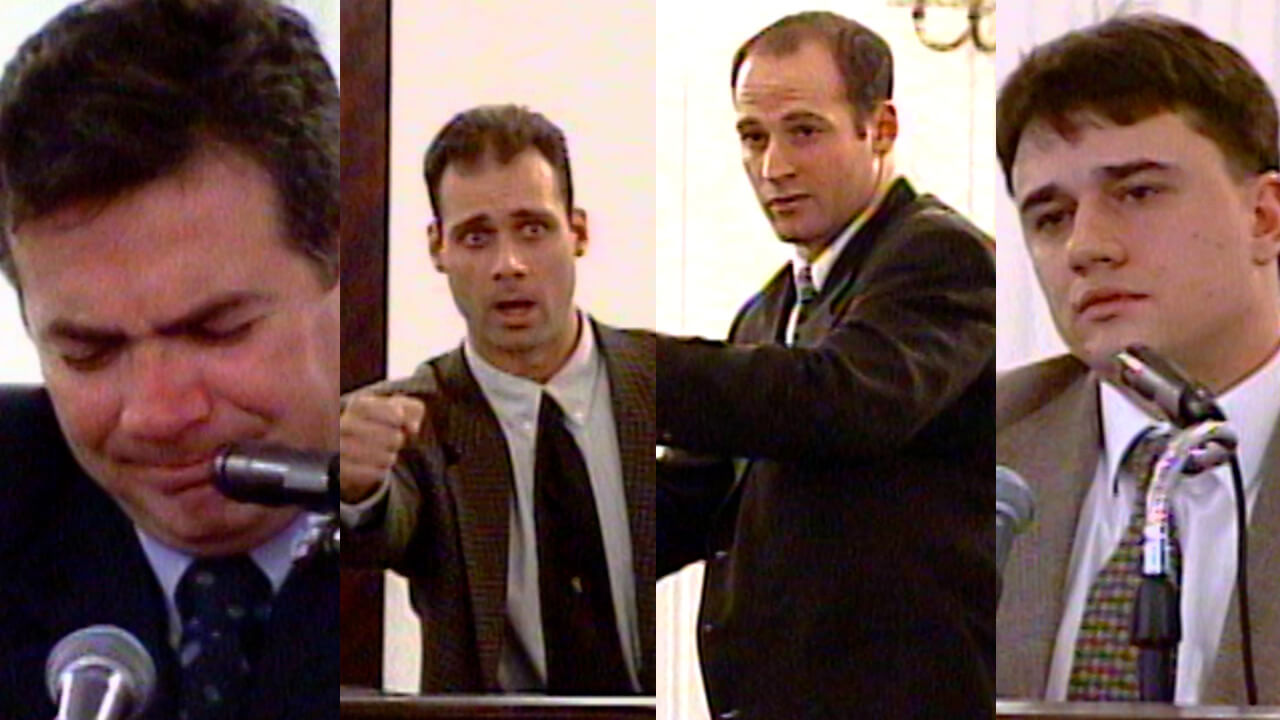
Hundreds protest at State Supreme Court in the Bronx, both for and against the officers, as the grand jury officially indicts the four with Diallo's parents and siblings look on. The officers all plead not guilty to the charges. They are released on $100,00 bail but are suspended from their jobs.

Apr. 6

Mayor Rudolph Giuliani distributes courtesy cards to police officers to advise them on how to treat citizens and suspects with more respect.

Apr. 7

Charges are dropped against more than 1,200 arrested in civil disobedience protests of the Diallo shooting, including actress Susan Sarandon, former mayor David Dinkins, and the Revs. Al Sharpton and Jesse Jackson.

Apr. 8

The police arrest the serial rape suspect for whom the four Street Crime Unit officers were searching on the February night in the Bronx when they killed Diallo.

Apr. 15

Thousands march across Brooklyn Bridge to draw attention not just to Diallo's death but to police brutality nation-wide.

Sept. 29

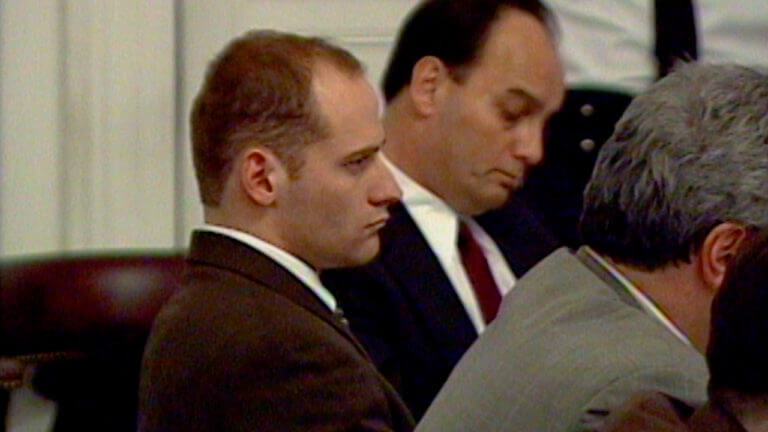
Bronx Supreme Court Justice Patricia Williams rejects defense motions to dismiss the case. Attorneys for Kenneth Boss, Sean Carroll, Edward McMellon and Richard Murphy argued that intense media coverage and anti-cop rallies pressured grand jurors into indicting the four officers.

Dec. 16

Citing pretrial publicity, a New York appellate court orders a change of venue for the trial. The trial of the four officers is moved from the Bronx to the predominantly Albany, sparking protests from Diallo's supporters and family. With the change of venue, Bronx Supreme Court Justice Patricia Williams is removed from the case.

Dec. 23

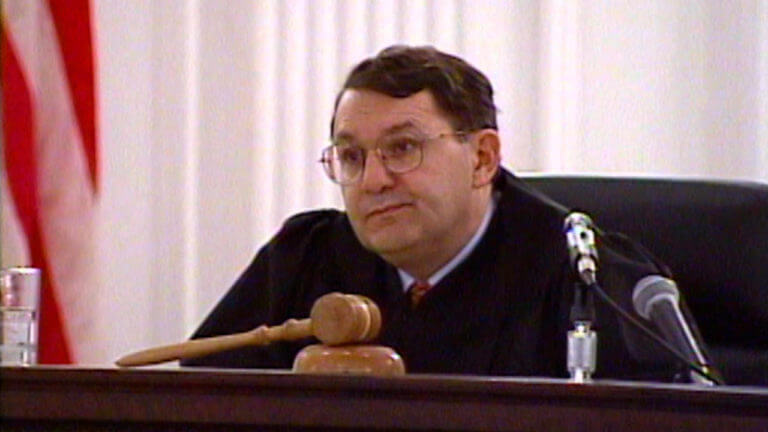
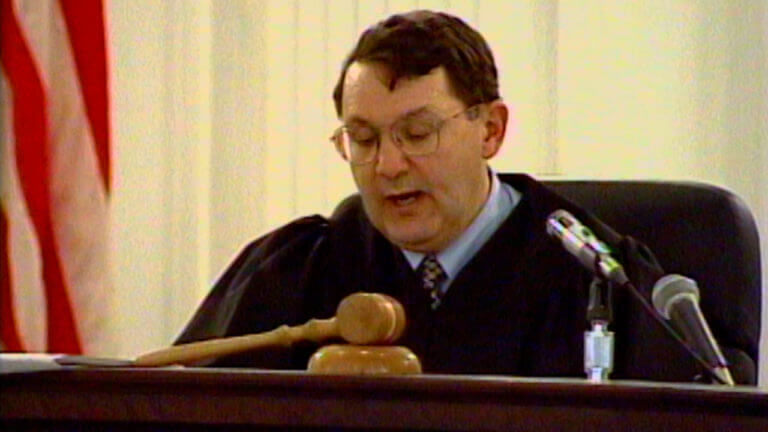
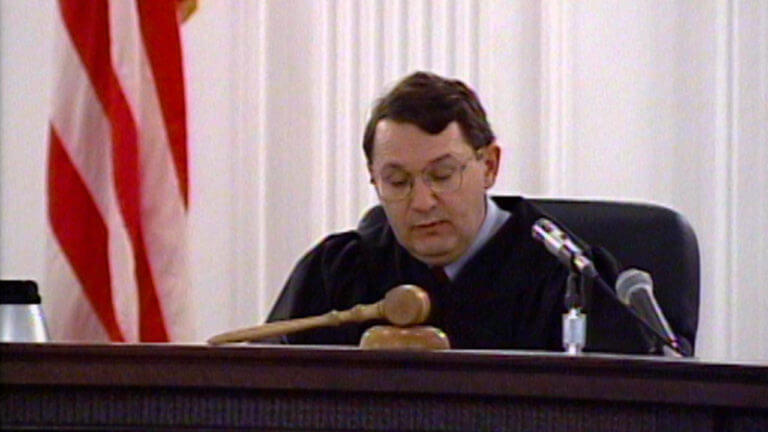
Albany Supreme Court Justice Joseph Teresi is appointed new trial judge.

Dec. 29

Justice Teresi sets new trial date for Jan. 31, 2000. Jury selection had been scheduled to begin Jan. 3.

2000
Jan. 19

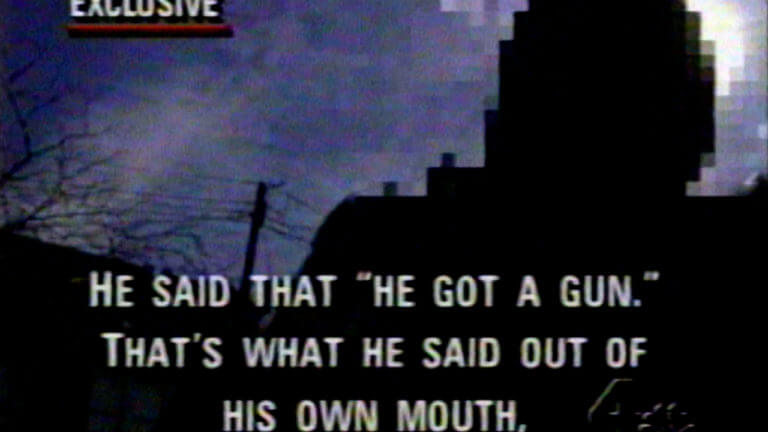
Justice Teresi refuses to reconsider a prior ruling that barred a secret "earwitness" statement from trial. In this statement, the witness claims she heard someone — presumably one of the officers — yell "He has a gun!" before the shooting. Defense attorneys believe the witnesses statement would have helped the officers' defense, but Justice Williams did not believe the testimony was vital to the case. In addition, Justice Teresi rules that testimony about prior shooting involving the McMellon, Boss, Murphy, and Carroll will not be admissible.

Jan. 25

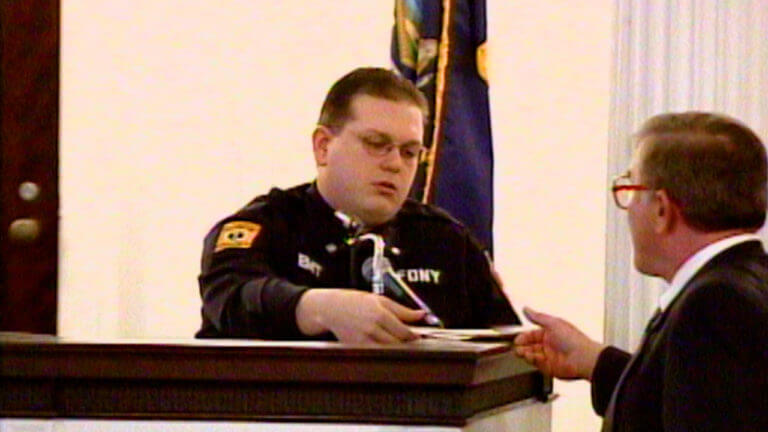
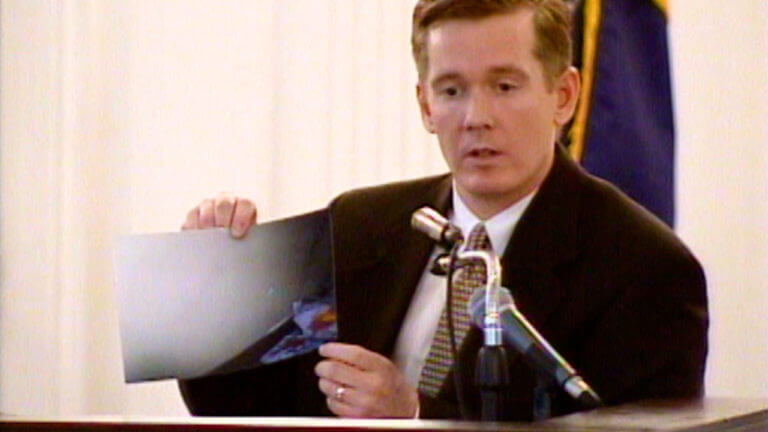
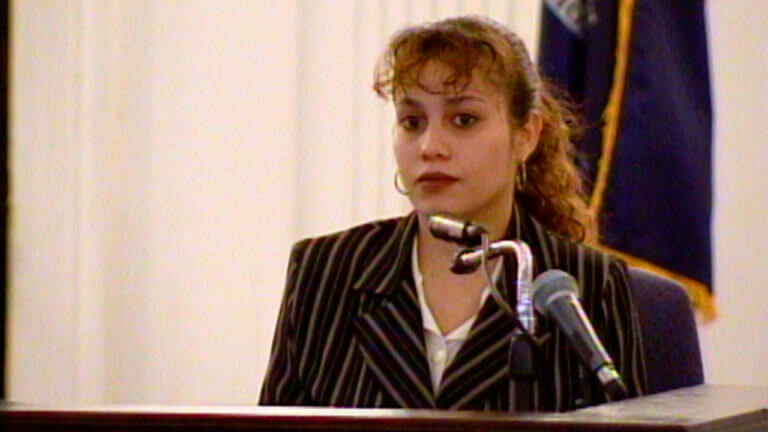
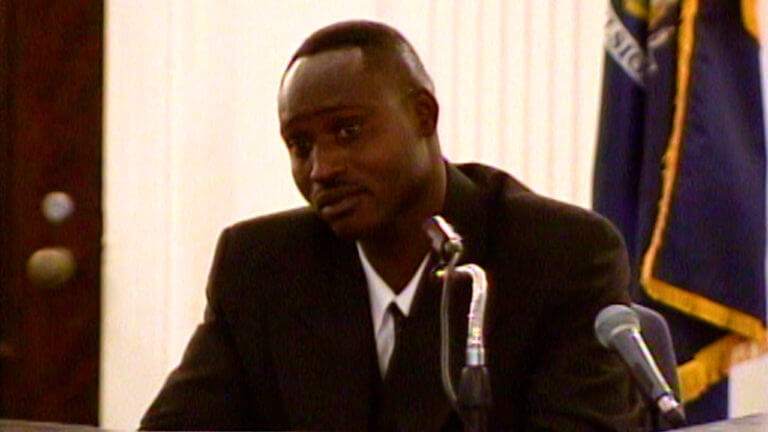
Justice Teresi rules that the New York law prohibiting television cameras in the courtroom is unconstitutional, thereby allowing Court TV to cover the Diallo shooting trial. The prosecution and defense say they will not appeal Teresi's ruling.

Jan. 31

Jury selection begins.

Feb. 1

Jury selection is completed.

Feb. 23

Deliberations begin.

Feb. 25

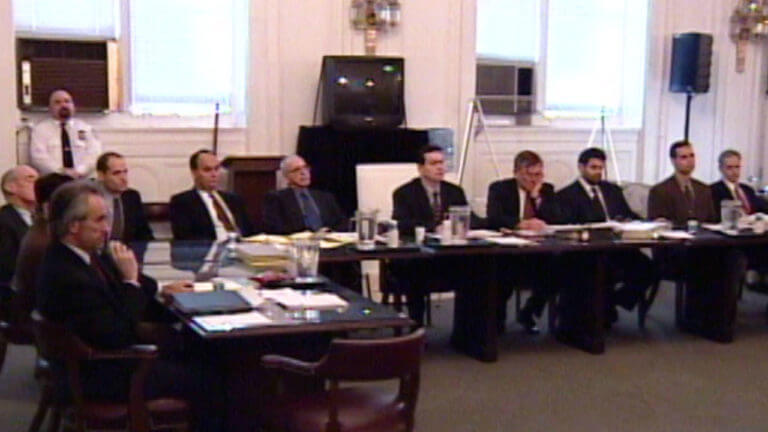
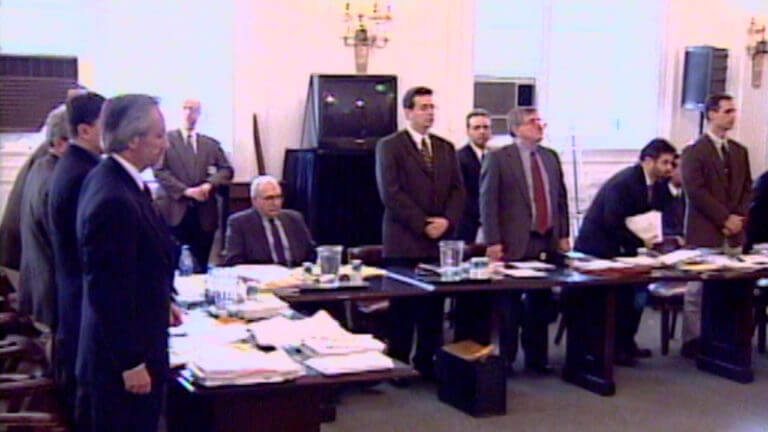
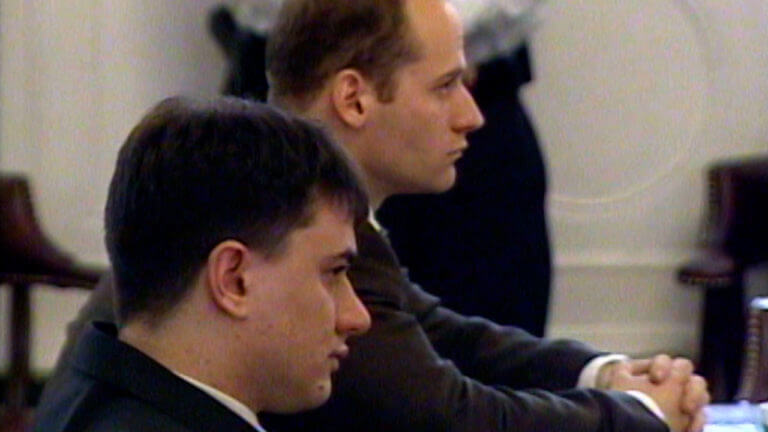
All four officers are acquitted, sparking protests led by Rev. Al Sharpton, who calls for a U.S. Justice Dept. investigation.

March 1

Justice Dept. says it will look at the case for possible civil rights violations.

Apr. 18

Diallo's parents file an $81 million lawsuit against the city of New York.

2001
Jan. 31

The Justice Dept. announces it will not pursue federal civil rights charges against the acquitted officers, with acting Attorney General Eric H. Holder Jr. saying that they "could not prove beyond a reasonable doubt that the officers willfully deprived Mr. Diallo of his constitutional right to be free from the use of unreasonable force."

2002
April 11

Citing a shortage of officers in other areas of a shrinking police department, newly appointed Commissioner Ray Kelly announces that the controversial Street Crime Unit will be disbanded.

    Amadou Diallo was unarmed when he was killed by police in a fusillade of 41 bullets outside his Bronx apartment house on Feb. 4, 1999. The four officers were acquitted of all state criminal charges on Feb. 25, 2000.    
   
  • Verdict: Acquittal
  • Full coverage
  •    
       
  • Amadou Diallo
  • The officers
  • The judge
  •    
       
  • Case timeline
  •    
       
  • Meet the jury
  • Albany v. the Bronx
  •    
       
  • Defendants in the Hot Seat
  •    
       
  • Civil Complaint
  • The Indictment
  • The Autopsy Report
  • Judge's Letter Denying McDonald Admission to Trial
  • Opening Statements Transcript
  • Defense's Change of Venue Motion
  • Judge's Camera Access Decision
  • Diallo's Asylum Application
  • Jury Instructions
  •    
     

    ©2007 Courtroom Television Network LLC. All Rights Reserved.
    Terms & Privacy Guidelines

    Small Court TV Logo