Return To Court TV Homepage  
>>>>>>
U.S.
ABOUT COURT TV

U.S.

Trials

World

People

On Air

Video

Talk

Search


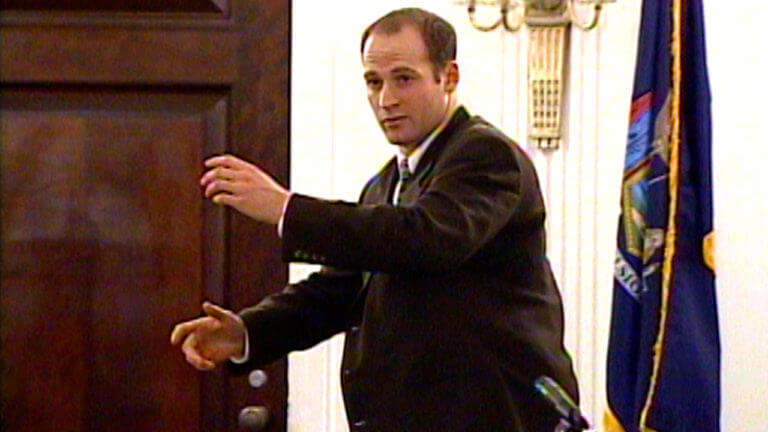
Watch prosecutor Eric Warner's opening statement

PLAY


Free RealPlayer


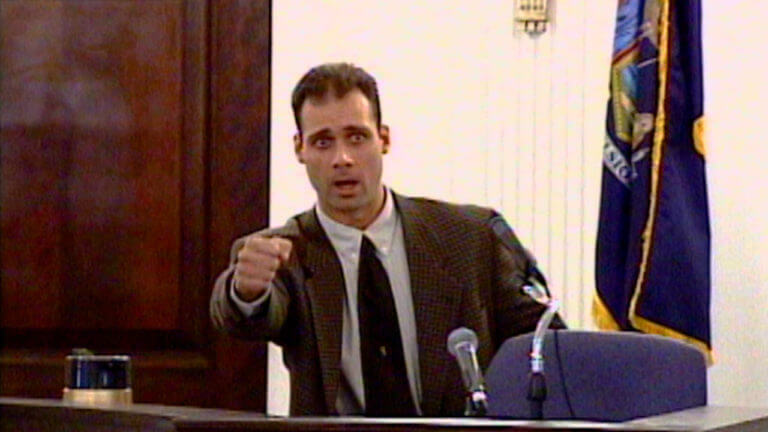
Watch defense lawyer Stephen Worth's opening statement

PLAY


Free RealPlayer


Updated February 2, 2000, 11:59 a.m. ET

Diallo officers' attorneys: shooting was reasonable accident, not crime

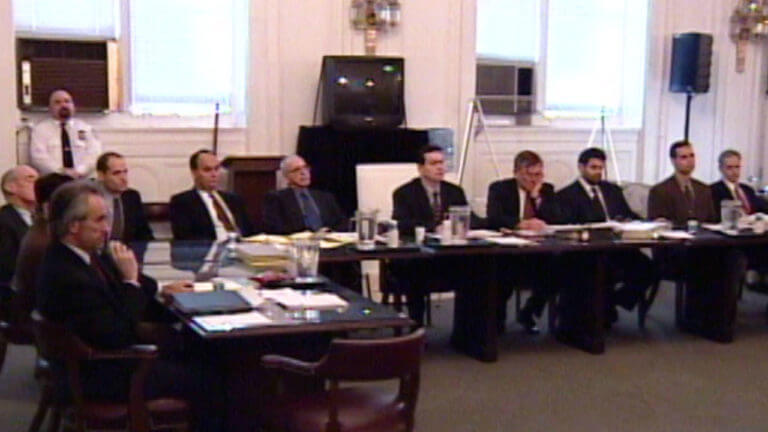
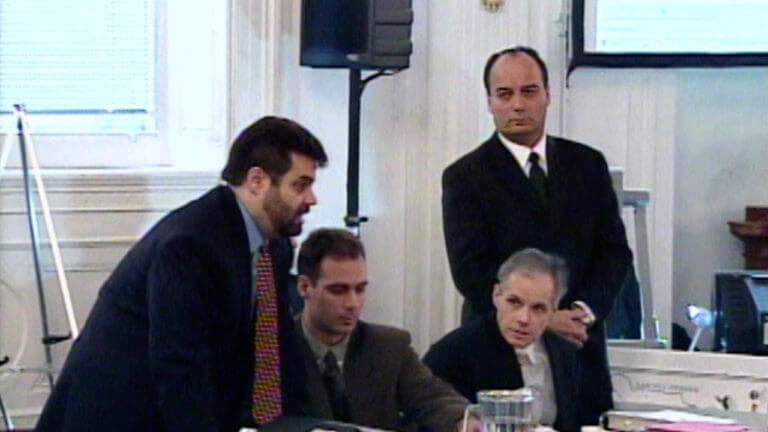
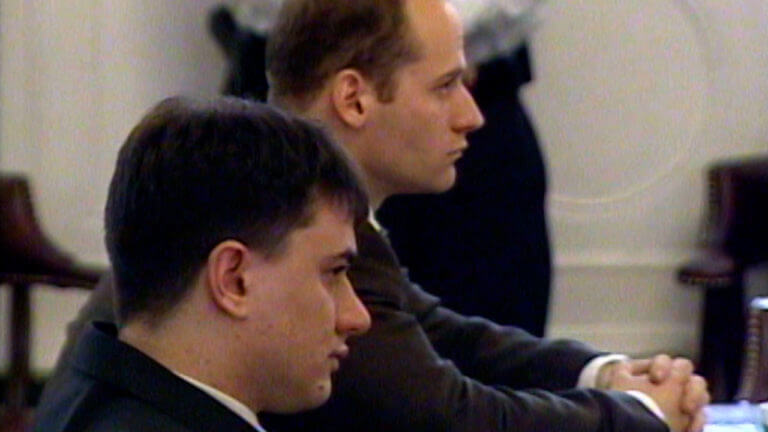
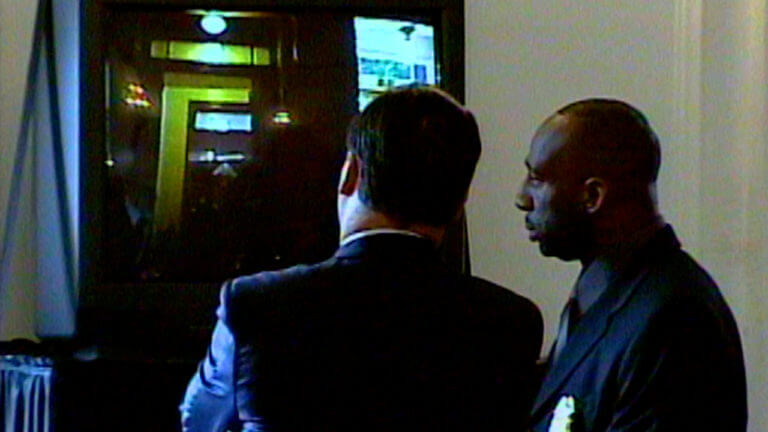
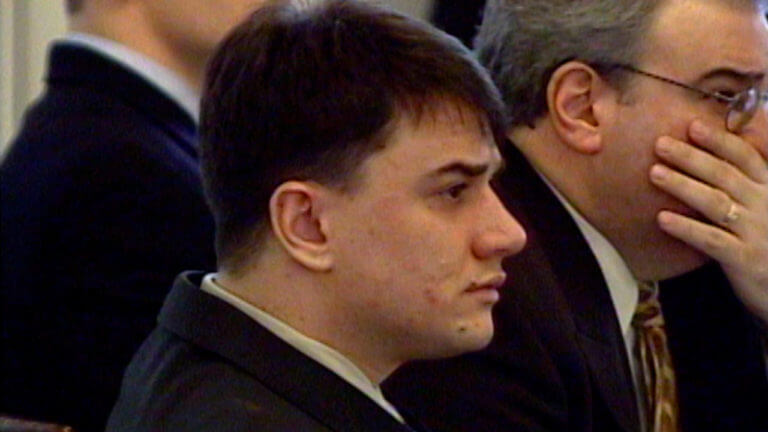
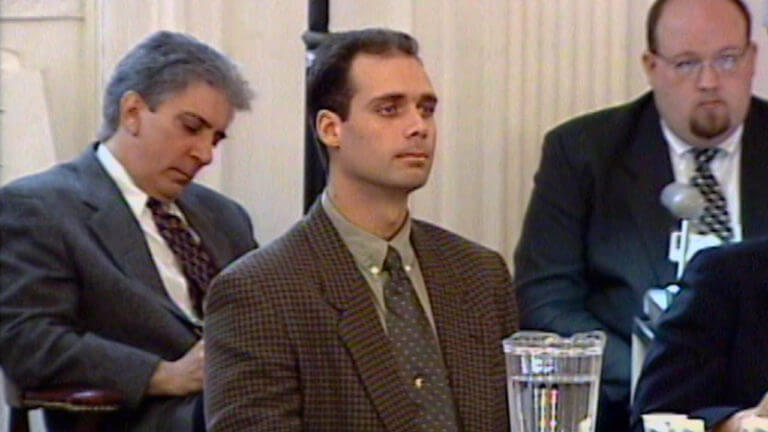
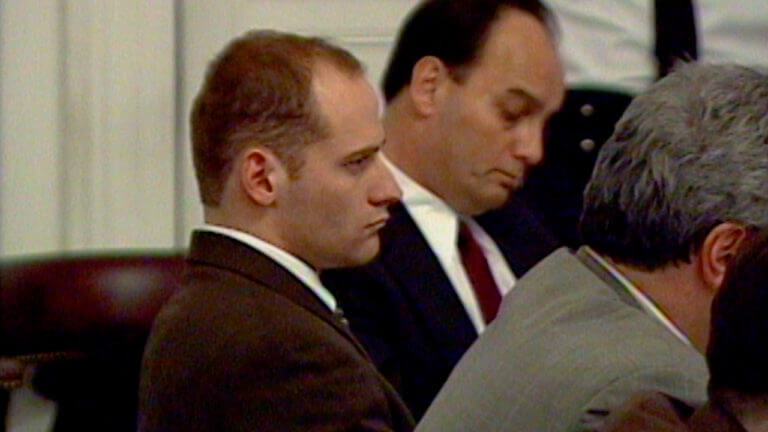
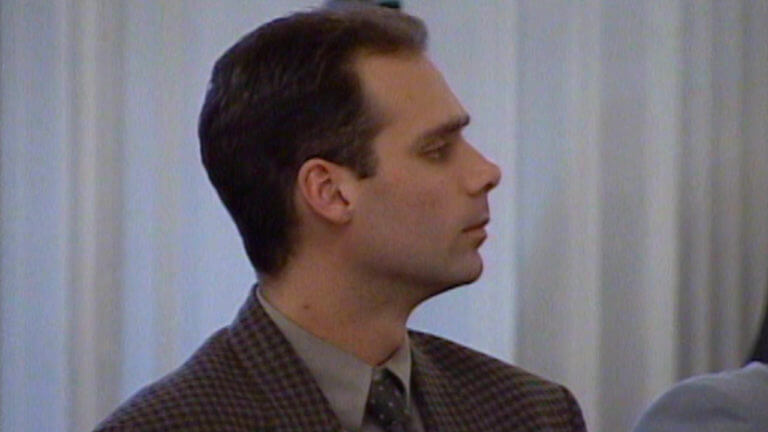
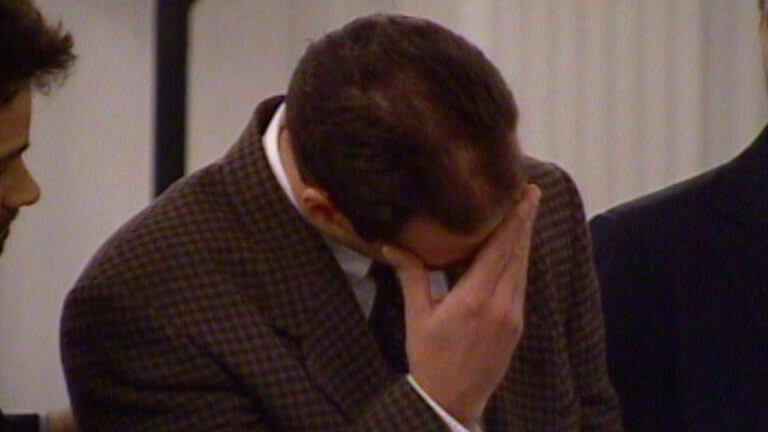
Defendants Kenneth Boss and Sean Carroll look on as opening statements are delivered. Carroll fired 16 shots at Amadou Diallo; Boss fired 5.(Court TV)

           
DIALLO SHOOTING TRIAL

            >>>> Discuss the case on our message board

>>>> Special Report: Behind the Badge with a Hand on the Trigger

>>>> Profiles of Key Figures

>>>> Profiles of Jurors

>>>> Background Report

>>>> Full Coverage of Case/Archived Articles

>>>> Case Timeline


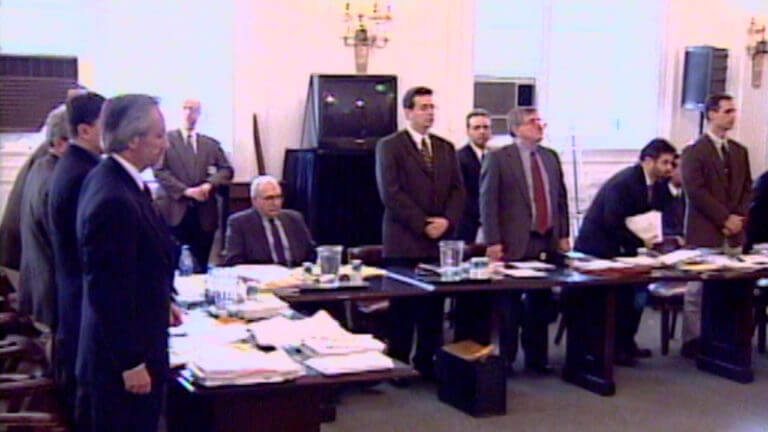
ALBANY, N.Y. (Court TV) — Defense attorneys for the four NYPD officers accused of murder in the death of Amadou Diallo called the killing a tragedy during opening statements Wednesday but insisted it was the result of a reasonable police response.

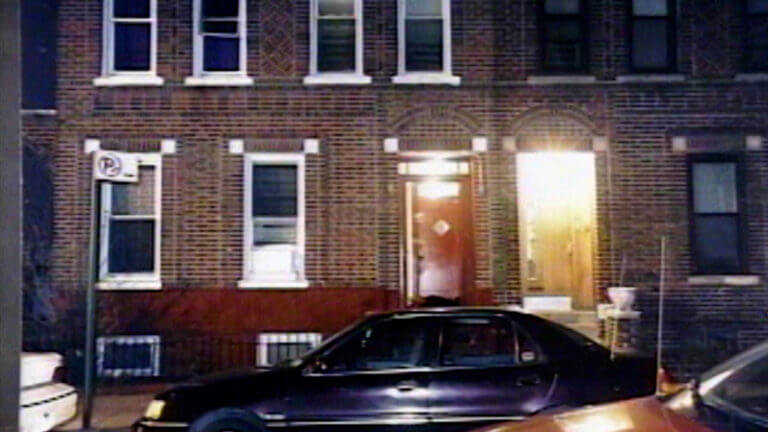
Diallo was unarmed when he was gunned down by Officers Sean Carroll, Richard Murphy, Edward McMellon and Kenneth Boss in a hail of 41 bullets Feb. 4, 1999. The West African street vendor was struck 19 times while standing in the vestibule of his Bronx apartment building. According to the defense, the undercover officers fired because they thought Diallo was reaching for a gun.

In the end, McMellon and Carroll had each emptied their 16-bullet semiautomatic pistols; Murphy fired on Diallo four times and Boss fired five times. Diallo did not have a weapon; he was armed only with a beeper and a wallet. The officers, who were members of New York City's Street Crime Unit, were in plain clothes. They were looking for an alleged serial rapist when they encountered Diallo.

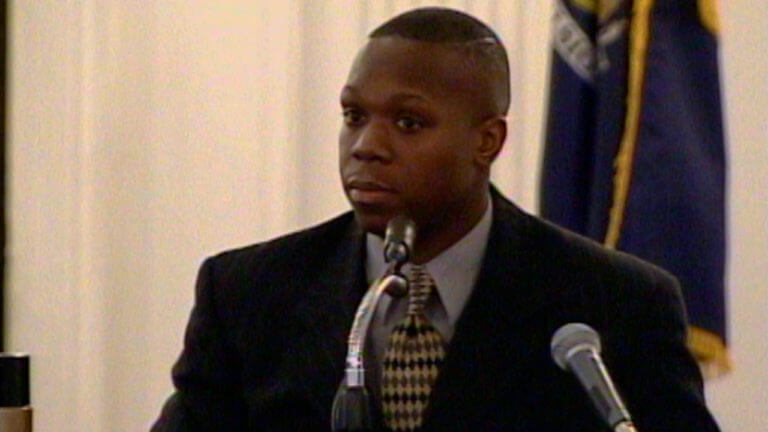
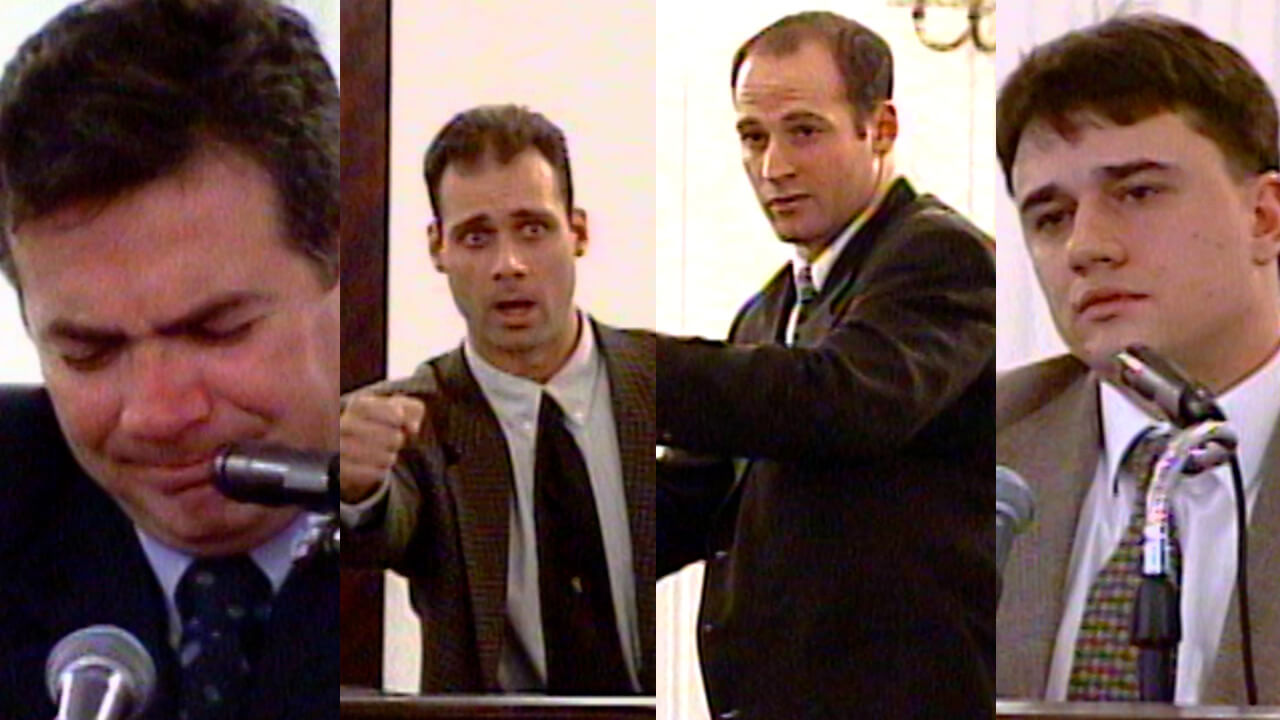
Jurors heard four separate opening statements — but a united defense — from each of the officers' attorneys Wednesday. Stephen Worth, McMellon's attorney, told jurors that the prosecution had not yet provided a motive the officers would have had for intentionally killing Diallo.

"I'm a little disappointed," Worth said. "I have been waiting a year to see a motive these four officers would have had for murdering Ahmed Diallo. One possibility is that they woke up and decided somebody needed to die that day, and they all decided, at the same time, that Diallo would be the one. The other possibility is that they all went crazy at the same time on February 4, 1999 and decided to kill this man. Or the third possibility is that when they arrived at Wheeler Avenue in the Bronx, they individually made a decision that they had to fire their weapons to eliminate a threat. We all know the first two scenarios are unlikely. They made a decision, based on their training and the facts known to them at the time."

photo
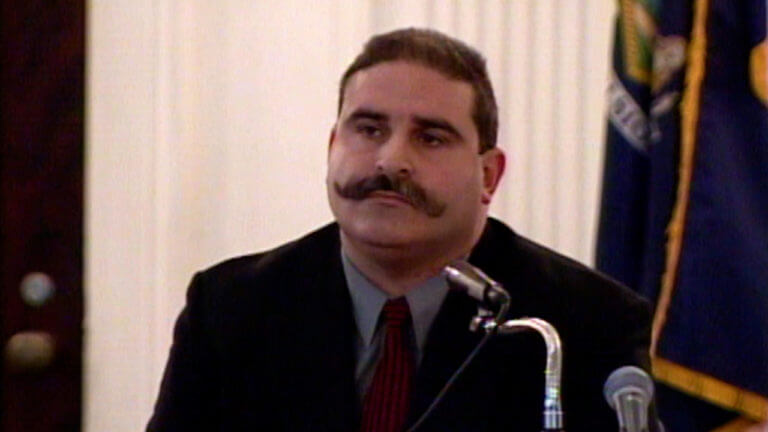
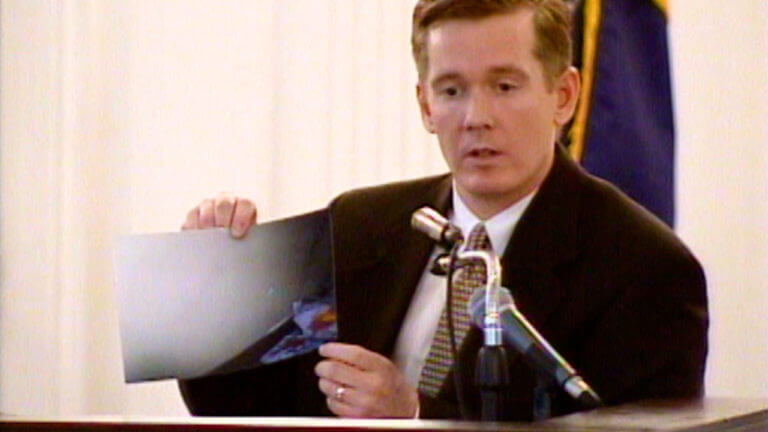
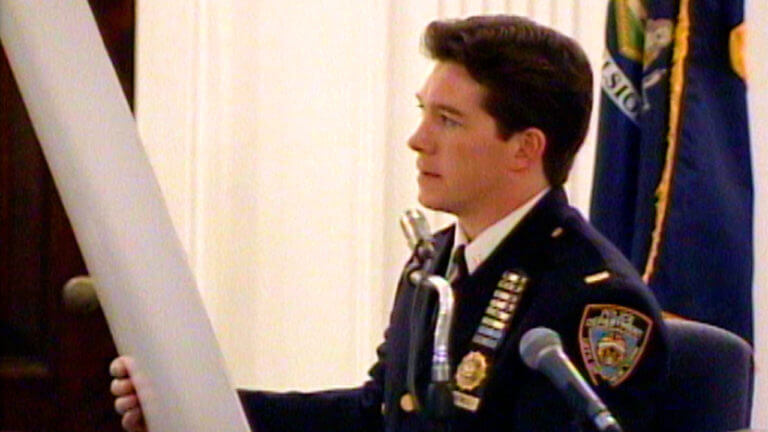
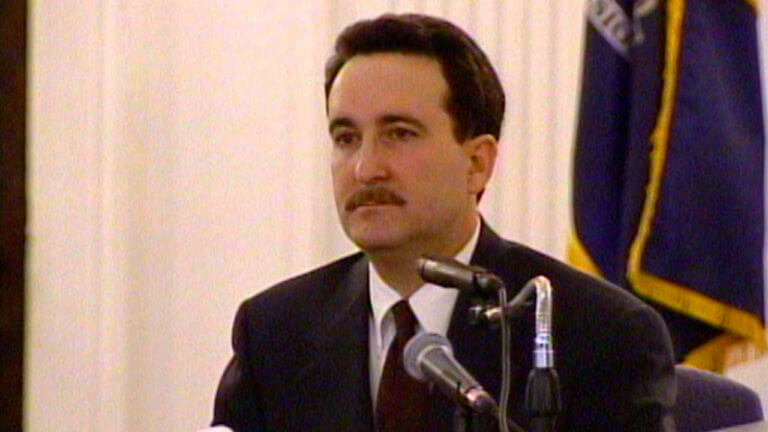
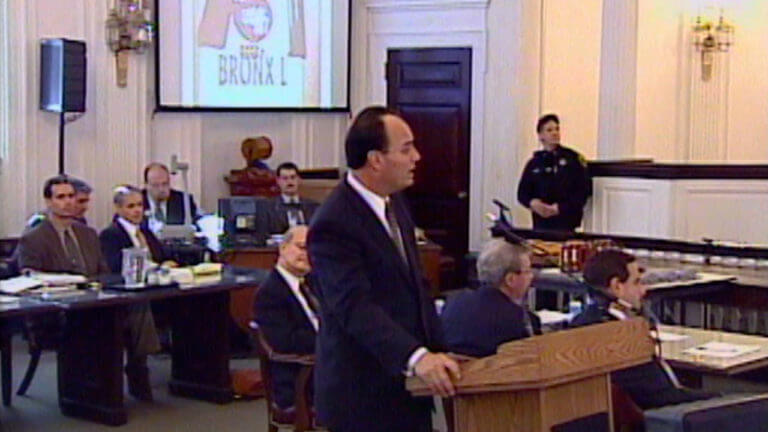
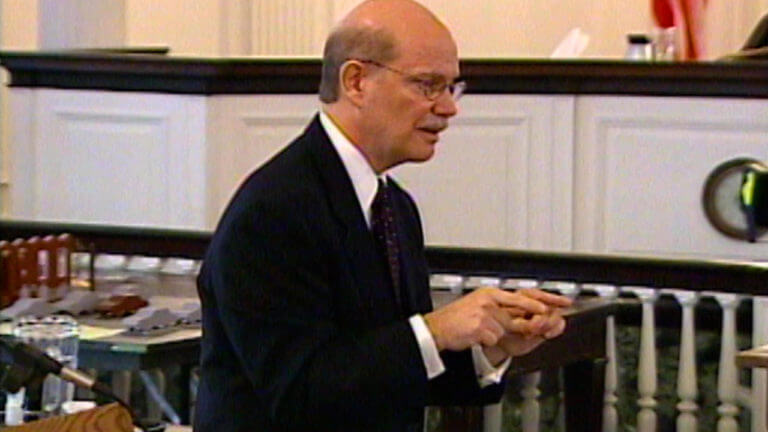
Prosecutor Eric Warner told jurors the officers intended to kill Diallo when they left their unmarked vehicle. (Court TV)

Worth stressed that McMellon and his fellow officers believed that Diallo was acting suspiciously at the time. When they approached the West African, Worth said, he produced what they thought was a gun. At that point, Worth stressed, McMellon thought he was about to be shot and had to make a decision: either be fired upon or defend himself and the other officers.

"He had only one decision to make," Worth said. "Reasonably believing he was about to be fired on, he decided to defend himself and the other officers who were with him. ... The fact that the officers closest to Diallo fired the most tells you something. They felt like they were immediately in danger."

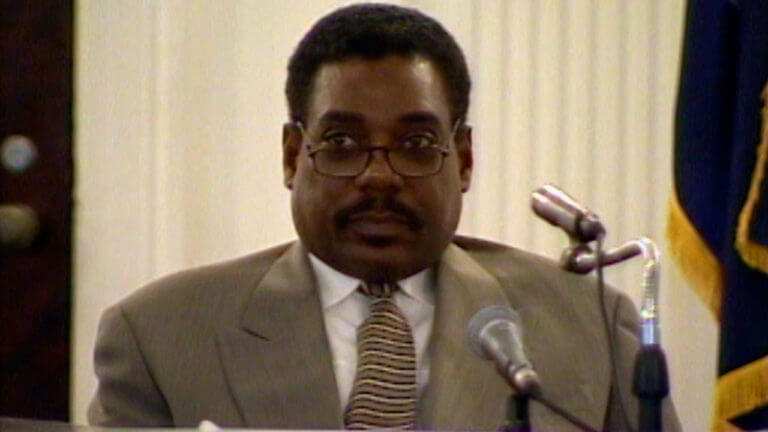
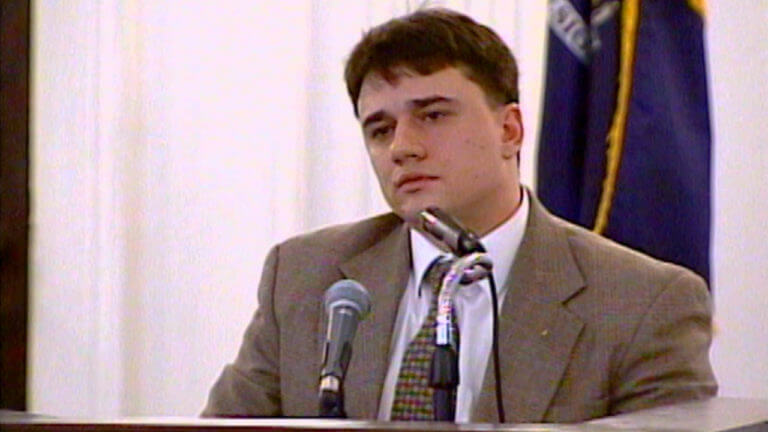
Carroll's attorney, Bennett Epstein, told jurors that his client and his "brother" officers reacted the way they did to Diallo because of their NYPD training. Citing the dimly-lit vestibule in front of Diallo's apartment building and Diallo's crime-ridden, dangerous neighborhood, Epstein called the shooting an "accident destined to happen. Epstein said that his and his client's hearts went out to the Diallo family, but he stressed that, for some reason, the victim felt compelled to avoid police the night he was killed.


"In the 1990s, a human being should have been able to stand inside the vestibule of his own home without being shot to death."
— Prosecutor Eric Warner in opening statements


According to Epstein, Diallo was acting suspiciously at the time of the encounter, alternately stepping in and out of the vestibule and looking down the street towards Westchester Avenue nearby. Diallo, he said, backed in to the vestibule when the officers identified themselves and did not adhere to their orders to halt. Epstein claimed that Diallo had turned his back momentarily when he backed into the vestibule; when he turned around he was fidgeting with what appeared to be a gun to officers. According to Epstein, that's apparently when Carroll cried, "Gun!"

Epstein argued that the 41 shots fired illustrate the fear the officers had of being shot. He insisted the officers fired defensively. Refuting prosecution claims that the officers killed with depraved indifference, he argued that Carroll attempted to perform CPR on Diallo and begged him to "Please don't die!"

Boss' attorney, Steven Brounstein, stressed to jurors that Diallo's shooting was "a reasonable mistake caused by fear of losing your life." Insisting that Diallo's death was a tragedy, not a crime, Brounstein said Boss and the other officers fired not because they intended to murder but because they thought they were eliminating a deadly threat.

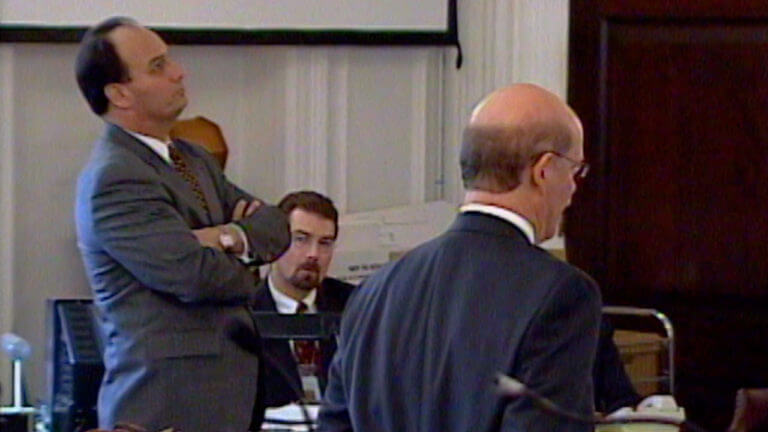
James Culleton, Murphy's attorney, promised the jury that the defense would present a civilian witness who would say that Diallo appeared to be acting suspiciously in front of his building before his encounter with police. All the attorneys said that their clients would testify.

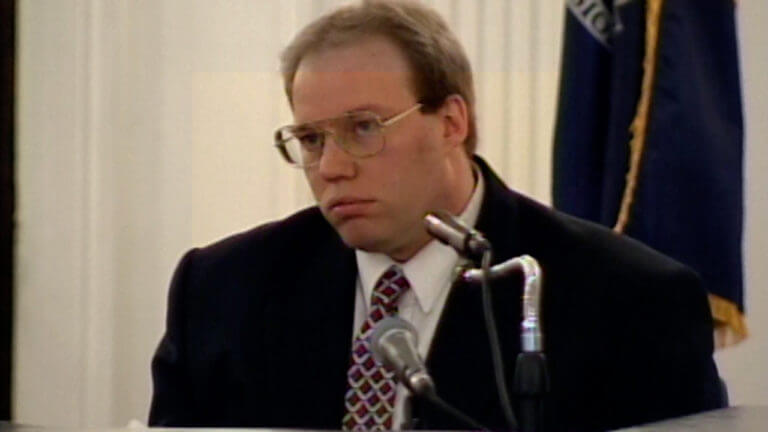
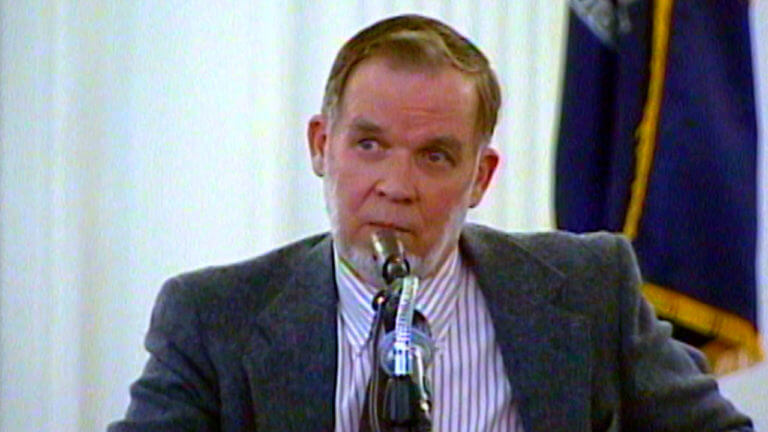
Prosecutor Eric Warner told jurors in his opening statement that, despite their claims, the officers did not identify themselves or say, "Halt, police!" Warner said he would prove that the officers had an intent to kill when they left their unmarked vehicle and confronted Diallo in front of his building.

"We do not believe the defendants woke up that morning and intended to kill Amadou or anyone else," Warner said. "But when they got out of the car, they made the conscious decision to shoot Amadou. They made a decision to shoot into the vestibule of an occupied apartment building when most people were home at that time."

photo
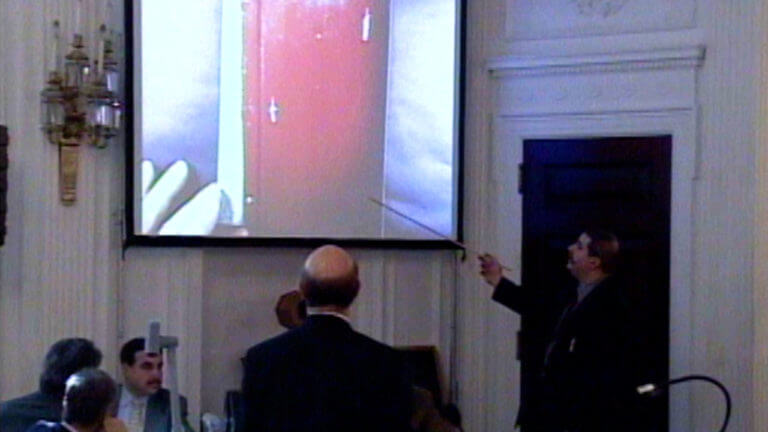
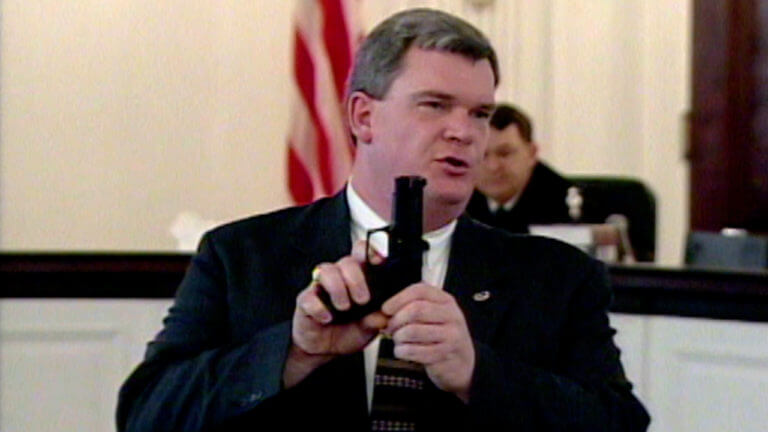
Defense attorney Bennett Epstein said that Diallo's "suspicious" behavior sparked the fatal shooting. (Court TV)

Warner said that each of the 41 shots fired required a separate pull of the trigger. Describing the various injuries that 19 of the bullets inflicted, the prosecutor noted that several rounds struck Diallo when he was either falling down or already down. According to Warner, this proves that the officers are guilty of murder in Diallo's death and of reckless endangerment because they put the residents of Diallo's building in danger.

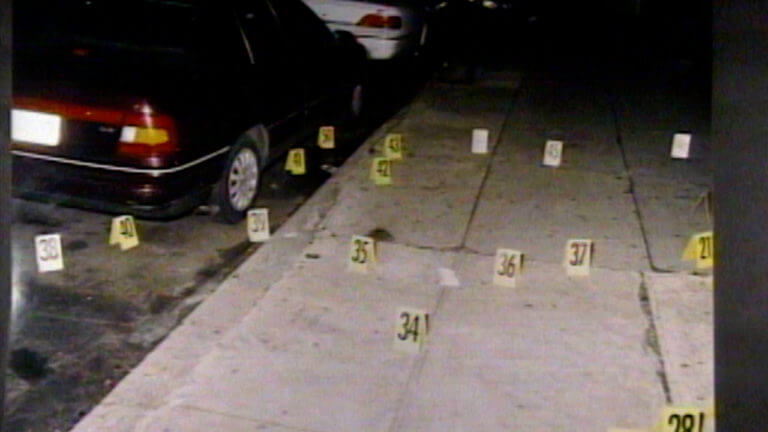
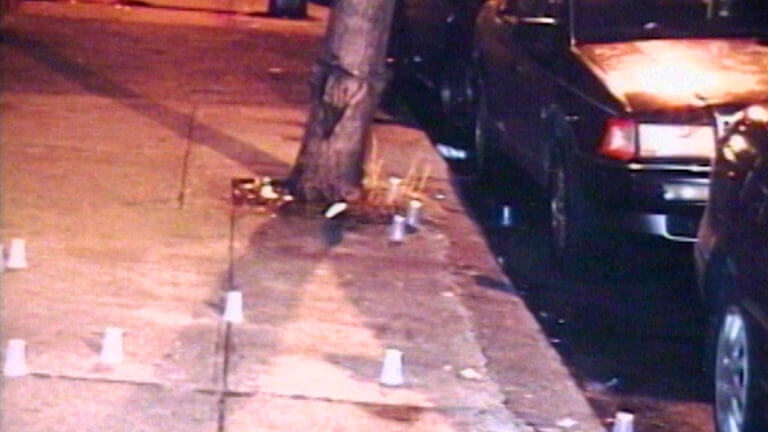
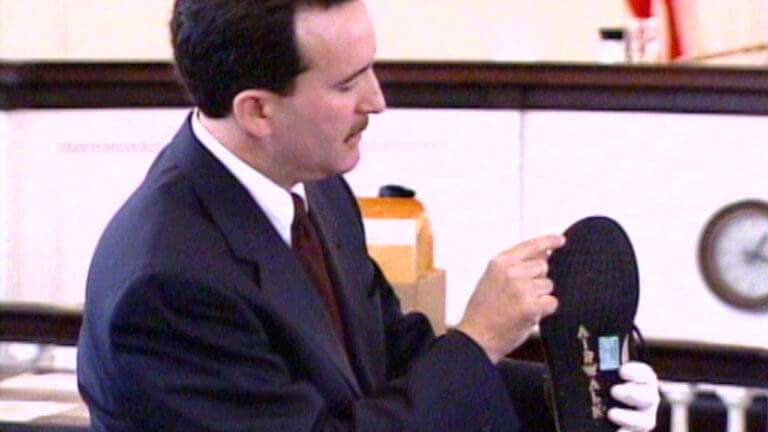
The prosecution's first witness, an investigator at the crime scene, is currently on the stand.

— Bryan Robinson


Court TV Homepage

Site Map


<<<back Top of page  
Contact Us U.S. |  TRIALS |  WORLD |  PEOPLE |  ON AIR |  VIDEO |  TALK |  ABOUT CTV |  SEARCH 
      © 2000 Courtroom Television Network LLC. All Rights Reserved.
Terms & Privacy Guidelines