NY v. BOSS, et al. (2000)
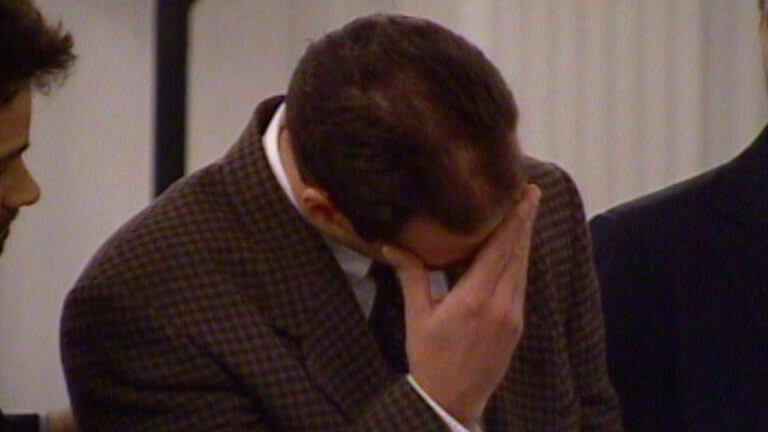
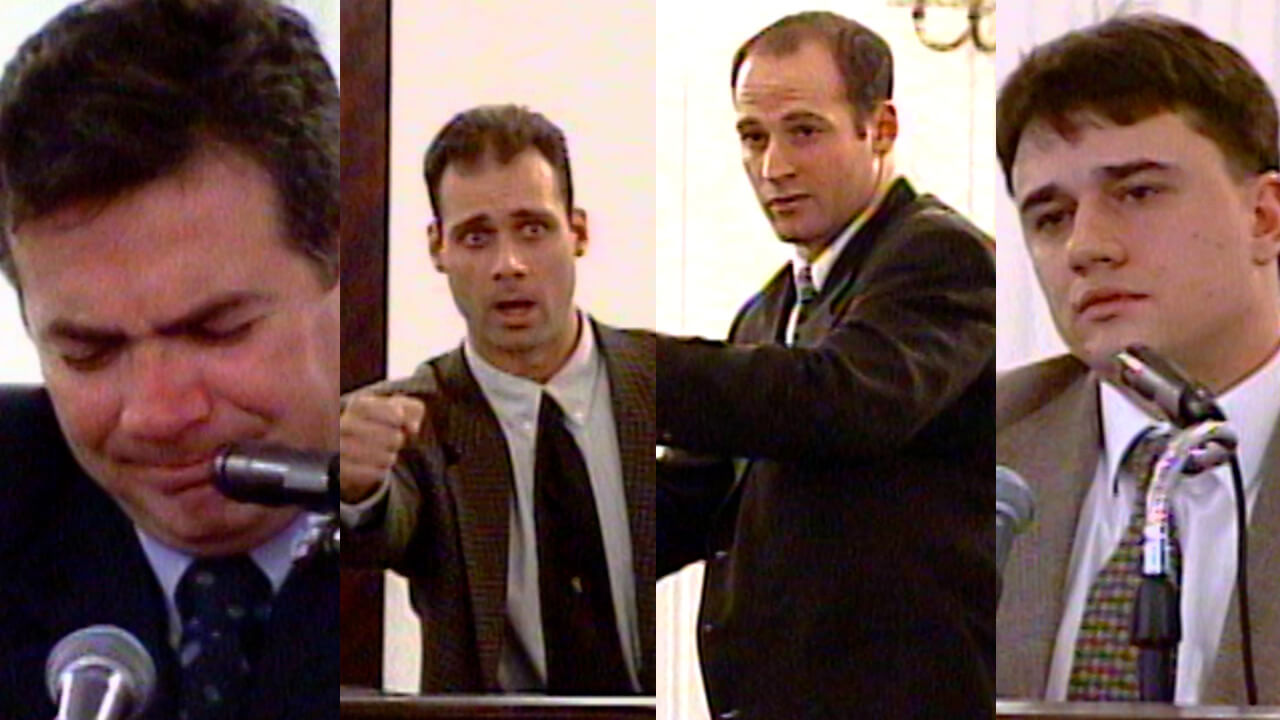
Four New York City police officers are accused of shooting and killing West African immigrant Amadou Diallo. The officers, members of the elite Street Crime Unit, are each charged with two counts of second-degree murder and one count of reckless endangerment, facing 25 years to life if convicted. Prosecutors claim the officers, who were looking for a rape suspect at the time, fired 41 shots at the unarmed Diallo. The defendants, Kenneth Boss, Sean Carroll, Edward McMellon & Richard Murphy, believe Diallo was reaching for a gun when they shot him.
NY v. BOSS, et al. (2000)
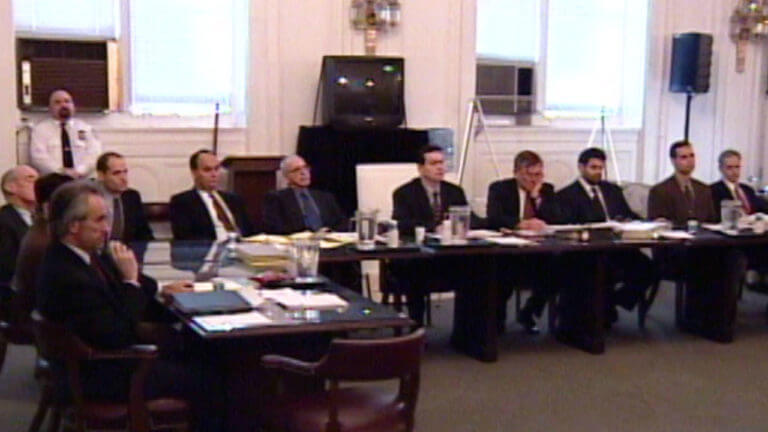
1-NY v. Boss, et al.: Opening Statements
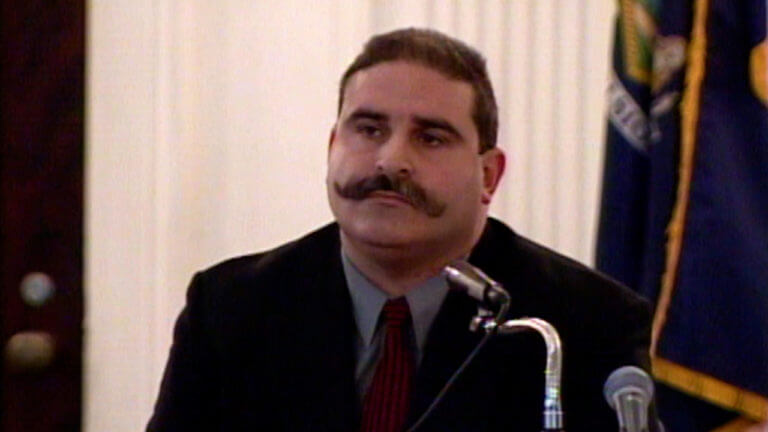
2-NY v. Boss, et al.: Detective Joseph Flannino
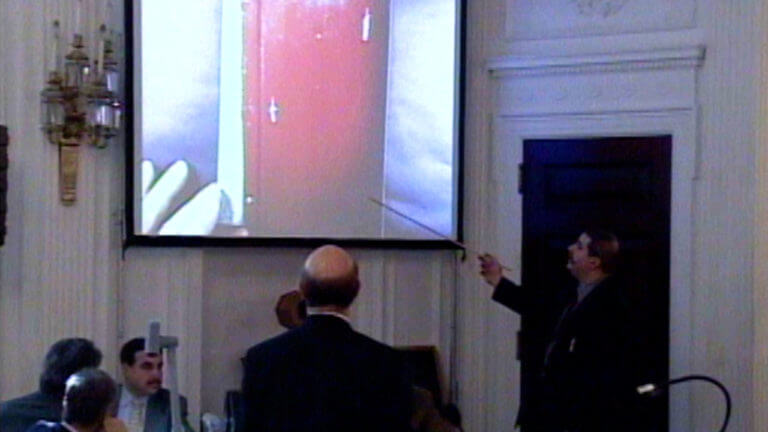
3-NY v. Boss, et al.: Detective Joseph Flannino PT2
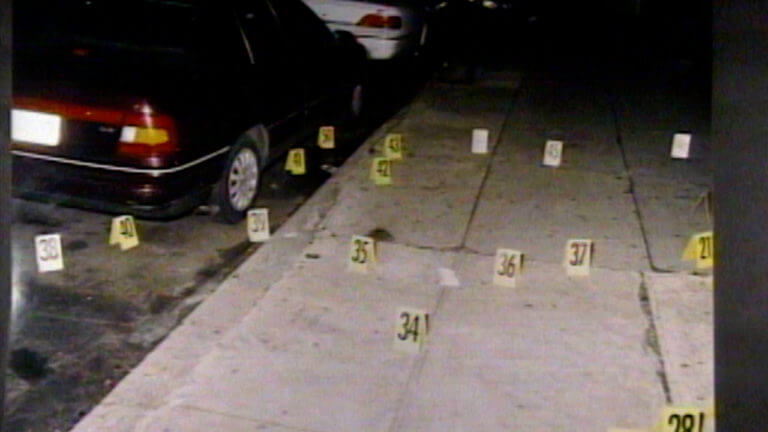
4-NY v. Boss, et al.: Detective Joseph Flannino PT3
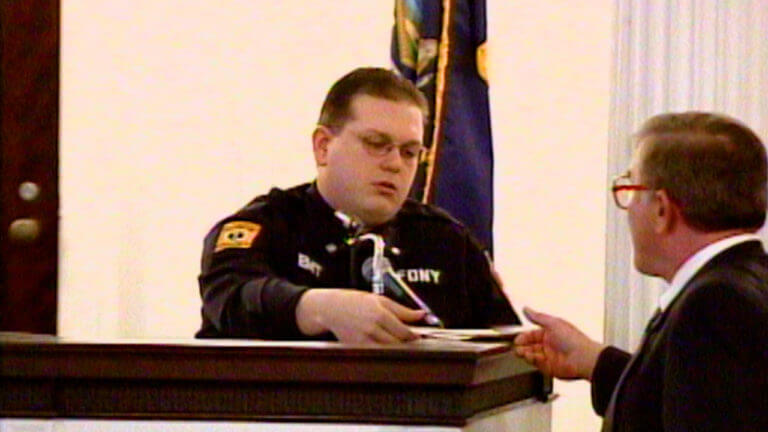
5-NY v. Boss, et al.: Donald Riley
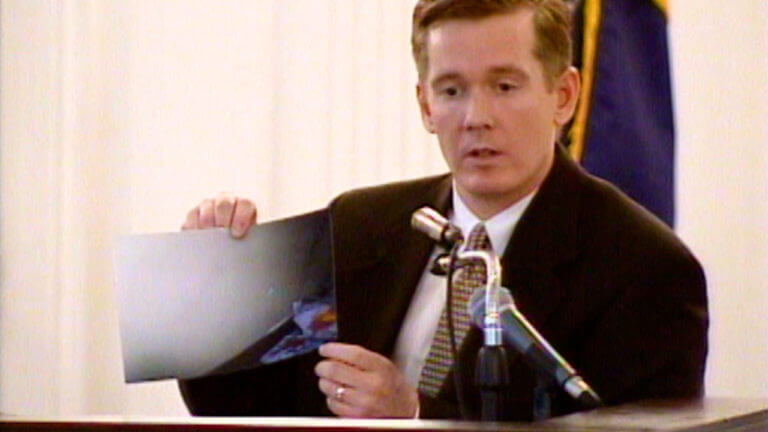
6-NY v. Boss, et al.: Investigator Craig Angard & Special Agent William Highland
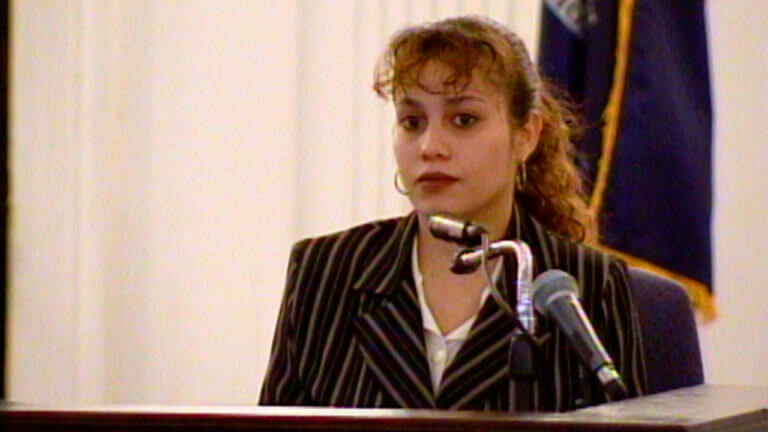
7-NY v. Boss, et al.: Debbie Rivera
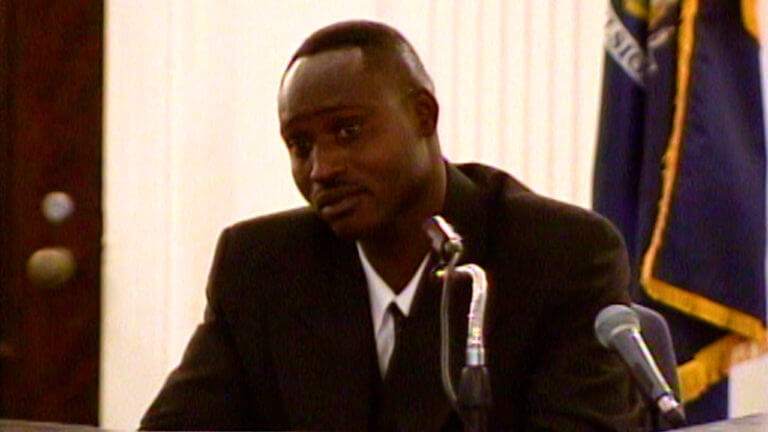
8-NY v. Boss, et al.: Momodou Kujadi
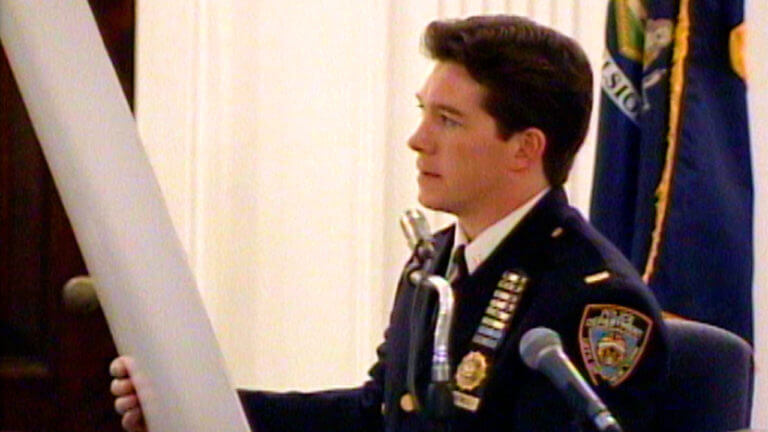
9-NY v. Boss, et al.: Lt. Kevin Cantwell
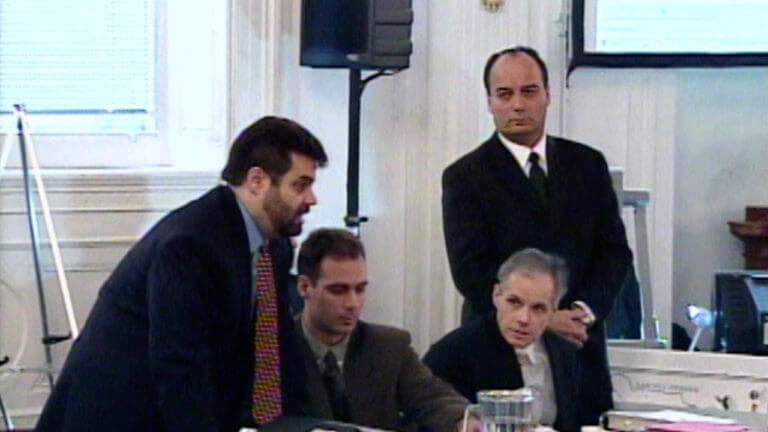
10-NY v. Boss, et al.: Outside the Presence of the Jury
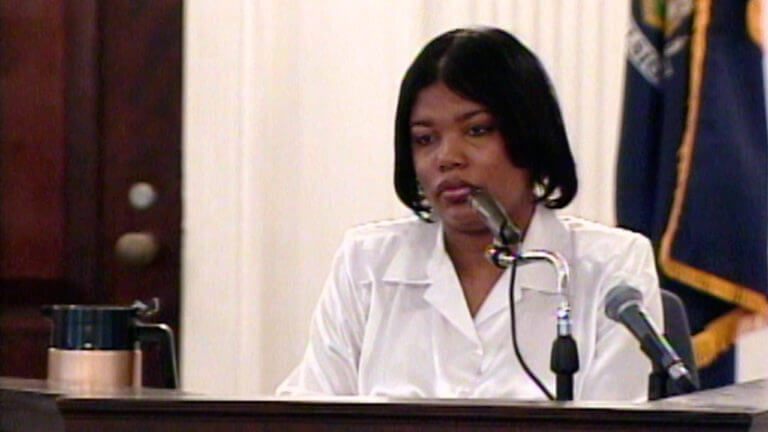
11-NY v. Boss, et al.: Ida Vincent
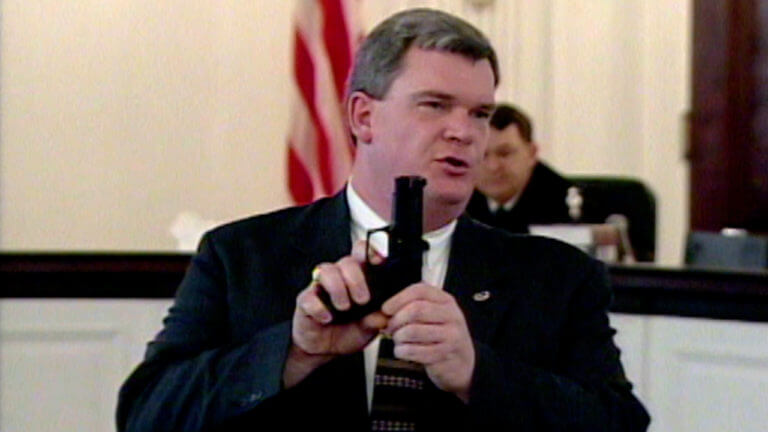
12-NY v. Boss, et al.: Detective Kevin Barry
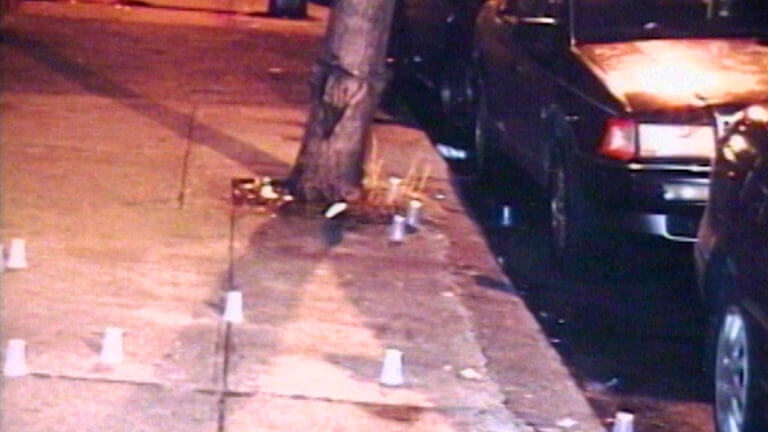
13-NY v. Boss, et al.: Detective Kevin Barry PT2
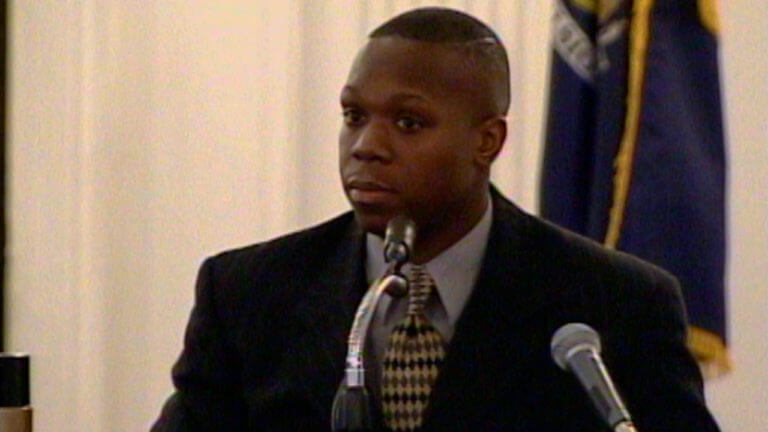
14-NY v. Boss, et al.: Thomas Bell & Raz Chowdhury
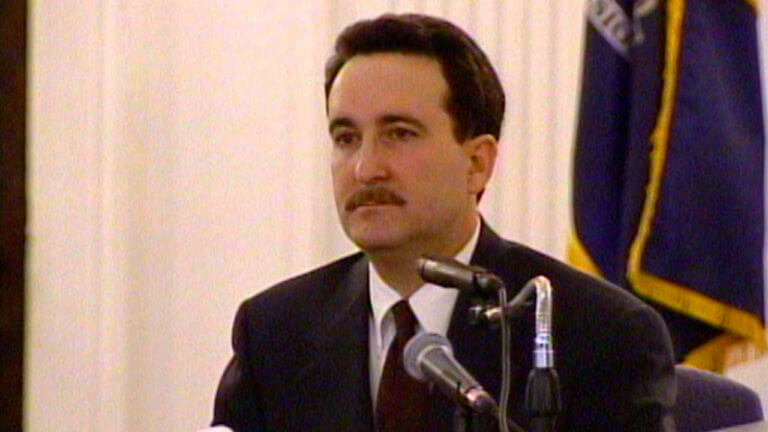
15-NY v. Boss, et al.: Dr. Joseph Cohen
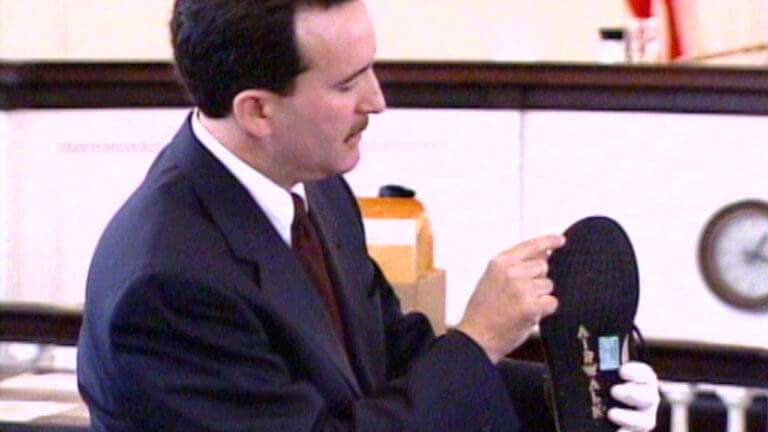
16-NY v. Boss, et al.: Dr. Joseph Cohen PT2
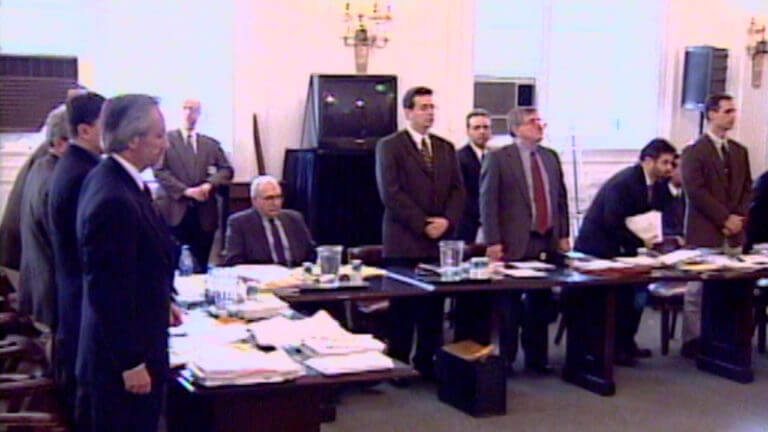
17-NY v. Boss, et al.: Dr. Joseph Cohen PT3
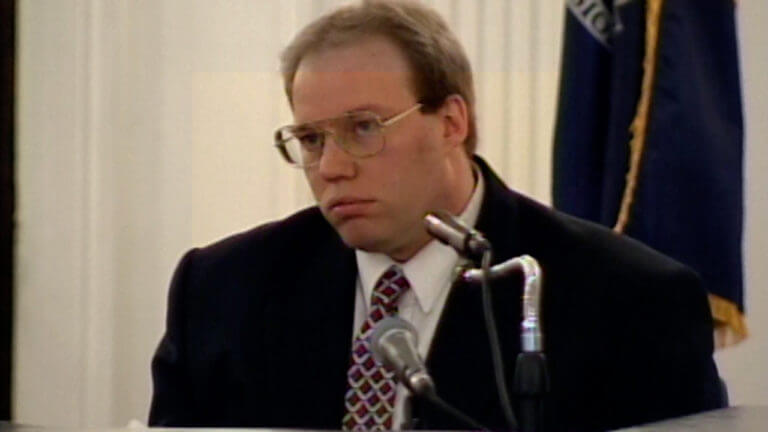
18-NY v. Boss, et al.: Sgt. Peter Schumacher
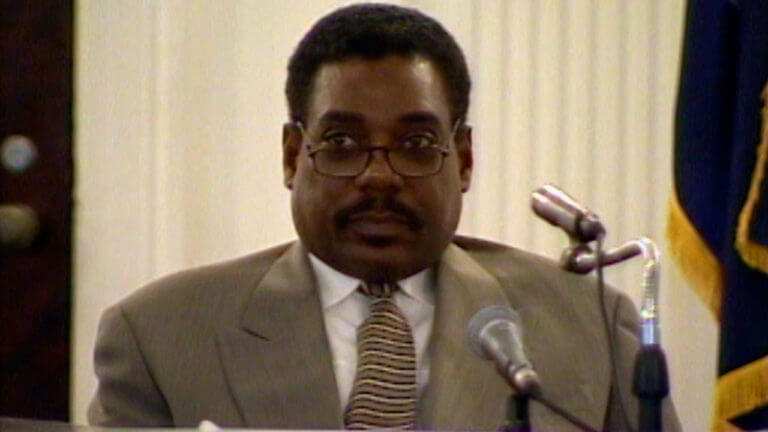
19-NY v. Boss, et al.: Investigator Melivn Mays
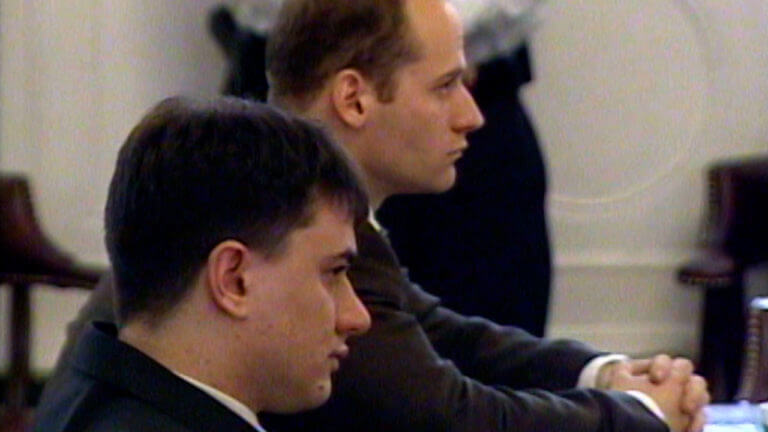
20-NY v. Boss, et al.: Bernado Jaivier & Schrrie Elliott
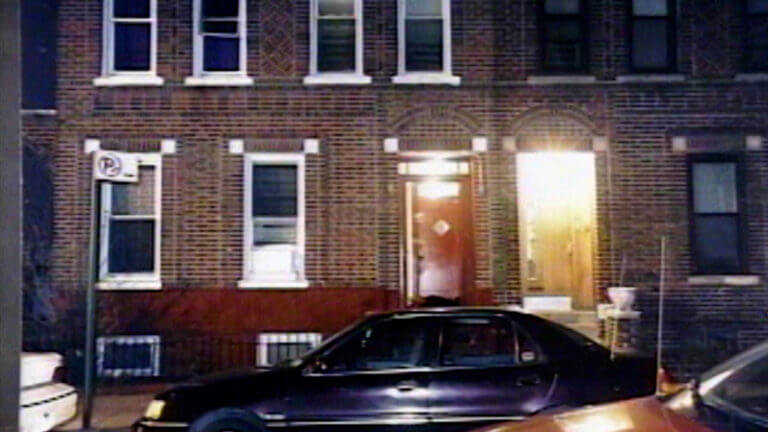
21-NY v. Boss, et al.: Luis Agosto, Lavonne Clarke & Deenauth Bassit

22-NY v. Boss, et al.: OPJ: Schrrie Elliott
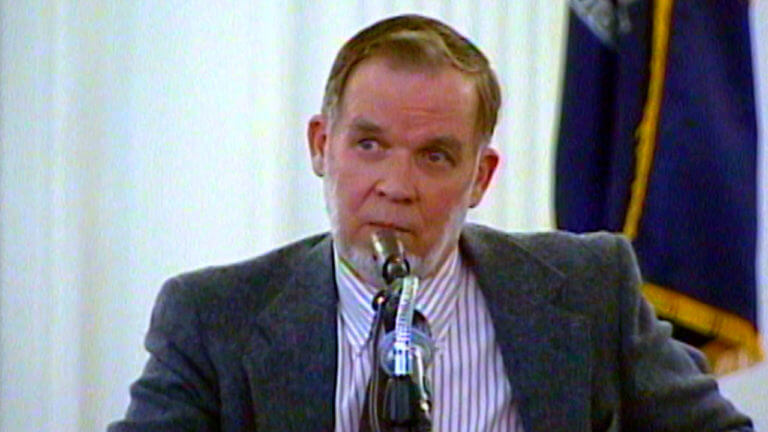
23-NY v. Boss, et al.: Dr. Martin Fackler
24-NY v. Boss, et al.: Sgt. Julian Harper & Cpt. Anthony Dascazio
25-NY v. Boss, et al.: Dr. Richard Mason
26-NY v. Boss, et al.: Schrrie Elliott
27-NY v. Boss, et al.: Defendant Sean Carroll
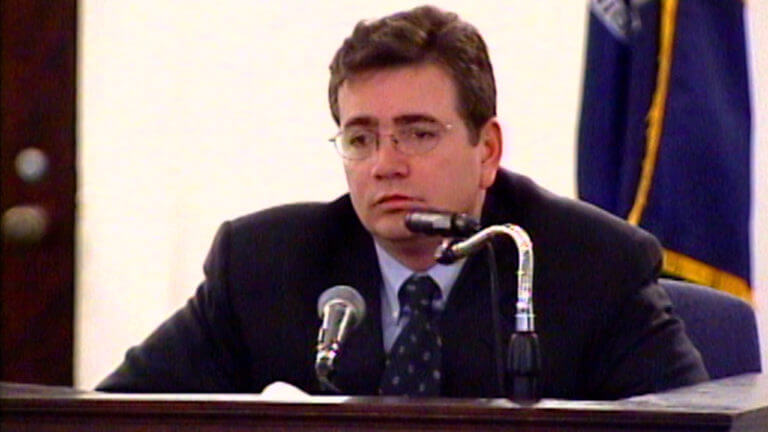
28-NY v. Boss, et al.: Defendant Sean Carroll PT2
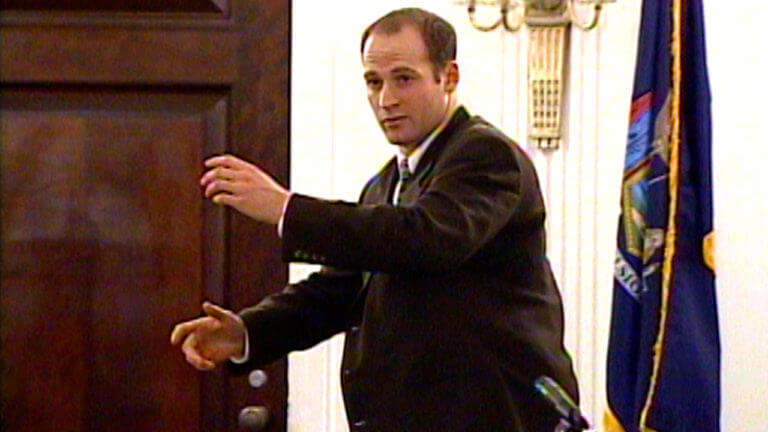
29-NY v. Boss, et al.: Defendant Edward McMellon
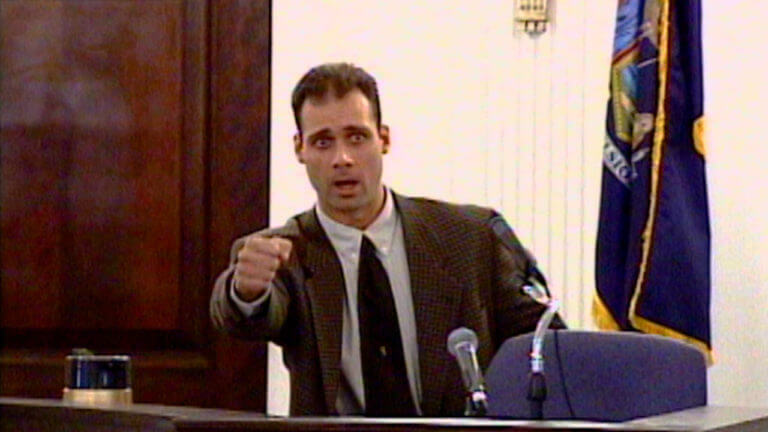
30-NY v. Boss, et al.: Defendant Kenneth Boss
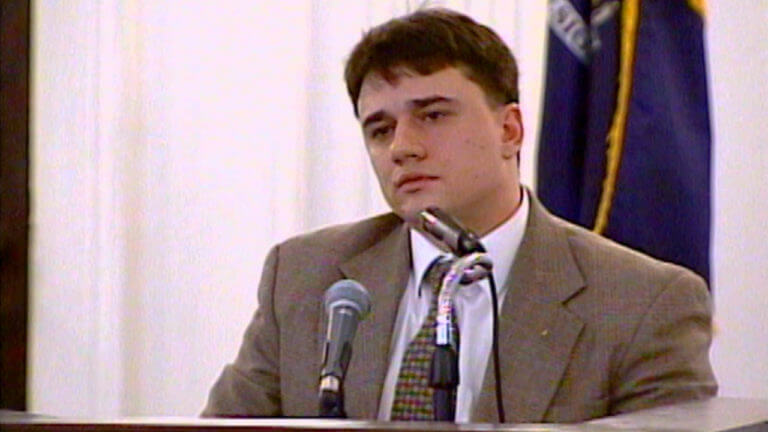
31-NY v. Boss, et al.: Defendant Richard Murphy
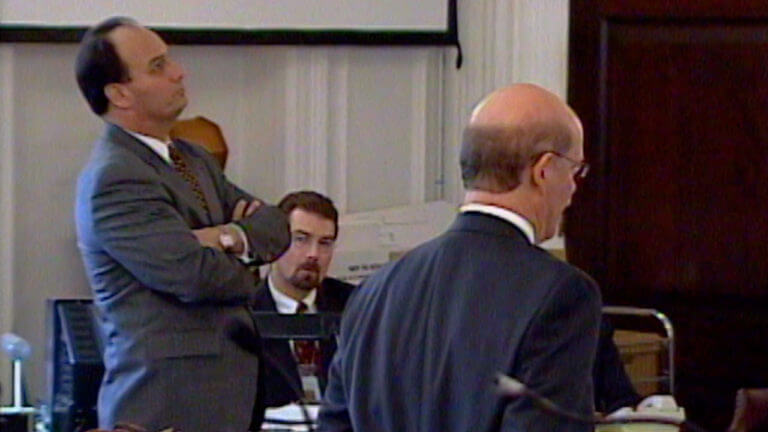
32-NY v. Boss, et al.: Outside the Presence of the Jury
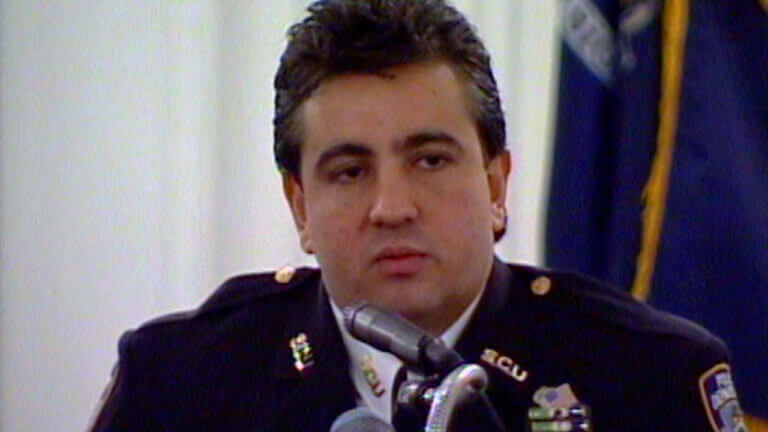
33-NY v. Boss, et al.: Officer Michael Barrow & Sgt. Robert Patelli
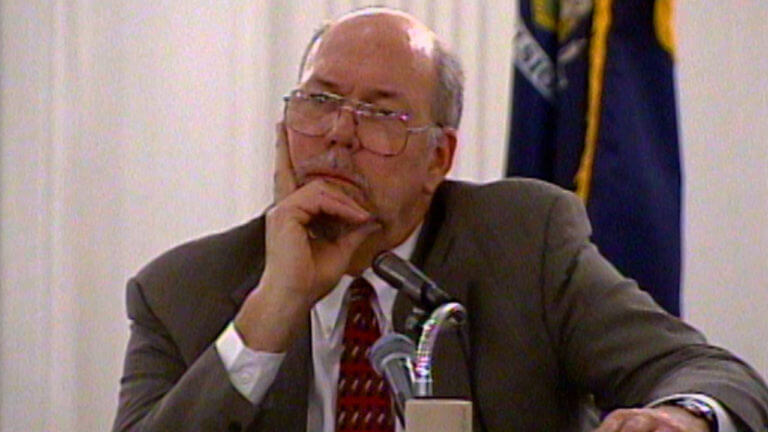
34-NY v. Boss, et al.: Dr. James Fyfe
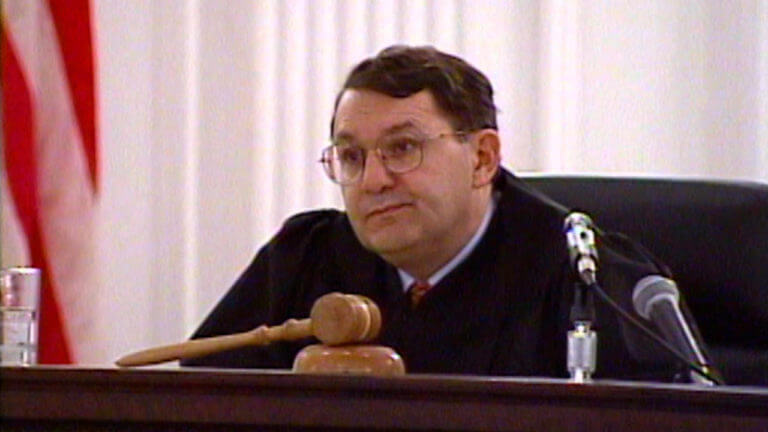
35-NY v. Boss, et al.: OPJ: Motions
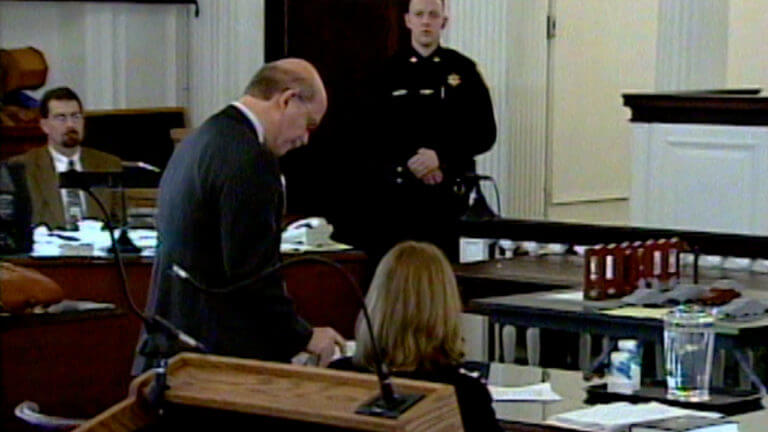
36-NY v. Boss, et al.: OPJ: Jury Instructions
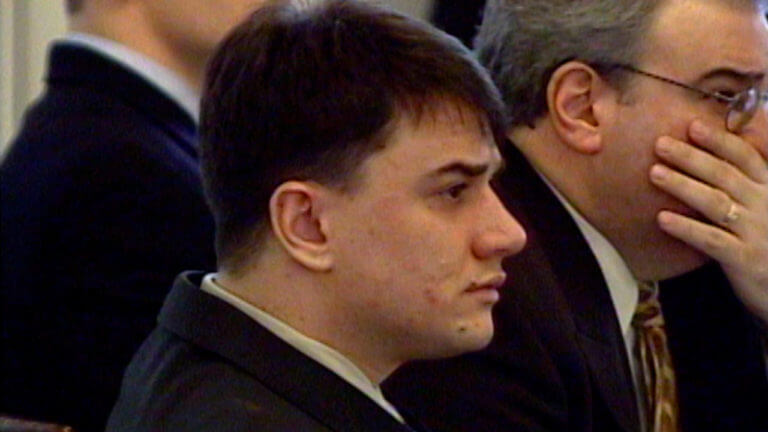
37-NY v. Boss, et al.: Defendant Richard Murphy Closing Argument
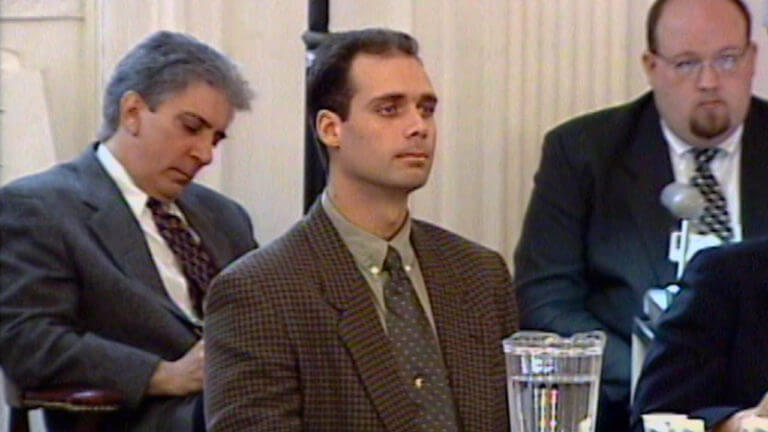
38-NY v. Boss, et al.: Defendant Kenneth Boss Closing Argument
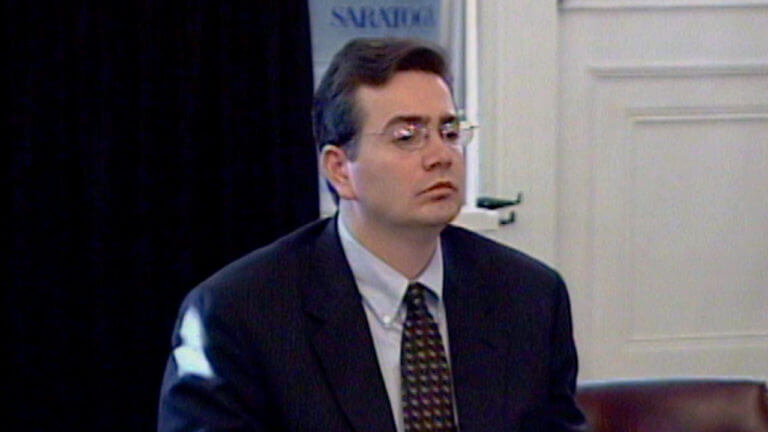
39-NY v. Boss, et al.: Defendant Sean Carroll Closing Argument
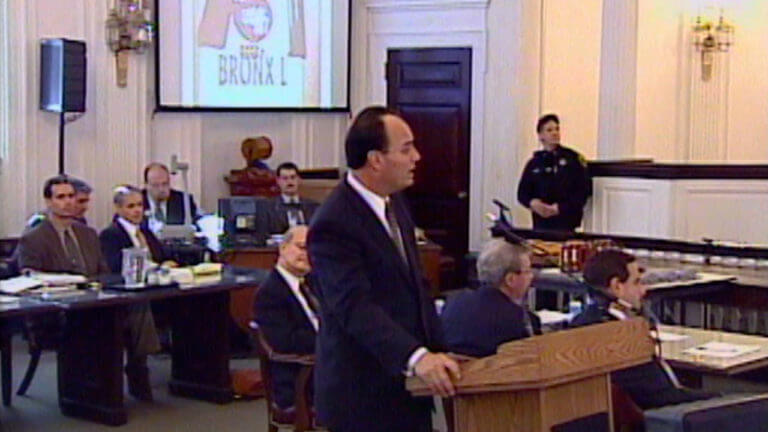
40-NY v. Boss, et al.: Defendant Edward McMellon Closing Argument
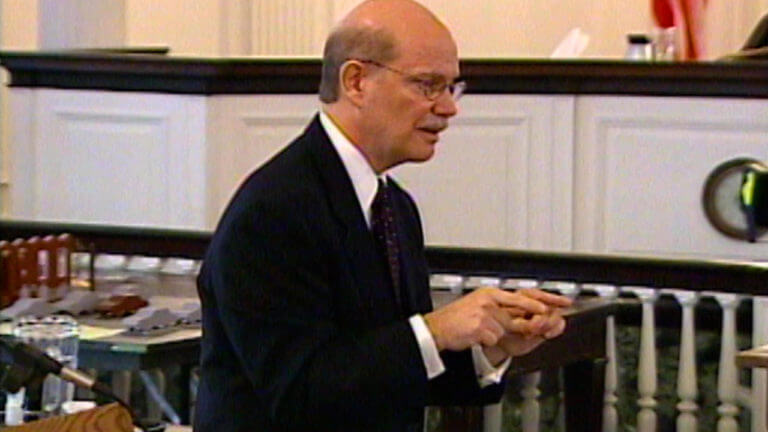
41-NY v. Boss, et al.: Prosecution Closing Argument
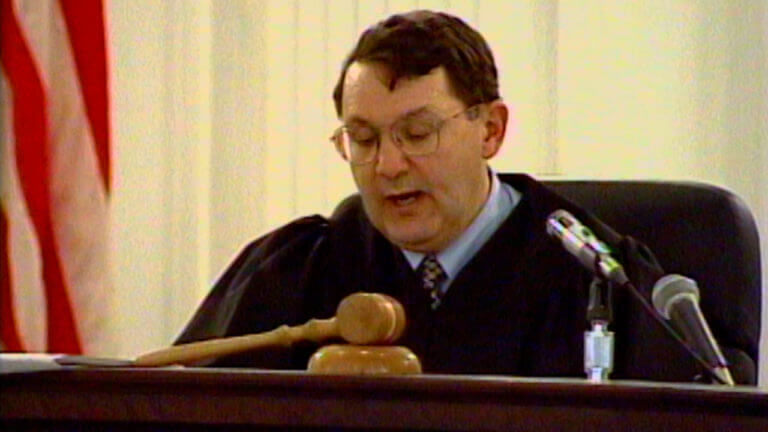
42-NY v. Boss, et al.: Jury Instructions
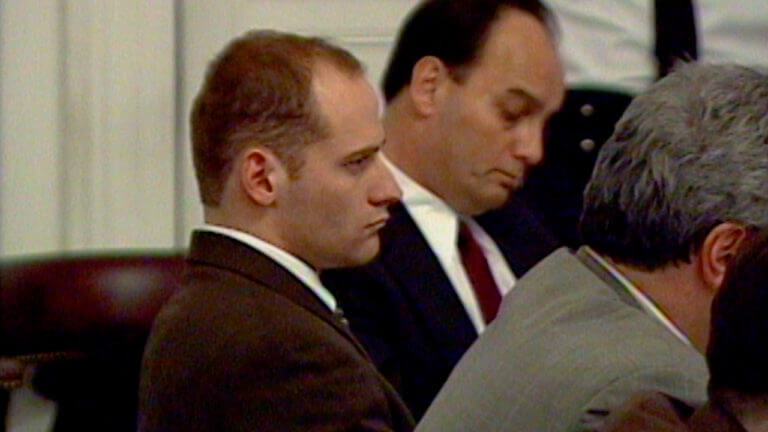
43-NY v. Boss, et al.: Edward McMellon Readback
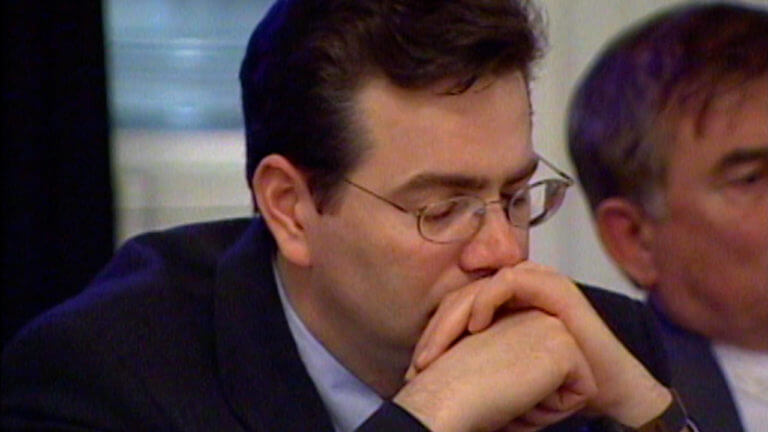
44-NY v. Boss, et al.: Sean Carroll Readback
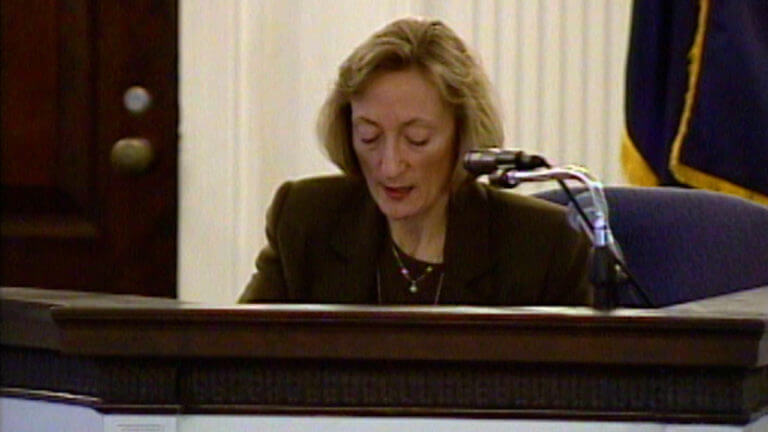
45-NY v. Boss, et al.: Schrrie Elliott Readback
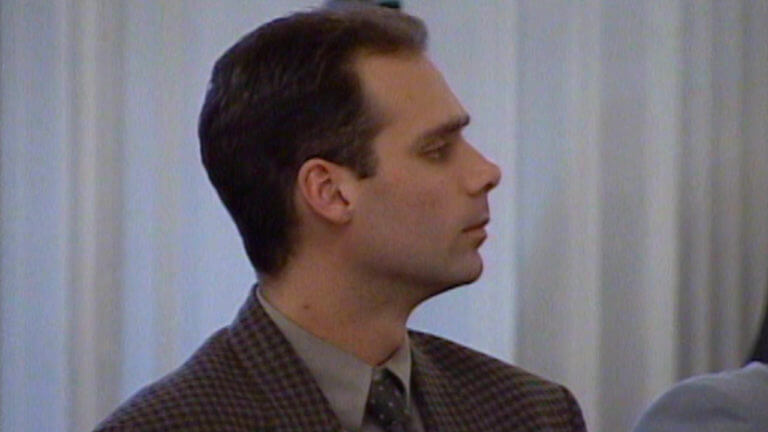
46-NY v. Boss, et al.: Kenneth Boss & Richard Murphy Readback
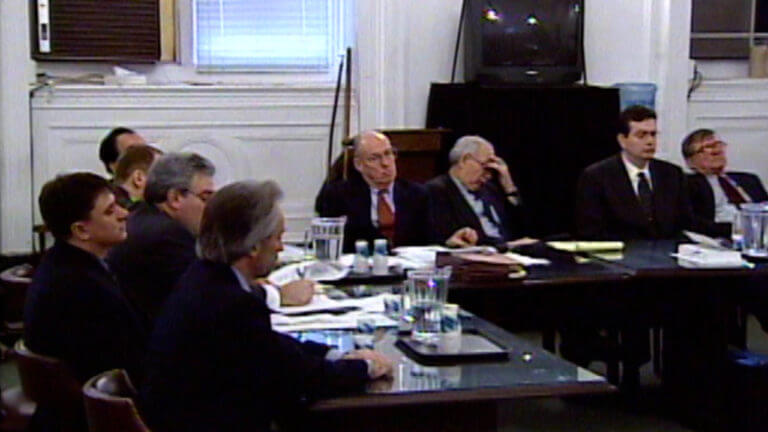
47-NY v. Boss, et al.: Sean Carroll & Edward McMellon Readback
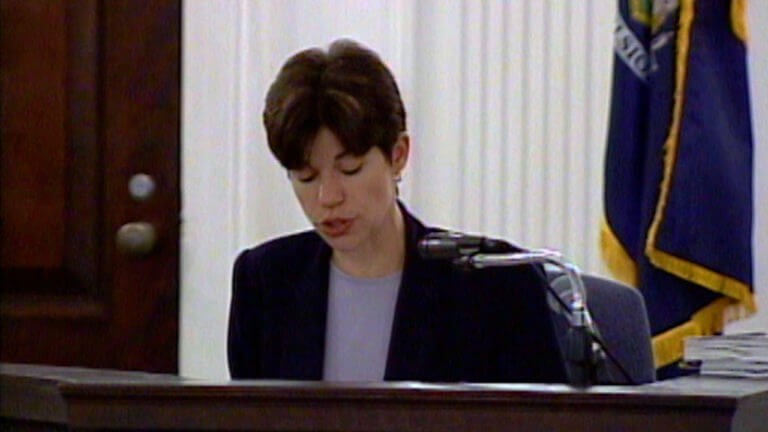
48-NY v. Boss, et al.: Dr. James Fyfe Readback
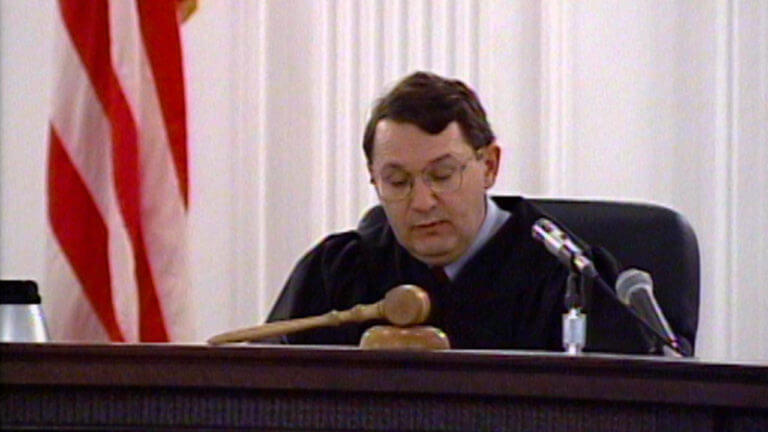
49-NY v. Boss, et al.: Charges Readback