Court TV Radio | Message Boards | Newsletters

Updated April 5, 2007, 11:15 a.m. ET
With tears and charts, prosecution tries to link nurse to body


Jonathan Rice
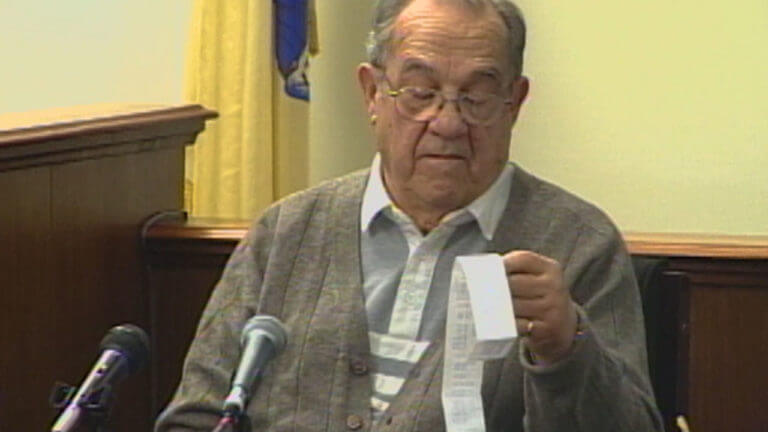
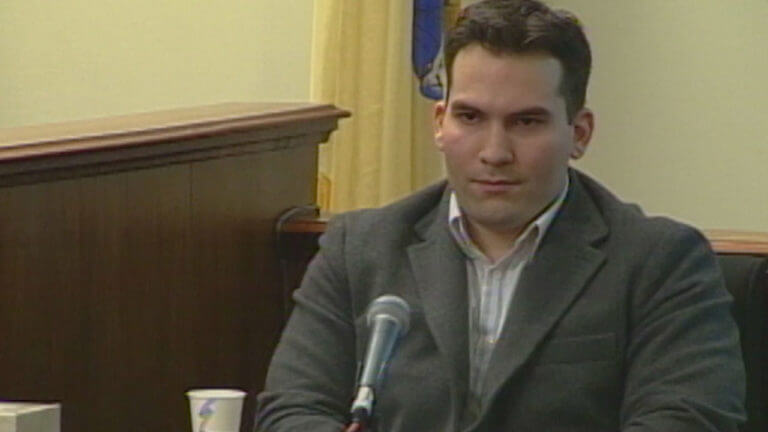
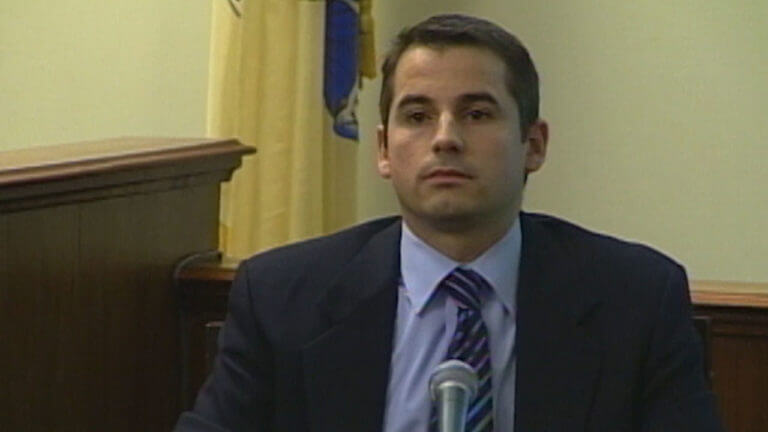
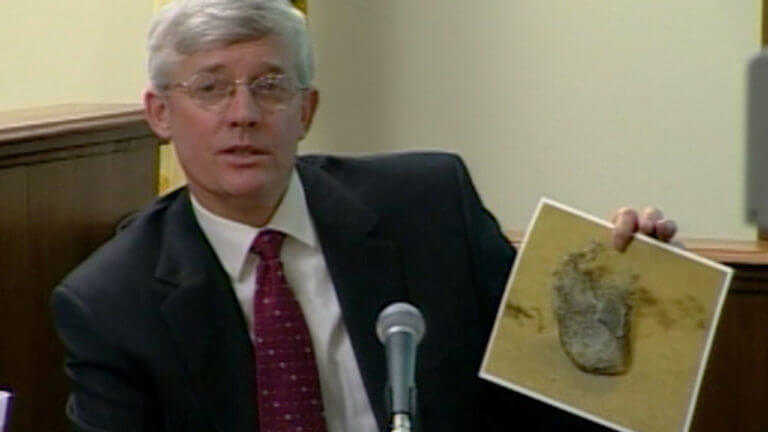
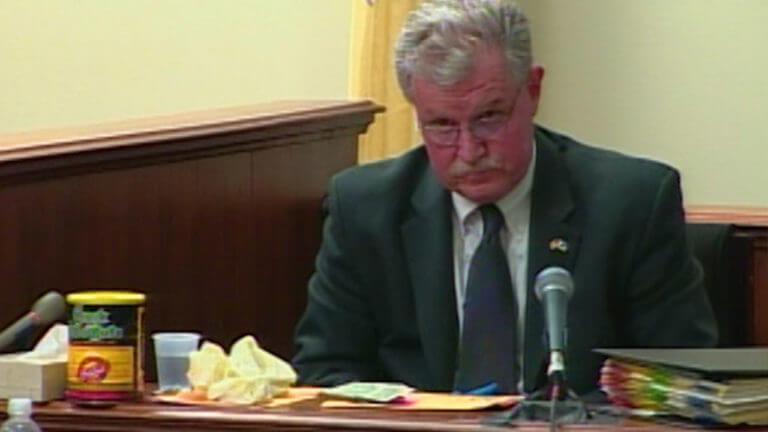
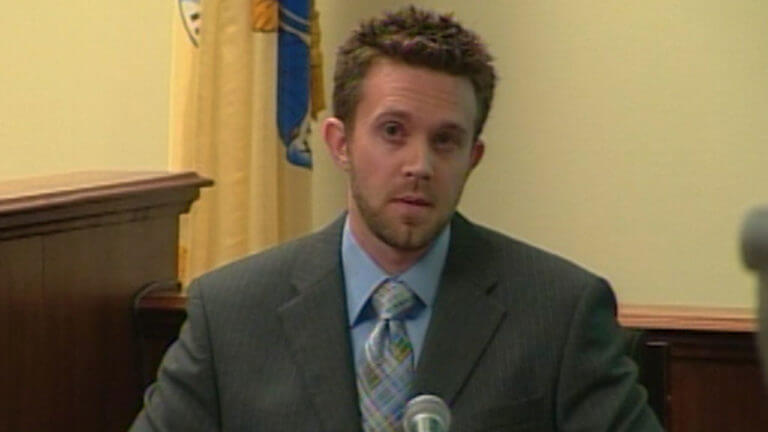
Jonathan Rice, a close friend of Melanie McGuire's husband, said he saw free weights in the couple's basement consistent with a 5-pound weight found with the victim's remains.

NEW BRUNSWICK, N.J. — One was the victim's grief-stricken friend, the other a dispassionate scientist, but for prosecutors winding down their case against Melanie McGuire Wednesday, the two witnesses had the same purpose: to connect the fertility clinic nurse to her slain husband's dismembered body.

The friend, a Virginia bank employee who served in the Navy with William McGuire, testified that he saw free weights like one discovered with the remains in the couple's basement six months before the murder.

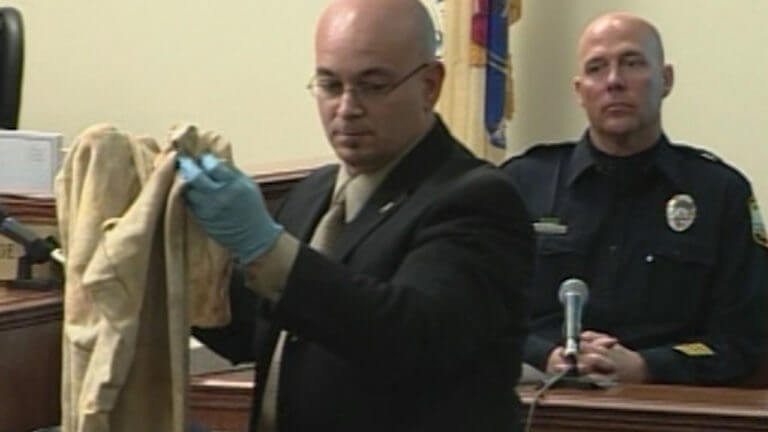
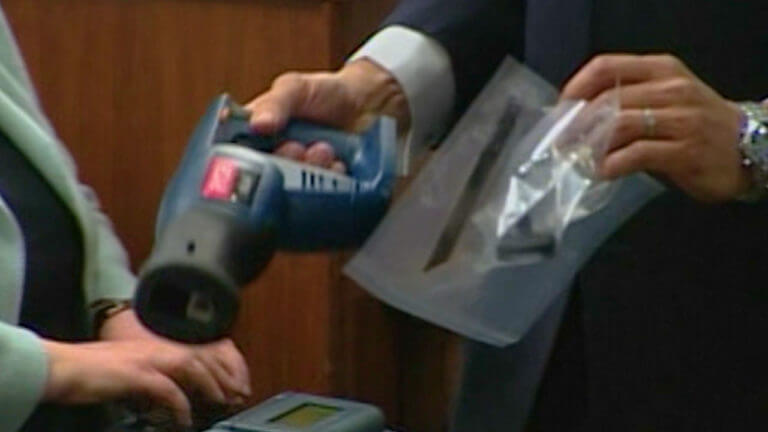
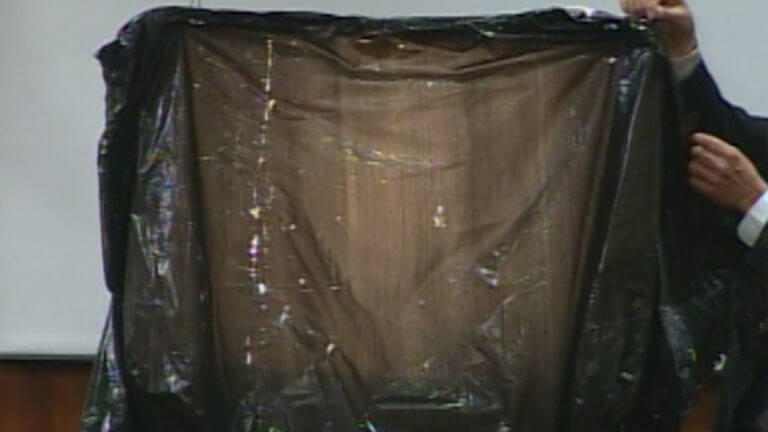
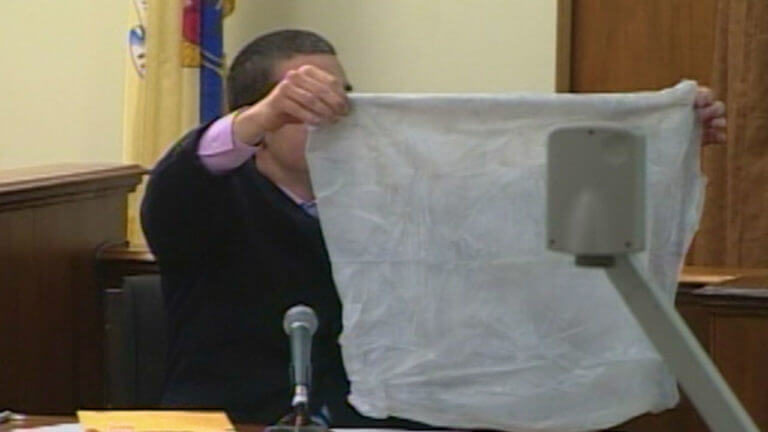
The second witness, a chemist with expertise in the manufacture of plastic bags, told jurors large garbage bags that held the victim's body parts were "essentially identical," even on a molecular level, to bags removed from the defendant's home.

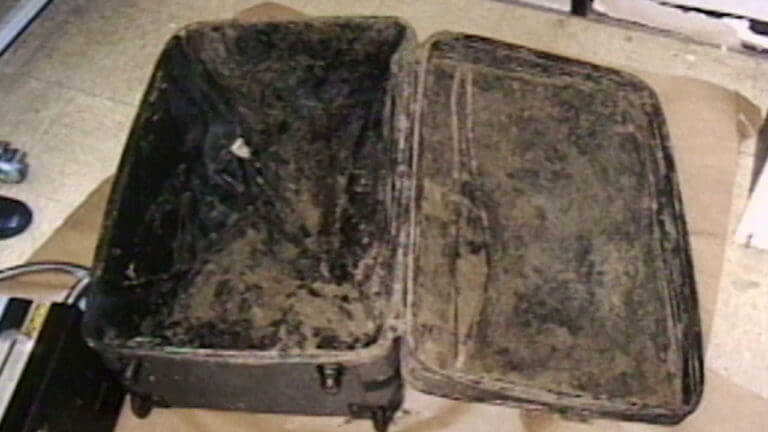
Prosecutors are to rest their case formally Monday morning. The choice of final witnesses underscored the importance to them of linking McGuire to body parts discovered in the Chesapeake Bay in three suitcases in May 2004. Tying her to the remains is crucial for prosecutors, because they are pursuing an entirely circumstantial case and have no blood or other forensic evidence to prove the victim was shot in the family home, as they claim.

McGuire, 34, maintains she last saw her husband April 29, 2004, when, after a violent altercation, the 39-year-old computer analyst announced he was leaving her and their two young sons. Her lawyers have suggested his murder was related to gambling in Atlantic City, where his car was recovered.

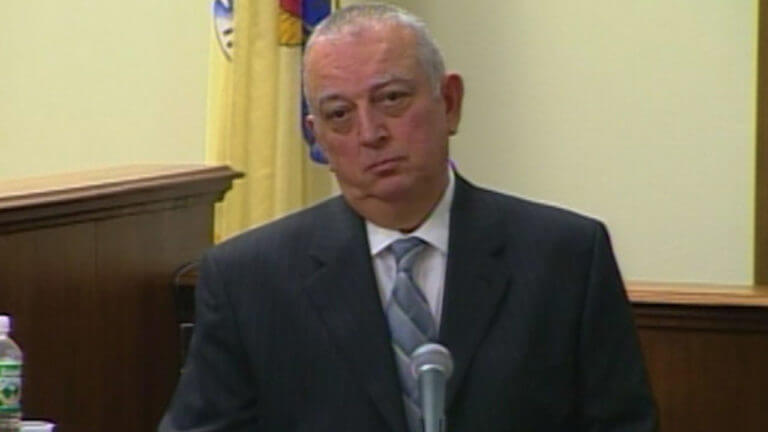
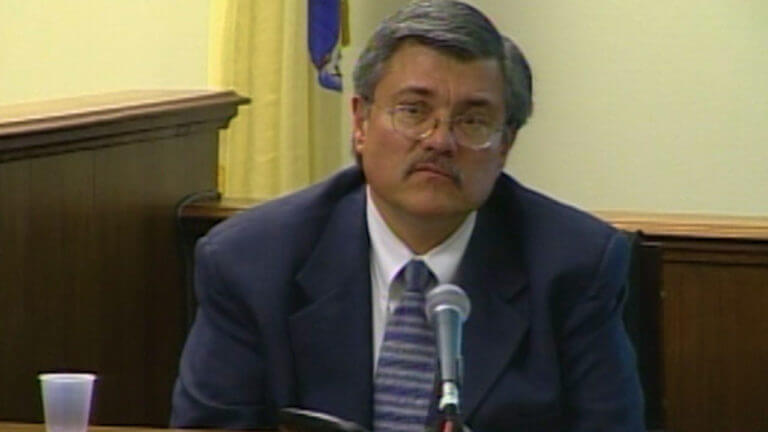
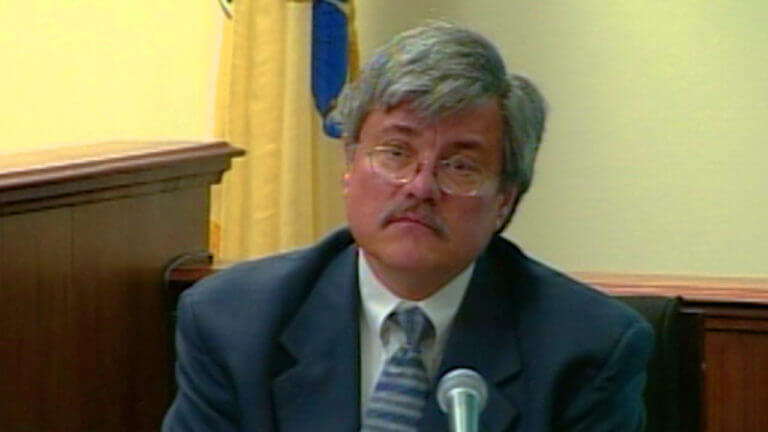
Frank Ruiz, the technical director of the Heritage Bag Company, a Dallas-based manufacturer, was the second prosecution expert to testify that patterns and dye marks on the bags indicated they were made at the same factory and by the same machine as bags in the defendant's home.

Ruiz, however, went further, saying they were produced close in time to each other. He detailed for jurors a battery of additional chemical tests and analyses and said they showed the bags were manufactured at a maximum of several hours apart.
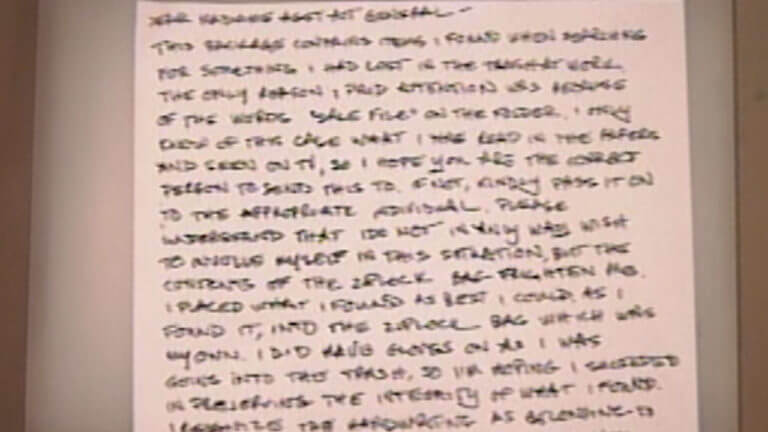
Investigators were not able to determine the company that produced the large bags, but Ruiz said the type, which has been described as appropriate for collecting leaves or use on a construction site, was not generally sold in retail establishments.
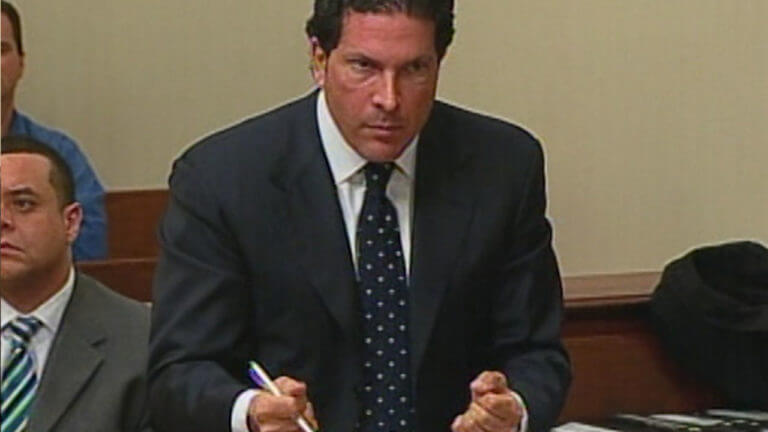
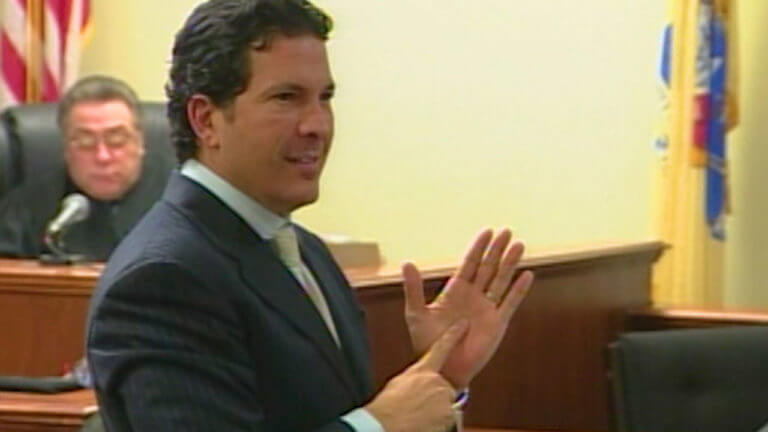
On cross-examination, a defense attorney took issue with one test result which reflected variations in chemical ingredients between the two sets of bags.

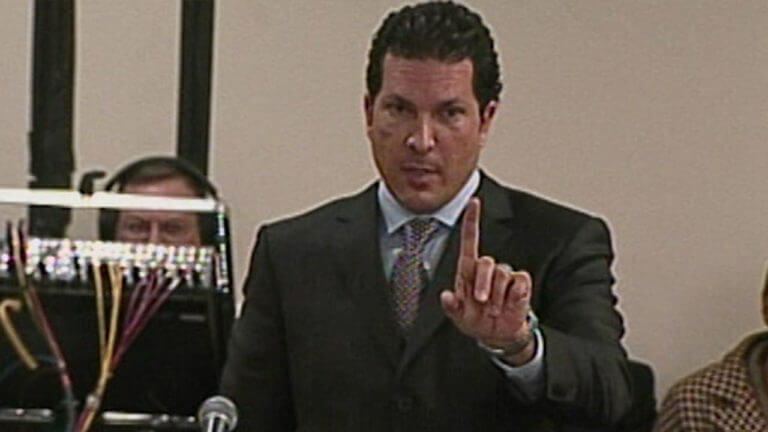
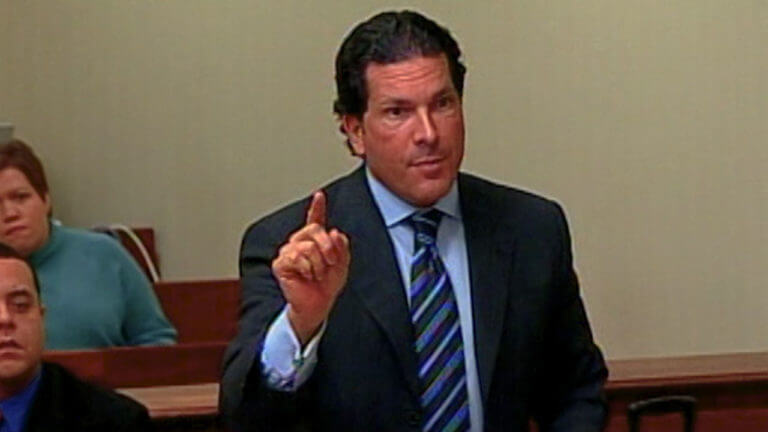
"The numbers didn't add up," lawyer Stephen Turano said.

Ruiz agreed that "there were some differences," but said they were meaningless when seen in light of the other test results.

Turano suggested that, even if the bags were made in the same factory, Ruiz could not say if they were packed in the same box or handled by the same distributor.

He agreed.

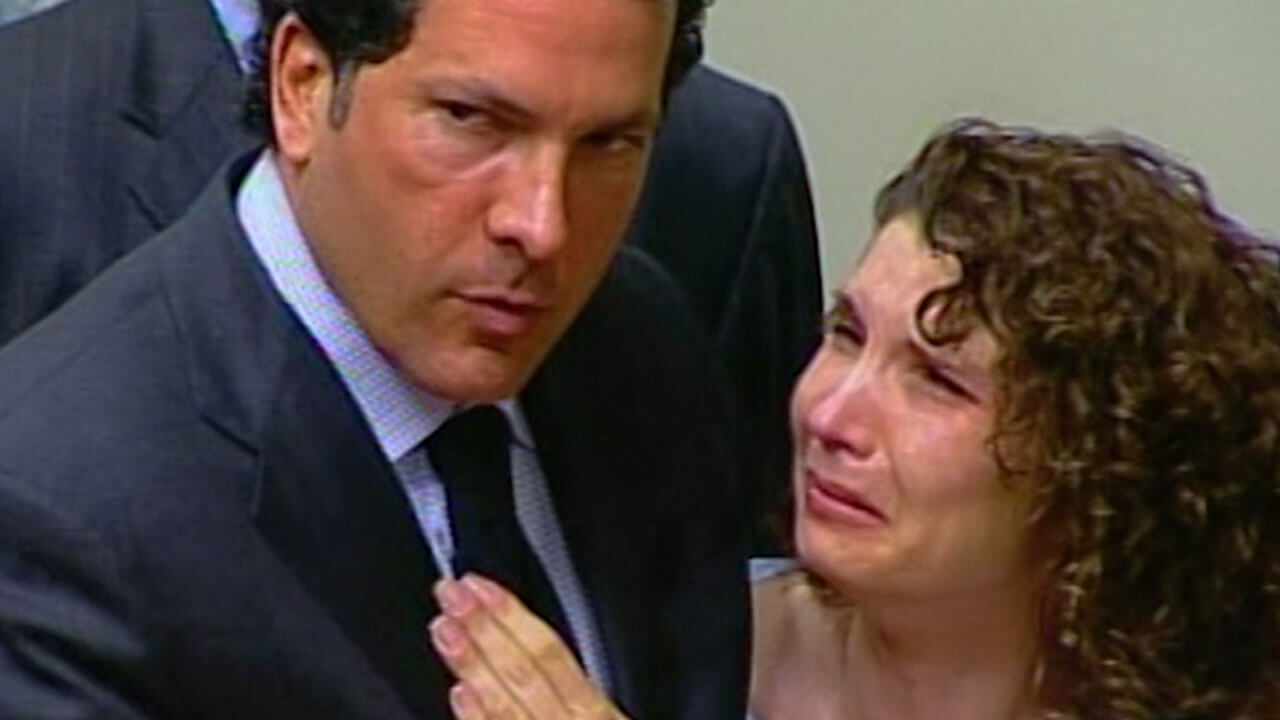
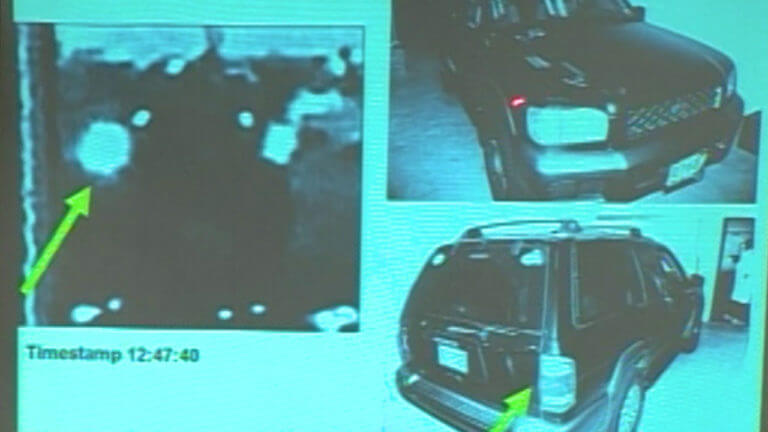
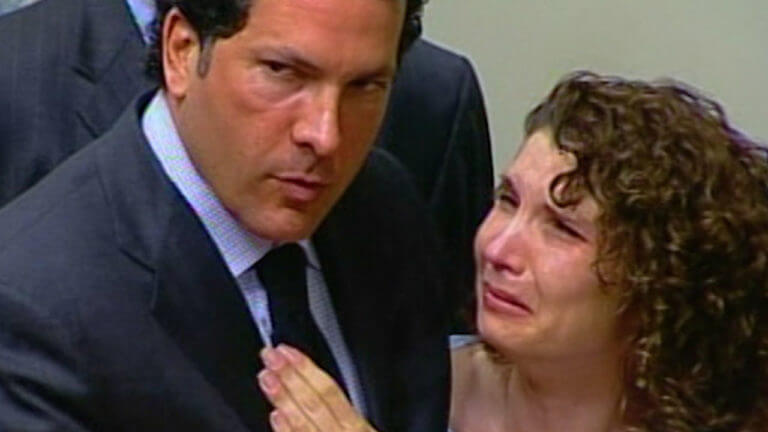
In contrast to Ruiz's testimony, a science lesson of polysyllabic chemical compounds, charts and diagrams, Jonathan Rice's turn on the stand was marked by barely controlled emotions by the witness and the defendant.

When asked at the start of his testimony to describe his relationship with the victim, Rice flushed a deep red, bent forward and pinched his nose.

"I was best man at his wedding and we took their honeymoon with them and he was my best friend," he said haltingly. His voiced cracked as he added that McGuire had also been his son's godfather.


1 | 2 Next

Advertisment


|
|
|
|
|
|
|
COURTTV.COM
|
|
|
UTILITIES
|
|
|
|
|
|
COURT TV SITES
|
CORPORATE
|
|
|
|
TM & © 2007 Courtroom Television Network, LLC. A Time Warner Company. All Rights Reserved.
CourtTVnews.com is a part of the Turner Entertainment New Media Network.
Terms & Privacy guidelines