Return To Court TV Homepage  
>>>>>>
U.S.
ABOUT COURT TV


U.S.

Trials

World

People

On Air

Video

Talk

Search

Diallo Trial Homepage


Discuss the Diallo case on our message board.


Profiles of Diallo case's Major Figures.


>Diallo Video Index


>Play Prosecutor's Opening
>Play Defense Opening
>Watch the Diallo trial live on the web

The Jury Make-up: Albany vs. the Bronx


none
Diallo Autopsy Graphics

 
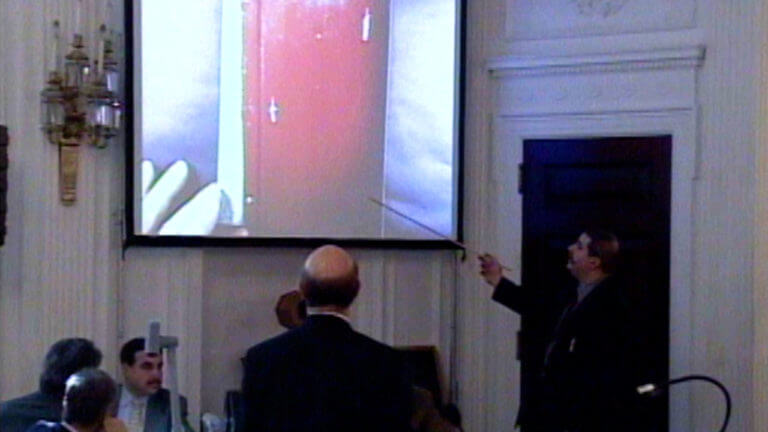
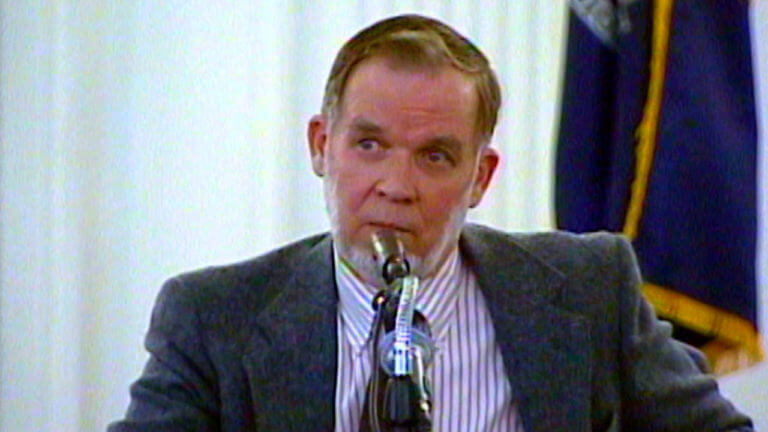
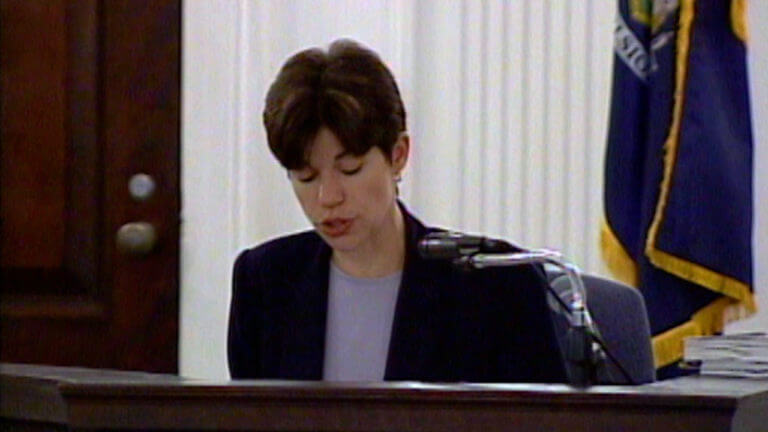
Prosecution forensic pathologist Dr. Joseph Cohen performed the autopsy on Amadou Diallo and concluded that three of his 19 gunshot wounds suggest the officers continued to shoot him when he was already down or on the way down. One bullet, Cohen said, entered the front of Diallo's left shin and travelled up the leg from the front to the rear. Another entered through the bottom of Diallo's right shoe, wounding his third right toe and travelling upwards; the third wound showed that a bullet entered Diallo's right shin and travelled in a "strikingly upward trajectory" until it lodged in an area behind the knee.
 
According to Cohen, the only way Diallo could have been standing upright when he suffered the wound was if one of the officers was standing directly below him and shooting upwards. If Diallo had been standing up, the bullet would have traveled horizontally from the shin to the back of the leg, not directly up the leg.
Cohen told jurors how multiple gunshot wounds tore through Diallo's spine, spinal cord, aorta, kidneys, spleen and intestines. Given the number of injuries, Cohen said, he was surprised by the lack of hemorrhaging: there was a noticeable lack of blood on Diallo's body and clothes. Cohen concluded that the wound to victim's aorta may have come before the other shots. [The aorta, the human body's largest artery, pumps blood to the other parts of the body.] Dr. Cohen concluded that when the bullet perforated Diallo's aorta, the heart was unable to pump blood to the rest of the body, thereby accounting for the lack of blood in the other, apparently subsequent, wounds. In his examination, the doctor found that approximately 45 percent of Diallo's blood had leaked into his chest cavity.
Cohen believed that Diallo would have gone down quickly from the gunshot wound to his aorta. However, the medical examiner also indicated that gun-inflicted paralysis and broken bones may have caused Diallo to fall during the shooting. While the defense claims that Diallo remained standing for a time during the shooting, Cohen told jurors the bullet that passed through Diallo's aorta also perforated his spine and spinal cord. Diallo, the doctor said, would have been paralyzed from the waist down and falling at some point during the stream of 41 bullets. In addition, the bullets also broke bones in Diallo's left leg (the tibia and fibula), making it increasingly difficult for him to stand.
For the record, Cohen concluded that Diallo died from the multiple gunshot wounds he suffered during his encounter with the officers.

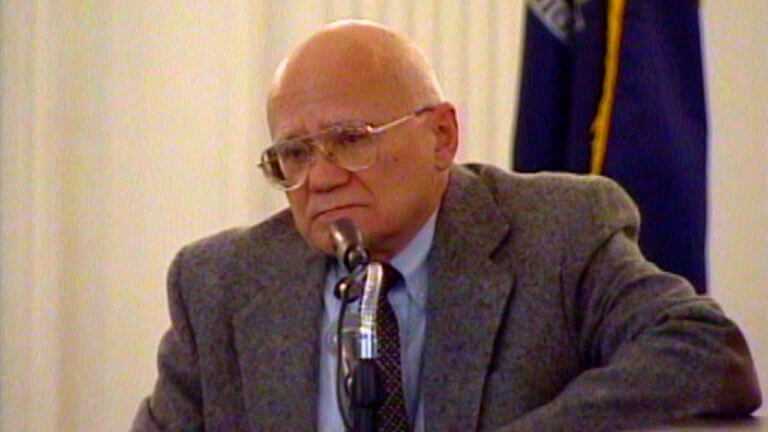
But defense pathologist Richard Mason and ballistics expert Martin Fackler disagreed with Cohen, telling jurors that the 16 wounds to Diallo's left side suggest that he was upright for much of the shooting. According to Dr. Mason, most of the bullets travelled from Diallo's left side to his right side. The momentum of the bullets, Mason said, made Diallo's body turn counter-clockwise. As Diallo's body turned, Mason told jurors, he was hit by the bullet that pierced his aorta and damaged his spine and spinal cord. While he did not claim to know the exact order of the injuries, Mason believed that the bullet to the chest was one of the last wounds Diallo suffered — and felled him "late" in the few seconds of the shooting.

Dr. Fackler believed that the chest wound was suffered in the "last half" of the fusillade that struck Diallo. Though he could not determine the exact order of the injuries, he believed that Diallo could not have been lying flat during much of the shooting. According to Fackler, a wound Diallo suffered to the left side of his back travelled across his body and may have caused him to lose the strength in his legs.


Court TV Homepage

Site Map


<<<back Top of page  
Contact Us U.S. |  TRIALS |  WORLD |  PEOPLE |  ON AIR |  VIDEO |  TALK |  ABOUT CTV |  SEARCH 
      © 2000 Courtroom Television Network LLC. All Rights Reserved.
Terms & Privacy Guidelines