Return To Court TV Homepage  
>>>>>>
U.S.
ABOUT COURT TV

U.S.

Trials

World

People

On Air

Video

Talk

Search


Updated February 1, 2000, 2:58 p.m. ET

A Look at the Parties in the Diallo Shooting Case

           
The Shooting of Amadou Diallo

            >>>> Full coverage

>>>> Chronology of events

>>>> Articles in the archives

>>>> Biographies of Diallo and the officers

>>>> Discuss the case on our message board

>>>> Mar. 31: Officers charged with second-degree murder

>>>> Mar. 16: Giuliani's popularity plummets after shooting

>>>> Feb. 16: Protests spread to Guinea

>>>> Feb. 12: Thousands attend memorial service

>>>> Feb. 5: New York awaits answers in police slaying

The Victim

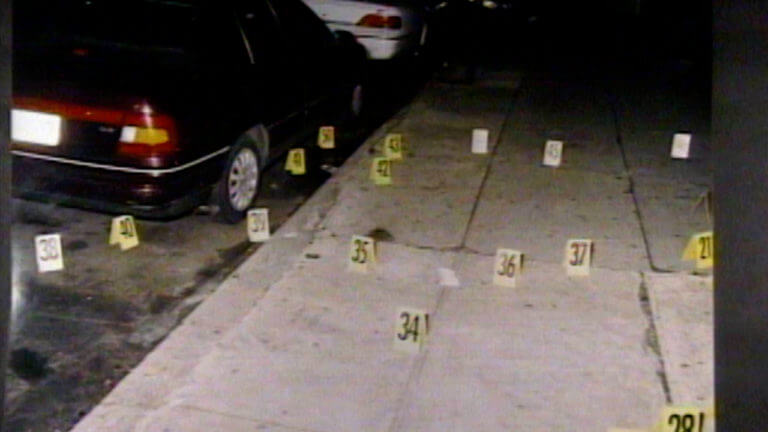
Amadou Diallo — Before being killed by 19 of the 41 shots fired at him, Diallo was a 22-year-old street peddler who worked in Manhattan and lived in the Bronx. He was killed by four white police officers from New York's Street Crime Unit.

photo
Amadou Diallo

Diallo moved to New York City from his homeland of Guinea, a French-speaking country in West Africa, in 1996. He was Muslim, from the Fulani ethnic group, and his uncle and cousins also lived in the Soundview section of the Bronx.

Diallo first sold his wares in an outdoor market in Harlem, then moved south to 14th Street, where he displayed socks, videotapes, gloves and other goods.

Reportedly, a shy, soft-spoken man who loved soccer and basketball, Diallo often worked 12-hour days, according to his two roommates who shared the cramped apartment at 1157 Wheeler Ave.

He was in the country legally, but his work visa was set to expire in April, 1999 and he had filed a false asylum request with the Immigration and Naturalization Service. Claiming to be from Mauritania, he stated that members of his family were victims of "human cleansing."

photo
Kadiatou Diallo, the victim's mother (AP Photo)

photo
Saikou Diallo, Amadou's father (AP Photo)

His parents, Saikou and Kadiatou Diallo, are middle-class and well-educated Guineans who have spoken out for justice in their son's slaying.

Saikou Diallo is a businessman and lives in Vietnam. Diallo has three brothers and a sister.

More than a thousand people attended Diallo's funeral in his home village of Hollande Bouru, Guinea, where his father is one of the most prominent members of the community. Diallo's body was laid to rest under a fig tree.


The Defendants

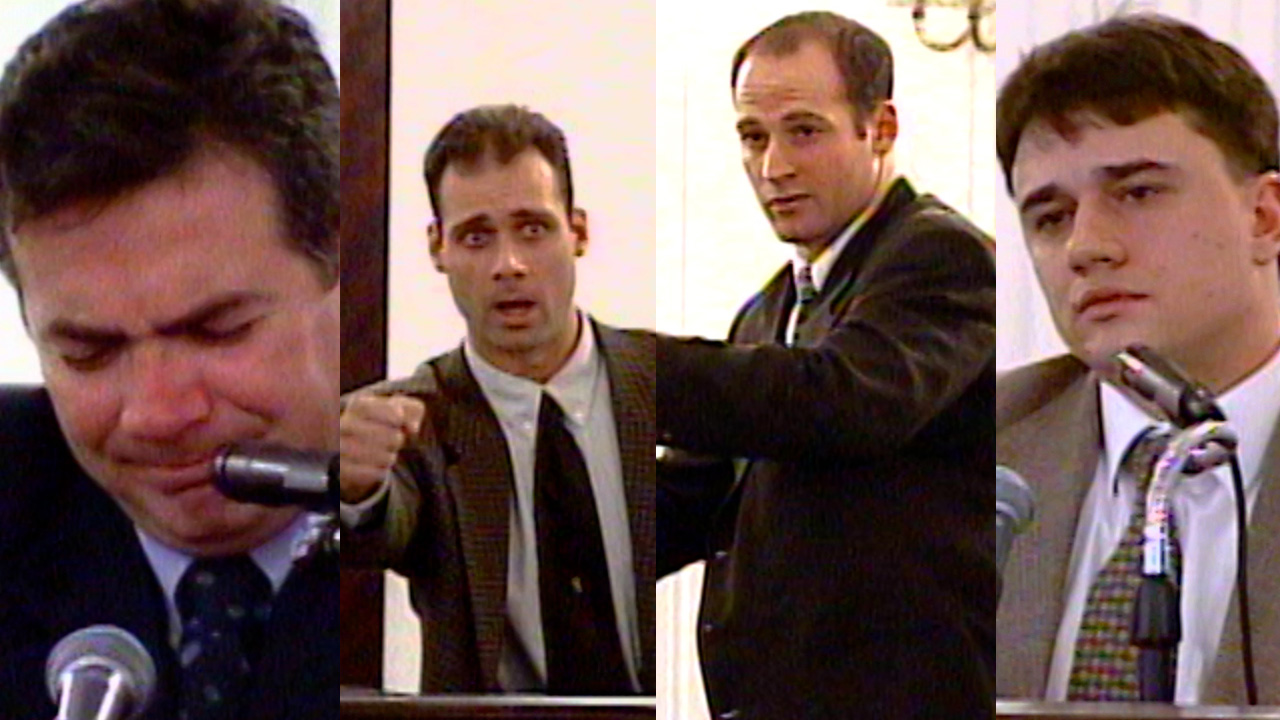
Edward McMellon — McMellon, 27, was a five-year veteran of the New York Police Department at the time of the shooting. Prosecutors believe he fired 16 shots at Diallo. McMellon bruised his tailbone when he fell off the stoop to Diallo's building during the shooting.

photo
Edward McMellon. (AP Photo)

McMellon was stationed in the 75th Precinct in East New York, Brooklyn, before joining the Street Crime Unit in November 1998. He has made 86 arrests in his career and been awarded three times for excellent police work. However, McMellon also has had five complaints filed against him with the Civilian Complaint Review Board alleging excessive force, abuse of authority, and racial insensitivity. None of the allegations were substantiated.

In June 1998, McMellon shot and wounded a man carrying a loaded 9-millimeter handgun but was cleared of any wrongdoing. He joined the New York police force six years ago and lives in Park Slope, Brooklyn.

Sean Carroll — Along with McMellon, Carroll, 36, also fired 16 shots at Diallo. Carroll injured his ankle while falling off the steps of Diallo's building.

photo
Sean Carroll (AP Photo)

A six-year veteran of the police department at the time of the shooting, Carroll worked in the 73rd Precinct in Brownsville, Brooklyn before being assigned to the Street Crime Unit in February 1997. He began his NYPD career on patrol in Bedford-Stuyvesant, Brooklyn in 1993. Carroll has made 41 felony arrests in his career, 11 of which were with the Street Crime Unit.

In August 1997, Carroll fired back at a Bronx suspect who shot at him. No one was hit, the suspect was never apprehended, and the shooting was justified. Three complaints against Carroll were filed with the Civilian Complaint Review Board within a year, none of which were substantiated. Carroll lives in Babylon, N.Y. and is the father of two young children.
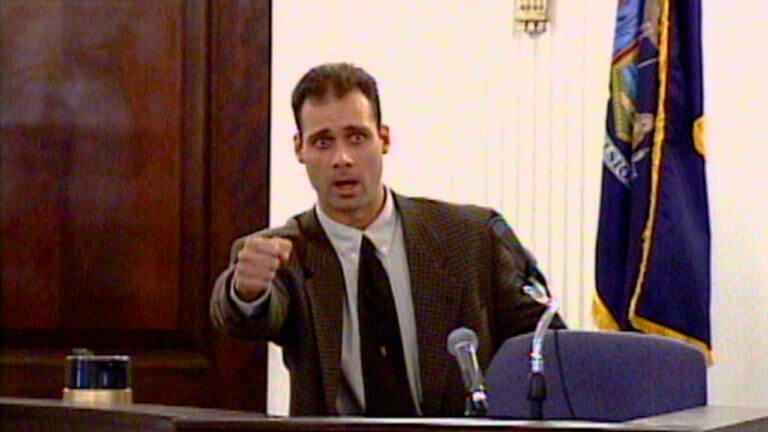
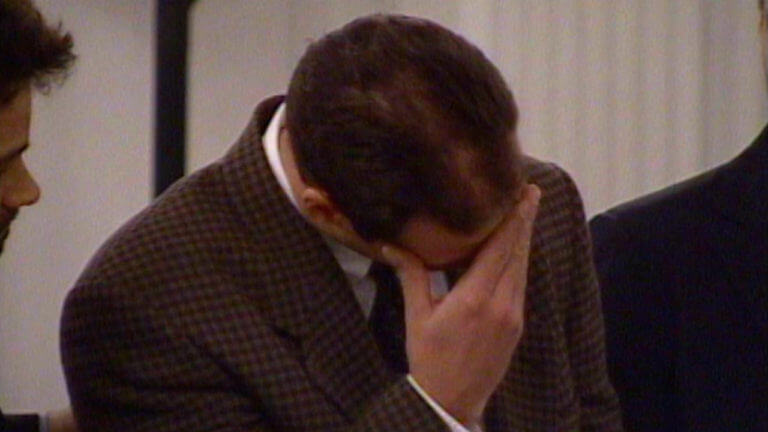
Kenneth Boss — Boss fired at Diallo five times. It was not the first time he was involved in a fatal shooting. At one time, Boss was investigated for another, unrelated shooting in October 1997 but was cleared of any wrongdoing.

photo
Kenneth Boss (AP Photo)

In that case, Boss, 28, was involved in the fatal shooting of Pat Baily, who police claim was menacing passersby with a shotgun in front of a Brooklyn apartment building. Bailey's family claims he shot the wrong man.

Boss joined the NYPD in 1992 and spent six years in the 75th Precinct in East New York before transferring to the Street Crime Unit in 1998. He has made 97 felony arrests in his career and has 25 citations. Three complaints against Boss alleging excessive force have been filed but none have been substantiated. He lives in Kings Park, N.Y.

Richard Murphy —
photo
Richard Murphy (AP Photo)

Before firing at Diallo four times, Richard Murphy, a five-year veteran of the NYPD, had never used his weapon. And, unlike his co-defendants, he never had a complaint lodged against him with the Civilian Complaint Review Board. He was assigned to patrol in Jackson Heights, Queens, until he gained promotion to the Street Crime Unit in October 1998. Murphy has made 55 felony arrests in his career and has earned two awards for excellence in police duty. He lives in Fresh Meadows, Queens with his wife and young son.


The Judge

Justice Joseph Teresi — Teresi, 53, was a public defender for 21 years before taking the bench in 1994. He was appointed to preside over the Diallo case after a New York appellate court moved the trial from the Bronx to Albany.

photo
Albany Supreme Court Justice Joseph Teresi (AP Photo)

Teresi reportedly has a bad temper and has been described as a stern taskmaster in the courtroom. He has made a few key pretrial rulings — barring testimony about the officers' past involvement in other shootings, admitting television cameras in the courtroom, and refusing to let the defense use the testimony of an "earwitness" who apparently told investigators she heard someone yell "He's got a gun!" before the shooting.
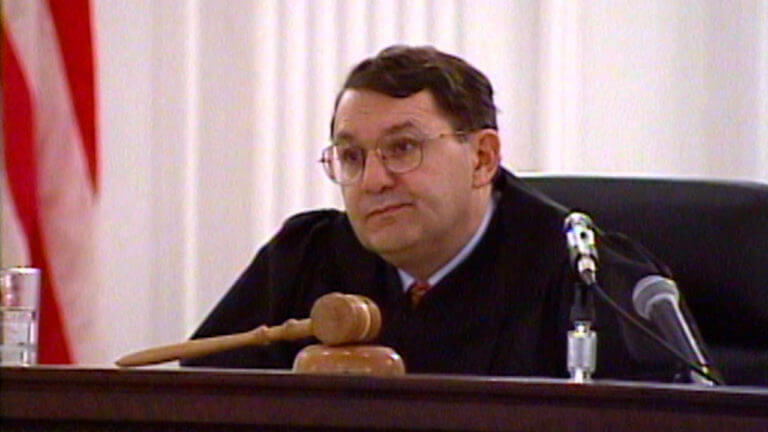
A father of four, Teresi is known not to put up with courtroom theatrics and has reportedly fined attorneys for being late or not producing witnesses on time.

— Bryan Robinson

Additional reporting by Catherine Heins.
   

Court TV Homepage

Site Map


<<<back Top of page  
Contact Us U.S. |  TRIALS |  WORLD |  PEOPLE |  ON AIR |  VIDEO |  TALK |  ABOUT CTV |  SEARCH 
      © 2000 Courtroom Television Network LLC. All Rights Reserved.
Terms & Privacy Guidelines