![]() |
||
|
|
|
|
|
|
Updated February 1, 2000, 5:01 p.m. ET Jury selected in Diallo trial, openings expected Wednesday
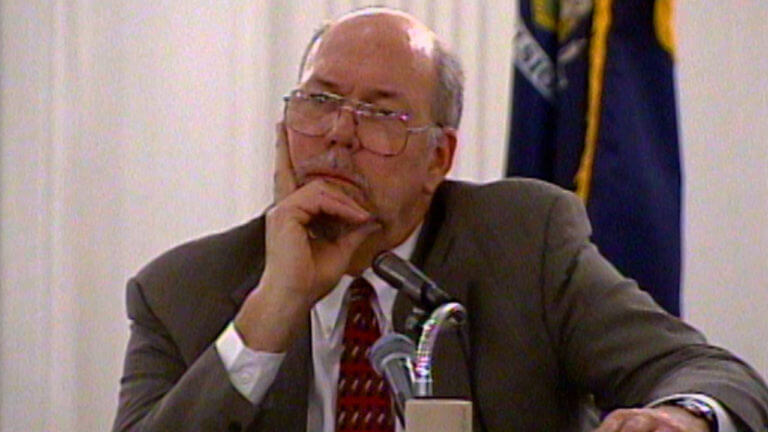
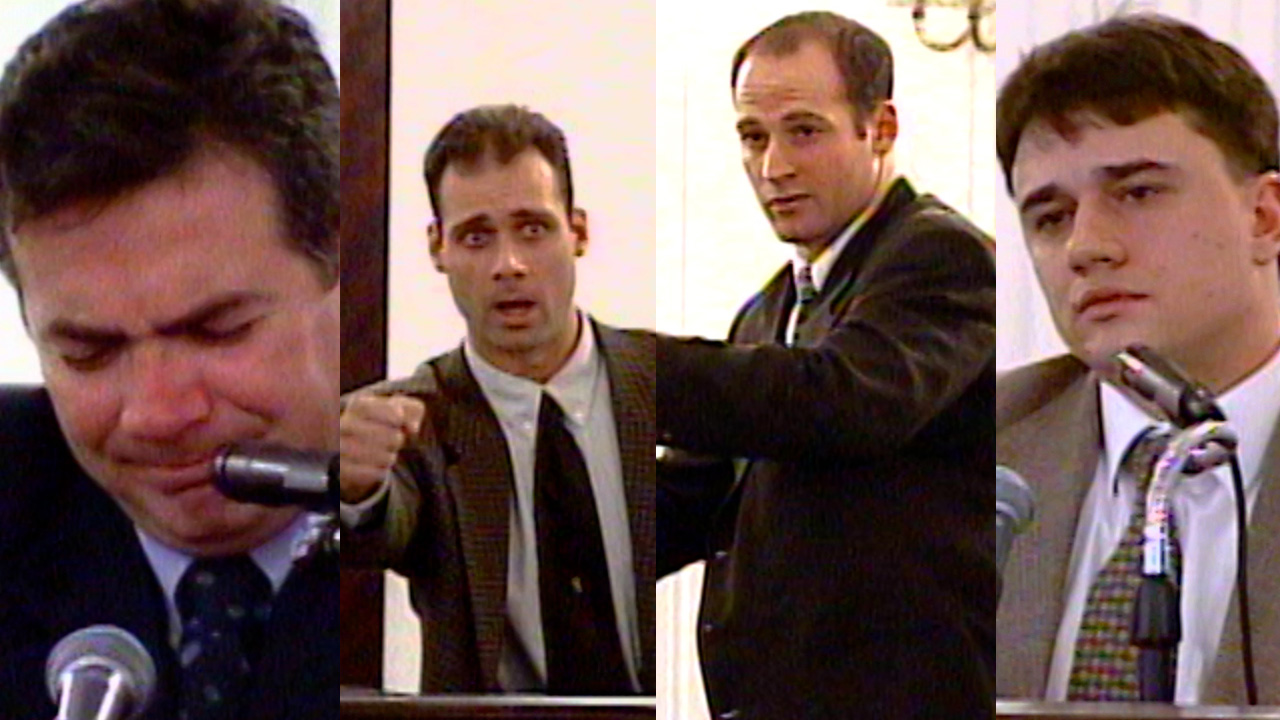
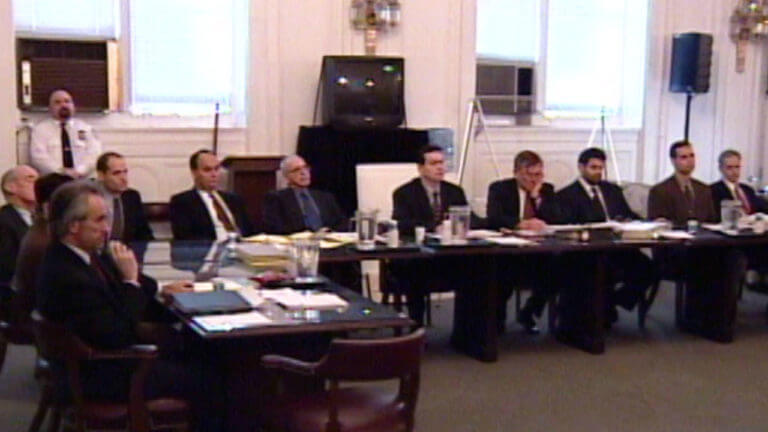
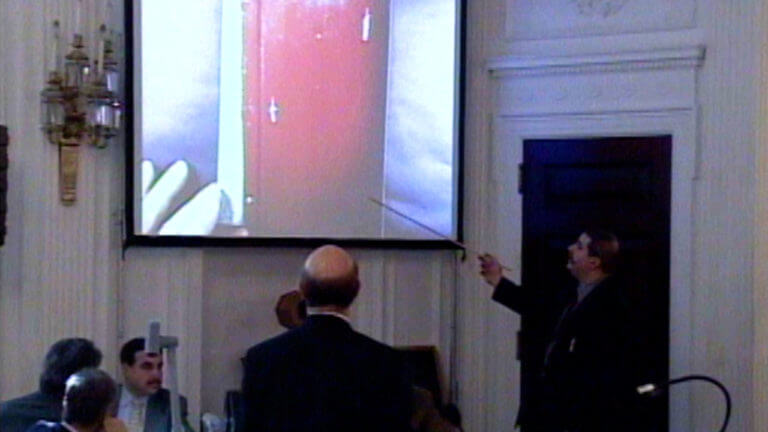
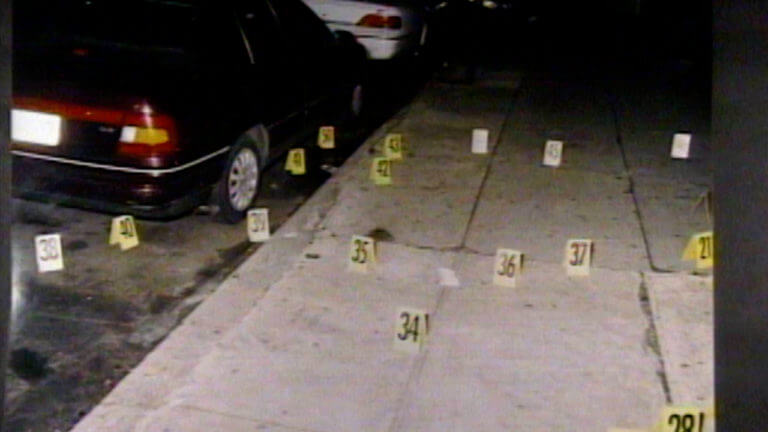
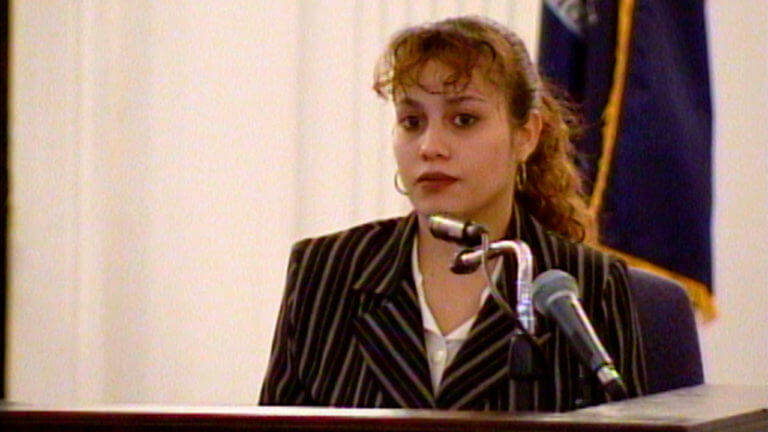
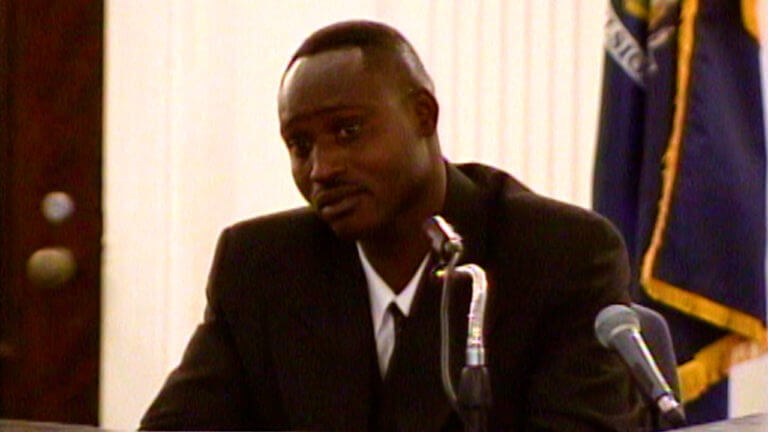
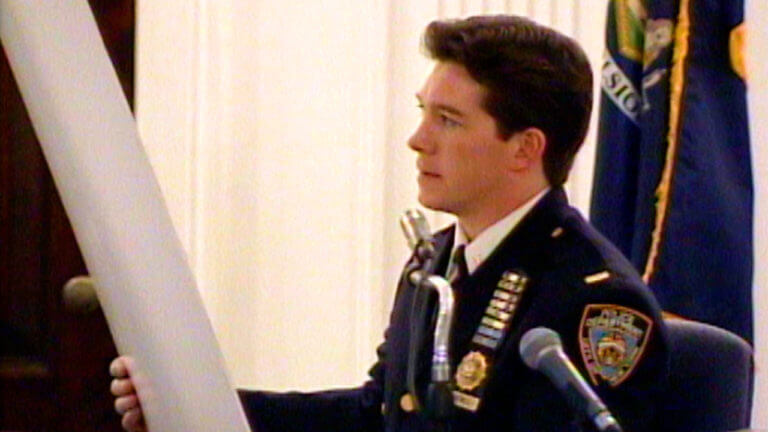
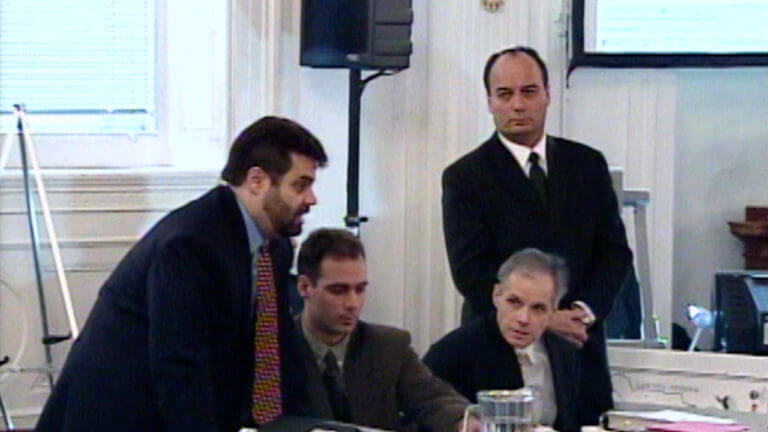
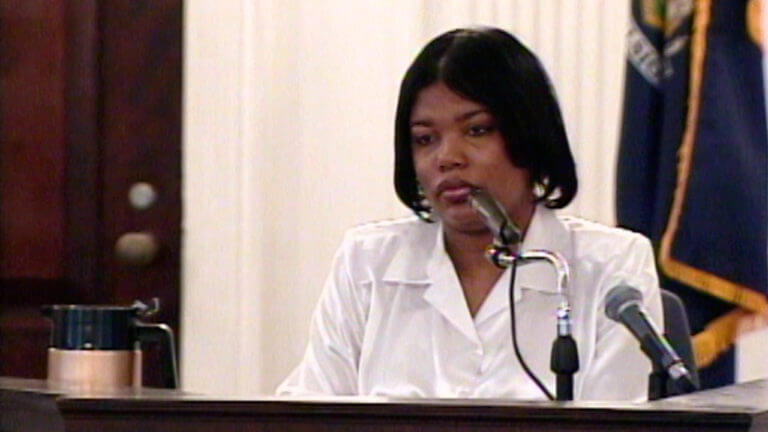
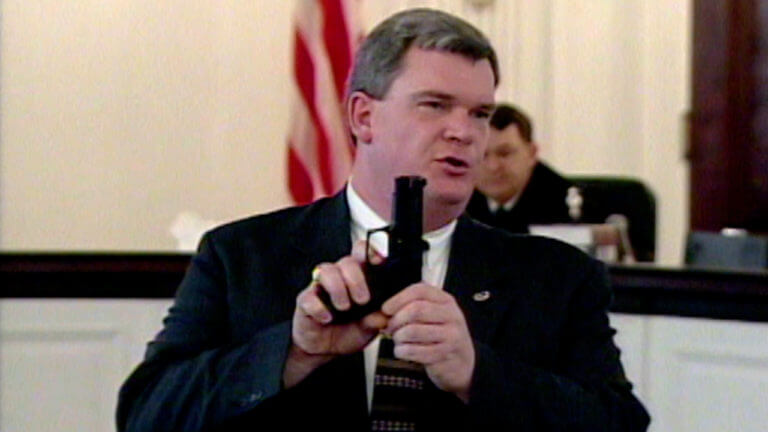
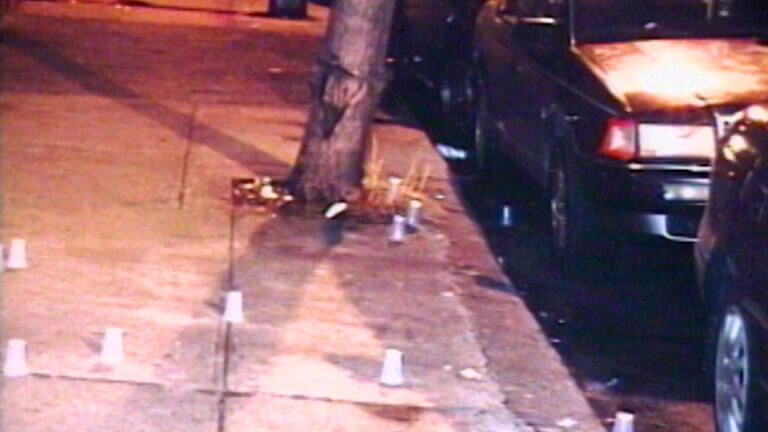
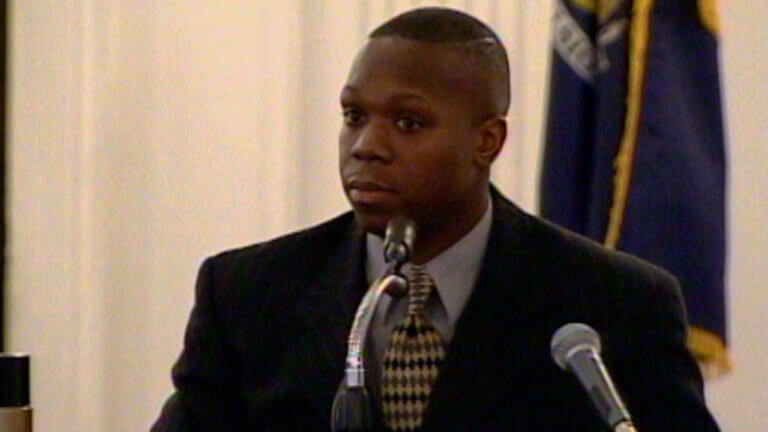
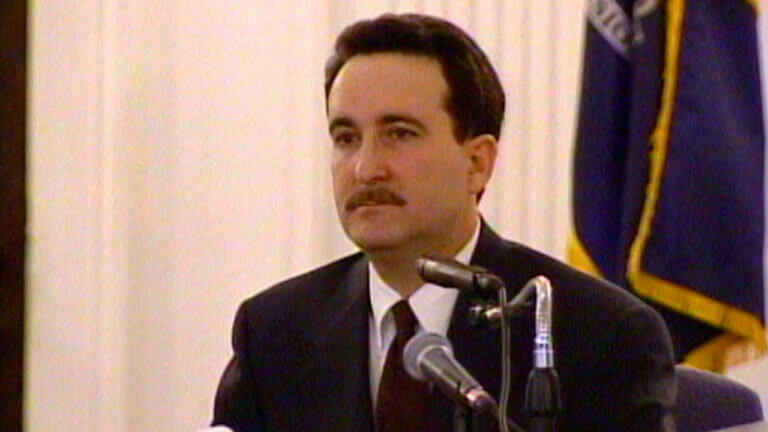
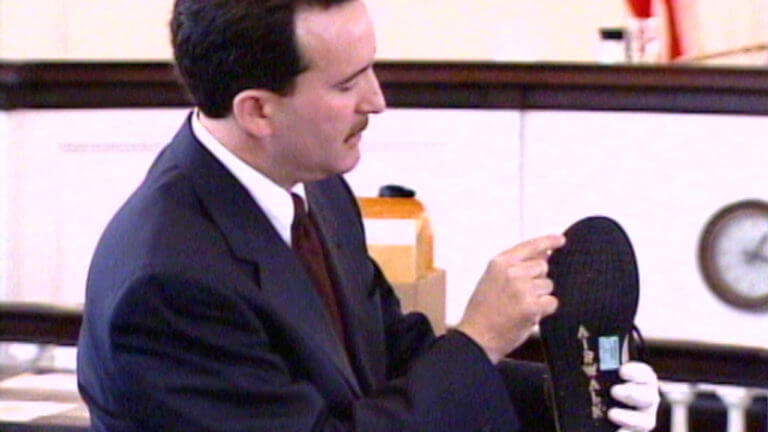
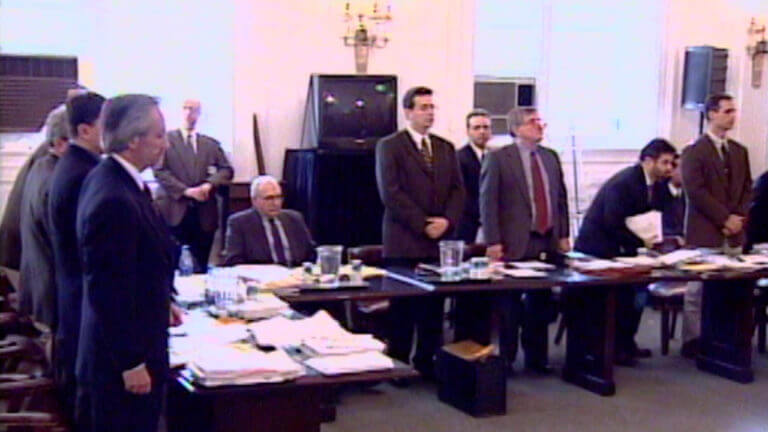
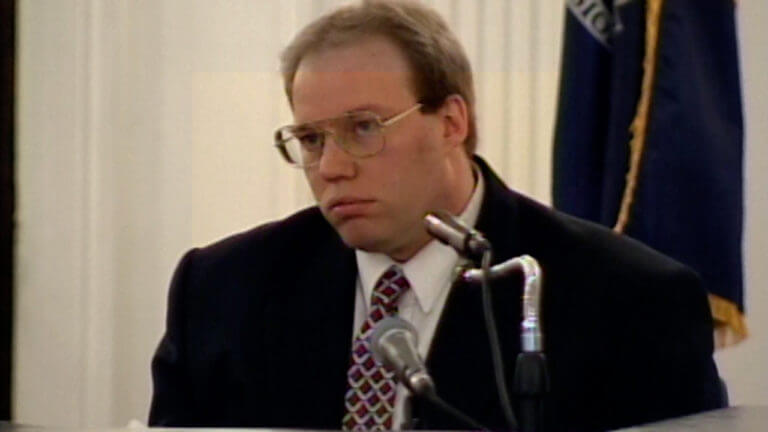
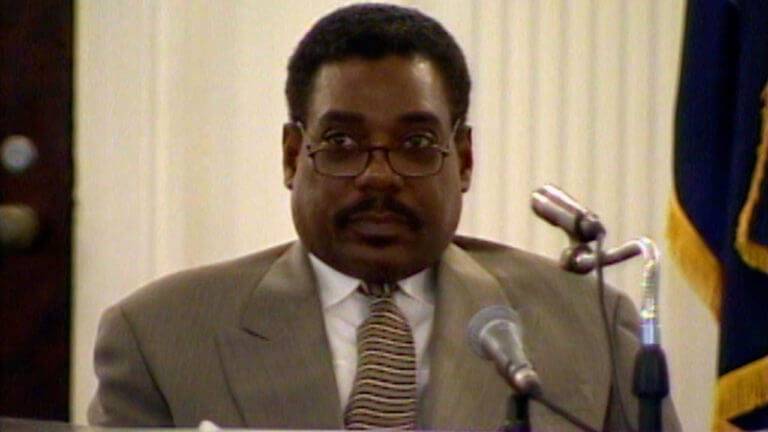
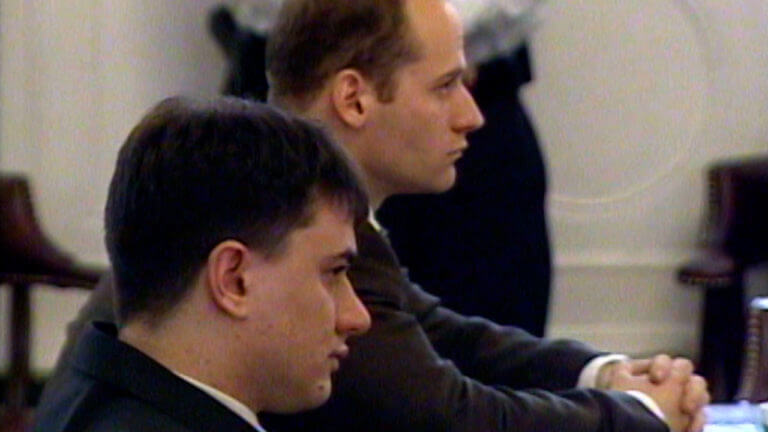
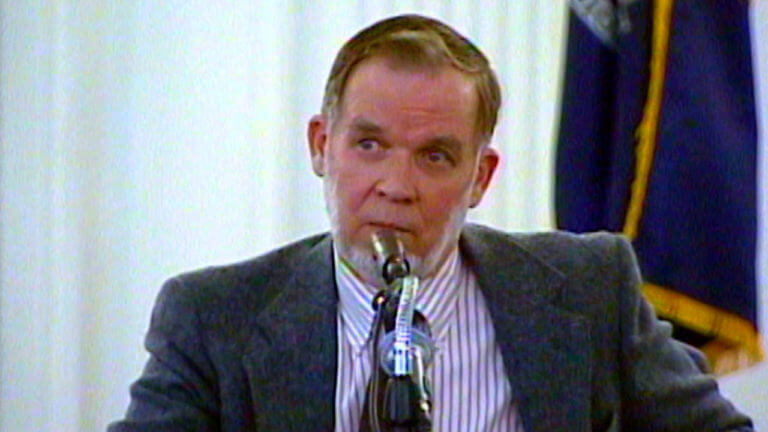
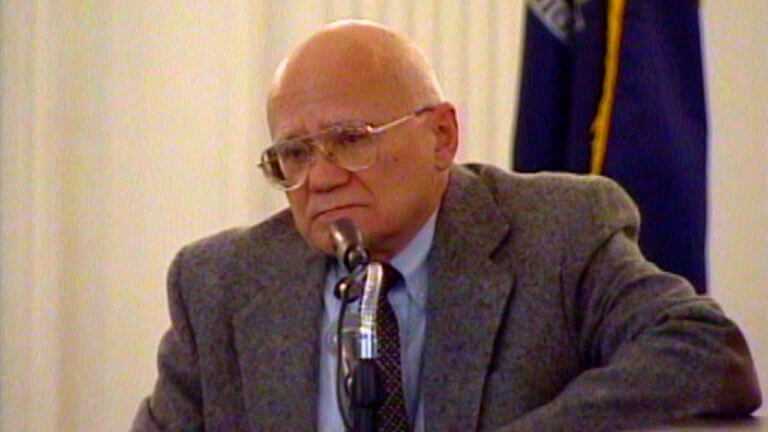
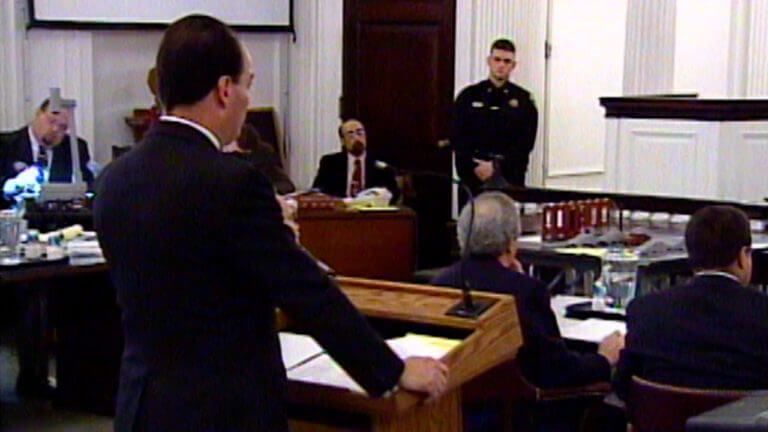
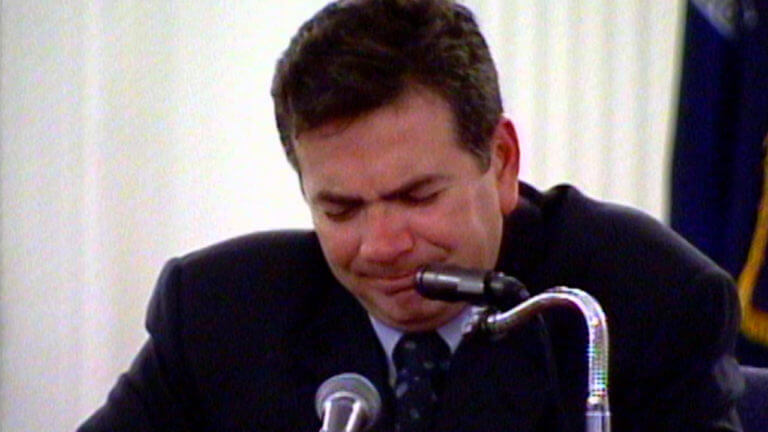
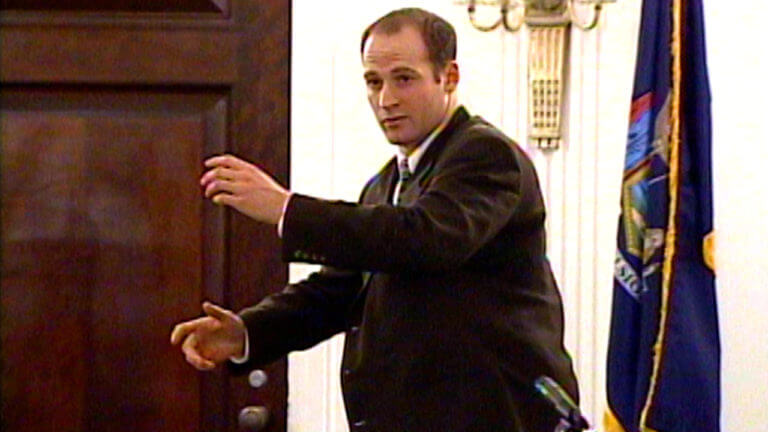
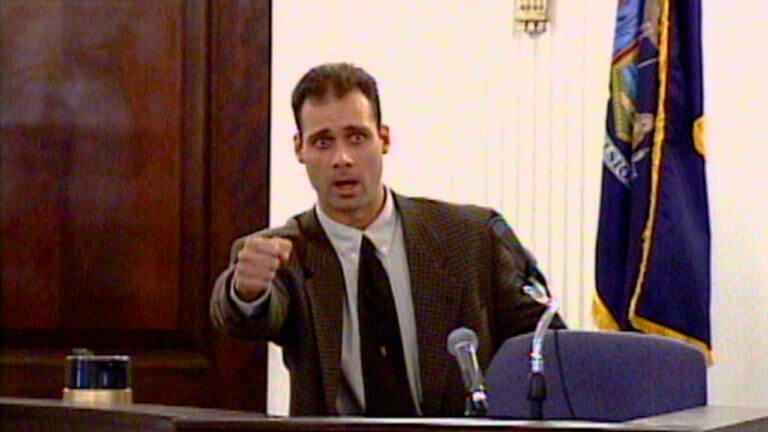
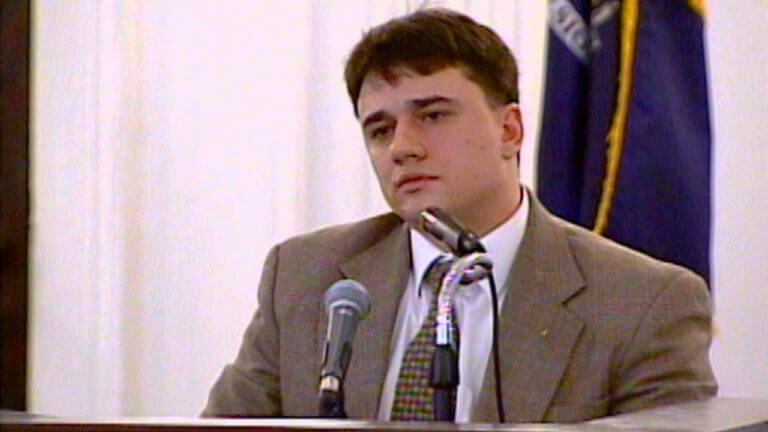
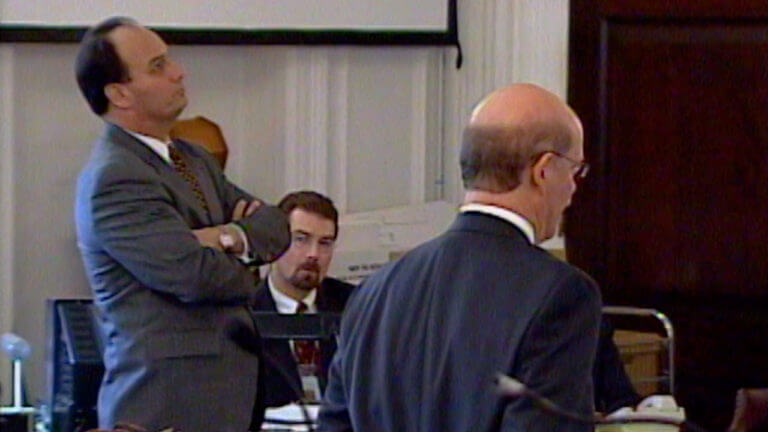
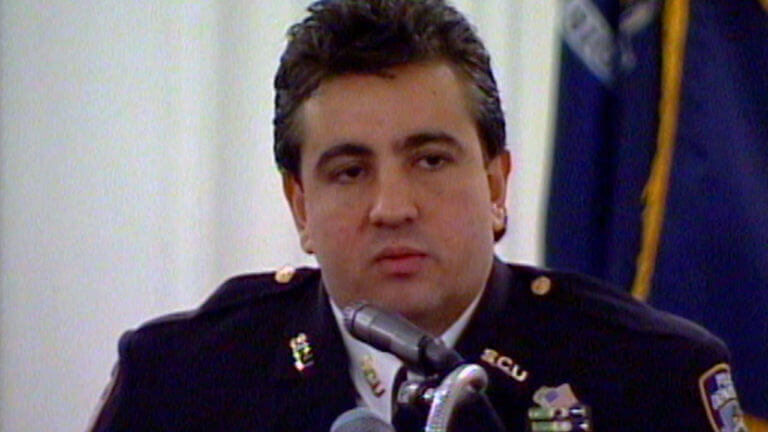
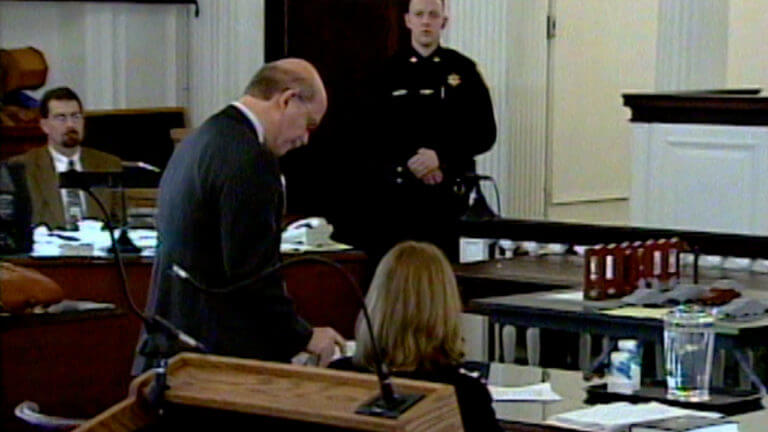
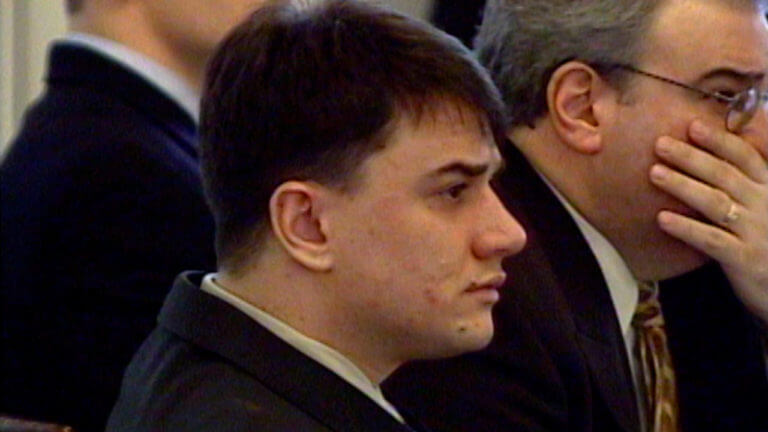
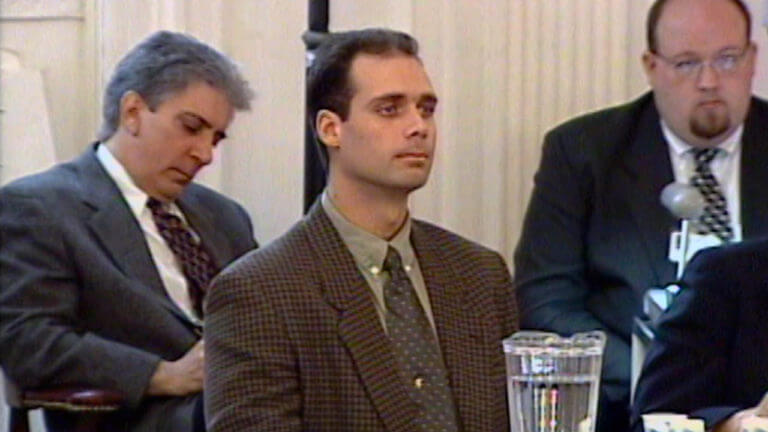
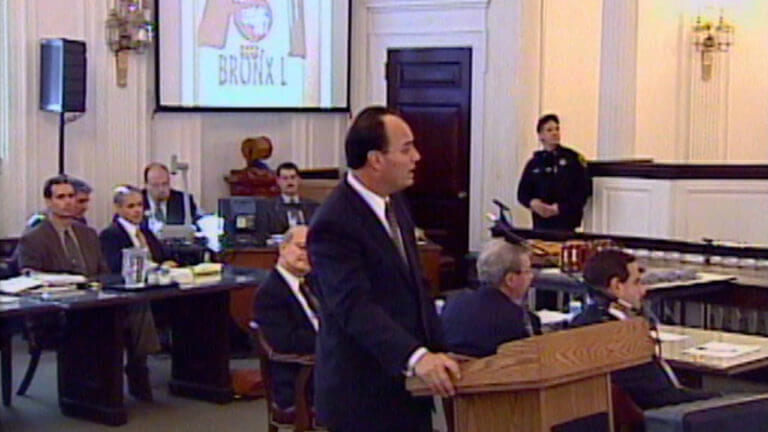
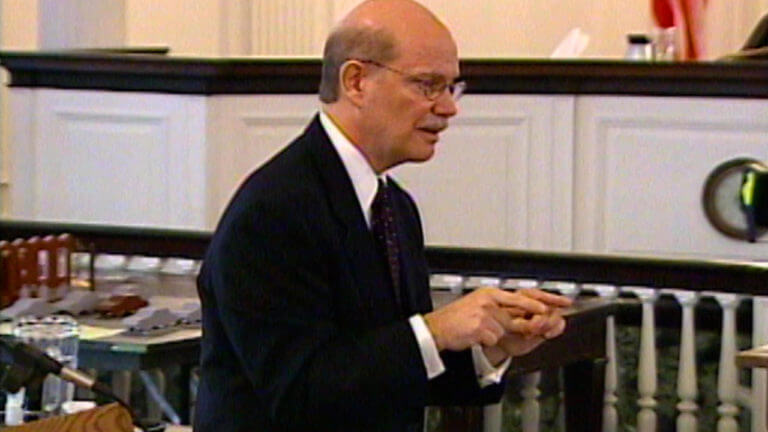
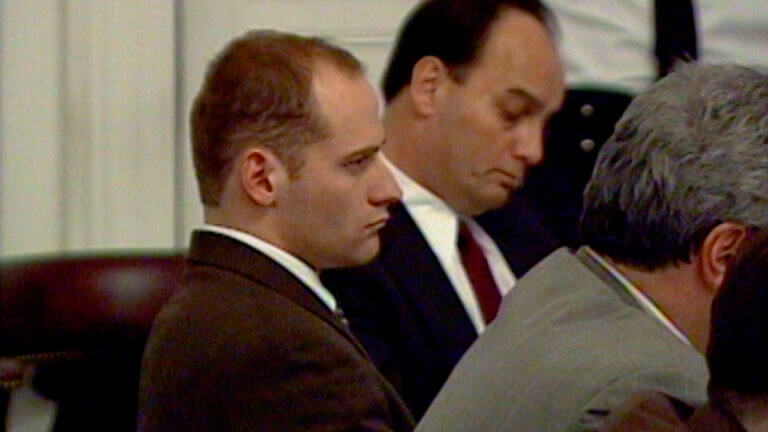
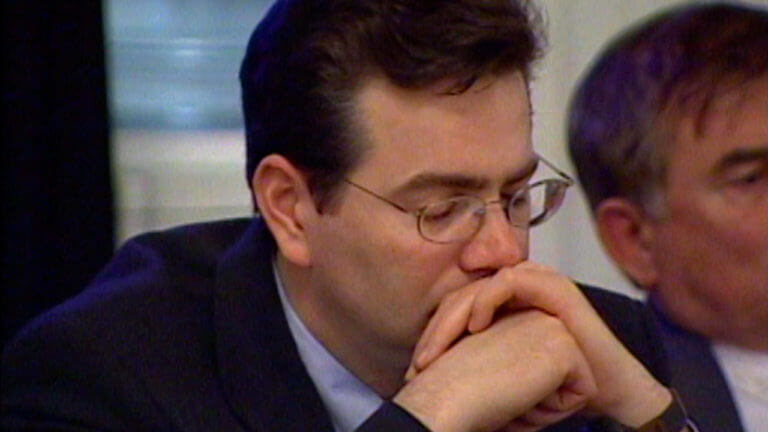
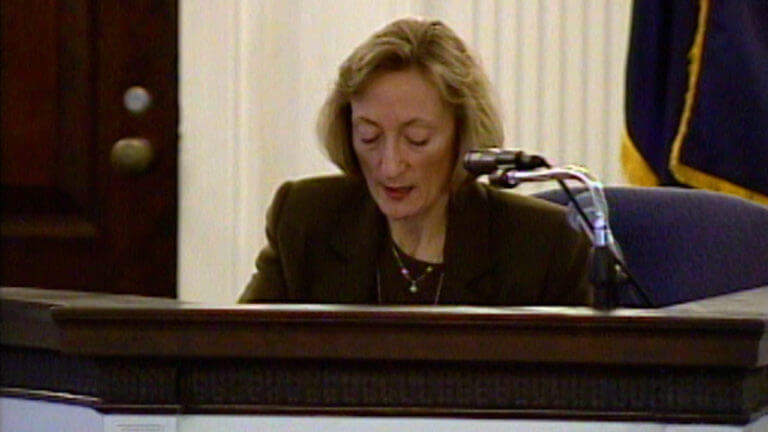
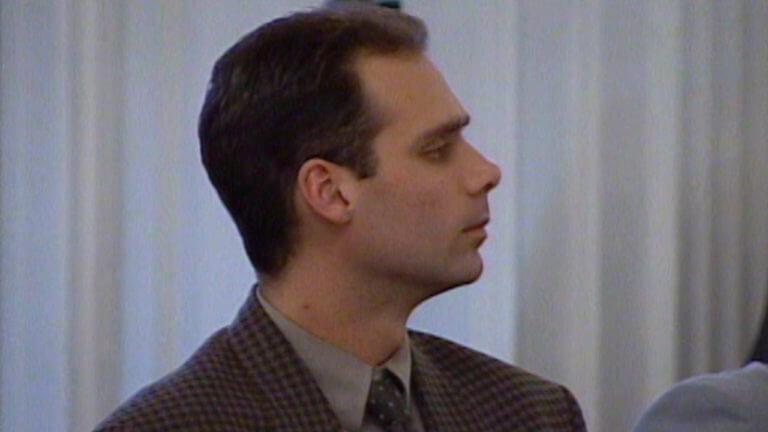
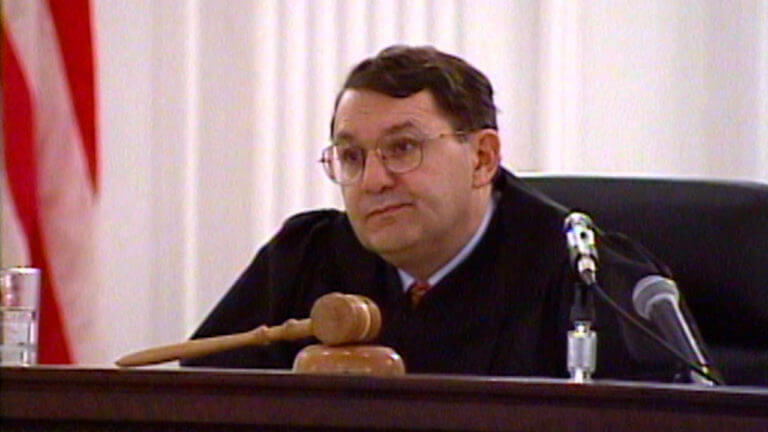
The 12-panel jury consists of six men and six women eight whites and four African-Americans. Jury selection has gone quicker than anticipated the process was expected to last the entire week. But five jurors were seated Monday and the remaining seven were impaneled the following morning. The four alternates were chosen Tuesday afternoon. The selection of four African-Americans to the jury particularly the choice of a black woman [and former Bronx resident] as jury foreperson seems to erase concerns that minorities would not be picked from the predominantly white jury pool in Albany. Both Kadiatou Diallo, Amadou's mother, and Diallo family adviser the Rev. Al Sharpon were pleased with the jury's composition. "It is a good sign that they are inclusive," Mrs. Diallo said. "We hope the justice system will prevail in Albany." "We are very pleased," Sharpton said. "It is a tribute to Amadou that the jury is mixed. It is a tribute to his faith in the jury system." Both prosecutors and defense attorneys accused each other Monday of trying to sway the racial makeup of the jury in their favor. When defense attorneys tried to eliminate three black women off the panel, the prosecution complained that they were trying to remove the prospective jurors solely because of their race. Judge Teresi sided with the prosecutors but allowed the defense to remove one of the women. The defense, in turn, accused prosecutors of trying to eliminate all the white men from the jury. Citing pretrial publicity, a New York appellate court ruled last December that the four officers could not get a fair trial in the borough of the Bronx and ordered the case moved up to Albany. But some of Diallo's supporters, including Sharpton, felt the officers should be tried in the Bronx, which is 38 percent African-American and 42 percent Hispanic, instead of Albany, which is 89 percent white. The four officers Sean Carroll, Richard Murphy, Edward McMellon and Kenneth Boss are charged with second-degree murder in Diallo's February 1999 shooting. Diallo was gunned down in the vestibule of his Bronx home when, the defense says, the undercover officers thought he was reaching for a gun. Diallo did not have a weapon; he was armed only with a beeper and a wallet. The officers fired 41 bullets; 19 struck Diallo. The officers, who were members of New York City's Street Crime Unit, were in plain clothes; they were looking for an alleged serial rapist when they encountered Diallo. According to the defense attorneys, all four officers are expected to testify. The officers reportedly claim that Diallo was acting "suspiciously" when they approached him, noting that he backed into the vestibule of his building when he saw them. They claim they identified themselves and told Diallo to stop, but, for some reason, he didn't comply. The shooting allegedly erupted when the officers thought he was reaching for a gun. However, Diallo only had a beeper. The lighting of the vestibule or lack thereof is expected to provide a foundation for the defense. The officers' defense reportedly plans to introduce a videotape made by police internal affairs that attempts to prove the lighting in front of Diallo's building was poor the night he was killed. On this tape, an officer says he is conducting an ambient light test and compares the lighting in Diallo's building to the building next door. However, there may be conflict among police investigators about the quality of the lighting. One reportedly said early in the case that the vestibule's light was off, making the entrance to Diallo's building completely dark that night. Another, however, claimed the light was on. Still, the testimony of an EMS worker who claims she needed a flashlight while she tried to revive Diallo may help buffer the officers' defense. Another key issue at trial will be whether Diallo was down at any time during the shooting barrage. According to the defense, Diallo never fell during the shooting. Stephen Worth, who represents McMellon, has said that the officers continued to fire because Diallo was standing as he was hit 19 times. He did not fall down until the shooting stopped, Worth has claimed. However, autopsy reports suggest otherwise. One wound may truly and vividly show that the officers continued to shoot Diallo while he was down. Doctors found that a bullet entered Diallo's calf muscle just above the right ankle, traveled up his leg and lodged in the back of the knee. If Diallo had been standing up, the bullet would likely have traveled horizontally from the shin to the back of the leg, not directly up the leg. If convicted of second-degree murder, Carroll, Murphy, McMellon and Boss face 25 years to life in prison. Bryan Robinson |
|
|
|
| Contact Us | U.S. | TRIALS | WORLD | PEOPLE | ON AIR | VIDEO | TALK | ABOUT CTV | SEARCH |
|
© 2000 Courtroom Television Network LLC. All Rights Reserved.
Terms & Privacy Guidelines
|