Return To Court TV Homepage  
>>>>>>
U.S.
ABOUT COURT TV

U.S.

Trials

World

People

On Air

Video

Talk

Search


Updated February 3, 2000, 6:10 p.m. ET

Diallo's roommate says shooting scene was always well-lit

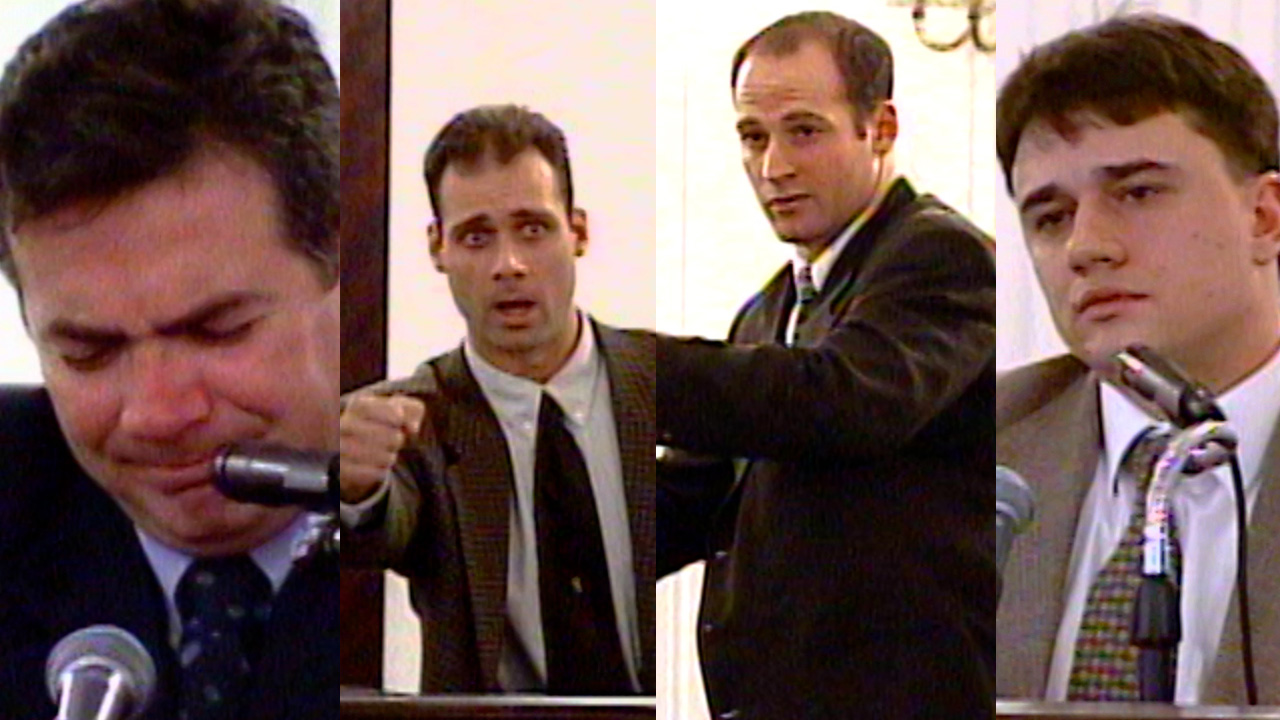
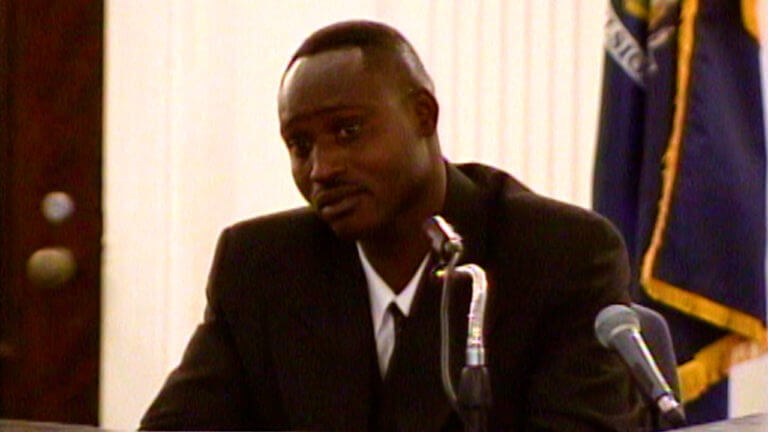
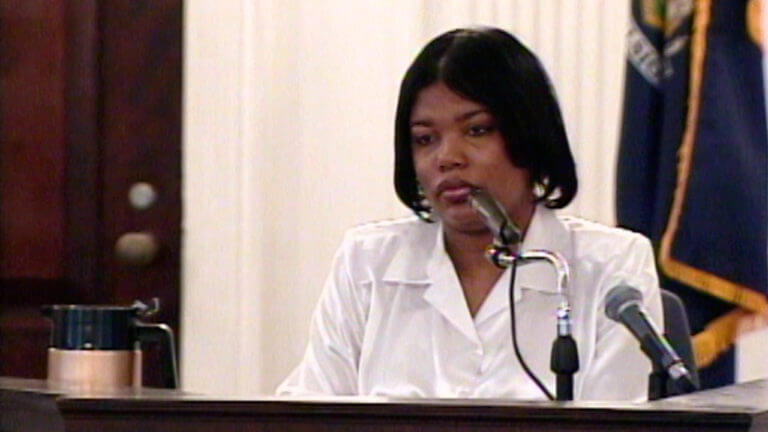
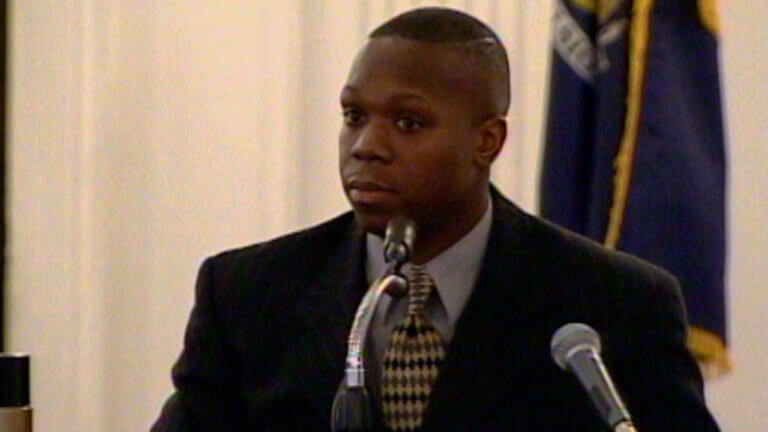
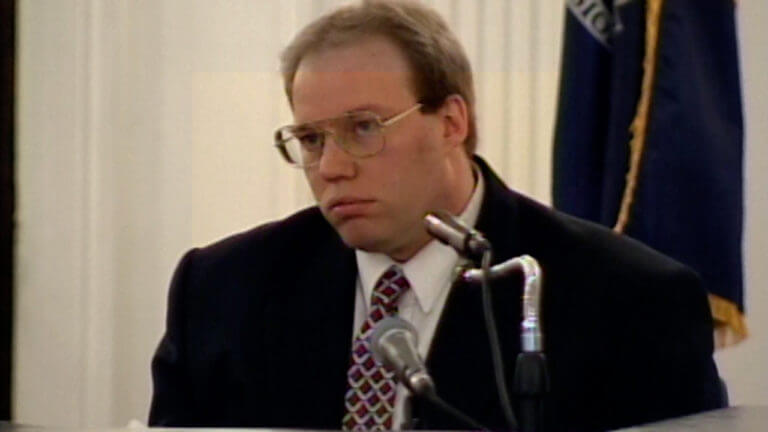
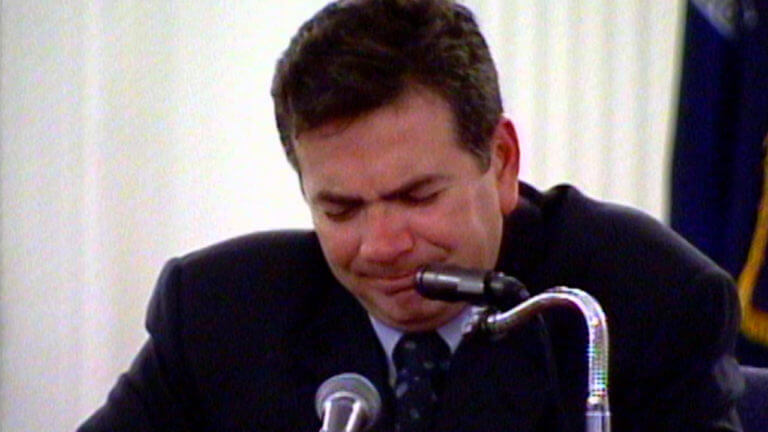
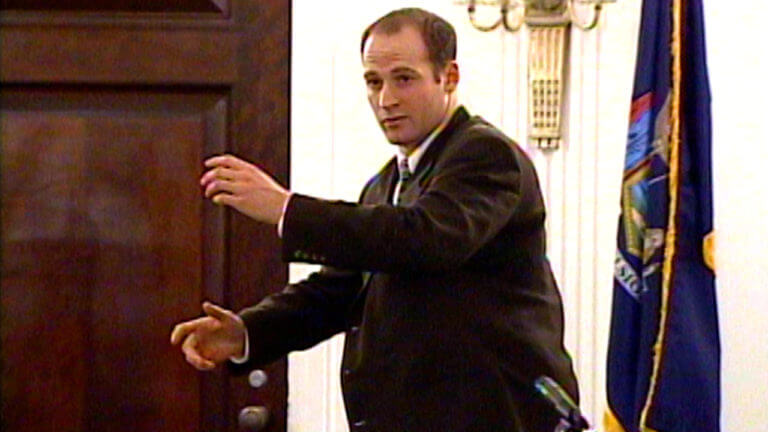
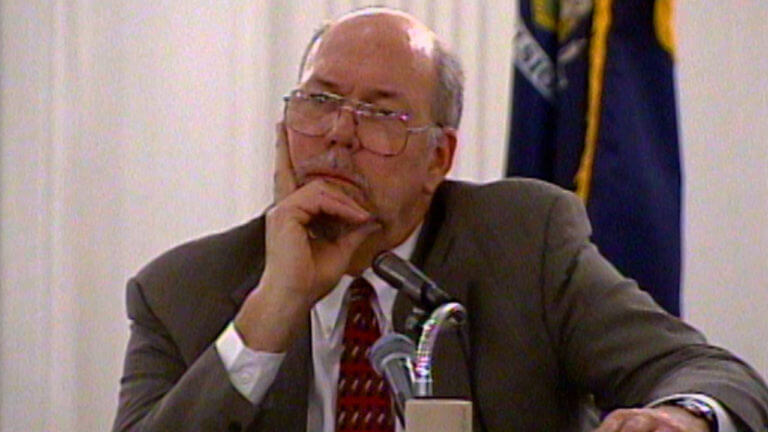
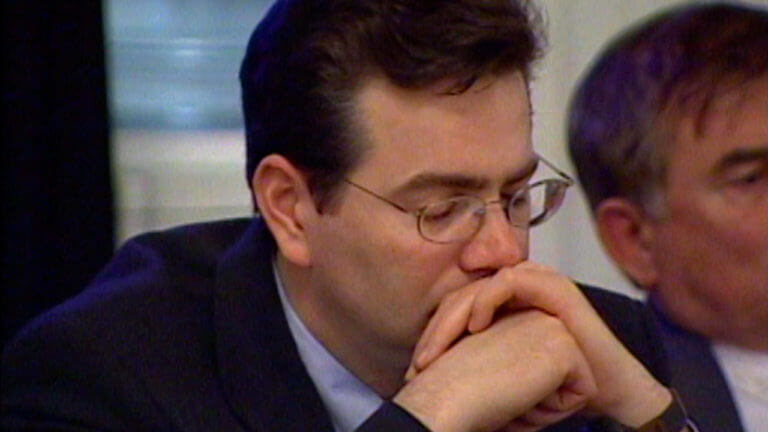
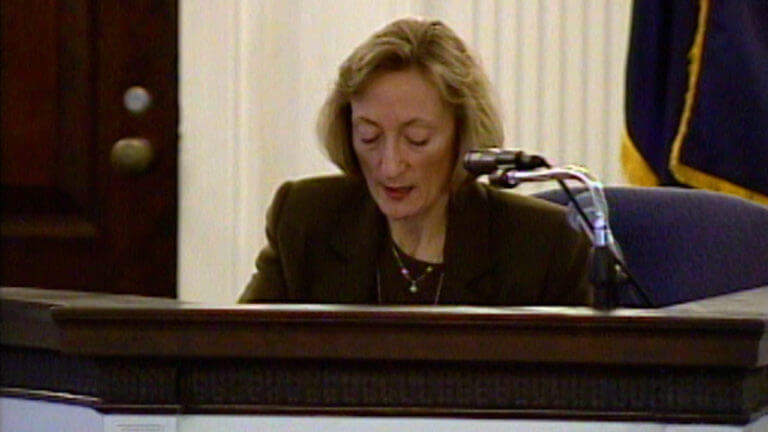
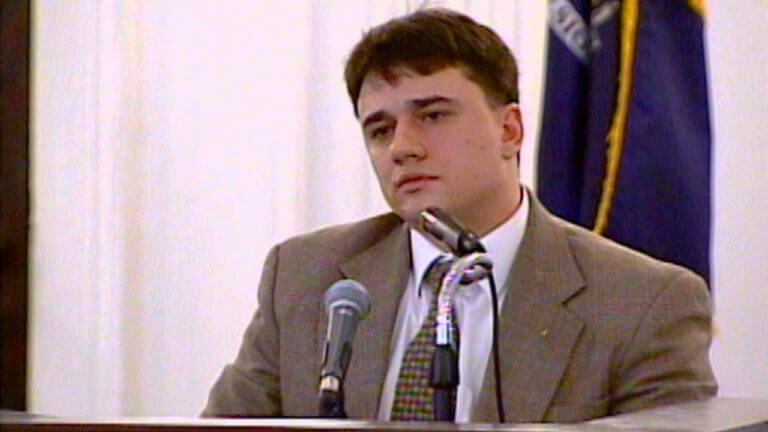
Momodou Kujabi appeared in tears sometimes as he recalled the events before his roommate Amadou Diallo's killing. (Court TV)

           
DIALLO SHOOTING TRIAL

            >>>> Discuss the case on our message board

>>>> Special Report: Behind the Badge with a Hand on the Trigger

>>>> Profiles of Key Figures

>>>> Profiles of Jurors

>>>> Background Report

>>>> Full Coverage of Case/Archived Articles

>>>> Case Timeline


ALBANY, N.Y. (Court TV) — Amadou Diallo's roommate claimed that the vestibule where the victim was fatally shot was well-lit approximately an hour before the killing. However, the roommate was not able to tell jurors how the vestibule appeared at the exact time of Amadou's death.

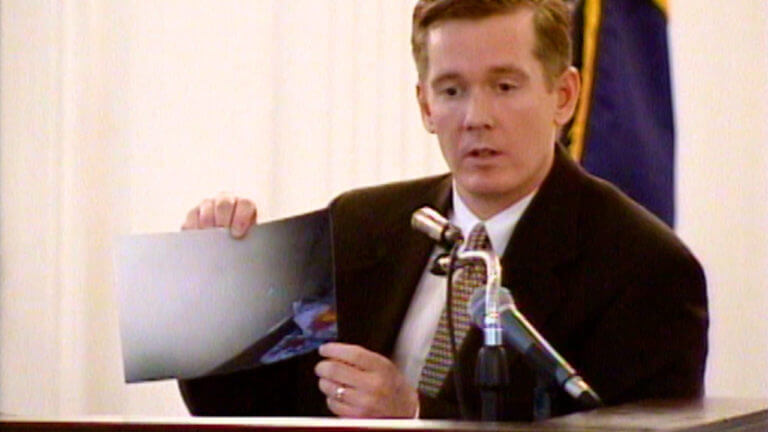
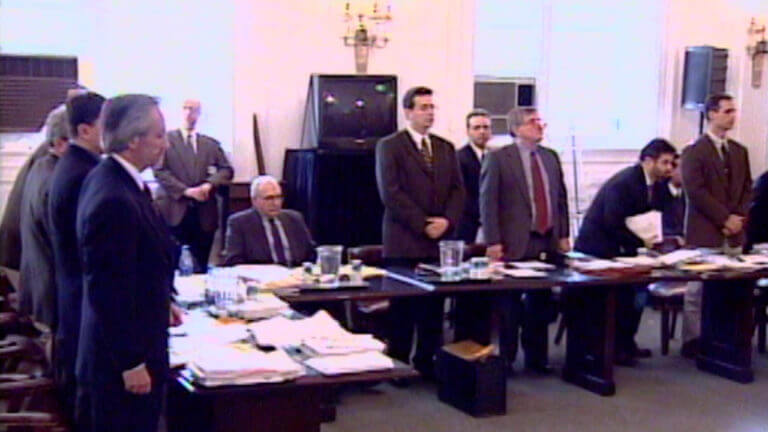
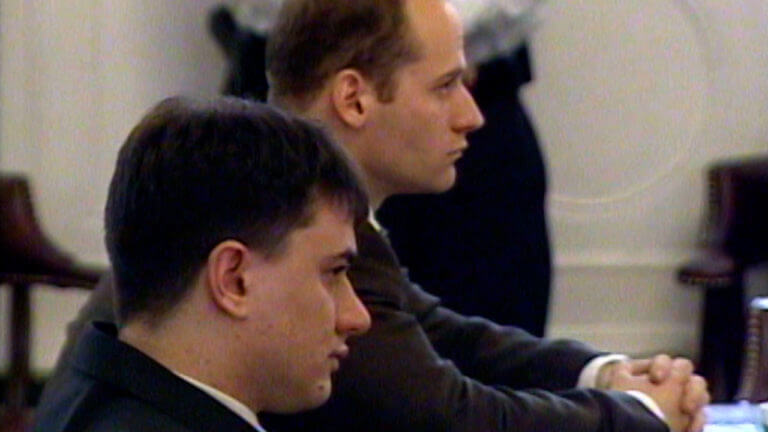
The lighting of the vestibule in front of Diallo's apartment building has been the focus in the two days of testimony in the murder trial of the four officers who gunned down Diallo last February. Prosecutors argue that the officers — Sean Carroll, Richard Murphy, Edward McMellon and Kenneth Boss — could clearly see whether or not Diallo was holding a weapon when they killed him in the entrance of his Bronx home. Diallo was killed in a hail of 41 bullets when, the defense says, the undercover officers thought he was reaching for a gun. Officers claim the vestibule was dimly lit and Diallo's movement made them think he was reaching for a weapon.

But Diallo was unarmed. He had only with a beeper and a wallet when he was struck 19 times. Charged with second-degree murder and reckless endangerment, each of the officers face 25 years to life in prison if convicted.

Momodou Kujabi was one of Diallo's roommates at the time of his death. After working his two jobs that day, Kujabi said he left work at approximately 11 p.m. and arrived home at about 11:30. Kujabi described the vestibule to his apartment building: there was a door that opened into an area where the mailboxes were located. Then, said Kujabi, there was another door in the mailbox area that led to the hallway. The entrance way had three lights — an exterior light above the vestibule; a middle light in the mailbox area; and a light in the hallway. A row of switches near the mailboxes controlled all three lights.

According to Kujabi, the lights in the building's entrance were on when he came home. When he entered his apartment, he did not see his other roommate, Abdou Rahman — the door to his room was closed, and Kujabi did not know whether he was home or sleeping. However, he said, he saw Diallo on the couch watching television. After they discussed paying the Con Edison utility bill, Kujabi told jurors, he left Diallo and took a shower. Soon afterwards, slightly after midnight, Kujabi said he went to bed.

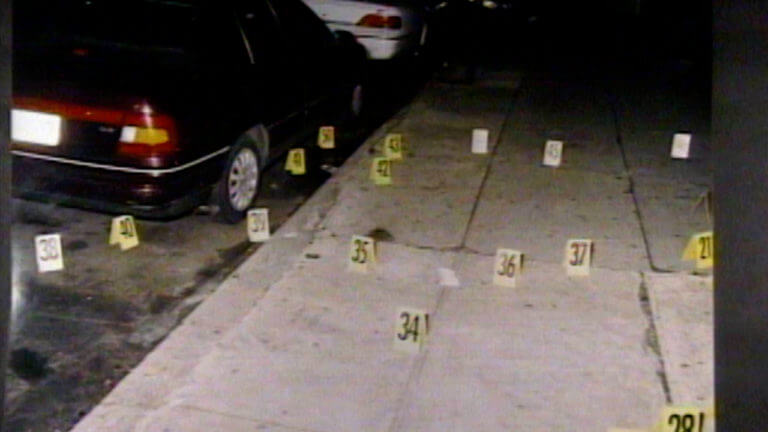
According to witness, he may have slept between 30 and 40 minutes. [Sometime during that period, Diallo left the apartment without telling Kujabi.] The next thing he heard, Kujabi said, was someone knocking on his apartment door and people talking in the apartment. When he came to the living room, he saw detectives talking to Rahman, who told him that Diallo had been shot. Kujabi told jurors that a detective took him to the hallway, where he saw several shells of bullets. He then proceeded to the mailbox area where he saw Diallo's body.

Kujabi said all the lights to the vestibule were on when he identified Diallo. However, while claiming that the lights were always on, he admitted that he did not know how the entrance appeared at the time of the shooting because he was asleep.

The witness broke down briefly when shown a driver's license picture of Diallo. He told the jury that Diallo spoke English well, but had a slight stammering problem.

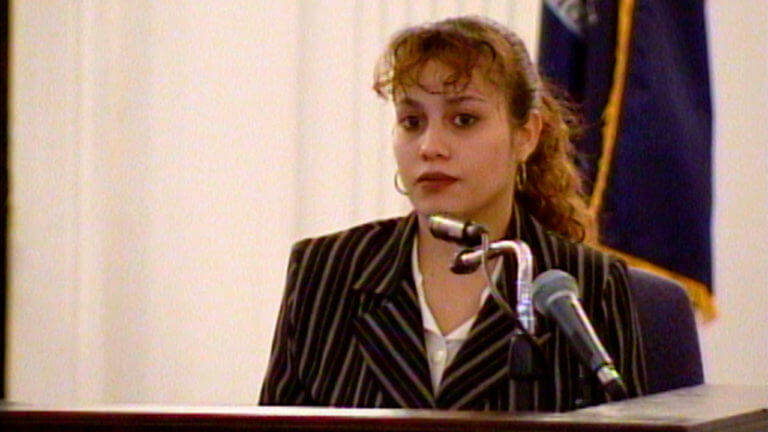
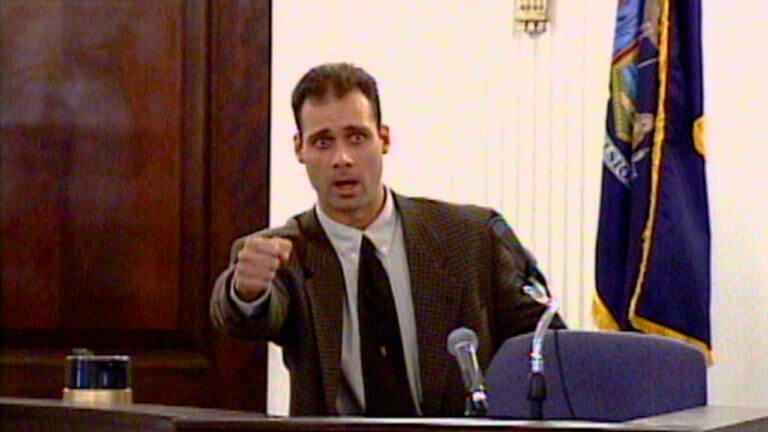
Kujabi was the latest witness to testify that the entrance was well-lit on the night of Diallo's shooting. A former neighbor of Diallo, Debbie Rivera, who lived across the street at 1162 Wheeler on the night of the shooting, testified that she saw four white men [presumably the defendants] approaching the sidewalk towards 1157 Wheeler Ave. Despite having double windows, which were closed, Rivera said she heard a motor running and she normally went to the window when she heard noise outside. The men appeared, the witness said, to have come out of a parked Burgundy car. Rivera said she could only see the backs of their heads. At least one was wearing a hat and all of them were wearing casual clothes, she testified.

Rivera claimed that the vestibule was lit, and she could see the entrance to the building clearly.

Then, Rivera said, she went away from the window. Soon afterwards she said she heard a lot of noise — gunshots. Tapping the witness stand, Rivera simulated the pattern of the shots she heard.

"Pow, pow, pow, pow," Rivera said. " .... (Pause) Pow, pow, pow, pow. There were several shots, then a pause, then another string of shots."

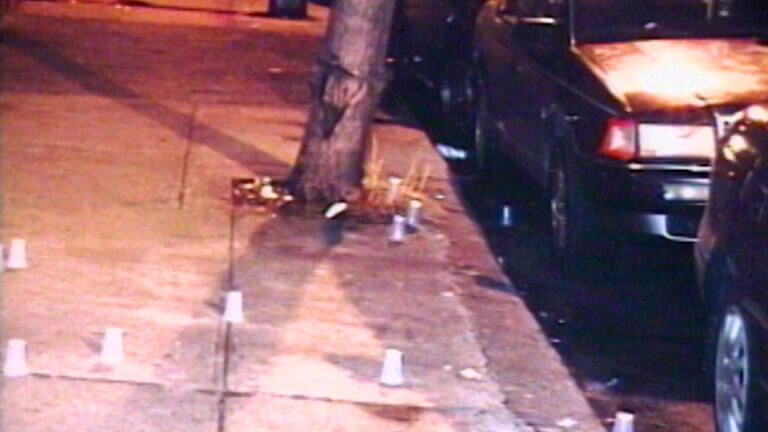
Rivera said she then gathered her relatives into the living room after hearing the shots. Soon, she went back to the window and saw one man, who was wearing his shield, throw his hat down and mutter an expletive as he leaned up against a car in front of her building. [Various reports say that this man was Officer McMellon.] Ultimately, Rivera said, other police and paramedics arrived and taped off the scene of the shooting. The street was eventually closed off.

During cross-examination, the officers' defense lawyers tried to poke holes in Rivera's testimony. James Culleton, Murphy's lawyer, suggested that Rivera may have heard noises from her television (which she admitted was on at the time), not necessarily from outside. Culleton also focused on whether Rivera had heard the news accounts of the shooting before investigators first interviewed her the following day.

The defense also confronted Rivera over inconsistencies between her initial statements and her testimony. The officers' lawyers asked her about her initial claim that she heard, but did not observe, anything and that she was awakened by the sound of gunfire. Rivera conceded that she did not trust detectives in the beginning and thought the questioning detective could have been one of the men she observed from the window. She also denied telling the detective that she was awakened by the sound of bullets.

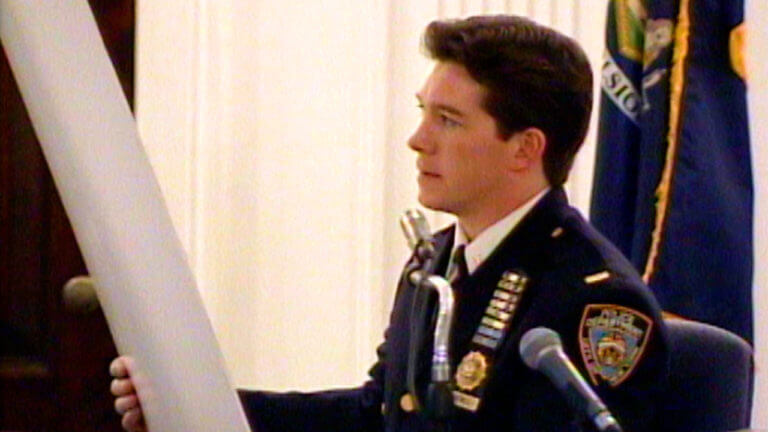
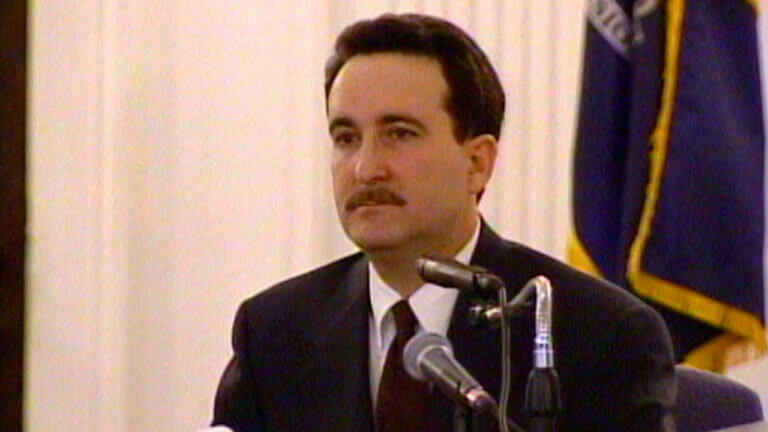
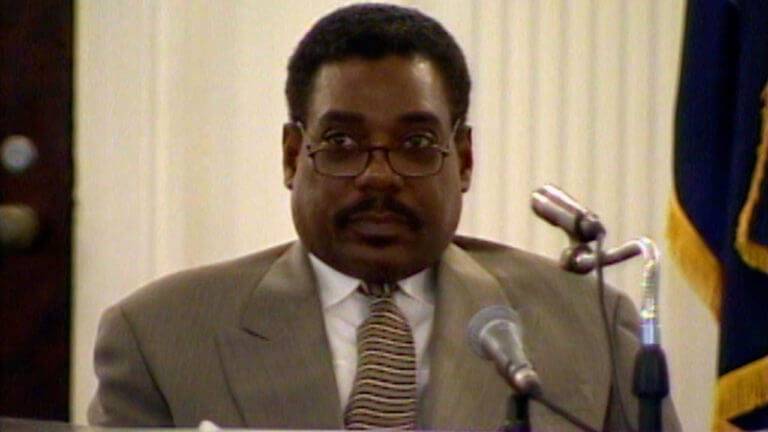
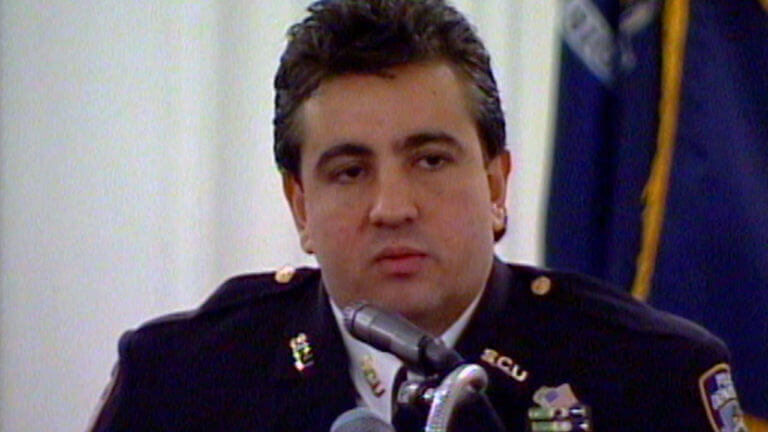
A member of New York's Street Crime Unit, Lt. Kevin Cantwell painted a more sympathetic, remorseful picture of the officers. He was familiar with all of the officers because they were all members of the Street Crime Unit. On the night of the shooting, Cantwell testified, he received a call for help from Kenneth Boss, who at one time worked under him. Cantwell told jurors that when he arrived at scene, he smelled gunpowder in the air. All the officers, he indicated, seemed shaken. He asked each officer if he was okay; all eventually replied, "Yes".
Cantwell said he was able to see Officer Carroll, the defendant who allegedly yelled "Gun!" before the shooting, in the vestibule next to Diallo. Carroll, he told jurors, seemed very upset. Cantwell recalled asking the officer repeatedly whether he was okay, and after several long pauses, Carroll eventually said that he was. Carroll also told Cantwell there were no suspects to follow. Cantwell told jurors that the officers seemed to be nauseous and unable to talk about what had happened, and he recommended that they all get treated at a nearby hospital.

Court is not in session Friday. Testimony will resume Monday morning. However, Diallo's family and supporters will not be silent. They are planning to hold several memorial services and vigils in New York City tomorrow to acknowledge the one-year anniversary of the 22-year-old West African's tragic death.

— Bryan Robinson


Court TV Homepage

Site Map


<<<back Top of page  
Contact Us U.S. |  TRIALS |  WORLD |  PEOPLE |  ON AIR |  VIDEO |  TALK |  ABOUT CTV |  SEARCH 
      © 2000 Courtroom Television Network LLC. All Rights Reserved.
Terms & Privacy Guidelines