![]() |
||
|
|
|
|
|
|
Updated February 7, 2000, 6:20 p.m. ET Neighbor suggests officers in Diallo shooting may have been planning a cover-up
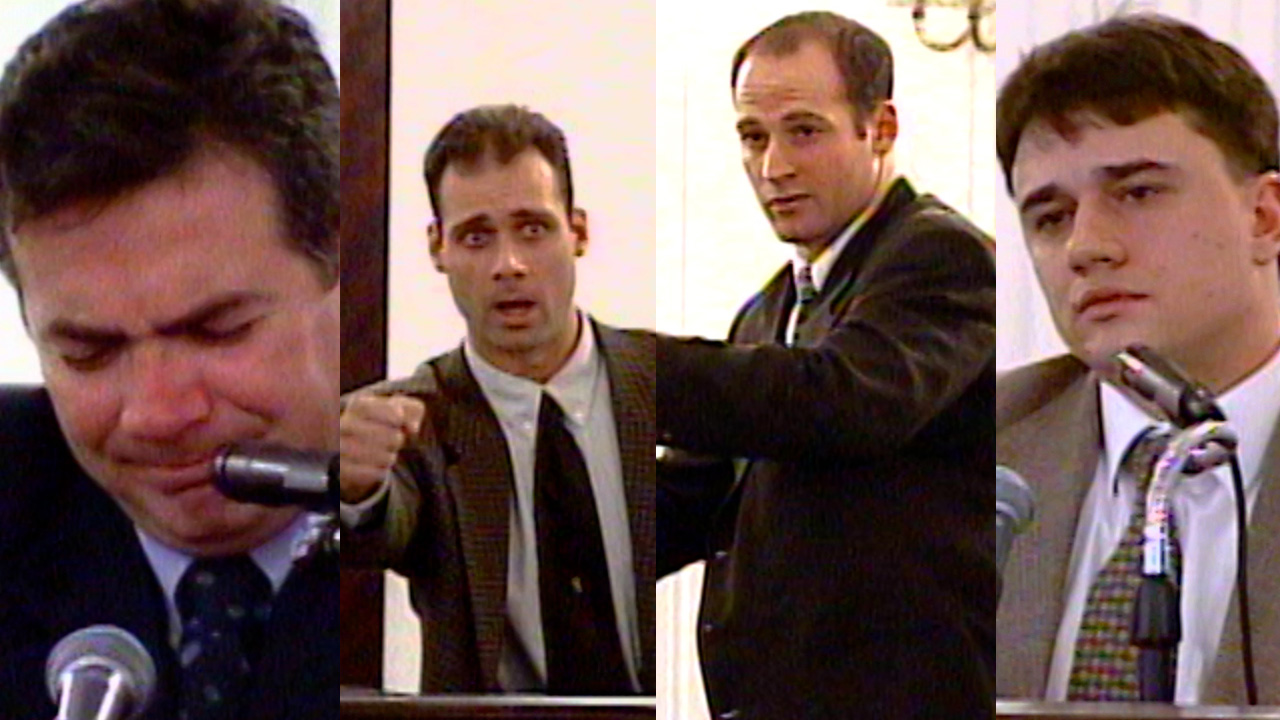
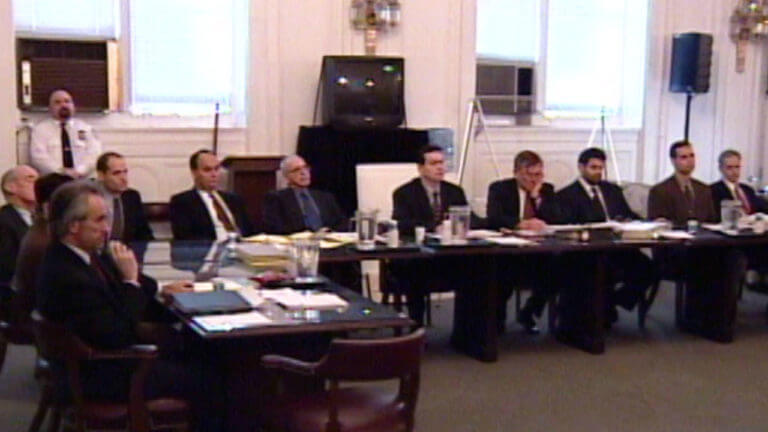
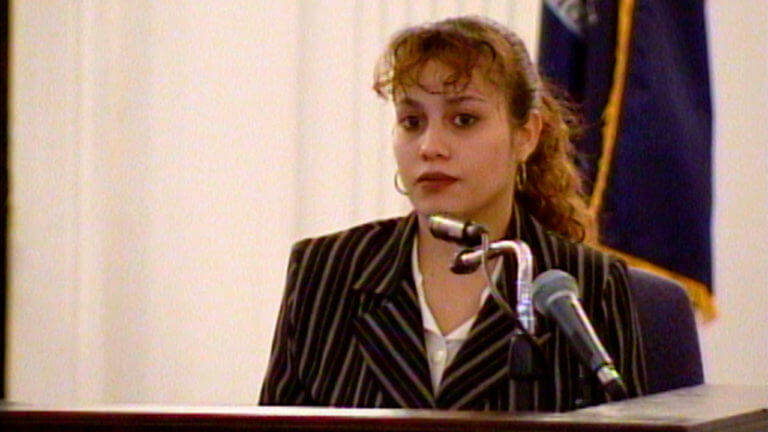
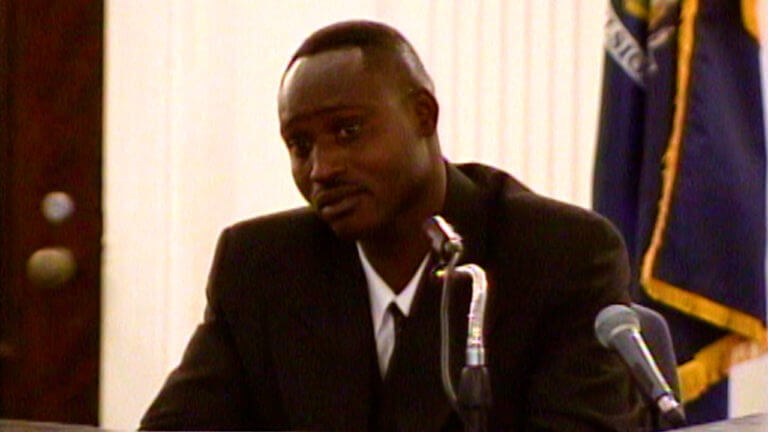
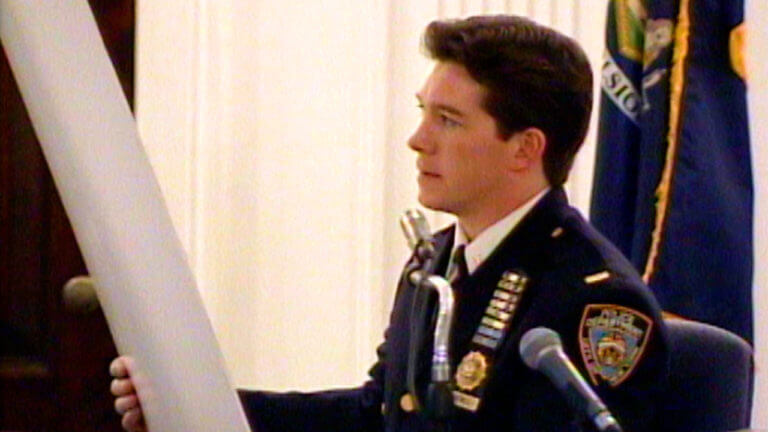
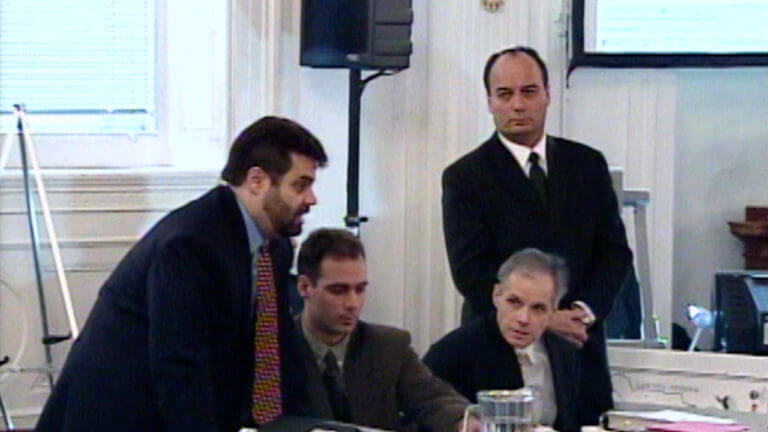
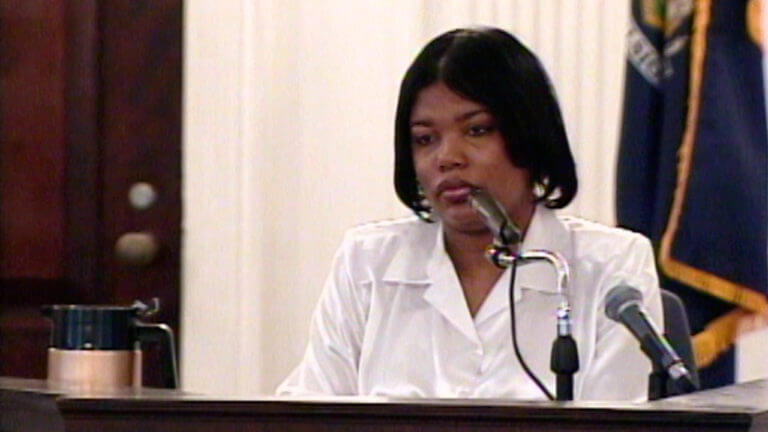
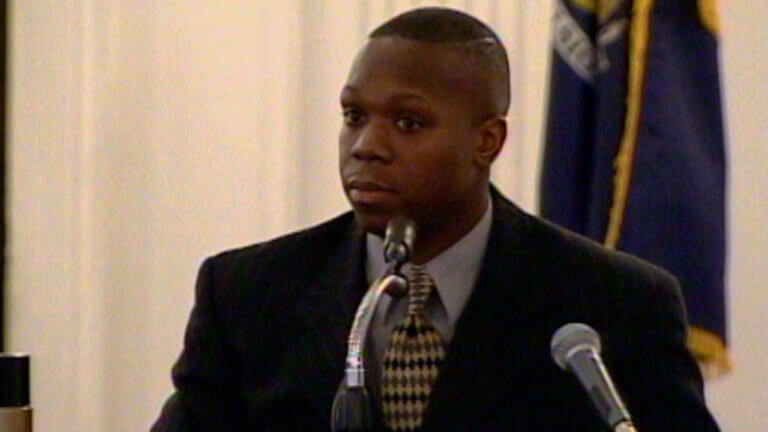
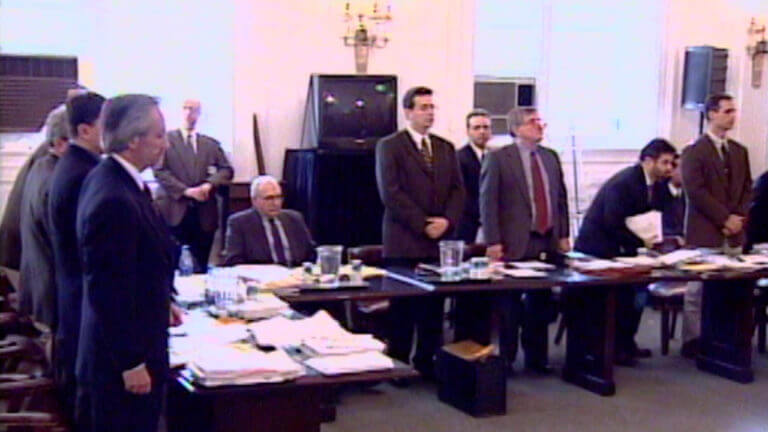
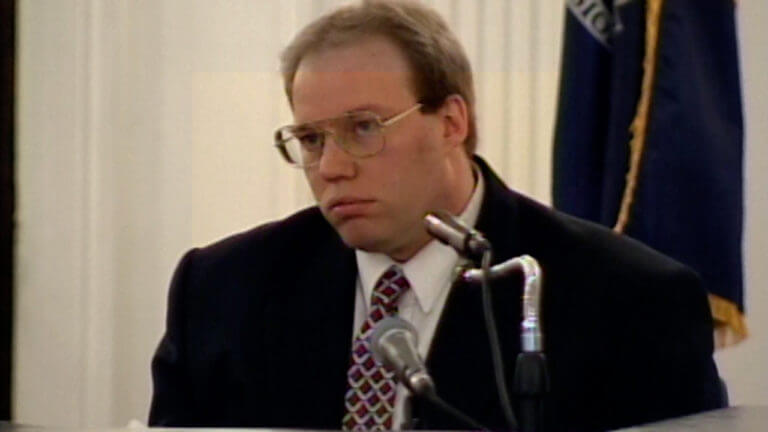
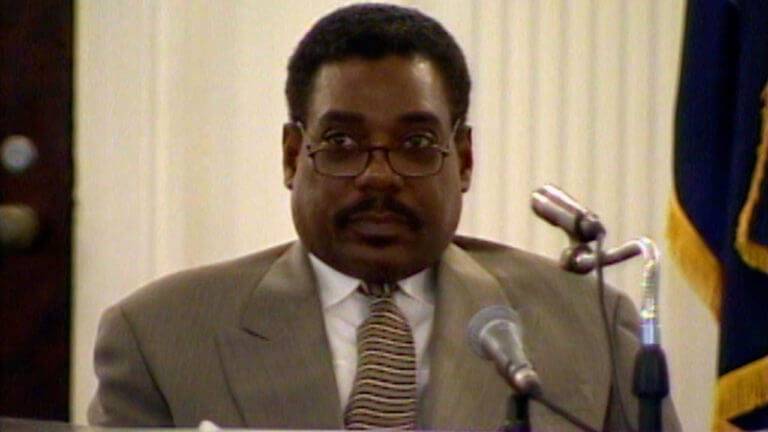
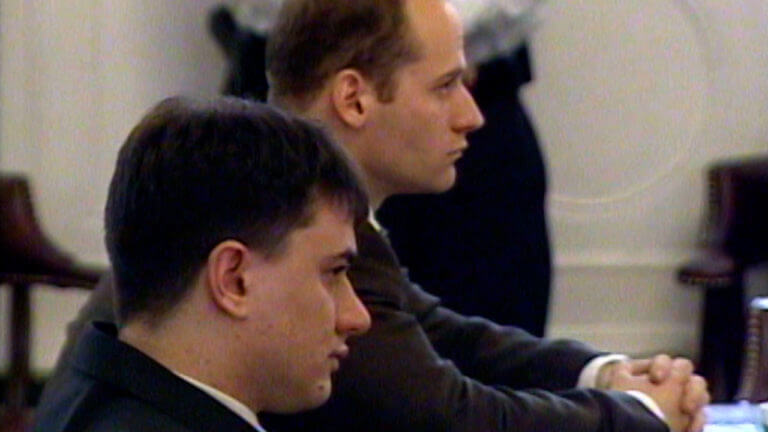
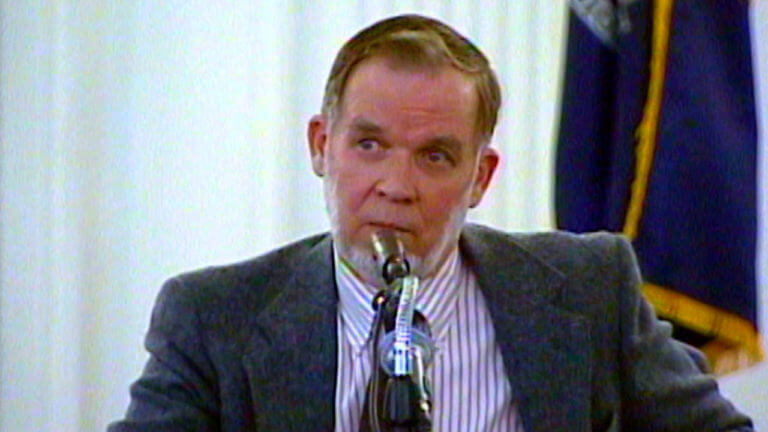
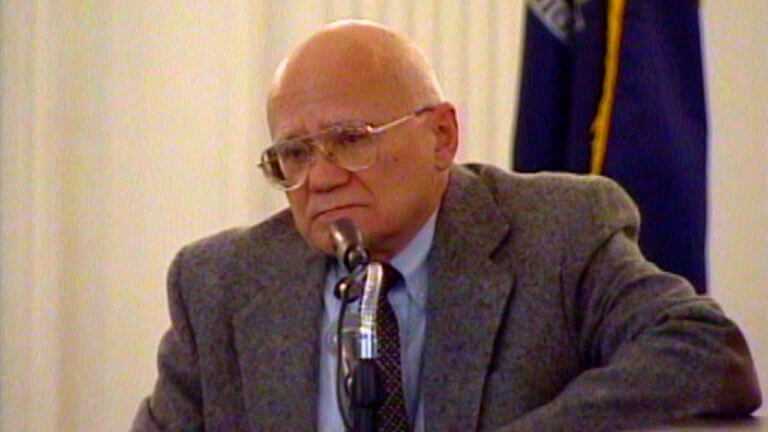
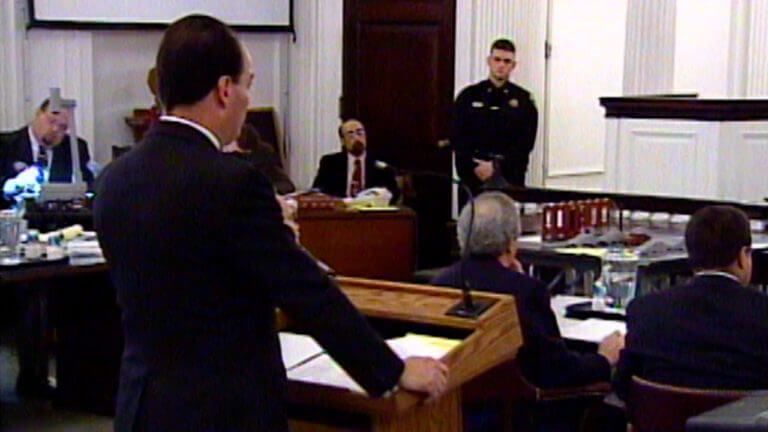
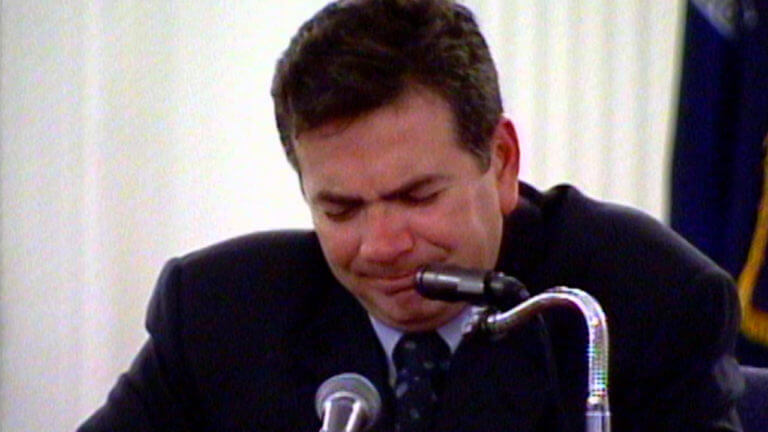
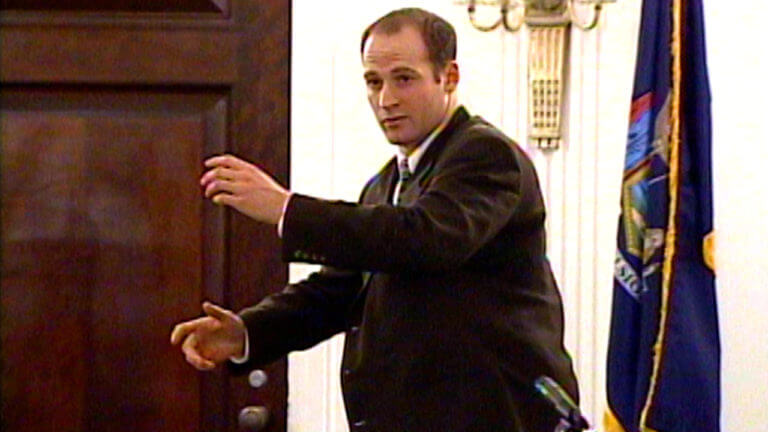
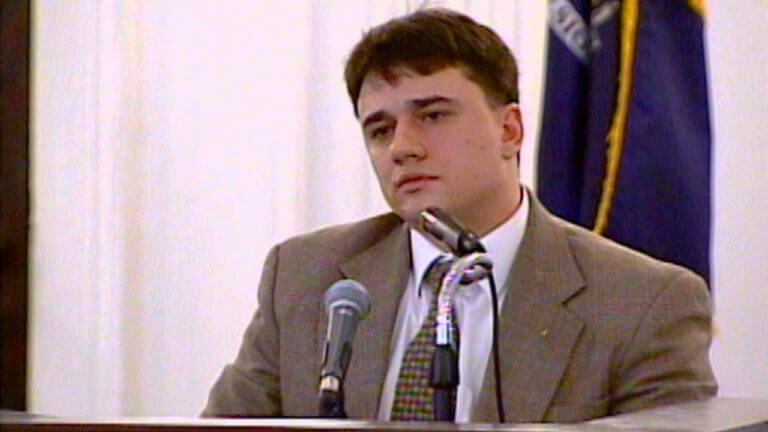
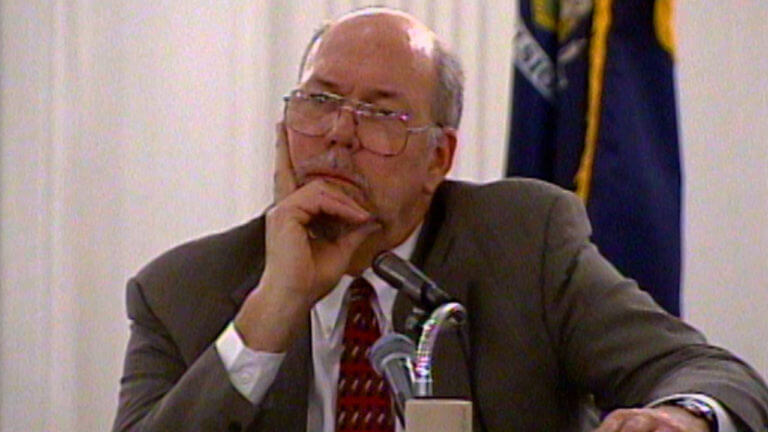
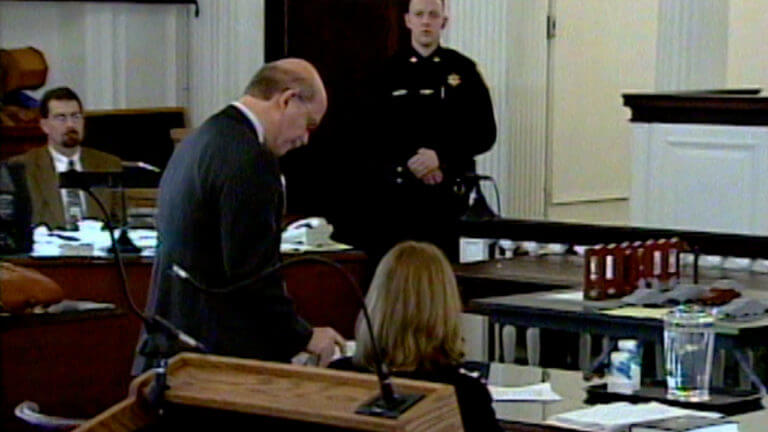
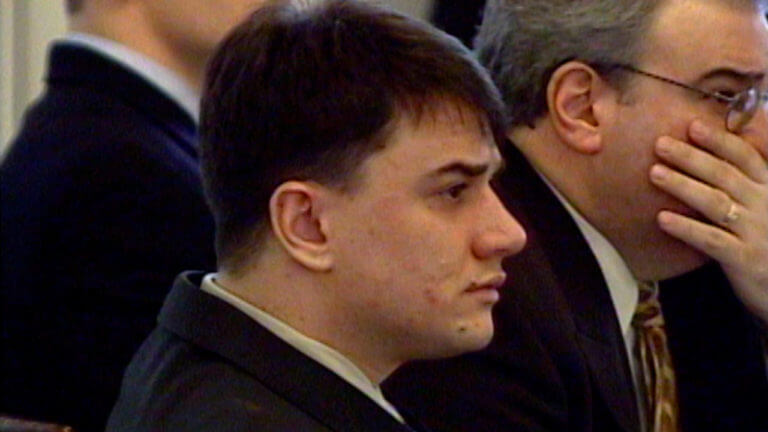
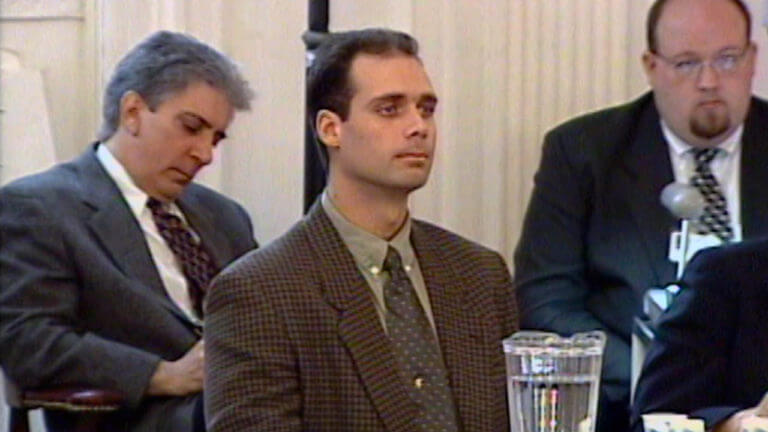
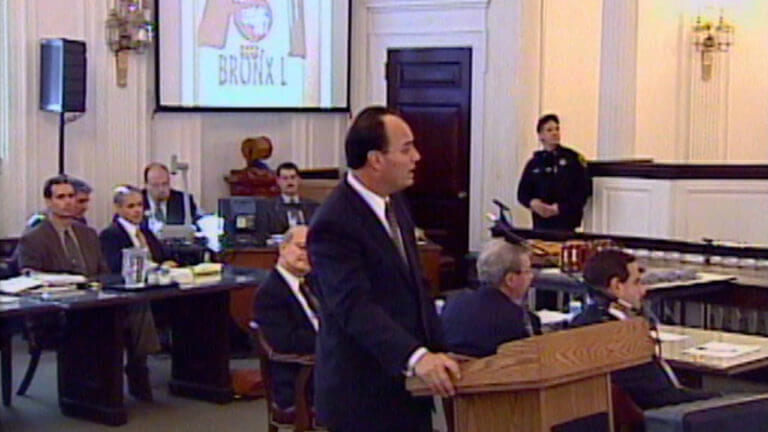
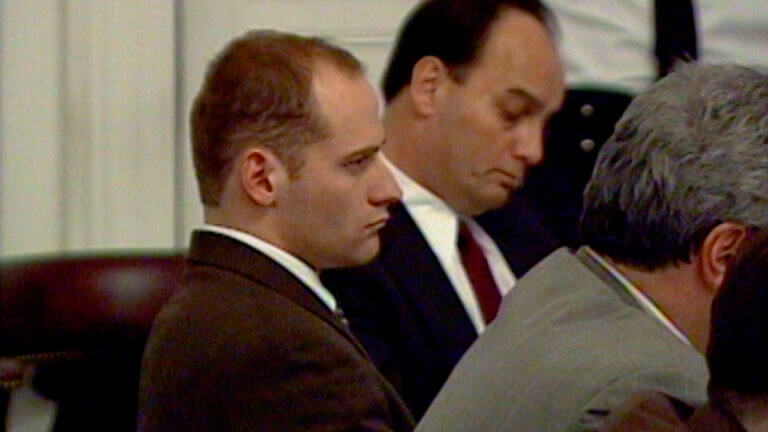
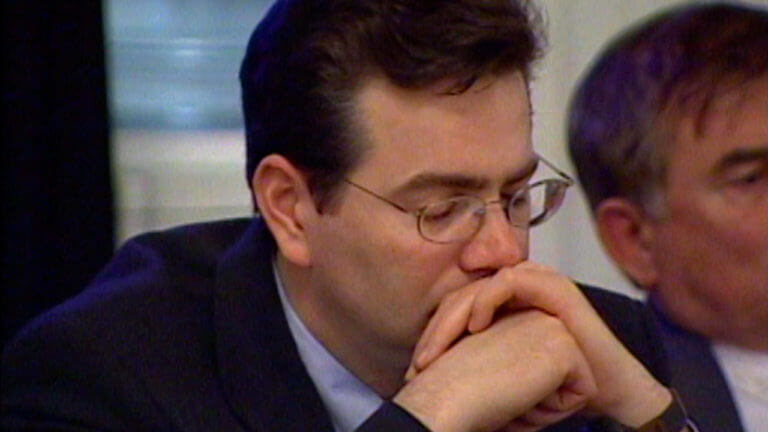
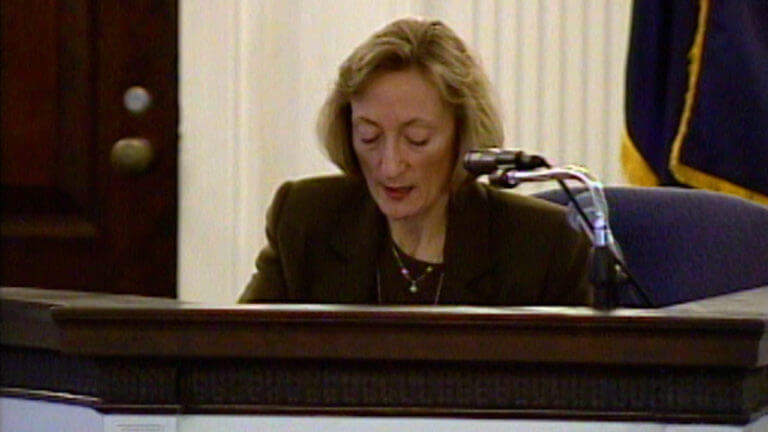
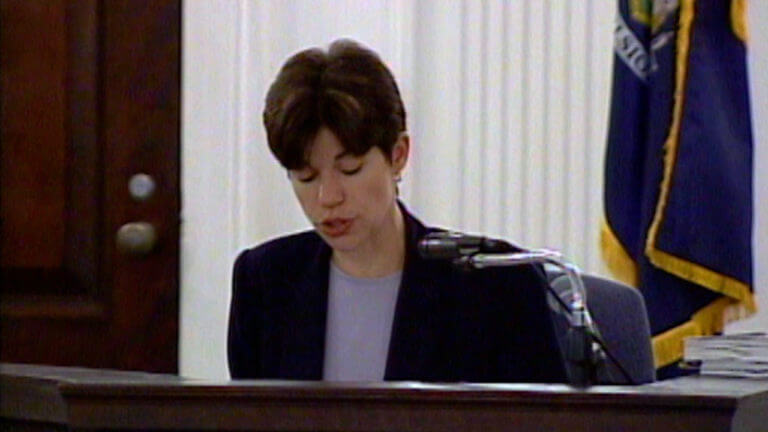
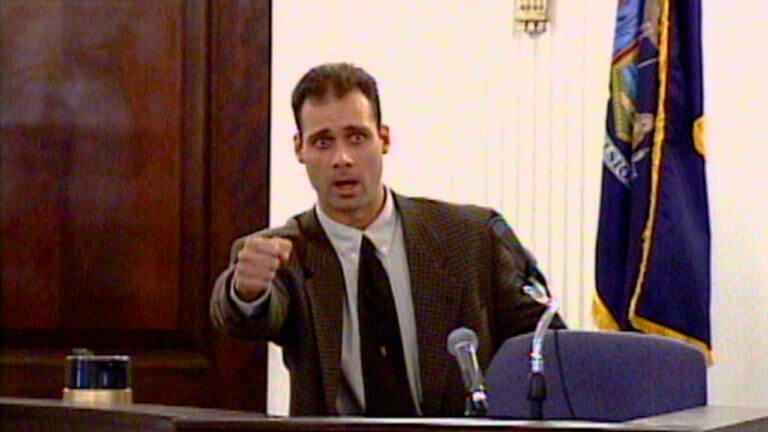
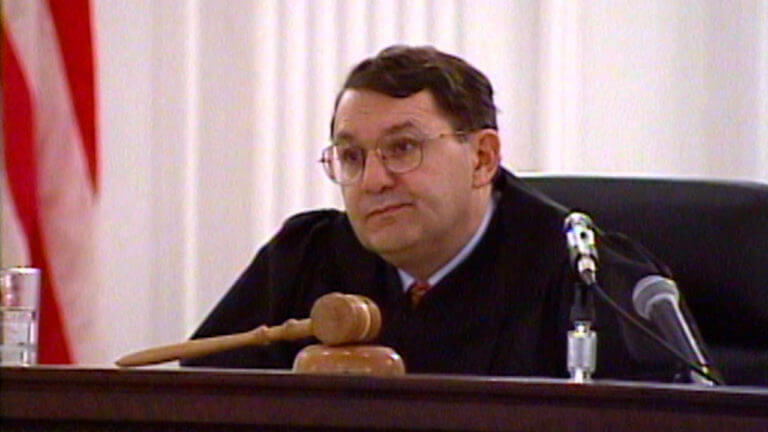
Officers Sean Carroll, Richard Murphy, Edward McMellon and Kenneth Boss are on trial for murder in Diallo's February 1999 shooting. The four members of New York's Street Crime Unit were working undercover and driving in an unmarked car in search of a serial Bronx rapist when they encountered Diallo. Lawyers for the officers claim that Diallo was acting suspiciously and ducked his head back into the vestibule when he saw them. The officers claim they identified themselves and that Diallo did not heed their command to halt. When he reached for something, the defense says, officers could not clearly tell whether he was going for a weapon, and they felt threatened. Diallo was then fired upon; 19 of the 41 bullets hit the West African immigrant. He was unarmed, having only a beeper, a wallet and his keys when he was killed. Vincent, who lived on the same side on the street as Diallo on Wheeler Avenue at the time of the shooting, may have provided the most damaging testimony yet against the officers. Though she didn't see the actual shooting, she is the second prosecution witness to tell jurors she heard a brief pause in the series of gunshots that killed Diallo. [Vincent testified that she could not see the entrance to Diallo's building from her first floor bedroom window.] Last week, another neighbor, Debbie Rivera, told jurors that a pause came between a brief spurt and a more prolonged flurry of gunfire. Tapping the side of the witness box, Vincent's recollection of the shots mirrored Rivera's. "Ba, ba, ba, boom!" Vincent said. " ... Ba, ba, ba, ba, ba, ba, boom! ... It seemed like there was a lot more shots than the first time." Vincent also recalled hearing a car screech moments after the shooting. She then testified that she heard conversation among male voices presumably from the defendants. Before testimony began Monday, the officers' lawyers had objected to Vincent's testimony about the alleged conversation, requesting that Justice Joseph Teresi bar her from talking about its details because she could not attribute it to any of the defendants. Justice Teresi agreed, instructing Vincent to refer to the conversation the "voices" generally, not its details. But when defense attorney John Patten, referring to the expletive allegedly muttered by one of the officers, asked her during cross-examination what she heard the voices say, he opened the door for the jury to hear about the officers' alleged conversation. And the conversation suggests that the officers consulted with each other and planned their side of the story before investigators arrived. "The words were : 'Oh sh--! ... Okay, okay, we're just going to say this,'" Vincent said. Vincent told jurors she didn't hear the rest of the conversation. She assumed that they were in front of her apartment when they talked. Vincent believed that they were walking away from her building when their voices began to fade. Furthermore, the witness testified that she did not hear anyone give any warning before the shooting. She did not hear anyone say "Stop!" or "Show me your hands" or "I want to talk to you." Vincent's testimony appears to have buttressed the prosecution's claims that the officers intended to kill Diallo and that they shot him with depraved indifference to his life. Prosecutors believe that the plainclothes officers did not identify themselves when they confronted Diallo and reacted unreasonably when he reached for either his wallet or his beeper. They also claim the pause in the shots suggest that the officers were aware of their actions when they fired and illustrates their intent to kill. The defense tried to use Vincent to discredit Rivera's testimony from last week. Rivera claimed that she heard an officer mutter an expletive and lean on a car in front of her building diagonally across the street from Diallo's building. Vincent claims the cursing occurred in front of her building, which was right next to Diallo's building. The officers' lawyers also tried to suggest that Vincent's observation of the events may have been affected by her suffering from the flu at the time. They also closely scrutinized Vincent's recollection of the pause in gunfire, asking her repeatedly whether it was a second or a couple of seconds. Suggesting that the officers were patrolling a dangerous Bronx neighborhood and had reason to be on-guard, they also asked Vincent to recall whether she had seen people arrested around her neighborhood or had heard gunshots before the incident around her block. Vincent said she recalled a shooting taking place one block over. A second "earwitness" who testified Monday was Thomas Bell, another neighbor of Diallo and soon-to-be graduate of the police academy. Bell lived down the street from Diallo's apartment on Wheeler Ave. On his way home, Bell saw a man who fit Diallo's description. He said he made eye contact with the man and did not feel threatened at all by him. After seeing the man enter Diallo's apartment building and proceeded home. According to Bell, while talking to his cousin on the phone, he heard a series of shots. He stopped talking to his cousin and then proceeded to his open window before hearing another, more extended, string of shots. Tapping the witness bench, Bell estimated that 3.5 seconds elapsed between the first and second series of gunfire. During cross-examination, the officers' lawyers asked Bell about an initial statement he made to investigators where he allegedly said the man believed to be Diallo made him "nervous." In this statement, the defense pointed out, Bell allegedly said he kept a "watchful" eye on the man. But Bell denied making those statements, insisting that he only told the investigator that he noticed the man, and the man noticed him. He explained that he walked on a street opposite Diallo because he was scared of rats that ran on that block. The defense also wondered aloud how Bell knew the shots were coming from Wheeler Avenue, especially since he could not see Diallo's building from his window. Bell did not recall how long it took for him to walk to the window after hearing the first string of shots and could not estimate far his building was from Diallo's building. He also did not concede that Wheeler Avenue or the bordering Elder Avenue were particularly dangerous Bronx streets.
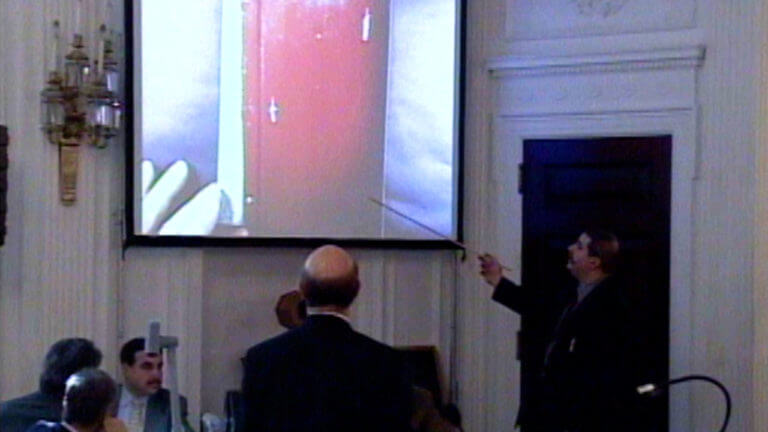
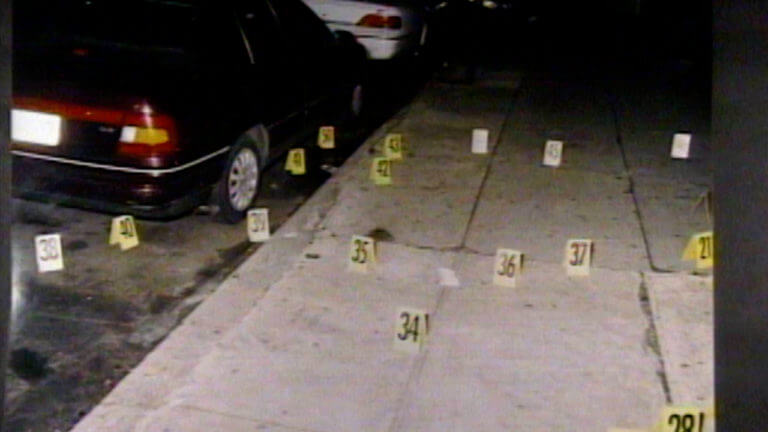
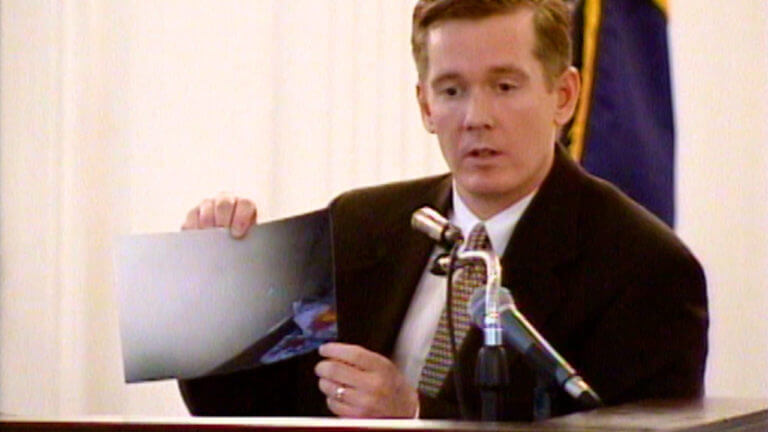
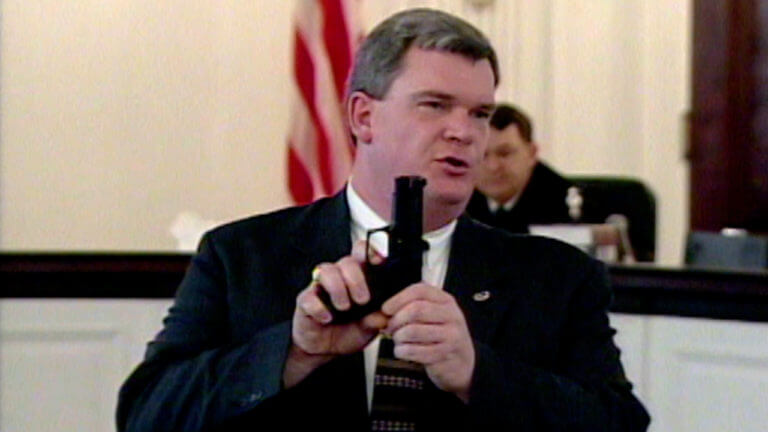
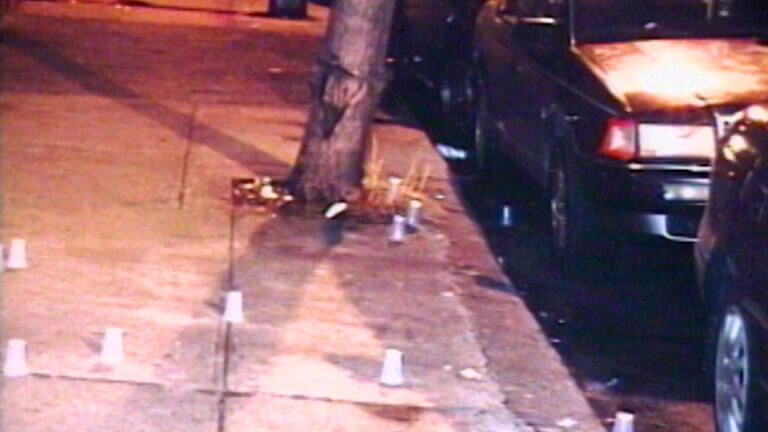
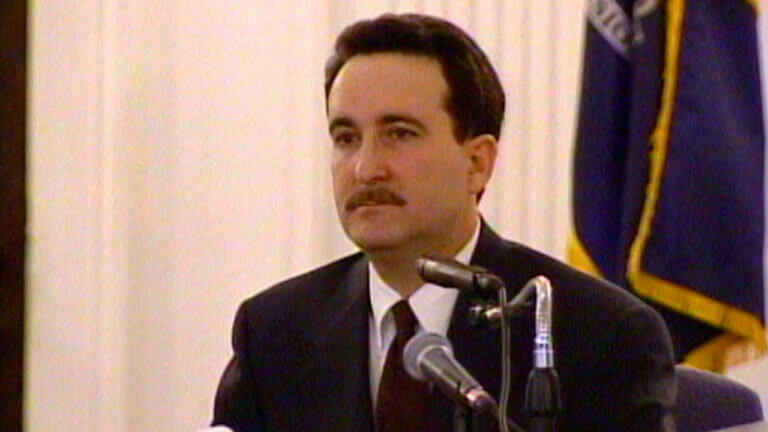
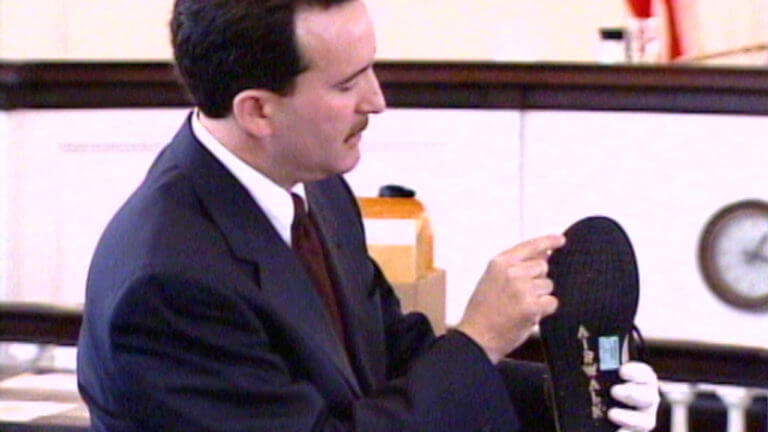
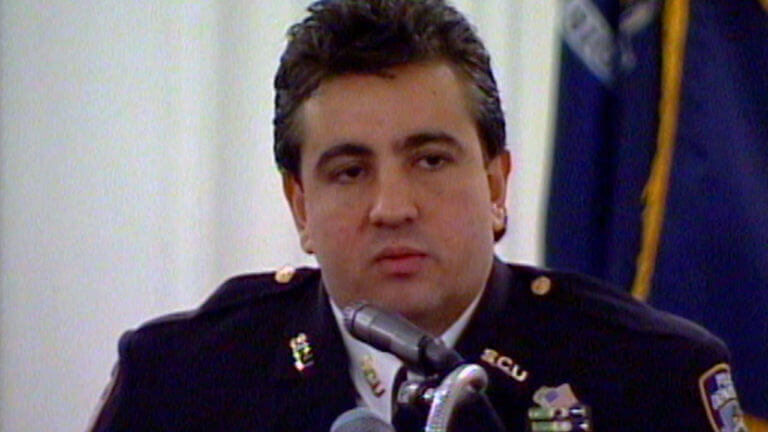
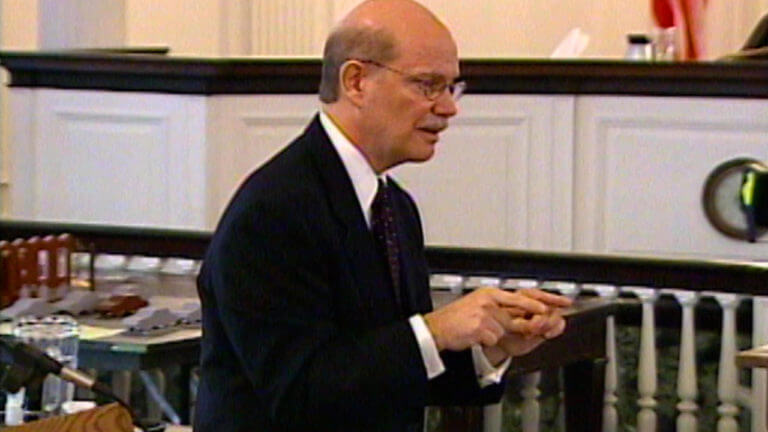
The prosecution's case also was helped Monday by the testimony of firearms expert Detective Kevin Barry. According to Detective Barry, the officers had to pull the trigger on the 9 mm guns they carried repeatedly in order shoot. He said that they couldn't just hold down the trigger to empty their guns. Barry noted that photos showed that the shells of the bullets were found near Diallo's body, suggesting that he was fired upon from close range. But he conceded on cross-examination that there are many variables that affect where shell casings land: the height at which the gun is fired; the surface where the bullets fell; and the chance that the investigators may have kicked or moved the shells. Barry also acknowledged that the position of the shell casings does not necessarily illustrate where the individual officers were when they fired at Diallo. The expert also noted that bullets were found underneath Diallo's body. it is unclear whether the bullets fell out of Diallo or whether he fell on the bullets. Prosecutors could rest their case in chief on Tuesday. A medical examiner who performed an autopsy on Diallo may testify that the wounds indicate the officers continued to shoot the victim while he was down. [The defense claims Diallo remained standing for a period of time during the shooting.] Dr. Joseph Cohen may tell jurors that Diallo was critically wounded by the first few shots that hit him. According to the autopsy report, shots shattered bones in Diallo's left leg, suggesting that he would not have been able to stand. In addition, the bullets struck him in the aorta and perforated his spine at least two places, suggesting that he would have been paralyzed immediately. Dr. Cohen is also expected to describe how he found that a bullet entered Diallo's calf muscle just above the right ankle, traveled up his leg and lodged in the back of the knee. If Diallo had been standing up, the bullet would have traveled horizontally from the shin to the back of the leg, not directly up the leg. That may be the most vivid evidence prosecutors have that Diallo was shot while he was down. Bryan Robinson |
|
|
|
| Contact Us | U.S. | TRIALS | WORLD | PEOPLE | ON AIR | VIDEO | TALK | ABOUT CTV | SEARCH |
|
© 2000 Courtroom Television Network LLC. All Rights Reserved.
Terms & Privacy Guidelines
|