Return To Court TV Homepage  
>>>>>>
U.S.
ABOUT COURT TV

U.S.

Trials

World

People

On Air

Video

Talk

Search


Read the Medical Examiner's autopsy report.


Updated February 10, 2000, 5:06 p.m. ET

Defense experts: Diallo was upright during shooting

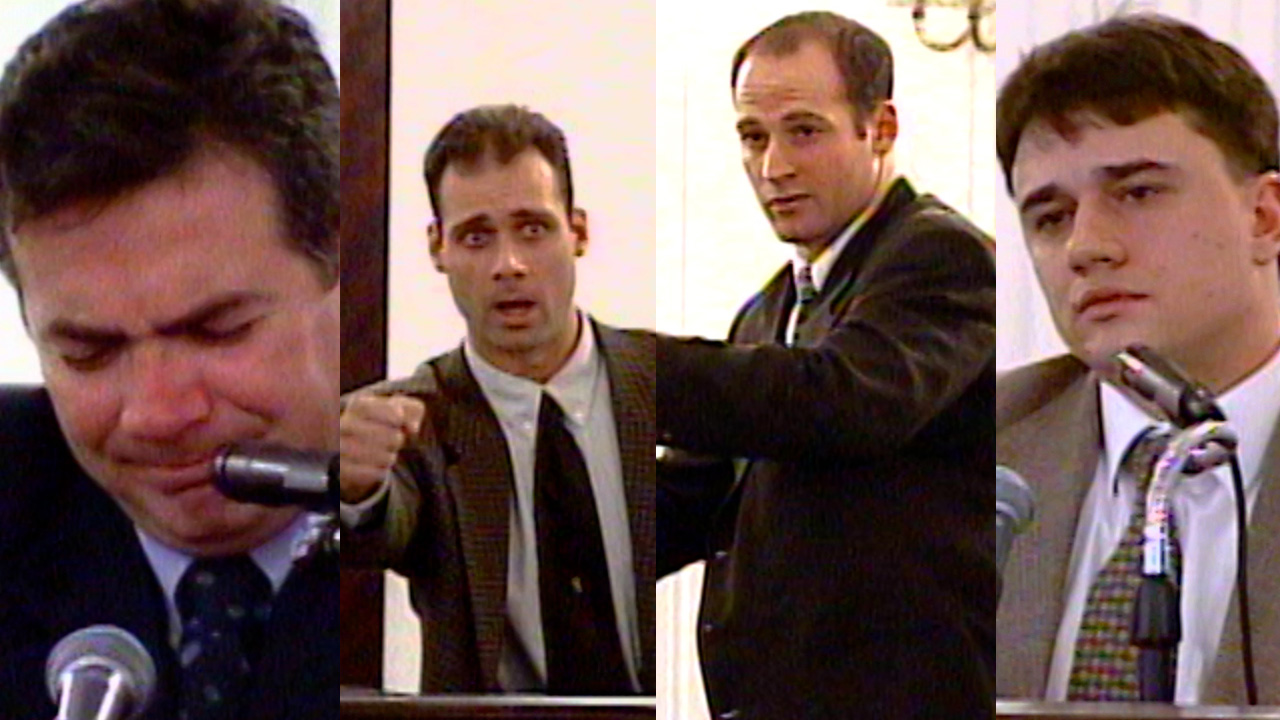
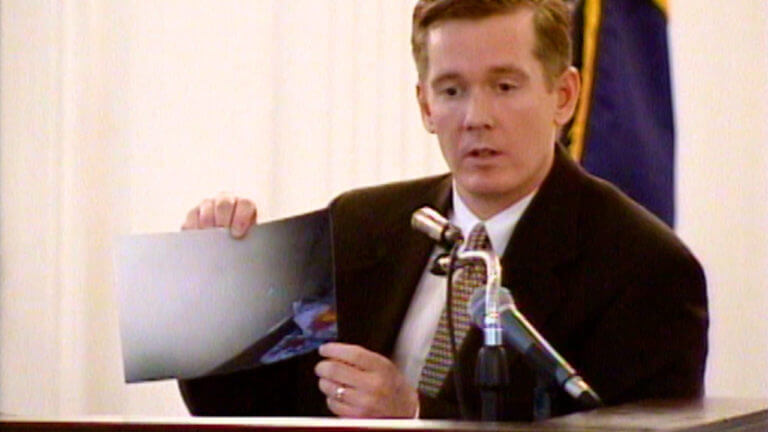
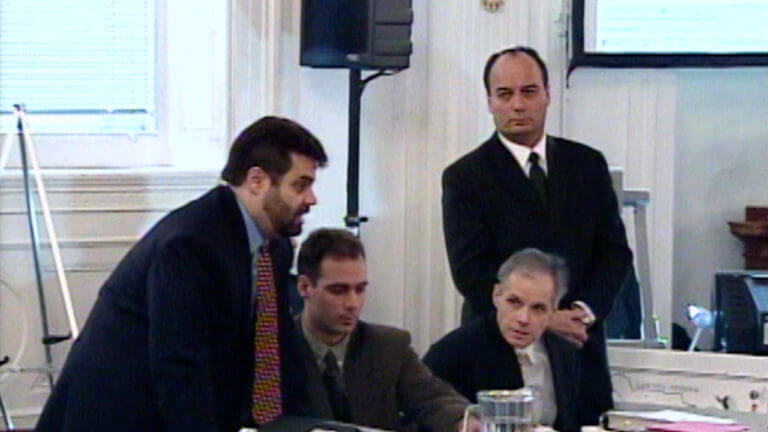
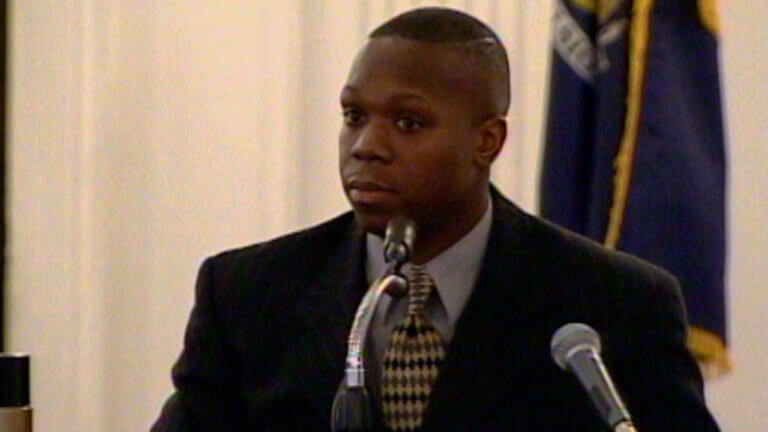
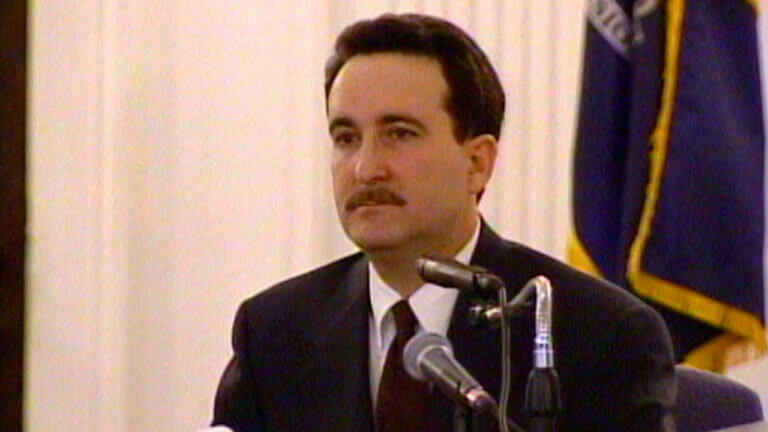
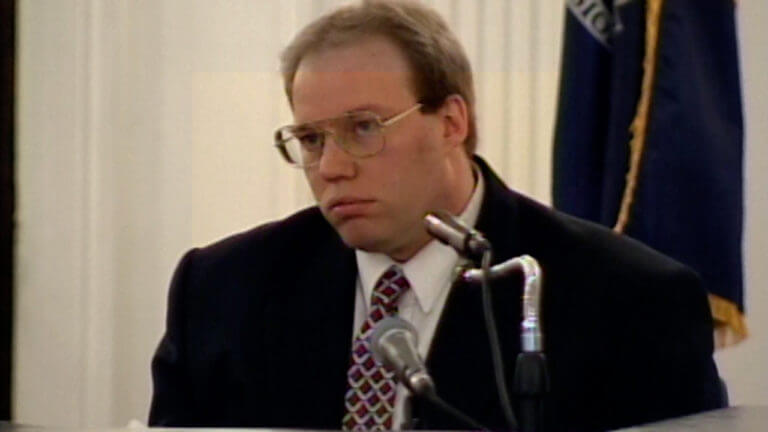
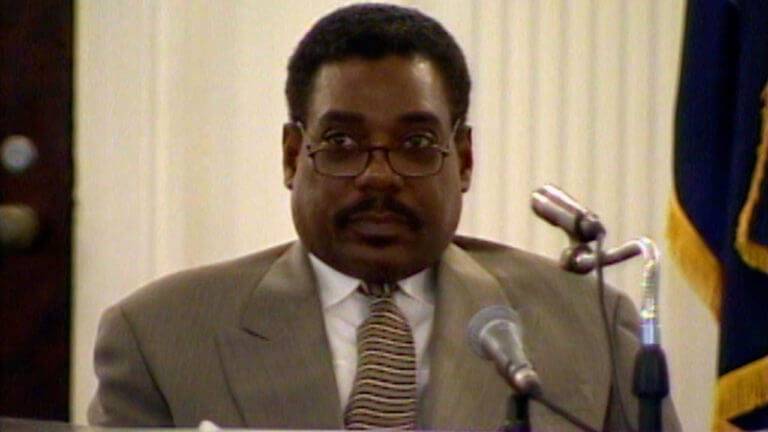
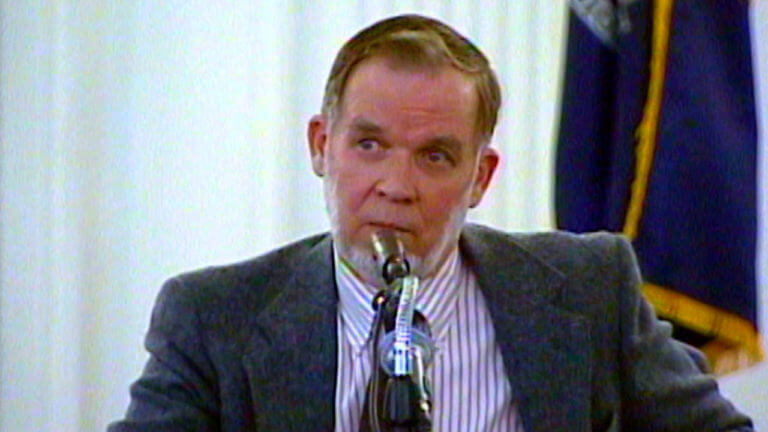
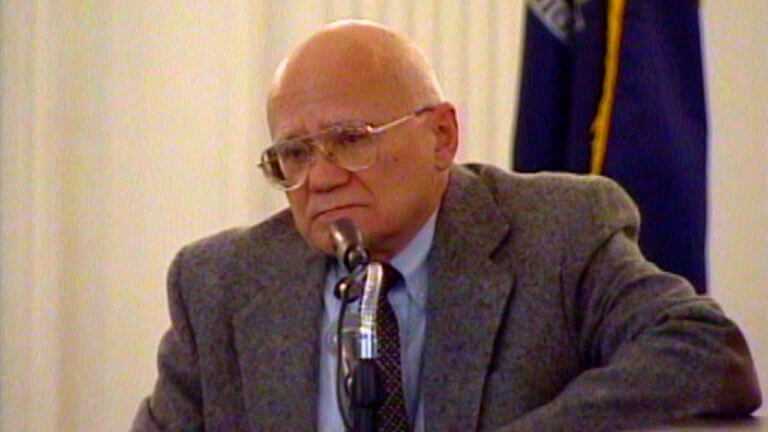
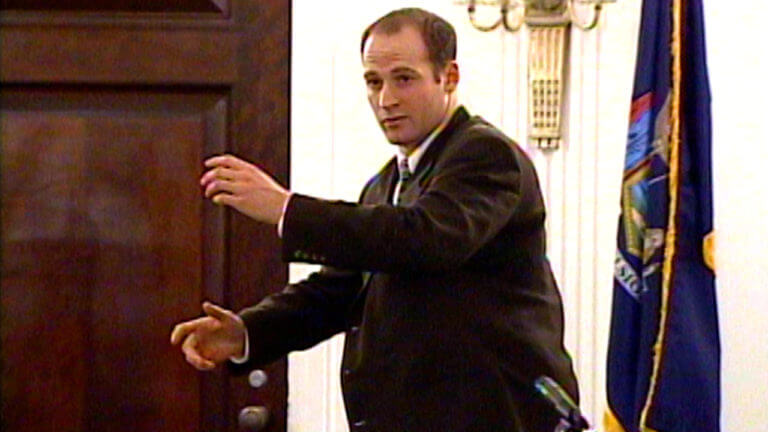
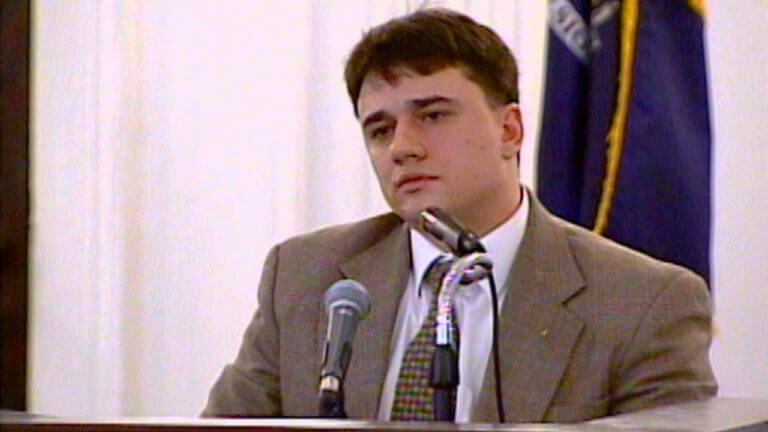
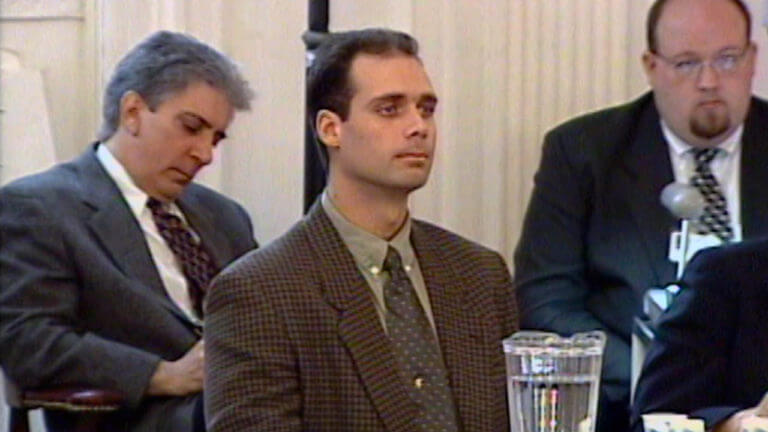
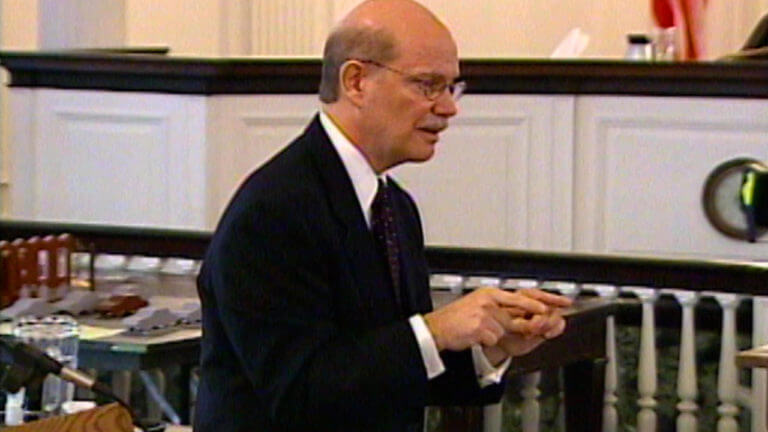
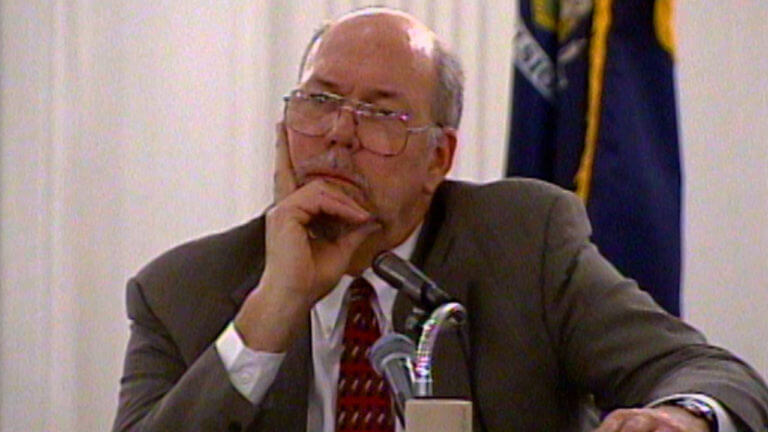
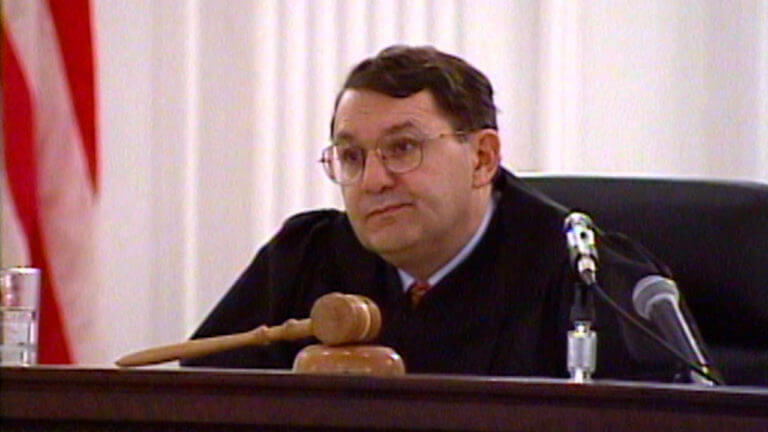
Defense experts Martin Fackler (left) and Richard Mason believe that Amadou Diallo remained standing during much of the shooting. (Court TV)

           
DIALLO SHOOTING TRIAL

            >>>> Discuss the case on our message board

>>>> Special Report: Behind the Badge with a Hand on the Trigger

>>>> Profiles of Key Figures

>>>> Profiles of Jurors

>>>> Background Report

>>>> Full Coverage of Case/Archived Articles

>>>> Case Timeline


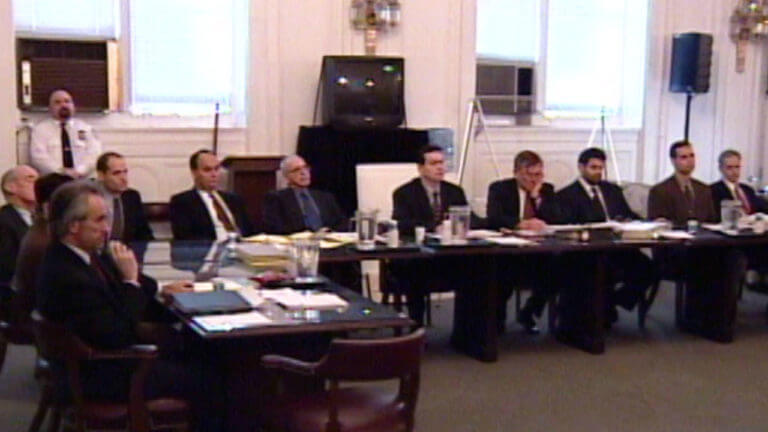
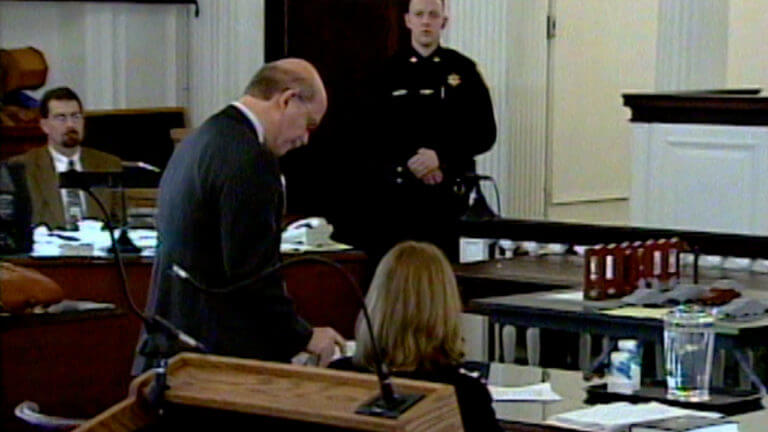
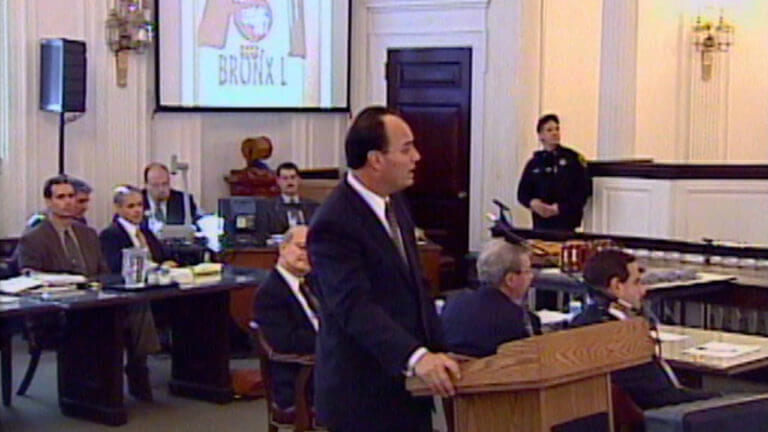
ALBANY, N.Y. (Court TV) — Refuting the findings of the doctor who performed the autopsy on Amadou Diallo, two defense experts said Thursday that the victim was standing during much, if not most, of the shooting.

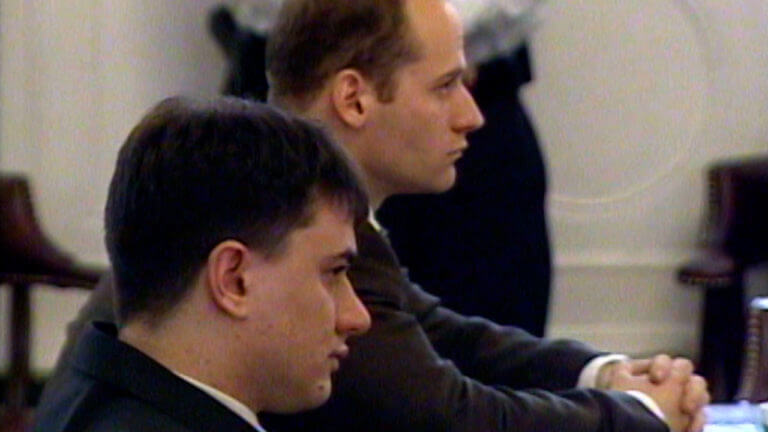
Lawyers for officers Sean Carroll, Richard Murphy, Edward McMellon and Kenneth Boss are trying to refute prosecution claims that Diallo fell almost immediately during the shooting. Prosecutors argue that Diallo was not only downed quickly but that the officers continued firing on the fallen victim. Prosecution pathologist expert Dr. Joseph Cohen told jurors Tuesday that a bullet that appeared to go up Diallo's leg and lodged near the back of his right knee suggests that he was fired on while he was down.

In addition, Cohen said, the bullet that pieced Diallo's chest may have been one of the first bullets to hit him. Diallo suffered a bullet wound to his chest that pierced his aorta and perforated his spine and spinal cord. According to Cohen, those wounds, particularly to the spine and spinal cord, would have paralyzed and felled Diallo quickly.
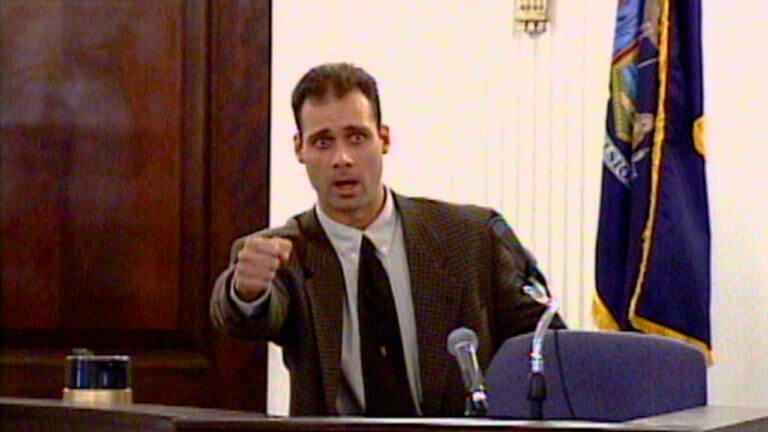
But defense pathologist Richard Mason and ballistics expert Martin Fackler disagreed with Cohen, telling jurors that the 16 wounds to Diallo's left side suggest that he was upright for much of the shooting. According to Dr. Mason, most of the bullets travelled from Diallo's left side to his right side. The momentum of the bullets, Mason said, made Diallo's body turn counter-clockwise. As Diallo's body turned, Mason told jurors, he was hit by the bullet that pierced his aorta and damaged his spine and spinal cord. While he did not claim to know the exact order of the injuries, Mason believed that the bullet to the chest was one of the last wounds Diallo suffered — and felled him "late" in the few seconds of the shooting.

Dr. Fackler believed that the chest wound was suffered in the "last half" of the fusillade that struck Diallo. Though he could not determine the exact order of the injuries, he believed that Diallo could not have been lying flat during much of the shooting. According to Fackler, a wound Diallo suffered to the left side of his back travelled across his body and may have caused him to lose the strength in his legs. Both Fackler and Mason believed Diallo's left arm was up and that he could have continued holding an object in his right hand during the shooting.

During cross-examination, Mason admitted that he had never talked to the officers during his investigation and conceded that the wound to Diallo's foot (which travelled up his leg) was consistent with his body being in a horizontal position (down). However, he reiterated that he could not determine for sure the order in which the wounds were inflicted. Arguably, the shot that went up Diallo's leg could have been fired as he was falling down or just before he fell.

Lawyers for officers Carroll, Murphy, McMellon and Boss are trying to prove that Diallo's shooting death last February was a tragic accident, not murder. The four members of New York's Street Crime Unit were working undercover and driving in an unmarked car when they encountered Diallo.

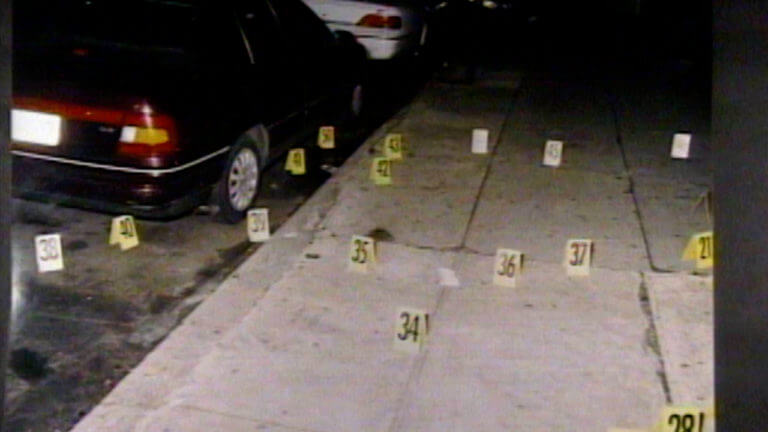
The officers' defense claims that Diallo was acting suspiciously and ducked his head back into the vestibule when he saw them. The officers claim they identified themselves and that Diallo did not heed their command to halt. When he reached for something, the defense says, officers could not, because of the darkness, clearly tell whether he was going for a weapon, and they felt threatened. Diallo was then fired upon; 19 of the 41 bullets fired hit the West African immigrant. He was unarmed, having only a beeper, a wallet and his keys when he was killed.
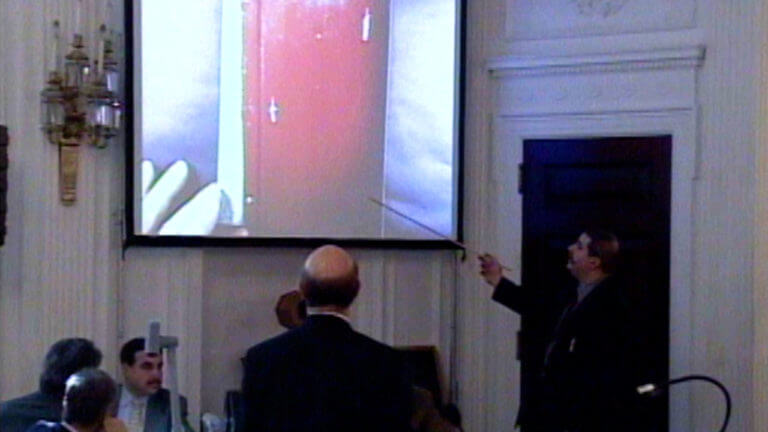
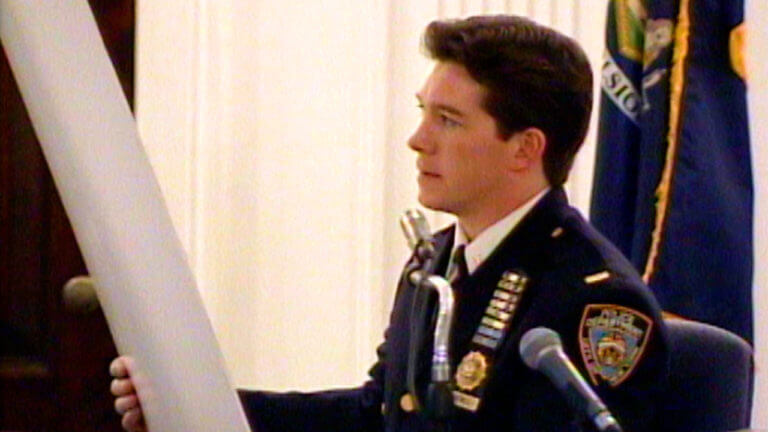
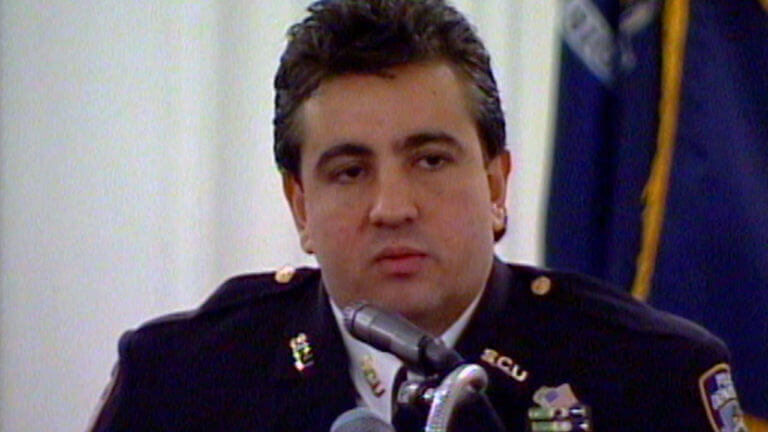
Two officers, Sgt. Julian Harper and Capt. Anthony Pascazio, told jurors that they made a videotape for police internal affairs of the vestibule after the shooting. The video was filmed at night and compares the lighting in Diallo's building to the building next door. Both witnesses said that the video was a fair and accurate depiction of what was recorded. However, both admitted that colors are muted on the tape and conceded the scene may appear darker on video that it actually was.

Jurors have not seen the video yet. Justice Joseph Teresi has ruled defense lawyers can show the tape but there will be restrictions. The judge does not want jurors to see a portion of the tape that shows the inside of the vestibule and does not want them to hear parts of Pascazio's observations in the video.

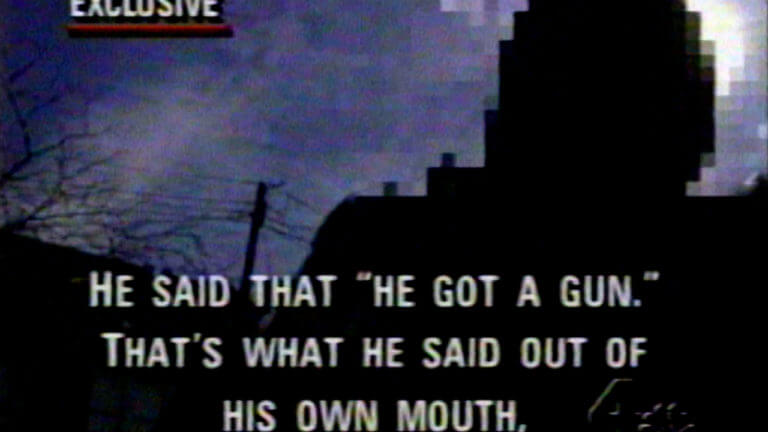
Court is in recess until Monday morning. Next week, officers Carroll, Murphy, McMellon and Boss are expected to take the stand. The defense is also expected to challenge a hostile eyewitness' testimony about the shooting with tapes of interviews she gave to a TV news station.

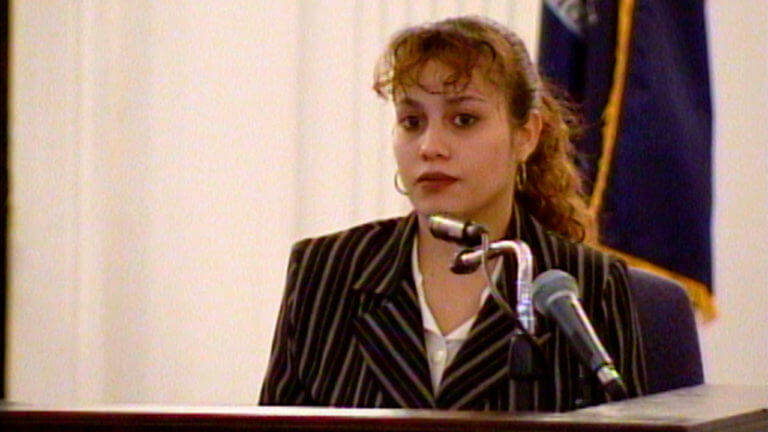
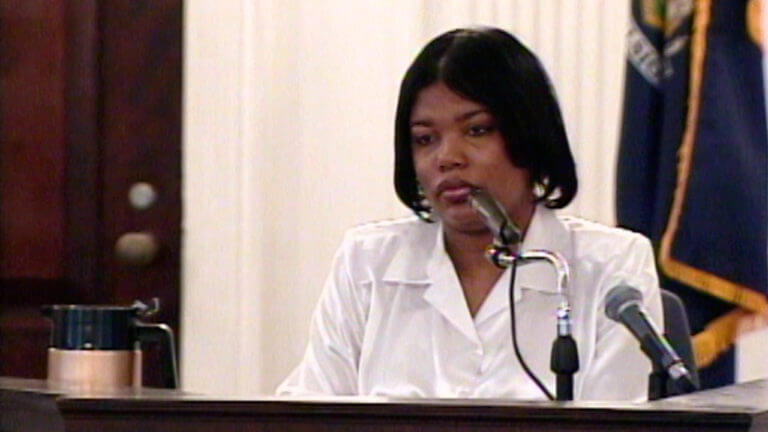
Lawyers for the officers had hoped Wednesday that Schrrie Elliott would corroborate the defense's claims that one of the officers cried, "Gun!" before the shooting started. But Elliott said she heard someone — possibly an officer or Diallo, — yell "Gun!" She claimed she didn't know for sure. Elliott also told jurors that the officers had their guns drawn before they approached the victim and continued firing at him after he had fallen.

However, in WNBC interviews, Elliott says Diallo remains standing for much of the shooting and says an officer cries, "Gun!" The defense will confront her about the inconsistencies in her testimony and statements next week.

Another anticipated defense witness is psychologist Lynn Cooper. Dr. Cooper could discuss the different ways people react in stressful situations. She is expected to detail the effects of different lighting conditions and how the eyes can play tricks on the brain. Prosecutors tried to get her testimony barred, but Justice Teresi rejected their request Thursday. However, he ordered the defense to provide the prosecution with copies of notes Cooper took in her interviews with the four officers.

— Bryan Robinson


Court TV Homepage

Site Map


<<<back Top of page  
Contact Us U.S. |  TRIALS |  WORLD |  PEOPLE |  ON AIR |  VIDEO |  TALK |  ABOUT CTV |  SEARCH 
      © 2000 Courtroom Television Network LLC. All Rights Reserved.
Terms & Privacy Guidelines