Return To Court TV Homepage  
>>>>>>
U.S.
ABOUT COURT TV

U.S.

Trials

World

People

On Air

Video

Talk

Search


Updated February 16, 2000, 3:49 p.m. ET

Defense rests as police expert says Diallo cops followed proper procedure

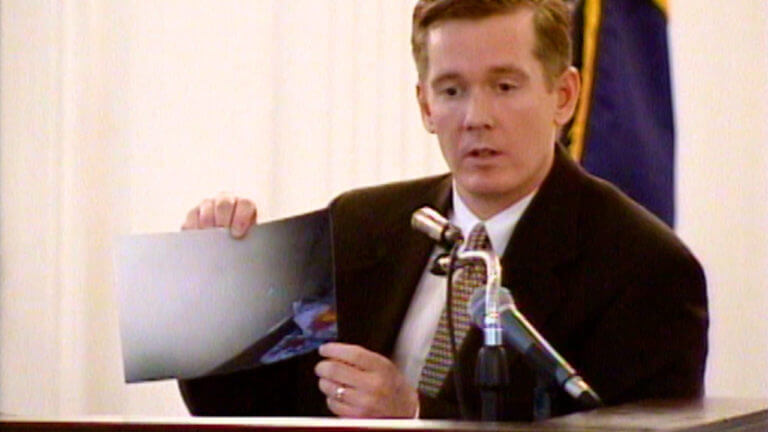
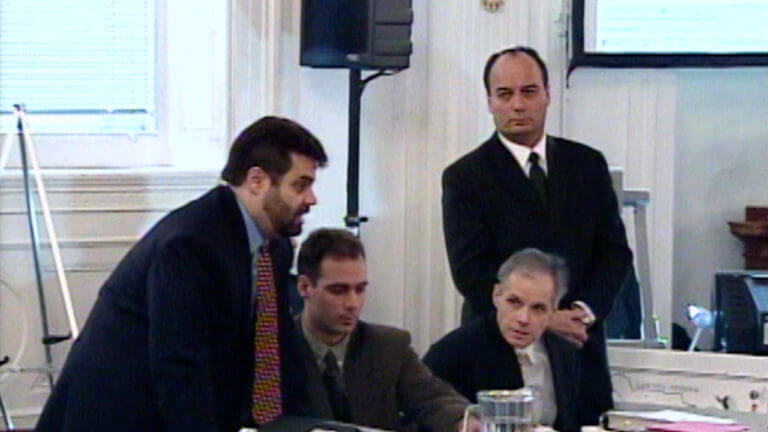
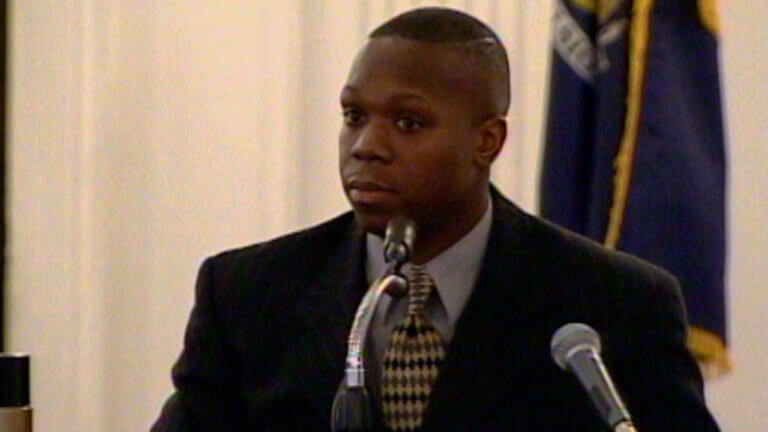
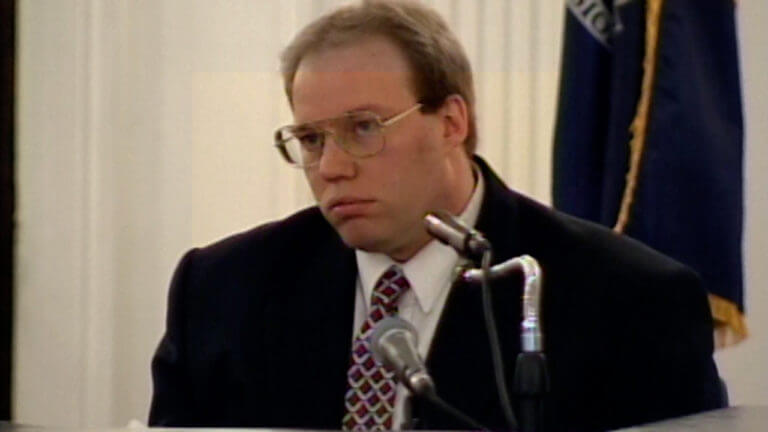
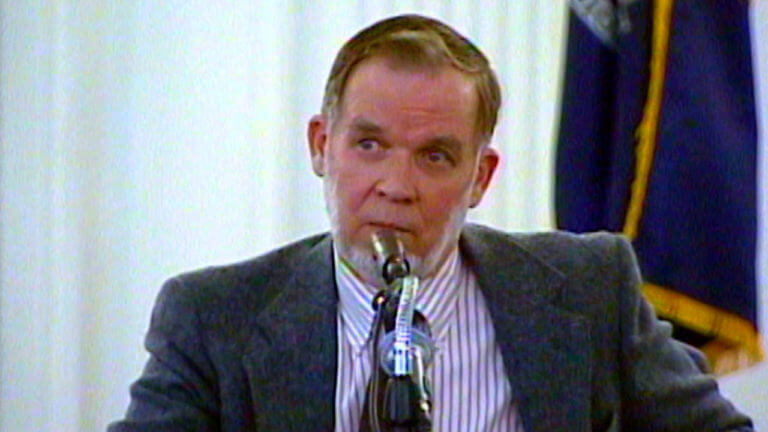
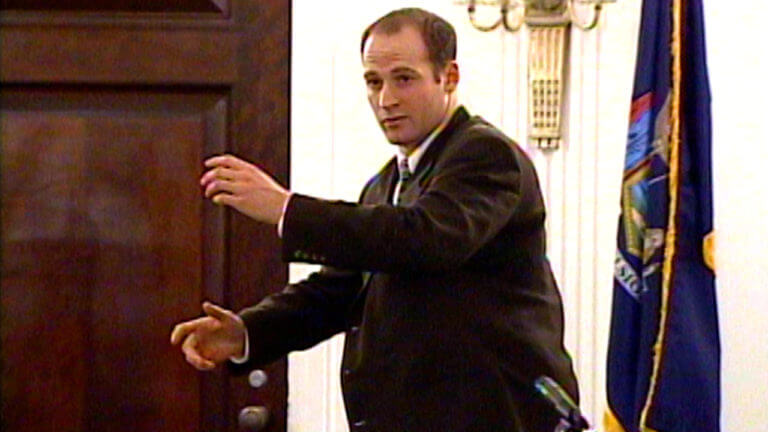
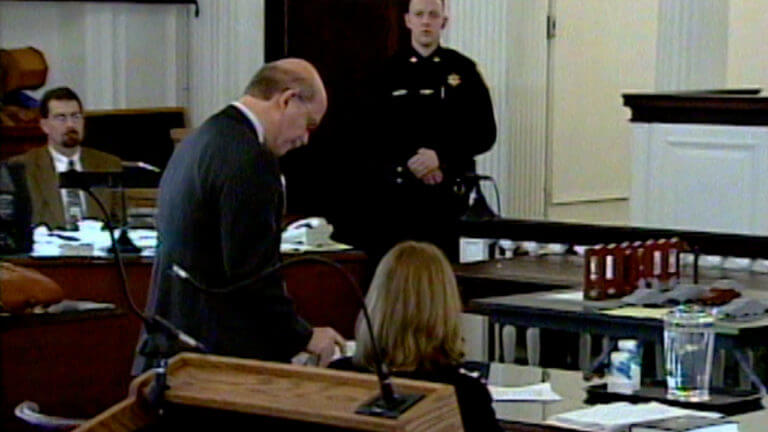
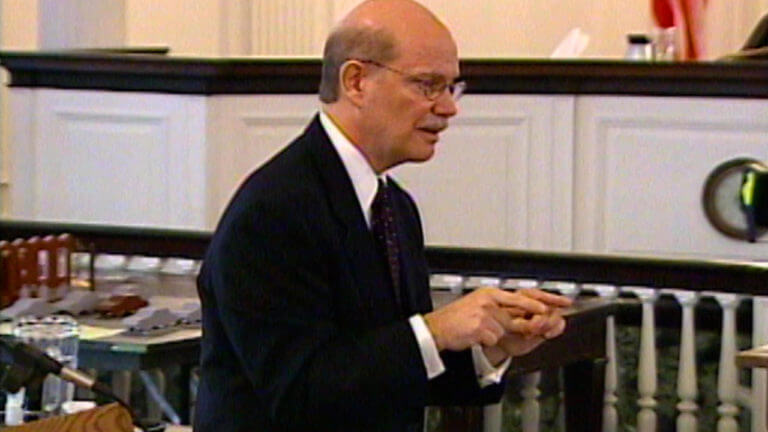
Defense expert James Fyfe told jurors it was necessary for the four officers to pursue Amadou Diallo. (Court TV)

           
DIALLO SHOOTING TRIAL

            >>>> Discuss the case on our message board

>>>> Special Report: Behind the Badge with a Hand on the Trigger

>>>> Profiles of Key Figures

>>>> Profiles of Jurors

>>>> Background Report

>>>> Full Coverage of Case/Archived Articles

>>>> Case Timeline


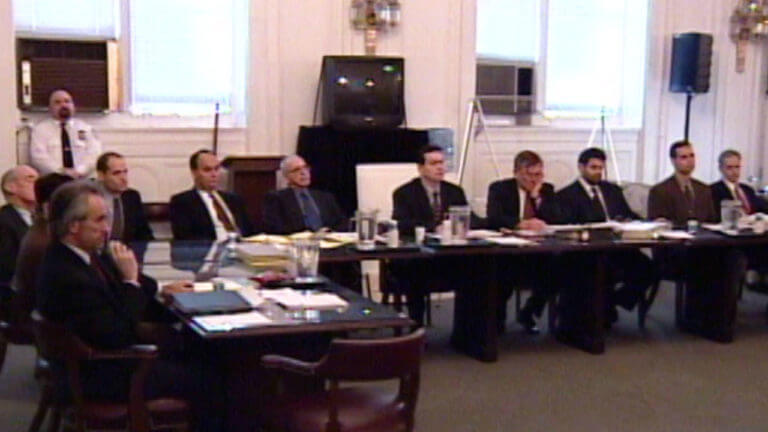
ALBANY, N.Y. (Court TV) — A police training expert told jurors Wednesday that the four officers accused of murder in the Amadou Diallo case followed proper procedure when they pursued the West African street vendor.

James Fyfe, a former officer, was the final witness called as the defense for officers Sean Carroll, Edward McMellon, Kenneth Boss and Richard Murphy rested. Fyfe told jurors that the officers were justified in approaching Diallo because they believed he posed a legitimate threat to the residents of his building. When Diallo, as Fyfe said the defense claims, did not heed a stop command and ran into the vestibule, the officers thought he was trying to flee. At that point, Fyfe testified, it was the officers' duty to try to protect the building's residents and try to keep a potentially dangerous situation from escalating.

"It is the job of the officers to protect life," Fyfe said. "From what I was told, the individual [Diallo] ran from the officers into a building with innocent citizens. It is the job of the officers to prevent him from entering the building and putting its occupants in danger. ... Things can only get worse if he gets out of sight."

Fyfe took the stand as the defense for the officers began to wind down. The four NYPD officers are on trial for second-degree murder in Diallo's 1999 shooting death.

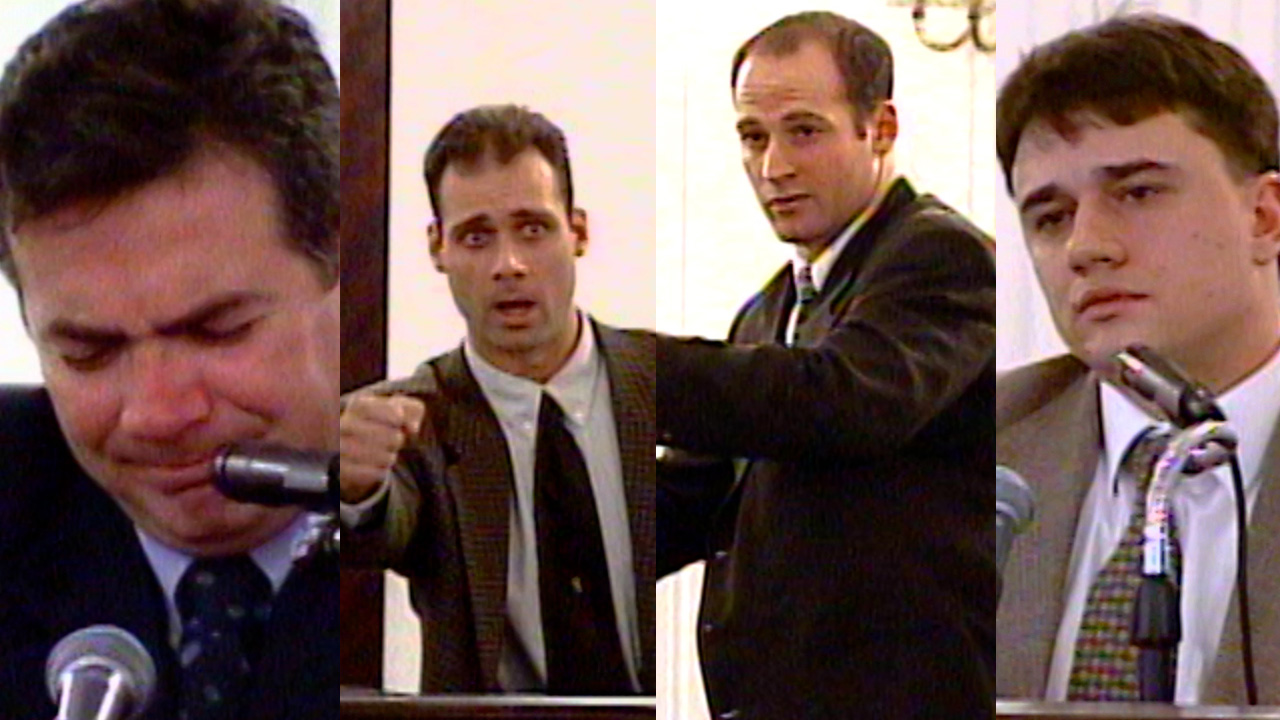
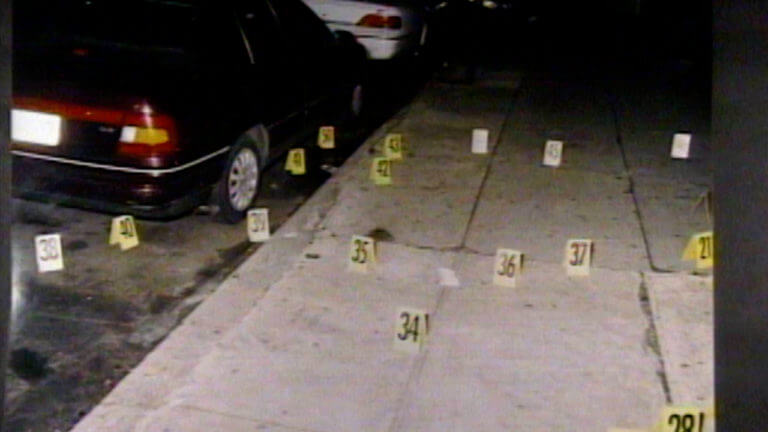
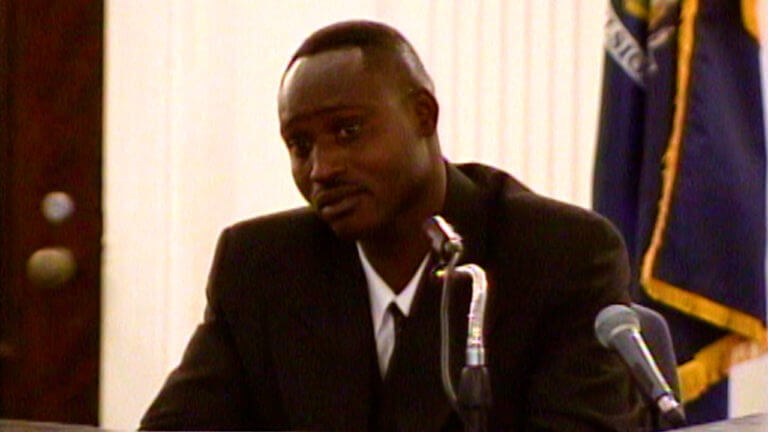
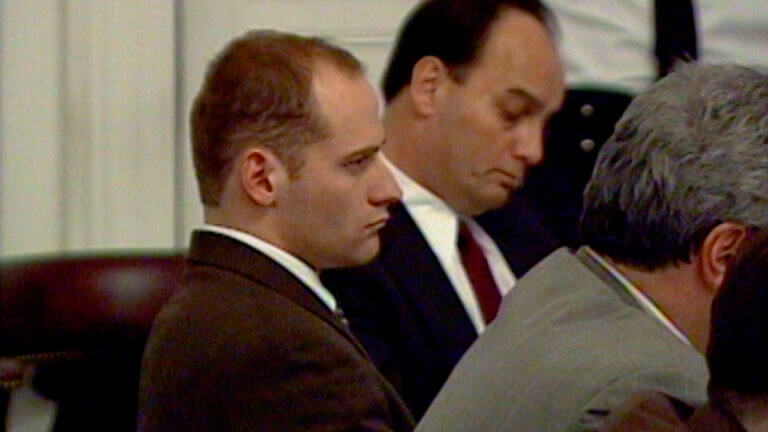
Carroll, McMellon, Boss and Murphy gunned down Diallo in a hail of 41 bullets in the vestibule of his Bronx home last February. The defense has said that the shooting was an accident, not murder — the officers testified that they believed Diallo was reaching for a gun and about to shoot them. [They've all claimed that the vestibule of Diallo's building was dimly lit and suggested the darkness made them think the object Diallo had in his hand was a weapon.] But Diallo was unarmed, having only his wallet and a beeper when 19 bullets struck him.
photo
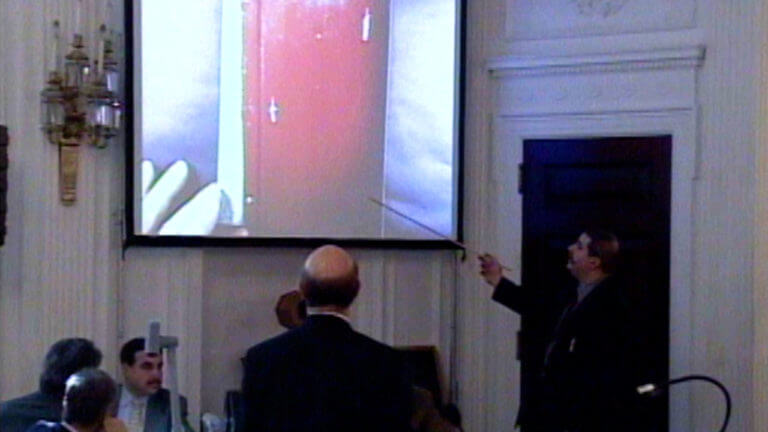
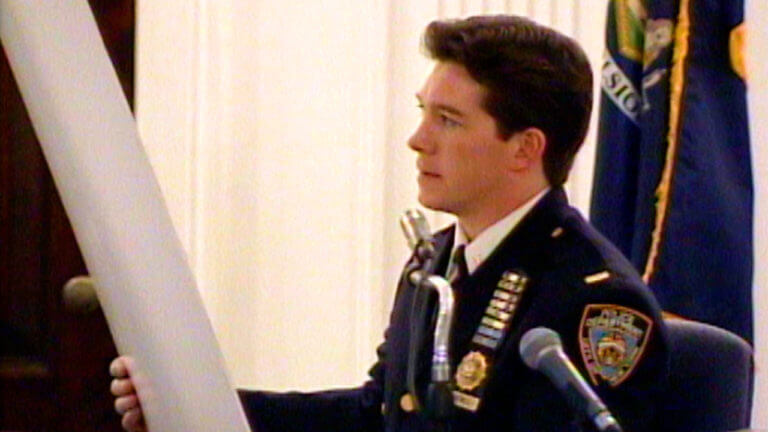
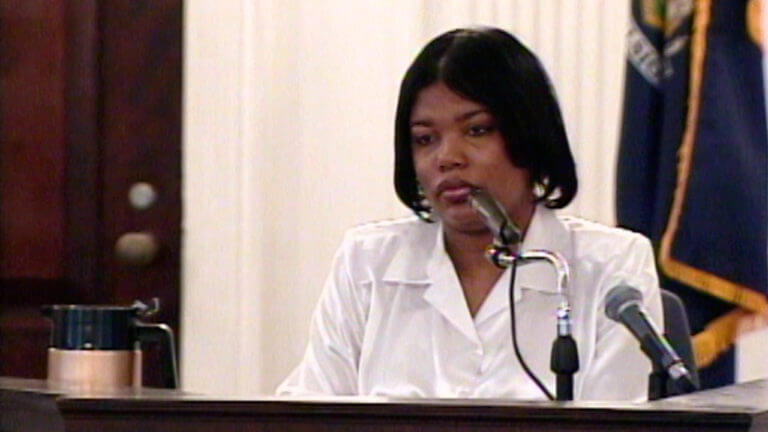
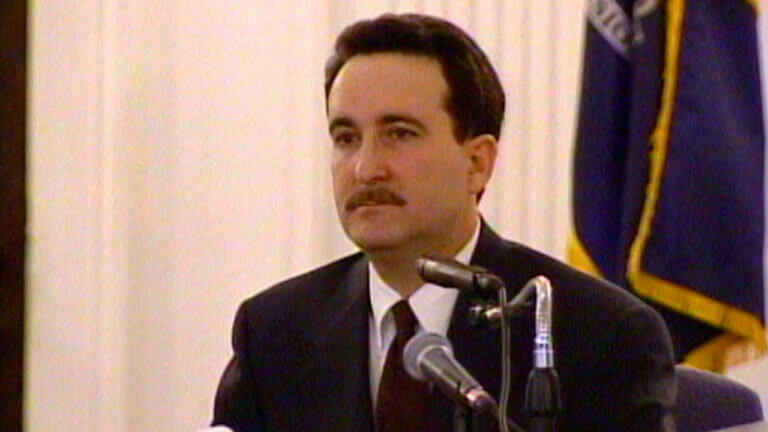
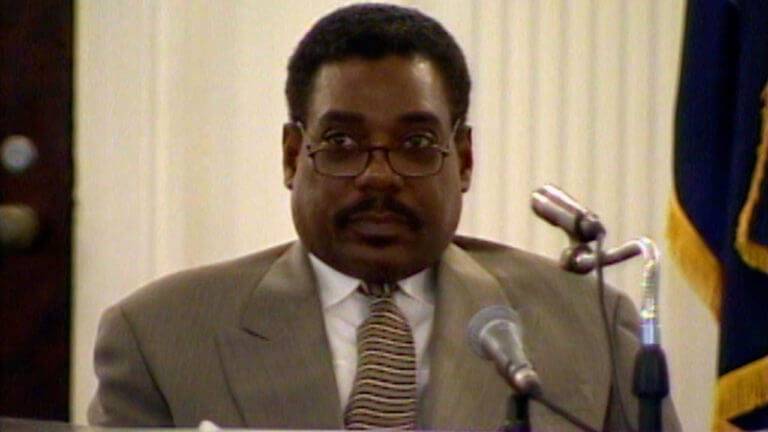
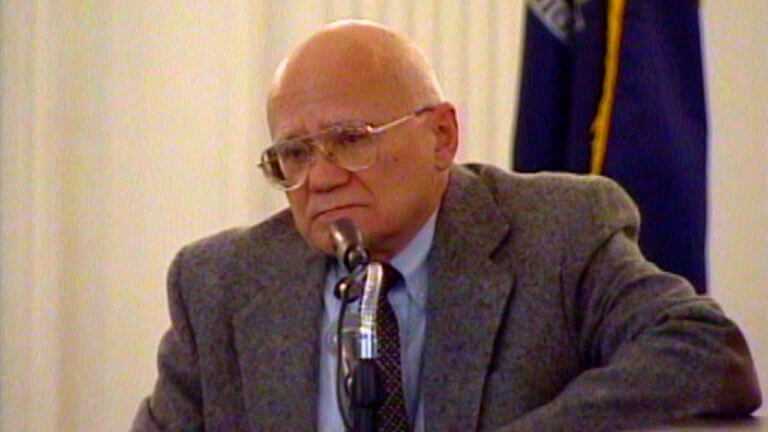
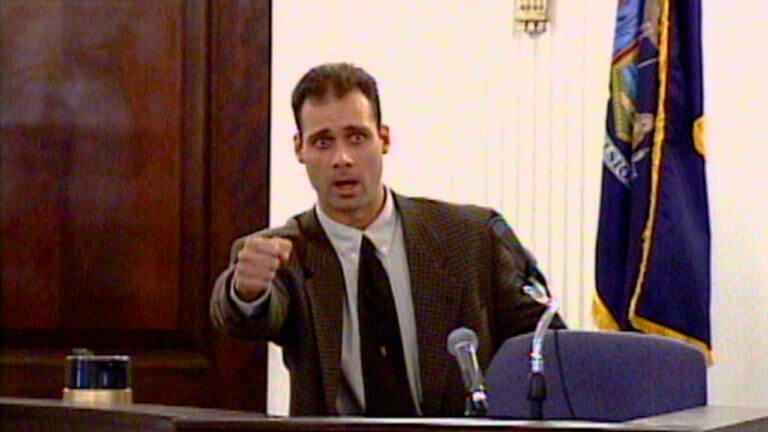
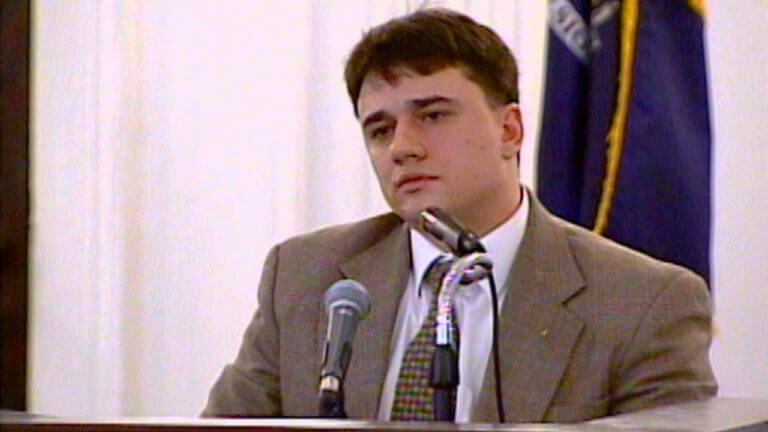
Officer Michael Barrow recalled needing a flashlight to see into Diallo's vestibule. (Court TV)

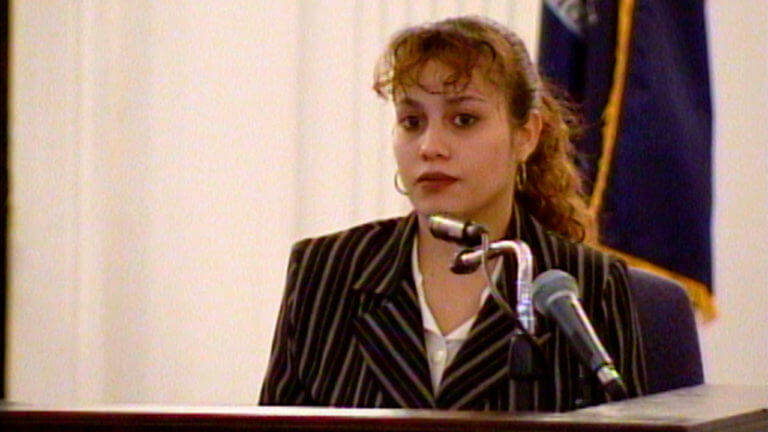
On Monday, Carroll and McMellon testified that they identified themselves and that Diallo did not heed their command to halt. They suggested that the events leading to the gunfire began when they identified themselves and Diallo did not heed their command to halt. At the time, the four members of New York's Street Crime Unit were driving an unmarked police car looking for a Bronx serial rapist. As they drove down Wheeler Avenue, Carroll said he thought Diallo was acting suspiciously because he kept looking up and down the block, and repeatedly ducked his head in and out of the vestibule, as if he didn't want to be seen. At that point, he and McMellon decided to approach Diallo.

But, Carroll and McMellon noted, when Diallo did not acknowledge them and "darted" into the vestibule, they thought he was trying to flee them. Both officers said they began to run after him; Carroll told jurors he thought that Diallo may have been part of a push-in robbery attempt. He didn't want Diallo to get inside the building because he thought that would have led to a potential hostage situation involving innocent residents.

Fyfe testified that the officers' actions were consistent with their training and accepted NYPD procedures. When asked whether the officers — particularly McMellon and Carroll — should have considered whether Diallo was deaf or did not speak English, Fyfe said officers are trained to raise the their shields when they approach civilians. [Diallo was not deaf and understood English; McMellon told jurors that he raised his shield and verbally identified himself and asked him to halt.] Police, Fyfe said, assume that most people know what a police shield means.

photo
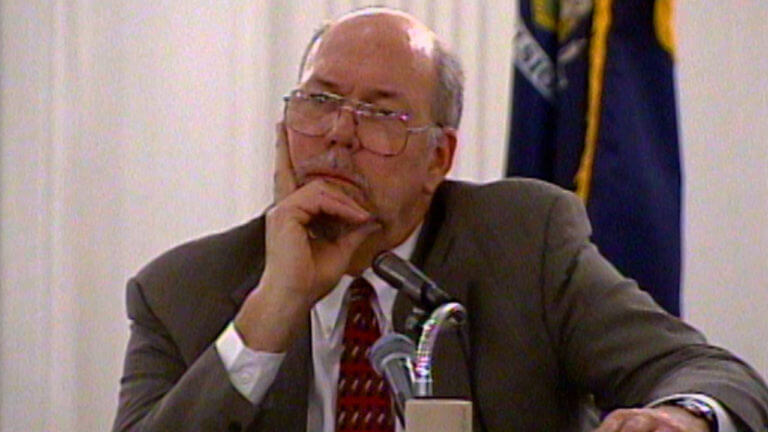
Sgt. Richard Patelli told jurors the vestibule was dimly lit but he was still able to see Diallo's face. (Court TV)

Fyfe told jurors that police do have an obligation to protect their fellow officers, though police shouldn't unnecessarily force confrontations. But, he said, each situation has to be evaluated on the basis of the facts.

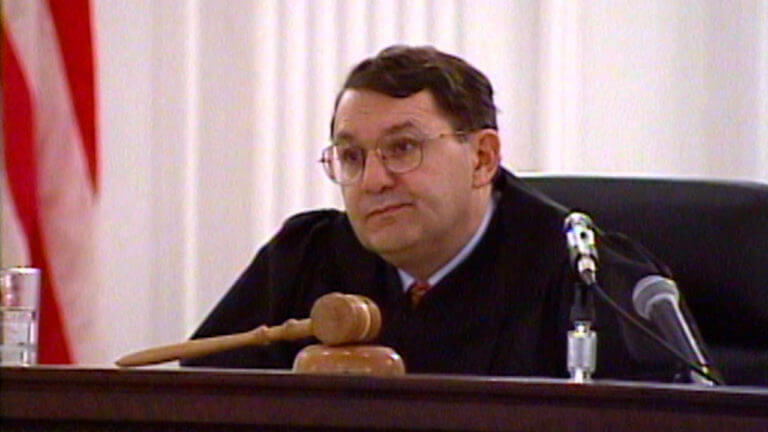
Surprisingly, prosecutors opted not to cross-examine and challenge Fyfe at all. There is speculation that since Fyfe's testimony was restricted by Justice Joseph Teresi, prosecutors were wary of opening the door to testimony they had opposed. [The prosecution had opposed Fyfe testifying about the officers' state of mind during the shooting.]

Before Fyfe took the stand, two officers who responded to the shooting scene took the stand and recalled the vestibule being dimly lit. But one of the witnesses contradicted two defense theories that the scene may have been contaminated and that it was too dark to see Diallo clearly.

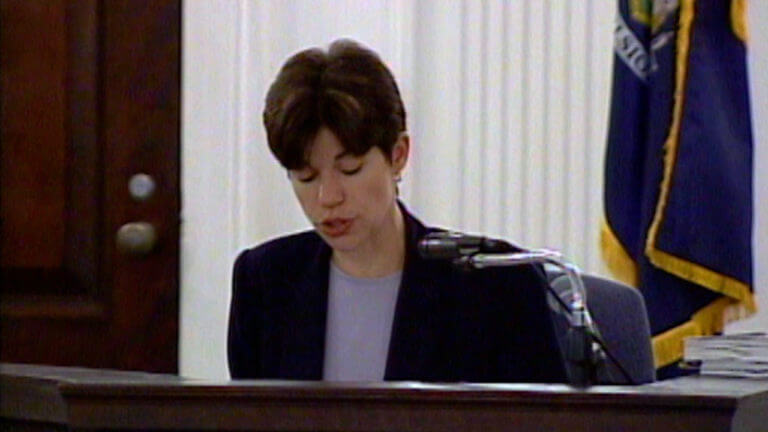
Michael Barrow, an officer with the Police Emergency Unit, looked into the vestibule and thought the lighting was dim. He said he had to use a flashlight. Sgt. Robert Patelli agreed with Barrow, but he noted that he was able to see Diallo's glazed eyes and his wallet on the right side of his fallen body. Patelli said he could tell Diallo was dead by the time he arrived.
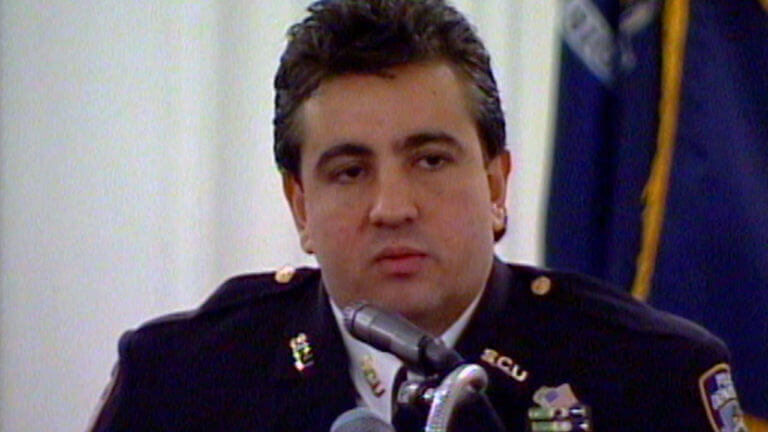
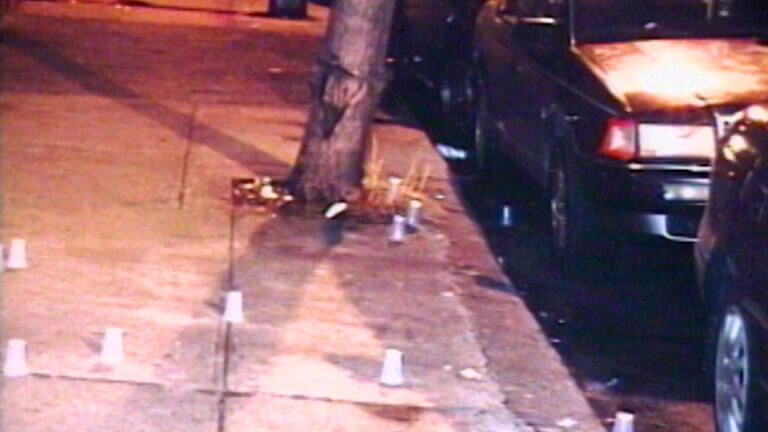
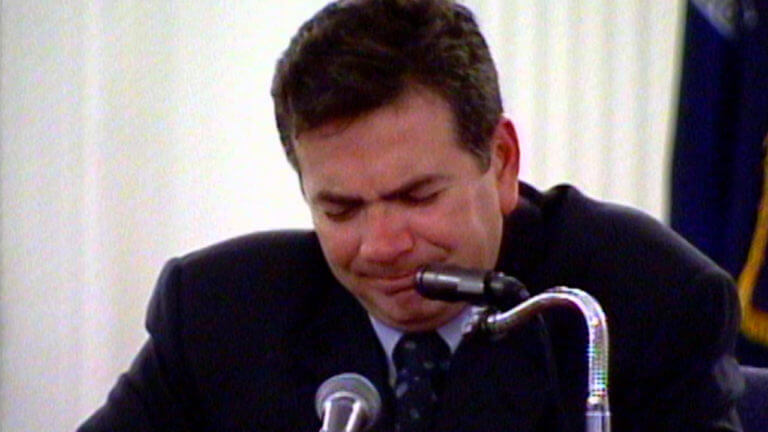
According to his testimony, Patelli found Carroll hunched over Diallo at the scene, perhaps preparing to perform CPR. However, Patelli said, realizing that Diallo was dead, he lead Carroll away. He described Carroll as an "emotional wreck," his face red and crying. However, Patelli noted that he ordered the alleged crime scene taped off right away, contradicting previous defense suggestions that the area may have been contaminated by the several officers at the scene.

The defense chose not to call psychologist Lynn Cooper, who would have discussed the different ways people react in stressful situations and how the eyes can play tricks on the brain.

The prosecution has opted not to present a rebuttal case. Justice Teresi is considering whether to instruct the jury on lesser included charges such as first and second-degree manslaughter and criminally negligent homicide. Closing arguments are scheduled to take place next Tuesday.

— Bryan Robinson


Court TV Homepage

Site Map


<<<back Top of page  
Contact Us U.S. |  TRIALS |  WORLD |  PEOPLE |  ON AIR |  VIDEO |  TALK |  ABOUT CTV |  SEARCH 
      © 2000 Courtroom Television Network LLC. All Rights Reserved.
Terms & Privacy Guidelines