![]() |
||
|
|
|
|
|
|
Updated February 17, 2000, 2:24 p.m. ET Judge allows lesser-included charges against Diallo cops
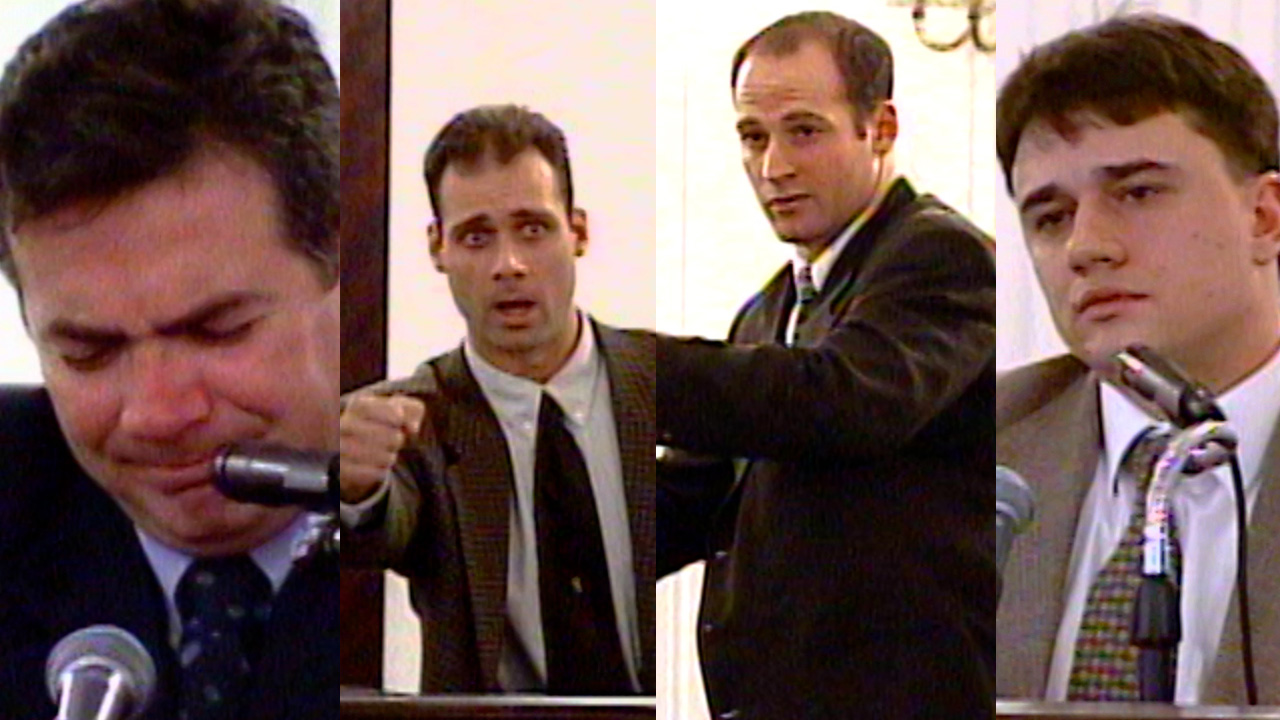
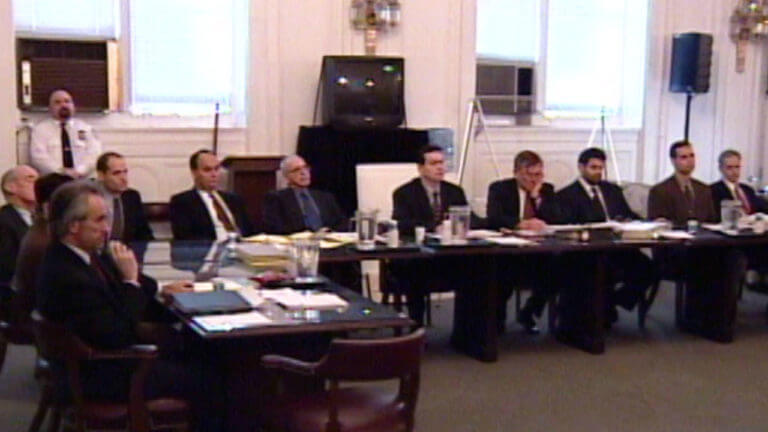
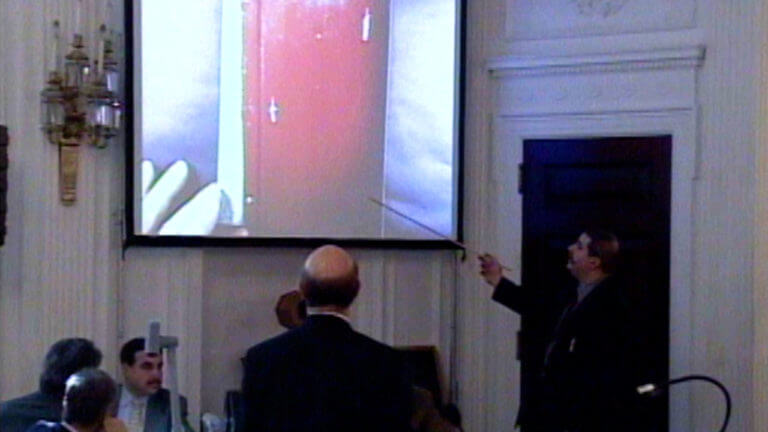
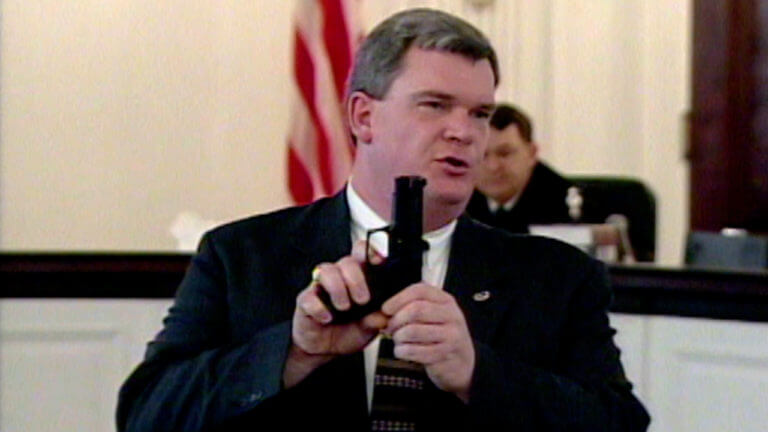
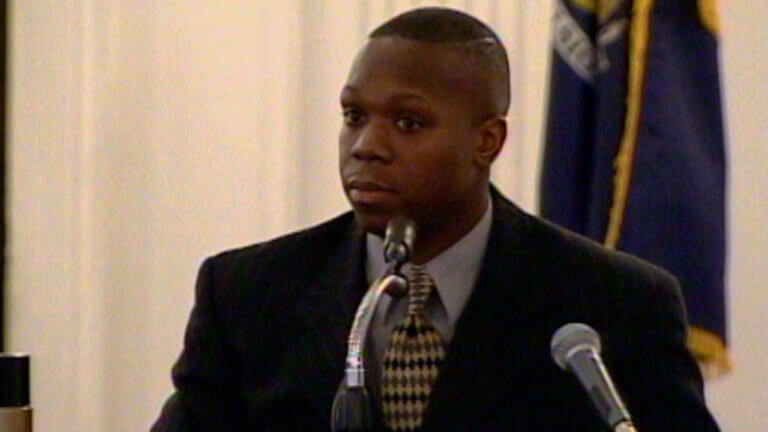
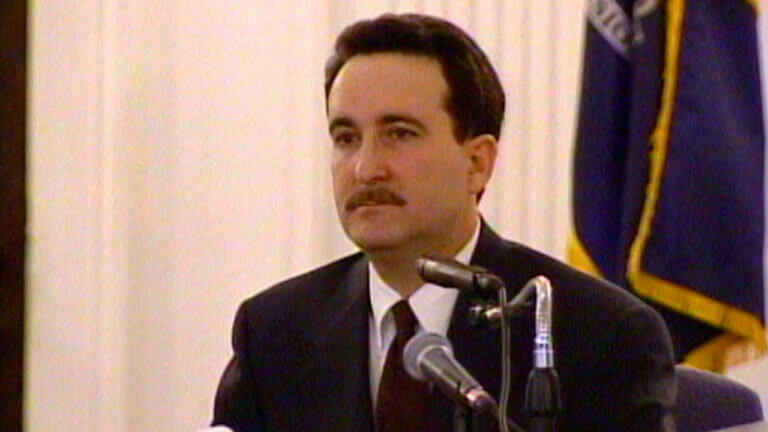
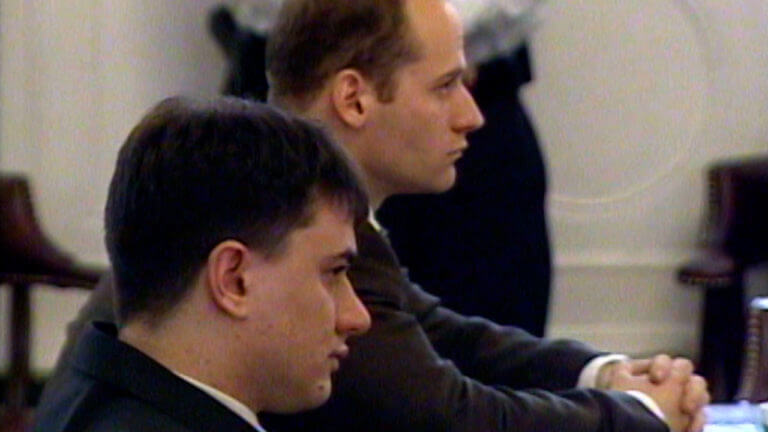
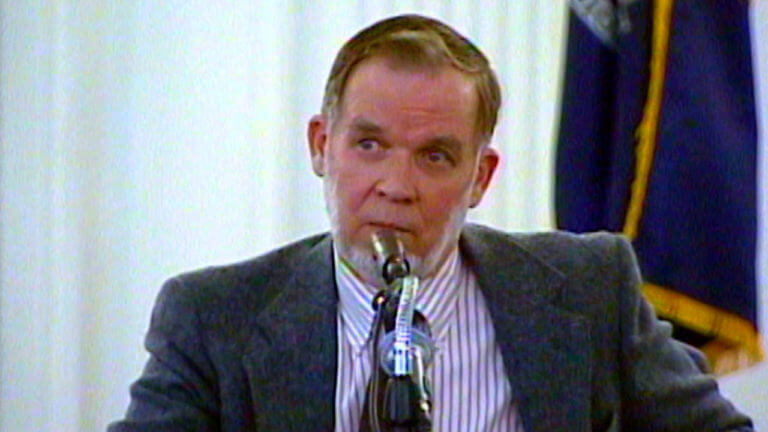
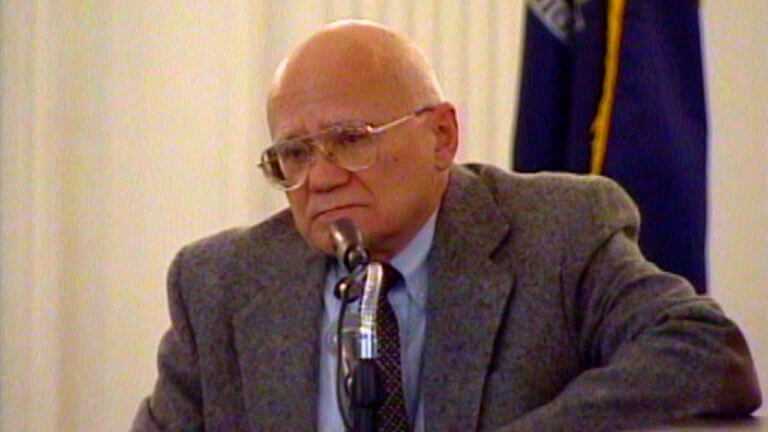
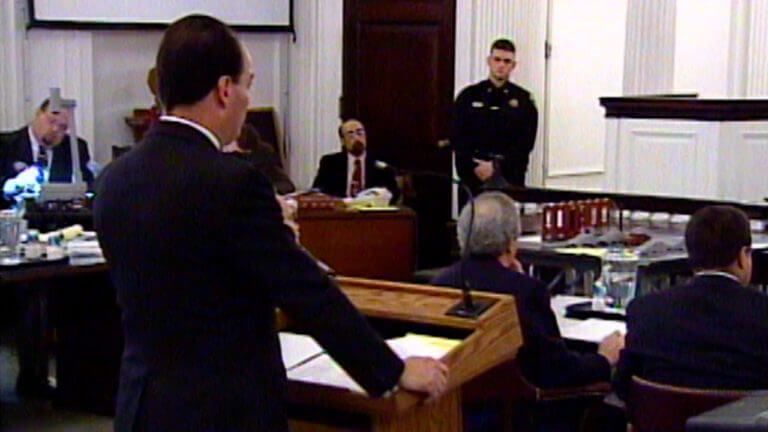
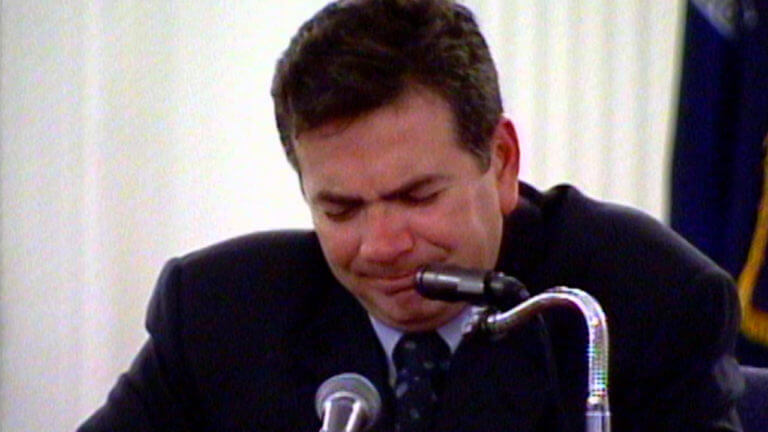
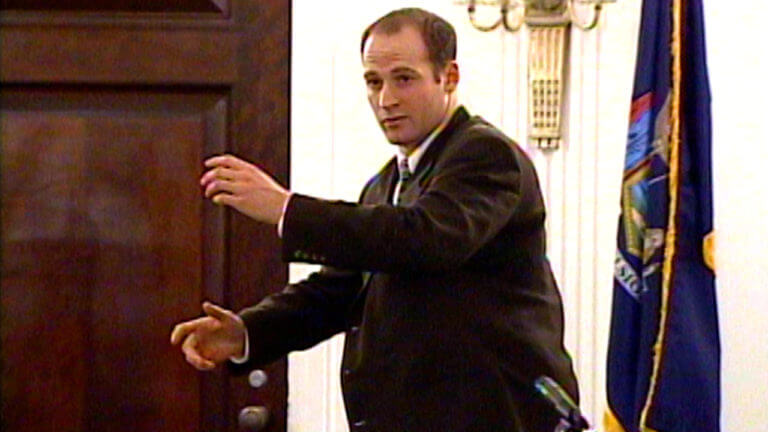
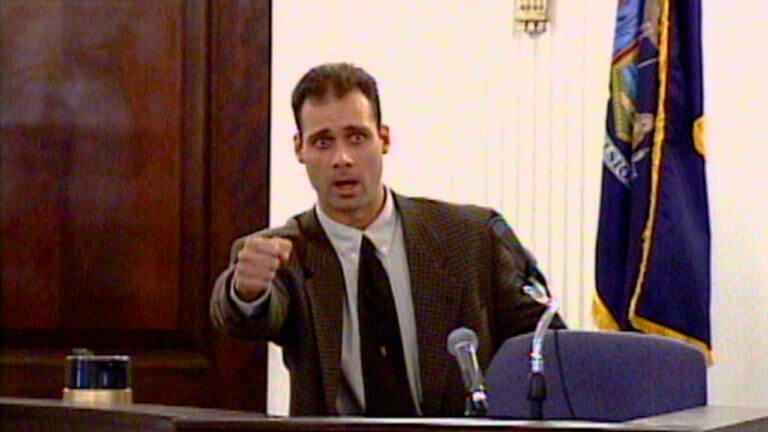
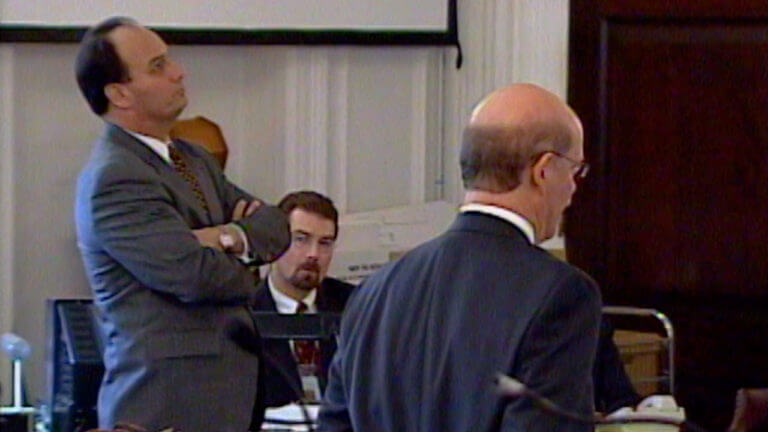
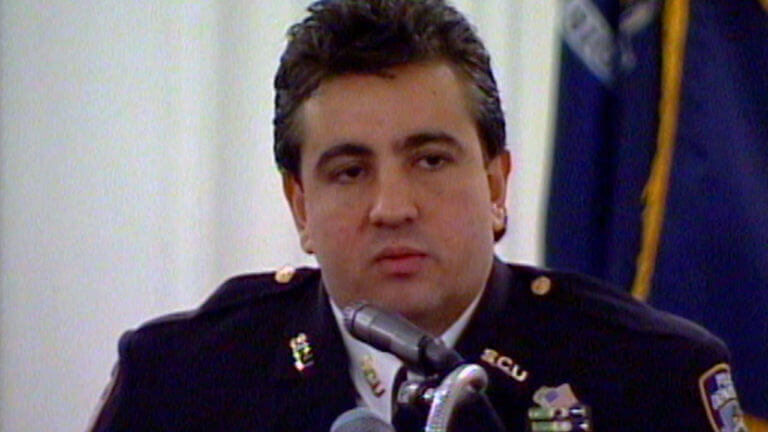
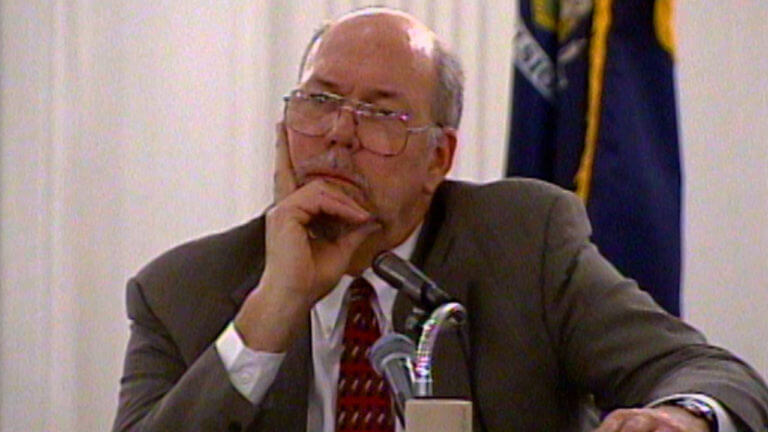
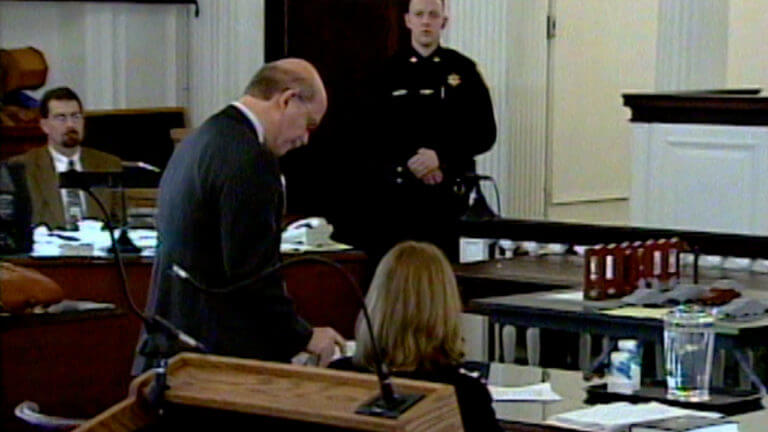
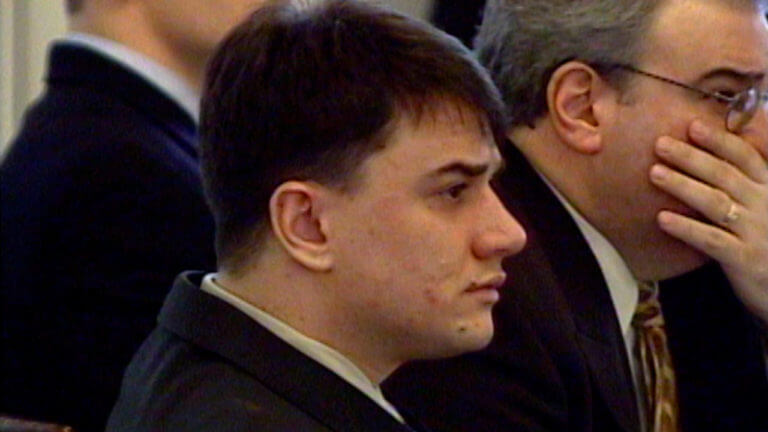
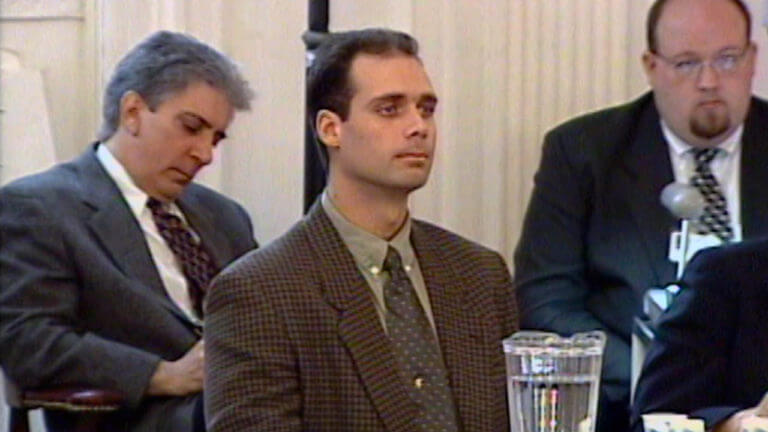
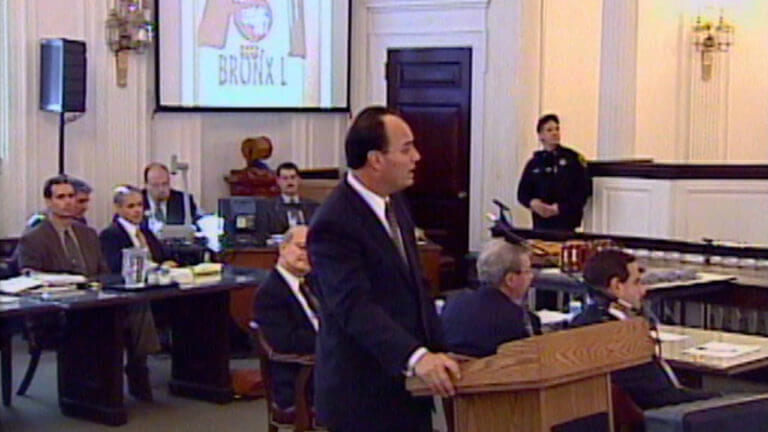
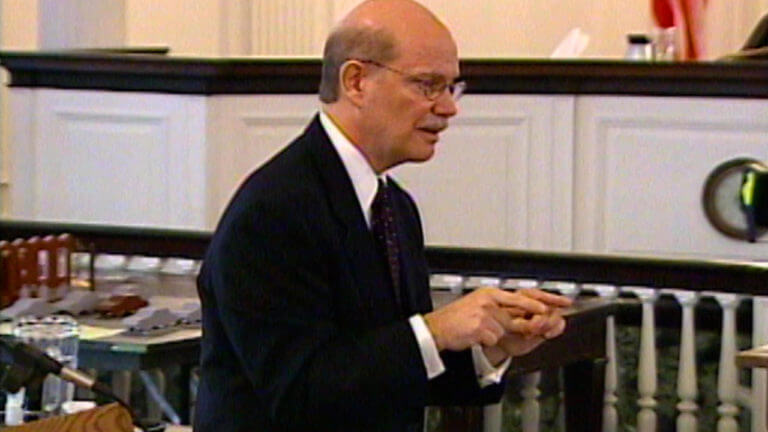
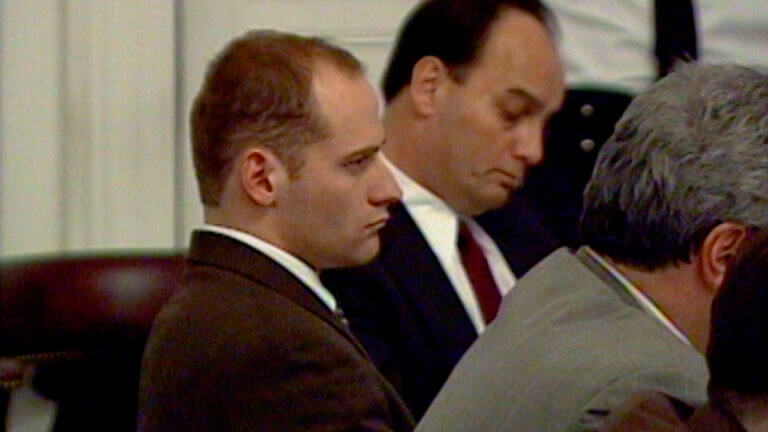
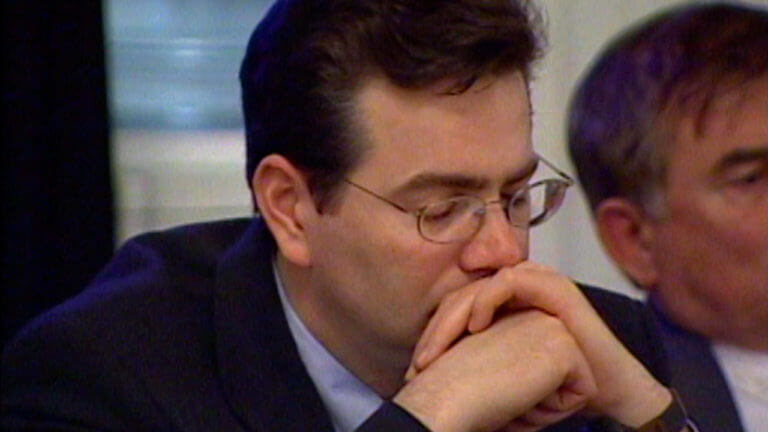
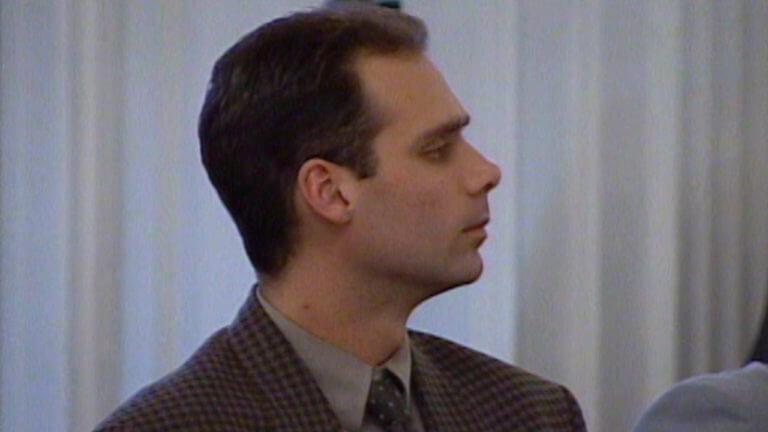
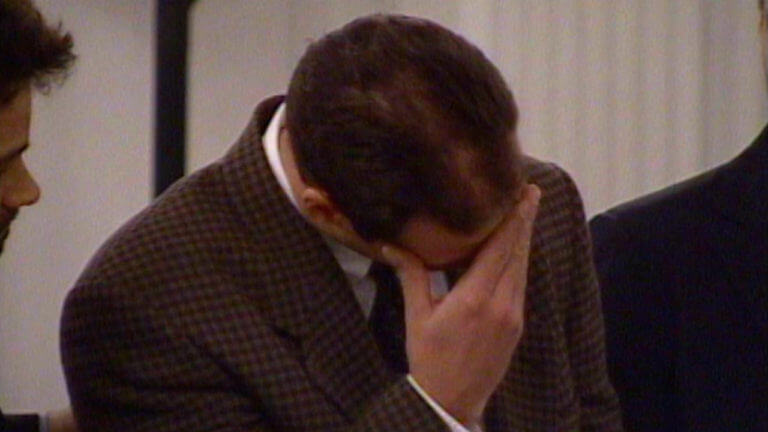
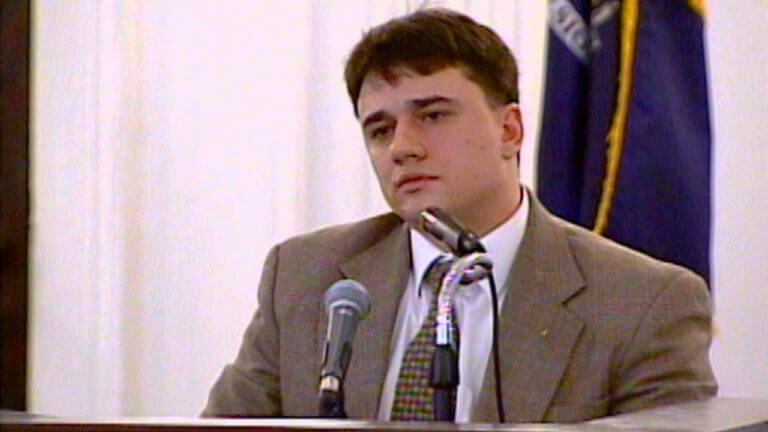
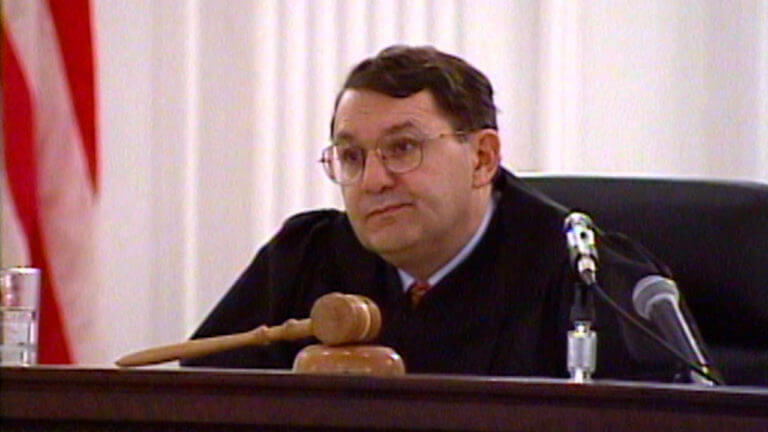
Albany Justice Joseph Teresi ruled that in addition to the counts of second-degree murder and reckless endangerment, jurors will consider first and second degree manslaughter and criminally negligent homicide against NYPD officers Sean Carroll, Edward McMellon, Kenneth Boss and Richard Murphy. Despite the prosecution's protests, the judge also allowed jurors to be instructed on the justification rule that they can acquit the officers if they believe the use of deadly force was justified. In other words, Justice Teresi's ruling allows jurors to acquit if they believe the officers had to use force to apprehend a fleeing suspect [Diallo]. Bronx prosecutors opposed the justification instruction because they claimed there was no evidence presented at trial that the officers were about to arrest Diallo. The officers particularly Carroll and McMellon claimed the events leading to the gunfire began when they identified themselves and Diallo did not heed their command to halt. At the time, the four members of New York's Street Crime Unit were driving an unmarked police car looking for a Bronx serial rapist. Carroll said he thought Diallo was acting suspiciously because he kept looking up and down the block and repeatedly ducked his head in and out of the vestibule, as if he didn't want to be seen. At that point, he said, he and McMellon decided to approach Diallo. But when Diallo did not acknowledge them and "darted" into the vestibule, Carroll and McMellon said they thought he was trying to flee them. Carroll told jurors he thought that Diallo may have been part of a push-in robbery attempt and didn't want Diallo to get inside the building. He thought that would have led to a potential hostage situation involving innocent residents.
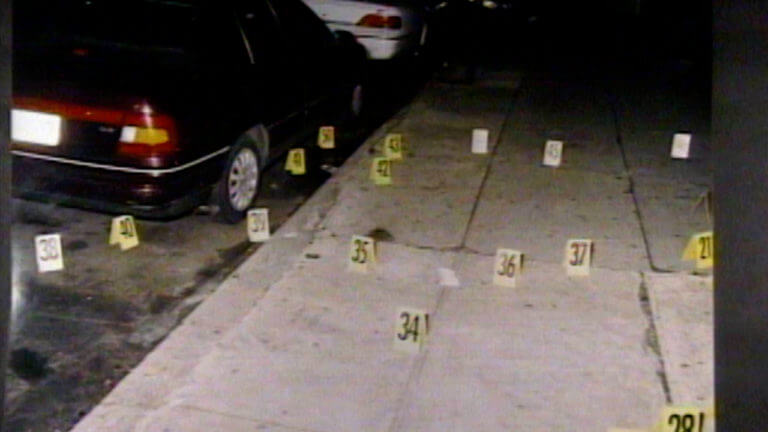
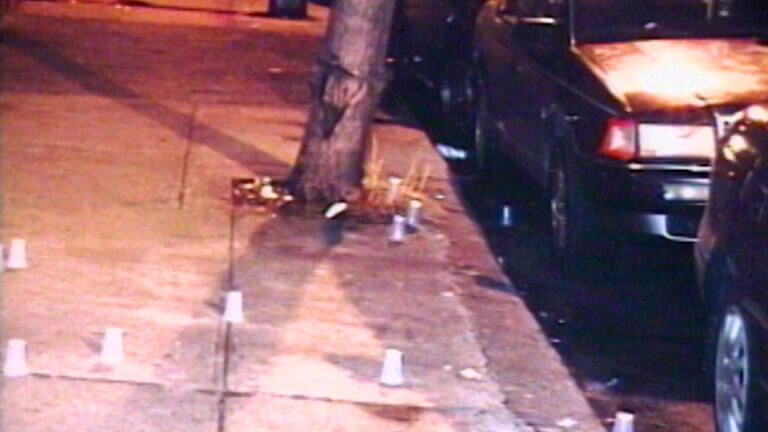
In addition to the lesser included charges and the justification instruction, Justice Teresi ruled that jurors would not have to consider the charges against the officers for each and every one of the 41 bullets fired at Diallo. [That could have made jurors believe that the officers considered each bullet they fired at the West African immigrant.] The judge also rejected the prosecution's request that jurors be told that the officers had a duty to retreat before deciding to use deadly force. Carroll, McMellon, Boss and Murphy gunned down Diallo in a hail of 41 bullets in the vestibule of his Bronx home last February. The defense has said that the shooting was an accident, not murder the officers testified that they believed Diallo was reaching for a gun and about to shoot them. [They've all claimed that the vestibule of Diallo's building was dimly lit and suggested the darkness made them think the object Diallo had in his hand was a weapon.] But Diallo was unarmed, having only his wallet and a beeper when 19 bullets struck him. The inclusion of the lesser charges give jurors more ways to convict the officers. However, it also increases the officers' chances of surviving the trial with little or no jail time. If convicted of intentional second-degree murder or second-degree murder with depraved indifference to human life, they face 25 years to life in prison. First-degree manslaughter carries a maximum sentence of 12 1/2 to 25 years; second-degree manslaughter five to 15 years. Punishment for criminally negligent homicide ranges from probation to a maximum of four years. Court is in recess until Tuesday, when prosecution and defense attorneys return to give closing arguments. The jury could start deliberations that night. Bryan Robinson |
|
|
|
| Contact Us | U.S. | TRIALS | WORLD | PEOPLE | ON AIR | VIDEO | TALK | ABOUT CTV | SEARCH |
|
© 2000 Courtroom Television Network LLC. All Rights Reserved.
Terms & Privacy Guidelines
|