![]() |
||
|
|
|
|
|
|
Updated February 25, 2000, 12:07 p.m. ET Diallo jurors enter third day of deliberations and hear readbacks on justification
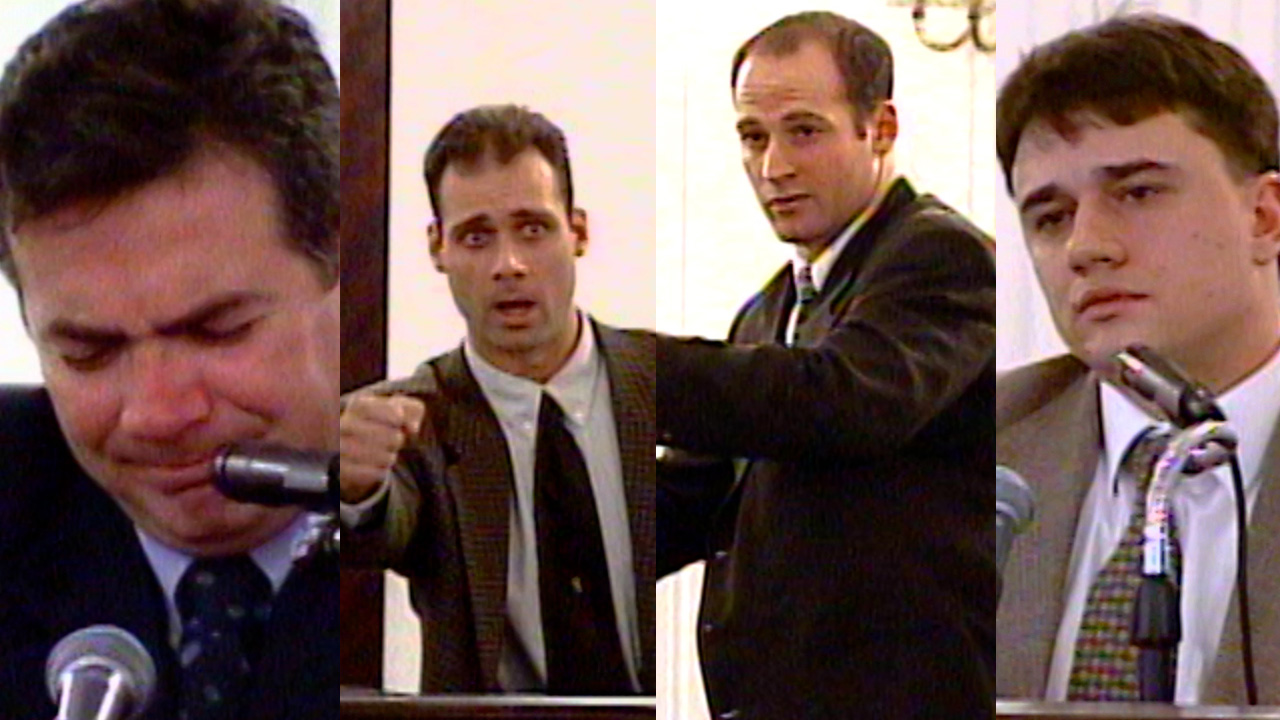
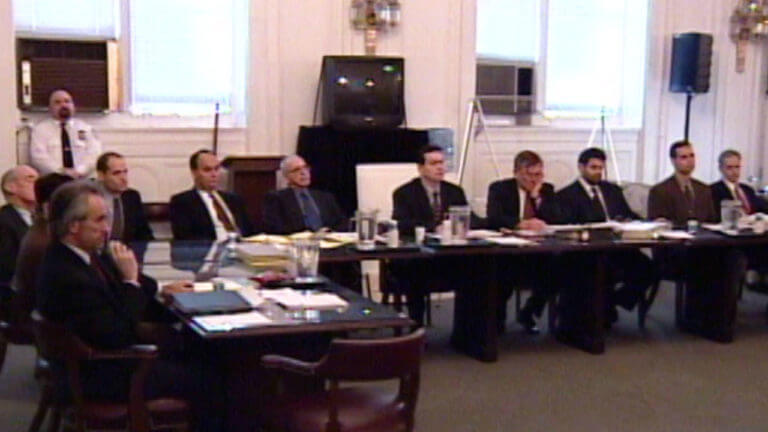
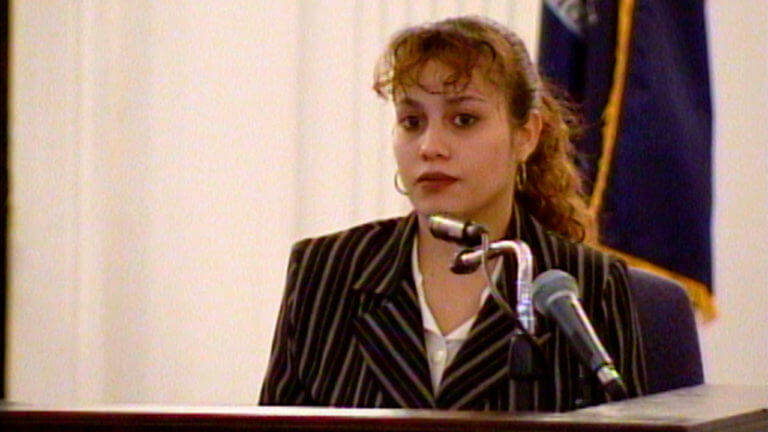
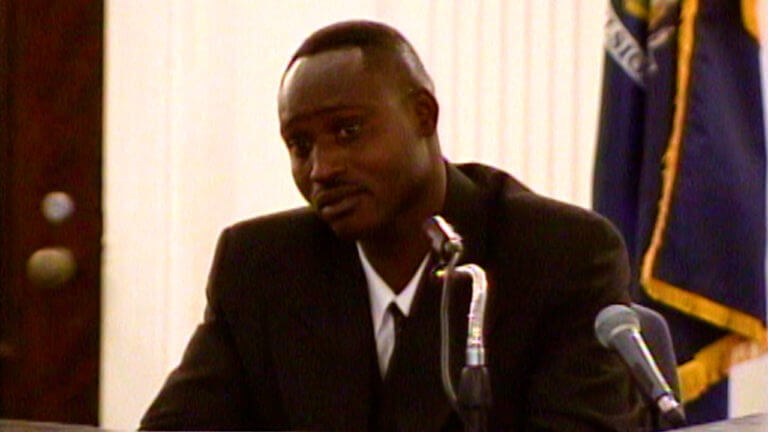
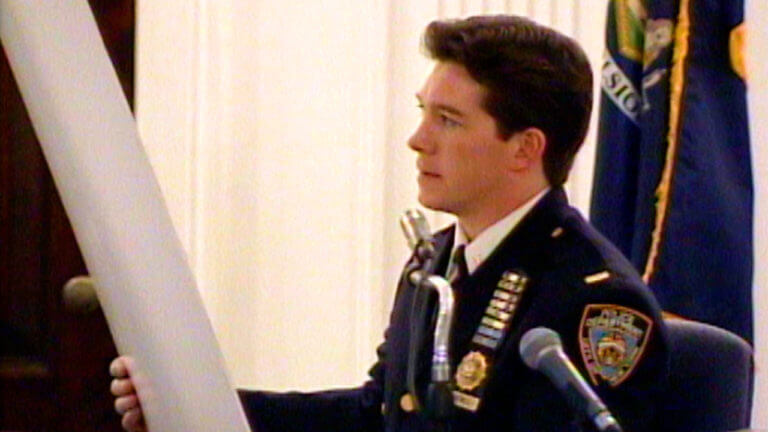
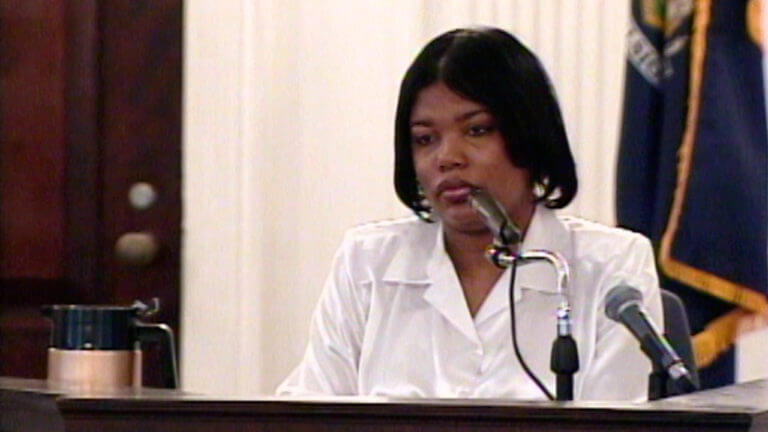
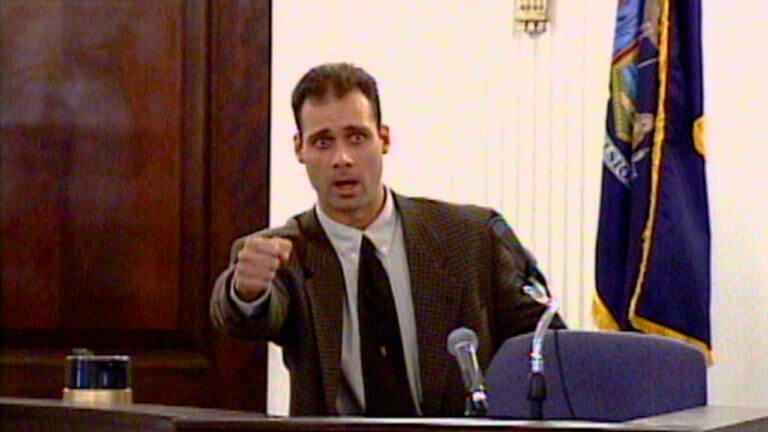
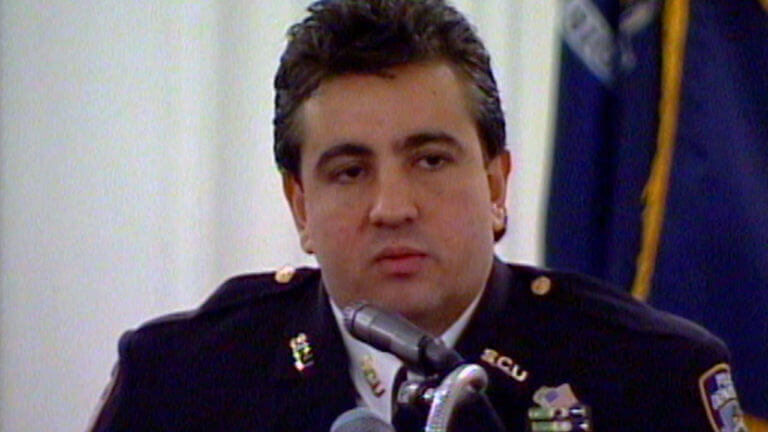
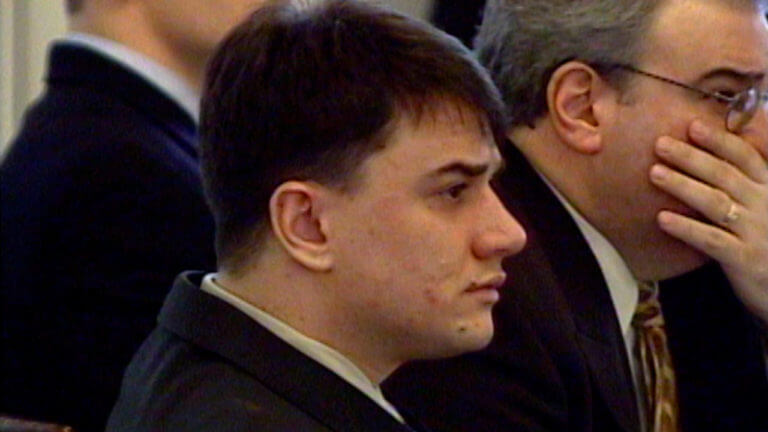
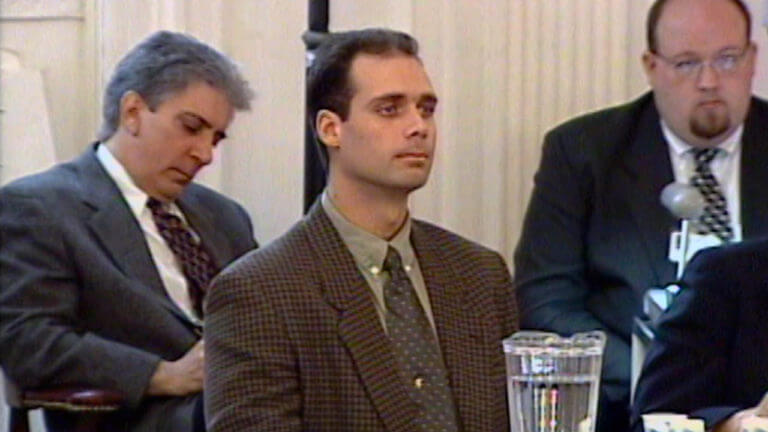
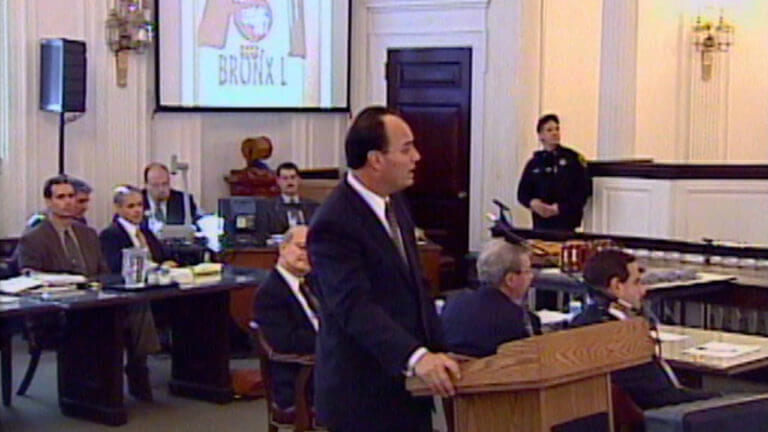
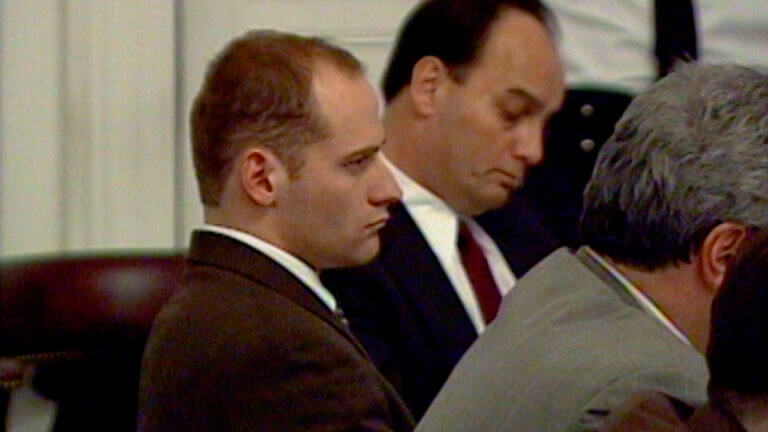
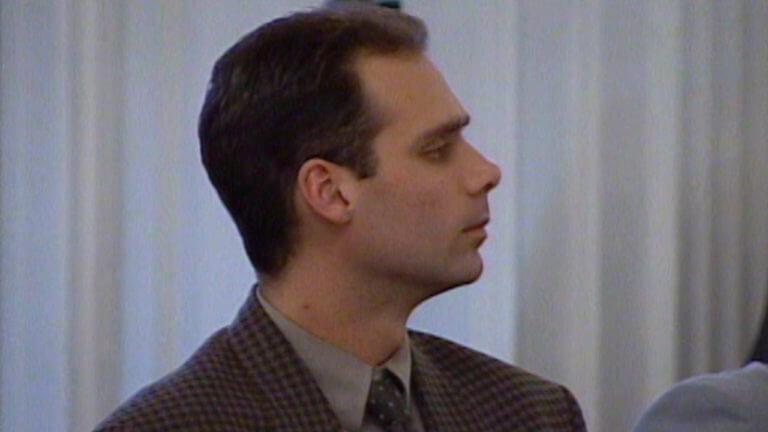
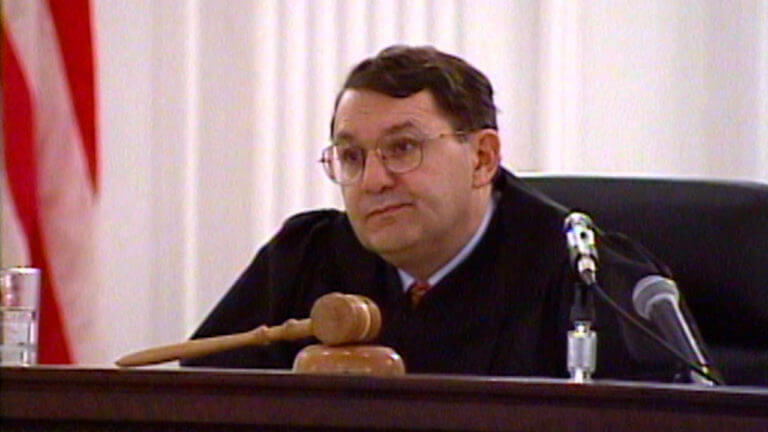
Jurors re-heard the testimony of officers Sean Carroll and Edward McMellon, particularly their claims focusing on the time they approached Diallo on the sidewalk to the beginning of the gunfire. The jurors also had the testimony of defense police training expert James Fyfe read back to them as well as the judge's instructions on legal justification. Jurors also requested a readback of the instruction on street encounters with police which describes the authority of New York police officers to approach a person on the street This was the second time jurors have focused on Carroll and McMellon. On Wednesday, the first day of deliberations, they requested readbacks of their testimony addressing what happened from the time the two officers left their car until they were taken to the hospital. Earlier Thursday, jurors shifted their focus to Kenneth Boss and Richard Murphy and requested readbacks of their testimony about what happened before and during the shooting. Jurors also have received readbacks of the testimony of eyewitness Schrrie Elliott. An Albany jury must decide whether officers Sean Carroll, Edward McMellon, Kenneth Boss and Richard Murphy are guilty of intentional second-degree murder, second-degree murder with depraved indifference or reckless endangerment in Diallo's killing. Perhaps indicating that they have rejected the prosecution's murder charges, jurors Thursday asked the judge to re-read the definitions of all the lesser-included charges. They asked Albany Justice Joseph Teresi to read back the elements of first-degree manslaughter, a lesser included charge for intentional second-degree murder as well as second-degree manslaughter and criminally negligent homicide, two lesser included charges of second-degree murder with depraved indifference. On Friday afternoon, jurors asked for the definition of the other primary charge against the officers, first-degree reckless endangerment, which carries no lesser included counts.
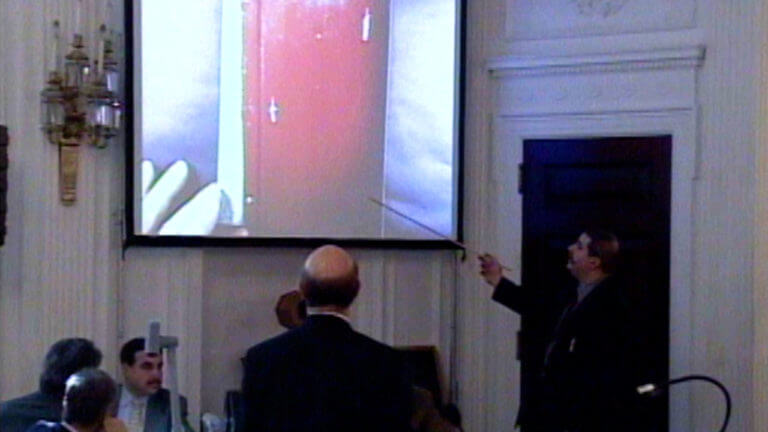
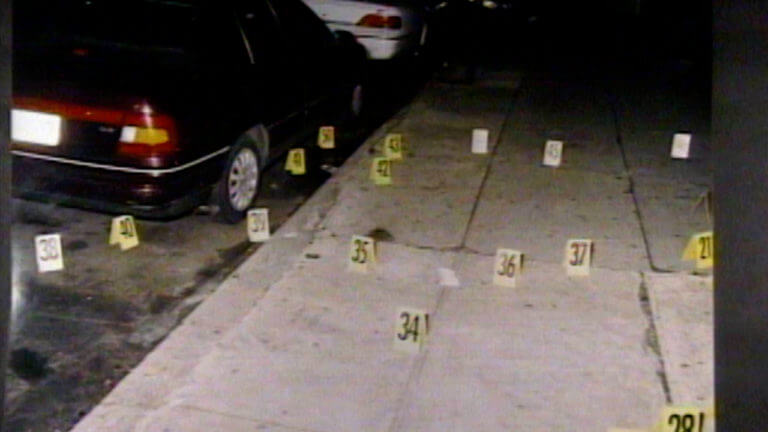
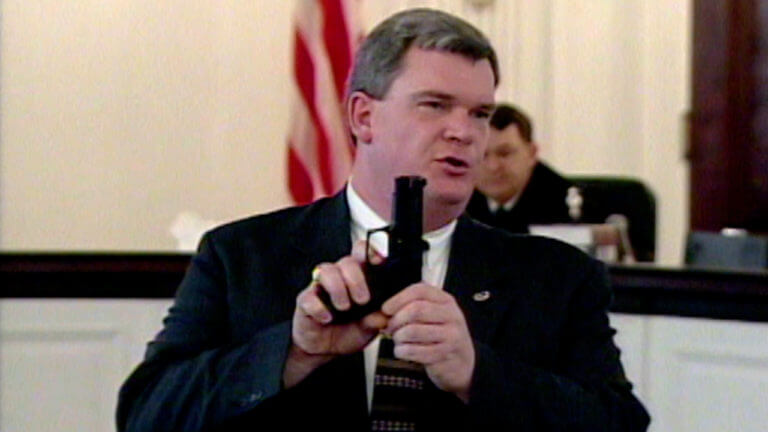
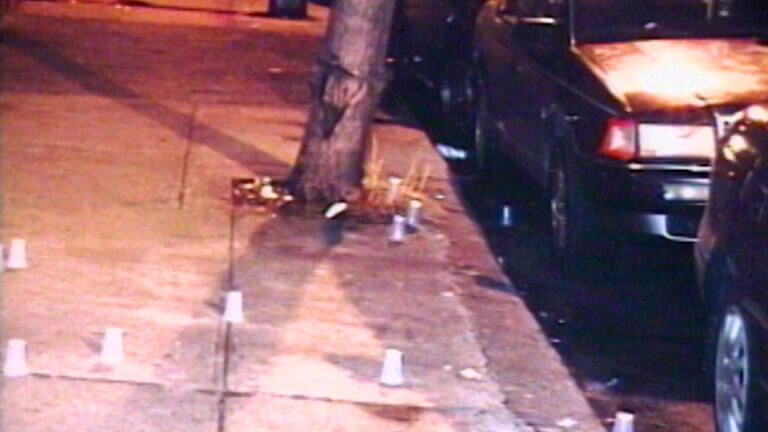
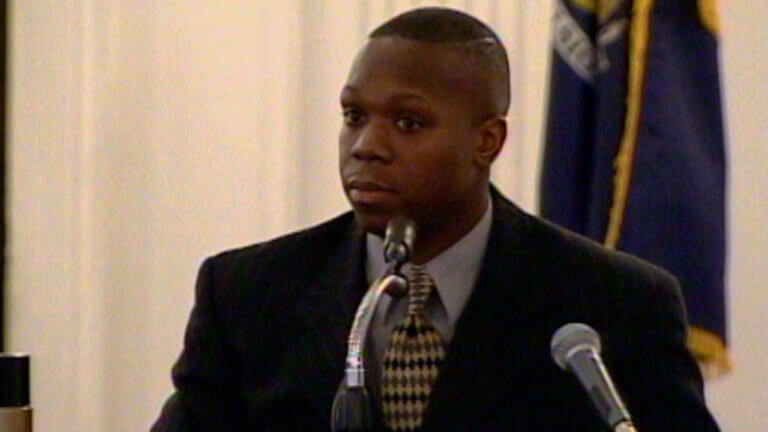
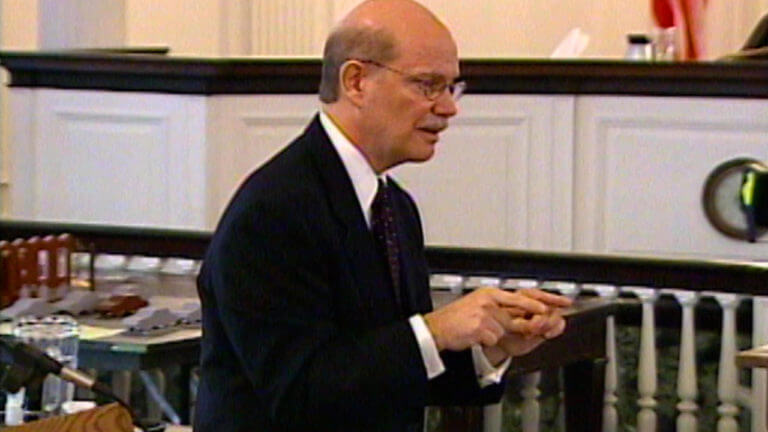
Now that jurors re-heard the definitions of all the lesser included charges, that means they are considering counts that may yield no jail time for the officers. Second-degree manslaughter and criminally negligent homicide carry minimum punishments of probation. Jurors must decide whether the officers were justified in their decision to shoot Diallo. The West African street vendor was gunned down in a hail of 41 bullets in the vestibule of his Bronx home last February. While Carroll and McMellon fired 16 shots each, Boss fired five and Murphy four. Jurors must consider the case of each officer separately. If the jurors conclude that an officer was justified in shooting Diallo, the judge told them they must stop deliberating and acquit that officer. Key Testimony Carroll and McMellon testified that their encounter with Diallo escalated after they identified themselves and the victim refused to heed their command to halt. At the time, the four members of New York's Street Crime Unit were driving an unmarked police car looking for a Bronx serial rapist. As they drove down Wheeler Avenue, Carroll said he thought Diallo was acting suspiciously because he kept looking up and down the block, and repeatedly ducked his head in and out of the vestibule, as if he didn't want to be seen. At that point, Carroll and McMellon decided to approach Diallo. But, Carroll and McMellon said, when Diallo did not acknowledge them and "darted" into the vestibule, they thought he was trying to flee them. Both officers said they began to run after him. [Carroll said he thought Diallo may have been a lookout for a push-in robbery.] When Diallo began to turn towards the officers and reach for a black object in his right pocket, Carroll said he believed Diallo had a weapon. Carroll said he cried, "Gun!" Gunfire erupted. McMellon, the defense says, fell off the steps and Boss and Murphy thought he had been hit. Boss and Murphy both recalled either Carroll or McMellon identifying themselves as officers. They also remembered McMellon falling off the steps during the shooting and Carroll firing frantically as he was running down the steps. Boss and Murphy said they were trying to come to the aid of fellow officers they believed were under fire when they started shooting. As they consider the charges, jurors must put themselves in the officers' situation and mull their claims. The jury must decide what, if anything, Diallo did to make the defendants believe that he was about to fire a weapon at them or flee during a possible robbery attempt. They also must remember that the defendants had a right as officers to approach Diallo and ask him questions. James Fyfe, the final defense witness, told jurors that the officers were justified in approaching Diallo because they believed he posed a legitimate threat to the residents of his building. When Diallo, as Fyfe said the defense claims, did not heed a stop command and ran into the vestibule, the officers thought he was trying to flee. At that point, Fyfe testified, it was the officers' duty to try to protect the building's residents and try to keep a potentially dangerous situation from escalating. He believed the officers' actions were consistent with their training and accepted NYPD procedures. Fyfe's testimony went unchallenged; prosecutors opted not to cross-examine him, a tactic which may come back to haunt them. Prosecutor's Claims Prosecutors argue the defendants should be convicted of murder because Diallo did nothing to instigate the gunfire. Diallo, they say, was only standing in front of his home, minding his business and not bothering anyone. Prosecutors dispute the officers' claims that they properly identified themselves to Diallo. Prosecutor Eric Warner argued in his closings that the officers had no reason whatsoever to approach Diallo. He claimed that the officers particularly Carroll had Diallo pegged as a potential robber from almost first sight. In their pursuit of the victim, Warner said, they failed to preserve the West African immigrant's life. If convicted of intentional second-degree murder or second-degree murder with depraved indifference to human life, the officers face up to 25 years to life in prison. First-degree manslaughter carries a maximum sentence of 12 1/2 to 25 years and a minimum of five years. Bryan Robinson |
|
|
|
| Contact Us | U.S. | TRIALS | WORLD | PEOPLE | ON AIR | VIDEO | TALK | ABOUT CTV | SEARCH |
|
© 2000 Courtroom Television Network LLC. All Rights Reserved.
Terms & Privacy Guidelines
|