Return To Court TV Homepage  
>>>>>>
U.S.
ABOUT COURT TV

U.S.

Trials

World

People

On Air

Video

Talk

Search


Updated March 16, 1999, 2:58 p.m. ET

In wake of Diallo shooting, New Yorkers turn on their mayor

           
The Shooting of Amadou Diallo

            >>>> Full coverage

>>>> Chronology of events

>>>> Articles in the archives

>>>> Biographies of Diallo and the officers

>>>> Discuss the case on our message board

>>>> Mar. 31: Officers charged with second-degree murder

>>>> Mar. 16: Giuliani's popularity plummets after shooting

>>>> Feb. 16: Protests spread to Guinea

>>>> Feb. 12: Thousands attend memorial service

>>>> Feb. 5: New York awaits answers in police slaying

NEW YORK (Court TV) — Last month New York City Mayor Rudolph Giuliani publicly pondered a run for the U.S. Senate last month. Then police officers gunned down an unarmed immigrant in the Bronx.

Now, as the fallout from the shooting continues to make waves, it appears that Giuliani might not win even his constituents' vote in such a race.

According to a New York Times poll of 915 New Yorkers, the mayor's approval rating among his constituents has sunk to its lowest point since he was elected in 1994.

Last summer about two out of three New Yorkers said they thought Giuliani was doing a good job as mayor. Now 42 percent approve of his performance, although almost two-thirds of whites still support him.
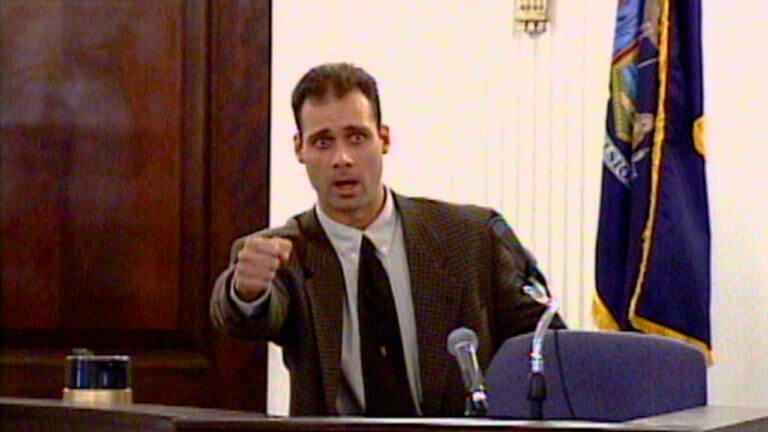
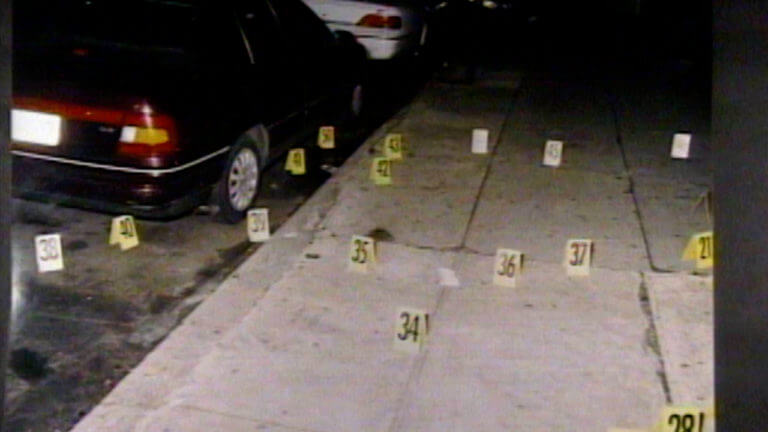
Amadou Diallo, a 22-year-old immigrant from Guinea who worked as a street peddler, was shot late at night in his Bronx apartment building by four plainclothes police officers of the Special Crimes Unit on Feb. 4.
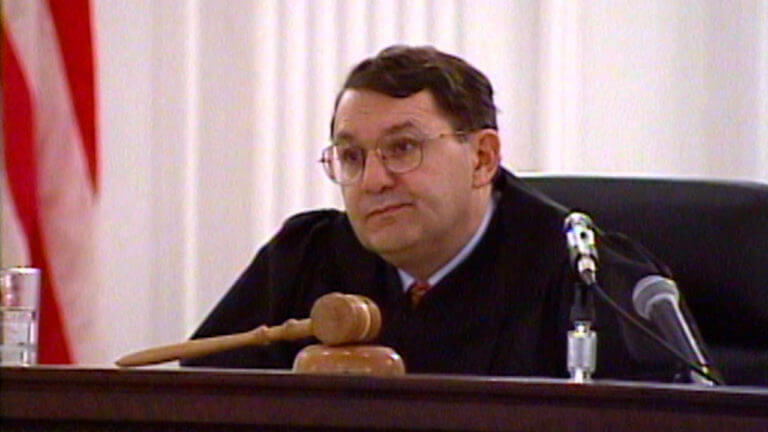
Of the 41 bullets fired, 19 struck Diallo, killing him instantly. The officers, who were searching for multiple-rape suspect, may have thought Diallo had a gun but none was found. Diallo, known as a pious Muslim, had no criminal record.

Reaction to the shooting was swift and outraged. Even the frequently pro-Giuliani tabloid, The New York Post, heralded the story with the headline "In Cold Blood".

African-American leaders were quick to denounce the incident as one more example of law enforcement run amok under Giuliani's watch.

Rallies across the city have attracted thousands of protestors, and prominent politicians such as former mayor David Dinkins, Congressman Charles Rangel, and the Rev. Al Sharpton have been arrested at sit-ins protesting the shooting.

Giuliani, while lamenting the tragedy of the young man's death, has maintained that the New York police are the finest in the country, and denounced Monday's protest as a publicity stunt.

He says African-American activists are exploiting Diallo's death to accuse him of tolerating police brutality. But the recent poll figures suggests those activists are not the only ones calling his police force's tactics into question.

"There was a festering discontent that the Diallo shooting has finally catalyzed," said Devon Copley, a migrant to the city from Buffalo and the founder of a Web site on the Diallo shooting called www.41shots.org, which has received about a thousand visitors in the last three weeks.

Giuliani's much-vaunted success in fighting crime has earned him a national reputation, even though most large American cities have experienced similar drops in crime since the early 1990s.

At first, New Yorkers were simply grateful to feel safe on the streets and the subway. Now, fed a flood of news reports describing systemic harassment in minority neighborhoods, many may be wondering whether they have struck a devil's bargain.

While 62 percent of New Yorkers said they approve of the way Giuliani is handling crime, that figure has plummeted 20 percent in just five months.

More than half now say they feel the police use excessive force, and 47 percent agree that Giuliani's policies have led to an increase in police brutality.

The 400 officers in the Street Crimes Unit, whose motto is "We Own The Night," frisk tens of thousands of people, mostly young black and Hispanic men, for guns every year.

Usually they find nothing, but they are responsible for 40 percent of the guns confiscated by police even though they constitute just one percent of the 40,000 force.

Yet despite the aggressive crime-fighting techniques, fewer than half the residents polled said they feel safer today than four years ago. Only a third of black residents, many of whose neighborhoods have experienced the largest drops in crime, said they feel safer.

The outcry over the Diallo shooting will probably be stoked with more fuel in the next month as four white police officers go on trial in Brooklyn to faces charges of brutally beating Haitian immigrant Abner Louima in 1997.

Louima was allegedly sodomized with a wooden toilet plunger handle in Brooklyn's 77th precinct and left bleeding in a cell with puncture wounds to his intestines.

After the Louima attack made headlines, Giuliani moved swiftly to condemn the incident, clean out the precinct, and install a new commander and more minority officers. Federal prosecutors took over the case, which is expected to go to trial in April.

Many protestors are now demanding that federal prosecutors take over the Diallo investigation as well.

"The Louima case was an outrage, but at that point I still had some faith left ... that this administration could police the police," said Copley. "I felt that justice would be done and there was no need to get involved. Not anymore. The Diallo case, itself, was the last straw."

— Catherine Heins


Court TV Homepage

Site Map


<<<back Top of page  
Contact Us U.S. |  TRIALS |  WORLD |  PEOPLE |  ON AIR |  VIDEO |  TALK |  ABOUT CTV |  SEARCH 
      © 2000 Courtroom Television Network LLC. All Rights Reserved.
Terms & Privacy Guidelines