Juror Profiles

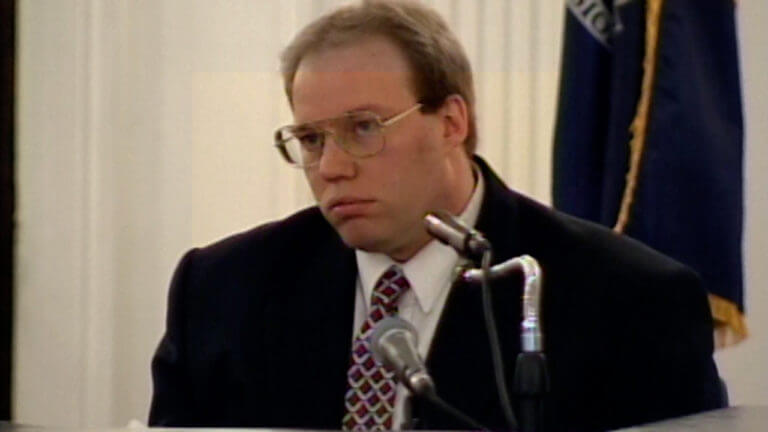
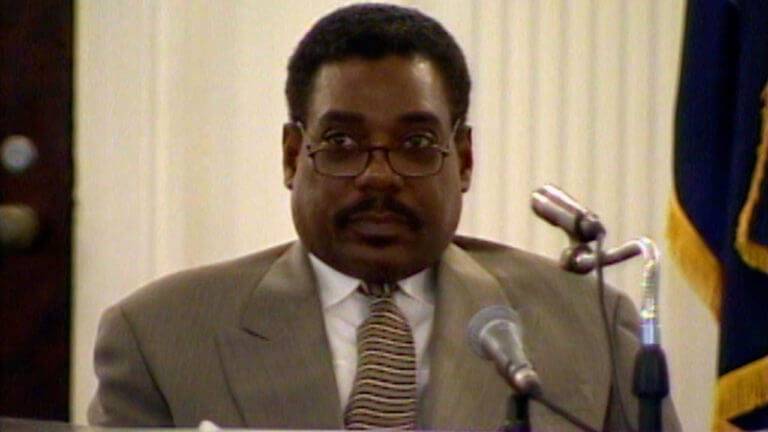
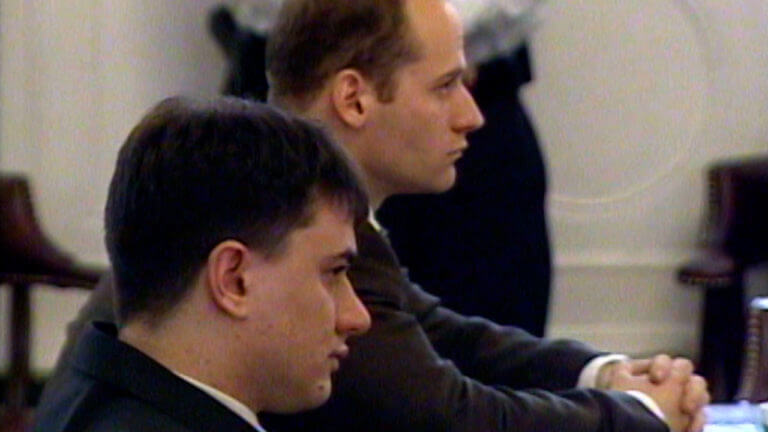
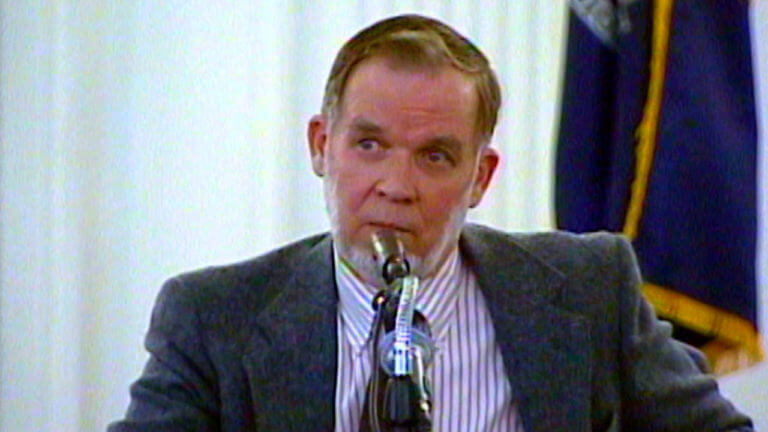
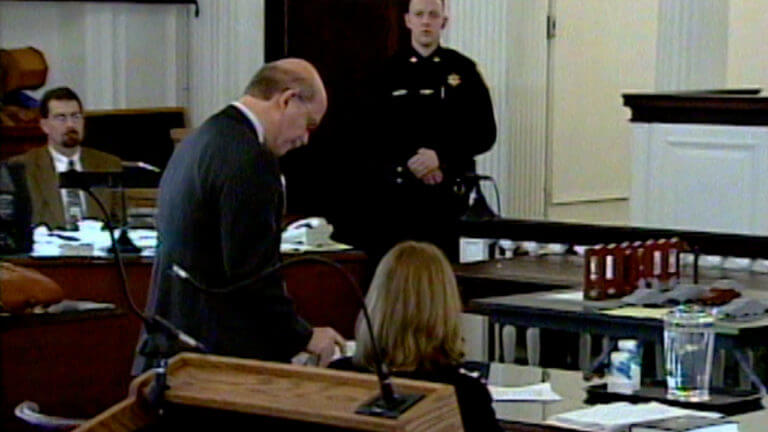
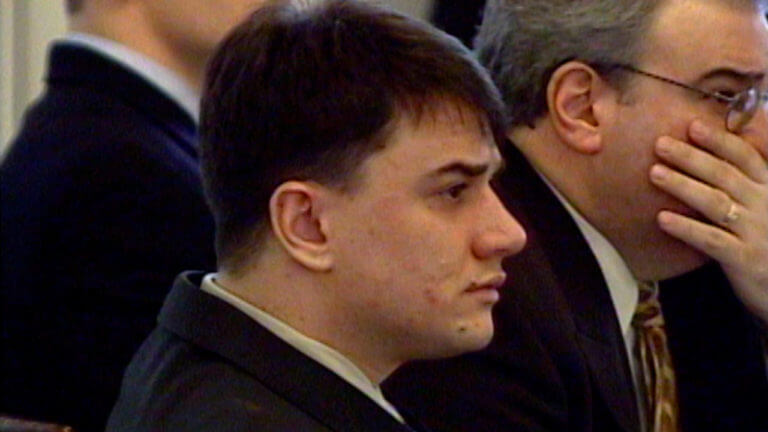
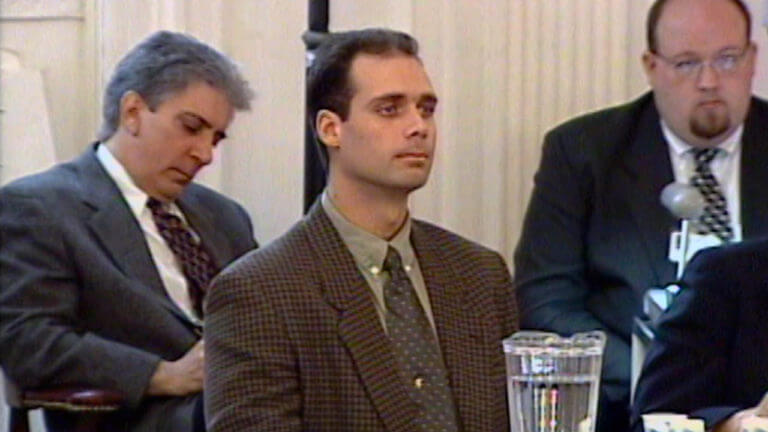
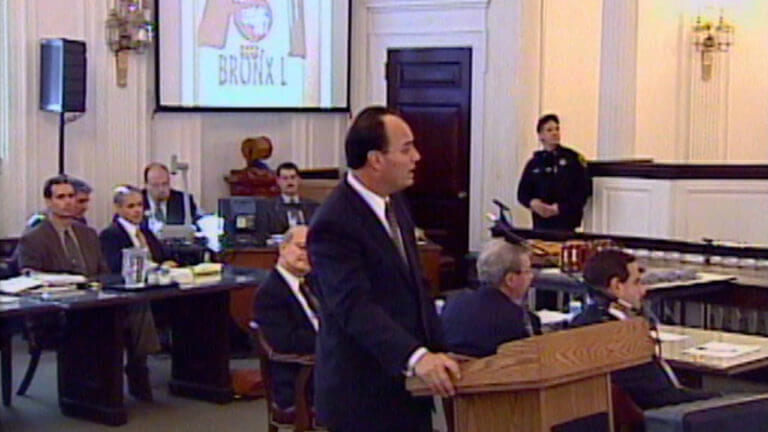
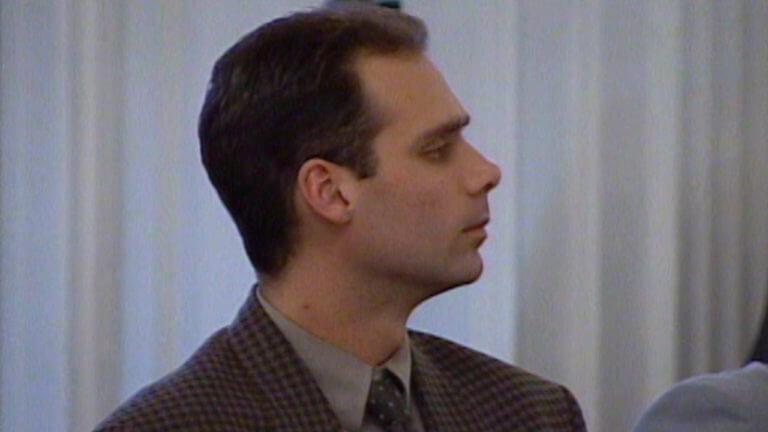
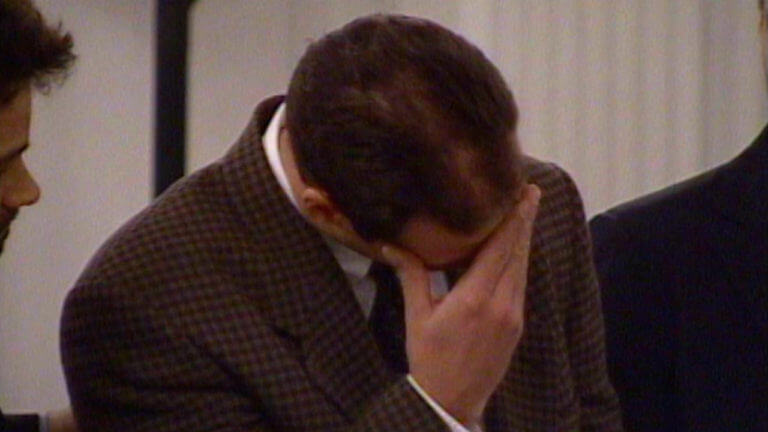
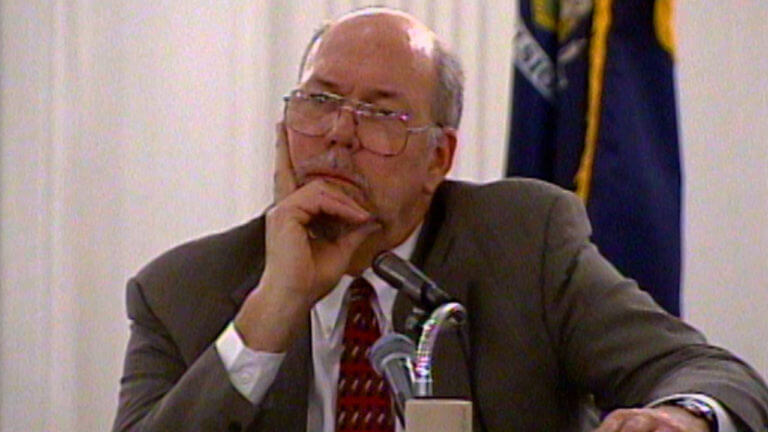
The Jurors

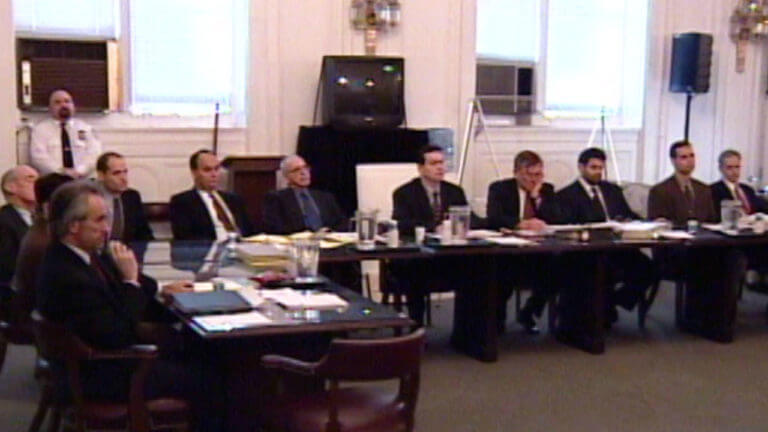
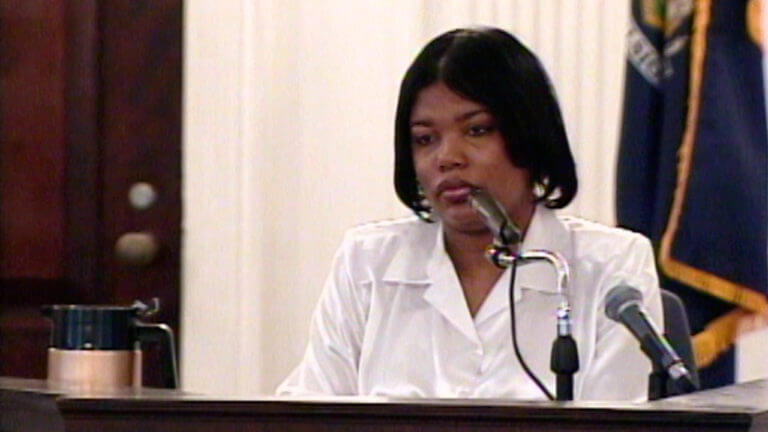
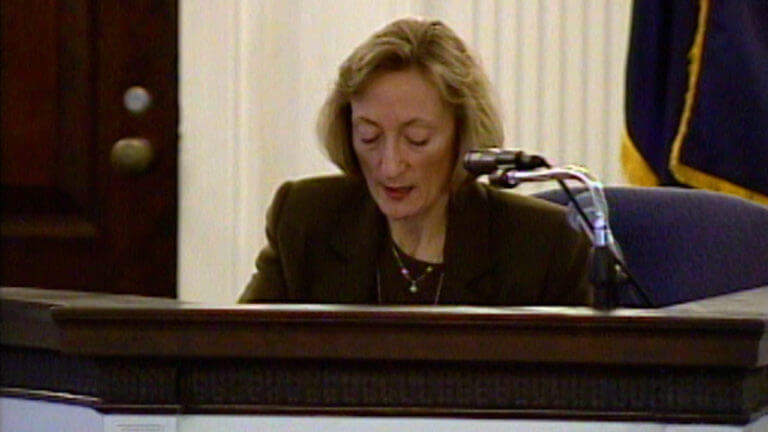
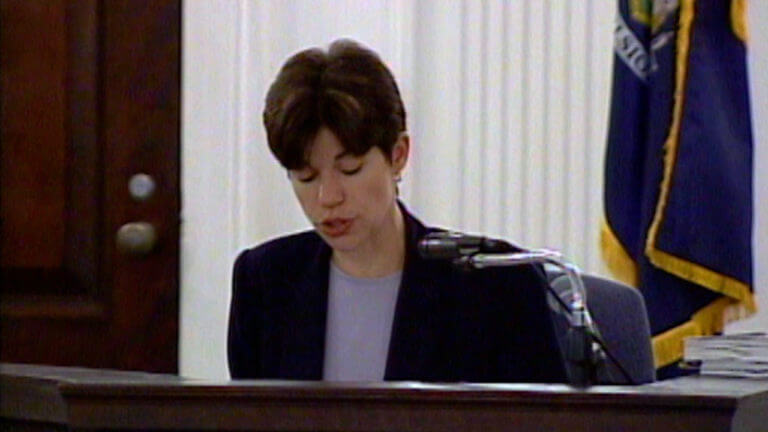
A middle-aged African-American woman who used to live in the Parkchester section of the Bronx in the 1970s — not far from where Diallo was killed. The soft-spoken woman was nonetheless emphatic about her lack of contact with the NYPD. She described herself as "law-abiding" and said she's had "absolutely no interaction with the police whatsoever." Her son is a private investigator and served in the military police. The defense tried to excuse her and two other black women but the prosecution objected, arguing that the defense sought to remove them on racial grounds alone. The judge refused to allow her dismissal. By law, the first juror becomes the foreperson.

An elderly white woman whose husband was an agent for the FBI. Both her son and her husband are attorneys.

A middle-aged white man who says he opposes private handgun ownership and dislikes judging people. He described himself as a independent Catholic minister.

Formerly Alternate No. 1 A white man in his twenties who said he participated in rallies in Albany, New York City and Washington, D.C. for gay and lesbian rights. He described himself as an activist. He was added to the main panel when the judge discharged the original juror because she talked about the case outside the courtroom.
A middle-aged African-American woman who said a relative was convicted of a drug charge. She uses a wheelchair and described herself as a churchgoer.
A white man who served in the Korean war. He discharged a rifle at that time and said he has not handled a weapon since. Though an avid newspaper reader, he said his knowledge of the case was limited.

A middle-aged white man who teaches middle school. He used to be a principal. His daughter was stabbed in 1989 and survived. He said he was capable of making tough, even unpopular decisions.

A middle-aged African-American woman who has a 21-year-old daughter. (Diallo was 22 when he was shot to death.) She said she initially identified with Diallo's mother. "It could have been my daughter," she said. However, she added that she could be fair.

A thirty-something white man whose parents grew up in the Bronx. He said the neighborhood had changed since then. If someone is indicted, he said, it doesn't necessarily mean they did something wrong. Police may have "perceived" that the victim was doing something wrong, according to the juror.

A middle-aged white man and avid newspaper reader. He said that in Florida he witnessed the snatching of his wife's purse.

A middle-aged white man. His said his work in the financial sector requires that he make split-second decisions.

A middle-aged African-American woman who lived in the Bronx and visits relatives who reside in the area. While she acknowledged hearing about the case, she said she could be fair and never discussed the case during family visits. The Southview section of the Bronx is high in crime, she said.

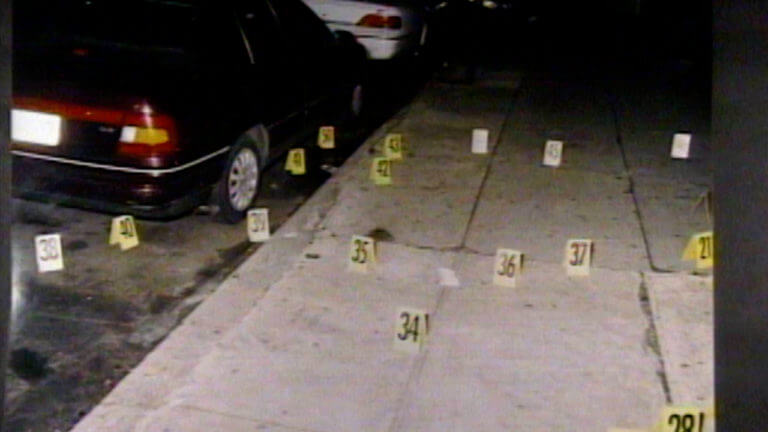
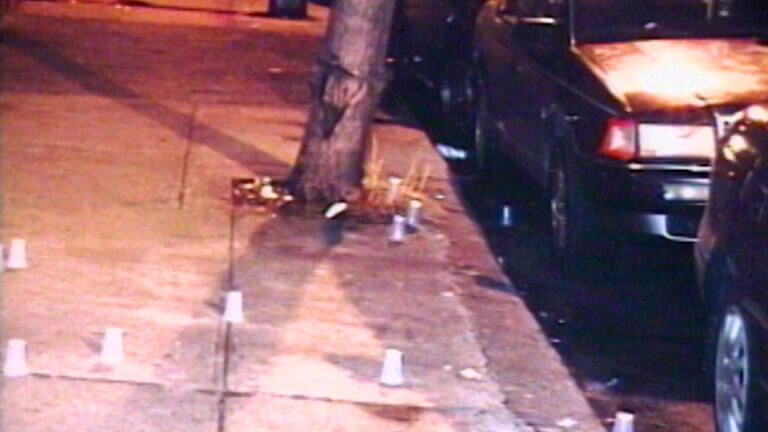
    Amadou Diallo was unarmed when he was killed by police in a fusillade of 41 bullets outside his Bronx apartment house on Feb. 4, 1999. The four officers were acquitted of all state criminal charges on Feb. 25, 2000.    
   
  • Verdict: Acquittal
  • Full coverage
  •    
       
  • Amadou Diallo
  • The officers
  • The judge
  •    
       
  • Case timeline
  •    
       
  • Meet the jury
  • Albany v. the Bronx
  •    
       
  • Defendants in the Hot Seat
  •    
       
  • Civil Complaint
  • The Indictment
  • The Autopsy Report
  • Judge's Letter Denying McDonald Admission to Trial
  • Opening Statements Transcript
  • Defense's Change of Venue Motion
  • Judge's Camera Access Decision
  • Diallo's Asylum Application
  • Jury Instructions
  •    
     

    ©2007 Courtroom Television Network LLC. All Rights Reserved.
    Terms & Privacy Guidelines

    Small Court TV Logo