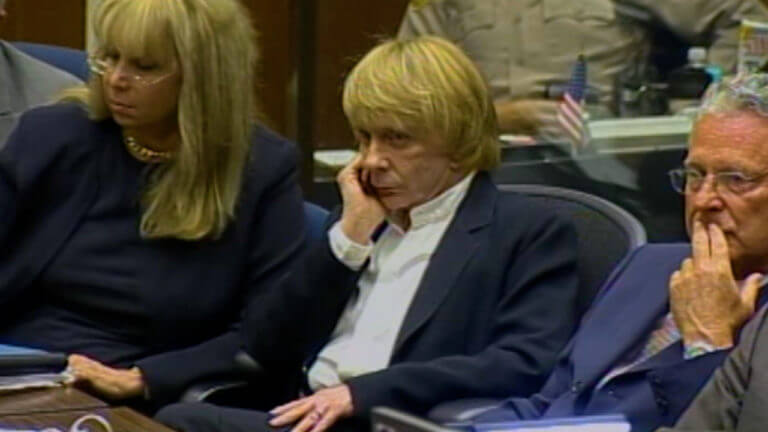
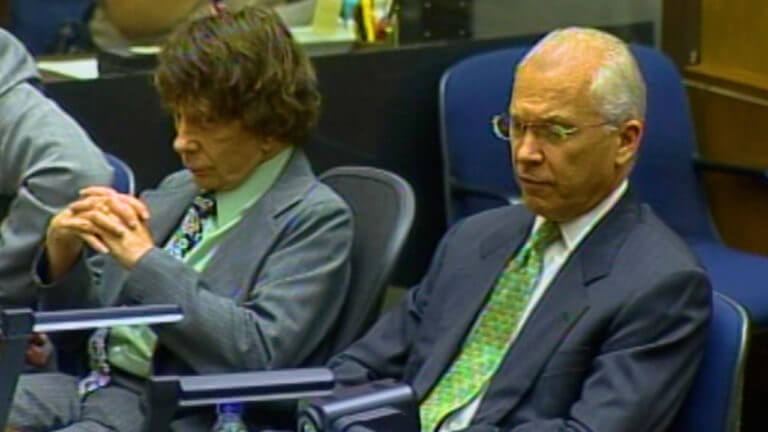
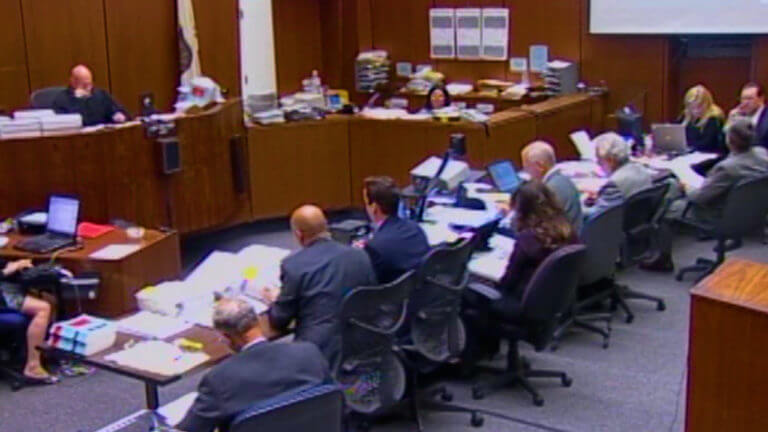
LOS ANGELES — Jurors deadlocked over Phil Spector's guilt said Wednesday that they were divided over a number of issues, including one particular jury instruction about reasonable doubt that the judge later removed from their consideration.
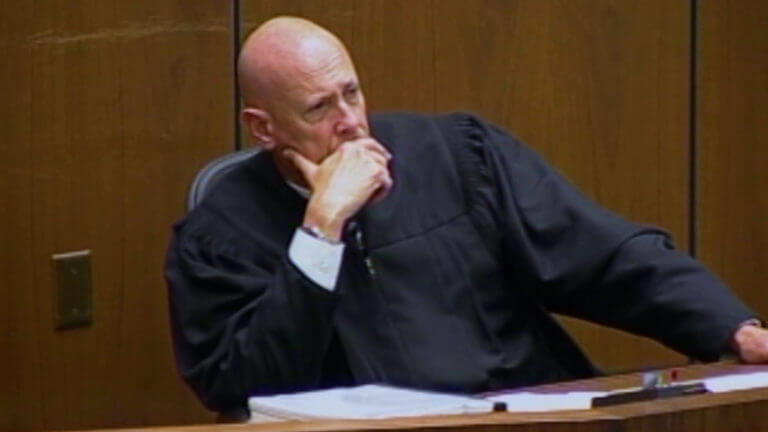
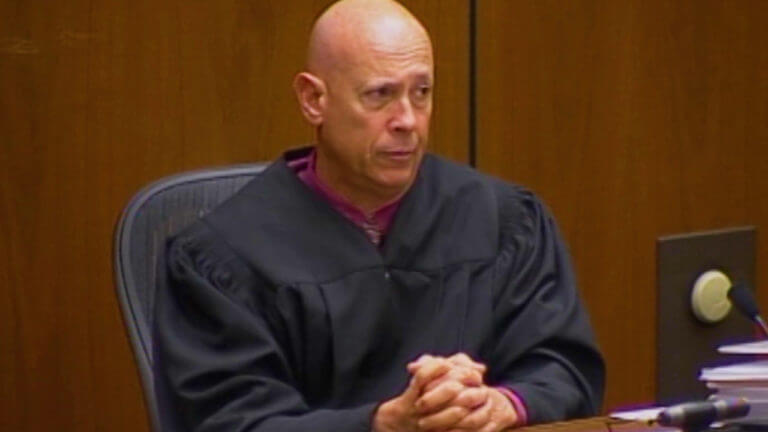
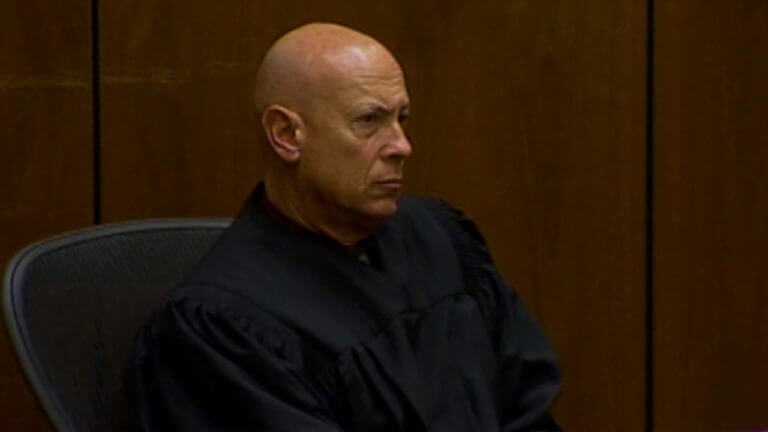
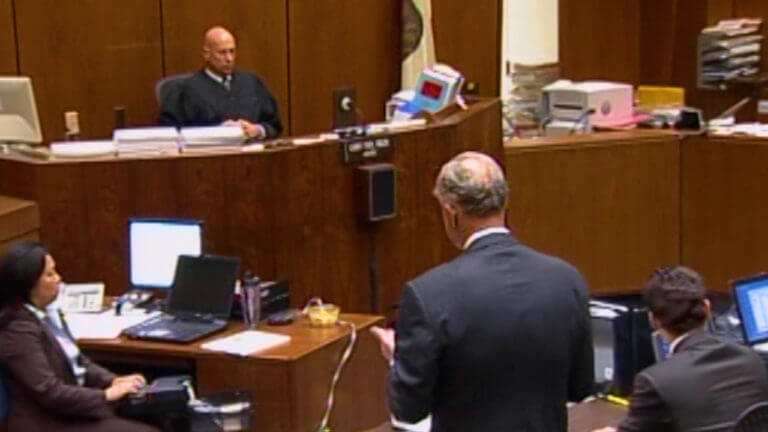
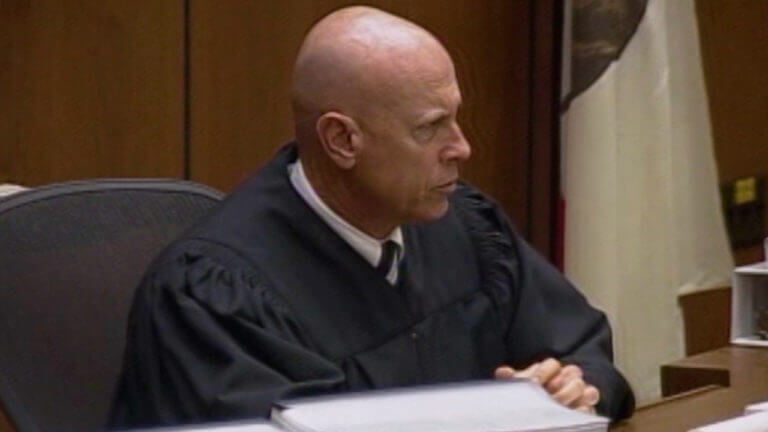
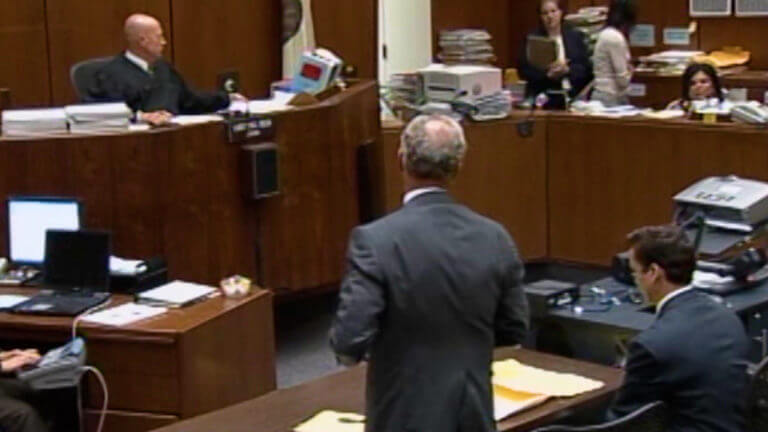
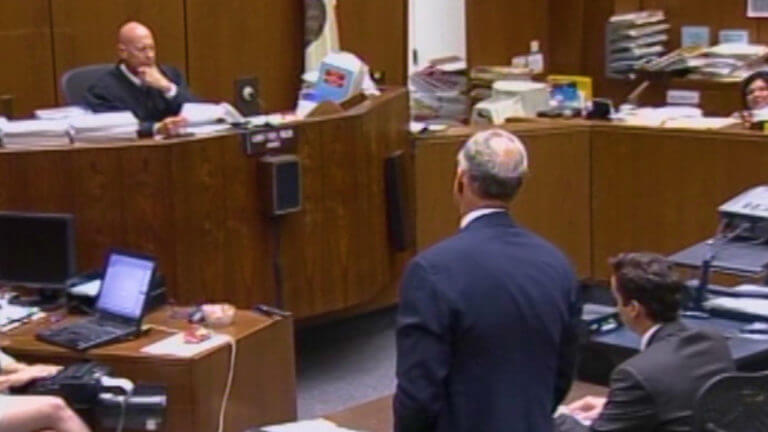
Los Angeles County Superior Court Judge Larry Fidler said he had reviewed the four-sentence instruction, known as Special Instruction 3, after three jurors identified it as an area of disagreement in the jury room. He said that upon rereading the defense-authored instruction, he concluded "it misstates the law" and should never have been included with the standard instructions given to jurors.
The panelists, who halted seven days of deliberations Tuesday when they announced they were deadlocked 7 to 5 on a second-degree murder count, are to resume their work Thursday morning, but with Special Instruction 3 removed from their packets of legal information.
"I think there's some good news here," Fidler told the panel as he dismissed them for the day. He said he hoped new instructions "may benefit you in your deliberations."
He later told the lawyers, "This jury is not hung. They are at an impasse."
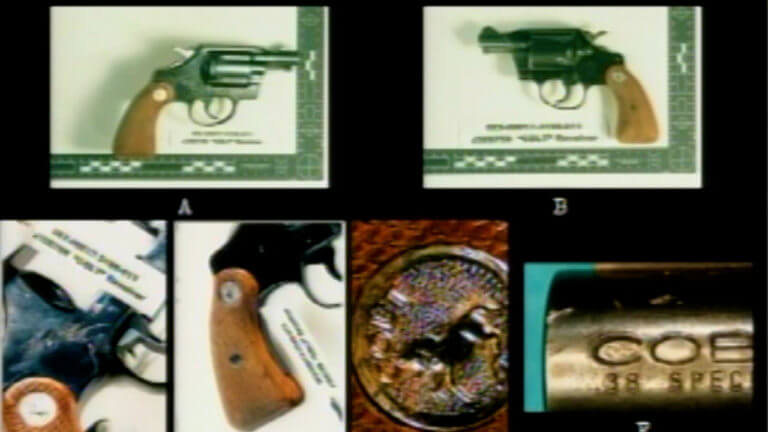
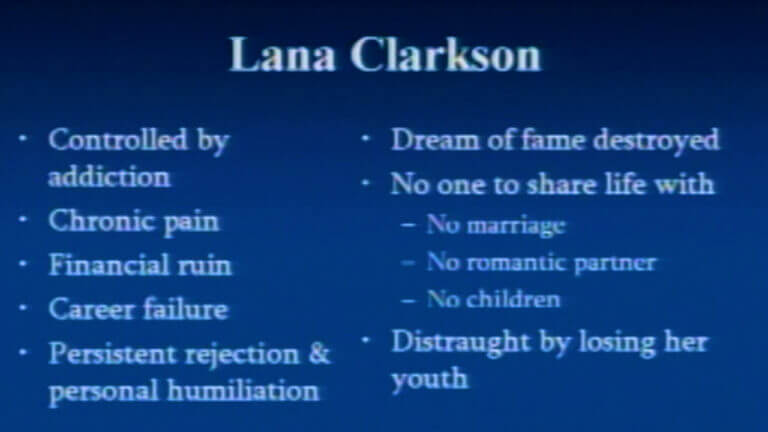
Special Instruction 3 lays out prosecutors' theory of the 2003 death of Lana Clarkson in Phil Spector's mansion. The instruction reads, in part, "It is the prosecution's contention that the act committed by the defendant that caused the death of Ms. Clarkson was to point a gun at her, which resulted in that gun entering Ms. Clarkson's mouth while in Mr. Spector's hand."
It concludes, "If you do not find that the prosecution has proved beyond a reasonable doubt that the defendant committed that act, you must return a verdict of not guilty."
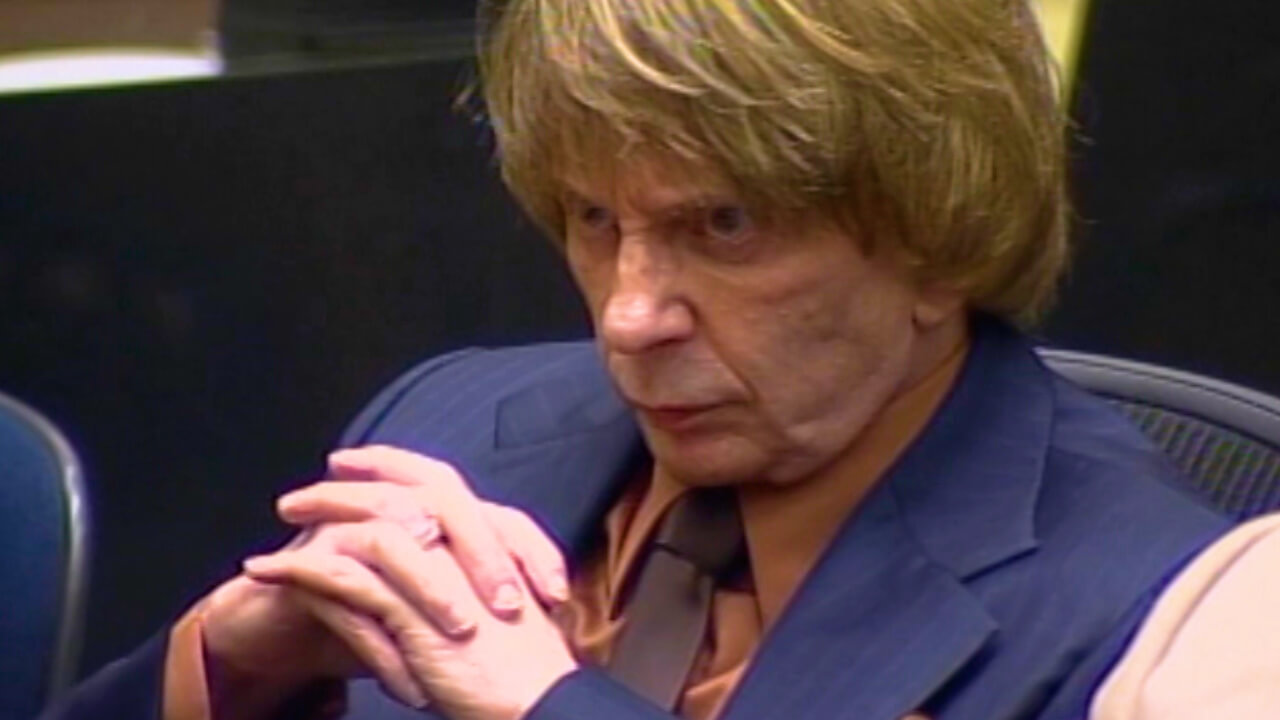
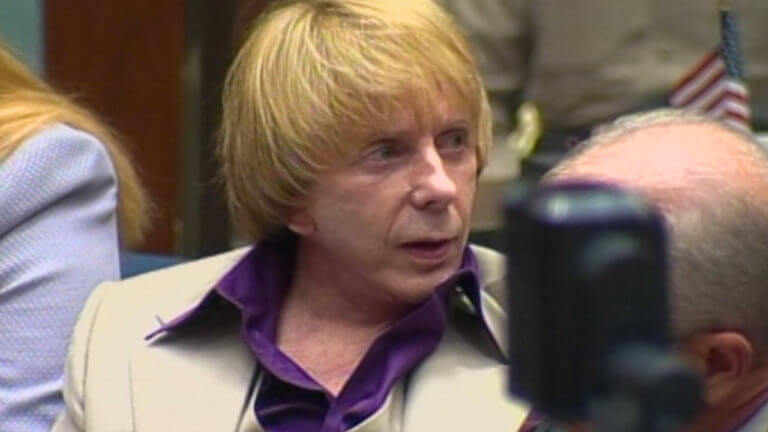
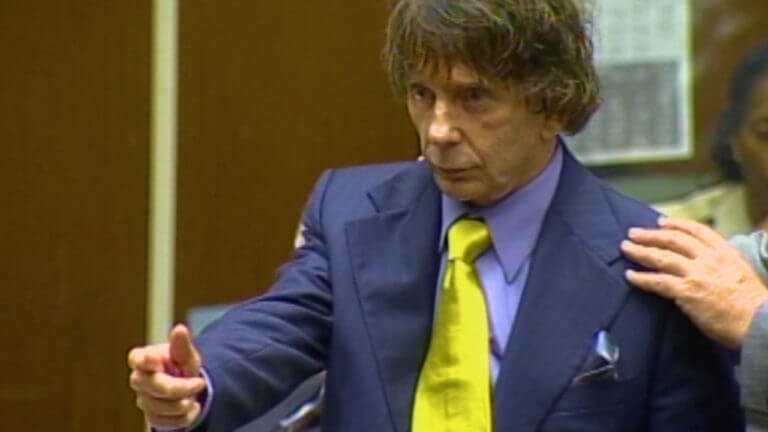
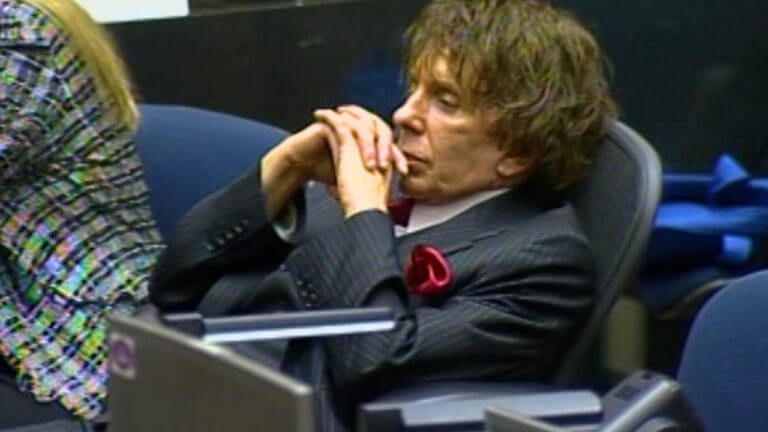
Spector, 67, maintains Clarkson took her own life, either by accident or suicide.
At the close of testimony in the case, prosecutors agreed to the instruction, which was proposed by the defense, and the judge approved it. But Fidler told lawyers Wednesday that the final sentence of the instruction was in fact legally incorrect.
He said the law requires prosecutors to prove beyond a reasonable doubt only the elements of second-degree murder, not how that murder occurred.
The jurors who raised questions about the instruction indicated a difficulty reconciling it with the evidence.
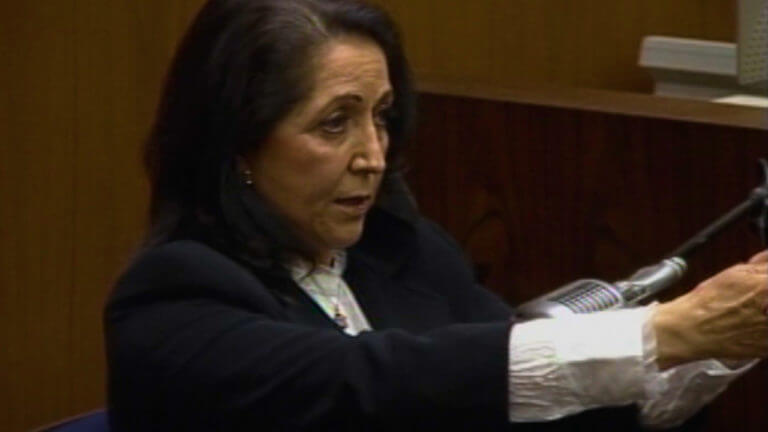
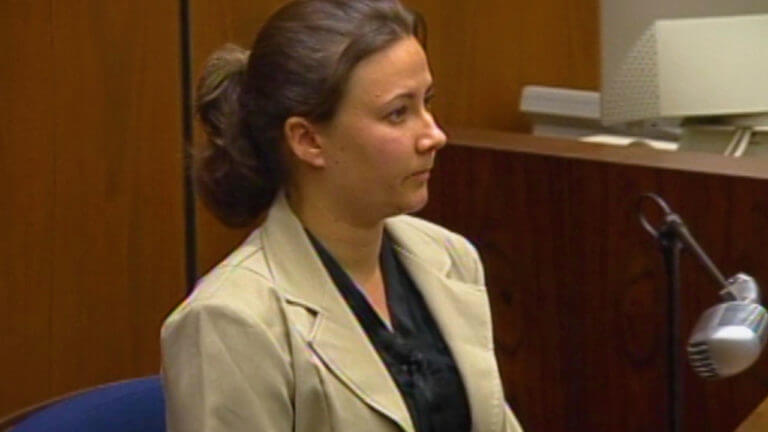
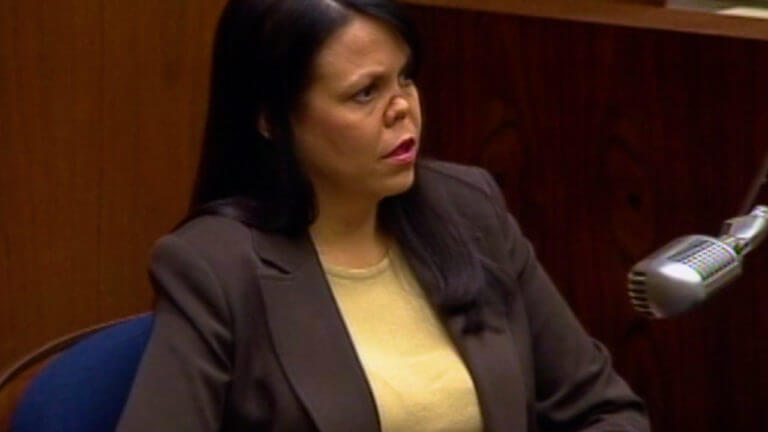
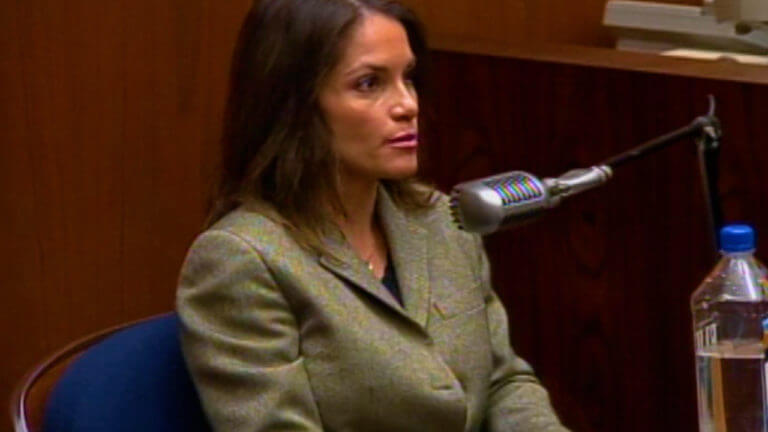
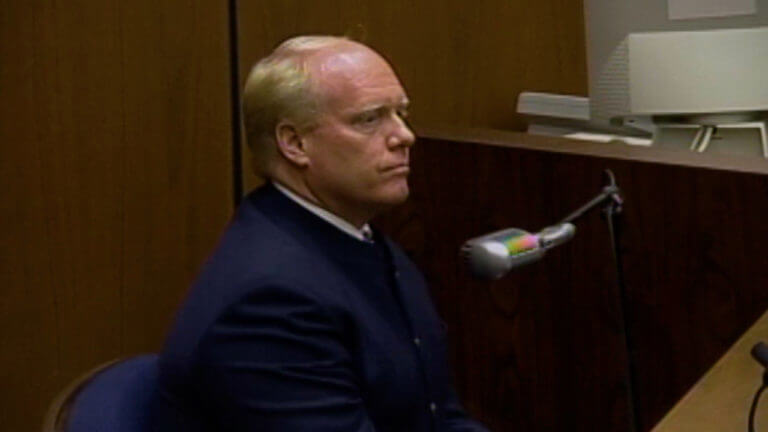
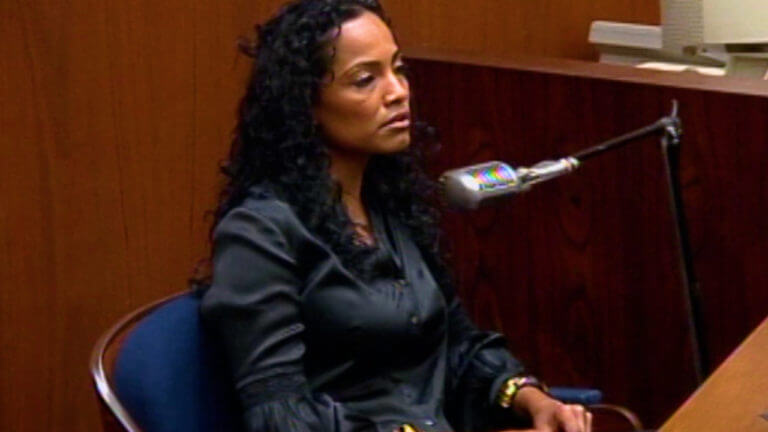
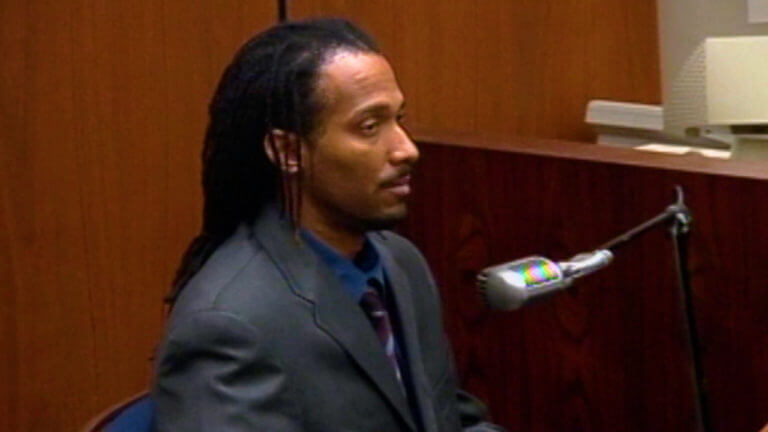
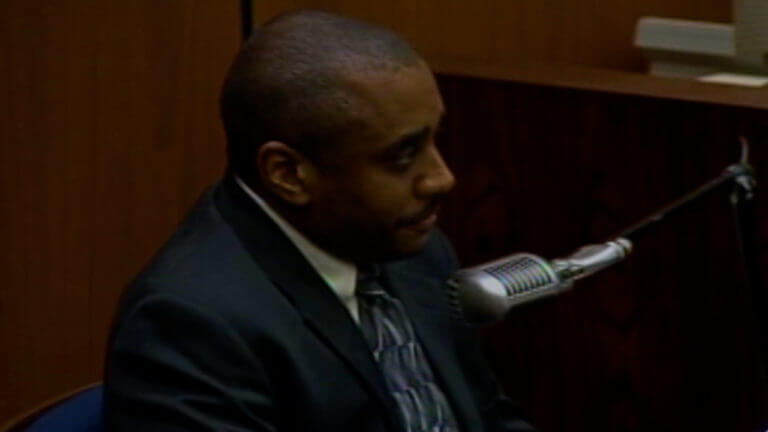
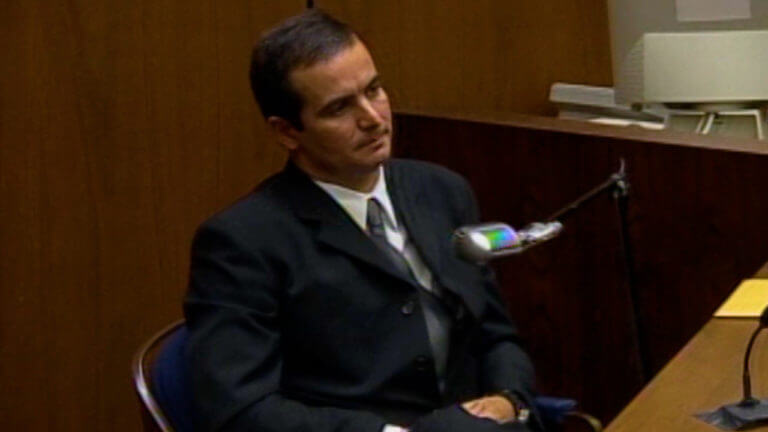
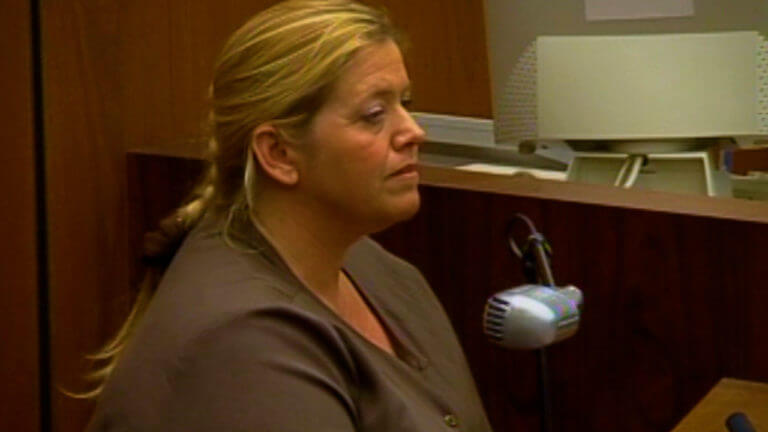
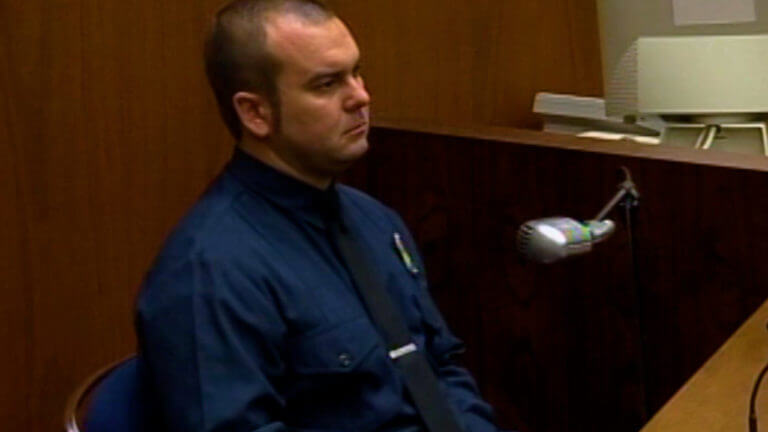
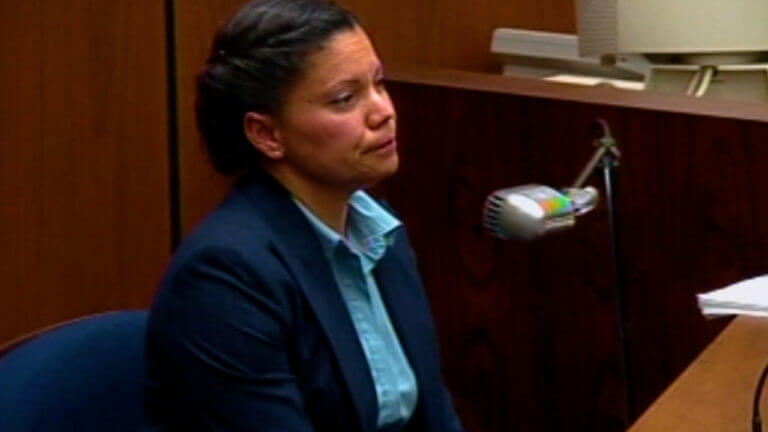
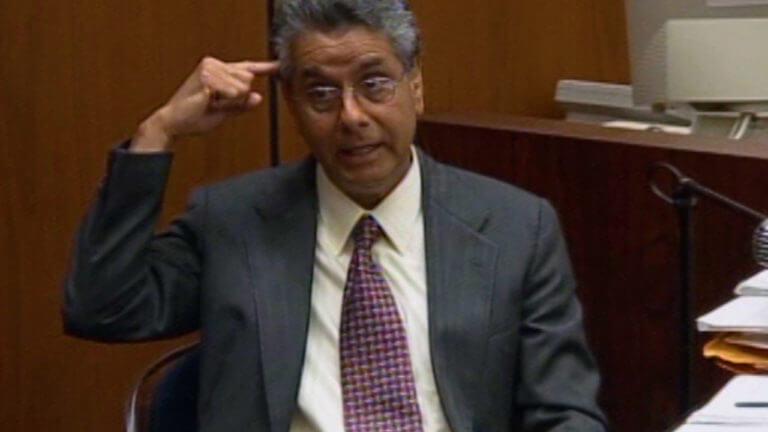
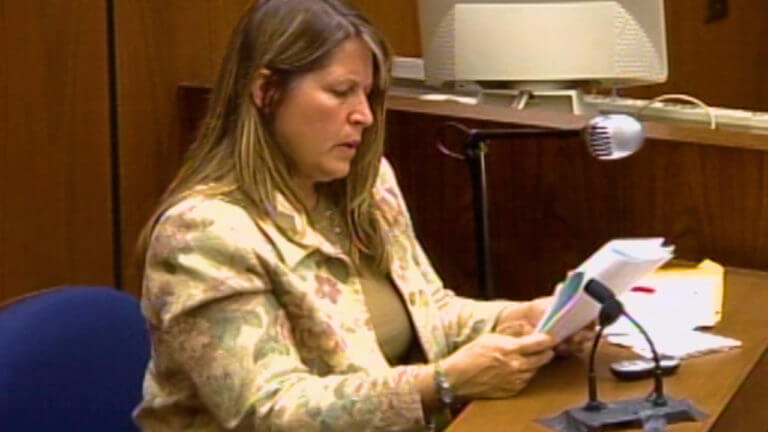
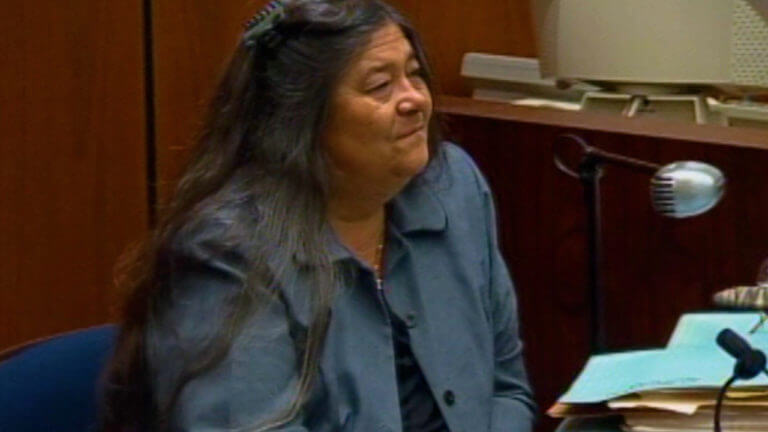
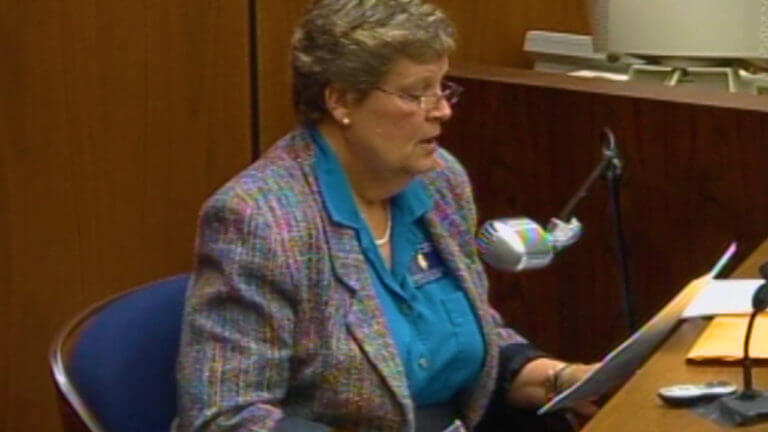
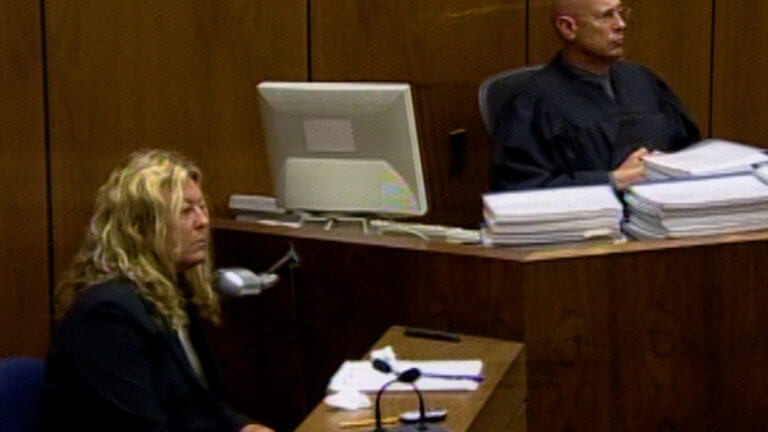
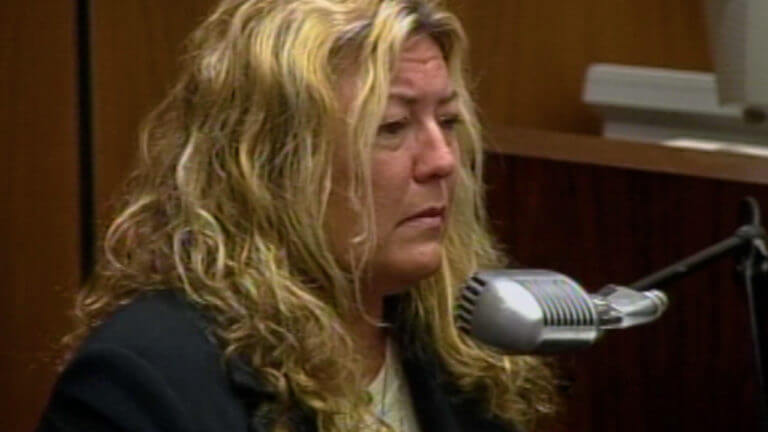
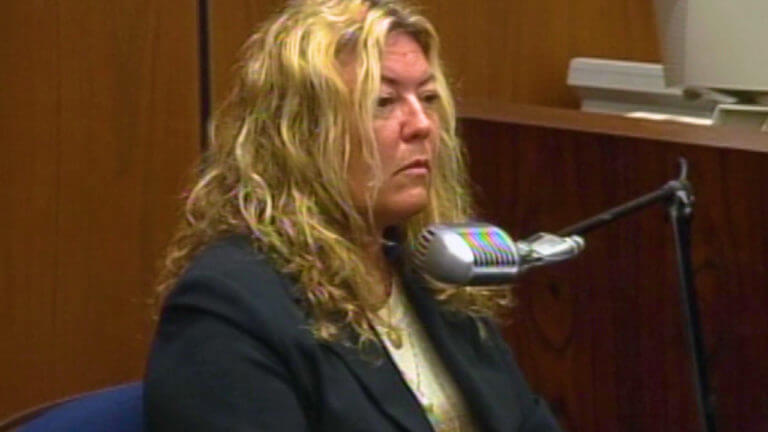
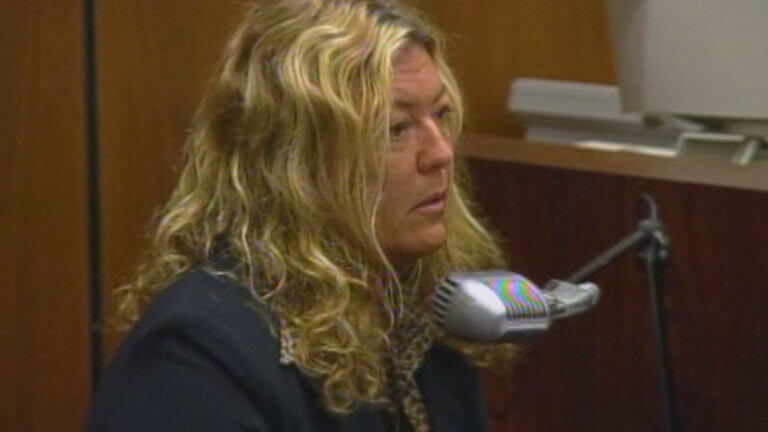
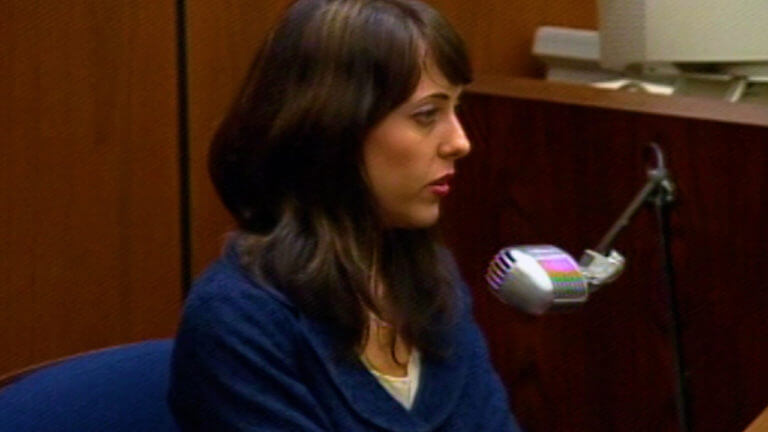
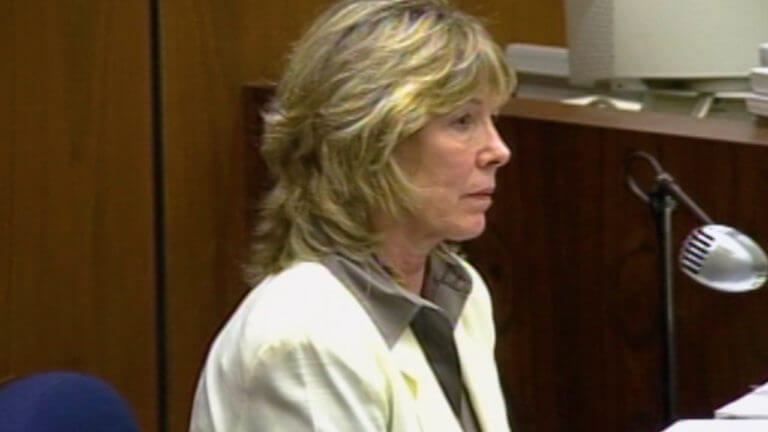
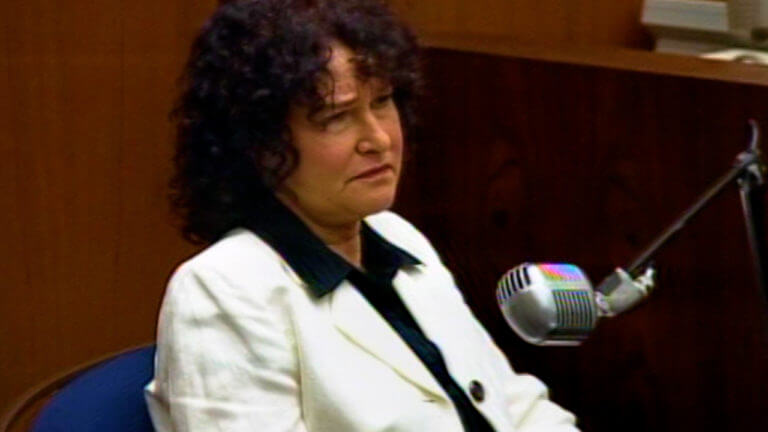
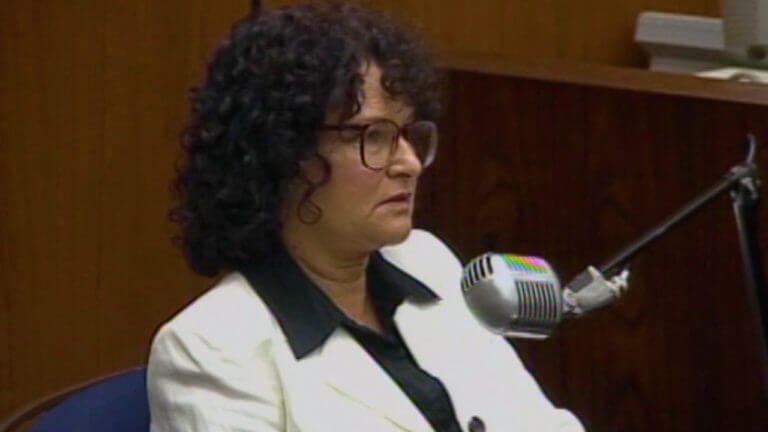
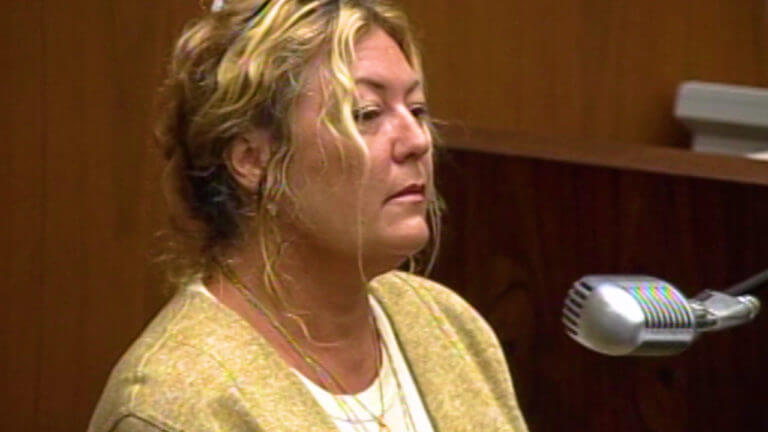
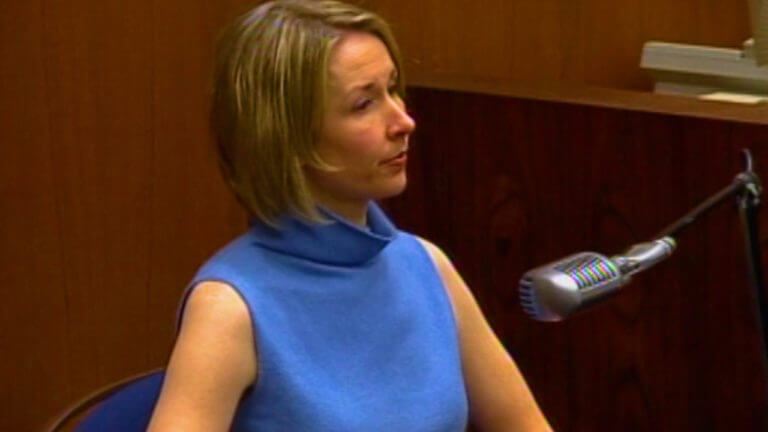
One female panelist, an administrative assistant, said of Special Instruction 3, "Taking that instruction by itself, that's where some of us have that kind of problem, standing on that alone instead of the total picture."
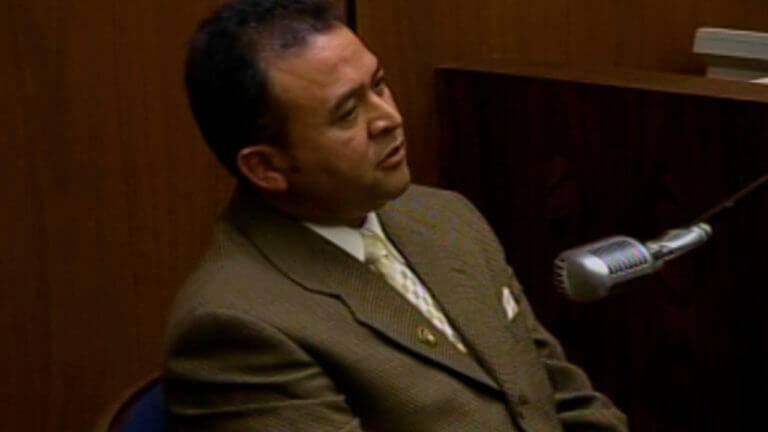
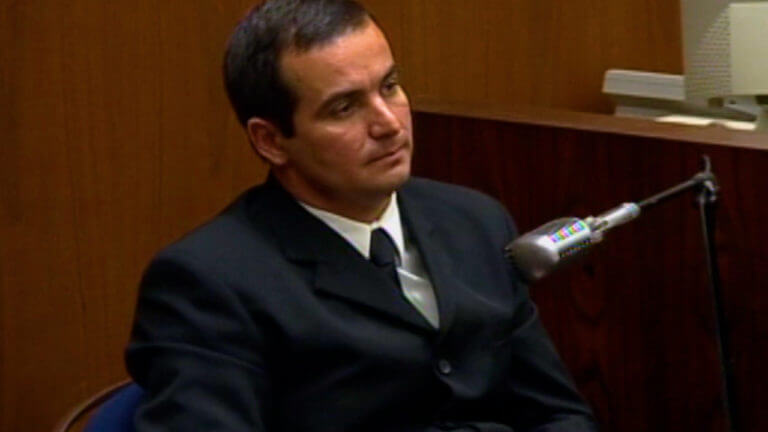
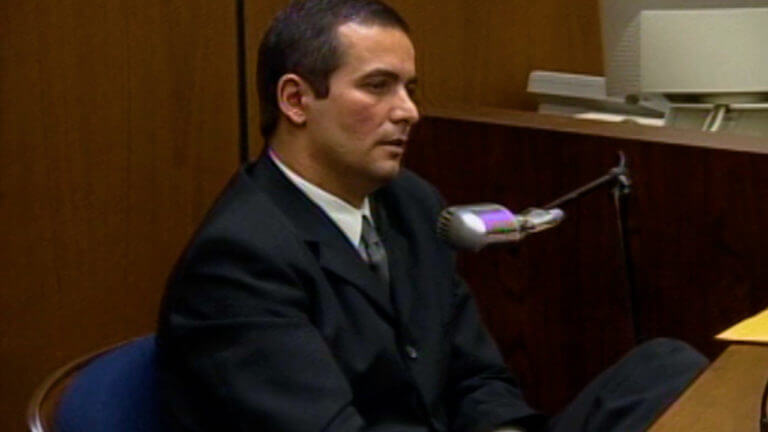
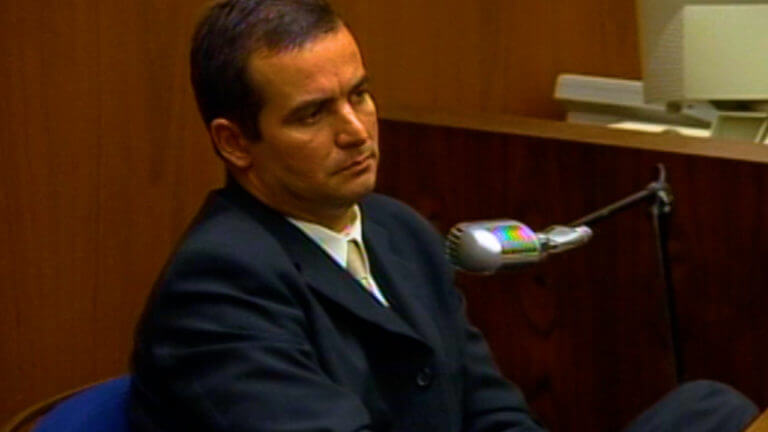
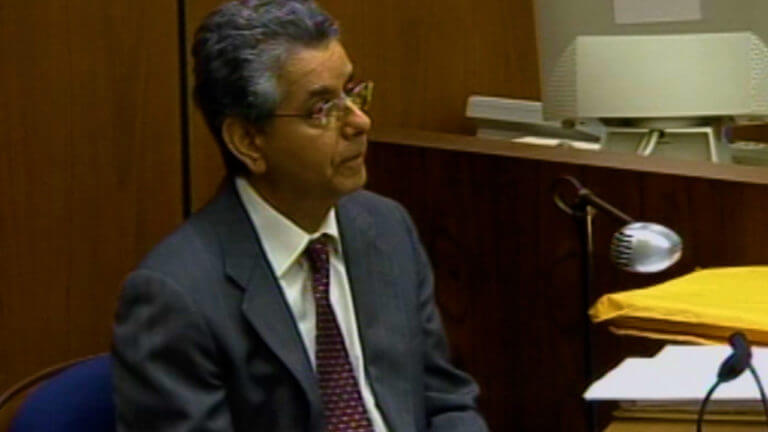
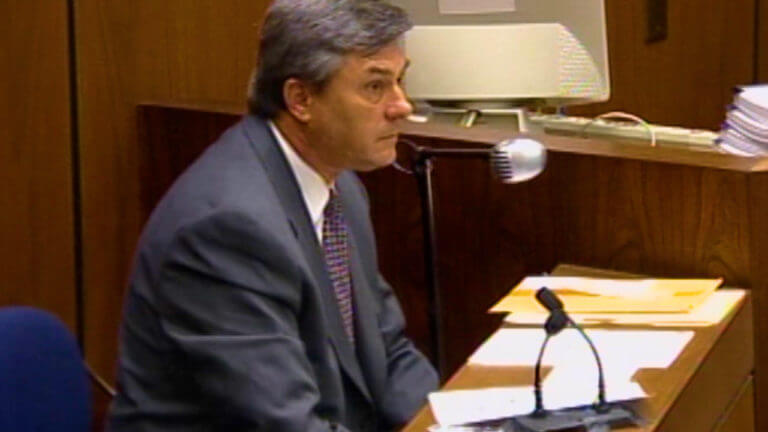
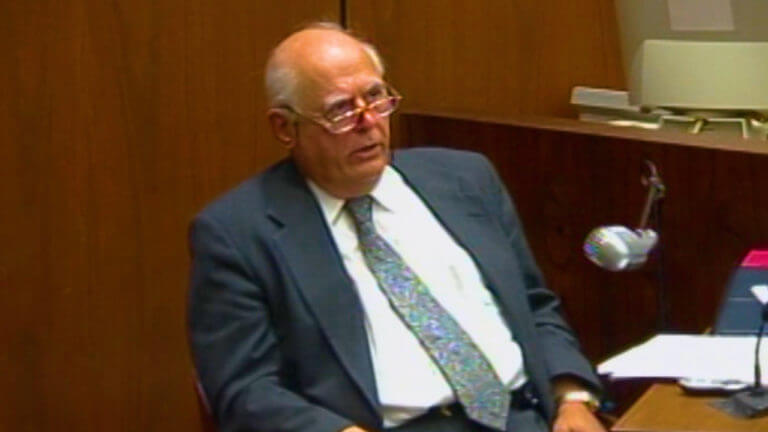
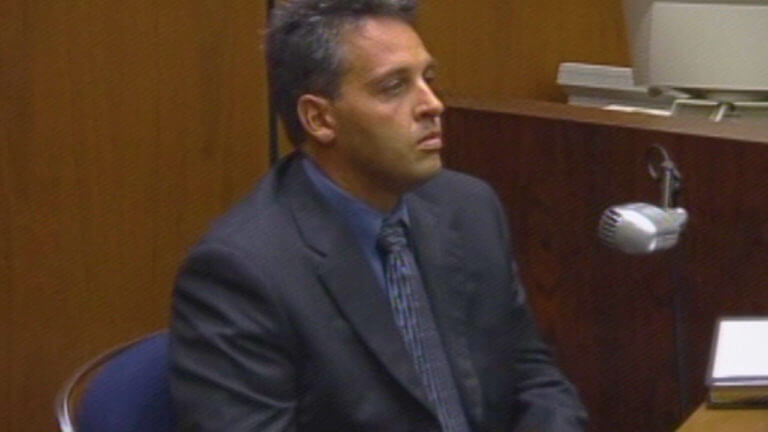
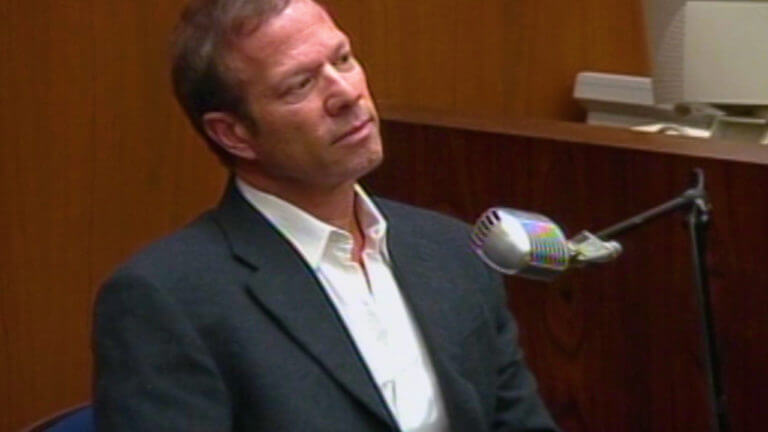
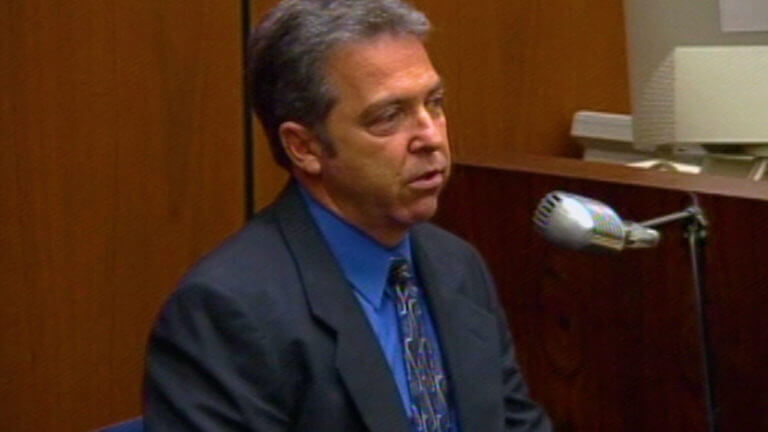
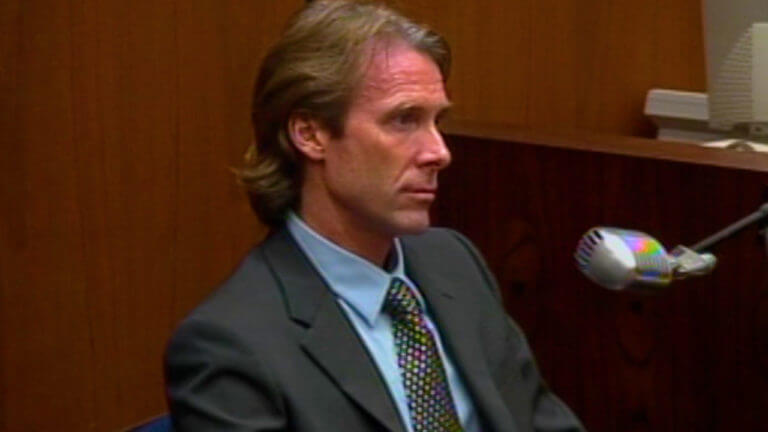
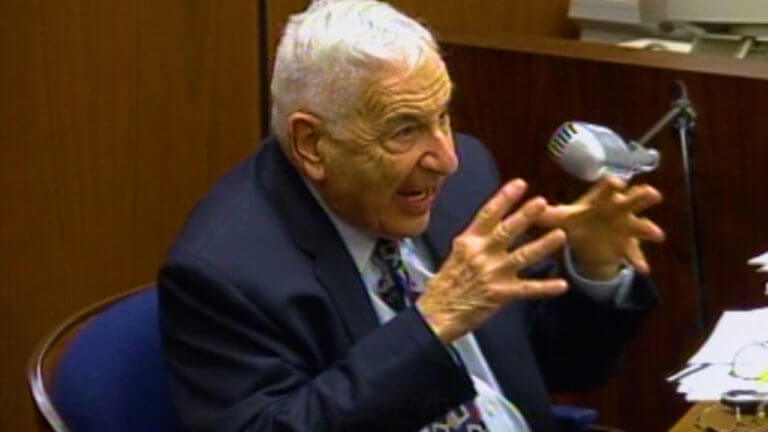
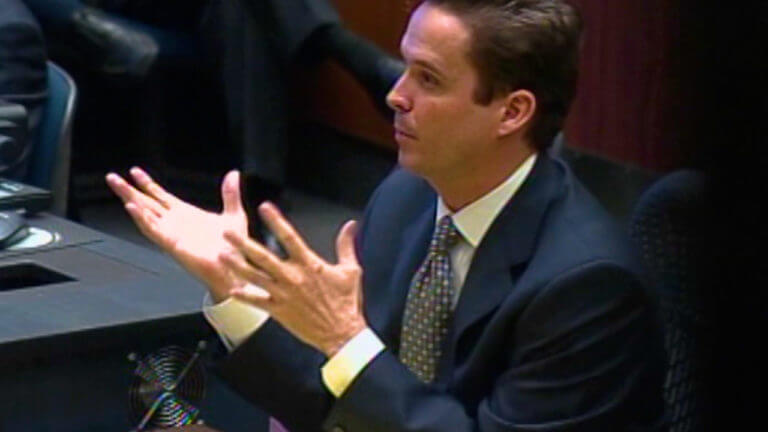
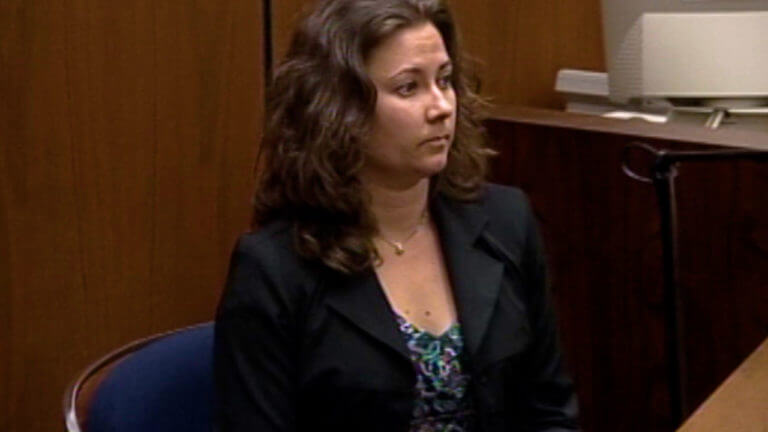
A male juror, a producer for "Dateline NBC," added that some on the panel "have a question about whether every element of that instruction must be proved beyond a reasonable doubt."
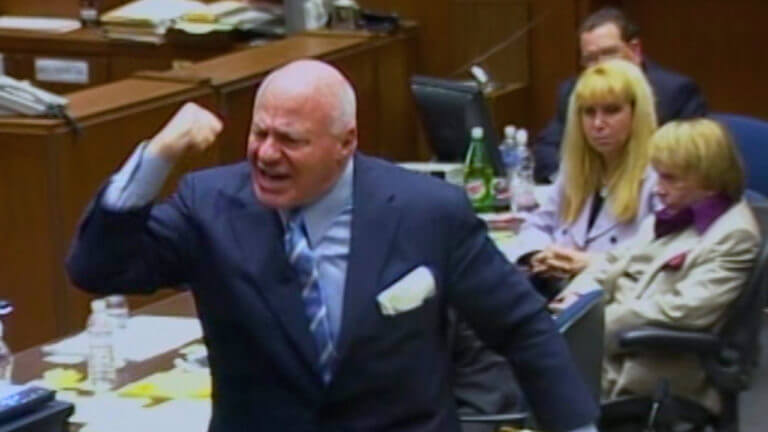
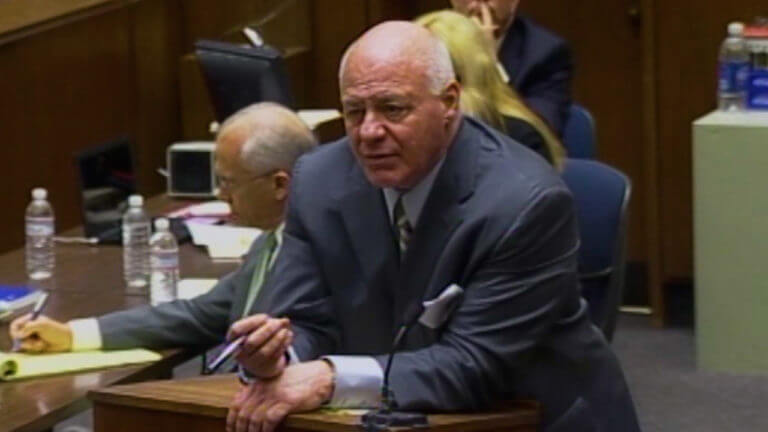
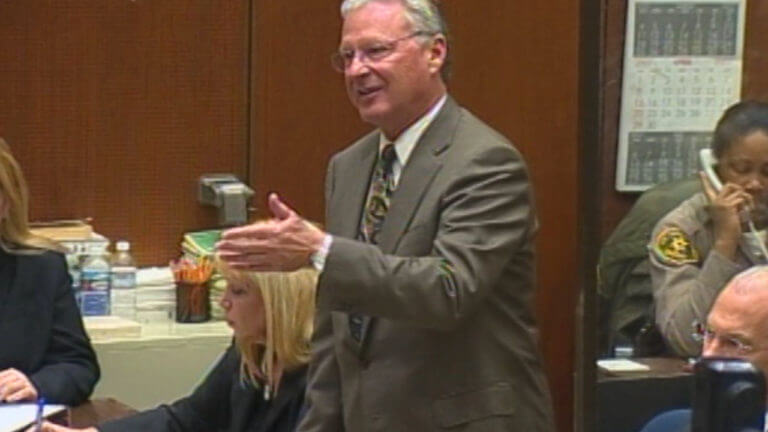
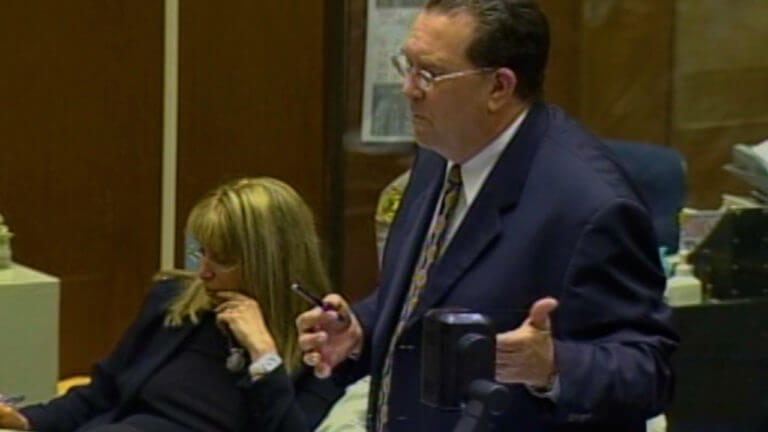
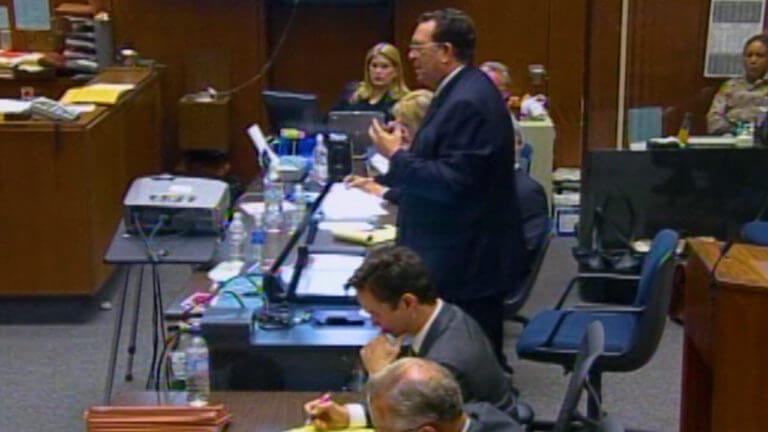
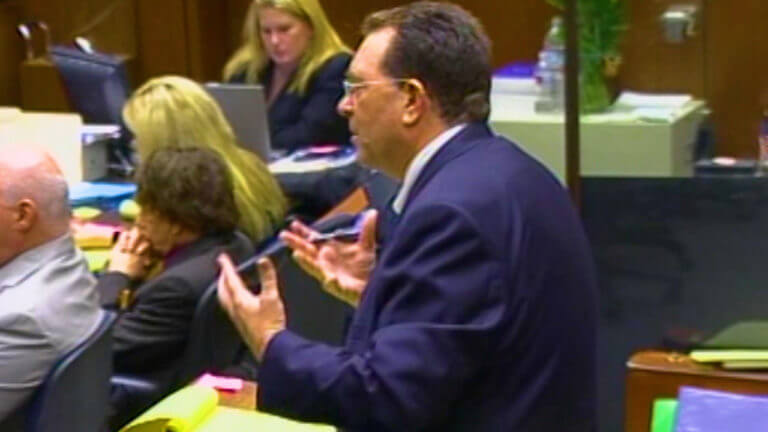
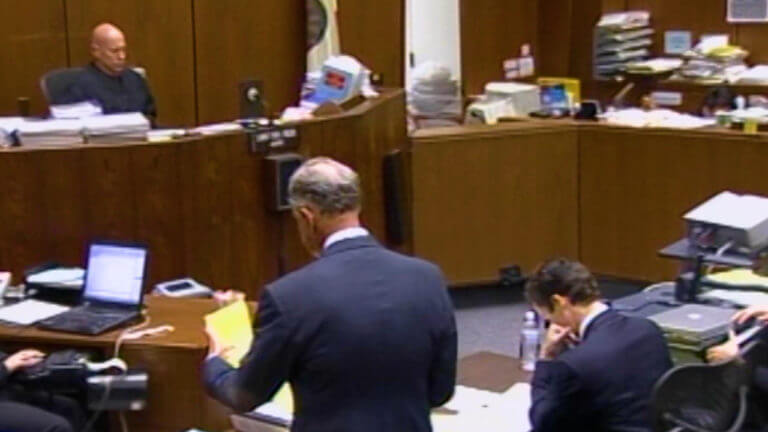
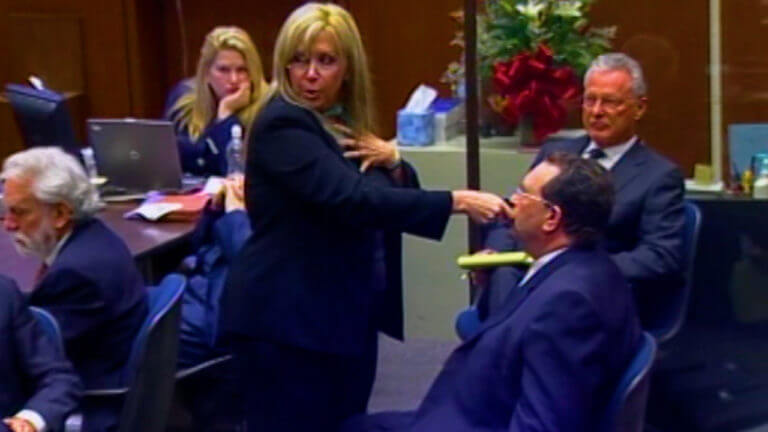
The defense, which had argued strongly against removing the instruction, moved for a mistrial. The request was denied. Dennis Riordan, a defense lawyer, told the judge that, by changing instructions that had formed the basis for at least part of the jury split, Fidler was sending dissenting jurors a message that they were in the wrong.
He said the jurors' discussion in open court of their disagreement made "virtually any direction to go back and consider a case ... coercive."
The jurors have not said whether the majority favors acquittal or conviction.
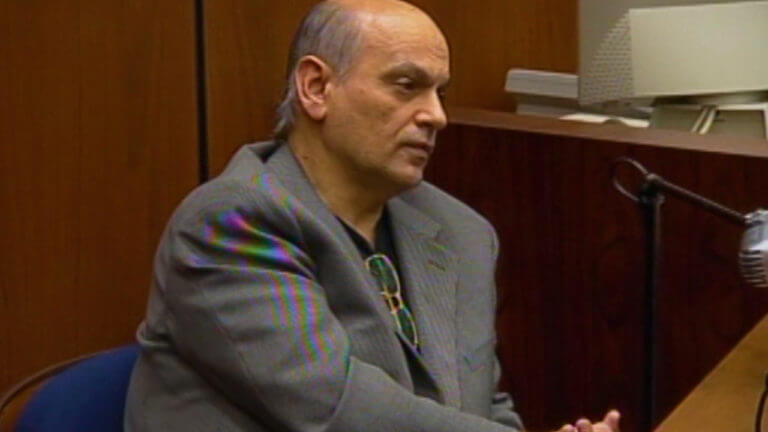
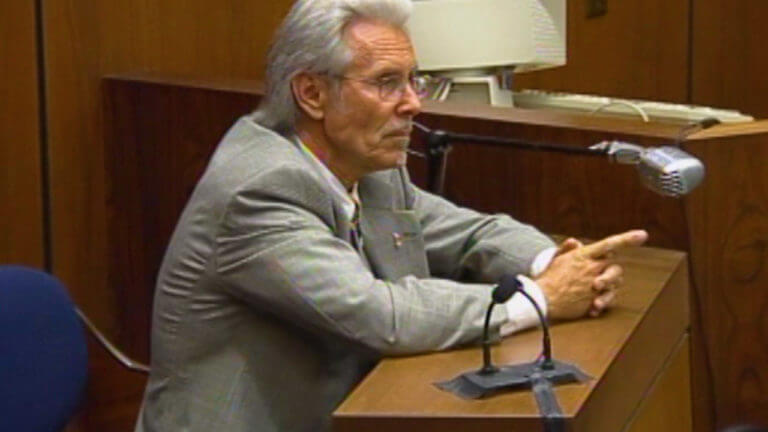
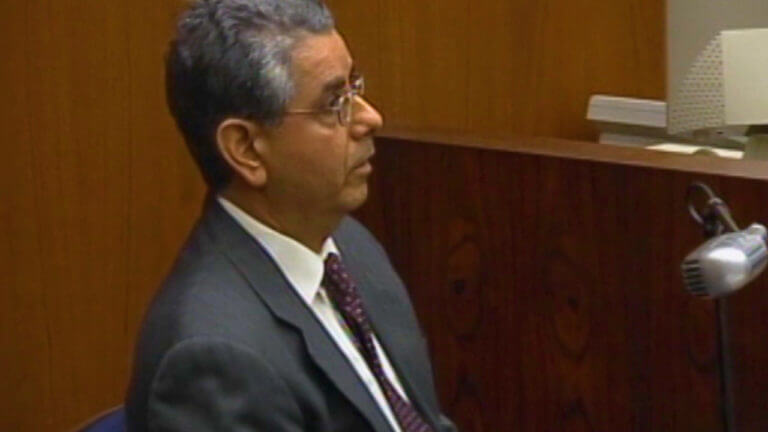
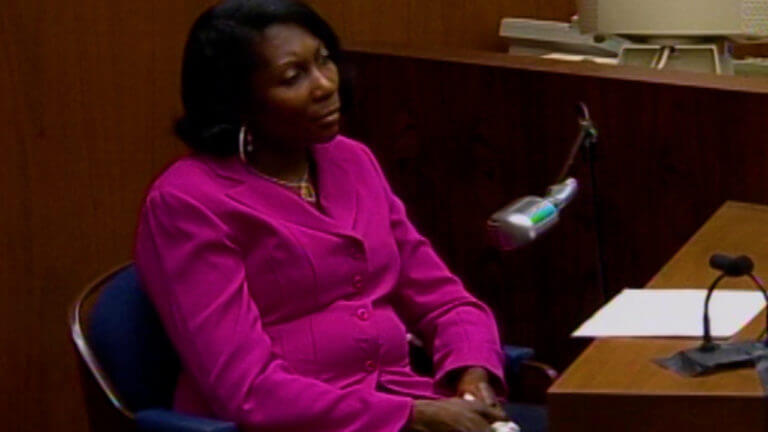
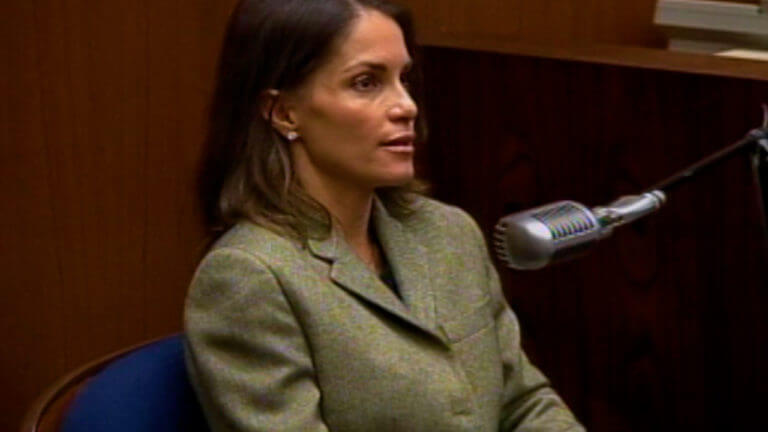
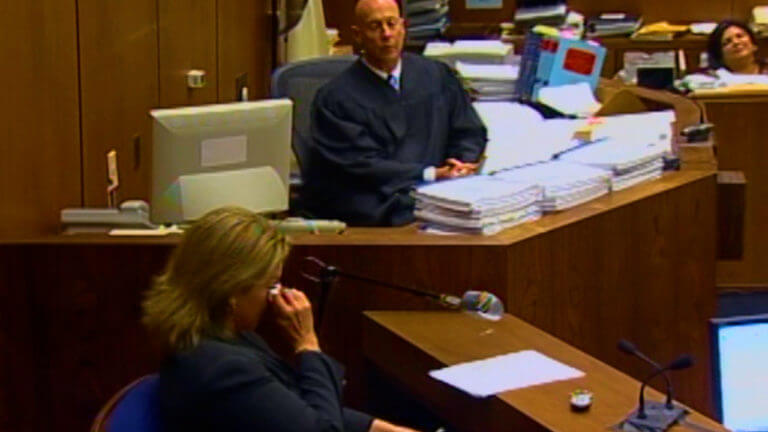
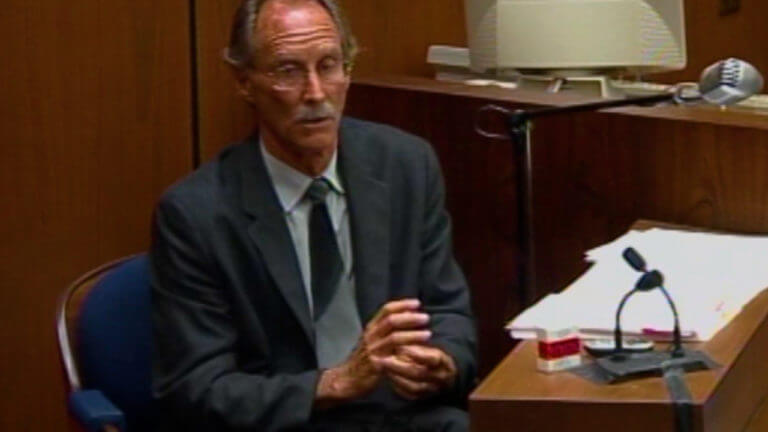
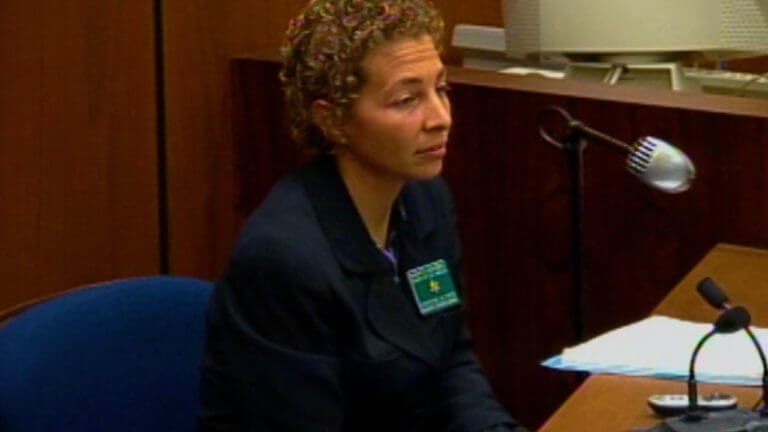
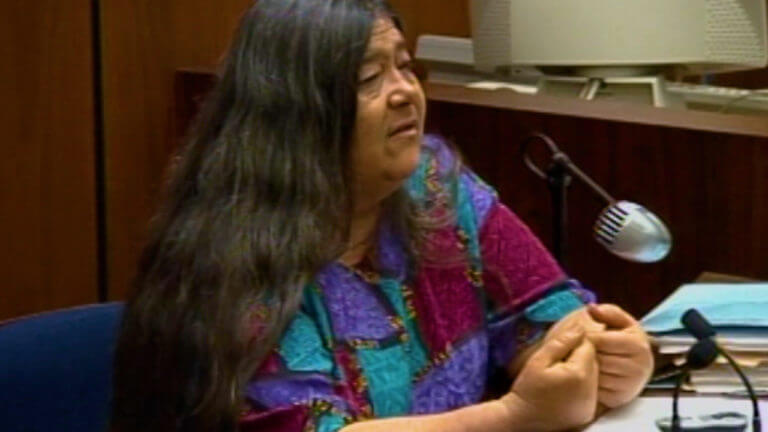
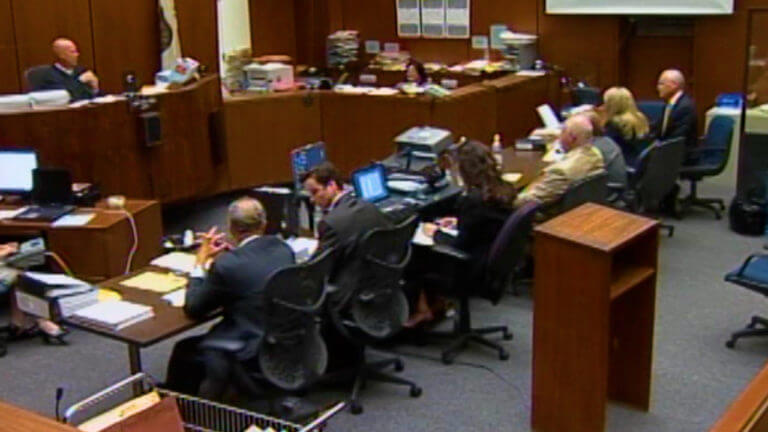
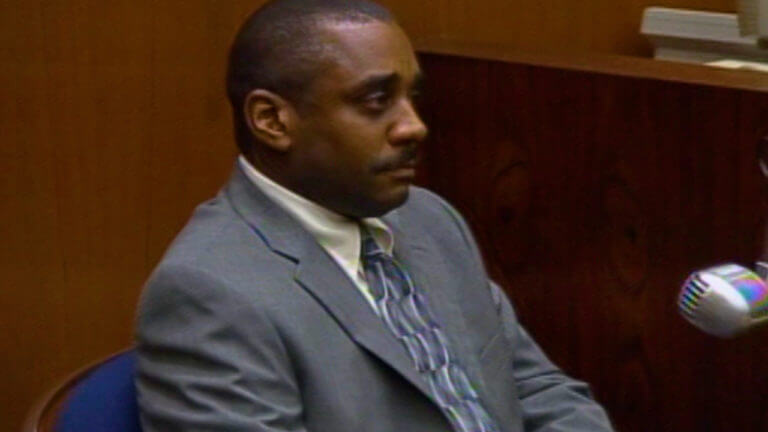
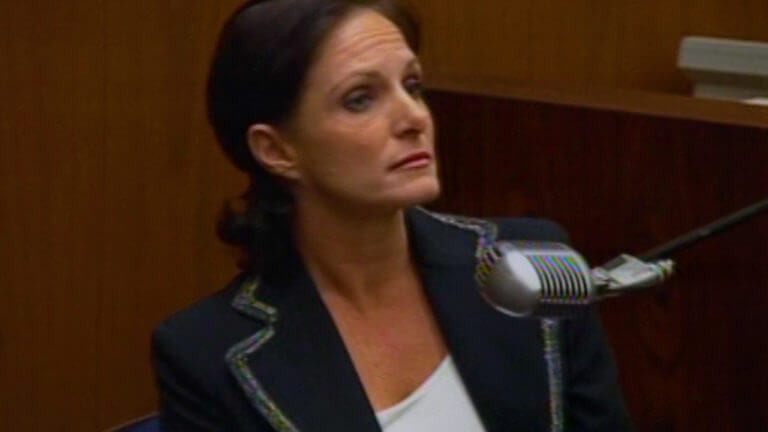
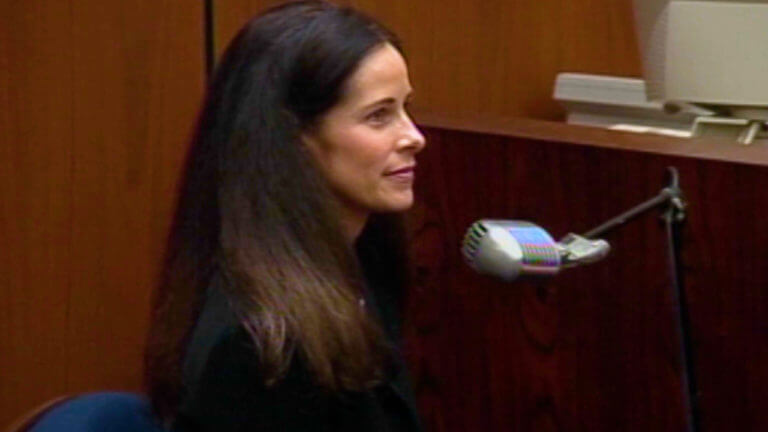
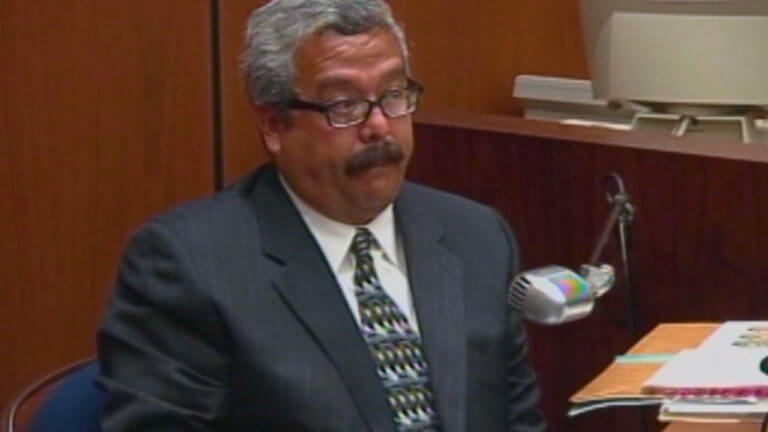
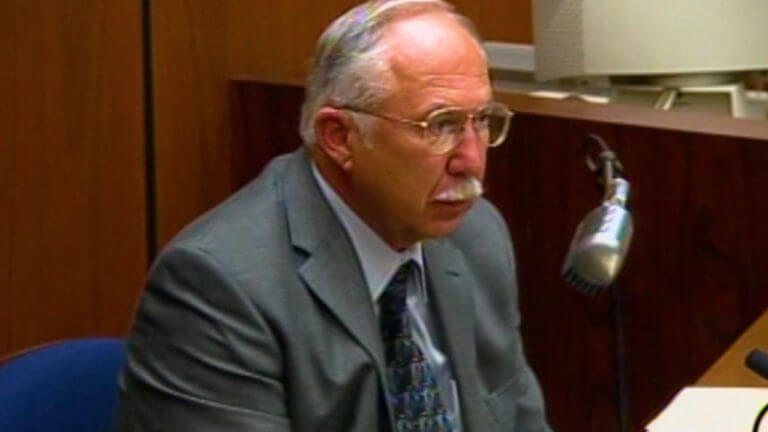
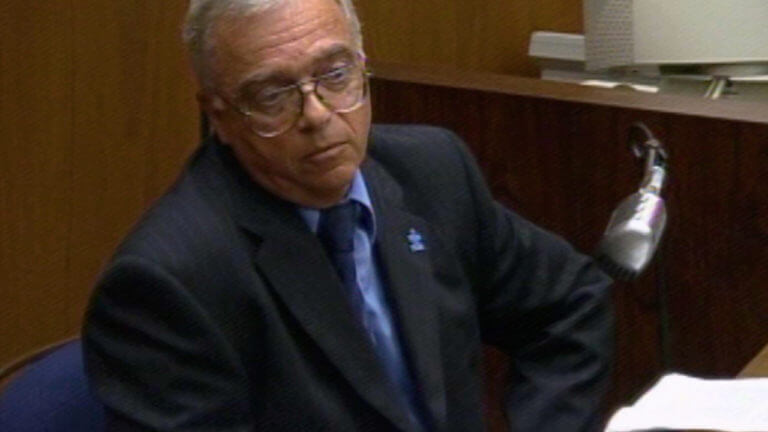
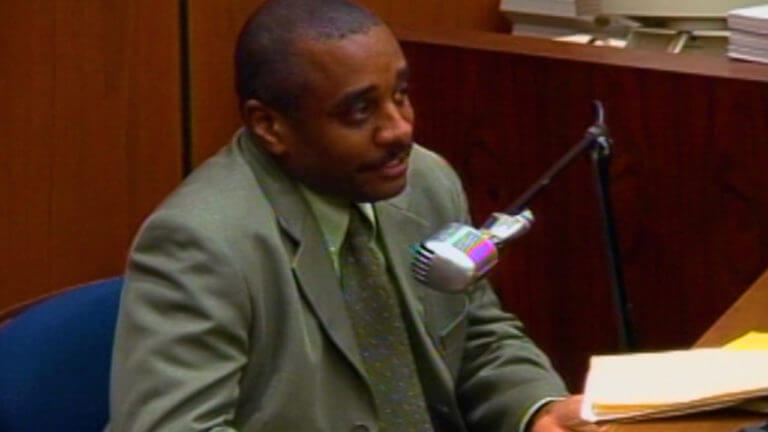
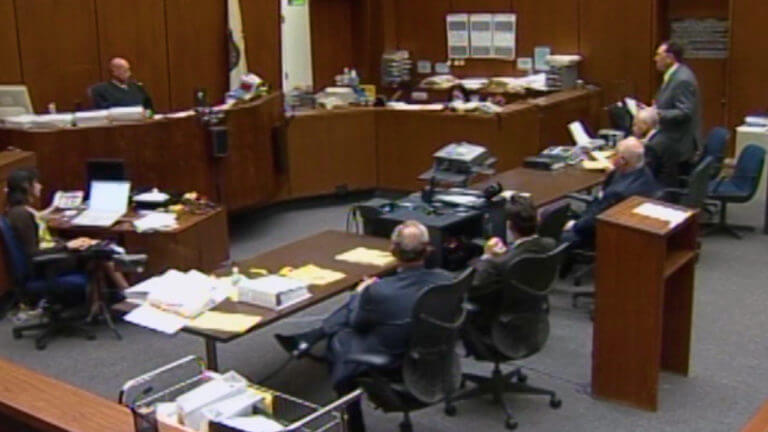
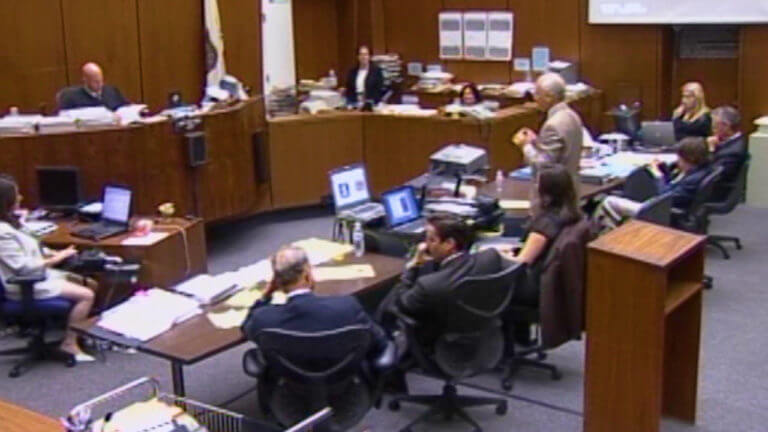
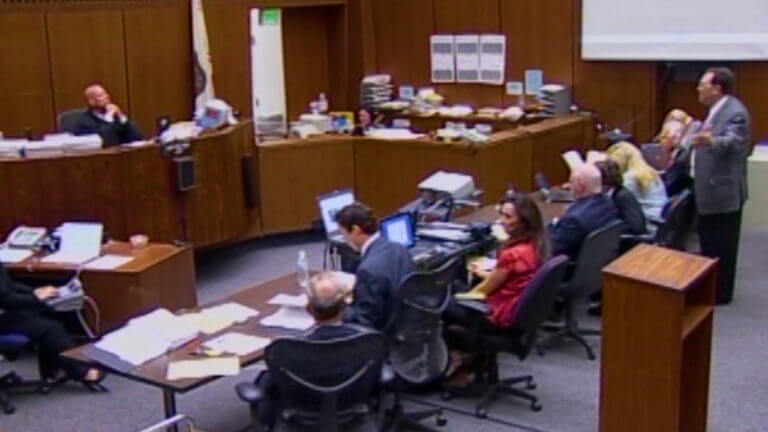
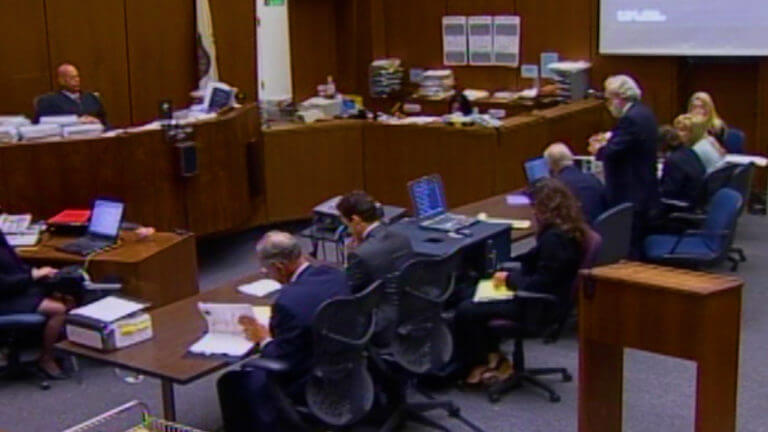
During a 10-minute discussion with the judge about possible guidance he could offer to break the deadlock, the jurors sounded a serious, but not hostile tone. Seven of the panelists spoke about their discussions. (VIDEO)
In addition to addressing Special Instruction 3, the panelists described other difficulties, including a lack of access to the garments Spector wore the night off the shooting, the difficulty of some jurors to distinguish "reasonable doubt" from any doubt, and differences between jurors about what importance to assign evidence.
"Different jurors give different weighting to the individual facts ... and so that is causing some discussion about whether the totality of one is reasonable to the totality of the others," the foreman said.
They did not speak about specific pieces of evidence or identify which jurors favored acquittal and which favored conviction.
The judge said he would tell jurors Thursday that Spector's clothing was not entered into evidence and therefore not available for them to inspect. He said the other questions would be answered with a lengthy instruction encouraging them to deliberate.
Fidler's change of mind on the instruction came as he backtracked on a plan he had proposed Tuesday to re-open the case and give the jurors the choice of a lesser charge, involuntary manslaughter, in addition to murder.
Fidler said he was no longer certain that the 1999 case that prompted him to reconsider manslaughter applied to Spector's trial. He also said that giving jurors who had reached a deadlock a new choice on the verdict sheet "is in essence saying to them, in my mind, 'If you can't find him guilty on what you have, try this.'"
"I have a problem with that, and I believe [appellate courts] would have a problem with that," Fidler said.
Spector faces 15 years to life in prison if convicted.
CourtTVnews.com is a part of the Turner Entertainment New Media Network.
Terms & Privacy guidelines