Logo
 
 
Updated Oct. 19, 2004, 10:33 a.m. ET

Expert: Scott Peterson did not stand to profit from wife's murder
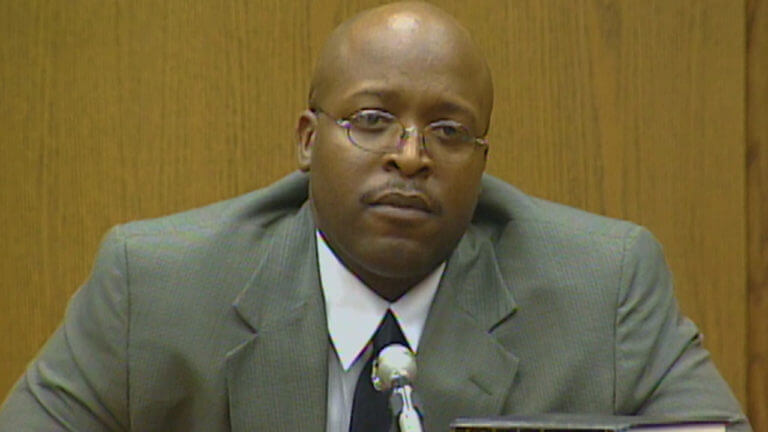
Scott Peterson's finances were not as bleak as prosecutors suggested, according to a financial expert who testified Monday.

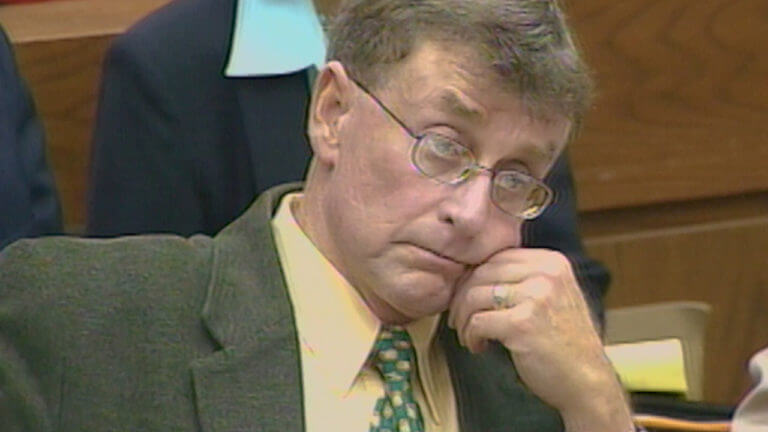
REDWOOD CITY, Calif. — Scott Peterson had no money motive to kill his pregnant wife and unborn son, a financial expert testified Monday, the first day of the fertilizer salesman's defense.

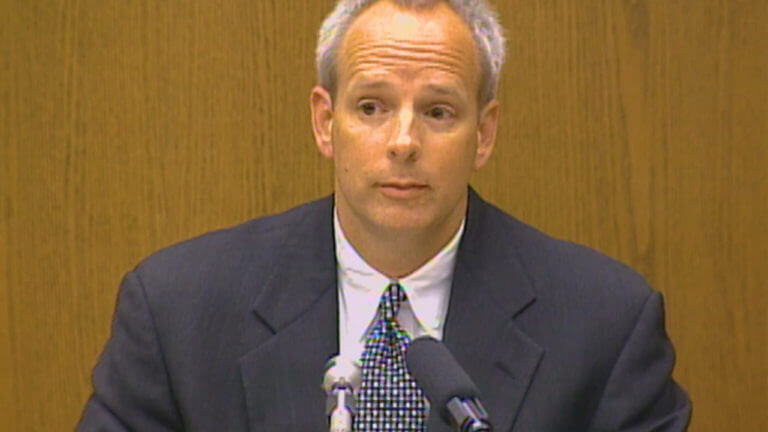
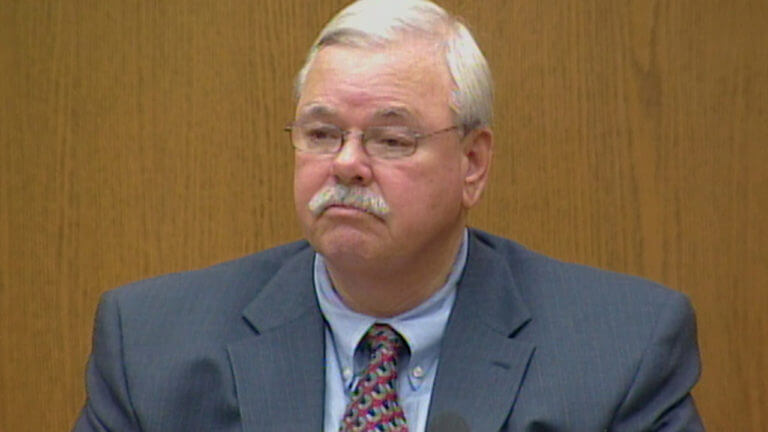
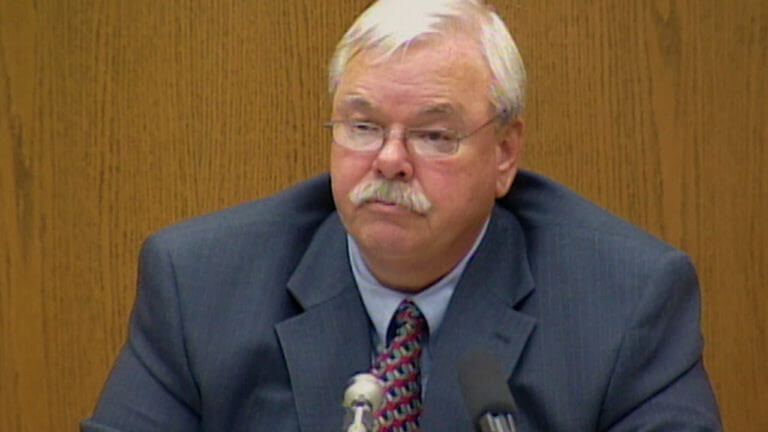
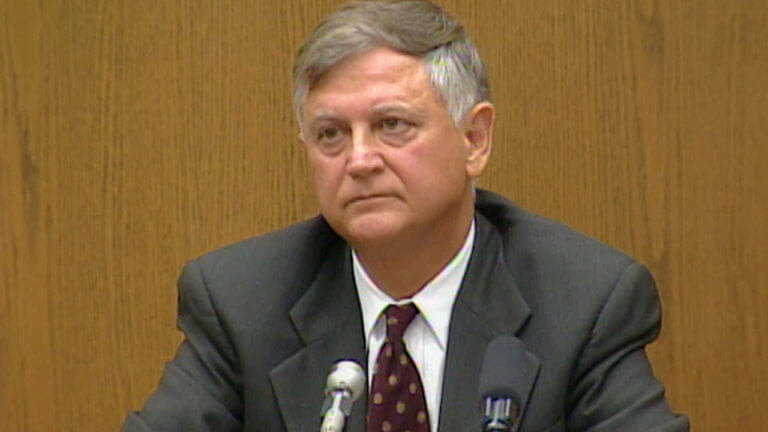
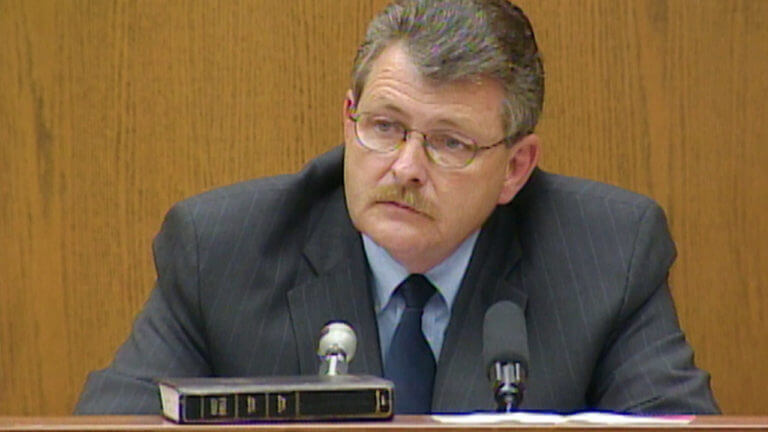
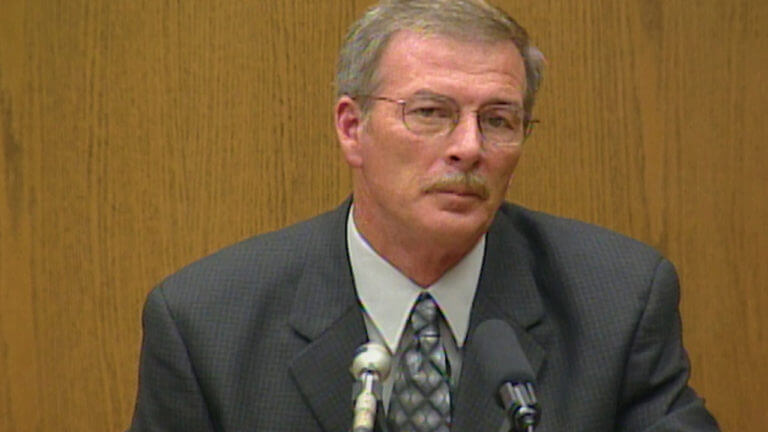
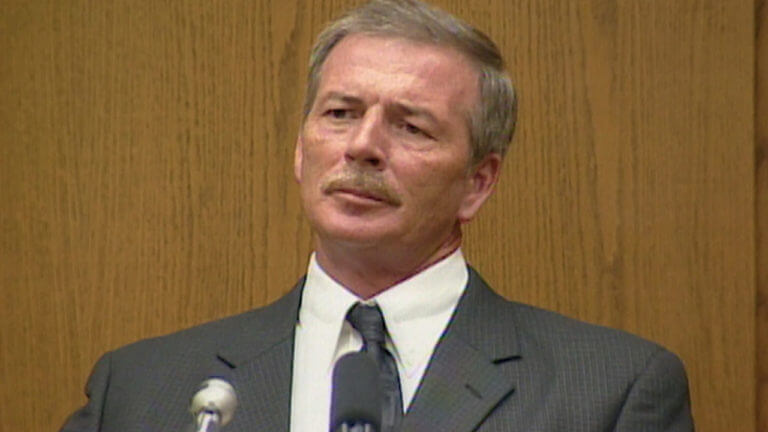
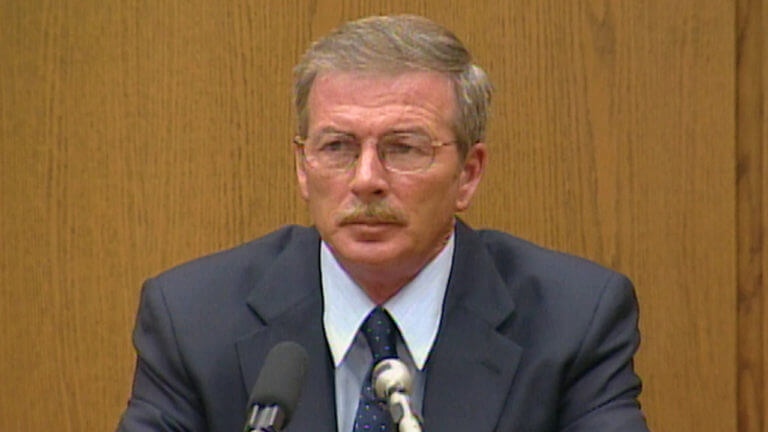
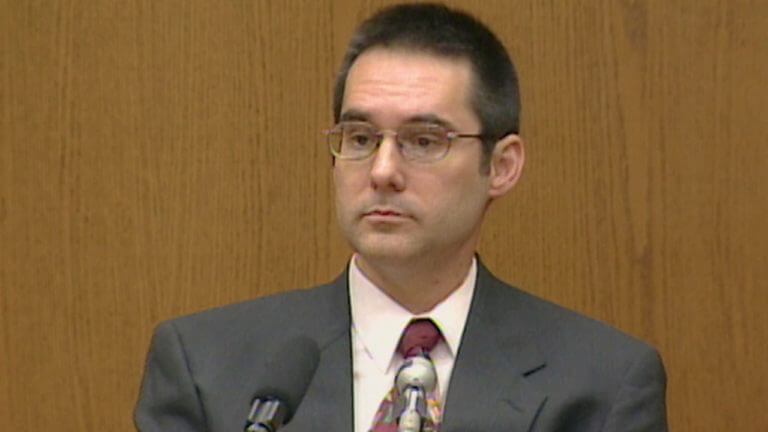
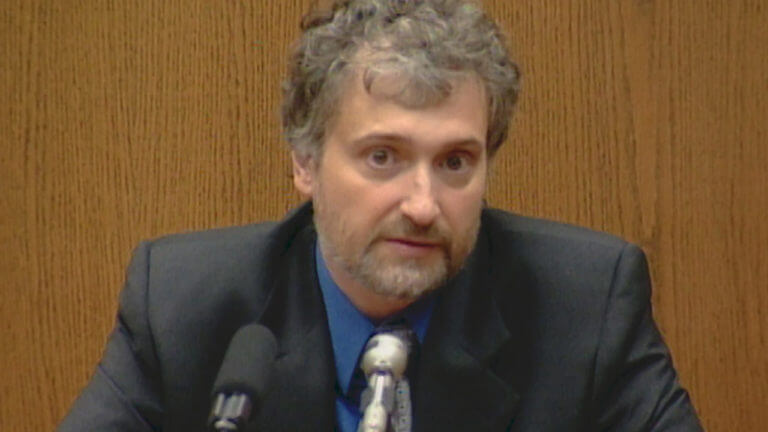
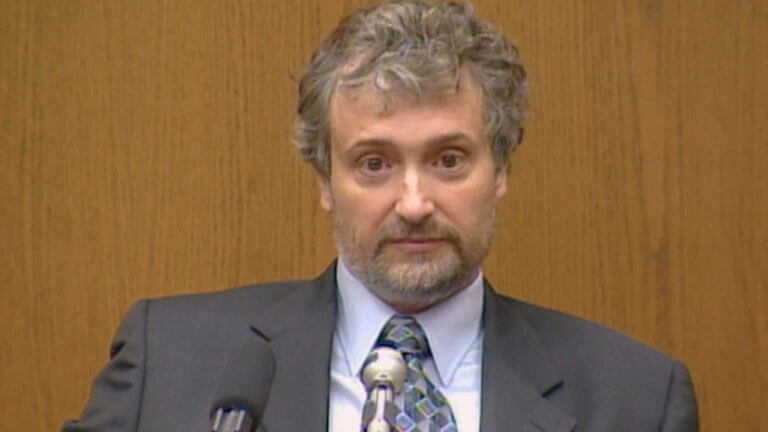
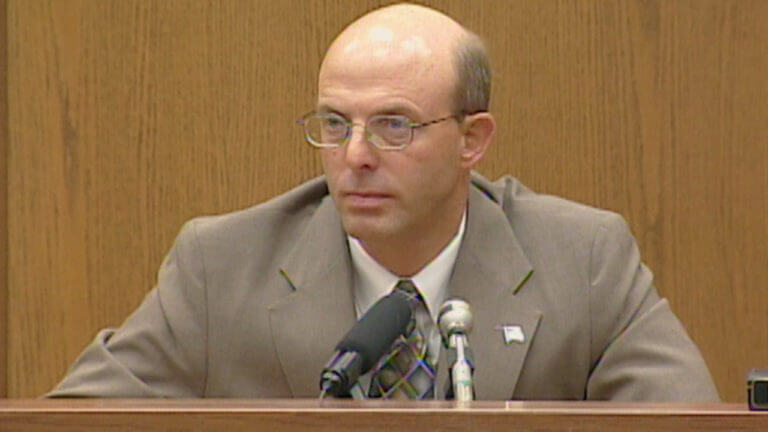
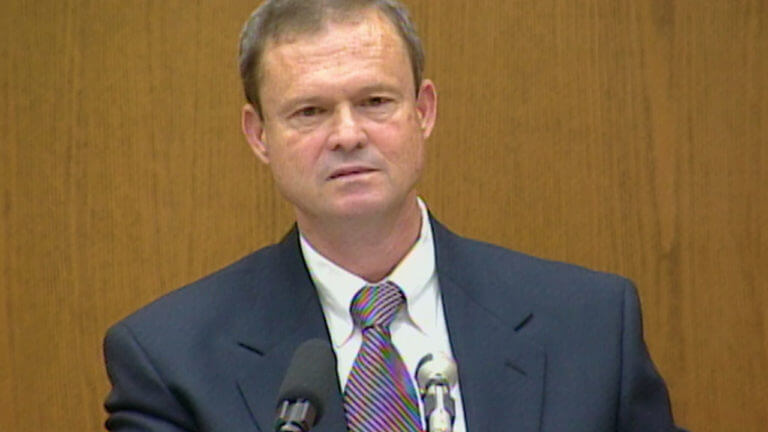
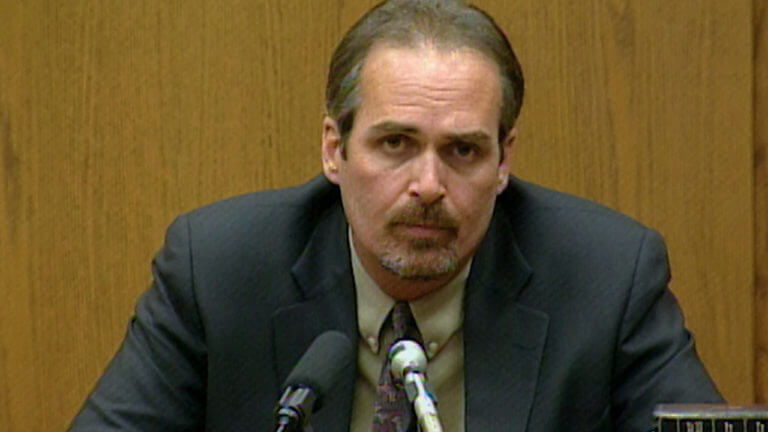
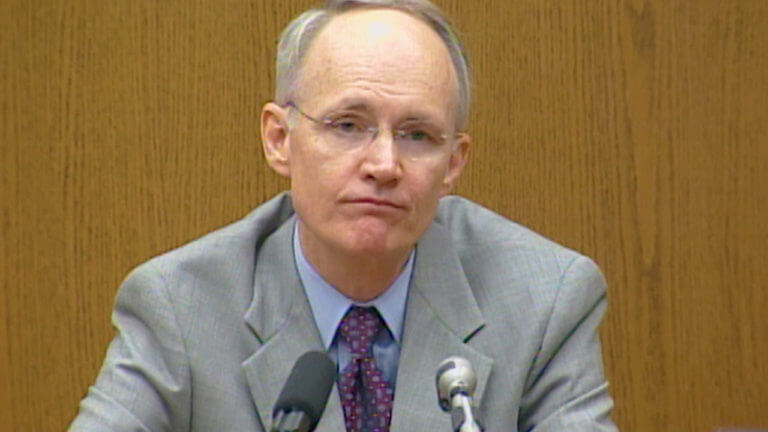
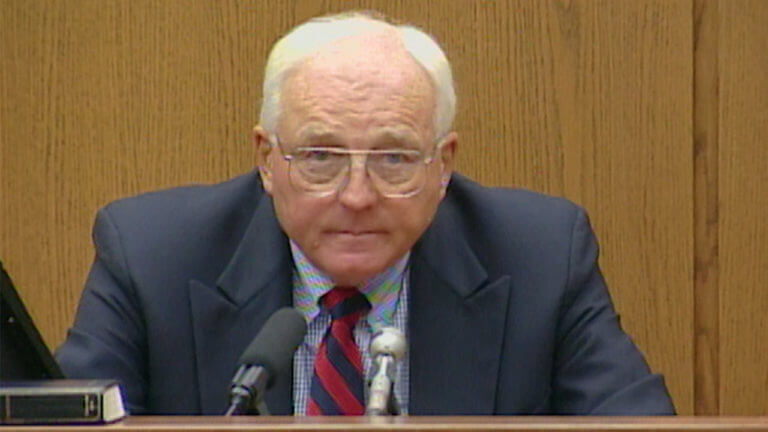
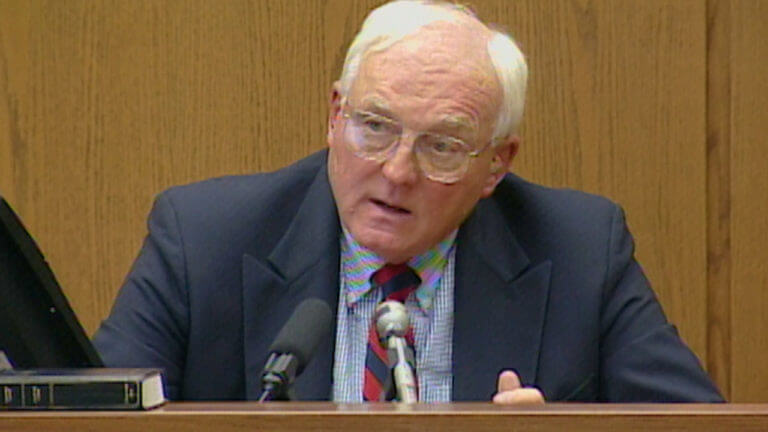
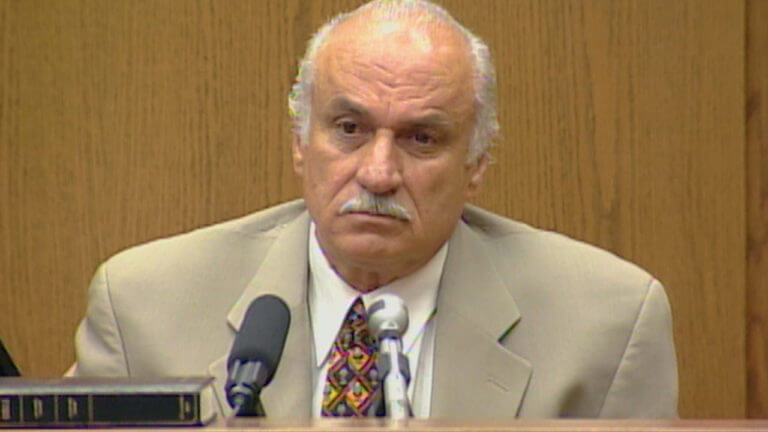
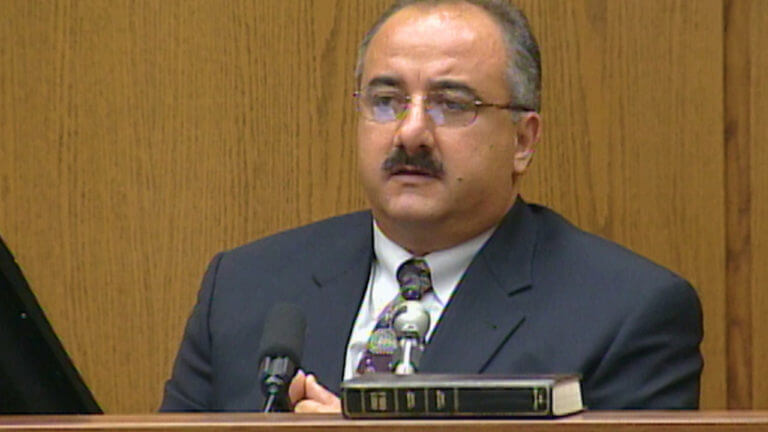
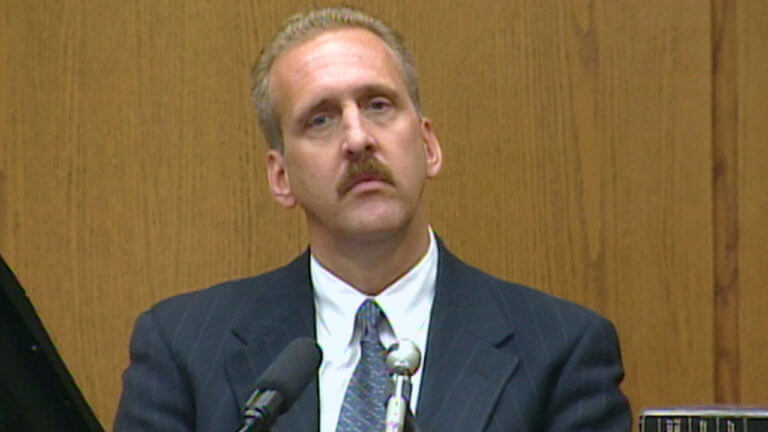
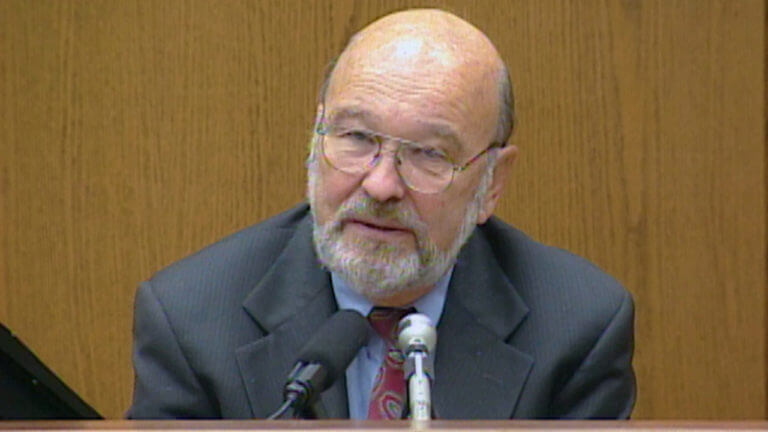
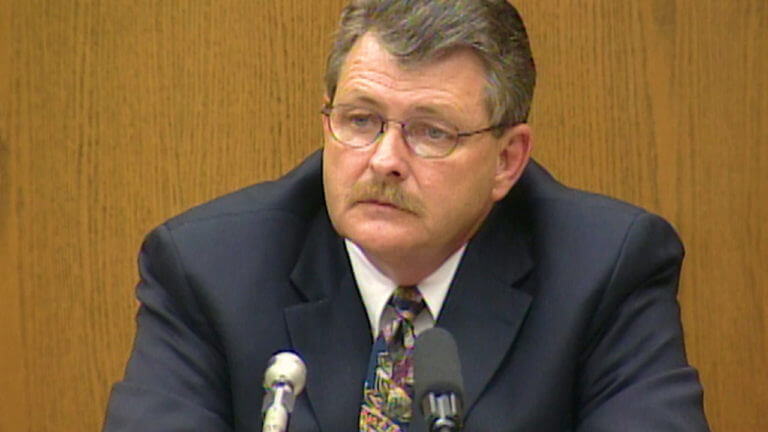
"From a financial standpoint, he would've been better off if they were alive," forensic accountant Martin Laffer told jurors at Peterson's capital trial.

He said the murders of defendant's wife, Laci, and her unborn son meant Peterson would not share in an estimated $160,000 inheritance his 27-year-old spouse was poised to receive on her 30th birthday. Instead, that money will go to her relatives, Laffer said.
Prosecutors did not commit to one particular motive for the murders during their 19-week case, instead hinting at several possible reasons, including Peterson's affair with Amber Frey, his alleged ambivalence about fatherhood, and his rising debts at work and at home at the time of his wife's Dec. 24, 2002, disappearance.

Story continues
advertisement

Laffer, however, said the auditor who testified for the prosecution, Gary Nienhuis, overstated Peterson's financial woes.

"There was no indication they were living beyond their means," Laffer said.
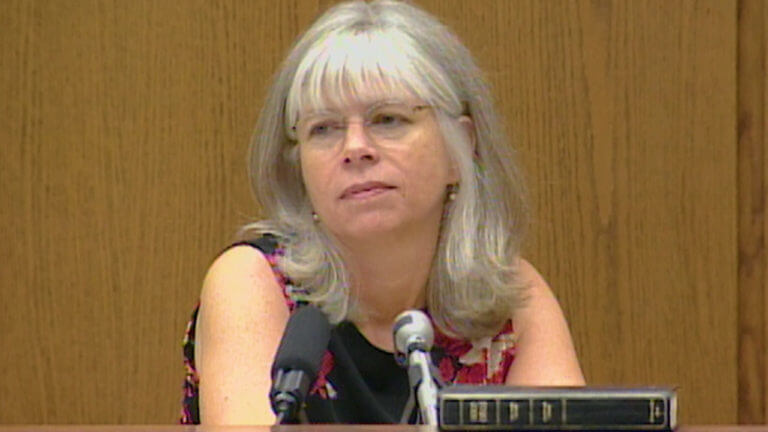
He said Nienhuis relied on outdated financial data and noted that Peterson was paying more toward his mortgage each month than the bank required.
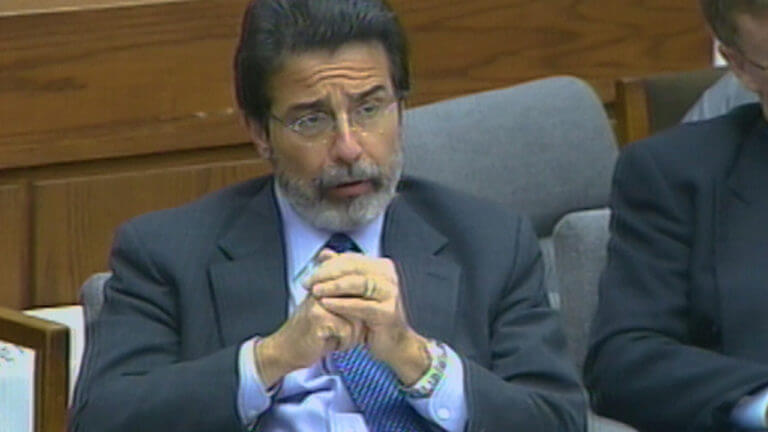
He said the fertilizer operation Peterson was running for a Spanish conglomerate was expected to lose money because it was a start-up, but that the lack of profit had no financial consequences for Peterson personally.

"He would have none of the liabilities of the corporation," Laffer said, adding that his bosses in Europe were pleased enough with his performance to reward him with a year-end bonus.

Prosecutors will cross-examine Laffer Tuesday.

Cement focus

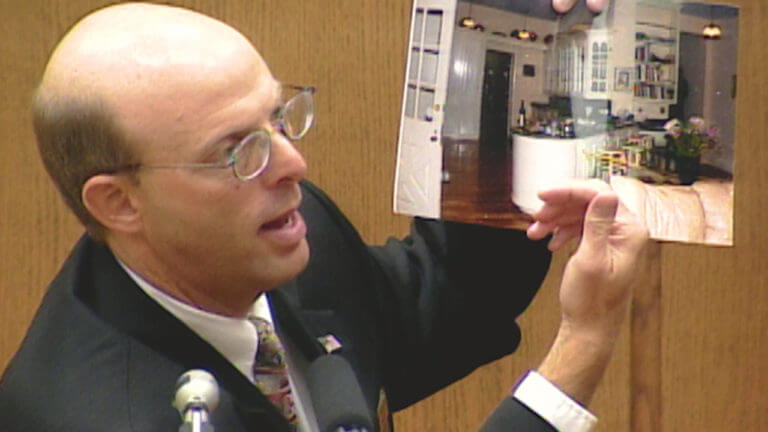
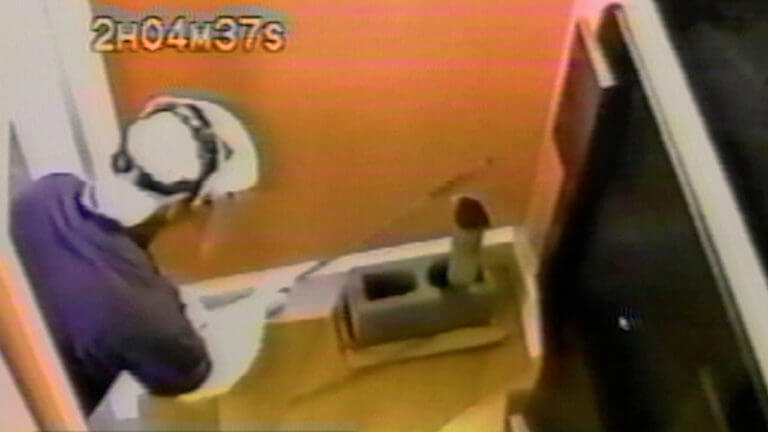
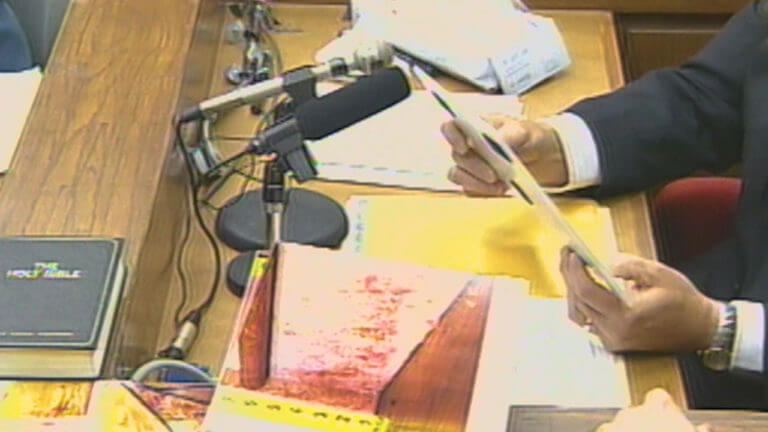
Much of Monday was taken up with testimony about concrete in the couple's driveway.

After Laci Peterson went missing, her brother, Brent Rocha, confronted Peterson about a bag of cement police believed was missing and may have been used to make weights to sink her body in the San Francisco Bay.

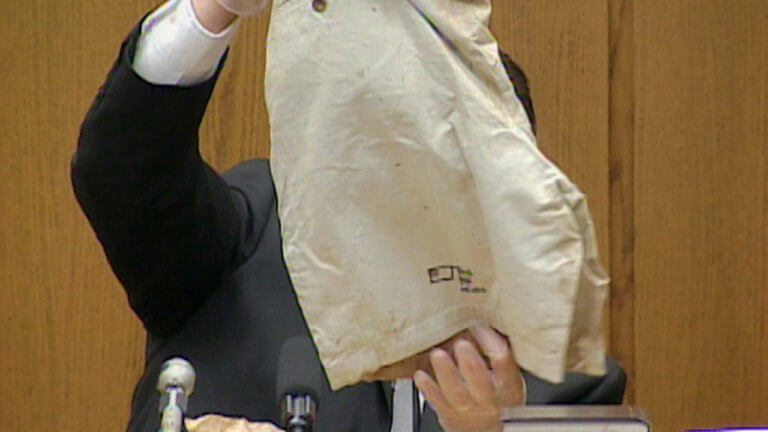
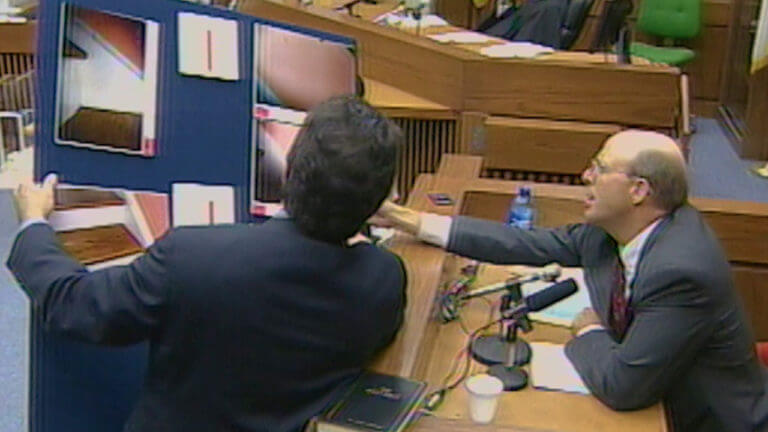
Peterson told Rocha that he manufactured one anchor with a bag of cement and then used some of the remainder to shore up his driveway. A prosecution witness, petrographer Robert O'Neill, testified last month that concrete from the surface of the drive did not match the composition of the anchor because it contained rock fragments, while the anchor was smooth.

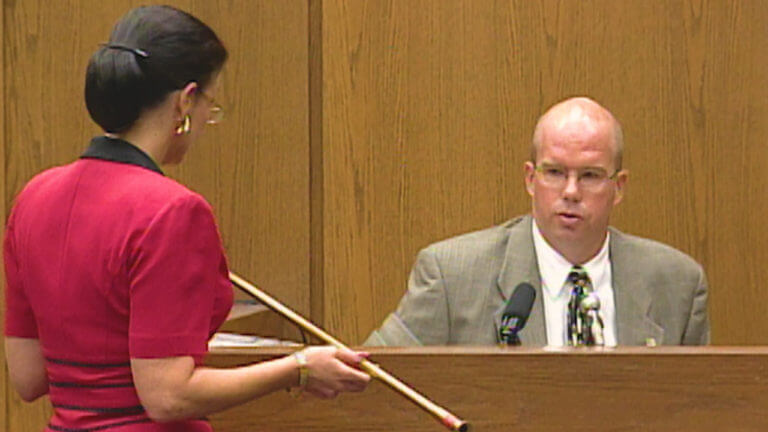
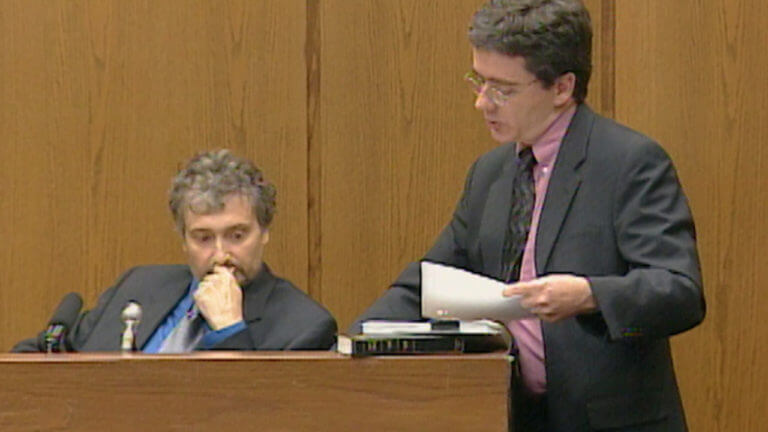
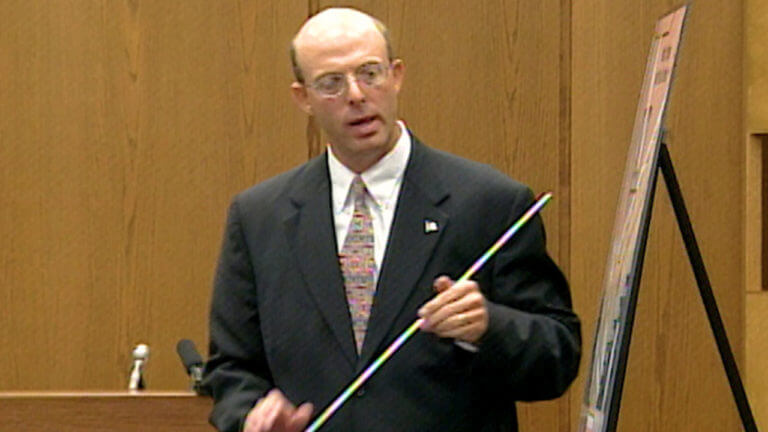
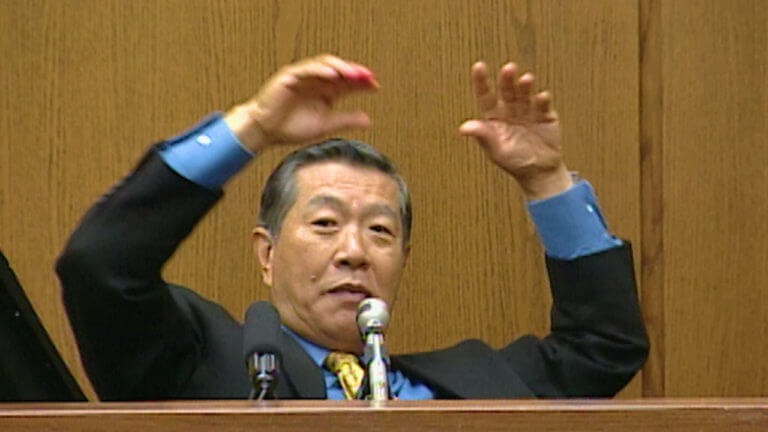
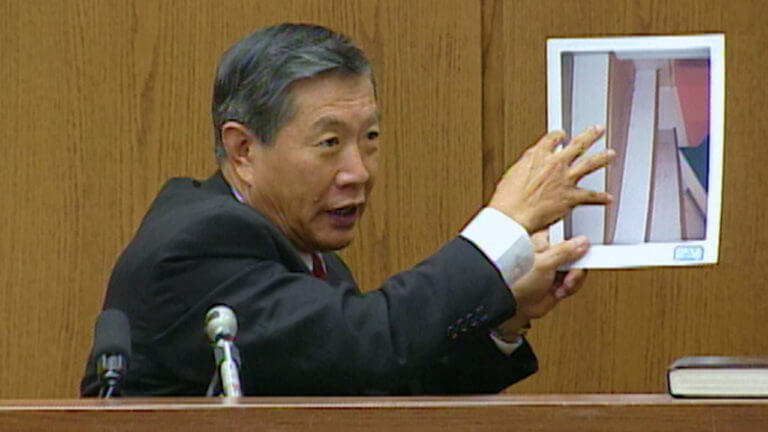
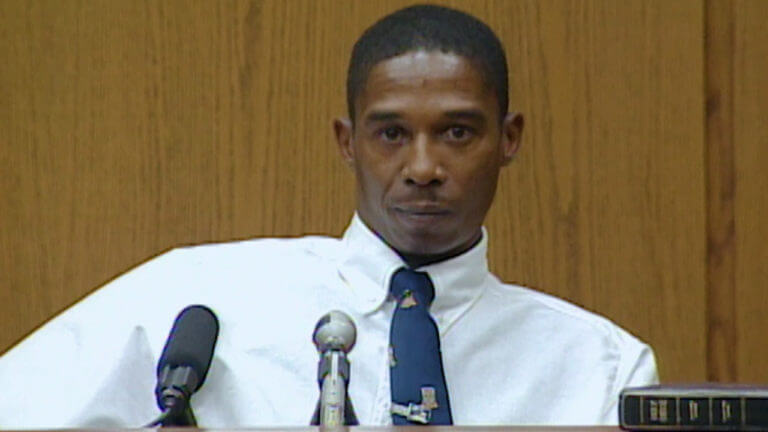
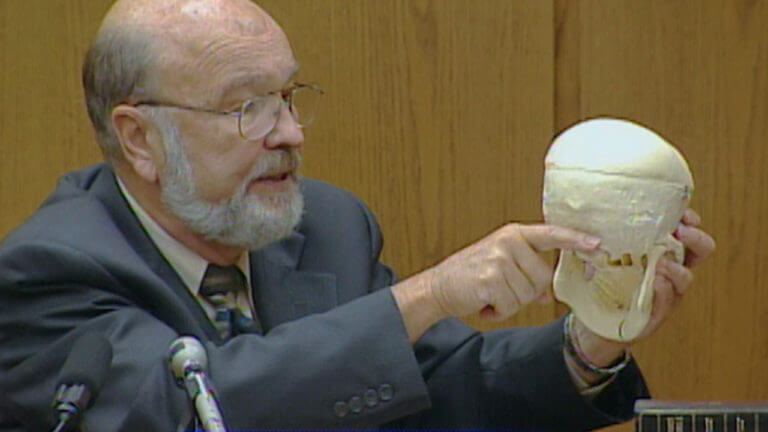
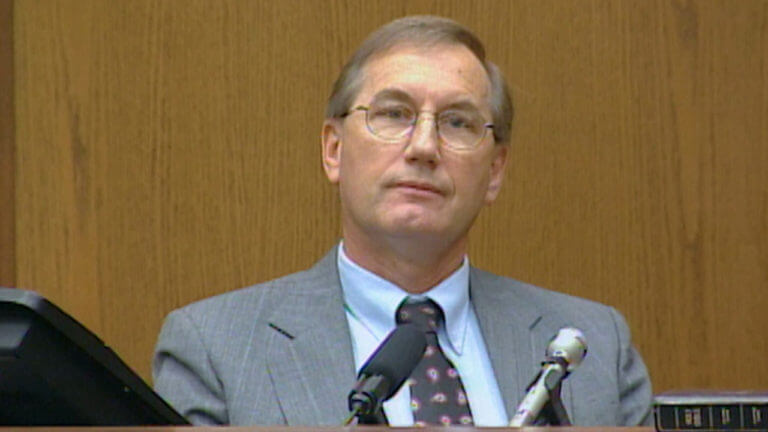
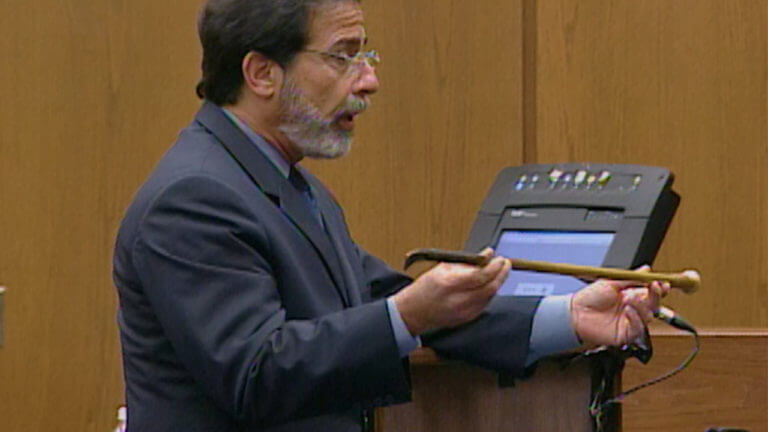
But on Monday, an expert for the defense, Steven Gebler, said that in his opinion, the rock fragments were not part of the cement mixture, but simply gravel that had adhered to dry cement when Peterson spread it on his driveway.

Subtracting the rocks, Gebler said, "The anchor and these materials are consistent with each other."

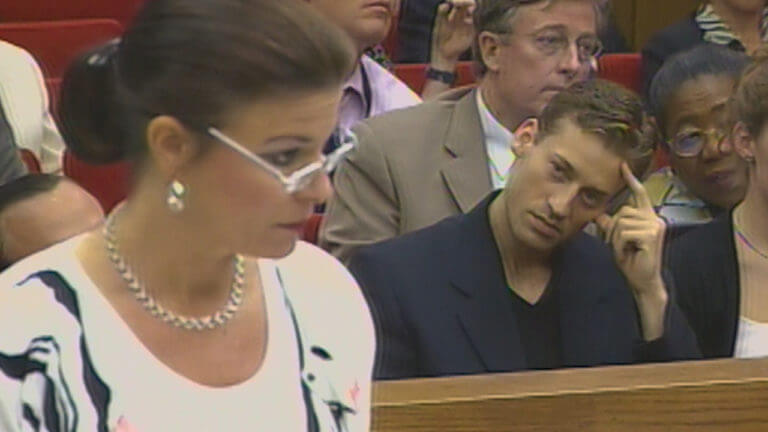
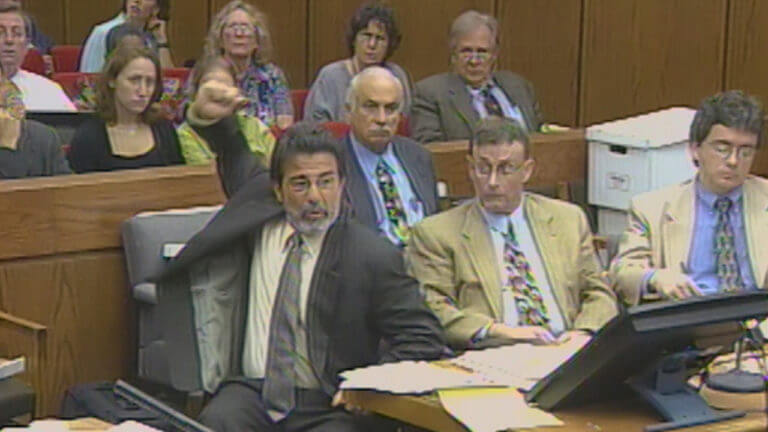
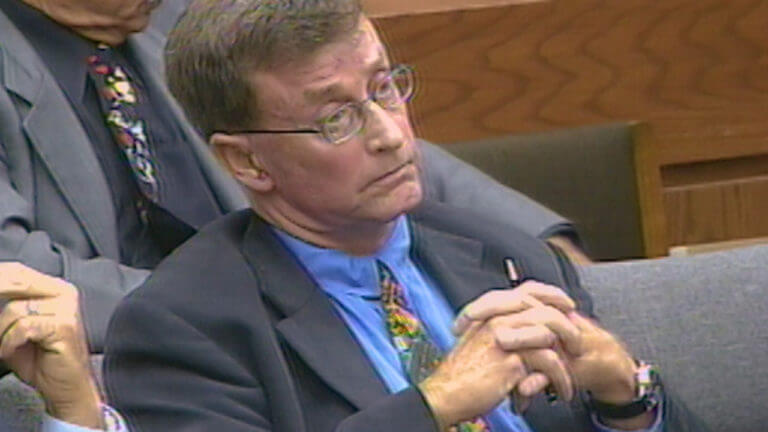
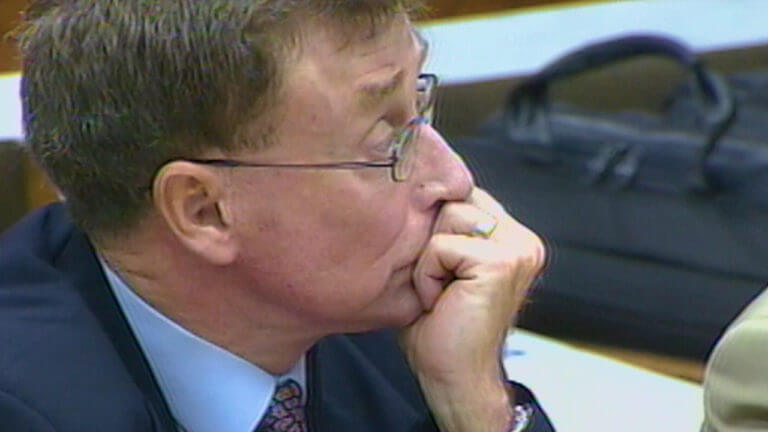
In the second row of the courtroom, O'Neill scrawled notes and whispered to prosecutor Birgit Fladager. He is likely to be recalled to the stand during the prosecution's rebuttal case.

Prosecutors strongly opposed the testimony of Gebler and defense investigator Carl Jensen, who dug the chunks from the driveway in September and preceded Gebler to the stand, arguing that the area was contaminated by construction at the adjacent home.

This year, the neighbors to the north of the Peterson's installed an in-ground swimming pool and a sidewalk, as well as cement footing to their home, and prosecutor Dave Harris said the construction workers accessed the property through the Peterson's driveway and yard and used their driveway as a storage area.

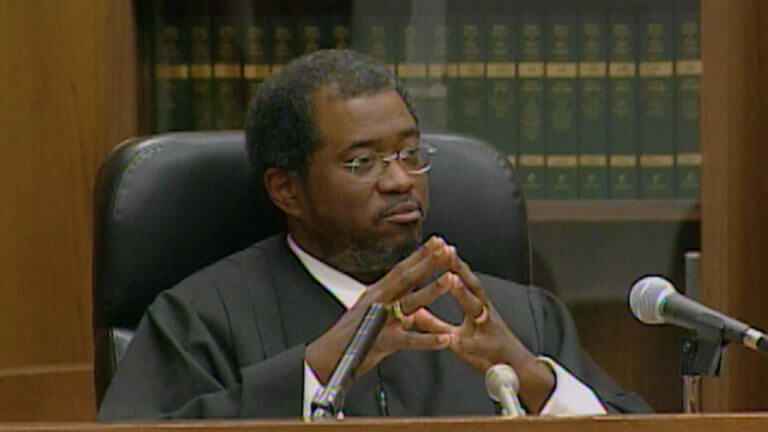
Judge Alfred Delucchi permitted the testimony of both men, but allowed Harris to quiz Jensen about the possibility of tainting.

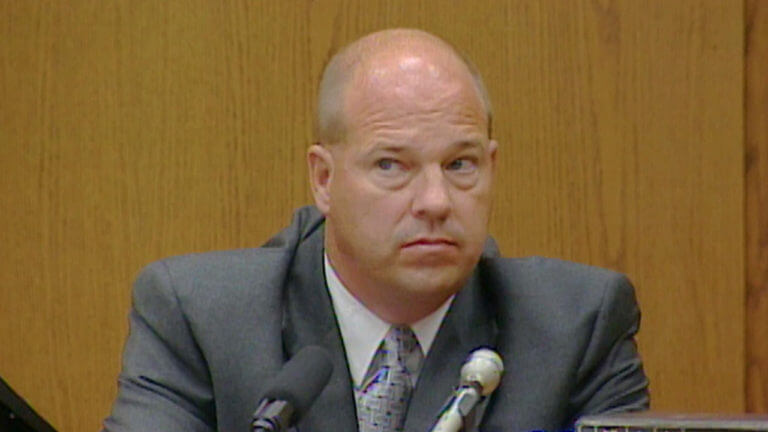
Jensen insisted the area where he took samples was not affected by the construction. He said to his knowledge, there was never any concrete from the project in the driveway.

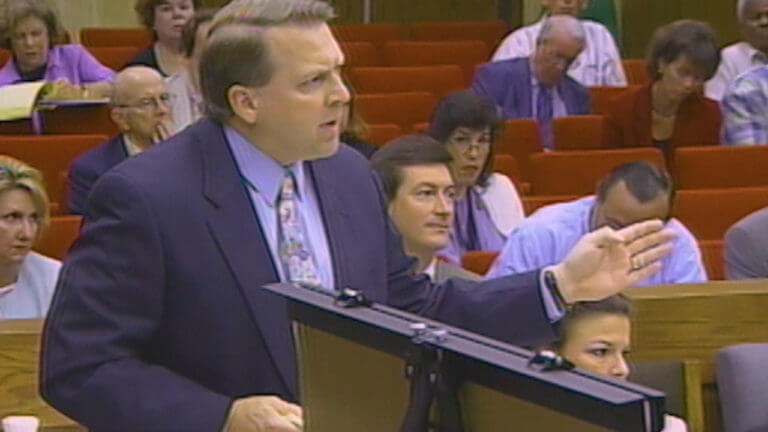
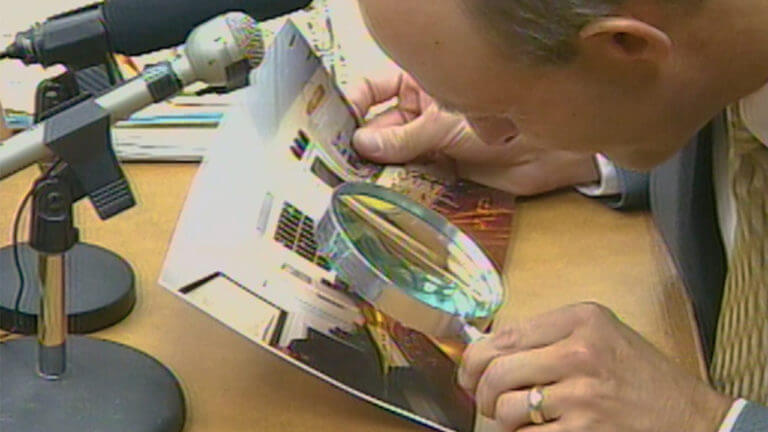
Moments later, Harris showed the investigator a photo of the driveway. Although the prosecutor did not identify the source of the picture, it is identical to one two Courttv.com message board users posted online after an August trip to Modesto.

"What is that?" Harris said, pointing to an object in the driveway.

Jensen stared at the photo and then said, "Concrete mix."

"In the driveway of the Peterson house?" Harris asked.

Jensen paused and then answered, "Yeah."

In the front row of the jury box, a male juror smiled and shook his head.

Taxpayers' defense

Gebler's cross-examination also provided the first official confirmation that the public is now footing the cost of Peterson's defense.

Asked by Harris how much he was getting paid for his work, Gebler replied, "The court allowed $10,000 or $15,000."

When a defendant with a private attorney runs out of money during a trial, they can request public funds from a judge, in this case, Judge Aldo Girolami in Modesto. The judge, however, must sign off on how the money is spent, and the entire process is kept secret to protect defense strategy.

Gebler's comment, however, made it clear that Girolami had sanctioned the cost of his work, which he said would total more than $15,000.

Attorney Michael Cardoza speaks to the press outside the courthouse Monday.

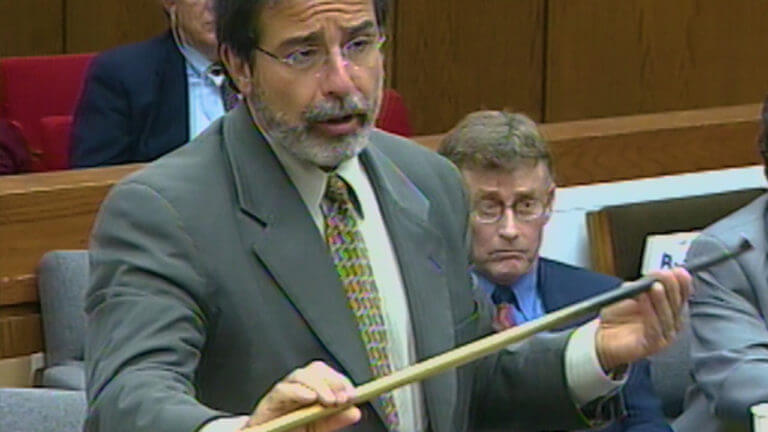
Also Monday, Delucchi expanded a gag order to include defense lawyer Michael Cardoza, a legal commentator who appears frequently on Larry King Live and the Today show.

Cardoza acknowledged Monday that he had participated in a mock cross-examination of Peterson last week. Cardoza, who generally offers commentary favorable to the defense, said he was approached by defense lawyer Mark Geragos last week and agreed to help the defense for free.

He said he met with Peterson and his lawyers in the San Mateo County jail twice — once Sunday and once last week — and cross-examined him for "hours."

He refused to describe how Peterson held up under the questioning and said he did not give Geragos his opinion about whether his client should testify.

"There's nothing unethical about it. It happens in every major trial," he said, singling out the O.J. Simpson case.

Asked why he would agree to work for free and risk his career as a legal commentator, Cardoza shrugged and smiling slightly, said, "It was an opportunity to cross-examine Scott Peterson."

Cardoza said he is not barred from discussing the case generally, just his cross-examination of Peterson.

Peterson, 31, faces the death penalty if convicted.

E-mail | Print


Full coverage:
The Laci Peterson Case


SPECIAL FEATURES

Video highlights


Evidence file

Interactive timeline:
His two lives

Case in pictures


advertisement


Contact us
©2007 Turner Entertainment Digital Network, Inc. A Time Warner Company. All Rights Reserved.
CourtTV.com is a part of the Turner Entertainment New Media Network.
Terms & Privacy Guidelines

 
advertisement