By Harriet Ryan Court TV
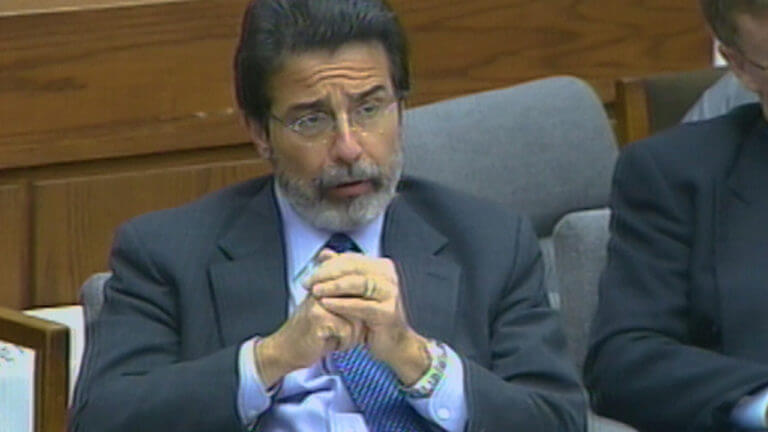
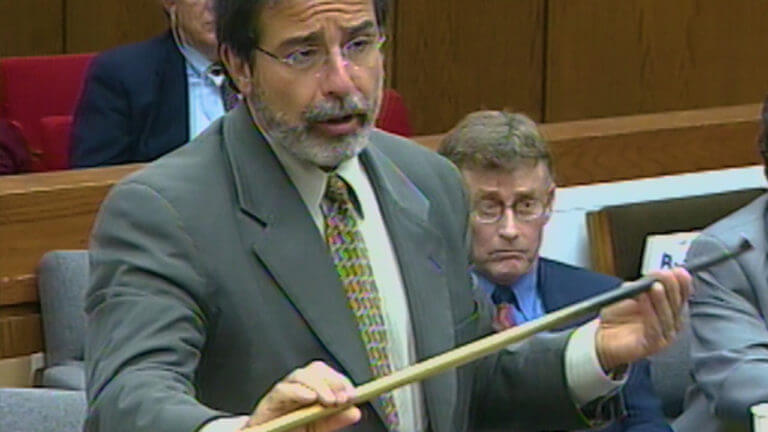
REDWOOD CITY, Calif. Jurors began deliberating Thursday whether Scott Peterson should be put to death for the murders of his pregnant wife and unborn child. The six men and six women spent two hours weighing evidence before retiring for the night to the hotel where they will be sequestered until reaching a verdict. They are to resume deliberations at 9 a.m. Friday. The jurors started their work after listening to impassioned closing arguments in which a prosecutor described Peterson as "the worst kind of monster" and deserving of the ultimate punishment and two defense attorneys urged them to "stop the cycle of death" and recommend a sentence of life in prison without parole. "How does the idea of sticking a needle in his arm, how is that going to help?" defense lawyer Mark Geragos told jurors. "None of this is going to bring back Laci, bring back Conner."
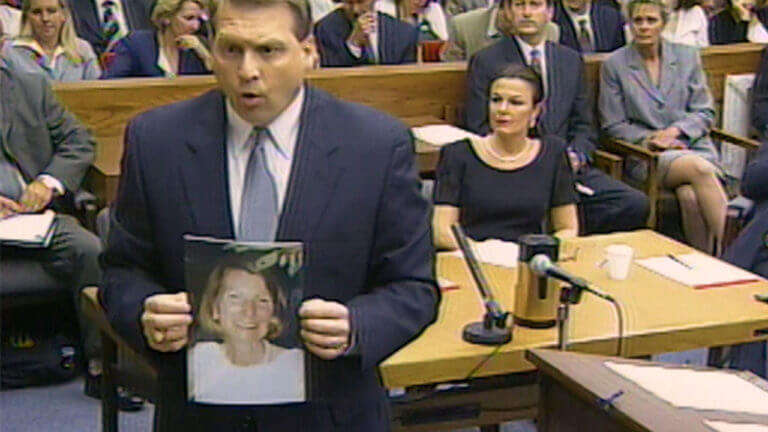
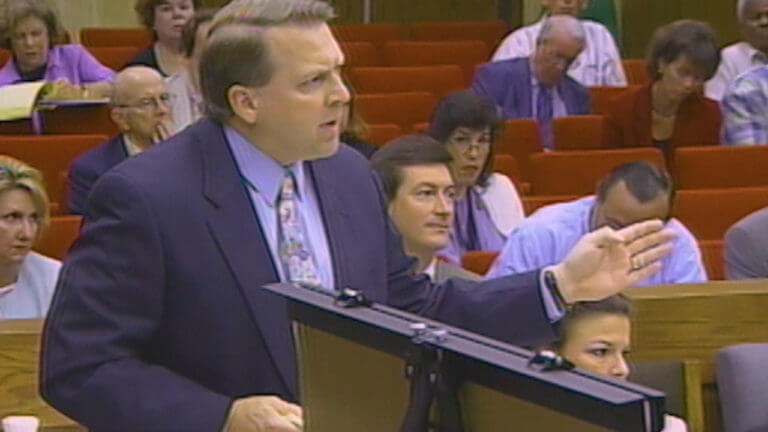
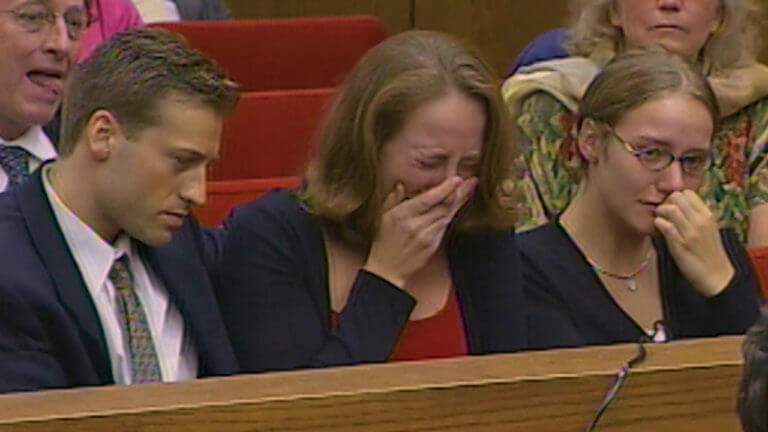
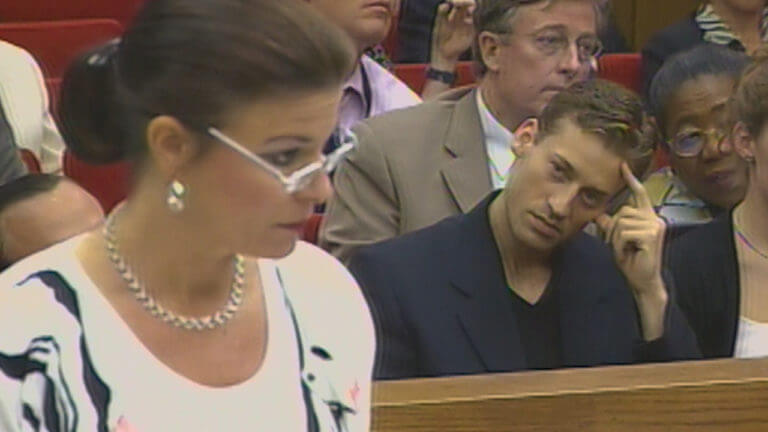
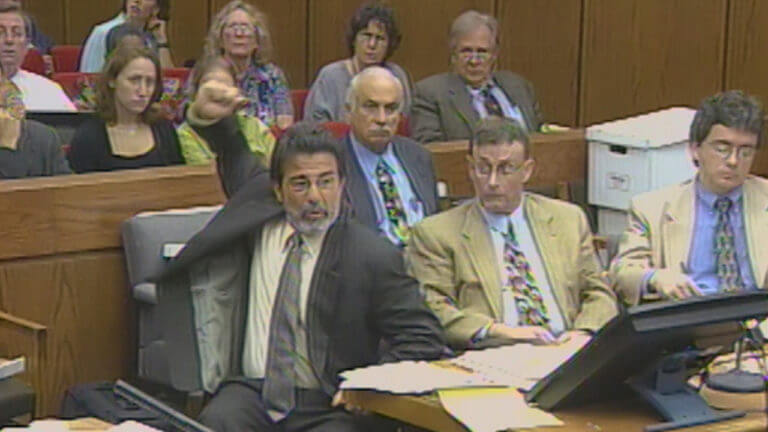
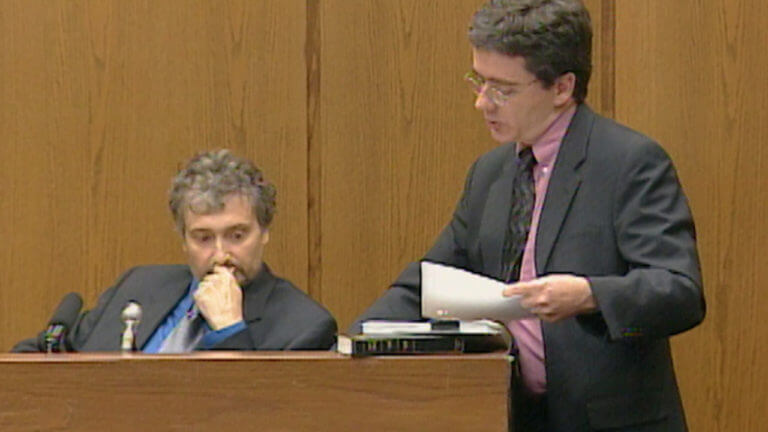
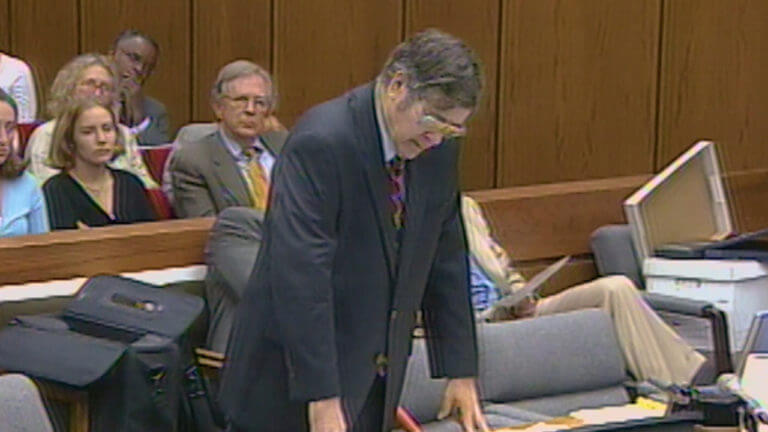
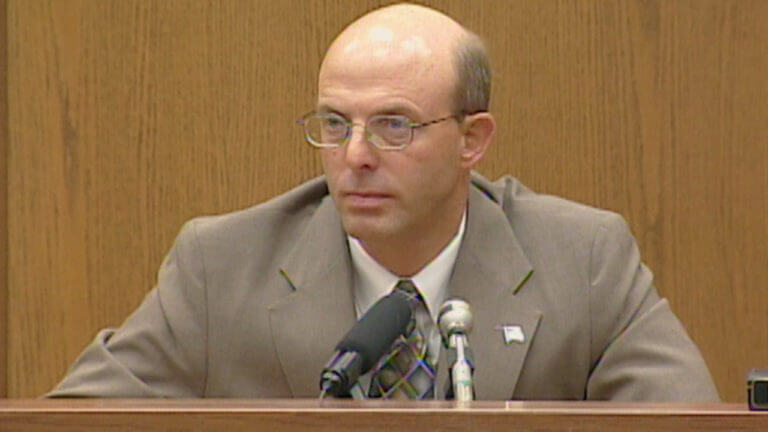
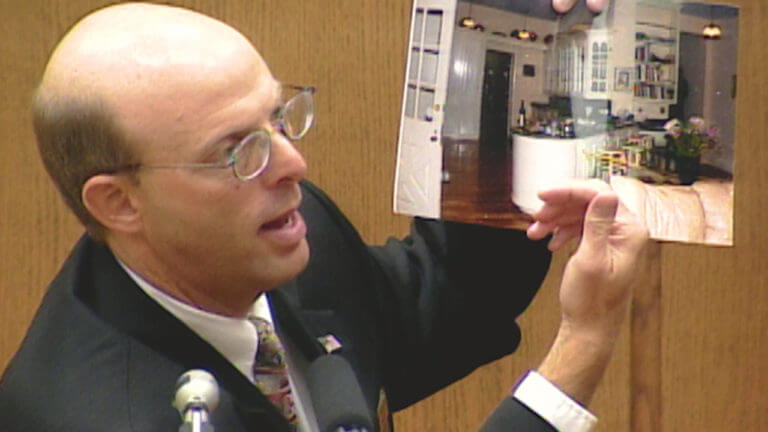
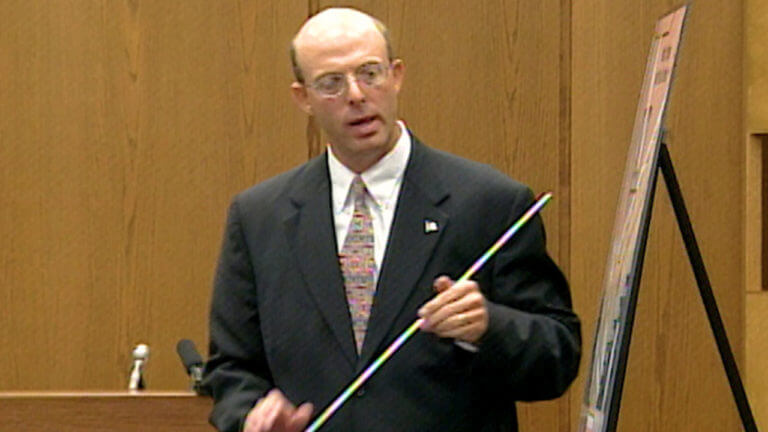
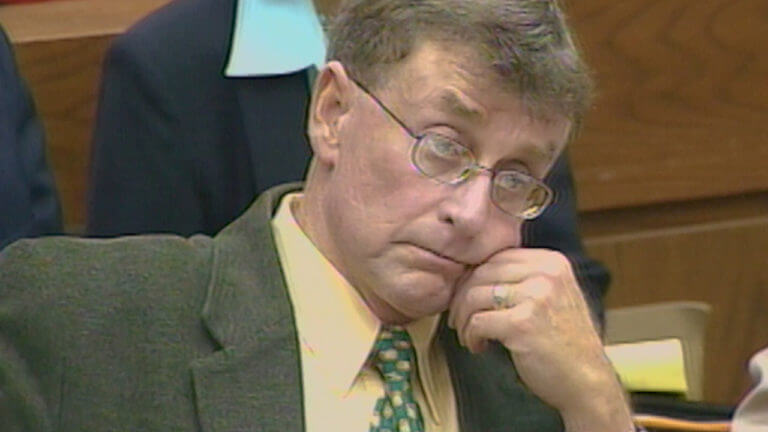
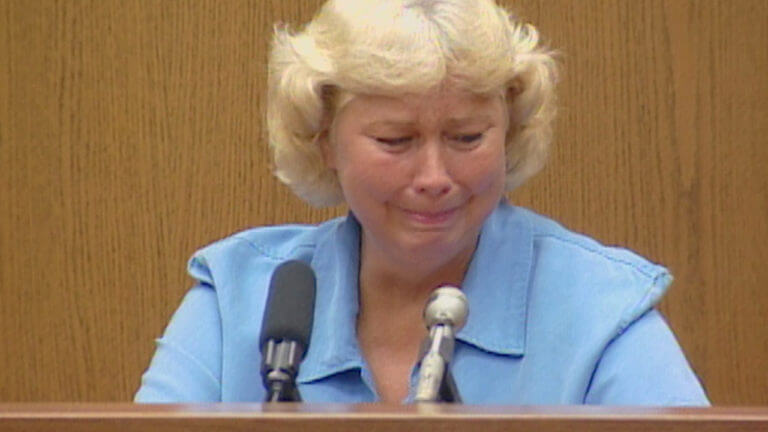
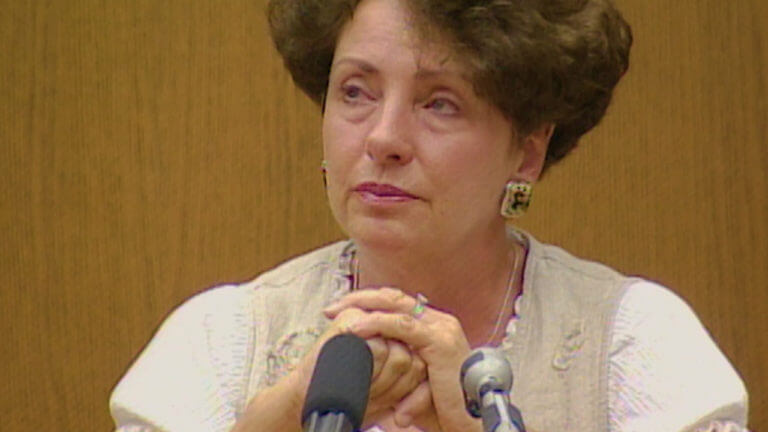
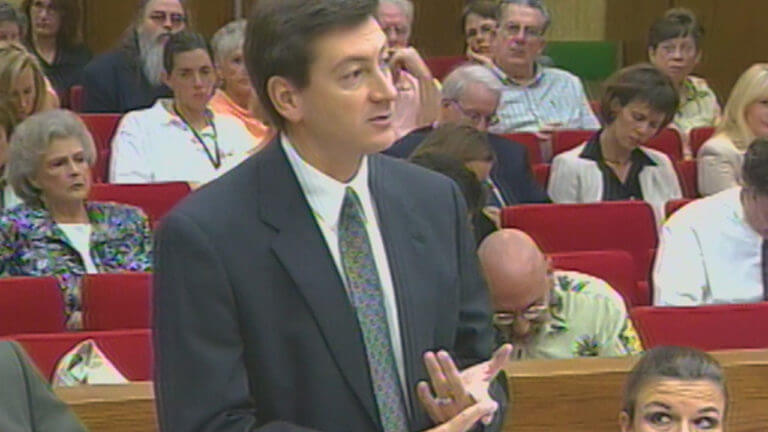
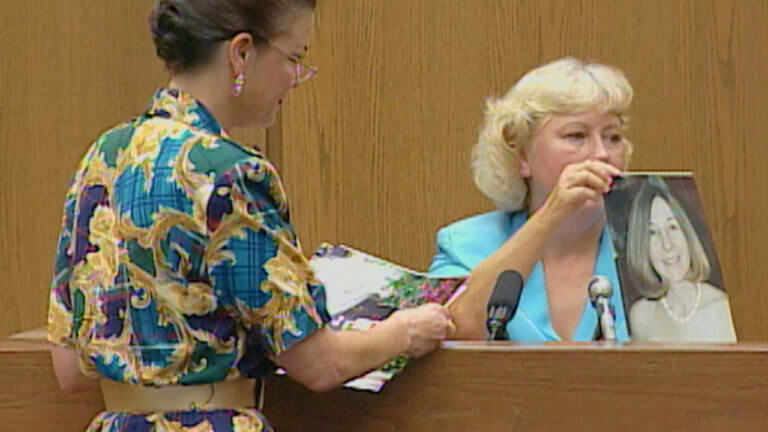
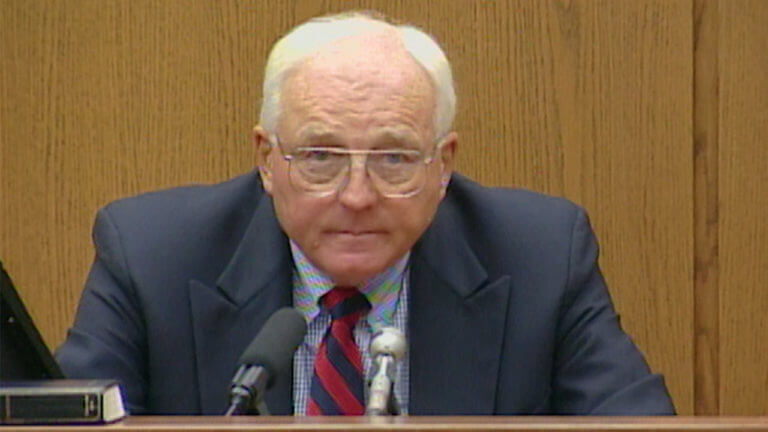
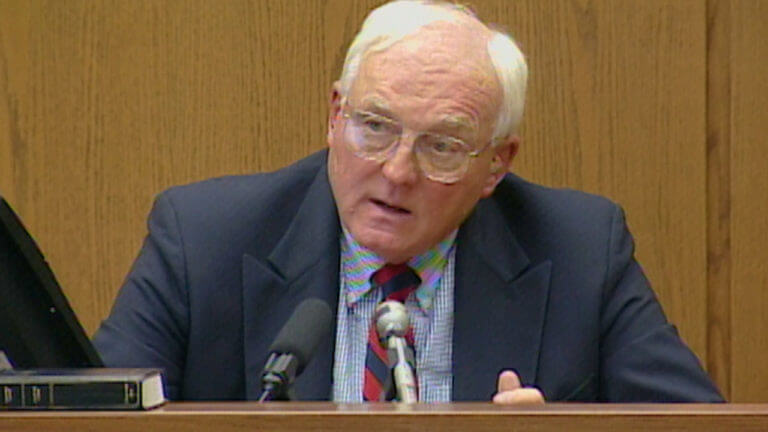
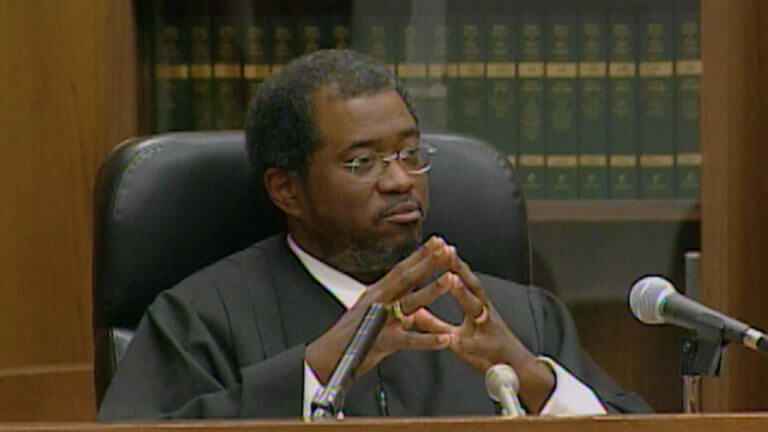
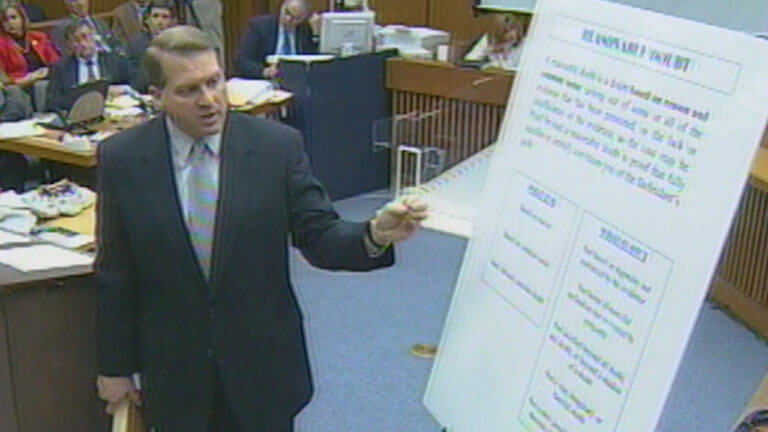
Jurors, who appeared jovial when they piled out of sheriff's department vans at the courthouse Thursday morning, looked weary and serious as they filed out of the courtroom to commence deliberations. Two female panelists wept during the summation by prosecutor Dave Harris. In the most emotional moment of the day, the prosecutor displayed on a large projection screen across from the jurors photographs of the badly decomposed remains of the 27-year-old mother-to-be and her fetus. "Leaving his wife's body to rot in the bottom of the ocean, leaving his son's body to be found as trash in debris that's not something that should be rewarded by sparing his life," Harris said. One female juror — No. 7 — turned her head away from the screen and began to cry. Another juror No. 12 — wiped at her eyes and other panelists looked from the gruesome images to the front row of the spectator's gallery where the victim's mother, Sharon Rocha, sat weeping. Peterson, dressed in a gray suit, showed no emotion at the defense table. Under the law Judge Alfred Delucchi read to them Thursday, jurors are to weigh aggravating factors like the nature of the crime and the impact it caused to the victims' family against mitigating factors such as Peterson's lack of a criminal record and charity works. Argument for death Harris told them that no mitigating factor would ever make up for the damage Peterson did to the Rocha family. He showed jurors snapshots of Laci Peterson and her brother, half-sister and mother and asked them to think of the birthdays, holidays and graduations missed. "He deserves death. There is no going around it. That family," Harris said, gesturing toward the Rochas, "is reduced to remembering and looking at photographs. Shouldn't Scott's punishment be worse than that?" After flashing through pictures of Rocha and her daughter, he stopped on a sonogram of the boy Laci Peterson was carrying when she went missing on Dec. 24, 2002. Gesturing to her mother, who was slumped against her companion, Ron Grantski, the prosecutor said, "She'll never get to see Conner grow up." He brushed aside the testimony of 39 character witnesses who took the stand for the defense, saying they knew nothing of Peterson's true nature. Flashing a photo of the Petersons smiling happily in front of a Christmas tree, Harris quoted defense witnesses who had praised their marriage. "They were the perfect couple. They completed each other. They were both full of life and loving," he said. He then placed a photo of Peterson and his mistress over Laci Peterson's face. "Unfortunately, they didn't know the side of Scott Peterson you know." Harris called Peterson "the great manipulator, the great fraud," and said he only cared about getting free of his marriage and fatherhood. "Laci Peterson was an anchor around his neck ... so he put one around hers," he said. The prosecutor implored the jury to reject defense suggestions that there is "lingering doubt" about Peterson's guilt. Several panelists nodded as he said many defense witnesses were trying to convince them that their guilty verdict was wrong. "Don't feel guilty for doing the right thing," he said, adding, "Now it's time to do the right thing again." Harris also reminded the jury that under the law, they could not consider sympathy they might have for Peterson's parents, Lee and Jackie. "You're heard over and over and over that if you execute him, it's going to kill Lee, it's going to kill Jackie," he said. He then walked to the defense table and pointed his right hand at Peterson. "The person responsible is right there." 'Riptide' of pain Both Geragos and his co-counsel, Pat Harris, addressed the jurors, with the high-profile Los Angeles attorney giving the longer summation. Harris said the 32-year-old Peterson could contribute to society from behind bars by working with younger inmates in prison. "There are people in jail who can use help, who don't have counselors," Harris said. "I believe that Scott Peterson has the ability to affect their lives." The defense attorney spoke in a whisper and much of what he said during the half-hour argument was not audible in the gallery of the courtroom. At one point, he appeared near tears as he praised the Geragos' "courage." When Geragos later addressed the jury, he began his summation by apologizing for his absence for the jury's Nov. 12 verdict. He said he was tending to another case and did not expect the verdict. He also told jurors that he was "tormented" by their guilty finding and felt as though he had let down his client and Peterson's family. "I slept probably six hours since the verdict came down," he said. He told them he had been so confident in his client's innocence that he did not prepare for the penalty phase at all before the verdict and acknowledged that such a "confession" opened him up for accusations of legal malpractice. He reminded jurors that Peterson had no criminal record and "by all accounts, this was a life well-lived for the first 30 years." "Scott's never been arrested or accused of a serious offense and he was an unusually respectful and loving son," Geragos said. In the past, the defense has used elaborate audio visual presentations before jurors, but the flatscreen television monitors and computer graphics were gone Thursday. Prosecutor Harris incorporated recordings of phone calls, excerpts of testimony and a television interview into his summation, Geragos relied on a legal pad, a lectern and enlargements of the jury instructions. He told the jury a sentence of life in prison would be "no picnic." Peterson, he said, would spend the "rest of his natural days" sharing a cell the size of four juror chairs with another convict. "Someday, some guard is going to knock on his cell," Geragos said, bringing his fist down three times on the rail of the jury box. "And say, 'Peterson, your mom's dead.' And someday, six months, a year after that, some guard is going to knock on the cell again and say, 'Peterson, your dad's dead.'" Jurors appeared startled as the lawyer banged on the rail. Peterson was stoic, but his mother and half-sister, Susan Caudillo, wept in the front row of the gallery. Geragos said execution would only cause a "riptide" of pain and ultimately provide no solace for the Rocha family. "There is nothing that killing him is going to do but cause more death," he said. Near the end of his summation, Geragos encouraged individuals to hold out against death. A unanimous verdict is required for a capital sentence. If the jurors cannot decide the punishment, the prosecution can ask for another jury and retry the penalty phase. The prosecution can also opt to let the judge impose a life sentence. "You are not forced to come to a unanimous decision," the lawyer said. Most jurors were attentive to the defense arguments, but some looked away from Geragos and none showed emotion. |