
MIAMI (Court TV) — Prosecutors in Florida have urged a judge not to consider testimony from a psychologist who said a defendant acted in self-defense when she shot a man, saying that the therapist lacked any scientific method in reaching his conclusions.
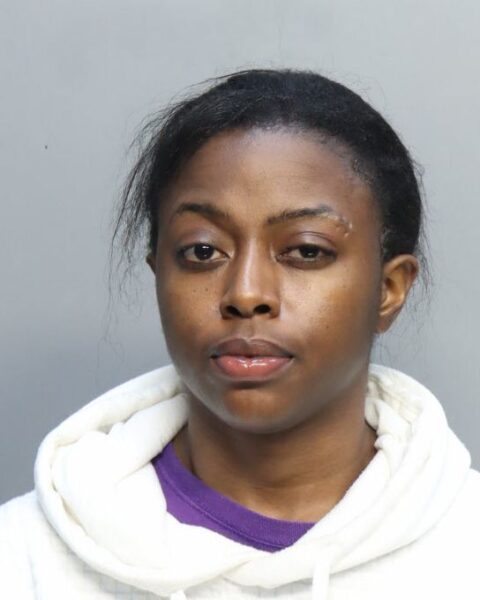
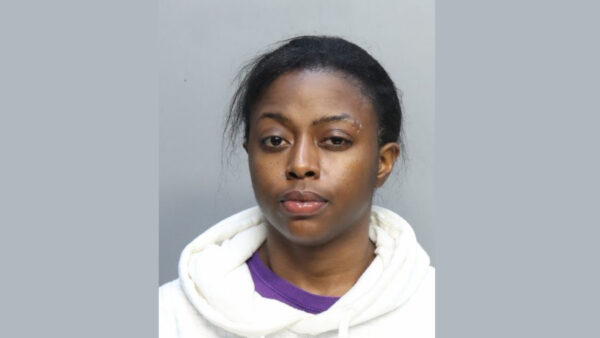
Kevhani Hicks (Miami-Dade Corrections and Rehabilitation)
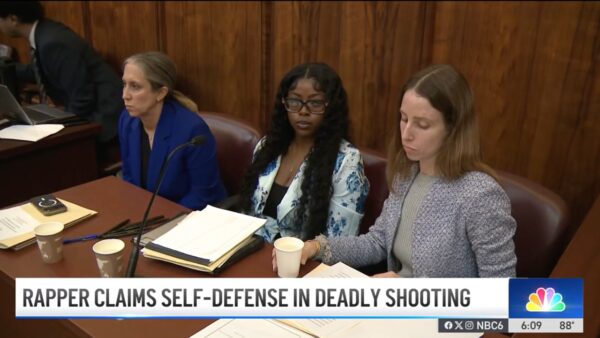
Kevhani Hicks, 28, also known as rapper “Key Vani,” has pleaded not guilty to second-degree murder in the death of Demetrie Harris. Hicks has admitted to pulling the trigger, but has claimed through her attorney that she was acting in self-defense and in fear for her life when she opened fire.
On Tuesday, Hicks and her attorney returned to court to continue a Stand Your Ground hearing that began in September; Hicks’ defense team had asked the court to dismiss the charge against her because she acted lawfully in self-defense on Oct. 9, 2023. On that date, Hicks had gone to a networking event with her manager, who brought along Harris, whom the manager had identified as a friend. The shooting was captured on surveillance video that showed Hicks and Harris arguing. Harris appeared to walk away from the defendant in the moments before she shot him.
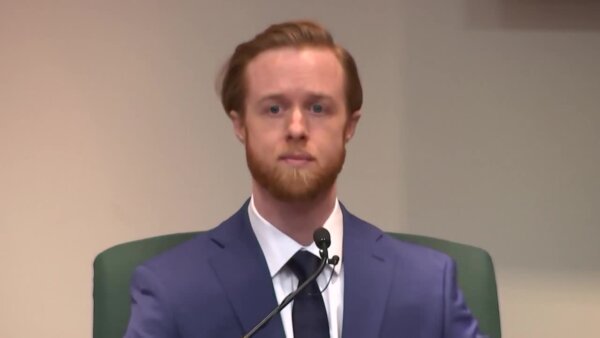
Dr. James Campbell, a clinical psychologist hired by the defense, testified on Tuesday that he believed Hicks acted in self-defense. “My opinion is that Ms. Hicks was in a very volatile, chaotic situation,” he said. “There was a lot of arguing, a lot of bickering, a situation that made her feel very uncomfortable. That situation then turned violent and it is my belief that she was fearful for her life, that she thought she could be hurt in a significant way or killed and that she acted in self-defense with the idea that if she didn’t do what she did, she wasn’t going to walk away from the situation.”
Hicks’ attorney elicited testimony from Campbell explaining the human fight-or-flight response that sends adrenaline pumping into someone’s body in an emergency. “Your body doesn’t overthink things,” Campbell said. “It reacts very quickly. It’s very emotionally-based; it’s very reactionary, and it does not pause to contemplate or analyze situations because it does not believe it has the time. The adrenaline system is too powerful; it makes you act quickly.”
But prosecutors questioned how Campbell reached his conclusions. Campbell testified that he based his opinion on his evaluation and interview with Hicks, as well as on the videos of her interviews with detectives. Prosecutors pointed out that Campbell testified Hicks described seeing Harris reach for a pocket and pull out something black — but she never told detectives that. Campbell suggested the discrepancy in Hicks’ story was due to how memories form in high-stress situations, but did not say whether he had considered the possibility that Hicks had added the detail after reviewing surveillance video of the incident.
“I think what’s significant about the omission is that he didn’t pick up on it until I pointed it out to him during his testimony,” the prosecutor said. “He just immediately said, ‘Oh, well, that must be because of her memory-related trauma. That has to be the explanation.'” The prosecutor tried to press Campbell for more information about how he reached his conclusions before finally saying, “You don’t have any scientific method that allows you to say that.” Campbell reluctantly agreed.
Hicks’ defense maintained that Campbell’s testimony is critical to understanding the impact of stress and adrenaline on the body, while prosecutors urged Judge Jean Lody to disregard it completely. Lody, who wanted to do more research, deferred ruling until Thursday.
The hearing is scheduled to continue Thursday afternoon; Hicks’ defense did not say whether the defendant would testify.