
CALDWELL, Idaho (Court TV) — A judge’s ruling has cleared the way for prosecutors to use a so-called “apology letter” at an upcoming trial for a man accused of kidnapping and killing a 5-year-old boy.
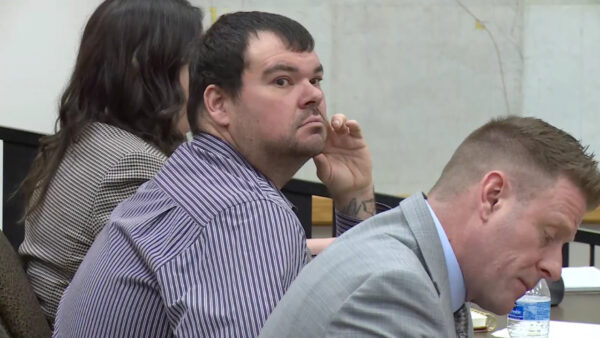
Stacey Wondra sits in court during his preliminary hearing on March 3, 2026. (Court TV/Pool)
Stacey Wondra, 33, has pleaded not guilty to murder and kidnapping charges in the presumed death of Michael Vaughan, who was last seen alive on July 27, 2021.
The defendant was in federal custody in November 2022 when he asked to talk to detectives about the child’s disappearance. After an hourslong interview on Nov. 10, Wondra was returned to his cell and placed on suicide watch for several days.
During that recorded interview, Wondra said that his wife and two men who had been staying with them had been responsible for kidnapping the child, saying they brought him into the Wondras’ home and then duct-taped the 5-year-old. “I didn’t sit there and watch them wrap him up,” Wondra said in the interview, although he said he could hear the sound of tape being unrolled and the child screaming, “I want my mom, I want my mommy!”
The interview continued on Nov. 11, and investigators said in court filings reviewed by Court TV that Wondra told them he had written a letter to Michael’s family and asked them to deliver it.
On Nov. 15, deputies searched Wondra’s property and found what they termed an “apology letter.” At a preliminary hearing in March 2026, jail deputy Brice Crimin testified that he had been sent in to look for the letter in Wondra’s personal belongings. The letter’s contents were not revealed in court, but Crimin described the text as expressing sorrow and remorse to the victim’s family. While Crimin described the letter as “unfinished,” he said it was signed at the bottom with the defendant’s name.
Wondra’s defense team sought to suppress the letter from introduction at trial, arguing it was illegally seized without a warrant. Prosecutors conceded the search was warrantless but maintained there was no expectation of privacy because the defendant was in custody at the time.
Judge Brent Whiting sided with prosecutors, finding that the letter contained “non-privileged communications” intended for the victim’s family and that Wondra had no standing to challenge the search because he was in custody at the time.
In a separate order signed Monday, Whiting said Wondra would be transported to Ada County for further assessments in February.