Updated February 6, 1999, 1:31 p.m.
Justice Dept. to investigate New York police slaying
NEW YORK (Court TV) The Justice Dept. and local federal prosecutors have joined the investigation of Thursday's police killing of a young unarmed man in the Bronx.
Two days later after four police officers gunned down West African immigrant Amadou "Ahmed" Diallo in a hail of 41 bullets, New Yorkers are demanding an explanation. Diallo, a street peddler, was unarmed and had no criminal record.
On Friday, community leaders, along with Diallo's friends and family, asked the Justice Dept. to conduct its own investigation to accompany the Bronx District Attorney's inquiry. U.S. District Attorney Mary Jo White then agreed to investigate the case many have denounced as a racially-biased execution.
"This was a young man who came from Africa to better himself ... and he was essentially murdered," said Paul Delduca, the chief of staff for state Assemblyman Ruben Diaz, in whose district the shooting occurred.
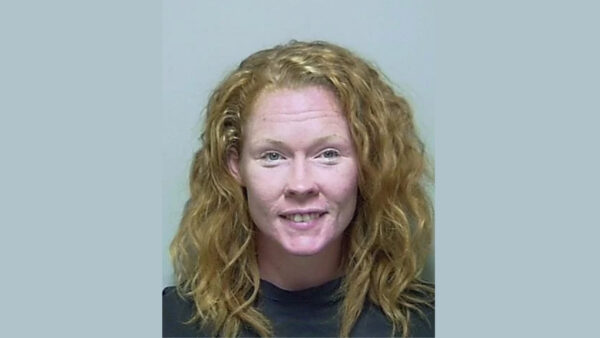
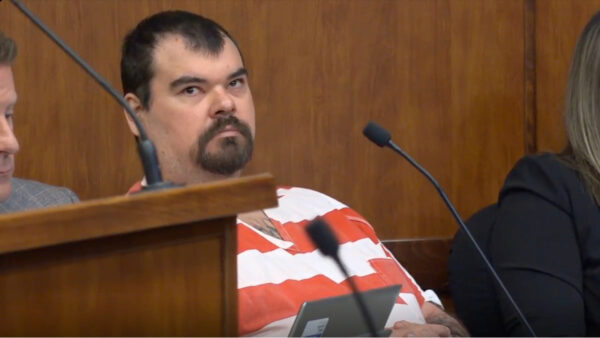
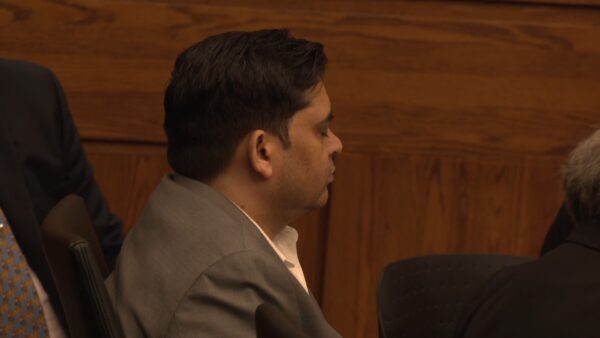
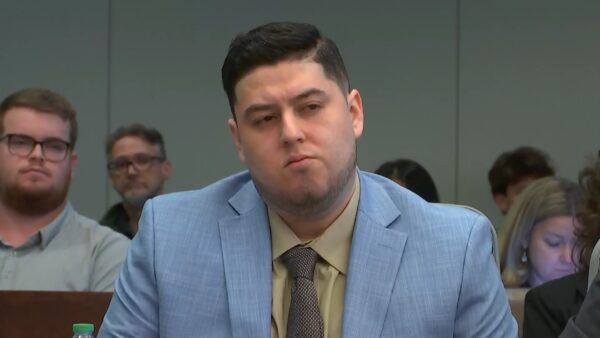
Officers Sean Carroll, Edward McMellon, Kenneth Boss, and Richard Murphy, who are all white, have been placed on administrative duty but not arrested. Nor have they been questioned by the district attorney's office.
"They shoot somebody 30, 40 times. They tell me this is probably a mistake," his uncle, Mamdou Diallo, who described his nephew as a "very honest, religious guy." Diallo, a Muslim, moved to New York in 1996 from the French-speaking African country of Guinea.
Details on Thursday's shooting, which occurred at about 12:45 a.m., remain cloudy. Police Commissioner Howard Safir said Friday that his officers have canvassed the area a dozen times but have not yet found any civilian eyewitnesses.
Dressed in plainclothes, the officers were in a patrol car searching for a serial rapist that night. It is not known if they thought Diallo was a suspect.
"There are some similarities between [Diallo] and the sketch that they had but it's just not fair to anybody to speculate at this time," said Safir at Friday's press conference.
All four officers apparently got out of the car and approached Diallo in the vestibule of his building. Two of the officers emptied the clips of their semiautomatic pistols at Diallo, shooting 16 times each, while the other two officers shot four and five times each.
"It looked like machine gun fire," said Delduca, describing the spray of bullets that riddled the walls and door.
Diallo died of multiple gunshot wounds to the torso, according to the Chief Medical Examiner's office. No weapons were found on Diallo or at the scene, but a pager and his wallet were nearby. Relatives are now making arrangements to ship his body home for burial.
In a press conference on Friday, Mayor Rudolph Giuliani urged people not to rush to judgment.
"We have the same facts that you have in the newspapers and those facts do not allow anyone to come to a conclusion," said Giuliani. "People would best be patient and not let their prejudices determine the conclusions they come to.
"It's obviously troubling to both the police commissioner and myself that 41 shots were fired," Giuliani conceded. In response to a question, he declined to suggest any situation that could justify 41 shots, 19 of which struck Diallo.
The officers' lawyer, Steven Worth of the Patrolman's Benevolent Association, said that the officers "took what they felt, and continue to feel, to be appropriate police action."
"I think it will likely develop that Mr. Diallo had a language barrier which prevented him from understanding and complying wiht the officers' orders and made him continue to act in an aggressive manner toward the police officers."
Many New Yorkers aren't buying it. Diallo's roommates said their friend spoke English well but slowly, and with a stutter.
"These are civil rights violations as far as we're concerned," said Delduca. "The Assemblyman is 25 and he grew up in the South Bronx and he's seen a lot of this. He just feels a frustration that something needs to be done."
African-American leader Rev. Al Sharpton, and Sidique Wai, president of the United African Congress, were among the leaders calling for a federal investigation. A rally and protest is also scheduled for Sunday outside the 2-story row house where Diallo lived.
By union rules, the officers have 48 hours to consult with their union lawyers before they must respond to police administrative charges, although an aide said the mayor has been trying to revoke that privilege.
That time span in this case has expired, but Johnson has asked that the four officers not be interviewed until his investigators are prepared to question them.
If Johnson presses criminal charges, the officers can invoke their right to remain silent. Once Johnson allows the police department's Bureau of Internal Affairs to talk to the four officers, however, they can be penalized for refusing to respond to questions.
Three of the four officers involved have records of shootings. Two of the incidents were resolved and the third is still under investigation.
Giuliani emphasized that New York City's police department has a low rate of shootings compared to other cities.
"The New York Police Department is the most restrained in the country in its use of weapons," said Giuliani. Washington D.C. police officers, he said, fire their weapons four times more often their their New York counterparts.
In a recent budget address, Giuliani asked for $32 million to hire another 1,000 police officers. The city now has about 38,000 officers.
Court TV's Catherine Heins and The Associated Press contributed to this report.
|