
COLUMBUS, Ohio (Court TV) — A man on death row for the murders of his wife and three members of her family is fighting for a new trial by claiming his attorneys were ineffective.
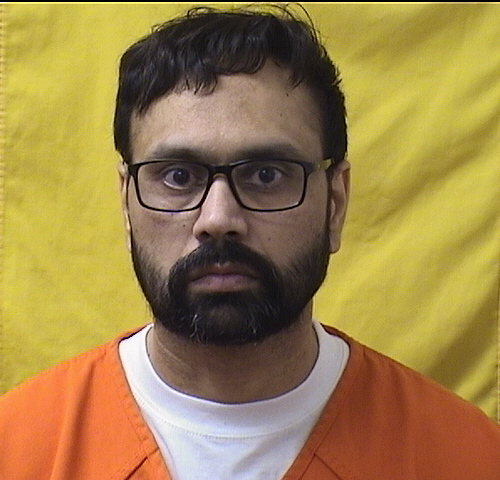
Gurpreet Singh (Ohio Department of Corrections)
Gurpreet Singh, 44, was sentenced to death after a panel of three judges found that he killed his wife, Shalinderjit Singh, his father-in-law, Kakiakat Singh Pannag, his mother-in-law, Parmjit Kaur, and his wife’s aunt, Amarjit Kaur.
On Tuesday, Gurpreet Singh’s attorney, Kathryn Sandford, stood before the Ohio Supreme Court, asking the justices to grant the defendant a new trial because his previous attorneys were ineffective.
On April 28, 2019, Gurpreet Singh called 911 to report that his wife and her family had been killed. First responders arrived to find the four adults had each been shot multiple times in the face and head. The defendant was uninjured but covered in blood, “including his wife’s airborne blood spatter on the front of his pants and his shirt,” prosecutor Willa Concannon said Tuesday. “He had gunshot residue on both of his hands. His bloody boots, which were admittedly his, were at his murdered wife’s head, with her blood and brain tissue on the boots. And his bloody footprints and boot prints were all over the scene.”
Neighbors told investigators that after hearing gunshots, they had seen the defendant “furtively” exit the back patio of his home and move back and forth “suspiciously looking around” before leaning over the railing of the patio. The neighbors described hearing a splash in a pond behind the property where the murder weapon was later found.
At the time of his wife’s killing, Gurpreet Singh had been living a double life. His attorneys conceded in documents reviewed by Court TV that he had been having an affair with another woman and had purchased a home near her nine months before the murders. Prosecutors said that Gurpreet Singh killed his family because he could no longer support both his mistress and his wife’s household on his salary as a truck driver.
Gurpreet Singh’s appeal largely focuses on alleged failures by his trial attorneys. The defendant stood trial on the same charges twice: The first trial in 2022 ended with a mistrial after the jury was deadlocked 11-1. For his second trial, Gurpreet Singh’s attorneys waived his right to a jury, instead allowing a panel of three judges to decide his fate.
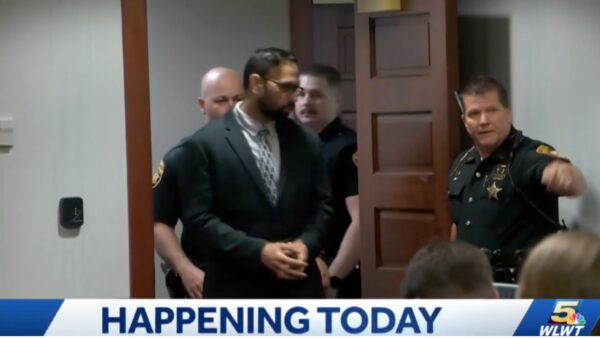
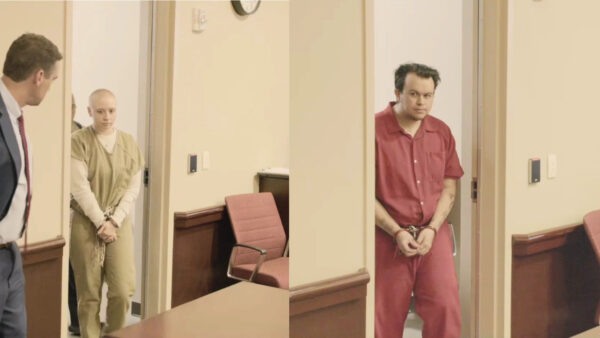
Gurpreet Singh walks into court. (WLWT)
“It doesn’t make sense, when there was a hung jury at the first trial in this case,” Sandford said Tuesday. “As we know, all it takes is one juror, as happened at the first trial, to block a conviction. And if a mitigation phase takes place, it also just takes one juror for death not to be imposed. Obviously, 1 in 12 is better than 1 in 3 with a three-judge panel.”
Concannon argued that the choice to waive a jury was strategic. “The record here shows that one of the jurors at the first trial fainted after seeing photos of the victims,” she said. The photos shown to the jury were graphic and depicted close-ups of head wounds.
Gurpreet Singh’s first language is Punjabi; Sandford suggested the language barrier meant the defendant did not fully understand that he was waiving his right to a jury. But Concannon said the trial court “went out of its way” to ensure that Gurpreet Singh understood. “In fact, this appellant’s counsel were actually confident that he didn’t need an interpreter to execute this waiver because the record shows they showed up in court at this waiver hearing and they had visited the appellant in jail the week before and had secured the written waiver with him in jail, had discussed it with him in jail, and had him execute the written waiver without the presence of an interpreter,” Concannon said. The trial judge, hearing that, ordered the interpreter to take time to translate the document and its repercussions with the defendant before accepting the waiver.
Sandford also argued that prosecutors should never have been allowed to discuss a gun that the defendant legally owned that was found inside the house, saying it was irrelevant. “The State did not mention the Beretta in its opening; defense counsel did,” Concannon said. “Defense counsel stood up in opening and claimed that the Beretta was evidence of this defendant’s innocence and not only that, but defense counsel actually chastised the state for failing to mention the gun in its own opening.” Concannon also argued that it made no sense that Gurpreet Singh would walk by a readily accessible firearm and not grab it after “this alleged other shooter has executed his family.”
The justices said they would take the matter under advisement and issue a ruling later.