Updated June 27, 2002, 1:02 p.m. ET

Manson disciple Leslie Van Houten faces parole board for 14th time
Photo
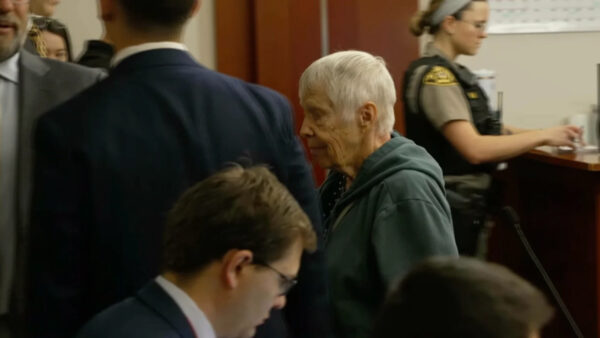
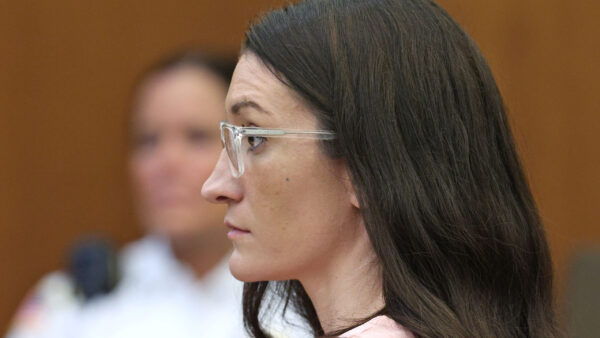
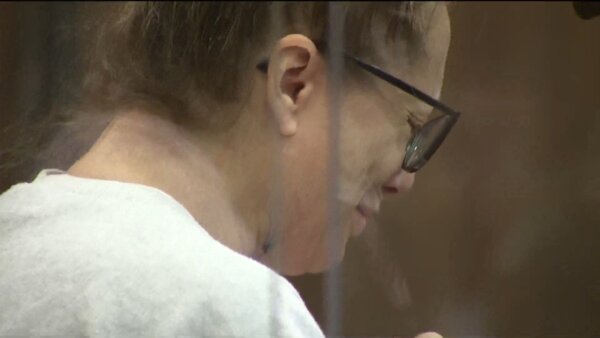
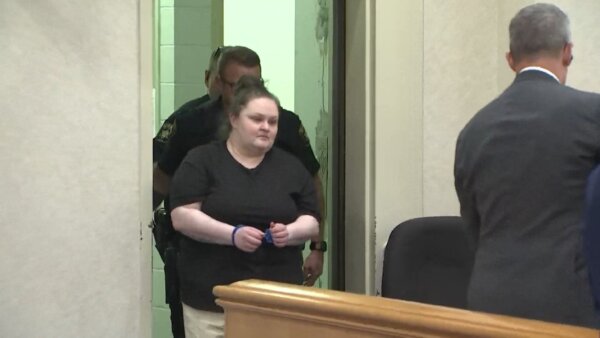
Leslie Van Houten, left, at a parole hearing in June 2000, apologized for her role in the slaying of a Los Angeles grocer and his wife, calling her actions "inexusable."

(Court TV) — Leslie Van Houten, convicted of two murders in the shocking 1969, two-day killing spree carried out by Charles Manson and his followers, is up for her 14th parole hearing on Friday.

The former Manson disciple is considered by many to be a model prisoner, having earned two college degrees and maintained a clean disciplinary record at the California Institute for Women in Frontera, 60 miles east of Los Angeles. She hopes to be the first member of the hippie-like cult to be released on parole.

Van Houten has served over 30 years of a life sentence for the August 1969 stabbing deaths of wealthy grocer Leno LaBianca and his second wife Rosemary in their Los Angeles home. She was 19 years old at the time.

She was not present the night before when Manson and two other disciples killed actress Sharon Tate and four others in Tate's Beverly Hills mansion.

Charles Manson

Van Houten's lawyer, Christie Webb, says her client has grown up since those chaotic days. "She tries to live every day as a good person," Webb told Courttv.com. "She tries to atone for what she did almost 33 years ago."

Van Houten, 52, has been turned down 13 times by the parole board in the past because of the severity of the crime, but in early June, Judge Bob Krug of San Bernadino County ordered a new parole hearing, ruling that the Board of Prison Terms needed to explore Van Houten's prison behavior in greater depth and provide information on what she must do to win her freedom. The board, the judge ruled, could not simply deny her parole based on the seriousness of the crime.

"Other than the finding as to the gravity of the offense, there is a complete lack of any evidence to support the decision of the board," Krug said. "The board failed to make a finding that (Van Houten's) institutional behavior was a factor tending to show her suitability for parole. To fail to do so is an arbitrary and capricious consideration."

Webb said part of the former high school cheerleader and honor student's behavior at the time of the slayings was caused by the "searcher" climate of the 1960s that led her to take drugs. She said Van Houten's fate was sealed when she was brainwashed by Charles Manson.

"She can live under rules and has insight into what role the drugs played. She's a different person," said Webb. "She was used and exploited [by Manson] and the parole board has to look at that."

Van Houten was not a participant in the infamous butchering of pregnant actress Sharon Tate and the four other victims. Manson, and two other followers, Susan Atkins and Patricia Krenwinkel, were convicted for those murders.

The Manson followers were originally sentenced to death but their sentences were converted to life in prison when the death penalty in California was briefly overturned in the 1970s.

Van Houten has said that she had a minimal role in the 1969 killings and apologized for it at her previous parole board hearing in June 2000. If released, Van Houten would live a quiet life, perhaps as a book editor at home, she told the board then.

"I don't know the world out there, but it felt like a good thing for a woman in her 50s to do," Van Houten said.

Van Houten said her actions in 1969 were "inexcusable."

"You can never make it right and I sincerely apologize for all the pain the family went through," she said.

Manson home

Stephen Kay, a Los Angeles County deputy district attorney who helped prosecute the original case, said Van Houten's past behavior was inherent in her character and that she should stay imprisoned.

"There's something in her that responded to Manson. She was not a hippie," Kay said in an interview. "When she joined, Manson was telling them how Hitler was his idol. The facts speak for themselves."

Kay said when he walks into the hearing Friday he will try to bring the board back to the time of the murder and explain Van Houten's role in the killings. He said Van Houten's reputation as an ideal prisoner should not affect the decision.

"I congratulate her for doing well in prison," he said. "I think she should spend the rest of her life as a model prisoner."

 
Manson murders still fascinate, 30 years later


Crime Library's comprehensive coverage


Read victim's letter opposing parole


advertisement


Contact us
©2002 Courtroom Television Network LLC. All Rights Reserved.
Terms & Privacy Guidelines

Small Court TV Logo